
Blog
Home / Blog

Merchant Warrior Review
- 09th Feb, 2026
- | By Linda Mae
- | Reviews
Merchant Warrior is a payment processing provider focused primarily on online and card-not-present transactions. It operates in a space where businesses increasingly demand flexible payment gateways, secure transaction handling, and the ability to scale without rebuilding their payment infrastructure. The company is often evaluated by merchants who prioritize control over integration and transaction flows rather than turnkey POS solutions. Lets read more about Merchant Warrior Review.
In the current digital economy, payment processing is directly related to the stability of revenue, customer trust, and efficiency. The reliability of a provider impacts all aspects of payment processing, from success rates to dispute resolution and readiness. For this reason, businesses tend to go beyond the surface level when evaluating a payment processor. They tend to evaluate the performance of the provider over time, the transparency of the fees, and the reliability of the support team when problems occur.
Merchant Warrior is a solution for businesses that need advanced online payment processing but not necessarily highly integrated services. Its services are likely to benefit ecommerce businesses, subscription-based businesses, and merchants with global customers. It falls between the traditional merchant account providers and the newer gateway-based platforms.
Table of Contents
ToggleCompany Background and Market Presence | Merchant Warrior Review
Merchant Warrior was formed to meet the increasing demand for secure and adaptable online payment processing. Over the years, it has established itself mainly in Australia and also supports international merchants who conduct business across multiple regions. Its longevity in the payment processing sector appears to be aimed at maintaining stability rather than aggressively expanding through acquisitions.
The company operates in a regulatory framework that demands strict compliance with standards, especially in data protection and card security. This context has informed its focus on security measures, compliance, and controlled onboarding processes. Merchant Warrior does not claim to be a one-click signup service, which can be considered both a positive and negative factor depending on the merchant’s perspective.
Its presence in the sector is more evident in supporting businesses that require direct gateway connectivity and customizable payment routing. It may lack the same level of consumer recognition as some of the global online payment services, but it has established itself as a trusted service among merchants who prioritize technical functionality over consumer branding.
Merchant Warrior’s approach appears to prioritize long-term merchant relationships over rapid merchant acquisition. This can be beneficial for businesses that seek consistency and a more tailored setup, though it may not appeal to merchants looking for instant deployment with minimal documentation. Understanding this context helps set realistic expectations about how the platform fits within the wider payments ecosystem.
Core Payment Processing Features
At its core, Merchant Warrior provides standard card payment processing designed for online transactions. This includes the ability to accept payments through merchant accounts that route transactions securely between customers, acquiring banks, and card networks. The platform focuses on reliability and transaction accuracy rather than layered feature bundling.
Merchants using Merchant Warrior can process transactions in real time, manage settlements, and monitor payment activity through reporting tools. The processing flow is designed to support consistent uptime and predictable settlement cycles, which are critical for cash flow management. While the core processing functions are standard across the industry, execution and stability are what distinguish one provider from another.
The Merchant Warrior service includes payment authorization, capture, refund, and void functionality. This allows merchants to have control over the payment process. This is particularly important for merchants who use delayed fulfillment or subscription payment models. The service also has the ability to process recurring payments. This allows merchants to process payments while still following the rules of the credit card companies.
The functionality of the service does not try to burden the user with too many features. The service instead tries to provide reliable payment processing and integration with business systems. This service can be beneficial for merchants who need a simple but reliable payment processing service. It may be less useful for merchants who need many value-added services like marketing and consumer wallets.
Supported Payment Methods and Card Networks
Merchant Warrior supports major card networks that are essential for online commerce, enabling businesses to accept credit and debit card payments from domestic and international customers. This includes widely used card brands that form the backbone of global card-based transactions. For many merchants, reliable access to these networks is more important than niche payment methods.
The platform’s focus remains on card payments rather than an extensive range of alternative payment methods. This can be advantageous for businesses whose customers primarily transact via cards, particularly in regions where card usage is dominant. At the same time, businesses operating in markets where digital wallets or bank transfers are preferred may need to assess whether Merchant Warrior aligns with customer expectations.
International card acceptance is a key consideration for businesses with cross-border customers. Merchant Warrior supports international transactions, though merchants should be aware of potential additional fees, currency conversion costs, and risk controls associated with cross-border payments. These factors are common across the industry and are not unique to this provider.
Rather than positioning itself as an all-in-one payment aggregator, Merchant Warrior maintains a focused approach. This allows for greater reliability within its core offering, though it places responsibility on merchants to evaluate whether additional payment methods are required through integrations or alternative providers.
Online Payment Gateway Capabilities
Merchant Warrior’s payment gateway is a central component of its service offering. It provides businesses with the infrastructure needed to securely accept payments through websites and online applications. The gateway supports both hosted payment pages and more customized integrations via APIs, giving merchants flexibility based on technical capability and user experience goals.
For companies that require faster implementation, hosted payment solutions simplify compliance complexity by not having to handle sensitive card information. This can make PCI compliance easier while still offering a sound checkout solution. Companies with in-house development teams can implement API-based solutions to retain complete control over the experience.
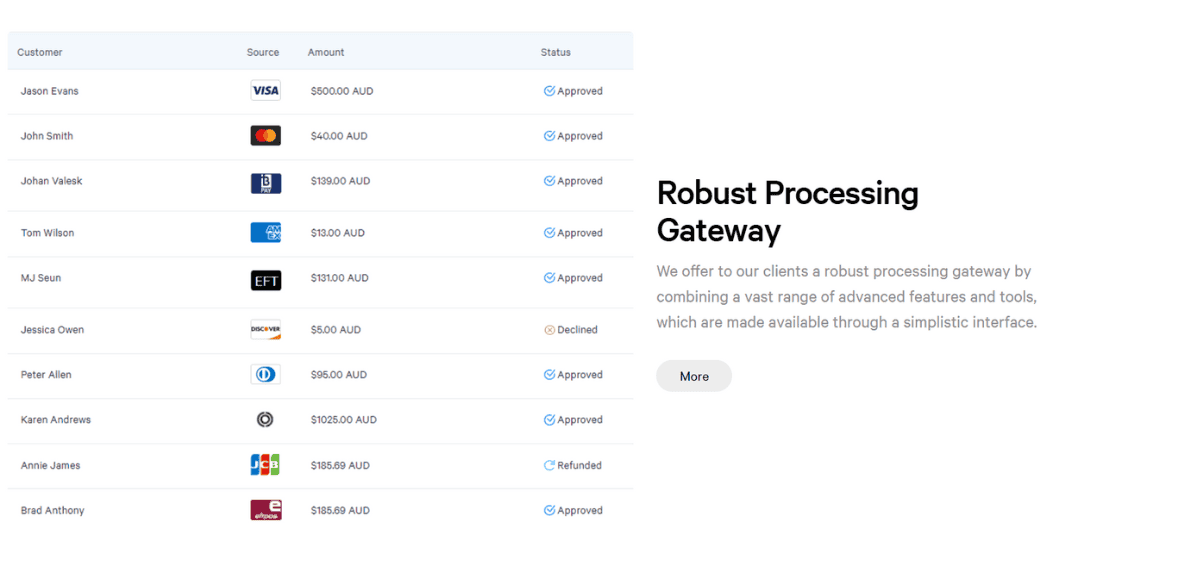
The gateway focuses on security, availability, and consistency rather than aesthetic design features. Although customization is possible, the primary focus is on functionality and compliance. The reporting feature enables merchants to monitor payment activity, view failed payments, and administer refunds.
The gateway provided by Merchant Warrior is appropriate for companies that value control and reliability. This gateway solution may require more setup work compared to simplified gateway solutions. However, this often leads to increased flexibility in the long run. Companies must determine whether they value ease of use or customization when assessing this aspect of the solution.
Integration Options and Platform Compatibility
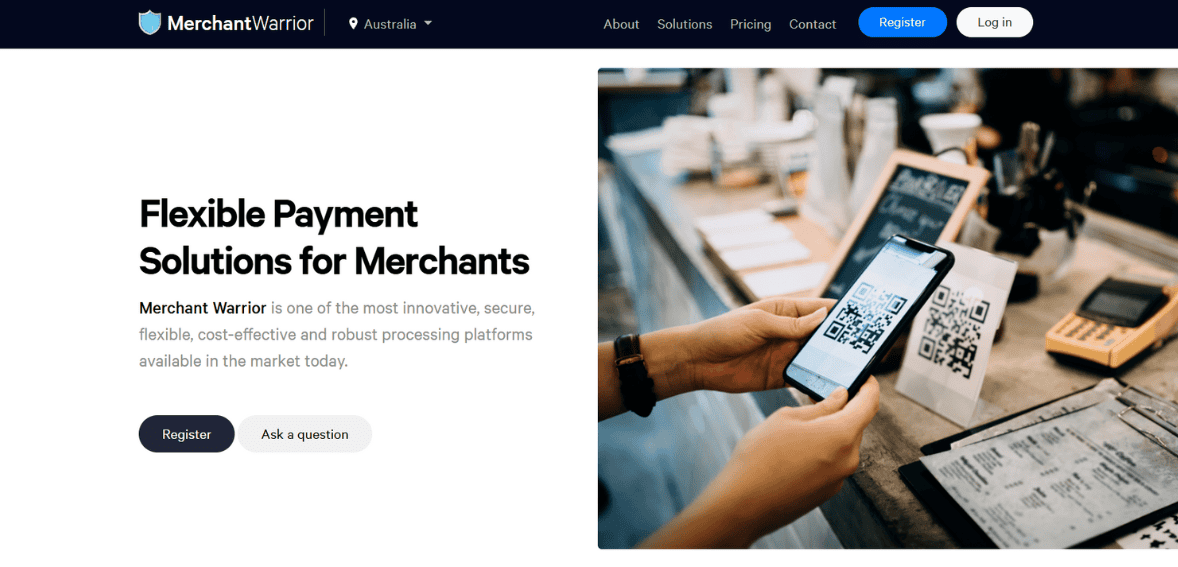
Integration flexibility is one of Merchant Warrior’s notable strengths. The platform supports integration with a range of ecommerce systems, custom-built websites, and backend business tools. Merchants with in-house development teams can leverage APIs to create tailored payment workflows aligned with their operational requirements.
For ecommerce businesses using established platforms, integration options can vary depending on the system in use. Some integrations may require third-party plugins or developer assistance. This makes Merchant Warrior more suitable for businesses that are comfortable managing technical setups rather than those seeking drag-and-drop simplicity.
Accounting and reconciliation processes are an important consideration. Merchant Warrior provides transaction data that can be exported or integrated with accounting systems, helping businesses track revenue and settlements accurately. This is particularly valuable for merchants handling high transaction volumes or multiple currencies.
The integration experience depends heavily on merchant expectations. Businesses looking for instant platform compatibility may encounter additional setup steps, while those prioritizing flexibility and customization may find the available tools sufficient. Understanding internal technical capacity is key when evaluating Merchant Warrior’s integration model.
Pricing Structure, Fees, and Cost Transparency
Pricing is one of the most critical factors when choosing a payment processor. Merchant Warrior typically operates on a merchant account model, which can involve transaction fees, monthly charges, and potential setup costs. Unlike flat-rate aggregators, pricing may vary based on business type, transaction volume, and risk profile.
This approach can benefit established businesses with predictable volumes, as negotiated rates may be more competitive over time. However, it also requires merchants to carefully review fee schedules and understand how different transaction types are priced. Cross-border transactions, chargebacks, and refunds may incur additional costs.
Transparency largely depends on how clearly terms are communicated during onboarding. Merchants should request detailed breakdowns of all potential fees, including monthly minimums and compliance-related charges. While this level of due diligence is standard in the industry, it is particularly important when working with customized pricing models. Merchant Warrior’s pricing may not be ideal for very small businesses seeking simplicity. However, for merchants who value tailored rates and long-term stability, the structure can make sense when aligned with business scale and transaction patterns.
Contract Terms and Merchant Agreements
Merchant agreements define the long-term relationship between a business and its payment provider. Merchant Warrior’s contracts typically outline service terms, pricing structures, and termination conditions. These agreements are standard in the merchant account space but differ from rolling, no-commitment models offered by some modern platforms.
Businesses should pay close attention to contract length, renewal terms, and early termination provisions. Understanding these details helps avoid unexpected costs if business needs change. Contractual clarity is especially important for startups and rapidly scaling companies that may reassess providers as they grow.
Merchant Warrior’s structured onboarding process often includes underwriting and documentation reviews. While this can slow initial setup, it contributes to risk management and account stability. For some merchants, this formality signals reliability. For others, it may feel restrictive. Evaluating contract terms in advance ensures alignment between operational flexibility and long-term commitments. This step is essential regardless of provider, but particularly relevant when working with traditional merchant account models.
Security Standards and Compliance Measures
Security is a foundational requirement in payment processing. Merchant Warrior emphasizes compliance with PCI DSS standards, ensuring that cardholder data is handled according to established industry rules. This helps reduce the risk of data breaches and regulatory penalties. Encryption and secure data transmission are core elements of the platform’s infrastructure. By supporting tokenization and secure checkout methods, Merchant Warrior minimizes the exposure of sensitive information. Merchants using hosted payment pages further reduce compliance scope.
Ongoing compliance responsibilities still apply to merchants. Merchant Warrior provides tools and guidance, but businesses must maintain secure environments on their own systems. This shared responsibility model is standard across the payments industry. For merchants operating in regulated or higher-risk sectors, strong security controls are not optional. Merchant Warrior’s focus on compliance may appeal to businesses that prioritize risk mitigation over rapid deployment.
Fraud Prevention and Risk Management Tools
Fraud prevention is a critical concern for online merchants. Merchant Warrior offers tools designed to help identify suspicious transactions and reduce exposure to chargebacks. These measures can include velocity checks, transaction monitoring, and rule-based filters.
Effective fraud management requires balancing security with customer experience. Overly restrictive controls can block legitimate transactions, while lenient settings increase risk. Merchant Warrior provides merchants with configurable options, allowing them to tailor risk settings based on their business model.
Chargeback management is another important consideration. While no provider can eliminate disputes entirely, proactive monitoring and clear transaction records can support merchants during resolution processes. Merchant Warrior’s reporting tools assist in tracking dispute-related activity. For businesses in higher-risk categories, fraud tools are particularly relevant. Merchant Warrior’s approach is functional rather than automated through artificial intelligence marketing claims. This can be effective for merchants who prefer transparency and manual control.
Customer Support and Merchant Assistance
Customer support quality can significantly influence a merchant’s experience with a payment provider. Merchant Warrior offers support channels designed to assist with onboarding, technical issues, and account management. Availability and responsiveness may vary depending on merchant location and service tier.
The onboarding process often involves direct communication, which can help set up accounts correctly from the start. This reduces the likelihood of configuration errors and compliance issues later. Merchants with technical questions may benefit from this guided approach.
Ongoing support is critical when issues arise such as failed transactions or disputes. Merchant Warrior’s support model leans toward structured assistance rather than instant self-service. Businesses should assess whether this aligns with their expectations for resolution speed. For merchants who value knowledgeable support and accountability, this model can be reassuring. Those seeking instant chat-based assistance may find the experience more traditional.
Scalability for Growing Businesses
Scalability is a key consideration for any payment solution. Merchant Warrior supports businesses as transaction volumes increase, provided that account structures and risk profiles are managed appropriately. This makes it suitable for companies planning steady, controlled growth. The ability to handle higher volumes, recurring billing, and international transactions allows merchants to expand without immediately switching providers. However, scaling often involves account reviews and potential fee adjustments, which is standard for merchant account providers.
Businesses experiencing rapid growth should proactively communicate with Merchant Warrior to ensure infrastructure and limits align with future needs. Planning ahead helps avoid payment disruptions during peak periods. Merchant Warrior’s scalability favors businesses with long-term growth strategies rather than rapid experimentation. This makes it a more suitable option for companies with defined operating models.
Advantages of Using Merchant Warrior
Merchant Warrior offers a reliable payment processing framework suited to businesses that value control, security, and structured support. Its focus on card-based payments, compliance, and customization appeals to merchants with technical resources. The ability to tailor integrations and fraud controls provides flexibility for varied business models. Long-term stability and regulatory alignment can be advantageous for established or international operations. These strengths make Merchant Warrior a practical choice for businesses prioritizing dependable infrastructure over simplified onboarding.
Limitations and Considerations Before Choosing
Merchant Warrior may not suit all businesses. Smaller merchants seeking instant setup and flat pricing may find the onboarding process complex. Limited alternative payment methods may also be a consideration in certain markets. Understanding internal capabilities and customer preferences is essential before committing. A detailed review of fees, contracts, and technical requirements helps ensure alignment.
Frequently Asked Questions
Is Merchant Warrior suitable for small businesses and startups?
Merchant Warrior may be better suited to established businesses with predictable transaction volumes and technical support, rather than very small startups seeking simplicity.
Does Merchant Warrior support international and cross-border payments?
Yes, it supports international card payments, though merchants should review associated fees and compliance considerations.
How secure is Merchant Warrior for online payments?
Merchant Warrior follows PCI DSS standards and provides security tools designed to protect cardholder data and reduce fraud risk.