
Blog
Home / Blog

Payscout Review
- 29th Mar, 2026
- | By Linda Mae
- | Reviews
Businesses have more options than ever when it comes to choosing a payment processor. From traditional merchant account providers to newer fintech platforms, the market is filled with solutions that promise flexibility, speed, and competitive pricing. This abundance of choice can make decision making more complex, especially when each provider presents similar claims but delivers different real world outcomes. Lets read more about Payscout Review.
Payscout is one such payment processor that positions itself as a global payment solutions provider catering to a wide range of businesses. It offers services that go beyond basic transaction processing, including international payment capabilities, risk management tools, and support for specialised industries. For businesses that operate across borders or deal with complex payment environments, such offerings can be particularly relevant.
Table of Contents
ToggleCompany Background and Market Position | Payscout Review
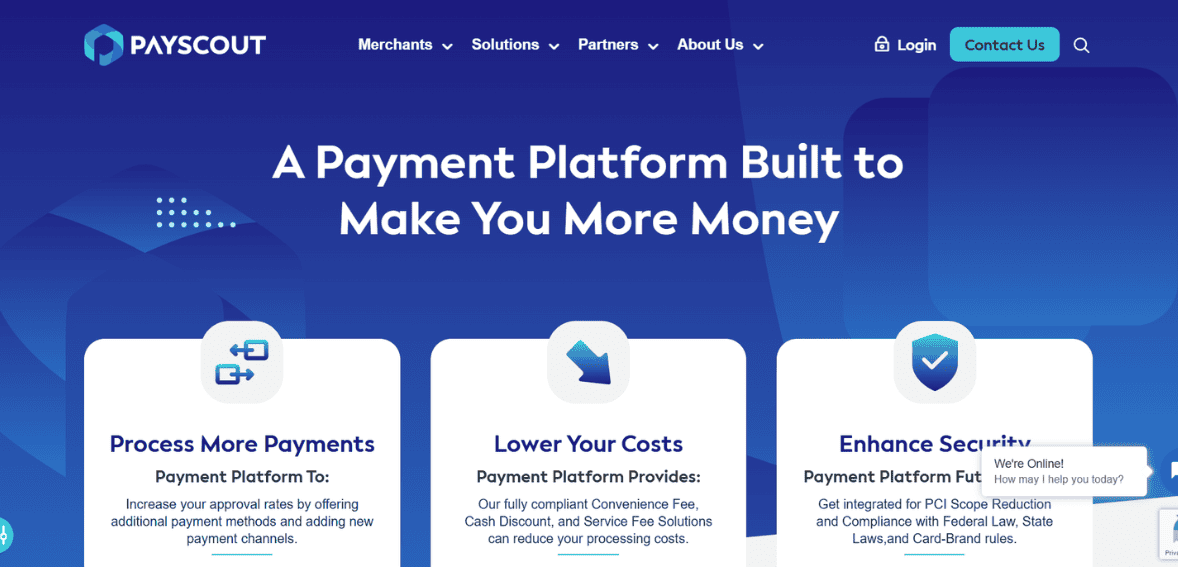
Payscout operates as a payment processing company with a focus on delivering both domestic and international payment solutions. Over time, it has positioned itself as a provider that bridges traditional merchant services with more global and technology driven payment requirements. This positioning places it somewhere between conventional processors and modern fintech platforms.
The company is known for working with businesses that require more than basic card acceptance. This includes companies that operate in multiple countries or those that need support for complex transaction types. By offering a combination of acquiring services, payment gateway integrations, and risk management tools, Payscout attempts to differentiate itself in a competitive market.
In terms of market presence, Payscout does not operate at the scale of some of the largest global processors, but it maintains relevance through its focus on tailored solutions. This can be appealing for businesses that do not want a one size fits all approach. However, a smaller market footprint may also mean less publicly available information compared to larger competitors. Understanding where Payscout fits in the broader payment ecosystem helps set realistic expectations. It is not positioned as a basic low cost processor, nor as a purely technology driven platform. Instead, it operates in a middle ground that combines service, flexibility, and global reach.
Core Payment Processing Services
Payscout’s core offering revolves around merchant account services that enable businesses to accept card payments both online and in person. These services typically include credit and debit card processing, payment gateway access, and settlement capabilities. For most businesses, these features form the foundation of their payment operations.
One of the key aspects of Payscout’s service is its ability to support multiple transaction environments. Businesses can process payments through physical POS systems, eCommerce platforms, or virtual terminals. This flexibility allows merchants to manage payments across different sales channels without relying on multiple providers.
The platform also supports recurring billing and subscription based payment models, which are increasingly common in industries such as SaaS and digital services. This makes Payscout suitable for businesses that require automated billing and ongoing payment management.
In addition to basic processing, Payscout includes tools for reporting and transaction tracking. These tools help businesses monitor payment activity, reconcile accounts, and identify trends in customer behaviour. While these features are expected in most modern payment systems, their effectiveness depends on usability and data accuracy. Overall, Payscout’s core services align with industry standards, offering the essential functionality needed to run day to day payment operations.
International Payment Capabilities
One of the areas where Payscout aims to differentiate itself is in its international payment capabilities. Businesses that operate across borders often face challenges related to currency conversion, regulatory compliance, and varying payment preferences. Payscout attempts to address these challenges by offering solutions designed for global commerce.
The platform supports multi currency transactions, allowing businesses to accept payments in different currencies without requiring separate accounts for each region. This can simplify operations for companies that sell to international customers. It also helps improve the customer experience by enabling payments in local currencies.
Payscout’s approach to international payments also includes support for cross border acquiring. This means businesses can process transactions in different regions while managing settlements through a centralised system. For companies expanding into new markets, this can reduce the complexity of setting up local payment infrastructure.
However, international payment capabilities often come with additional costs and regulatory requirements. Businesses need to carefully evaluate how Payscout handles exchange rates, transaction fees, and compliance obligations in different regions. While the platform offers global reach, the actual effectiveness of these features depends on the specific markets a business operates in. A detailed assessment of regional support is essential before relying on these capabilities.
Supported Payment Methods and Integrations
Payscout supports a variety of payment methods to accommodate different customer preferences. This typically includes major credit and debit cards, which remain the most widely used payment options. In addition to card payments, the platform may also support digital wallets and alternative payment methods depending on the integration setup.
For businesses operating online, integration capabilities play a critical role. Payscout provides access to payment gateways and APIs that allow businesses to connect their websites or applications to the processing system. This enables seamless payment acceptance without requiring extensive technical development.
The platform is also designed to work with existing POS systems and eCommerce platforms. This compatibility helps businesses integrate Payscout into their current operations without major disruptions. However, the ease of integration can vary depending on the specific system being used.
Customisation options are another important aspect of integrations. Businesses with unique requirements may need tailored solutions that go beyond standard setups. Payscout appears to offer some flexibility in this area, although the extent of customisation may depend on the level of support provided. Overall, the range of supported payment methods and integrations makes Payscout adaptable to different business models, but implementation may require careful planning.
Pricing Structure and Fee Transparency
Pricing is one of the most important factors when evaluating a payment processor, and it is also one of the most complex. Payscout, like many traditional processors, does not always present its pricing in a simple or fully transparent manner. Instead, pricing may vary based on factors such as business type, transaction volume, and risk profile.
Typically, payment processors charge a combination of transaction fees, monthly fees, and additional costs for services such as chargeback handling or international payments. Payscout is likely to follow a similar structure, although exact rates may not be clearly disclosed upfront. This can make it difficult for businesses to compare costs without engaging directly with the provider.
Another consideration is the potential for variable fees depending on card types or transaction methods. For example, international transactions or premium cards may incur higher charges. Businesses need to understand these variations to accurately estimate their processing costs.
Transparency in pricing is an area where some merchants may have concerns. Without clear documentation of all fees, it becomes challenging to identify hidden costs or unexpected charges. Reviewing contracts carefully and requesting detailed fee breakdowns is essential. A thorough understanding of pricing is critical before committing to any payment processor, and Payscout is no exception.
Setup Process and Onboarding Experience
The setup process for a payment processor can significantly impact how quickly a business can start accepting payments. Payscout’s onboarding experience typically involves account approval, documentation verification, and system configuration. These steps are standard across the industry, but the efficiency of the process can vary.
Businesses are usually required to provide financial information, business details, and compliance related documents during onboarding. This is particularly important for processors that support international transactions or higher risk industries. While these requirements ensure security and compliance, they can also extend the approval timeline.
Once approved, merchants need to integrate the payment system into their operations. This may involve setting up payment gateways, configuring POS systems, or connecting APIs. The level of technical support available during this stage can influence how smooth the process is.
Some businesses may find the onboarding process straightforward, especially if they have prior experience with payment systems. Others may require more guidance, particularly when dealing with complex integrations or international setups. Overall, Payscout’s onboarding experience appears to align with industry norms, with the actual experience depending on the complexity of the business and the level of support provided.
Security Standards and Compliance
Security is a critical aspect of any payment processing system, as it directly affects both businesses and their customers. Payscout operates within the framework of industry security standards, including compliance with PCI requirements. These standards are designed to protect sensitive payment data and reduce the risk of fraud.
In addition to compliance, payment processors typically implement encryption and tokenisation to secure transactions. These technologies help ensure that card information is not exposed during processing. While Payscout is expected to follow these practices, the effectiveness of implementation is what ultimately matters.
Fraud prevention tools are another important component of security. These tools can include transaction monitoring, risk scoring, and chargeback management features. For businesses operating in higher risk environments, such tools are essential for maintaining operational stability.
Regulatory compliance is particularly important for companies handling international payments. Different regions have specific requirements related to data protection and financial transactions. Payscout’s ability to navigate these regulations is a key factor in its global offering. While the platform appears to meet standard security expectations, businesses should always verify compliance details and ensure that security measures align with their specific needs.
User Experience and Technology Platform
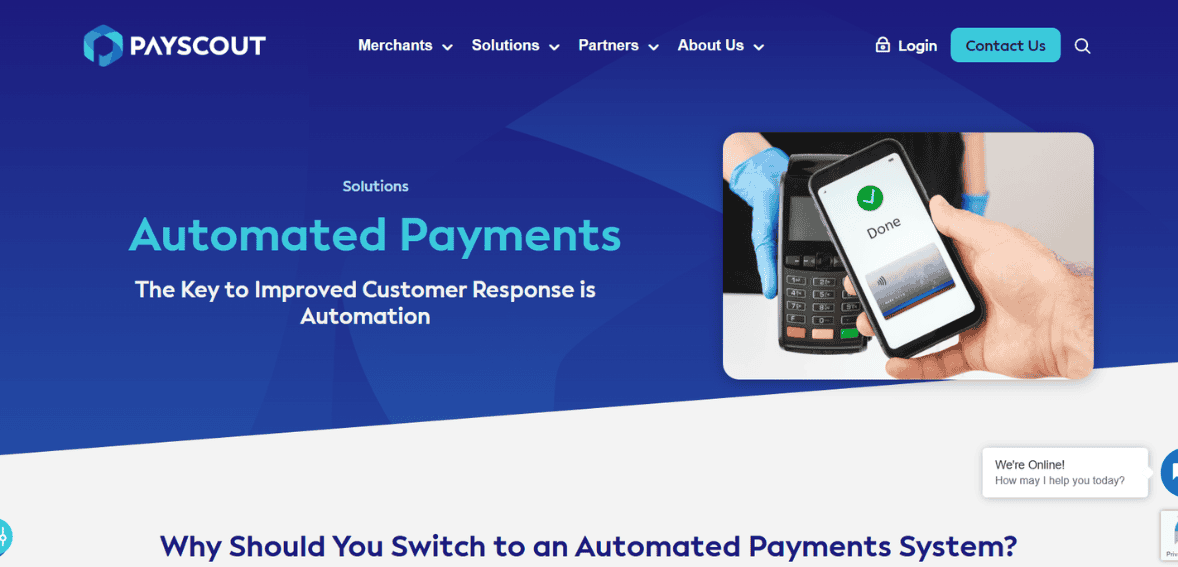
The usability of a payment platform plays a major role in day to day operations. Payscout provides access to dashboards and reporting tools that allow businesses to monitor transactions and manage accounts. The effectiveness of these tools depends on how intuitive and responsive the interface is. A well designed platform should allow users to access key information quickly, such as transaction history, settlement reports, and chargeback details. If the interface is complex or difficult to navigate, it can slow down operations and increase the likelihood of errors.
Technology reliability is another important factor. Payment systems need to operate consistently without downtime or performance issues. Even short disruptions can impact sales and customer experience. Payscout’s platform is expected to meet industry reliability standards, but real world performance may vary.
For businesses that rely on integrations, the stability of APIs and compatibility with existing systems is equally important. Technical issues in these areas can create operational challenges. Overall, Payscout offers the core technology expected from a payment processor, but the actual user experience may depend on the specific implementation and business requirements.
Customer Support and Service Quality
Customer support is often a deciding factor when choosing a payment processor, especially when issues arise. Payscout provides support through various channels, which may include phone, email, and account management services. The quality of this support can significantly affect the overall experience. Responsive support is essential for resolving transaction issues, handling chargebacks, or addressing technical problems. Delays in support can lead to financial losses or operational disruptions. Businesses need to evaluate how quickly and effectively Payscout responds to queries.
Some payment processors offer dedicated account managers for larger clients. This can improve communication and provide more personalised assistance. It is important to understand whether such services are included or come at an additional cost.
Customer feedback on support quality can vary, as experiences often depend on the nature of the issue and the level of service required. While some users may report positive experiences, others may face challenges in getting timely assistance. A reliable support system is critical for long term satisfaction, making this an important area to assess before choosing Payscout.
Industry Specialisation and High Risk Merchant Support
Payscout appears to be dedicated to serving businesses with unique and possibly complex payment needs. This would include those industries that may be considered ‘higher risk’ by traditional payment processors. These types of businesses tend to struggle with finding reliable payment solutions. This makes them an attractive target for industry specialists.
High risk merchant services require additional scrutiny during the onboarding process and monitoring of transactions. This is to mitigate potential risks of chargeback and/or regulatory compliance. Payscout’s willingness to work with these types of businesses may be seen as an advantage. Industry specialists tend to offer additional support to businesses within their industry. This would be especially beneficial for those businesses operating within a niche market.
High risk services tend to come with higher fees and possibly harsher terms. Businesses must weigh these two factors against the potential benefits of working with a processor who understands their industry. Payscout appears to be flexible with industry specialisation. However, they do require businesses to carefully consider fees and terms.
Pros of Using Payscout
Payscout has a number of advantages that may be beneficial to a business with particular requirements. First off, Payscout’s concentration on global payments may be beneficial to a business that operates in multiple areas. The ability to process multiple currencies is always a bonus. Another advantage that Payscout has is its adaptability to different business requirements. By accepting a range of payment methods, Payscout may adapt to different business types. This makes Payscout a great option for both online and offline businesses.
The fact that Payscout is willing to work with high-risk industries is also a great advantage for a business. Businesses that have struggled to find a reliable payment processor may find Payscout a great option. Lastly, the fact that Payscout offers payment processing coupled with risk management may help a business manage its transactions better than a processor that does not have this feature. Although Payscout has a number of advantages that may prove beneficial to a business, one should also consider the disadvantages that a business may encounter with Payscout’s services.
Cons and Potential Limitations
Despite all the good things about Payscout, there are some limitations that businesses should take into consideration before using the service. First off, one of the limitations that businesses may find is that Payscout does not have transparent pricing information. This may limit businesses because they may not have adequate information to help them decide whether or not to use the service. Secondly, another limitation that may exist with Payscout is that customer support may vary for different users. Even though some users may have a good customer support experience with Payscout, some may have a bad time.
Lastly, the sign-up process may take a little longer for some businesses than anticipated, especially for high-risk businesses. In addition, when it comes to technology, Payscout may have some limitations in that it may not have the most innovative technology compared to other payment processors that are relatively new in the industry. Therefore, it is imperative that a business understands both the advantages and disadvantages of using Payscout in order to make a well-informed decision. No payment processor is perfect; therefore, it is crucial that a business understands both the advantages and disadvantages before making a decision.
Final Verdict: Is Payscout the Right Choice for Your Business
Payscout is a payment processing system that is specifically designed for businesses that have complex needs, especially those businesses that operate on a global scale or fall under a high-risk category.
Among the advantages offered by the system are the fact that it can cater to the needs of merchants who may not meet the requirements for other providers; however, the system may not be the best option for a business that needs a simplistic pricing system, complete transparency, and a high level of intuitiveness, especially considering the fact that the system does not offer a clear upfront pricing system and the fact that the quality of customer support may vary;
However, for a business that is willing to work closely with the provider to understand the system and negotiate the prices, the system can offer a lot of benefits to the business through the customized solutions offered by the system and the fact that the system is able to offer a high level of risk management.
FAQs
Is Payscout suitable for small businesses?
Payscout can work for small businesses, but it may be more suitable for those with growth plans or complex payment needs rather than very simple setups.
Does Payscout support international payments?
Yes, Payscout offers multi currency and cross border payment capabilities, making it suitable for businesses operating in multiple regions.
How transparent are Payscout’s fees?
Pricing details are not always clearly disclosed upfront, so businesses should request a detailed breakdown to understand all potential costs.