
Tag Archives: payment technology

BridgePay Network Solutions

BridgePay Network Solutions Review

BridgePay Network Solutions is a payment technology provider that connects merchants, processors, and software developers through a unified, secure gateway. Founded with the goal of simplifying complex payment integrations, BridgePay has become known for its flexibility and strong emphasis on compliance. The company enables businesses to accept and manage transactions across multiple channels; online, in-store, and mobile; without being locked into a single processor or platform. Its solutions are widely used by ISVs, ISOs, and merchants seeking a more transparent approach to payment processing. Lets read more about BridgePay Network Solutions Review.

Over the years, BridgePay has evolved from a basic gateway provider into a versatile payments ecosystem. It offers APIs, SDKs, and white-label tools that allow partners to build customized payment experiences. By bridging the gap between technology and financial services, the company positions itself as an enabler rather than a processor. This means merchants retain the freedom to choose their acquiring partners while relying on BridgePay’s secure transaction layer. With its focus on security, scalability, and partner collaboration, it stands as a trusted intermediary in the growing world of digital commerce.

Core Mission and Market Position | BridgePay Network Solutions Review

BridgePay’s core goal is to simplify payment acceptance while giving its users flexibility. Instead of competing with the big processors, it acts as a neutral connector between merchants and banks. This allows it to focus on technology innovation; particularly around integration and data management; rather than traditional merchant acquiring. The company’s platform gives developers and partners a single interface for transaction routing, reporting and compliance regardless of the underlying processor.

In the payment technology landscape BridgePay fills a niche similar to middleware; enabling existing systems to talk to each other securely and efficiently. It’s perfect for software companies and ISVs that want to add payment capabilities without taking on the full regulatory or operational burden of payment processing. BridgePay’s market positioning is “partner first”; it wants to empower those who build and resell payment enabled software not compete with them. By offering stable APIs, tokenization tools and multi-processor connectivity BridgePay reduces friction in an industry divided by incompatible systems. This collaborative role gives BridgePay an advantage in a fragmented and rapidly changing market.

Overview of BridgePay’s Payment Gateway

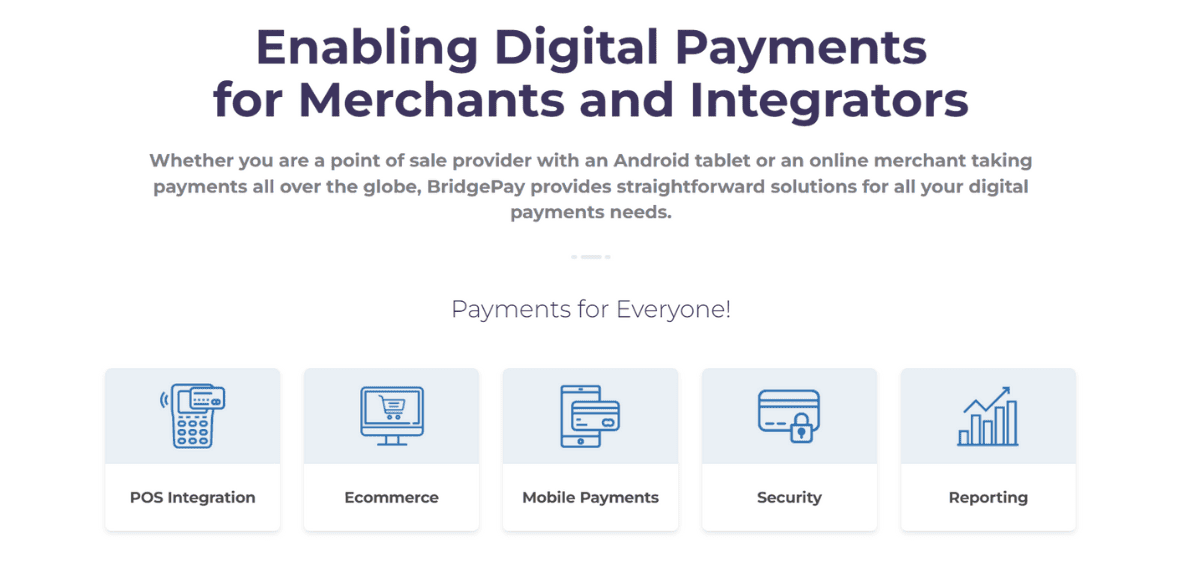
At the heart of BridgePay’s offerings lies its robust payment gateway; a technology layer that routes, encrypts, and authorizes payment data between merchants and processors. The gateway supports a variety of transaction types, including credit and debit cards, ACH, recurring billing, and mobile wallet payments. It is built to handle both card-present and card-not-present environments, making it suitable for e-commerce retailers, hospitality businesses, and service providers alike.

One of the key benefits of BridgePay’s gateway is its processor neutrality. Merchants are not tied to a single acquiring bank, which provides flexibility to negotiate rates or switch providers without changing their integration. The gateway also incorporates advanced fraud-prevention features, ensuring that transaction security is upheld from authorization to settlement. Its cloud-based infrastructure delivers consistent uptime and performance, supporting high-volume businesses as well as small operators.

Additionally, BridgePay’s gateway integrates easily with shopping carts, POS systems, and mobile apps through its developer-friendly APIs. Merchants gain a unified view of their payments across locations and channels, enabling more accurate reporting and reconciliation. Overall, BridgePay’s payment gateway functions as a scalable and secure backbone for modern commerce.

Integration Capabilities and Developer Tools

BridgePay has a developer-first approach. We have well documented APIs, SDKs and sandboxes to get you up and running with a wide range of systems. Developers can embed payment functionality into web, desktop and mobile applications using RESTful APIs and standard libraries. This reduces integration time and lets 3rd party vendors control the user experience of their software.

For businesses using point of sale systems, it has semi-integrated solutions that isolate sensitive card data from the merchant’s network; reducing PCI scope while maintaining a seamless checkout flow. We also support tokenization and stored credential features to help developers manage recurring and subscription billing safely.

BridgePay’s integration options aren’t limited to in-house builds. We support many leading shopping carts, ERP systems and payment processors so developers can connect multiple services through one gateway. Our technical documentation is clear and easy to find and the developer portal has sample code, FAQs and testing tools to make onboarding easier for our partners. BridgePay’s open architecture makes us a great partner for software developers looking to add payment capabilities without starting from scratch.
BridgePay Network Solutions

Security Features and Compliance Standards

Security lies at the core of BridgePay’s infrastructure. The platform is fully PCI DSS Level 1 compliant, which is the highest standard for payment data protection. It uses P2PE and tokenization to ensure that sensitive cardholder data never passes through merchant systems in plain text. These layers of protection minimize the risk of data breaches and unauthorized access.

It also employs robust fraud-management tools that detect unusual transaction patterns and alert merchants to potential threats. Features like CVV verification, AVS, and velocity checking provide additional layers of defense. The company routinely undergoes audits and vulnerability scans to maintain compliance with evolving industry standards.

For businesses concerned about compliance, BridgePay offers guidance and documentation to help merchants understand their security responsibilities. Its semi-integrated payment models further reduce PCI scope by isolating sensitive data from merchant environments. Combined with tokenized storage for recurring payments, these measures reflect a strong security-first mindset. While no system can eliminate all risks, BridgePay’s consistent focus on compliance and encryption places it among the more security-conscious providers in the industry.

Transaction Management and Reporting

BridgePay gives merchants a central dashboard to see and manage transactions in real time. This web based reporting portal allows you to view transaction history, authorizations, settlements, refunds and chargebacks and export data for accounting purposes. The reporting is designed to be easy to read so you can filter by date, card type, terminal or location.

Advanced analytics give you insight into sales patterns and customer behavior. You can see peak times, recurring customers, and potential declines or errors. This helps with operational efficiency and decision making. For multi location businesses BridgePay’s reporting consolidates data from all locations into one interface so you have visibility across the entire business.

The system also has batch management and automated reconciliation with processors. You can set up alerts and daily summaries to stay on top of key metrics. Overall BridgePay’s transaction management tools balance ease of use with depth so both technical and non technical users have control over their payment data. While the interface could use some more modern visualization tools it’s reliable and functional for most businesses.

Supported Payment Methods and Channels

BridgePay’s technology supports a wide range of payment options, reflecting the diverse needs of today’s commerce landscape. Merchants can process all major credit and debit cards, including Visa, Mastercard, Discover, and American Express. Additionally, the platform supports ACH and eCheck payments for businesses dealing in B2B or subscription transactions.

Beyond traditional cards, it accommodates mobile and digital wallet payments such as Apple Pay and Google Pay, enabling smoother experiences at the point of sale. Its recurring billing functionality supports membership models, utilities, and service-based businesses that depend on automatic renewals.

A notable strength of BridgePay lies in its omnichannel approach. Merchants can manage both in-person and online transactions through one system. This unified structure helps simplify reconciliation and customer support. For e-commerce platforms, it offers plug-ins for popular shopping carts, while brick-and-mortar businesses benefit from POS integrations. The flexibility extends to mobile payments as well, giving field service providers and mobile merchants the same access to secure processing as storefront operations. BridgePay’s commitment to multi-channel compatibility positions it as a comprehensive solution for modern businesses.

BridgePay for ISOs, Developers, and Partners

BridgePay’s partner-oriented business model distinguishes it from many payment gateways. It caters specifically to ISVs, ISOs, and VARs who want to deliver payment capabilities under their own brand. Through its white-label program, partners can leverage BridgePay’s technology infrastructure while maintaining complete control over branding, pricing, and merchant relationships.

For ISOs, the platform simplifies merchant onboarding, transaction routing, and revenue tracking. BridgePay provides APIs for boarding automation and access to multi-merchant management dashboards. Developers can embed payments directly into their software products using BridgePay’s secure API suite, reducing the time and cost required to become payment-enabled.

Partners also benefit from BridgePay’s processor-agnostic architecture, allowing them to connect with multiple acquiring banks and gateways. This flexibility ensures that they can serve a broader range of merchants without re-engineering their integrations. BridgePay’s partner support includes technical documentation, co-marketing materials, and integration consulting. Overall, the platform’s partnership ecosystem helps other payment providers and developers extend their market reach without compromising security or scalability.

Hardware and POS Compatibility

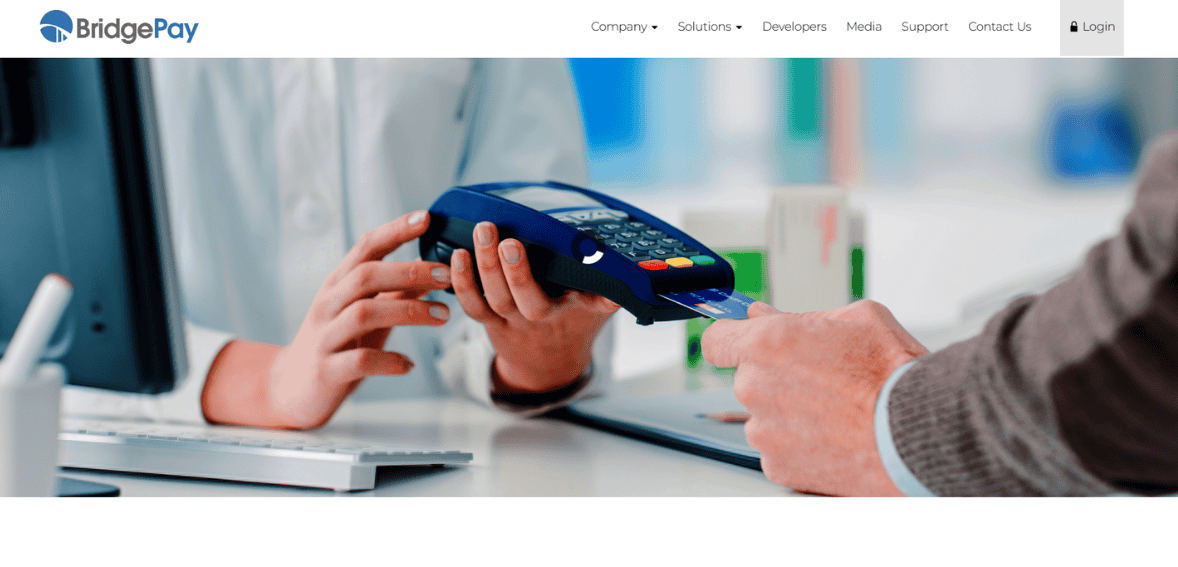
BridgePay supports a variety of hardware options for card-present transactions, ensuring compatibility with leading POS device manufacturers such as Ingenico, PAX, and Verifone. Its semi-integrated approach allows terminals to communicate directly with the gateway while isolating card data from the merchant’s network, improving both security and compliance.

This flexibility enables businesses to choose hardware that fits their environment; whether countertop, mobile, or unattended terminals. For mobile merchants, BridgePay supports wireless and Bluetooth devices that integrate seamlessly with smartphones and tablets. The platform’s device management tools simplify updates and configuration, allowing merchants to maintain consistent performance across locations.

BridgePay also supports EMV chip and contactless payments, keeping businesses aligned with current security and consumer expectations. The system’s design ensures that merchants can continue using existing hardware investments while adding new devices as their operations grow. While it may not manufacture its own terminals, its broad compatibility ensures that businesses can adopt the solution without significant infrastructure changes, making it suitable for both small retailers and large enterprises.
BridgePay Network Solutions

Pricing and Fee Transparency

BridgePay’s pricing model is not publicly disclosed on its website, which is common among technology-driven gateway providers that operate through partners and resellers. Pricing typically depends on factors such as transaction volume, integration type, and the acquiring processor involved. Businesses often negotiate costs through their payment partners rather than BridgePay directly.

That said, BridgePay’s structure tends to favor flexibility. Merchants benefit from the ability to connect with multiple processors, potentially achieving better rates through competition. For ISOs and developers, the white-label arrangement provides room to set their own pricing models, enabling them to design competitive merchant offerings.

While the lack of transparent public pricing may deter very small merchants seeking instant comparisons, the customizable structure suits larger organizations that require tailored contracts. BridgePay’s focus on technology delivery rather than direct processing keeps its cost base lean, which can translate into favorable pricing through partners. Prospective clients are encouraged to consult a BridgePay reseller or ISO partner to receive detailed cost breakdowns and to ensure alignment with their transaction volumes and support needs.

Customer Support and Technical Assistance

BridgePay offers multiple layers of customer and technical support, including email, phone, and online resources. Its documentation portal is particularly useful for developers integrating the gateway, with code samples and troubleshooting guidance. For merchants, BridgePay provides onboarding assistance, system walkthroughs, and operational support to ensure smooth implementation.

The support quality is generally considered responsive, though the experience can vary depending on whether the client works directly with BridgePay or through a reseller. Many partners handle first-line merchant inquiries, while BridgePay focuses on deeper technical or integration issues. The company’s U.S.-based support team has a reputation for professionalism and technical expertise, especially in resolving gateway connectivity and API issues.

It also maintains an active knowledge base with user guides and integration tips. However, unlike larger processors offering 24/7 live chat, availability may depend on contractual arrangements. Still, most users find the support experience reliable, especially during integration and deployment phases. For developers and partners seeking a technically competent yet approachable support team, BridgePay delivers consistent value.

Pros of Using BridgePay

BridgePay offers several notable strengths that make it a competitive option in the payments industry. Its processor-agnostic approach gives merchants and partners freedom to choose or switch processors without major disruptions. This flexibility helps reduce vendor lock-in and enables cost optimization over time.

The company’s emphasis on security and compliance ensures that merchants can meet industry standards without excessive technical overhead. BridgePay’s developer-friendly APIs and white-label programs make it ideal for ISVs and resellers looking to integrate or resell payment technology. Its omnichannel capabilities, spanning online, in-store, and mobile; allow merchants to unify their operations under one reporting and management system.

BridgePay’s platform stability, documentation quality, and scalability also stand out. Businesses that prioritize control and long-term adaptability find these features particularly valuable. While it may not provide its own merchant accounts, its neutral technology backbone and partnership model deliver a strong foundation for payment innovation. In essence, BridgePay’s greatest advantage lies in giving businesses choice and control over their payment infrastructure.

Cons or Limitations

Despite its many strengths, BridgePay is not without limitations. The most significant drawback is the lack of public pricing transparency, which can make cost estimation difficult for small businesses. Because BridgePay often works through ISOs and partners, customer support experiences can vary based on who manages the account.

Another consideration is the technical nature of its integration. While developer resources are extensive, non-technical merchants may require professional help to complete setup and customization. For those seeking quick, plug-and-play payment solutions, it may feel more complex compared to turnkey options.

Additionally, some users report that the reporting interface could be more modern or customizable. The company’s focus on back-end technology sometimes means fewer aesthetic enhancements on the merchant dashboard. International capabilities are also limited, as BridgePay primarily serves North America.

Overall, these limitations are manageable for businesses with a solid technical foundation or access to a development partner. BridgePay’s trade-offs are primarily the result of its flexible, partner-driven model; which favors scalability and customization over simplicity.

Ideal Business Types and Use Cases

It is particularly well-suited for software developers, ISVs, and ISOs who want to integrate or resell payment solutions under their own brand. It serves as a versatile backbone for payment applications across retail, hospitality, healthcare, and service industries. Multi-location merchants and franchise operators benefit from its centralized reporting and flexible processor options.

E-commerce businesses that value data control and security also find BridgePay appealing. Its tokenization and recurring billing tools make it ideal for subscription-based services or SaaS products. For brick-and-mortar retailers, BridgePay’s POS compatibility ensures smooth, secure in-store transactions without the complexity of separate systems.

Startups with technical teams can use BridgePay to build tailored payment experiences, while established enterprises can leverage it for integration with existing ERP or CRM software. Even though it may not cater perfectly to micro-businesses seeking one-click setup, BridgePay’s scalability makes it a long-term solution for growing organizations. In essence, the platform is designed for businesses that view payments as a strategic component of their operations rather than a simple utility.

FAQs

Q1. Is BridgePay Network Solutions suitable for small businesses?

It can support small businesses that have access to technical resources or work through an ISO partner. However, those seeking plug-and-play simplicity may find it more technical than direct processors.

Q2. Does BridgePay support international transactions?

It primarily serves U.S.-based merchants, though select partners may enable limited international processing through specific acquiring banks. It is best suited for North American operations.

Q3. How secure are BridgePay’s payment systems?

It maintains PCI DSS Level 1 compliance, uses tokenization and end-to-end encryption, and implements fraud-detection tools to ensure high standards of payment security and data protection.

Stax Payment Review

Stax Payment Review

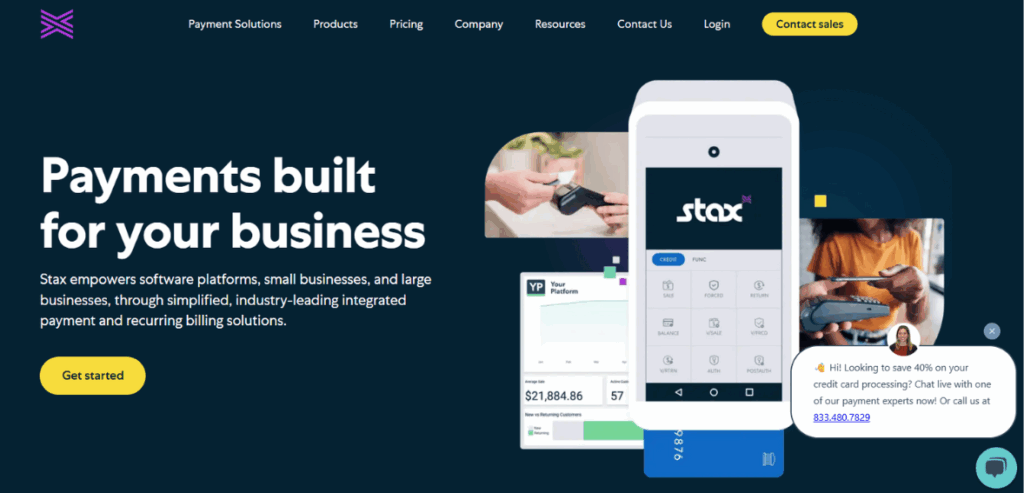
Stax (formerly Fattmerchant) is a US-based payment technology company that bills itself as an all-in-one platform for businesses of all sizes. Unlike many traditional payment processors that are percentage-based, Stax is subscription-based. This makes it a disruptor in the payments space, especially for businesses that process high volume and want to save on fees. Lets read more about Stax Payment Review.

The company offers end-to-end solutions for in-person and online payment needs. Their unified platform includes a virtual terminal, mobile processing, invoicing, analytics and integrations with major accounting and ecommerce software. Stax’s value proposition is simplicity and transparency – direct access to wholesale interchange rates with no markup.

Stax is very clear about their goal to empower businesses by giving them control over their payment infrastructure. Instead of just being a processor, the platform wants to be a payment ecosystem for retail, service-based and SaaS businesses.

While Stax is not as widely known as some larger payment giants, it has carved out a niche by addressing pain points like opaque pricing, scattered software tools, and limited insights into payment performance. However, the platform is not without trade-offs. Businesses with low monthly volumes may find the subscription fee less cost-effective. Still, for the right merchant profile, Stax offers a promising alternative to more traditional options.

Core Features and Capabilities | Stax Payment Review

Stax’s core strength lies in its well-integrated suite of payment and business tools. The platform is built to serve both in-person and digital payment needs, giving businesses flexibility across multiple touchpoints. One of its key features is the virtual terminal, which allows merchants to accept card-not-present transactions through any web-enabled device. This is especially useful for phone orders, invoices, and remote billing.

The platform also supports mobile payment processing, offering businesses a way to accept payments on the go using a card reader paired with a mobile app. This is complemented by features like invoicing, recurring billing, and subscription management, which cater to businesses with service-based models.

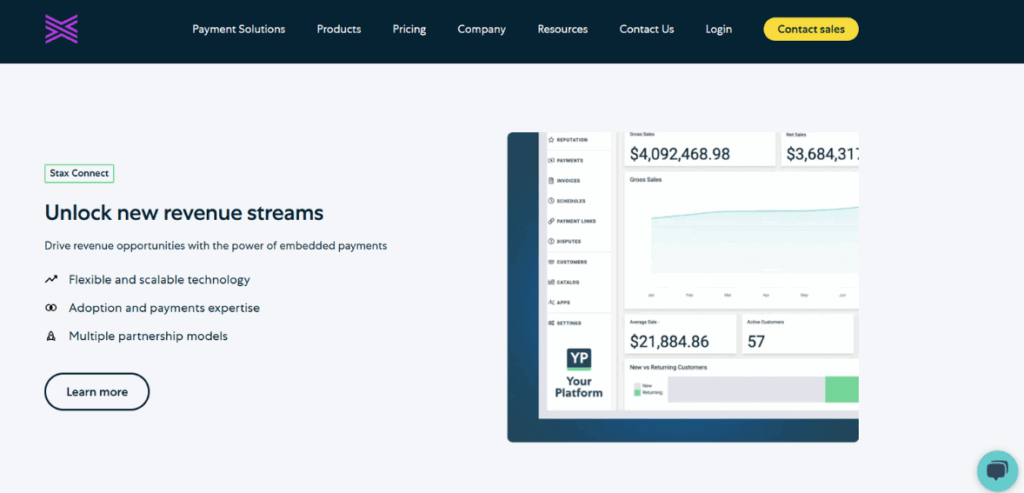
For analytics-driven users, Stax offers a robust reporting dashboard. It provides transaction-level insights, sales tracking, and payment summaries, helping merchants make informed financial decisions. Users can easily search, filter, and export data to integrate with their internal systems.

Another noteworthy feature is third-party integration support. Stax connects with major tools like QuickBooks, Zapier, and ecommerce platforms, allowing smoother accounting and operational workflows.

The system is designed with ease of use in mind, offering a clean UI and centralized access to all features through a single login. While it doesn’t offer the extensive developer-level customization of some platforms, its core capabilities are strong enough to cover most day-to-day payment and business management needs. For businesses looking for a centralized hub that goes beyond payment processing, Stax delivers solid functionality.

Subscription-Based Pricing Model Explained

One of the key differences with Stax is our subscription based pricing model. Unlike traditional payment processing, we don’t charge a percentage on each transaction. Instead we offer direct interchange rates plus a flat monthly subscription fee. This is designed to help businesses keep more of their revenue – especially those processing high monthly volumes.

The idea is simple: pay one flat monthly fee (typically $99/month for small businesses) and get access to wholesale card rates without the markup. This transparent pricing can save you a lot of money compared to traditional processors who charge a percentage on every transaction. But this model isn’t for everyone. For low volume merchants the subscription fee may outweigh the benefits of wholesale rates. A business processing only a few thousand a month may end up paying more with this model than with a per-transaction fee model.

It’s also important to note that certain add-ons and features, such as advanced analytics, API access, or hardware rentals, may incur additional fees depending on the plan tier. Therefore, while the pricing structure is more predictable and potentially more cost-effective for larger businesses, it still requires careful evaluation based on individual usage and growth projections.

In short, Stax’s pricing works best for businesses looking to scale, those that already process large volumes, or companies that value a predictable monthly cost over variable fees.

Stax Payment Review

Hardware and POS Integration Options

Stax provides a solid range of hardware solutions to support both in-store and mobile payment needs. Whether you’re running a physical storefront, a pop-up shop, or a service-based business on the go, the platform offers flexibility in how payments are accepted.

For countertop use, Stax supports a variety of EMV and NFC-enabled terminals from trusted brands like Dejavoo and PAX. These devices support chip cards, contactless payments, and PIN-based debit cards. They are also capable of integrating with the Stax software to ensure that transaction data flows smoothly into the reporting dashboard.

In addition to traditional terminals, the company also offers mobile card readers that pair with smartphones or tablets. These are ideal for businesses that operate in the field or don’t have a fixed checkout location. The mobile app is functional, easy to use, and allows for on-the-spot payments and digital receipts.

For businesses that already use POS systems, Stax offers integration capabilities with third-party POS software. While it may not support every POS on the market, it does cater to several commonly used platforms in retail, healthcare, and hospitality.

One area where Stax is more limited is in offering proprietary POS hardware. Unlike Square or Clover, which offer all-in-one smart terminals, Stax relies more on partnerships with existing device manufacturers. Still, the overall hardware flexibility is adequate, especially for merchants who prefer to bring their own devices or have industry-specific needs.

Online and Ecommerce Payment Solutions

Stax provides a range of tools tailored for online businesses and ecommerce retailers, making it a competitive option for those looking to accept payments beyond a physical store. At the core of its digital offering is the virtual terminal, which lets merchants accept online or phone payments securely through a web browser. This is particularly useful for service providers, freelancers, and any business that invoices clients remotely.

For ecommerce retailers, Stax supports shopping cart integrations and hosted payment pages. These features allow businesses to embed secure checkout options on their websites or redirect customers to a branded payment page without the need for complex coding. Additionally, Stax offers API access for businesses that require custom ecommerce solutions or need to build payment workflows into their web applications. This level of customization appeals to SaaS companies and developers managing more advanced platforms.

Recurring billing and subscription management are also part of the ecommerce toolkit. Merchants can automate customer payments, send branded invoices, and track payment status through the dashboard. One limitation worth noting is that while Stax handles domestic online transactions well, its international capabilities are not as extensive as some global-first platforms. Businesses with a U.S.-centric focus will find the ecommerce features more than sufficient, but global operations should verify regional compatibility first.

Reporting, Analytics, and Business Insights

One of the best things about Stax is the analytics and real-time reporting. The platform has a single dashboard where business owners can see sales trends, transaction volume, payment types and customer behaviour.

Through this dashboard you can filter by time periods, compare growth metrics and download detailed reports that make accounting and forecasting a breeze. Whether it’s understanding revenue flow, finding top selling products or tracking payment disputes the tools give you full visibility on your financial performance.

Stax also has batch settlement views and payment status monitoring which reduces reconciliation errors and helps with cash flow management. The ability to export reports into QuickBooks or Excel formats is super useful for businesses that manage their own books or work with accountants.

For businesses that manage subscriptions or recurring payments the analytics tools also help track customer retention and recurring revenue which is super useful for SaaS and membership based models. That said, some of the more advanced analytics capabilities are only available in higher-tier plans. Businesses looking for deeper insights into customer segmentation or predictive analytics may find these tools locked behind additional fees.

Overall, the reporting functionality is robust for most operational needs. It simplifies financial oversight, minimizes guesswork, and enables more confident business planning.

Customer Support and Onboarding Experience

Customer service is often a make-or-break factor for any software provider, and Stax offers a fairly solid support infrastructure. The company provides assistance through phone, email, and live chat, along with a knowledge base filled with guides, FAQs, and video tutorials. The onboarding process is streamlined, with most businesses able to get up and running within a few days. Account managers are available to walk merchants through hardware setup, dashboard navigation, and initial configuration. For tech-savvy users, the setup is intuitive enough to complete independently.

However, customer reviews show a mixed experience when it comes to responsiveness. While many users praise the helpfulness of the support team during onboarding, some note delays or inconsistent follow-up when seeking help with technical issues or disputes. Support hours are generally within standard U.S. business times, which could be limiting for businesses operating late shifts or weekends. Additionally, certain issues; such as API troubleshooting; may be escalated to specialized teams, resulting in longer resolution times.

Stax also provides resources for self-service, which is a plus for users who prefer to troubleshoot independently. But for businesses that need 24/7 or multilingual support, the platform may not fully meet those expectations. In summary, the onboarding experience is user-friendly and professional, while the customer support is adequate but not exceptional. Businesses with complex setups or high dependency on support should weigh this aspect carefully.

Stax Payment Review

Ideal Business Types and Scalability

Stax is designed to work for all businesses but really shines with medium to high volume merchants. The flat fee pricing model is most beneficial when a business processes enough transactions to offset the monthly fee and get the wholesale interchange rates. Retailers with online and offline presence can benefit from the unified payments system. Service based businesses like law firms, healthcare providers and agencies like the invoicing and recurring billing tools.

Stax is also popular with SaaS companies and subscription based services due to the strong recurring payment features and API integrations. Businesses that value data visibility, automation and seamless payment workflows get the most out of the platform. But smaller businesses or those just starting out may not see immediate ROI. If a business processes less than $5,000-$10,000 per month in card payments the fixed monthly fee may outweigh the potential savings.

Scalability is a strength, as the platform grows with the business. Upgrading to higher-tier plans unlocks additional capabilities like advanced analytics, integrations, and support features. Its modular structure also allows businesses to add on services as needed without a complete overhaul. Overall, Stax is a good fit for growing companies that need a professional-grade solution with predictable costs, especially those who prefer to centralize all payment operations under one platform.

Pros and Cons of Using Stax

Like any payment platform, Stax has its advantages and drawbacks depending on your business size and priorities.

Pros include the transparent pricing model, which can lead to significant savings for high-volume merchants. The platform’s comprehensive feature set; virtual terminal, recurring billing, invoicing, analytics; means businesses don’t need to cobble together third-party apps. The UI is clean and user-friendly, and the software integrates with tools like QuickBooks, making bookkeeping easier.

Another strength is the subscription-based structure, which avoids percentage markups and gives businesses clarity on monthly costs. For those who process large amounts, this predictability can be a game-changer. However, cons include the relatively high monthly fee, which might not make sense for smaller businesses. The platform also lacks proprietary POS hardware and relies on third-party terminals, which could be a limitation for those seeking a tightly integrated, plug-and-play hardware solution.

Additionally, some users have cited inconsistent support experiences, particularly outside of onboarding. Businesses that operate internationally may also find its global features somewhat limited. In short, Stax works well for businesses that are growing, processing substantial volume, and want more control over their payment stack. But for startups or low-volume businesses, the cost-benefit balance may not lean in its favor.

Final Verdict: Is Stax Worth It?

Stax offers a strong alternative to traditional payment processors, especially for growing or established businesses seeking pricing transparency and advanced features. Its all-in-one platform provides wholesale rates, in-depth reporting, and integrated tools, making it ideal for industries like retail, healthcare, SaaS, and professional services. The subscription-based model can lead to significant savings for high-volume merchants but may be costly for smaller businesses or those with fluctuating revenue. While it lacks broad hardware options and international capabilities, its streamlined dashboard and control over payment operations make it a compelling choice for businesses frustrated with hidden fees and fragmented payment systems.

FAQs

Q1. Is Stax suitable for small businesses?

Stax is more cost-effective for businesses processing large volumes. Small businesses with low transaction amounts may not benefit from the subscription fee and could be better served by percentage-based processors.

Q2. Can I use my own payment terminal with Stax?

Yes, Stax supports a range of third-party terminals. However, businesses should confirm compatibility and integration support before committing to hardware.

Q3. Does Stax support recurring payments and subscriptions?

Yes, Stax offers strong recurring billing and subscription management features, making it a good fit for SaaS companies, memberships, and service-based billing models.

MiCamp Solutions Review

MiCamp Solutions Review

Established in 2007 with its main office in Scottsdale, Arizona, MiCamp Solutions is a leading company in the field of payment technology and merchant services. Micah Kinsler, a previous owner of a franchise, founded the company to develop an improved payment processing option for small and medium-sized businesses. A small office with just a few employees rapidly grew into one of the quickest expanding payment processors in the U.S. MiCamp is known for its dedication to transparency, honesty, and customer-focused services. Lets read more about MiCamp Solutions Review.

MiCamp Solutions focuses on offering cutting-edge payment processing services, such as in-store POS systems, mobile payments, and e-commerce solutions. It also provides additional services like consulting and application engineering to help its varied clients with their specific payment difficulties. The company’s consistent expansion and creativity have been acknowledged, earning them a spot in the respected Fiserv Chairman’s Circle and establishing partnerships with important industry partners such as COCARD.

Growth and Industry Recognition

Over the years, MiCamp Solutions has cemented its position as a top performer in the fintech industry. The company has been featured on the Inc. 5000 list for six consecutive years, showcasing its consistent expansion and influence in the market. With over 50,000 clients and processing volumes exceeding $50 billion annually, MiCamp stands as a trusted partner for businesses seeking reliable and efficient payment solutions.

The company has experienced growth thanks to its competitive pricing strategies, such as interchange-plus pricing and the WAVit Fixed Pricing Program, offering clear and cost-efficient options for merchants. MiCamp is known for more than just its financial success; it has also established a solid reputation for outstanding customer service, strong technological solutions, and strategic partnerships that improve its services. By launching programs like MiCamp Cares and MiCamp Sports, the company has demonstrated dedication to community involvement and corporate social responsibility, strengthening its standing as a top player in the industry.

MiCamp Solutions Review

Company Background and History | MiCamp Solutions Review

MiCamp Solutions was founded in 2007 by Micah Kinsler, a former franchise owner who experienced the high costs and complexities associated with payment processing services. His own frustrations motivated him to create a company that would provide clear, trustworthy, and affordable payment options for small and medium-sized companies. With only four employees on board, MiCamp Solutions started its mission to revolutionize the payment processing sector by focusing on transparency and meeting customer needs.

Over the years, MiCamp Solutions grew rapidly, expanding its workforce to over 150 employees and establishing a strong presence across the United States. The company’s commitment to providing value and simplifying payment processes quickly earned it a reputation as a trusted provider. Today, MiCamp serves over 50,000 clients and processes more than $50 billion annually. It has developed a diverse portfolio that includes in-store POS systems, e-commerce solutions, and mobile payment options. Through strategic partnerships and continuous innovation, MiCamp Solutions has become a prominent name in the payment technology industry.

Company Mission and Philosophy

MiCamp Solutions is motivated by a goal to provide thorough, creative, and customer-centric payment processing services. The company highlights honesty, dependability, and competitive pricing as fundamental principles in its products. MiCamp prioritizes transparency and sustainable business practices to help clients easily handle their payment requirements without worrying about hidden fees or complicated contract terms.

MiCamp’s philosophy revolves around building long-term relationships and providing tailored solutions that align with each client’s unique business objectives. This customer-centric approach, combined with a dedication to ethical practices and social responsibility, has enabled MiCamp to achieve significant growth and recognition within the financial services industry.

Services Offered by MiCamp Solutions

MiCamp Solutions provides a wide range of payment processing services designed to cater to various business needs, whether in-store, mobile, or online. The company offers robust solutions that help businesses manage transactions efficiently and securely. By focusing on transparency and customer satisfaction, MiCamp has developed a comprehensive suite of services that address the diverse payment processing needs of its clients.

Payment Processing Solutions

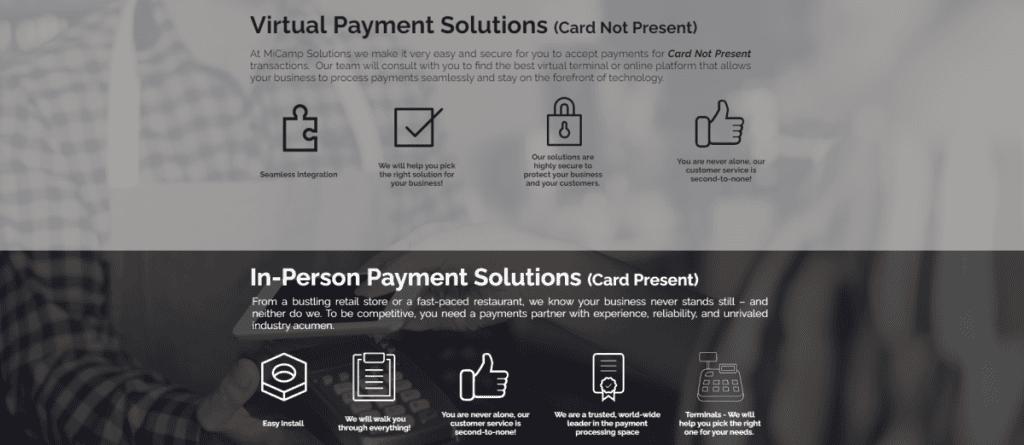
MiCamp’s payment processing services include POS systems in physical stores, mobile payments, and e-commerce platforms. Their POS systems in the store feature modern technology to simplify processing transactions and accept different payment types such as credit and debit cards, contactless payments, and EMV chip cards. MiCamp offers businesses that operate online or remotely the ability to easily integrate mobile payment and e-commerce solutions, enabling them to receive payments through various channels.

Interchange-Plus Pricing Model

MiCamp Solutions employs an interchange-plus pricing model, which offers a clear and straightforward pricing structure. Unlike tiered pricing models that can often obscure costs, interchange-plus pricing includes a fixed markup above the interchange fees set by credit card networks. This structure ensures greater transparency, making it easier for merchants to understand the exact fees they are paying. This model is particularly beneficial for businesses looking to avoid hidden fees and complex billing.

WAVit Fixed Pricing Program

The WAVit Fixed Pricing Program is one of MiCamp’s standout offerings, designed for merchants with monthly processing volumes ranging between $5,000 and $5 million. This program guarantees consistent rates for a five-year period, helping businesses manage costs more effectively. It is an ideal solution for companies that want stability in their transaction fees without worrying about fluctuating rates.

Virtual Terminals and Payment Gateways

MiCamp Solutions provides virtual terminals and payment gateways for e-commerce and remote businesses to process online transactions securely and efficiently. These services offer a variety of payment options, simplifying the process for businesses to accept payments from customers worldwide. The virtual terminals offered by the company are easy to use, giving merchants the ability to accept payments without requiring a physical terminal, and their payment gateways guarantee safe and smooth online transactions.

Pricing Structure and Fees

MiCamp Solutions employs a pricing model designed to offer transparency and flexibility for businesses of varying sizes and industries. The company uses an interchange-plus pricing structure, which involves a fixed markup over the interchange fees set by credit card networks like Visa and MasterCard. This model is known for providing more clarity compared to tiered pricing models, as merchants can see the exact fees they are paying for each transaction. In addition to interchange-plus rates, MiCamp charges a monthly minimum fee of $20, a monthly statement fee of $10, and an annual PCI compliance fee of $99. These standard fees are consistent with industry practices, making MiCamp an attractive option for businesses seeking a straightforward pricing model.

Contract Terms and Early Termination Fees

MiCamp Solutions typically includes a 48-month equipment leasing agreement in their standard contract terms. Some merchants have raised concerns about the relatively high cost of leasing equipment as opposed to buying it outright, with this leasing agreement usually being non-cancellable. MiCamp will charge an early termination fee (ETF) if a merchant chooses to end their contract before it is finished. The typical ETF falls between $250 and $400, depending on individual situations. For instance, merchants who received complimentary equipment or changed processors too soon might face increased charges. It is recommended for businesses to carefully review the terms before signing due to occasional misunderstandings caused by this policy.

Pricing for Additional Services

In addition to standard fees, MiCamp Solutions charges for several additional services, such as gateway fees, batch fees, and technical support. Gateway fees are typically applied to e-commerce businesses and vary based on usage and volume. Batch fees are charged for processing transactions in batches and can add up over time. However, MiCamp does not publicly disclose specific rates for these additional services on its website, making it challenging for prospective clients to get a full picture of total costs. Merchants are encouraged to inquire directly with MiCamp for detailed pricing on these services to avoid any unexpected charges.

Equipment and Technology Solutions

MiCamp Solutions offers a comprehensive equipment leasing program to support its payment processing services, primarily through First Data Global Leasing. This program provides merchants with the option to lease POS terminals and other necessary hardware over a standard 48-month term. However, these leasing agreements are non-cancellable, meaning that businesses must commit to the full duration of the lease, regardless of changes in their operational needs or financial situation. While leasing can provide immediate access to technology without a large upfront cost, it often results in significantly higher long-term expenses. The cost of leasing equipment through MiCamp is generally higher than purchasing the same devices outright, making it less appealing for businesses with tight budgets.

For instance, a POS terminal that is bought outright for $500 could end up costing over $1,000 or even more throughout the lease period. Moreover, merchants who opt to end their lease agreement prematurely may incur significant fines, increasing the total expenses. These elements have caused worries for some customers who believe that the rental program is not as financially advantageous as first advertised.

Recommendation for Equipment Purchase

For businesses looking to optimize their expenses, it is generally more advisable to purchase equipment upfront rather than opting for a long-term lease. While buying the equipment might seem like a larger initial investment, it can save considerable costs in the long run. Purchasing equipment also gives businesses the flexibility to upgrade or replace devices as needed without being tied down by lease agreements or additional fees.

Additionally, having possession of the equipment gives the business more control over the technology they use, allowing them to select devices that suit their particular requirements. Before choosing MiCamp Solutions, it is advisable to carefully compare the costs of leasing and buying to ensure the decision made is in line with financial objectives and business plans.

MiCamp Solutions Review

Customer Support and Service Quality

MiCamp Solutions is committed to providing a range of support options to assist its clients effectively. The company offers multiple support channels, including dedicated phone lines for different departments, email support, and an online contact form for general inquiries. Merchants can contact MiCamp through specialized email addresses for general support, ISV solutions, mergers and acquisitions, and even specific initiatives like MiCamp Cares. This variety of communication options helps ensure that clients can reach the right department for their specific needs, enhancing the overall support experience.

Additionally, MiCamp has a dedicated phone line for general customer support, along with specific numbers for its Newport office and various operational areas. These support channels are designed to provide quick assistance, and the presence of multiple contact options reflects MiCamp’s focus on customer service accessibility.

Customer Service Reputation

Customer feedback about MiCamp Solutions’ service quality is generally positive, with many clients appreciating the company’s proactive approach and responsiveness. The company is known for its willingness to address customer concerns and provide timely support. Merchants have highlighted the ease of contacting support representatives and the professionalism displayed by the customer service team. This has helped MiCamp build a solid reputation for service reliability and client satisfaction.

Nevertheless, certain reviews suggest that there are areas that could be enhanced. Some customers have experienced problems with communication delays, unexpected fees, or navigating the equipment leasing process. Although these issues are not common, they serve to emphasize the significance of maintaining uniform service quality and transparent communication in every interaction.

MiCamp Solutions’ Reputation and Industry Standing

MiCamp Solutions is positioned as a mid-tier credit card processing provider in the industry, serving a wide range of businesses across the United States. The company has built a reputation for offering transparent pricing models and reliable services, making it a suitable choice for small and medium-sized businesses seeking effective payment solutions. MiCamp’s recognition in the industry is reflected in its consistent inclusion in the Inc. 5000 list for six consecutive years, showcasing its steady growth and influence. Additionally, the company is a member of the prestigious Fiserv Chairman’s Circle, further solidifying its standing as a credible provider in the payment processing market.

Despite receiving praise for its customer-focused strategy and competitive prices, MiCamp still encounters difficulties in upholding a positive reputation across all customer engagements. Using the interchange-plus pricing model is viewed positively by the company, distinguishing it in a competitive market due to transparency. Nevertheless, its classification as a mid-tier provider is based on its size and the variety of services provided, placing it as a reliable choice without being a top player in the industry like some larger companies.

Common Complaints and Areas of Improvement

Despite its strong reputation, MiCamp Solutions has received some complaints from customers, primarily related to fees and contract terms. A common grievance involves unexpected fees, such as higher-than-expected early termination fees or equipment leasing costs that were not clearly communicated upfront. Some merchants have reported discrepancies between the fees discussed during the sales process and the actual fees charged, leading to confusion and dissatisfaction.

There have also been concerns about the non-cancellable 48-month equipment leasing contracts, which can be burdensome for small businesses that experience changes in their financial situations. Addressing these issues through better communication and enhanced transparency in contract terms could significantly improve MiCamp’s overall customer satisfaction and reputation in the industry.

Key Advantages of Choosing MiCamp Solutions

MiCamp Solutions stands out in the payment processing industry not just for its comprehensive service offerings, but also for its commitment to community engagement and customer satisfaction. The company’s unique initiatives, such as MiCamp Cares and MiCamp Sports, are designed to foster a positive impact beyond its business operations, making it a well-rounded choice for businesses that value social responsibility along with reliable payment solutions.

Innovative Programs

MiCamp stands out for its emphasis on community and social efforts. MiCamp Cares is a program dedicated to supporting charitable activities and promoting the success of local businesses as a way of giving back to the community. By offering financial assistance and resources, MiCamp has shown its dedication to creating a significant impact on various causes through this initiative. On the flip side, MiCamp Sports is a program that encourages physical activity and participation through supporting sports events and programs for young people. These efforts showcase the company’s commitment to making a positive impact on the community and enhancing its connections with clients and partners.

Comprehensive Service Offering

In addition to its community engagement programs, MiCamp Solutions offers a broad spectrum of services tailored to businesses of different sizes and industries. From in-store POS systems and e-commerce solutions to mobile payment processing and virtual terminals, MiCamp provides the tools needed to support diverse business models. Its service offerings are designed to cater to both small businesses and large enterprises, ensuring flexibility and scalability.

MiCamp’s advanced technological solutions, such as integrated software for ISV developers and payment gateways for online merchants, allow businesses to streamline their operations and improve efficiency. The company’s emphasis on transparency through its pricing models and its commitment to providing reliable customer support further solidify its position as a strong contender in the payment processing industry. Choosing MiCamp Solutions means partnering with a company that offers more than just transactional services—it’s a partnership that emphasizes value, community impact, and long-term growth.

MiCamp Solutions Review

Considerations and Recommendations

MiCamp Solutions offers a diverse range of payment processing services that can benefit various types of businesses, depending on their size, industry, and transaction volume. Understanding which businesses would benefit most from MiCamp’s offerings and how the company stacks up against its competitors can help potential clients make an informed decision.

Who Should Consider MiCamp Solutions

MiCamp Solutions is best suited for small to medium-sized businesses and growing enterprises looking for transparent pricing models and comprehensive payment processing options. Businesses that have a steady monthly transaction volume between $5,000 and $5 million are ideal candidates for MiCamp’s WAVit Fixed Pricing Program, which provides consistent rates over a five-year period. This makes it an attractive option for companies that want to avoid fluctuating costs and prefer long-term stability.

Retailers, restaurants, e-commerce platforms, and businesses providing services can all take advantage of MiCamp’s strong in-store POS systems, mobile payment choices, and virtual terminals. Moreover, MiCamp’s offerings are advantageous for optimizing business processes for companies in need of advanced technological solutions like integrated software for independent software vendors (ISVs). MiCamp is also suitable for sectors that prioritize transparency, as it provides merchants with a clear view of the fees they are paying through the interchange-plus pricing model.

Comparing MiCamp to Competitors

Compared to other mid-tier payment processors, MiCamp Solutions stands out for its commitment to transparent pricing and extensive customer support. While some competitors offer tiered pricing structures that can be confusing for business owners, MiCamp’s interchange-plus model provides a clearer breakdown of costs. This transparency can be a major advantage for merchants who want to avoid hidden fees or unexpected charges.

However, some competitors like Helcim and CDG Commerce offer lower interchange-plus pricing rates and fewer contract obligations, making them potentially more appealing to businesses seeking lower costs. Unlike some competitors, MiCamp’s 48-month equipment leasing agreements may not suit businesses that want more flexibility in their payment processing arrangements. Overall, MiCamp Solutions is an excellent option for businesses seeking transparency, community engagement, and comprehensive support, but prospective clients should carefully compare their specific needs and budget to other providers before making a decision.

Final Thoughts and Conclusion

MiCamp Solutions provides clear pricing models, extensive service options, and active community involvement with programs such as MiCamp Cares. Although it has outstanding customer service and is highly regarded in the industry, it has drawbacks such as non-refundable equipment leasing terms and potential hidden charges. In general, it is well-suited for companies looking for openness and durability in payment processing.

Frequently Asked Questions (FAQs)

What is the standard contract length for MiCamp Solutions?

MiCamp Solutions typically offers contracts with a standard 48-month term, especially for equipment leasing agreements, which are non-cancellable. This can be a commitment for businesses looking for flexibility in their payment processing options.

What pricing model does MiCamp Solutions use?

MiCamp primarily uses an interchange-plus pricing model, which is known for offering greater transparency compared to tiered pricing structures. It allows merchants to clearly see the markup added to the interchange fees set by card networks.

Are there any early termination fees associated with MiCamp Solutions?

Yes, MiCamp charges early termination fees in specific scenarios, such as when providing free equipment or when merchants switch providers before the completion of the contract. These fees typically range from $250 to $400, depending on the terms of the agreement.