
Author Archives: Linda Mae

PayPros Review

PayPros Review

Established in 1995, PayPros has experienced substantial growth as a payment processing company. At first, the company was known as Payment Processing, Inc., but later changed its name to Global Payments following its acquisition. Located in Newark, California, it has gained recognition for providing a variety of services tailored to businesses of all sizes. Its focus is on providing comprehensive payment solutions that blend software and hardware features, benefitting merchants across various sectors like retail, healthcare, hospitality, and e-commerce. Let’s delve deeper into the PayPros Review.

Due to its wide range of solutions, it has built a strong reputation in the payment processing sector. These services encompass credit and debit card processing, online payments, and recurring billing. It offers comprehensive solutions for businesses to easily handle payment processes. Being a part of Global Payments, PayPros utilizes an international network to assist millions of merchants in handling more than 140 various forms of payments.

Its customer base includes small businesses, medium enterprises, and large organizations, each benefiting from its tailored solutions. For smaller enterprises, it provides easy-to-use POS systems, virtual terminals, and mobile payment options. Larger enterprises can take advantage of its ability to handle high transaction volumes and complex payment needs, with tools such as payroll and human resources solutions, further enhancing its appeal as a one-stop shop for businesses of various sizes.

With a commitment to security, including PCI compliance and fraud detection tools, it continues to position itself as a reliable and trustworthy partner for businesses looking to streamline their payment processes while ensuring customer protection.

PayPros Review

Key Features of PayPros | PayPros Review

PayPros is a robust payment processing solution designed to meet the needs of businesses of all sizes. With a wide range of services, it caters to businesses in various industries, offering tools for seamless transactions and management. This platform combines core payment services with additional features to provide a flexible and integrated experience for merchants.

Core Payment Services

PayPros’ key offerings include credit card processing, enabling businesses to accept payments from all major card networks, including Visa, MasterCard, and American Express. These services cover both in-person and online transactions, providing flexibility for retail, e-commerce, and service-based industries. The platform also supports ACH (Automated Clearing House) and eCheck processing, allowing businesses to offer their customers additional payment methods.

Additional Services Offered

Apart from simple payment processing, PayPros provides an array of extra services like POS (Point of Sale) systems, allowing businesses to manage in-person transactions effectively. These systems are perfect for retail and service-based businesses that need payment processing in real-time. The platform also facilitates invoicing and recurring payments, making the billing process more efficient for subscription-based businesses or companies in need of automated payment solutions.

Integrations with Other Business Software

One of the major strengths of PayPros is its ability to integrate with other business software, such as accounting tools and CRM (Customer Relationship Management) platforms. These integrations allow businesses to manage their finances and customer interactions seamlessly while reducing manual input and improving overall efficiency. By connecting with various software solutions, it ensures that businesses can maintain a cohesive workflow, improving both operational efficiency and customer satisfaction.

PayPros Pricing and Contract Terms

PayPros offers a range of pricing options designed to meet the needs of different businesses. While its structure is not publicly detailed in full, merchants can expect flexibility in fees based on their specific requirements. Below is a breakdown of PayPros’ pricing model and contract terms, along with comparisons to industry standards.

Breakdown of Pricing Structure

PayPros uses a flexible pricing structure that is based on variables like transaction volume, risk profile, and industry. PayPros provides competitive rates for credit card transactions which start at 1.1% + $0.19 per transaction; similarly, debit card transactions can have fees as low as 0.5% + $0.19. Nevertheless, these prices may differ for companies with riskier profiles or fewer transaction amounts. Moreover, PayPros offers an attractive advantage for businesses by not imposing any setup fees, which helps in lowering initial expenses.

Long-Term Contracts and Early Termination Fees

PayPros typically requires businesses to sign a three-year contract. Should a business decide to terminate the agreement before the contract period ends, they may be subject to an early termination fee of $300. This fee can be a disadvantage for businesses that prefer month-to-month agreements or more flexible arrangements, as some competitors in the industry offer services without long-term commitments or termination fees.

Comparison with Industry Pricing Standards

Compared to other payment processors, PayPros’ fees are competitive, though the lack of transparent pricing can be a challenge for businesses trying to plan their expenses. Many competitors offer more transparent, tiered pricing models, while PayPros’ rates depend heavily on factors that are not publicly disclosed. Businesses will need to directly contact PayPros to receive tailored pricing information, which can sometimes result in higher-than-expected costs. Overall, while PayPros is competitive in many areas, businesses should carefully review the contract terms and pricing before committing.

User Experience and Interface of PayPros

PayPros provides a simplified and effective user experience tailored for both business owners and their customers. The focus of its interface is on simplicity and functionality, allowing users to easily handle their payments and other responsibilities with minimal complications. Here’s a more in-depth analysis of how PayPros fares in terms of simplicity, layout, and personalization.

Ease of Use for Business Owners and Customers

The PayPros platform is built with ease of use in mind. For business owners, the system provides a clear dashboard that allows for easy navigation through critical functions like payment processing, invoicing, and sales tracking. The platform’s intuitive design ensures that even those without technical expertise can manage payments efficiently. For customers, the checkout process is seamless, with payment options clearly laid out, making it easy for them to complete transactions quickly and securely.

Design and Navigation of the Platform and Mobile App

The overall design and layout of PayPros are clean and user-friendly. It employs a simple navigation system where essential tools are easily accessible. The platform’s web version offers clear menus and shortcuts, making it straightforward to locate specific features. The mobile app is equally user-friendly, featuring a responsive design that adapts well to smaller screens without compromising functionality. The mobile interface retains the simplicity of the desktop version, ensuring that users can process transactions, monitor sales, and handle invoices on the go.

Available Customization Options for Businesses

PayPros provides a range of customization choices, enabling companies to personalize their payment procedures according to their individual requirements. Entrepreneurs have the option to connect the platform with additional tools such as accounting software or CRM systems, guaranteeing a smooth transfer of data across various business departments. The ability to customize settings also allows for configuring invoicing templates and automating recurring payments, offering particular benefits for subscription-based companies.

PayPros Review

Security Features and Compliance

PayPros offers a robust set of security features to safeguard sensitive data during transactions, ensuring compliance with the Payment Card Industry Data Security Standard (PCI DSS). PCI compliance mandates that businesses follow strict guidelines to protect cardholder information, reducing the risk of data breaches. By adhering to these industry standards, PayPros ensures that sensitive data is managed securely and responsibly.

An important component of PayPros’ security system involves employing advanced tools for detecting fraud and encrypting data. Continuous monitoring of transactions in real-time by fraud detection systems help in detecting suspicious activities and irregular patterns, enabling prompt response to potential threats. By utilizing algorithms and machine learning, these systems lower the chances of fraudulent acts like identity theft and account takeovers by detecting irregularities.

To enhance security further, PayPros implements SSL certificates to establish a secure link between customers’ browsers and servers, ensuring encrypted data transmission. Additionally, tokenization technology replaces sensitive payment information, such as credit card numbers, with randomly generated tokens, adding another layer of protection. This ensures that even in the event of a breach, the stolen data holds no exploitable value.

Other security protocols include multi-factor authentication (2FA), which requires users to verify their identity through two separate means, such as a password and a mobile device, further securing sensitive information from unauthorized access. These combined measures demonstrate PayPros’ commitment to maintaining a high level of security and compliance for its customers.

Customer Support and Service

PayPros offers a range of customer support options to assist merchants with their needs. Customers can reach out for help via phone, email, and online contact forms, making it easy to get support through multiple channels. However, live chat is not widely available, and some users have reported long wait times on the phone, which can be a challenge when trying to resolve issues quickly.

In terms of availability, PayPros customer support is accessible during business hours, typically Monday to Friday from 9 AM to 5 PM EST. While not 24/7, this coverage ensures that customers can receive assistance during regular working hours. For payroll and HR services, additional support options are available, with some flexibility in response times depending on the service.

When it comes to customer satisfaction, feedback is mixed. Some users have had positive experiences, appreciating the company’s knowledgeable staff and the breadth of services offered. However, others have expressed frustrations, particularly with delays in response times and issues with billing or contract disputes. Overall, while PayPros offers a solid range of support options, customer experiences can vary significantly depending on the complexity of the issue​.

PayPros for Different Business Types

Supporting Small Businesses

PayPros offers a variety of solutions designed to help small businesses manage their payments easily and effectively. Its payment processing tools are scalable, meaning that they can grow as the business expands. Small businesses benefit from features like virtual terminals, which allow payments to be processed from any location, and easy integration with point-of-sale (POS) systems that support in-store, online, and mobile transactions. Additionally, recurring billing options and simple setups make it easier for small companies to manage cash flow and customer transactions efficiently.

Features for Larger Enterprises

Big companies need more advanced and sturdy payment options, and PayPros provides them with sophisticated analysis, customizable gateways, and fraud prevention systems. These characteristics are essential for handling increased transaction quantities and mitigating risks linked to expansive operations. PayPros’ ability to easily connect with current corporate systems also guarantees that companies with numerous payment options like in-store, online, or recurring payments can manage their transactions smoothly and abide by industry regulations.

Industry-Specific Solutions

PayPros caters to a variety of industries, offering tailored solutions to meet specific business needs. In the retail sector, PayPros supports a smooth customer experience with reliable POS systems and real-time transaction monitoring. For e-commerce businesses, it provides secure online payment gateways that ensure data protection while enabling a seamless checkout process for customers. Additionally, in the hospitality industry, PayPros offers integrated payment solutions that allow businesses to process both online reservations and in-person payments, improving operational efficiency and customer satisfaction.

PayPros Review

Integration and Customization Options

PayPros offers a variety of integration and customization options that allow businesses to tailor their payment systems to their specific needs. It supports seamless integration with popular third-party platforms, including e-commerce platforms such as Shopify, Magento, and BigCommerce. This helps businesses manage their online stores more efficiently by automating processes such as payment processing and inventory management. Additionally, it integrates with accounting software like QuickBooks, Xero, and Sage, which ensures smooth financial operations by syncing transactions and simplifying bookkeeping.

PayPros offers developers custom API integrations that allow for the flexibility required to connect the platform with different business systems. The PayPros API allows businesses to create unique payment experiences by integrating with CRM systems, ERP platforms, or custom-built applications. Businesses with particular operational needs rely on this level of flexibility to automate tasks and improve workflow effectiveness.

In terms of customization, PayPros allows businesses to personalize their payment systems to align with their brand. Through customizable interfaces and tailored payment flows, businesses can create a more cohesive customer experience. This can include features like personalized checkout pages and tailored payment methods, making it easier to deliver a seamless and branded experience to customers. With these tools, it provides businesses with the ability to scale their operations and enhance customer satisfaction across various platforms.

Strengths and Weaknesses of PayPros

Strengths of PayPros

Scalability: PayPros provides scalable solutions that cater to both small and large businesses. It supports over 140 payment types, making it adaptable to various transaction methods and business sizes.

Integration Capabilities: PayPros excels in integrating with third-party platforms such as Shopify, Magento, and QuickBooks. This makes it easier for businesses to manage transactions, inventory, and accounting in one streamlined system.

Affordability: PayPros provides cost-effective pricing with no account setup fees, which is advantageous for small businesses. The clear pricing structure guarantees there are no hidden fees, giving merchants a straightforward view of their costs.

Customizability: Through custom API integrations, it allows businesses to tailor their payment systems according to specific operational needs, giving them flexibility and control.

Weaknesses of PayPros

Contract Terms: One of the main drawbacks of PayPros is its contract structure. The company usually requires long-term agreements, often with early termination fees that can be as high as $500, which can limit flexibility for some businesses.

Hidden Fees: Despite its efforts to promote transparency in pricing, it has still been criticized by some users for charging unexpected fees such as PCI compliance and monthly maintenance fees. These concealed expenses can accumulate over time and impact the overall affordability.

Customer Support Issues: Several users have expressed concerns about long wait times and difficulty in getting timely customer support. This can be problematic for businesses that rely on immediate solutions for payment-related issues.

Comparison with Competitors

In the payment processing industry, PayPros stands out for its powerful integration features and flexibility when compared to rival companies. Nonetheless, Square and Stripe are recognized for their clear pricing structures and contracts that are favorable to customers. While it may have advanced scalability and customization, other providers may provide better support that is easier for users and have lower hidden fees.

Final Verdict on PayPros

PayPros provides robust integration features, flexibility, and tailored payment options, making it a perfect fit for both small and large companies. Nevertheless, some people might be put off by the contract terms and additional fees that are not readily apparent. In general, it is a good option for businesses that need flexibility and support across multiple platforms for their payment processing needs.

FAQs

Is PayPros suitable for small businesses?

Yes, PayPros offers tailored solutions for small businesses, featuring affordable rates and user-friendly software, making it ideal for growing companies.

What kind of customer support does PayPros provide?

PayPros provides 24/7 customer support via phone, email, and live chat, ensuring that businesses can quickly address any issues.

Does PayPros offer a trial or demo period?

Yes, PayPros offers a demo, allowing businesses to explore its features and services before committing to a contract.

Burlington Bank Card Review

Burlington Bank Card Review

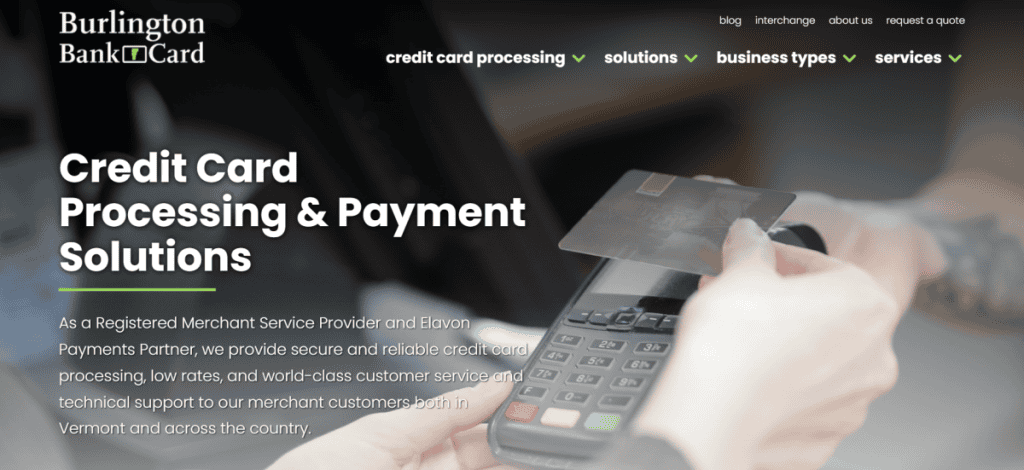
Burlington Bank Card, provided by Burlington Bank, is well-known for its extensive features designed to cater to a variety of customer requirements. The credit card is notable in the market due to its competitive rewards, flexible terms, and comprehensive customer support. Lets read more about Burlington Bank Card Review.

Burlington Bank, founded in 1980, is known for offering dependable financial services while prioritizing customer satisfaction and creativity. Established with the aim of providing convenient banking options, the bank has expanded greatly in the years. Its offerings include personal banking and business solutions, all focused on providing financial empowerment and convenience for customers.

The Burlington Bank Card is designed to cater to a variety of financial needs. It offers several variants, including standard, rewards, and premium options. Each card type is equipped with unique features such as cashback rewards, travel benefits, and introductory offers that enhance its appeal. The card’s flexible terms and competitive interest rates are crafted to suit both everyday purchases and larger expenditures.

Burlington Bank’s mission is to provide high-quality financial services while maintaining a commitment to customer-centric values. The bank emphasizes trust, innovation, and integrity, aiming to build long-lasting relationships with its clients. Through continuous improvement and a focus on community engagement, Burlington Bank strives to deliver exceptional value and support to its customers.

Burlington Bank Card Review

Card Features and Benefits | Burlington Bank Card Review

Card Types and Variants

The Burlington Bank Card offers a range of options designed to meet different needs and preferences. These include:

Standard Card: The entry-level option, ideal for everyday use. It provides basic benefits like a low annual fee and standard interest rates.

Rewards Card: This version is designed for cardholders who want to earn rewards on their spending. It includes a rewards program that offers points or cashback on qualifying purchases.

Premium Card: For those seeking more extensive benefits, the premium card offers higher rewards rates, additional perks, and more comprehensive travel and purchase protections.

Key Features

Interest Rates and APR: The Burlington Bank Card comes with competitive Annual Percentage Rates (APR), which vary depending on the card type and the cardholder’s creditworthiness. The standard card generally has a lower APR, while the rewards and premium cards may have slightly higher rates but offer more extensive benefits.

Rewards and Cashback Programs: The rewards card and premium card offer appealing reward programs. With these cards, you can earn cashback or points for each dollar you spend. You can then use these rewards for different benefits, such as travel, merchandise, or reducing your bill.

Bonus Offers and Introductory Rates: Burlington Bank often provides enticing bonus offers for new cardholders, such as a sign-up bonus or 0% introductory APR on purchases and balance transfers for the first few months. These offers add significant value for those who are just starting with the card.

Additional Benefits: In addition to rewards, the premium card provides extra benefits such as travel insurance, purchase protection, and extended warranties. These features offer extra safety and comfort for those who travel often or spend a lot.

Overall, the Burlington Bank Card offers a variety of features and advantages that are meant to meet different financial needs, making sure there’s a choice that fits various lifestyles and spending patterns.

Application Process

Applying for a Burlington Bank Card is designed to be a straightforward and user-friendly process. Here’s a detailed look at what you need to know:

Eligibility Requirements

To apply for a Burlington Bank Card, you must meet certain eligibility criteria:

Credit Score: A good to excellent credit score is typically required, though specific requirements may vary based on the card type. Generally, a credit score of 650 or higher is preferred.

Income and Employment Status: Applicants must show a consistent income to make sure they can handle credit card payments. They need to provide proof of their job or business, along with evidence of a stable income.

Residency and Age Requirements: You must be a legal resident of the country where Burlington Bank operates and be at least 18 years old to apply.

How to Apply

Online Application Process: The most convenient way to apply is through Burlington Bank’s online application portal. This method allows you to complete the application form at your convenience, upload necessary documents, and receive immediate feedback on your application status.

Required Documents: In order to submit an application, you will be required to offer personal details, including your Social Security number, proof of income (e.g. recent pay stubs or tax returns), and information about your job. Proof of identity may also be necessary to confirm who you are.

Approval and Issuance

Time Frame for Approval: The approval process is generally quick, often taking a few minutes to a few days. Once your application is reviewed, you will receive a notification about the approval status.

Delivery of the Card: After approval, the Burlington Bank Card is typically mailed to you within 7-10 business days. Some expedited options may be available if you need the card sooner.

Overall, Burlington Bank aims to make the application process as efficient as possible, with clear requirements and a straightforward procedure for obtaining your new card.

Fees and Charges

It is important to understand the fees and charges of a Burlington Bank Card in order to effectively manage your finances. Below is a detailed explanation of the expenses that you may come across.

Annual Fees

Standard vs. Premium Fees: Burlington Bank offers different cards with varying annual fees. The standard card typically has a lower annual fee or might even be fee-free, making it a cost-effective option for everyday use. In contrast, the premium card comes with a higher annual fee but provides enhanced benefits and rewards. This fee is justified by the additional perks and higher earning potential associated with the premium card.

Interest Rates

APR for Purchases and Cash Advances: The Annual Percentage Rate (APR) on Burlington Bank Cards changes depending on the type of card and your credit history. For regular cards, the APR for buying things and getting cash is usually lower, which is a good option if you plan to carry a balance. Special cards, which offer more rewards, might have a higher APR. The APR for cash advances is usually higher than for purchases, showing that it’s riskier for the bank.

Other Fees

Late Payment Fees: If you miss a payment, a late payment fee will be charged. This fee varies but is typically around $35-$40. Consistently paying on time is crucial to avoid these charges and potential damage to your credit score.

Foreign Transaction Fees: Many Burlington Bank Cards impose a foreign transaction fee for purchases made outside the country. This fee is usually around 1-3% of the transaction amount. Premium cards might offer waived foreign transaction fees as an added benefit.

Balance Transfer Fees: If you transfer a balance from another credit card, a balance transfer fee will apply. This fee is usually a percentage of the transferred amount, typically around 3-5%. Some cards may offer promotional rates with reduced or no balance transfer fees.

Burlington Bank Card Review

Customer Service and Support

Effective customer service is essential for a positive credit card experience, and Burlington Bank aims to provide comprehensive support to its cardholders. Here’s an overview of their customer service and support features:

Contact Options

Phone Support: Burlington Bank offers dedicated phone support for cardholders needing assistance. You can reach customer service representatives by calling the bank’s designated support number. This service is available during regular business hours and often includes options for automated assistance and direct access to live agents.

Email and Online Chat: Burlington Bank offers email assistance for individuals who favor written correspondence. You have the option to submit thorough questions and get answers from customer service agents. Furthermore, the bank’s website also provides an online chat function, enabling immediate help and faster problem-solving.

Customer Service Hours

Customer service is typically available during standard business hours, which are usually Monday through Friday, 9 AM to 5 PM. Some support channels may offer extended hours or weekend availability, depending on the bank’s policies and the urgency of the request.

Support Quality

Responsiveness and Efficiency: Burlington Bank is committed to delivering high-quality support. Their customer service team is known for being responsive and efficient, addressing inquiries and resolving issues promptly. The goal is to ensure that cardholders receive timely assistance and satisfactory solutions to their problems.

Online Account Management

Mobile App Features: The mobile application from Burlington Bank offers a convenient option for card management. It enables you to see transactions, verify balances, send payments, and monitor rewards, all using your smartphone. The app has been created to improve your banking experience by providing both security and ease of use.

Online Portal Functionalities: The online account portal offers similar functionalities as the mobile app. Through the portal, you can access detailed account statements, update personal information, and manage your account settings. The portal is accessible via a web browser, providing a flexible option for managing your account from any device.

Overall, Burlington Bank strives to provide robust customer service and support, ensuring that cardholders have access to various contact options and efficient online tools for managing their accounts.

Security and Fraud Protection

Ensuring the security of financial transactions and protecting against fraud is a top priority for Burlington Bank. Here’s an overview of the security measures and fraud protection features associated with Burlington Bank Card:

Fraud Monitoring

Burlington Bank utilizes advanced fraud detection systems to identify and stop unauthorized transactions. These systems review spending trends and identify any potentially fraudulent transactions. Cardholders are notified about possible fraud quickly, sometimes immediately, enabling them to take fast measures to protect their accounts. In order to prevent fraud, Burlington Bank puts in place multiple precautionary measures. Some examples are:

Advanced Fraud Detection Systems: These systems use algorithms and machine learning to identify unusual transaction patterns and potential fraud risks.

Real-Time Alerts: Cardholders receive instant notifications via text or email for transactions that deviate from their usual spending behavior, enabling quick responses to suspicious activity.

Security Features

Chip Technology: Burlington Bank Cards are equipped with EMV chip technology, which provides enhanced security for in-person transactions. The chip generates a unique code for each transaction, making it much harder for fraudsters to replicate.

Two-Factor Authentication: To enhance security, Burlington Bank employs two-factor authentication (2FA) for online and mobile app access. This means cardholders need to confirm their identity through an extra step, like a text message code or a fingerprint scan, before they can access their account.

Reporting and Resolution

Process for Reporting Lost or Stolen Cards: If a card is lost or stolen, cardholders should report it immediately to Burlington Bank. This can be done through the customer service hotline, online portal, or mobile app. The bank will then deactivate the compromised card and issue a replacement.

Resolution of Fraudulent Transactions: Once a fraudulent transaction is reported, Burlington Bank investigates the claim and takes appropriate action. This typically involves reversing the unauthorized charges and providing a new card. The resolution process is designed to be efficient and supportive, minimizing the impact on the cardholder.

Burlington Bank Card Review

Pros and Cons

When evaluating the Burlington Bank Card, it’s important to weigh both its advantages and disadvantages to determine if it aligns with your financial needs. Here’s a breakdown of the card’s pros and cons:

Advantages

Competitive Features: The Burlington Bank Card offers a range of competitive features tailored to different spending habits. With options for standard, rewards, and premium cards, users can choose a card that fits their lifestyle, whether they seek basic benefits or enhanced perks.

Customer Satisfaction: Numerous users value the advantages of the card and the effective customer service offered. Frequently, positive reviews focus on how easy the card is to use and the promptness of the support team.

Unique Selling Points: The Burlington Bank Card stands out for its robust rewards program and flexible terms. Features such as EMV chip technology and two-factor authentication enhance security, while the various card options allow users to select the benefits most relevant to their needs.

Disadvantages

Potential Drawbacks: Some potential drawbacks include the higher annual fees associated with premium card options. While these fees come with added benefits, they may not be justifiable for every cardholder.

Common Complaints: A few common complaints include higher APR rates on rewards and premium cards compared to standard cards. Additionally, some users have noted that the foreign transaction fees can be a disadvantage for frequent travelers.

Although the Burlington Bank Card has many benefits like competitive features and satisfied customers, there are also downsides like possible higher costs for premium services and foreign transaction fees. Weighing the advantages and disadvantages can assist in deciding if this card is suitable for you.

Comparison with Competitors

When evaluating the Burlington Bank Card, it’s essential to understand how it stands up against other credit cards in the market. This comparison will highlight its market position and offer insights into its competitive strengths and weaknesses.

Market Position

The Burlington Bank Card holds a solid position in the credit card market, offering a range of features designed to appeal to various customer needs. With options like standard, rewards, and premium cards, it caters to both everyday spenders and those looking for enhanced benefits. The card is known for its balance of competitive interest rates, rewards programs, and security features.

Competitive Analysis

Key Competitors and Their Offerings: Primary rivals consist of credit cards issued by financial institutions such as Chase, American Express, and Capital One. As an example, Chase provides the Sapphire Preferred card with generous travel benefits and a significant introductory reward. American Express offers cards with strong cashback benefits and exclusive travel perks, while Capital One provides cards with no foreign transaction fees and versatile rewards.

Strengths and Weaknesses in Comparison: The Burlington Bank Card is noted for its flexible reward options and competitive APR rates, especially for its standard card. Its security features, such as EMV chip technology and two-factor authentication, also enhance its appeal compared to some competitors. Additionally, its range of card types allows users to select the card that best fits their spending habits.

The Burlington Bank Card might have higher annual fees for premium features compared to other similar options, which could be seen as a disadvantage by certain users. Additionally, although it has a strong rewards program, cards from American Express or Chase may offer more advantageous rewards or benefits, especially in specific areas like travel or dining.

Conclusion

In conclusion, the Burlington Bank Card provides strong characteristics, reliable protection, and various choices to accommodate diverse requirements. Its advantages and perks are attractive, even though it might come with higher fees compared to certain rivals. Perfect for individuals in search of versatility and protection, it is most suitable for regular spenders and individuals who frequently travel.

FAQs

What are the eligibility requirements for a Burlington Bank Card?

To qualify for a Burlington Bank Card, you generally need a good credit score, stable income, and be at least 18 years old. Residency in the country where Burlington Bank operates is also required.

How long does it take to receive a Burlington Bank Card after approval?

Once approved, you can expect to receive your Burlington Bank Card within 7-10 business days. Some expedited options may be available for quicker delivery.

What should I do if my Burlington Bank Card is lost or stolen?

Immediately report a lost or stolen card to Burlington Bank through their customer service hotline or online portal. They will deactivate the card and issue a replacement to protect your account.

FreedomPay Review

FreedomPay Review

Established in 2000, FreedomPay is a top player worldwide in commerce solutions, focusing on secure, cutting-edge payment platforms. Initially known for mobile payments, It has transformed into a full-service provider of cutting-edge payment solutions for various sectors including retail, hospitality, healthcare, and finance. The main office of the company is in Philadelphia, Pennsylvania, and there are also offices in London and Las Vegas. Let’s delve deeper into the FreedomPay Review.

FreedomPay’s platform aims to improve the entire payment environment, offering a smooth experience for both merchants and customers. It provides various services such as mobile payments, contactless solutions, and data analytics, assisting businesses of every size in utilizing real-time insights to enhance their operations. Being one of the initial firms to obtain PCI-validated Point-to-Point Encryption (P2PE) in North America, It has positioned itself as a trustworthy and secure option for businesses desiring enhanced transaction security.

Market Positioning and Industry Reputation

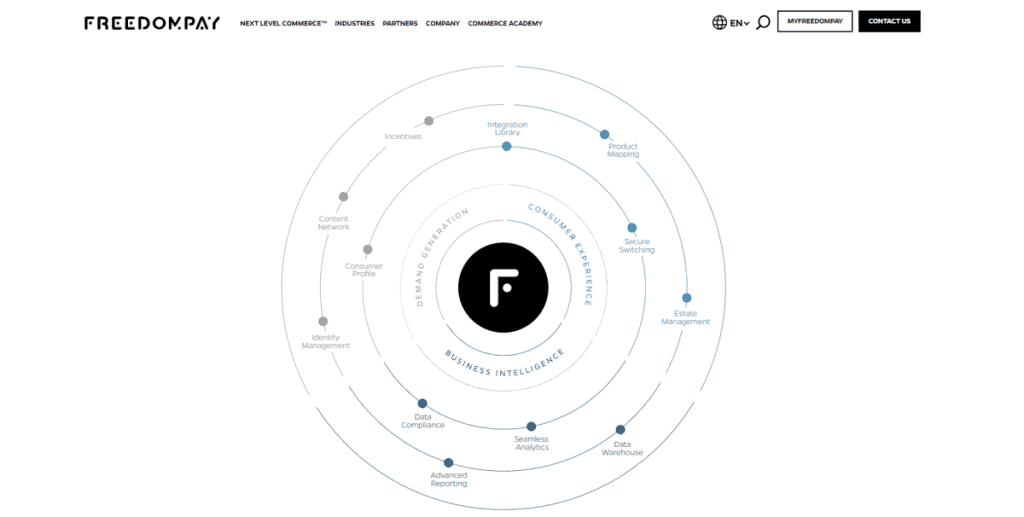
FreedomPay is recognized as an innovation partner to some of the world’s most well-known commerce brands. The company’s reputation in the payment industry is built on its commitment to integrating cutting-edge technology with practical, secure payment solutions. By providing cloud-based, end-to-end services, FreedomPay ensures that merchants can connect in-store, online, and mobile transactions within one unified system. This capability makes it particularly appealing to large organizations looking for a scalable and flexible platform.

The company has garnered partnerships with global giants like Microsoft, JPMorgan, and Worldpay, which highlights its strong market position. These partnerships, along with its expansion into international markets, demonstrate FreedomPay’s influence and credibility in the payment technology industry.

FreedomPay Review

Key Features of FreedomPay’s Platform | FreedomPay Review

FreedomPay has established itself as a leader in payment technology by offering a platform that integrates security, flexibility, and data-driven insights. This combination of features makes it ideal for businesses looking for reliable and advanced payment solutions.

Integrated Payment Solution: FreedomPay’s platform offers a cohesive payment solution that effectively links in-person, web, and mobile transactions. This integration aids businesses in handling various payment methods, including traditional credit and debit cards as well as modern digital wallets and contactless payments. Businesses can enhance overall efficiency by consolidating payment infrastructure, which helps in streamlining operations and decreasing errors.

Omnichannel Capabilities: FreedomPay is really good at helping businesses interact with their customers on many different platforms. Whether customers are in a store, on a website, or using a mobile app, FreedomPay makes sure the payment process is easy and the same everywhere. This ability to work across many platforms makes customers happier because they can pay in different ways and easily keep track of their purchases no matter where they shop.

Security Features: Security is a major highlight of FreedomPay’s platform. It boasts advanced encryption, tokenization, and Point-to-Point Encryption (P2PE) features, which protect sensitive customer data and ensure compliance with Payment Card Industry (PCI) standards. Tokenization helps replace card information with unique tokens, minimizing the risk of fraud. By integrating these robust security protocols, FreedomPay provides peace of mind to businesses and their customers alike.

Innovation in Data Analytics and Customer Insights: FreedomPay uses data analysis to provide instant information about customer behavior, transaction patterns, and business performance. Its system assists companies in examining customer data to improve marketing plans and loyalty programs. This advancement in data analysis enables businesses to make smart choices and tailor their services, boosting customer interaction and sales growth.

FreedomPay’s Technology Infrastructure

FreedomPay’s advanced technology infrastructure is designed to provide businesses with a flexible, secure, and efficient payment processing system. Its innovative solutions are built with scalability and integration in mind, ensuring that merchants can rely on the platform for both current and future needs.

Cloud-Based Architecture: The cloud-based architecture of FreedomPay’s technology is particularly noteworthy. This system enables the real-time handling and storage of transaction data without requiring physical equipment on the premises, offering a more effective and expandable option. The use of cloud infrastructure allows businesses to easily handle payments from any location, providing a smooth process for merchants and customers alike. Moreover, cloud-based options lower maintenance expenses and provide quicker upgrades and enhancements, guaranteeing the platform remains current.

Scalability and Reliability: FreedomPay’s platform is built to expand alongside businesses as they develop. FreedomPay provides the capability to manage rising transaction volumes and incorporate extra services, catering to businesses of all sizes from small retailers to large corporations. Businesses can expand operations easily thanks to its cloud architecture, avoiding infrastructure constraints. Merchants can rely on the platform to operate efficiently, even during peak transaction times, due to its high level of reliability, resulting in minimal downtime. Businesses rely on this high level of dependability, as any disruptions in payments could result in substantial financial consequences.

Integration with Existing Systems and APIs: FreedomPay provides seamless integration with a wide range of existing systems, from Point of Sale (POS) systems to eCommerce platforms. Its robust API framework enables businesses to connect FreedomPay’s payment processing capabilities with their existing software and hardware, ensuring smooth interoperability. This flexibility makes it easier for businesses to adopt FreedomPay without overhauling their current systems, reducing implementation time and costs.

Supported Payment Types

FreedomPay provides a variety of supported payment options, making it a versatile choice for businesses in need of comprehensive payment processing solutions. FreedomPay provides businesses with the ability to accept a wide range of both traditional and modern payment methods, allowing them to meet the diverse needs of their customers without compromising on the security and reliability of transactions.

Credit and Debit Card Processing: FreedomPay supports the processing of both credit and debit cards, including major card networks like Visa, Mastercard, and American Express. This functionality allows merchants to securely process card payments in-store, online, and via mobile devices. With integrated features like tokenization and encryption, card transactions are handled with a high level of security, reducing the risk of fraud.

Digital Wallets and Mobile Payments (Apple Pay, Google Pay): FreedomPay’s platform also works with digital wallets like Apple Pay, Google Pay, and Samsung Pay. As people use mobile payments more and more, adding these wallets helps businesses give their customers a quick and easy checkout process. Customers can finish transactions using their phones, making payments touch-free, safe, and efficient.

Contactless and EMV Payments: The shift towards contactless payments is supported by FreedomPay’s platform through Near Field Communication (NFC) technology, which enables contactless card payments. Additionally, EMV (Europay, Mastercard, Visa) chip card payments are also supported, ensuring secure transactions that meet global security standards. These options offer businesses and customers a safer, faster way to process payments, reducing physical contact and improving transaction speed.

Gift Cards, Loyalty Programs, and Other Non-Traditional Payment Methods: In addition to typical payment methods, FreedomPay enables companies to incorporate less common payment options such as gift cards and loyalty programs. Businesses can design personalized loyalty programs to reward repeat customers and provide gift cards as an alternative way to pay. These features help keep customers coming back and offer versatile payment choices that meet various consumer preferences.

Merchant Solutions and Services

FreedomPay offers a comprehensive suite of merchant solutions and services designed to streamline payment processing and enhance the overall customer experience. These services provide businesses with the tools they need to handle in-store, online, and mobile transactions effectively.

POS (Point of Sale) Systems: FreedomPay’s Point of Sale (POS) systems are highly adaptable, catering to various industries such as retail, hospitality, and healthcare. The systems allow merchants to process payments efficiently and securely at physical locations. It integrates modern features like contactless payments, mobile wallets, and EMV chip card support, making transactions faster and more secure. These POS solutions are flexible enough to work across different hardware platforms, enabling businesses to use FreedomPay’s systems with their existing hardware infrastructure.

eCommerce Payment Gateway: For companies that sell products or services online, FreedomPay provides a payment system that makes it easy to accept digital payments. This system can handle many types of payments, such as credit and debit cards, digital wallets, and other options like PayPal. FreedomPay’s online payment solution works well with different shopping cart systems, giving customers a quick and safe way to pay. Plus, the system has tools to stop fraud and uses strong security measures to protect all online transactions.

In-Store and Online Payment Integration: One of FreedomPay’s key strengths is its ability to integrate in-store and online payments into a single, unified platform. This omnichannel capability allows merchants to manage all transactions from one dashboard, providing insights into sales performance and customer behavior across different channels. Whether a customer is shopping in-store or online, FreedomPay’s integrated system ensures a seamless payment experience. The platform also supports customer loyalty programs, making it easier for businesses to track and reward their most frequent shoppers.

Hardware and Software Support: FreedomPay provides strong assistance for both hardware and software, guaranteeing that businesses can uphold seamless operations. The system works with a variety of POS hardware choices, such as tablets and conventional registers. It offers technical assistance and updates for merchants to guarantee they are using the most up-to-date technology. This hardware and software combination enables businesses to concentrate on providing excellent customer experience, instead of being concerned about payment infrastructure difficulties.

FreedomPay Review

Global Reach and Regional Availability

FreedomPay has established itself as a global leader in commerce technology, with operations spanning across multiple regions and a growing international presence. Its platform is designed to serve businesses of all sizes, from local retailers to multinational corporations, ensuring seamless payment processing in diverse geographical markets.

Regions Where FreedomPay Operates: FreedomPay’s footprint extends across North America, Europe, and beyond. The company has a strong presence in the United States, with its headquarters in Philadelphia, and has expanded its operations to the United Kingdom and other parts of Europe. This global reach enables FreedomPay to support businesses in various industries, including retail, hospitality, and healthcare, across different countries. As it continues to grow, it is constantly expanding its regional availability, providing businesses with access to its cutting-edge payment solutions in an increasing number of markets worldwide.

Support for Multi-Currency Transactions: FreedomPay’s platform’s significant feature is its capability to process transactions in multiple currencies. This functionality enables businesses to receive payments in different currencies, simplifying the process of serving global customers. Regardless of whether a business is in a brick-and-mortar location or online, FreedomPay’s multi-currency support streamlines worldwide transactions by converting payments into the customer’s chosen currency. This feature is particularly beneficial for online retail businesses, as they frequently interact with clients from various nations.

Cross-Border Payment Support: In addition to multi-currency transactions, FreedomPay provides robust cross-border payment support. This feature allows businesses to process payments across international borders without complications, ensuring a smooth and secure payment experience for both merchants and customers. FreedomPay’s cross-border capabilities reduce the complexity of handling international payments, enabling businesses to expand their customer base globally. With built-in fraud detection and compliance tools, It ensures that cross-border transactions are not only efficient but also secure.

FreedomPay’s Security and Compliance

Security is a top priority for FreedomPay, and the platform is designed to provide comprehensive protection for both merchants and customers. By implementing advanced security measures and ensuring compliance with global standards, It delivers a secure payment experience across its entire platform.

End-to-End Encryption and Tokenization: FreedomPay employs end-to-end encryption to protect sensitive data throughout the transaction process. This encryption ensures that cardholder information and payment details are securely transferred and stored, safeguarding data from unauthorized access. In addition, FreedomPay utilizes tokenization, replacing sensitive data such as card numbers with unique tokens that cannot be used outside of the payment system. This dual-layered approach ensures that sensitive information is never exposed, significantly reducing the risk of fraud or data breaches.

Compliance with Global and Regional Security Standards: FreedomPay follows strict global and regional security rules, including the Payment Card Industry Data Security Standard (PCI-DSS). By staying PCI compliant, FreedomPay makes sure its platform meets the top security needs for handling credit card transactions. The company also follows regional laws, making sure its services fit the security and compliance needs of businesses in various countries. This dedication to compliance assures businesses that they are using a platform designed to safeguard both their operations and their customers.

Fraud Detection and Prevention Features: To further enhance security, FreedomPay incorporates advanced fraud detection and prevention features. The platform monitors transactions in real-time, identifying suspicious activity and potential security threats before they can cause damage. FreedomPay uses machine learning and artificial intelligence (AI) to analyze transaction patterns, detecting anomalies and flagging transactions that may be fraudulent. These proactive measures help businesses prevent fraud and minimize risk.

Data Privacy Policies: FreedomPay takes data privacy seriously and has implemented comprehensive data protection policies to ensure that customer information is handled responsibly. The platform adheres to data privacy regulations, such as the General Data Protection Regulation (GDPR) in Europe, to protect user data. Businesses using FreedomPay can trust that their customer data is secure and that privacy is a key focus in the platform’s operations.

Customer Support and Merchant Resources

FreedomPay focuses on offering dependable customer support and helpful resources to its merchants. The company knows that successful payment operations need not just advanced technology, but also easy-to-reach support to help businesses with their everyday issues.

Availability of Customer Support (24/7, Phone, Email, Live Chat): FreedomPay offers 24/7 customer support to ensure that businesses can receive assistance whenever they need it. Whether through phone, email, or live chat, merchants have multiple channels to connect with the support team. This around-the-clock availability is critical for businesses that operate in different time zones or those that experience high traffic during non-traditional business hours. The flexibility to reach customer support through various methods ensures that merchants can resolve issues quickly and efficiently, minimizing downtime.

Onboarding Process and Training for Merchants: FreedomPay simplifies and speeds up the process of getting new merchants started. The platform offers thorough training sessions to make sure merchants know how to use the system well, handle transactions, and take advantage of all its features. This training is usually customized to fit the unique needs of each business, giving a tailored onboarding experience. Whether a business is new to digital payment systems or switching from another provider, FreedomPay ensures that merchants are ready to succeed right from the beginning.

Technical Support and Troubleshooting: When it comes to technical support, FreedomPay provides merchants with the resources needed to address any technical issues that may arise. The technical support team is well-versed in the platform’s systems, offering quick troubleshooting solutions to ensure minimal disruption to business operations. Whether a merchant encounters issues with the point-of-sale system, online payment gateway, or any other aspect of the platform, FreedomPay’s technical support team is ready to assist.

Knowledge Base and Self-Help Resources: In addition to direct customer support, It provides a robust knowledge base filled with self-help resources. This includes detailed guides, FAQs, and tutorials that allow merchants to find answers to common questions and troubleshoot minor issues on their own. The knowledge base is regularly updated to reflect new features and common challenges, empowering merchants to resolve problems independently when needed.

FreedomPay Review

Pricing and Contracts

FreedomPay’s pricing is set up to be flexible for businesses of any size, offering different options that work for various transaction amounts and types of businesses. Although the exact pricing can be customized for each business, FreedomPay typically uses common pricing models like flat rate, tiered, and interchange-plus pricing. This range of choices helps businesses pick a pricing plan that suits their specific transaction needs.

Overview of Pricing Models (Flat Rate, Tiered, Interchange-Plus): FreedomPay provides multiple pricing models to suit various business preferences. Under a flat-rate structure, businesses are billed a fixed fee for each transaction, enabling them to anticipate expenses with ease. Tiered pricing classifies transactions into various tiers that have different fees based on factors such as transaction type or level of risk. On the contrary, the interchange-plus system splits the expenses into the interchange fee established by card networks and a slight markup, providing clarity on the true expenses of handling transactions. This design is perfect for companies seeking in-depth information on their transaction costs.

Contract Terms and Conditions: FreedomPay typically offers contracts that are flexible, with terms designed to suit both short-term and long-term business needs. Merchants can expect clear contract terms regarding the services provided, fees, and support. The contracts are often customized depending on the size and scope of the business, allowing for tailored agreements that meet specific operational requirements.

Early Termination Fees or Additional Costs: FreedomPay has a reputation for having clear contracts, so it is crucial for merchants to thoroughly examine any clauses regarding ending the contract early. Certain agreements might contain penalties for terminating the contract early, particularly if done before the contract’s scheduled conclusion. Nonetheless, businesses can usually find out about these fees in advance, which can prevent any unexpected costs. It is transparent about any extra expenses that may arise, including fees for specialized hardware or premium services.

Transparency in Pricing: One of FreedomPay’s key strengths is its focus on pricing transparency. Businesses receive clear breakdowns of costs, ensuring that there are no hidden fees. This commitment to transparency is essential for maintaining trust and ensuring that merchants understand exactly what they are paying for, including the services, support, and features provided by FreedomPay.

Final Verdict

FreedomPay stands out in offering secure, scalable, and flexible payment solutions. Strong security features, omnichannel capabilities, and global reach are among its key advantages. Nevertheless, pricing information can differ, and certain agreements may have penalties for ending them early. Ideal for companies seeking seamless payment solutions, It competes effectively with major players in the industry through its focus on customization and innovation.

Frequently Asked Questions (FAQs)

What types of businesses can benefit the most from FreedomPay’s services?

Organizations of various sizes, ranging from small shops to big multinational businesses, can take advantage of the services provided by FreedomPay. It is especially well-suited for sectors such as retail, hospitality, and healthcare that need omnichannel payment solutions.

Is FreedomPay’s platform compatible with my existing POS system?

Yes, FreedomPay offers compatibility with a wide range of POS systems, allowing seamless integration with existing hardware and software setups.

What are the key security measures FreedomPay uses to protect transactions?

FreedomPay employs advanced security measures such as end-to-end encryption, tokenization, and compliance with PCI standards to protect transactions.

Aurora Payments Review

Aurora Payments Review

Aurora Payments is an up-and-coming company in the payment processing sector, providing a wide array of services aimed at assisting businesses of varying sizes in effectively handling their transactions. The business was established by purchasing multiple smaller payment processors, which enabled it to develop a wide range of services and customers. Aurora’s main aim is to make payment processing easier, allowing businesses to concentrate on growth instead of dealing with the complications of managing transactions. Lets read more about Aurora Payments Review.

Aurora offers a range of payment options, such as credit card processing, ACH payments, mobile payment choices, and point-of-sale (POS) systems. Its offerings are suitable for a variety of fields including retail, hospitality, and transportation, establishing it as a flexible ally for enterprises in various industries. Aurora provides not only payment processing but also extra services such as customer loyalty programs, payment security, and assistance for e-commerce and mobile payments.

What sets Aurora apart is its strategic partnerships with well-known financial institutions like Elavon, Fiserv, and TSYS. These partnerships enable Aurora to provide a robust infrastructure for its clients, ensuring secure and efficient payment processing. By leveraging these relationships, Aurora is able to offer competitive pricing and scalable solutions that can grow alongside a business.

Aurora Payments Review

Overview of Aurora Payments’ Services | Aurora Payments Review

Aurora Payments offers a broad range of payment processing solutions designed to meet the diverse needs of businesses, from small startups to large enterprises. Their flexible and secure services ensure businesses can handle transactions efficiently across multiple platforms, ensuring smooth operations.

Payment Processing: Aurora Payments offers a diverse range of payment options, such as credit cards, debit cards, and Automated Clearing House (ACH) transactions. This wide variety enables businesses to receive payments from various sources, making sure they cater to their customers’ needs. The company also focuses on security by following PCI compliance standards, which safeguard sensitive data during transactions.

Point-of-Sale (POS) Systems: Aurora provides a selection of POS systems that are highly adaptable to various industries, including retail, hospitality, and service-based sectors. These systems are designed to be flexible, allowing businesses to process transactions quickly and efficiently. Aurora’s POS systems can be integrated with other business tools, providing additional features like inventory management and customer relationship management (CRM), making them a comprehensive solution for businesses.

Mobile and eCommerce Solutions: Aurora Payments offers mobile payment options and seamless integration with eCommerce platforms, allowing businesses to accept payments through online stores and mobile applications. These solutions cater to the growing demand for digital transactions, providing businesses with the tools needed to capture more customers across digital channels.

Custom Solutions: One of Aurora’s strengths lies in its ability to provide custom-tailored solutions to meet the specific needs of each business. Whether it’s a specialized payment plan, loyalty programs, or integration with existing systems, Aurora works closely with businesses to ensure their payment processing needs are met efficiently and securely.

Aurora’s Pricing Structure and Contracts

Aurora Payments, like many payment processing companies, does not publicly disclose detailed pricing information. This can be challenging for businesses seeking clear cost structures upfront. Aurora’s pricing often varies depending on factors such as transaction volume, business size, and industry. On average, businesses can expect to pay around 1-2% per transaction, but these rates are not fixed and can fluctuate based on individual contracts.

Businesses must negotiate the terms carefully due to the lack of transparency in Aurora’s pricing. There have been many complaints about undisclosed fees, such as fees for upkeep, customer assistance, or account supervision. These charges may not be obvious at first, but they can greatly affect the overall cost of utilizing Aurora’s services in the long run.

Furthermore, the terms of the contract with Aurora Payments may differ depending on the type and size of the business, resulting in varying fee schedules and terms. It is vital for companies to carefully examine all contract terms before signing, particularly regarding penalties for ending the contract early or unforeseen expenses.

To avoid surprises, business owners should actively negotiate terms with Aurora Payments, ensuring they get a clear understanding of all potential fees. This includes requesting a detailed breakdown of charges and clarifying any early termination fees or long-term obligations. It’s advisable to consult with a financial advisor or legal professional to review the contract thoroughly, ensuring transparency and a clear understanding of all terms before finalizing the agreement.

Customer Service

Aurora Payments has received mixed reviews when it comes to customer service, with some common complaints from users. Many customers have reported issues such as funds being held without adequate explanation, which can disrupt business operations, especially for companies that rely on steady cash flow. Another frequent issue is the slow response time from customer support, with some businesses experiencing delays when seeking assistance during urgent situations. These challenges have been a source of frustration for users, particularly when quick resolution is needed.

Improvements in Support

Based on recent feedback, Aurora Payments has worked on making its customer service better. One big change is the introduction of a new customer website. This site is designed to make things easier for business owners. It helps them handle their accounts more effectively and gives them better access to their transaction records and account details. The site also aims to speed up problem-solving by providing a more user-friendly and open support system. This update shows a major step forward in how the company deals with customer issues and manages accounts.

Complaint Resolution

When it comes to resolving complaints, Aurora Payments has made strides, but challenges remain. While some users report positive experiences with how issues were eventually resolved, others note that the process can still be time-consuming. Aurora has implemented clearer guidelines and processes for handling customer complaints, but there is still room for improvement in reducing resolution times. For businesses working with Aurora Payments, it’s important to remain proactive, monitor open issues closely, and make use of the new customer portal for faster support when needed.

Security and Compliance

In the payment processing industry, security is a top priority, and Aurora Payments has implemented robust measures to protect both businesses and their customers. Aurora adheres to PCI (Payment Card Industry) compliance, which is a set of security standards designed to ensure that all companies that process, store, or transmit credit card information maintain a secure environment. PCI compliance helps businesses protect sensitive customer data and avoid security breaches, which could lead to significant financial losses and reputational damage.

Aurora Payments uses special coding to protect the information in transactions. This coding keeps important details safe and hidden from people who shouldn’t see them. This is very important because many people are trying to steal information online these days.

Maintaining security in payment processing is essential not only for protecting customer information but also for ensuring business continuity. A security breach can have severe consequences, including financial penalties, loss of customer trust, and potential legal action. Aurora’s commitment to strong security protocols helps minimize these risks for businesses.

In addition to its security measures, Aurora Payments is fully compliant with industry standards and regulatory requirements. This includes not only PCI compliance but also adherence to regulations set by financial institutions and governing bodies related to payment processing. Compliance with these regulations ensures that Aurora operates within legal frameworks and provides its clients with the highest level of data protection and integrity.

Technology and Integrations

Aurora Payments offers a comprehensive suite of technology solutions to meet the diverse needs of modern businesses. One of the standout features of Aurora is its seamless integrations with major eCommerce platforms and shopping carts. This compatibility allows businesses to accept payments easily on their websites, ensuring smooth transactions for customers. Whether a business is operating through Shopify, WooCommerce, or other popular platforms, Aurora’s system works efficiently, making it a flexible solution for online merchants.

For companies that need special solutions, Aurora offers a strong set of APIs (Application Programming Interfaces). These APIs help developers create special connections that link Aurora’s payment system to current software or other business tools. This flexibility is very helpful for businesses with specific needs that need a customized payment setup. The availability of API guides and support makes it simpler for companies to use these special solutions, ensuring a smooth connection process.

Aurora also embraces innovative technology to enhance transaction speed and convenience. The use of NFC (Near Field Communication) technology, for instance, enables businesses to accept mobile payments through devices like smartphones and contactless cards. This not only provides a faster checkout process but also caters to the growing demand for mobile payments, enhancing customer convenience and improving transaction times.

In addition to cutting-edge payment technology, Aurora offers loyalty and gift card programs to help businesses increase customer retention. These customizable programs allow businesses to create their own loyalty rewards or gift card systems, encouraging repeat business and boosting customer engagement. The ability to tailor these programs to fit specific business needs makes them an attractive feature for companies looking to enhance customer loyalty.

Aurora Payments Review

Complaints and Negative Feedback

Aurora Payments has garnered a mixed reputation, with some customers expressing dissatisfaction over several common issues. One of the most frequent complaints is related to hidden fees. Many users report that they were initially quoted lower rates, only to find additional fees for services like account maintenance and customer service later on their statements. These unexpected costs have frustrated businesses, especially those operating on tight margins.

Another recurring grievance involves slow payment processing. Some merchants have experienced delays in receiving their funds, which can disrupt cash flow and business operations. Additionally, complaints about account holds—where funds are frozen without clear explanation—have surfaced. This issue, often triggered by security checks or suspicion of fraud, has been a major point of frustration for merchants needing quick access to their money.

Many customer reviews point out issues with fees and customer service. Some customers are unhappy because they find the pricing unclear or changing, which makes them dissatisfied. Also, people question how quick and helpful Aurora’s customer service is. Some users say it’s hard to get support or that they get slow answers, especially when there are important problems like money being held up or delays in processing.

In response to these concerns, Aurora has taken steps to improve its handling of complaints. The company has introduced a new customer portal aimed at enhancing transparency and streamlining communication. This portal allows businesses to track issues more efficiently and provides more direct access to support. Aurora has also focused on increasing the clarity of its pricing structures to prevent misunderstandings.

As of recent assessments, Aurora Payments holds a BBB (Better Business Bureau) rating of B+, reflecting the company’s efforts to address customer concerns but also indicating room for improvement. Regulatory concerns seem minimal, though ongoing feedback suggests that further transparency and customer service enhancements could solidify trust with its users.

Competitor Comparison

When comparing Aurora Payments to other merchant services providers, several factors stand out, including pricing, customer support, and service offerings. Aurora’s pricing structure is often seen as less transparent compared to some of its competitors, such as Square or PayPal, which tend to offer clear, flat-rate pricing models. While Aurora’s rates typically range around 1-2% per transaction, businesses often report hidden fees, like maintenance or customer service fees, which can add up over time. Competitors like Stripe or Square provide more predictable pricing, which appeals to businesses looking for straightforward costs.

When it comes to helping customers, Aurora Payments has been criticized for taking too long to respond and not being easy to reach, especially when there are problems like account freezes or delayed money. Other companies like PayPal and Shopify Payments are known for having easier-to-reach support with quicker responses. Aurora is trying to fix this by creating a new customer website that should make things clearer and faster. But, compared to competitors that offer more helpful and quick customer service, Aurora still has some ways to go.

One of Aurora’s key strengths lies in its customized solutions. Aurora excels in tailoring payment processing to meet the unique needs of individual businesses, especially those in industries such as retail, hospitality, and eCommerce. This flexibility gives Aurora an edge over more standardized competitors like Square or Stripe, which, while offering simplicity, may not provide the level of customization some businesses require. Aurora’s ability to integrate with various POS systems and eCommerce platforms adds to its competitive advantage.

Aurora Payments Review

Pros and Cons of Using Aurora Payments

Pros:

Wide range of services: Aurora Payments offers a variety of payment processing options, including credit cards, debit cards, ACH payments, and mobile payments. The company also provides solutions for point-of-sale (POS) systems, making it highly flexible and adaptable across different industries such as retail, hospitality, and eCommerce. This variety helps businesses meet the diverse payment preferences of their customers.

Customization options: Aurora Payments is recognized for its capability to deliver customized solutions that cater to the unique requirements of businesses. Whether it involves integrating with current software or creating personalized loyalty programs, Aurora excels by offering flexibility that some rivals might not. This makes it a perfect choice for businesses seeking more than just standard payment processing services.

Security features: Aurora adheres to PCI compliance standards and employs encryption methods to ensure the security of payment transactions. These robust security measures help protect sensitive customer data and mitigate the risks of fraud or data breaches, providing a strong layer of protection for both businesses and their clients.

Partnerships with well-established institutions: Aurora’s collaborations with big financial companies like Elavon and Fiserv make its system stronger. These partnerships guarantee dependable payment services and add more trust to what Aurora offers, making businesses confident in the system’s effectiveness and safety.

Cons:

Lack of pricing transparency: Aurora Payments does not disclose its pricing details upfront, which can be a significant drawback for businesses looking for clear cost structures. The fees and rates often depend on transaction volume and business type, and some users report that they were not fully aware of all costs at the beginning of their contracts.

Occasional customer service issues: Some customers have noticed that Aurora’s customer support team takes a long time to respond, especially when dealing with problems like account holds or transaction delays. These delays can be a problem for businesses that need fast and reliable support to fix issues quickly.

Hidden fees: There have been reports of unexpected charges, such as maintenance and customer service fees, that were not made clear during the initial setup. These hidden fees can lead to higher-than-expected costs for businesses, which can be frustrating, especially for smaller enterprises working with tight budgets.

Overall, Aurora Payments provides a wide variety of services with good customization and security options. However, companies should be aware of possible problems with price clarity and customer support when looking into this platform.

Conclusion

Aurora Payments provides various payment processing services with strong customization and security options. It is great for flexibility and partnerships, but companies should watch out for unclear pricing and possible hidden costs. Overall, Aurora is a good choice for small to medium-sized businesses that need personalized solutions, as long as they carefully check the contract details.

FAQs

What types of businesses benefit most from Aurora Payments?

Aurora Payments serves a wide range of industries, including retail, eCommerce, and hospitality. Its customizable payment solutions and flexibility in integrating with various platforms make it suitable for businesses of all sizes seeking tailored services.

How can I avoid hidden fees when signing up with Aurora Payments?

To avoid hidden fees, thoroughly review contracts and negotiate terms. Ensure transparency by discussing all potential charges with the sales representative before committing.

What security measures does Aurora Payments have in place for payment processing?

Aurora Payments follows PCI compliance standards, uses encryption, and provides secure terminals to safeguard sensitive payment data during transactions.

Five Star Merchant Services Review

Five Star Merchant Services Review

Five Star Merchant Services is a provider of payment solutions that gives businesses a variety of services to make their financial operations more efficient. Established with the goal of providing effective, dependable, and affordable payment processing services, Five Star’s primary focus is on assisting smaller and medium-sized businesses in their development through the provision of customizable payment solutions. Let’s delve deeper into the Five Star Merchant Services Review.

Five Star Merchant Services stands out from other providers due to their collaboration with First Data, one of the biggest payment processors in the field. This partnership enables Five Star to provide strong infrastructure, competitive pricing, and reliable assistance for a variety of payment processing requirements. The company highlights its commitment to a three-year price guarantee, which provides businesses with a sense of certainty and consistency in a market that is frequently changing.

Core services include credit card processing, point-of-sale (POS) systems, and mobile payment solutions, allowing businesses to accept payments via major credit and debit cards. Their POS systems are customizable, designed to fit the specific needs of different industries, and support both traditional card swiping as well as modern EMV chip and mobile payments. Additionally, Five Star provides a range of equipment, from basic terminals to advanced touchscreen devices, all aimed at making transactions smoother for both businesses and their customers.

Five Star Merchant Services Review

Services and Features Offered by Five Star Merchant Services | Five Star Merchant Services Review

Five Star Merchant Services provides a comprehensive suite of payment solutions tailored to meet the demands of various businesses. Their services focus on seamless transactions, flexibility, and security, helping businesses process payments effectively while offering convenience to their customers.

Payment Processing Solutions:

Five Star supports many types of payments, like those made in person and those made without a card being present. For in-person payments, they offer regular credit card processing and also support EMV chip cards, which helps businesses follow current security rules. They also handle payments made without a card, which is important for businesses that take orders over the phone or online. These features allow businesses to manage sales both in person and remotely, helping them reach more customers.

The various payment methods supported by Five Star include all major credit and debit cards, EMV chip cards, and mobile payments. This versatility allows businesses to cater to different customer preferences, ensuring faster, smoother transactions.

POS and Terminal Options:

Five Star offers a variety of point-of-sale (POS) systems tailored to different business needs. Their hardware options include mobile POS systems, ideal for businesses on the go, and countertop terminals suited for brick-and-mortar establishments. The systems are equipped with modern features such as touchscreen integration, which enhances the ease of use for both merchants and customers. These terminals also support quick transactions via EMV chip reading and contactless payments.

eCommerce Support:

Currently, Five Star’s services are primarily focused on brick-and-mortar businesses, and they do not offer dedicated eCommerce support. However, with the growing demand for online payment solutions, this could be an area for future development. Expanding into eCommerce would allow Five Star to provide an all-encompassing payment solution, appealing to businesses that operate both online and offline.

Pricing Structure and Contracts

Five Star Merchant Services provides customizable pricing options tailored for small and medium-sized businesses. The company has a pricing system that involves both monthly charges and transaction fees, but the detailed information about these fees is not easily found on their website. Instead of that, potential clients are advised to get in touch with the company directly for personalized price estimates. Delaying information about fees until after a consultation can create difficulties for businesses wanting to compare pricing in advance.

In general, businesses can expect to pay monthly service fees along with transaction fees that apply to each processed payment. These transaction fees typically cover credit card processing and vary depending on the type of card used (e.g., credit vs. debit) and the type of transaction (e.g., in-person vs. card-not-present). While the exact percentages are not publicly listed, Five Star’s pricing is expected to align with industry standards, which usually range from 2.5% to 3.5% per transaction.

Contract terms typically involve a three-year agreement, which is common in the payment processing industry. This includes a three-year price guarantee, ensuring that rates remain stable during the contract period. However, businesses should be aware of early cancellation fees, which may apply if they decide to terminate the contract before the agreed term ends.

Five Star Merchant Services provides two main service plans: the Essentials Plan and the Pro Plan. The Essentials Plan is usually cheaper and meets basic payment processing needs. The Pro Plan, on the other hand, has extra features like a customer loyalty program, which helps businesses reward regular customers. Although the prices for these plans are not public, the Pro Plan typically costs more because it offers additional features such as unlimited promotional campaigns and tools to attract new customers.

Customer Support and Reliability

Customer support plays a critical role in the overall experience businesses have with Five Star Merchant Services. The company provides various customer support options, including phone, email, and a chatbot. These support channels allow businesses to reach out with any issues or questions related to their payment processing systems. Phone support tends to be the most direct and commonly used method, with email support acting as a backup for less urgent inquiries. The chatbot provides quick responses to basic questions, although more complex issues typically require escalation to human support representatives.

Customer feedback regarding the quality and responsiveness of Five Star’s support is mixed. Some users report positive experiences, highlighting fast responses and helpful assistance from the customer service team. However, there are also reviews that point to areas of concern, particularly regarding response times. In some cases, customers have noted difficulty in reaching a support representative quickly, which can be frustrating for businesses that need immediate solutions to payment-related issues.

Customers frequently face problems when trying to close accounts or settle contract disagreements. Some are unhappy with the time it takes to cancel services and the lack of clear information about extra charges. These issues show that there might be a need for better transparency and quicker solutions when dealing with contract-related matters.

In terms of reliability, Five Star Merchant Services generally provides stable and dependable services. Most users have not experienced major outages or system failures, which is crucial for businesses that rely on continuous payment processing. However, improving the customer support experience—especially in relation to response times and handling contract disputes—would enhance Five Star’s overall reliability and customer satisfaction.

Five Star Merchant Services Review

Security and Compliance

Security is a top priority for any payment processing service, and Five Star Merchant Services ensures that its clients and their customers are well-protected. To this end, the company adheres to Payment Card Industry Data Security Standards (PCI DSS), which are designed to safeguard cardholder data and reduce the risk of breaches. PCI compliance is essential for any merchant service provider, and Five Star maintains this standard to ensure that businesses can securely handle sensitive payment information without facing regulatory fines or breaches.

In addition to PCI compliance, Five Star Merchant Services offers fraud prevention tools that help businesses detect and mitigate potential threats. These tools include EMV chip card support, which reduces the likelihood of fraudulent transactions through enhanced security during card-present transactions. EMV technology ensures that payment data is encrypted, making it difficult for fraudsters to clone or steal card information.

To improve safety, Five Star uses encryption and tokenization to keep important customer information safe. Encryption makes sure that payment details are mixed up and cannot be read if someone tries to steal them during a transaction. Tokenization, meanwhile, changes sensitive data into special codes, stopping anyone from getting the real card details. These steps help companies avoid data theft and make sure customer information stays protected.

In terms of industry-standard precautions, Five Star Merchant Services stays aligned with the latest best practices in data security. This includes routine security audits, real-time monitoring, and proactive measures to identify and address potential vulnerabilities. By continuously updating its security protocols and staying compliant with industry regulations, Five Star helps businesses maintain a high level of trust with their customers, ensuring that payment data is handled with the utmost care.

Customer Experience and Usability

Five Star Merchant Services is designed to deliver a seamless and intuitive user experience for businesses using their payment processing systems. The POS systems and terminals offered by Five Star are known for their ease of use, making them accessible for a wide range of businesses, from small retailers to larger establishments. The terminals, particularly those with touchscreen functionality, simplify the transaction process, allowing customers to quickly complete payments. The touchscreen feature also makes it easier for employees to manage transactions efficiently, reducing errors and speeding up service.

When it comes to system integration and setup, users generally report a smooth experience. The installation process for Five Star’s POS systems is straightforward, with many businesses able to get their terminals up and running quickly. The systems are also flexible, integrating easily with a variety of existing business tools, which adds to the overall usability. However, as with any technology, there are occasional reports of technical issues during setup, though these appear to be resolved quickly with assistance from customer support.

A key feature is Five Star’s loyalty program built into its payment system. Companies can use this to monitor customer spending, give rewards, and run special deals, all on the same platform. This helps companies build customer loyalty while keeping payments simple. Also, managing loyalty programs through the point-of-sale system means businesses don’t need extra tools or platforms, saving time and making things easier.

Overall, user feedback highlights the simplicity and functionality of Five Star’s payment solutions. The combination of user-friendly hardware, efficient setup, and added features like loyalty program integration makes Five Star a reliable choice for businesses looking to enhance their customer experience while maintaining operational efficiency.

Sales Tactics and Transparency

Five Star Merchant Services, like many companies in the payment processing industry, employs independent sales agents and Independent Sales Organizations (ISOs) to market its services. This practice is common within the merchant services sector and allows the company to reach a broader range of potential clients. However, this approach can sometimes lead to inconsistent experiences for customers. Independent agents are often harder to monitor, and the quality of service or level of transparency provided can vary depending on the agent. While this method helps Five Star expand its reach, it can result in mixed reviews from merchants.

When it comes to transparency in sales and advertising, Five Star has received both positive and negative feedback. Some users report clear communication regarding fees and contract terms, while others have expressed frustration over unexpected charges or misunderstood terms. Five Star advertises features like a three-year price guarantee, which suggests stability in pricing over the contract period. However, some businesses have reported that the fine print and additional fees were not fully disclosed during the sales process. This points to a need for improved transparency in ensuring that merchants fully understand their agreements.

Another issue for Five Star is the risk of being mistaken for other companies with similar names, like Five Star Commerce, that work in a different industry. This misunderstanding may lead merchants to incorrectly link reviews and experiences from one business to another. Maintaining Five Star Merchant Services’ reputation and avoiding confusion among potential clients requires ensuring there is a clear distinction between companies.

Five Star Merchant Services Review

Advantages and Drawbacks

Five Star Merchant Services has its share of strengths and weaknesses that businesses should consider before committing to its services. Below is a breakdown of the main pros and cons.

Pros:

Competitive pricing: One of the biggest advantages of Five Star Merchant Services is its affordable pricing, particularly for small to medium-sized businesses. The combination of reasonable monthly fees and competitive transaction rates makes it an attractive option for businesses looking to control costs while still receiving reliable payment processing services.

Simple setup and integration with loyalty programs: Another advantage is how simple it is to set up their POS systems. Companies say that starting with Five Star’s hardware is easy, and the system works well with loyalty programs. This means businesses can offer rewards and promotions without needing extra tools, making things easier and improving how they connect with customers.

Reliable hardware for physical stores: Five Star offers a range of reliable hardware options, including touchscreen terminals, which provide a user-friendly experience for both businesses and their customers. This makes in-store transactions smooth and efficient, which is crucial for retail businesses.

Cons:

Lack of online store support: A significant drawback of Five Star Merchant Services is the current lack of support for eCommerce businesses. The company’s focus is primarily on brick-and-mortar stores, which may limit its appeal to businesses looking for integrated online payment solutions. Expanding into this area would make Five Star a more comprehensive service provider.

Customer service response times: Even though the company provides different customer support options, some customers have experienced delays in getting a response. This can be especially aggravating for businesses when they encounter urgent payment processing issues and need immediate help. Enhancing the overall experience could be greatly improved by bettering customer support responsiveness.

Comparison with Competitors

When comparing Five Star Merchant Services with its major competitors like Square, PaymentCloud, and Helcim, several differences emerge in terms of pricing, features, and target business types. Each of these payment processors has its strengths, making them suitable for different kinds of businesses.

Square is known for its user-friendly platform and is ideal for small businesses or those with low-volume transactions. Square offers simple pricing with no monthly fees, making it accessible for startups and small retailers. One of its key advantages is its free POS system that works seamlessly for both in-person and online transactions. In contrast, Five Star focuses more on physical stores and lacks dedicated eCommerce support, which limits its appeal for businesses that need online payment processing.

PaymentCloud is specifically created to cater to high-risk industries, like those with elevated chargeback rates. While Five Star Merchant Services targets common businesses such as retail and food services, PaymentCloud serves a specialized market by offering customized solutions for businesses that may face challenges in obtaining approval from conventional processors. PaymentCloud’s pricing is tailored according to the level of risk linked to the business, which offers greater flexibility but less predictability when compared to Five Star’s three-year price assurance.

Helcim, on the other hand, is known for its transparent pricing and no monthly fees, which makes it highly attractive to growing businesses, especially in the B2B space. Helcim offers interchange-plus pricing, which is often more affordable for businesses with higher transaction volumes. Helcim also supports both in-person and online sales, which gives it an edge over Five Star in terms of versatility. Additionally, Helcim’s robust features, like advanced invoicing and customer relationship management, make it a powerful tool for businesses seeking more control over their operations.

Conclusion

To sum up, Five Star Merchant Services provides small to medium-sized brick-and-mortar businesses with competitive pricing, dependable hardware, and straightforward integration. Nonetheless, it does not have eCommerce capabilities and has garnered varied feedback on its customer service responsiveness. Enhancing customer support and improving online payment solutions would be advantageous for future growth.

FAQs

What types of businesses does Five Star Merchant Services cater to?

Five Star primarily serves small to medium-sized businesses in the retail, food, and service sectors, focusing on brick-and-mortar locations.

Are there any penalties for canceling the contract early?

Yes, most contracts are for three years, and early termination fees may apply. It’s important to review the terms before committing.

Does Five Star Merchant Services support online businesses?

Currently, Five Star focuses on in-person transactions, but expanding into eCommerce could be a future development to meet growing demand.

PayLeap Review

PayLeap Review

PayLeap is a complete payment processing solution designed to cater to the various requirements of small and medium-sized businesses as well as online retailers. By emphasizing security, integrating with eCommerce, and prioritizing user-friendliness, PayLeap streamlines the payment process with various services designed for both physical and online businesses. The solutions provided by it enable businesses to accept payments in different forms such as face-to-face transactions, mobile payments, and online checkout, which makes it a versatile and easily expandable option for merchants of any size. Lets read more about PayLeap Review.

PayLeap is known for its commitment to ensuring secure payment transactions. The system incorporates high-level security features like tokenization, encryption, and fraud detection tools to guarantee the protection of businesses and customers. It offers a one-of-a-kind service with their PaySecure® Internet PIN Debit technology, allowing customers to safely use their PIN for online debit transactions. This attribute improves security and attracts customers seeking non-traditional credit card payment options.

PayLeap’s services are made for small and medium-sized businesses. It has an easy-to-use system that helps merchants get started quickly and accept payments without needing much technical know-how. Whether a business has a physical store or an online shop, PayLeap’s tools make it simple to handle transactions, create invoices, keep track of money owed, and set up automatic payments. This flexibility is why PayLeap is a popular choice for businesses looking for a complete payment solution.

PayLeap Review

Features and Services of PayLeap | PayLeap Review

PayLeap offers a versatile range of payment solutions designed to cater to both online and physical businesses. Its focus on providing secure, seamless, and scalable services has made it an attractive option for small-to-medium-sized businesses and eCommerce merchants. The platform’s service portfolio covers various payment methods, offering businesses the flexibility to process transactions in a way that best suits their operational needs.

Online Payment Gateway: The online payment gateway is one of PayLeap’s most crucial offerings, enabling businesses to accept payments through their websites securely. It supports various payment methods, including credit and debit cards, and is designed to integrate with popular eCommerce platforms such as Shopify and WooCommerce. The gateway also supports tokenization, providing a secure checkout experience for customers.

Point of Sale (POS) Systems: PayLeap offers point-of-sale systems for physical stores to accept payments directly from customers. These systems can adapt and be connected with different types of hardware configurations, including mobile devices. Businesses can accept credit cards, debit cards, and contactless payments with PayLeap’s POS systems.

Mobile Payments: PayLeap turns mobile phones and tablets into secure payment processing terminals, enabling businesses to accept payments on the go. This feature is especially useful for businesses that operate outside of traditional storefronts or require flexibility in their payment processing methods.

eCommerce Integration: PayLeap integrates seamlessly with various eCommerce platforms, allowing online merchants to offer their customers a smooth checkout process. The integration options include plugins and APIs, making it easy for businesses to set up and customize their payment systems.

Virtual Terminal and Invoicing: The online terminal enables businesses to receive payments from a distance by inputting customer information manually. PayLeap provides invoicing options that allow companies to send electronic invoices and receive payments in a fast and secure manner.

Security Features: Security is at the core of PayLeap’s services. It employs advanced features like tokenization and encryption to protect sensitive customer data during transactions. Additionally, PayLeap offers fraud prevention tools, ensuring that businesses and customers are protected against fraudulent activities.

Integration with Third-Party Platforms

PayLeap’s ability to integrate with third-party platforms is a key strength, making it an ideal payment solution for businesses that require seamless eCommerce operations. The platform is compatible with many popular eCommerce platforms, including Shopify, Magento, WooCommerce, and others. This compatibility allows merchants to effortlessly connect their PayLeap account to their online stores, enabling smooth and secure payment processing. These integrations streamline the checkout process, improving the overall customer experience while reducing the complexity for merchants.

It offers robust API support for customized integrations, along with compatibility with popular eCommerce platforms. The API allows developers to customize payment solutions to align with businesses’ specific requirements. If a merchant needs custom workflows, specific payment methods, or specialized reporting, the PayLeap API provides the flexibility to create solutions that meet various business needs. The API documentation is comprehensive and easy to use, making it convenient for developers looking to incorporate PayLeap into their own platforms or external applications.

For merchants with limited technical expertise, PayLeap’s integrations are designed to be easy to implement. Pre-built plugins and extensions are available for platforms like Shopify and WooCommerce, allowing merchants to get started quickly without requiring significant technical know-how. Additionally, the support provided by PayLeap includes clear instructions and guidance, further simplifying the integration process for users with minimal technical backgrounds. This ease of use makes PayLeap a viable option for businesses of all sizes, from small startups to more established enterprises looking to streamline their payment processes.

Pricing and Fees

It provides a pricing structure that is simple and competitive among payment processors. The fee system consists of charges based on transactions, monthly fees, and the possibility of extra services tailored to the merchant’s requirements. PayLeap usually applies a fee of 2.89% and an additional $0.29 for each credit card transaction. On the flip side, debit card transactions have a slightly lower fee of 2.39% plus $0.29. Merchants must also pay a monthly service fee of $19.99, in addition to transaction fees, for access to the PayLeap platform and its services.

Unlike some payment processors that impose complicated pricing tiers or hidden charges, PayLeap’s pricing remains relatively transparent. There is no setup fee, and it provides a month-to-month contract without early termination fees, which can be beneficial for small businesses that want flexibility without being locked into long-term agreements. However, additional features such as ACH/eCheck processing and gift card services come with extra monthly fees, typically around $14.99 each, depending on the merchant’s specific needs.

When compared to industry standards, PayLeap’s pricing is considered average. Many competitors offer similar transaction rates, though some may provide lower fees for higher-volume merchants or those processing large transactions regularly. It does offer custom pricing options for large merchants who process higher transaction volumes. In these cases, merchants can negotiate volume-based discounts that may lower their overall processing fees.

In general, PayLeap offers pricing that is good compared to other options, especially for small and medium-sized businesses looking for a dependable payment service. There are no setup fees or early cancellation charges, and they also provide discounts for businesses that process a lot of transactions. This makes PayLeap a flexible and attractive choice for many companies.

PayLeap Review

User Experience and Interface

PayLeap’s user interface is designed with simplicity and functionality in mind, making it accessible for businesses of all sizes. The dashboard is intuitive and user-friendly, offering merchants a clean and organized view of their account activities. Merchants can easily navigate through various tools, from transaction tracking to invoicing, without requiring extensive technical expertise. This ease of use is particularly beneficial for small business owners who may not have dedicated IT resources.

One important aspect of the PayLeap dashboard is its strong transaction monitoring system. Merchants have the ability to track transactions live, giving them a clear picture of sales and payments as they occur. This particular function is particularly beneficial for companies that require real-time updates on their payment processing status. Furthermore, PayLeap provides merchants with thorough reporting tools for generating detailed reports on sales, refunds, chargebacks, and various transaction types. Businesses are able to tailor these reports to their specific requirements, allowing them to organize and arrange data as necessary for financial management and performance monitoring.

Real-time data integration is another strong point of PayLeap’s interface. Merchants can access up-to-date information on their transactions and payment statuses without having to manually refresh or wait for periodic updates. This ensures a smooth flow of operations, especially for businesses with high transaction volumes.

Customer Support and Resources

It provides various customer support options to help businesses resolve issues promptly and efficiently. Their customer service options cater to businesses with varying levels of technical expertise, making it easy for users to get the assistance they need.

Customer Service Options (Phone, Email, and Chat Support)

It offers multiple customer service channels, including phone, email, and live chat support. Phone support is ideal for businesses that require immediate assistance, allowing merchants to speak directly with a support representative. Email support offers a more flexible option for non-urgent inquiries, and live chat is a convenient tool for resolving issues quickly without having to wait for an email response. These multiple channels ensure that businesses can choose the method that best suits their needs when contacting support.

Availability of Support

While it provides responsive customer service, their support availability is limited to standard business hours. This means that 24/7 support may not be available, which could be a challenge for businesses that operate outside of traditional working hours or in different time zones. Despite this limitation, the support team has been praised for their knowledge and ability to resolve issues efficiently within their working hours. The phone and chat support are particularly helpful for troubleshooting issues that require immediate attention.

Additional Resources (Online Guides, FAQs, Tutorials)

Additionally, it provides various self-service options for users seeking to address problems independently. Included in these resources are detailed online manuals, frequently asked questions, and instructional videos covering account creation, payment synchronization, and transaction monitoring. The FAQ section is user-friendly and offers solutions to frequently asked questions, whereas the tutorials give detailed instructions on utilizing the platform’s functions. The API documentation is comprehensive for developers and offers precise guidance for creating custom integrations. These resources are extremely valuable for users who like to troubleshoot on their own or explore the platform’s features further.

Security and Compliance

Security is one of PayLeap’s core strengths, ensuring that merchants can process transactions safely and protect sensitive customer data. To meet industry standards, it complies with the Payment Card Industry Data Security Standard (PCI DSS), a set of requirements aimed at securing cardholder data. PCI DSS compliance is essential for any payment processor, as it ensures that merchants using the platform are handling customer data in a secure and responsible manner. Additionally, PayLeap adheres to EMV standards, which enhance the security of in-person transactions by enabling chip-based payments, further reducing the risk of fraud for merchants accepting card payments.

Key Security Features: PayLeap incorporates a variety of security features to protect merchants and their customers. Multi-factor authentication is one such feature, providing an additional layer of security by requiring users to verify their identity through more than one method before gaining access to the system. This reduces the risk of unauthorized access, ensuring that only legitimate users can access sensitive account information.

Another essential aspect is PayLeap’s fraud detection tools, created to observe and detect suspicious behavior instantly. These tools assist merchants in avoiding chargebacks and unauthorized payments by identifying potentially fraudulent transactions, thus protecting their income. Furthermore, it employs secure data storage techniques like encryption and tokenization to safeguard sensitive data like credit card numbers. Tokenization substitutes sensitive card details with distinct tokens, making intercepted tokens ineffective and safeguarding the security of customer data.

Importance for Merchants Handling Sensitive Data: For businesses handling sensitive customer data, these security measures are crucial. The risk of data breaches and fraud can have serious financial and reputational consequences for merchants. PayLeap’s commitment to robust security ensures that businesses can focus on growth and customer satisfaction, confident in the platform’s ability to protect their payment data from threats. This focus on compliance and security makes PayLeap a reliable choice for businesses seeking a secure payment processing solution.

PayLeap Review

Pros and Cons of PayLeap

Pros:

Comprehensive Payment Solutions
PayLeap offers a wide variety of payment options, including online payment gateways, mobile payments, and in-store POS systems. This makes it a flexible solution for businesses of different sizes and needs.

Strong Security Features
PayLeap prioritizes security by offering features such as PCI DSS compliance, tokenization, encryption, and fraud detection tools. These features ensure the secure handling of sensitive customer data and protect businesses from potential security threats.

Seamless eCommerce Integration
PayLeap integrates smoothly with popular eCommerce platforms such as Shopify, WooCommerce, and Magento, simplifying the payment process for online merchants. This compatibility allows merchants to set up and manage payments efficiently without technical challenges.

Customizable API for Developers
For businesses that need custom solutions, PayLeap provides a robust API that allows for customized integrations and additional functionalities tailored to specific business needs.

Transparent Pricing
PayLeap offers straightforward pricing with no hidden costs or long-term commitments. There are no early termination fees, and you can choose month-to-month contracts, making it a flexible choice for businesses.

Cons:

Limited Customer Support Availability
PayLeap’s customer support is not available 24/7, which can be a disadvantage for businesses that operate outside standard business hours or in international markets.

Additional Fees for Certain Features
While the base pricing is competitive, merchants may incur additional monthly fees for services like ACH/eCheck processing or gift card support, which could increase costs for businesses that need these features.

Not Ideal for High-Volume Merchants
While PayLeap is a good choice for small to medium-sized businesses, larger companies that handle a lot of transactions might find the fees higher than those of other services that offer discounts for high volumes.

Conclusion

PayLeap provides a flexible payment processing service designed for small and medium-sized businesses, especially online stores. It offers strong security measures, smooth integration with eCommerce platforms, and adaptable pricing plans. This makes it a good choice for businesses looking for dependable and user-friendly solutions. But, larger businesses with high transaction volumes might require more cost-effective pricing options.

FAQs

Does PayLeap support international transactions?

Yes, PayLeap supports international transactions, but fees and conversion rates may vary depending on the country and currency used. Merchants should confirm the exact rates and conditions based on their specific location.

Can PayLeap integrate with my existing eCommerce platform?

PayLeap works with well-known platforms such as Shopify, WooCommerce, and Magento. If you need to connect PayLeap with other platforms, you can do so by using PayLeap’s API for custom setups.

What are the security features of PayLeap?

PayLeap ensures transaction safety with key security measures such as tokenization, encryption, PCI DSS compliance, and multi-factor authentication to protect sensitive data.

Paymill Review

Paymill Review

Paymill, a PSP established in 2012 in Munich, Germany, provides online payment processing solutions mainly for small and medium-sized enterprises. Targeting flexibility and security, Paymill enables merchants to receive payments directly on their websites, catering to businesses in search of a smooth online payment process. It has been a member of the CYBERservices SA Group since 2016, enhancing its products and expanding its market presence. Let’s delve deeper into the Paymill Review.

Paymill offers various payment options such as credit and debit cards, PayPal, SEPA, and other choices, making it a versatile platform. This extensive selection of payment options allows businesses to serve customers from both local and international markets. It offers simple integration through its REST API, Mobile SDK, and popular e-commerce plugins for platforms such as Shopify and WooCommerce, making it easy and fast for businesses to implement.

Additionally, it is known for its recurring payment capabilities, making it suitable for subscription-based services. Its robust security measures, such as PCI DSS compliance and 3D Secure, ensure that transactions are processed safely, protecting businesses and their customers from fraud.

Paymill is a well-known payment service provider in places such as Germany, Austria, and Switzerland. It is popular throughout Europe and helps businesses in more than 40 countries. Paymill provides user-friendly solutions, including tools to prevent fraud and analyze data, which helps companies handle their payments effectively. 

Paymill Review

Paymill’s Core Features | Paymill Review

Paymill provides a well-rounded payment gateway solution for businesses of all sizes, offering various features that simplify online payment processing. These features are designed to enhance user experience, improve security, and provide flexibility for developers and merchants alike.

Multi-Currency Support for Global Reach

One of Paymill’s main services is its capability to handle different currencies. This feature helps companies take payments from customers around the globe, which is perfect for businesses that operate worldwide. By supporting multiple currencies, companies can prevent missing out on potential customers because of currency restrictions and can instead grow their business across different countries.

Recurring Payments for Subscription-Based Models

For businesses that rely on recurring billing models, it offers robust support for subscription-based payments. Whether you’re running a membership site, an online service, or a subscription box business, it automates the payment process, ensuring customers are billed periodically without the need for manual intervention. This streamlines business operations and increases customer retention by providing a seamless payment experience.

Top-Notch Security and Compliance

Security is a priority at Paymill. The platform is fully PCI DSS compliant, meaning it adheres to the strict standards required for processing credit card payments securely. It also employs 3D Secure technology, which adds an extra layer of protection for online transactions. This system, provided by Visa and MasterCard, reduces the risk of fraudulent activities by requiring the cardholder to authenticate transactions.

Developer-Friendly API Integrations

Paymill is renowned for its user-friendly tools designed for developers, especially its versatile API. By utilizing its RESTful API, developers have the ability to seamlessly incorporate Paymill into their own applications and websites, granting them complete management of the payment procedure. The service also provides add-ons for well-known online retail platforms like Shopify, Magento, and WooCommerce, enabling merchants to quickly integrate Paymill without the need for complicated coding.

Supported Payment Methods

Paymill offers a broad range of payment methods, making it a versatile solution for businesses looking to provide flexible payment options for their customers. Whether you run a small business targeting local customers or a large-scale operation with a global reach, it ensures that transactions can be completed using the payment methods that your customers prefer.

Credit and Debit Card Payments

As one of the most common and widely used payment methods, it supports major credit and debit cards, including Visa, MasterCard, and American Express. This allows businesses to accept payments from customers worldwide, as credit cards remain one of the most popular forms of online payment. The platform also supports local debit cards in some regions, providing additional flexibility for businesses that target specific markets.

Direct Debits and Bank Transfers

If you like to pay straight from your bank account, it lets you do that with direct debit payments. This is really handy for companies that have things like monthly subscriptions or regular payments, because customers can arrange for money to be taken out of their bank accounts automatically. Paymill works with SEPA, which helps businesses in Europe, because it makes it easier to send money between different countries in the EU.

Alternative Payment Methods

In addition to traditional payment methods, it also supports alternative digital wallets such as PayPal, which is commonly used for its convenience and security. With the rise of e-wallets and mobile payment options, businesses can cater to a growing segment of customers who prefer to pay without using credit cards or bank transfers. It also offers support for international payment options, making it easier for businesses to accept payments from customers across various regions.

Ease of Integration

Paymill is designed with ease of integration in mind, making it a popular choice among developers and businesses that seek a smooth, customizable payment gateway. With its flexible API and extensive resources, Paymill simplifies the process of setting up an online payment system for a wide variety of platforms.

Overview of Paymill’s API and Ease of Use

Paymill’s RESTful API is highly regarded for its easy-to-use nature and adaptability. It enables developers to effortlessly incorporate payment features into websites and apps using only a few lines of code. The API offers management of different parts of the payment procedure like handling transactions, refunds, and subscriptions. The documentation is organized and easy to understand, allowing developers with limited experience in payment gateway integrations to access it. The simplicity of use lowers the time needed to implement, enabling businesses to quickly start accepting payments.

Developer Documentation and Resources

One of the key advantages of using Paymill is the detailed developer documentation and support resources provided. The documentation covers everything from basic integration to more advanced features like handling recurring payments and customizing the checkout process. It also provides a sandbox environment for developers to test their integration before going live, ensuring that any potential issues are caught early. Additionally, support forums and customer service options are available to help developers troubleshoot any challenges they may encounter during the integration process.

Plugins for Popular Platforms

For businesses that use popular e-commerce platforms like Shopify, WooCommerce, or Magento, Paymill offers pre-built plugins. These plugins are simple to install and enable Paymill to be up and running with minimal effort, without the need for custom coding. This convenience is particularly useful for smaller businesses that may not have a dedicated development team.

Customization Options for Checkout Processes

Customization is a key feature of Paymill’s service. Businesses can completely adjust the checkout process to fit their brand’s look and feel and how they want customers to interact with it. The API gives full control over the appearance and actions of the checkout, whether it’s part of a website or a standalone form. This adaptability means that companies can keep a uniform brand experience during the payment process.

Pricing Structure

Paymill follows a straightforward and transparent pricing model, making it appealing for businesses of all sizes. The platform offers competitive rates, with transaction fees that are generally in line with other payment service providers in the market. Paymill’s pricing structure is designed to accommodate both small businesses and larger enterprises, allowing flexibility based on transaction volumes and business needs.

Overview of Paymill’s Pricing Model

Paymill has a pricing system based on each transaction. Companies pay a small part of the transaction amount and a set fee for every payment made. There are no initial fees or secret charges, which makes it a good choice for businesses that don’t want to spend a lot of money at the start. For companies that handle many transactions, it provides special pricing plans that can be adjusted to fit particular needs.

In addition to transaction fees, Paymill charges a small monthly fee, which covers access to its full range of features, including fraud prevention and security measures like 3D Secure. This pricing structure ensures that businesses only pay for the services they need, with the option to scale up as their operations grow.

Transaction Fees and Other Associated Costs

Paymill’s fee for regular transactions is 2.95% + €0.28 per transaction for European cards and 3.45% + €0.28 for international cards. This pricing model is on par with other payment gateways, particularly for companies serving customers in the EU. Direct debit transactions supported by SEPA come with a 1% fee, which is advantageous for companies dealing with high amounts of domestic bank transfers.

There is also a monthly fee that starts at €19.95 for basic plans, which includes essential features like fraud detection and PCI compliance. This subscription fee can increase depending on the volume of transactions and additional services a business may need.

Comparison with Competitors’ Pricing

When compared to competitors like Stripe and PayPal, Paymill’s pricing is competitive, especially for European-based transactions. Stripe offers similar pricing but charges slightly higher for international card transactions. Paymill’s support for local payment methods and its low direct debit fees provide an edge for businesses focusing on European markets. PayPal, while popular, tends to have slightly higher fees and less flexibility for businesses handling recurring payments or subscription models.

Paymill Review

Customer Support and User Experience

Paymill places a strong emphasis on providing effective customer support and creating a user-friendly experience for its customers. With various support channels and a well-designed user interface, the platform ensures that users can get help when needed and navigate the system with ease.

Overview of Paymill’s Customer Support Channels

Paymill offers customer support through multiple channels, including email, phone, and live chat. The availability of these options allows users to reach out for assistance in the way that suits them best, whether it’s quick troubleshooting via chat or more detailed inquiries over email. Phone support is available for more pressing or complex issues, ensuring that users can resolve critical payment-related problems in real-time.

Availability of Support Documentation, Guides, and FAQs

Paymill not only offers direct customer assistance but also offers a variety of online resources such as documentation, user guides, and FAQs. These resources are created to assist users in independently navigating the platform, providing detailed guidance for integrating, processing payments, and resolving issues. The extensive developer documentation is a significant benefit for technical teams creating custom integrations. The FAQ section receives consistent updates and addresses a variety of frequently asked questions concerning pricing, setup, and features.

User Experience: From Onboarding to Daily Use

Paymill is known for its intuitive onboarding process, which allows businesses to get started quickly. The platform’s clean and user-friendly interface ensures that users can easily set up their accounts, integrate payment methods, and start processing transactions. For developers, the ease of integration with Paymill’s API is highly praised, as it simplifies the process of adding payment functionality to websites and applications.

Daily use of Paymill is smooth and efficient, with features like recurring billing and detailed transaction analytics being easily accessible from the dashboard. The platform’s performance and reliability are also noted by users, who appreciate the consistent service and minimal downtime.

Customer Feedback and Overall User Satisfaction

Customer feedback for Paymill is generally positive, with users frequently highlighting the platform’s ease of use, comprehensive documentation, and responsive customer support. Businesses particularly appreciate the flexibility offered by the API and the ability to customize payment processes. However, some users have noted that support response times can occasionally vary depending on the issue and channel used. Overall, user satisfaction is high, especially for small to medium-sized businesses looking for an efficient and secure payment gateway.

Paymill’s Global Reach

Paymill’s extensive global reach is one of its key advantages, making it an ideal solution for businesses that target international markets. As a payment gateway, Paymill operates in more than 40 countries, with a particular focus on European markets. Its ability to process payments in multiple currencies and offer region-specific payment methods gives businesses the flexibility to reach a diverse customer base.

Countries and Regions Where Paymill is Operational

Paymill is very popular in Europe, particularly in places like Germany, Austria, and Switzerland, where it is one of the top choices for handling payments. But Paymill is not just limited to these countries; it helps businesses all over Europe and in many other parts of the world with their payment needs. The service can handle more than 100 different types of money, making it simple for companies to take payments from customers anywhere in the world. This wide range of supported currencies helps businesses grow in other countries without having to worry about problems with different currencies or payment methods.

Suitability for Businesses Targeting International Markets

For businesses looking to expand their operations globally, it offers a comprehensive solution that simplifies international payment processing. With support for a variety of payment methods such as credit and debit cards, direct debits, and popular alternative methods like PayPal and SEPA, Paymill ensures that businesses can cater to customers’ preferences in different regions. This makes Paymill a suitable choice for e-commerce businesses, subscription-based services, and any company with an international customer base.

Cross-Border Transaction Fees and Exchange Rate Management

Paymill offers competitive fees for cross-border transactions, which makes it a popular choice for businesses that work with customers from different countries. The fee for European cards is 2.95% plus €0.28, whereas international cards have a fee of 3.45% plus €0.28. These costs are similar to those of other leading payment processors, enabling companies to manage global transactions without incurring high expenses. Furthermore, Paymill offers resources for handling currency exchange rates, aiding companies in reducing risks related to currency conversion and guaranteeing efficient payment processing in various markets.

Security and Compliance

Security and compliance are central to Paymill’s offering, making it a trusted choice for businesses that need robust protection for online transactions. With a range of advanced security measures and adherence to stringent regulatory standards, it ensures that businesses and their customers are protected from data breaches, fraud, and other cyber threats.

Explanation of Security Measures

Paymill employs several layers of security to safeguard transaction data. One of the key measures is data encryption, which protects sensitive information during transmission between the customer, the merchant, and Paymill’s servers. This encryption uses secure protocols like HTTPS and SSL, ensuring that credit card information and personal details are never exposed to unauthorized parties.

In addition to encryption, Paymill has built-in fraud detection mechanisms. These tools analyze transactions in real time, flagging suspicious activity that may indicate fraudulent behavior. With features like 3D Secure (Verified by Visa and MasterCard SecureCode), Paymill adds an extra layer of protection for online payments, requiring customers to authenticate their transactions, further reducing the risk of fraud.

Regulatory Compliance

Paymill adheres to multiple important regulatory frameworks to guarantee its services align with industry norms for safeguarding data and securing transactions. The platform is completely certified with PCI-DSS (Payment Card Industry Data Security Standard), a vital necessity for businesses handling credit card transactions. Being PCI-DSS certified means Paymill adheres to the top standards in handling cardholder data, reducing the chances of breaches or theft.

Furthermore, it adheres to the GDPR (General Data Protection Regulation), which is crucial for businesses that are based in Europe. This guarantees that customer data is handled in compliance with European privacy regulations, providing assurance to merchants and consumers about the management of their personal data.

Handling Chargebacks and Fraud Prevention

Paymill takes a proactive approach to managing chargebacks and preventing fraud. The platform’s fraud detection tools monitor transactions for red flags, such as unusual spending patterns or mismatches between payment details and customer information. When a chargeback occurs, Paymill provides clear guidelines for businesses to dispute and resolve the issue efficiently.

Paymill Review

Pros and Cons of Using Paymill

Advantages of Choosing Paymill

Simplicity and Ease of Use: One of the biggest strengths of Paymill is its user-friendly interface and straightforward integration process. The platform offers flexibility through its RESTful API, which makes it easy for developers to customize payment workflows. For non-technical users, Paymill also provides plugins for popular platforms like Shopify, WooCommerce, and Magento, which further simplifies integration.

Global Support: Paymill works in more than 40 countries and can handle over 100 different types of money. This makes it a great choice for companies wanting to grow in other countries. With its ability to handle different currencies, businesses can easily serve customers from various parts of the world.

Recurring Payments: For subscription-based businesses, Paymill’s ability to handle recurring payments is a significant advantage. This feature automates the billing process, allowing businesses to charge customers at regular intervals without manual intervention.

Security: Paymill focuses on safety by following the PCI DSS rules and using 3D Secure, which helps keep transactions safe from scams. These features make sure that both companies and customers are kept safe during online purchases.

Limitations or Drawbacks

Pricing for International Transactions: While Paymill offers competitive pricing for European markets, its international transaction fees are relatively higher than some of its competitors. For example, international cards incur a fee of 3.45% + €0.28 per transaction, which could add up for businesses processing a high volume of cross-border payments.

Limited Reach Outside Europe: Even though Paymill works with companies in more than 40 countries, it mostly concentrates on the European market. Companies that are not in Europe or those aiming for areas outside Europe might find other payment systems better for what they need.

Customer Support: Some users have reported slower response times, particularly when using email support. While Paymill offers various support channels like email, phone, and chat, there is room for improvement in terms of response speed, especially for complex or urgent issues.

Who Would Benefit Most from Using Paymill

Small to Medium-Sized Businesses: Paymill is an excellent option for small and medium-sized businesses, particularly those operating in European markets. Its simplicity, flexibility, and support for multiple currencies make it suitable for growing businesses with international customers.

Subscription-Based Services: Businesses that depend on regular billing will see advantages from Paymill’s strong subscription payment characteristics. Automating billing procedures is particularly beneficial for SaaS platforms, membership sites, and similar types of businesses.

E-commerce Platforms: Paymill is also ideal for e-commerce businesses, thanks to its seamless integration with platforms like WooCommerce, Shopify, and Magento. Its flexibility and ease of use make it a strong choice for online retailers looking to offer a wide range of payment options to their customers.

In general, Paymill’s attractiveness lies in its simplicity, global accessibility, and security features, making it a favorable option for businesses in Europe in need of a reliable and safe payment gateway. Nevertheless, businesses managing a large number of global transactions should thoroughly evaluate the related expenses.

Final Verdict and Recommendations

Paymill is a flexible payment gateway that is easy to use and suitable for small to medium-sized businesses, especially those in Europe. Its valuable option for e-commerce and subscription-based models is due to its strong security features, global reach, and ease of integration. Paymill is strongly advised for businesses looking for ease and adaptability.

FAQs

What payment methods does Paymill support?

Paymill supports a variety of payment methods, including major credit cards like Visa and MasterCard, direct debits through SEPA, and alternative payment options such as PayPal and Apple Pay. This variety makes it versatile for businesses catering to different customer preferences.

How much does Paymill charge per transaction?

Paymill charges different fees for different ways of paying. If you use a credit card, the fees are usually higher. But if you use direct debit, the fees might be lower. The exact fees can change depending on where you are and how much you spend.

Is Paymill suitable for international businesses?

Yes, Paymill is well-suited for international businesses with multi-currency support and cross-border transaction facilitation, making it ideal for global e-commerce operations.

Solupay Review

Solupay Review

Founded in 2004, Solupay has established itself as a dependable and creative provider of payment processing solutions, focusing mainly on businesses of different scales. Solupay was acquired by VersaPay in 2020, strengthening its market position through the expansion of service offerings and integration capabilities. Lets read more about Solupay Review.

Solupay offers a wide variety of payment solutions, such as online, in-store,(POS), and mobile payment choices. It provides multiple payment options including credit and debit cards, ACH, EMV, and common digital wallets such as Apple Pay and PayPal. Solupay’s smooth incorporation with platforms like NetSuite enables businesses to streamline their payment procedures, decrease manual duties, and enhance overall effectiveness.

In terms of market positioning, it focuses on serving small to mid-sized businesses across a range of industries, including retail, e-commerce, and professional services. It is known for its flexibility in pricing, offering both tiered and interchange-plus models, which allows businesses to choose a plan that best fits their transaction volume and specific needs.

A major advantage of using Solupay is its strong focus on safety. The system meets the PCI-DSS standards and uses high-level encryption to keep payment information secure. Also, it is known for its excellent customer service and technical help, making sure clients have an easy time from the start to their regular business activities. The mix of complete services, security, and the ability to grow makes Solupay a good option for companies seeking a reliable partner for handling payments.

Solupay Review

Solupay’s Payment Processing Solutions | Solupay Review

Solupay offers a wide range of payment processing solutions tailored to meet the needs of modern businesses. Whether you’re running an e-commerce store, a brick-and-mortar establishment, or offering mobile payment options, it ensures seamless and secure transactions across all platforms.

The company offers strong support for different payment services such as e-commerce, mobile payments, and in-person POS systems. It seamlessly integrates with top e-commerce platforms for online businesses, enabling customers to securely complete transactions through gateways. Moreover, Solupay provides POS terminals and virtual terminals for mobile and in-person payments, allowing merchants to accept payments either on the move or at brick-and-mortar stores.

One of Solupay’s standout features is its credit card processing capabilities. The company supports all major credit card networks, including Visa, Mastercard, American Express, and Discover, providing a broad payment acceptance network for businesses. It also offers ACH and eCheck processing, which are particularly useful for businesses looking to provide customers with alternative, lower-cost payment methods.

Solupay prioritizes security greatly. The platform complies with PCI-DSS standards, which safeguards businesses and customers against data breaches and cyber threats. It employs encryption and tokenization techniques to deter fraud and protect payment information from unauthorized access. Solupay’s user-friendly payment processing solutions, along with its security features, establish it as a reliable option for businesses in diverse sectors.

Solupay’s Integration and Technology Support

Solupay is designed to integrate seamlessly with various business systems, making it a versatile payment solution for businesses of all types. Whether you run a retail store, an e-commerce platform, or a mobile service, it offers flexible integration options to support your payment needs.

One of the key strengths of Solupay is its compatibility with point-of-sale (POS) systems and third-party software. It integrates effortlessly with leading POS systems, allowing businesses to accept payments in physical stores without any disruptions. This flexibility is especially beneficial for businesses that rely on efficient transaction processing and inventory management at their storefronts.

Solupay provides support for various platforms in the e-commerce industry, such as Shopify, WooCommerce, and Magento. These integrations enable businesses to provide their customers with a seamless and safe checkout process. It assists businesses in lowering cart abandonment rates and boosting sales by effectively integrating with these platforms.

It is also highly proficient in offering mobile and online payment gateways. Businesses have the capability to receive payments from various sources, such as websites, mobile apps, and phone transactions. The mobile payment portal is especially beneficial for businesses that are always on the move or provide delivery services.

In addition, Solupay stays ahead of the curve by supporting emerging payment technologies such as Apple Pay, Google Pay, and other digital wallets. This capability enables businesses to offer customers the latest and most convenient payment methods, ensuring a modern and flexible transaction experience. With its strong integration and technology support, it offers a reliable and forward-thinking payment solution for businesses across multiple sectors.

Pricing and Fees

It provides a straightforward pricing structure that accommodates the needs of different business sizes and transaction volumes. Understanding the various fees and pricing options is crucial for businesses looking to manage costs effectively while utilizing Solupay’s services.

Breakdown of Solupay’s Pricing Structure

Solupay has a pricing plan that can be adjusted for companies of any size and for any amount of sales. They offer two main ways to set prices: tiered pricing and interchange-plus pricing. With the tiered model, companies pay a fixed fee depending on how the transaction is done, like if the card is swiped or entered manually. The interchange-plus model, in contrast, adds a small extra charge to the basic fee that credit card companies already charge, which can be cheaper for businesses that handle a lot of transactions.

Types of Fees Involved

Solupay charges various fees, including transaction fees, monthly fees, and sometimes equipment fees for those using point-of-sale (POS) systems. In addition to transaction fees, businesses may incur PCI compliance fees, account maintenance fees, and payment gateway fees, particularly for online transactions. Batch fees, which are applied when daily transactions are processed, and technical support fees may also be part of the pricing structure.

Clarity of Pricing and Transparency

Solupay is known for its commitment to clear pricing, making an effort to steer clear of hidden fees and surprise charges. Nevertheless, like all payment processors, it is recommended for businesses to thoroughly examine their contract terms in order to completely comprehend all potential expenses.

Custom Pricing for Businesses

For businesses that process large transaction volumes or operate in specific industries such as retail or hospitality, it offers custom pricing options. This flexibility ensures that businesses get the most competitive rates based on their specific transaction needs and industry characteristics.

Customer Support and Service Quality

It places a strong emphasis on providing reliable customer support and high-quality service to its clients. Businesses using Solupay’s payment solutions can benefit from the company’s various support channels and commitment to addressing concerns in a timely and efficient manner.

Availability of Support

Solupay provides various support choices to guarantee businesses can get assistance whenever required. Clients have the option to contact the support team through phone, email, and live chat. Although it does not promote round-the-clock support for all services, it does offer quick help during working hours and aims to address problems promptly. The variety of communication options available simplifies the process for businesses seeking assistance with their payment processing requirements.

Quality and Responsiveness of Customer Service

Solupay’s customer service team is generally regarded as professional and efficient. Businesses have reported that the support team is knowledgeable about both the technical and operational aspects of payment processing. This allows for quicker resolutions to issues, from troubleshooting technical difficulties to addressing billing questions. Solupay’s responsiveness is a key feature, with most inquiries being resolved quickly, reducing downtime for businesses.

Onboarding and Technical Assistance

The onboarding process at Solupay is designed to be smooth and user-friendly. The company offers technical assistance to ensure that new clients can integrate Solupay’s payment systems without significant disruptions. This includes help with setting up POS systems, integrating with e-commerce platforms, and configuring payment gateways. The technical team also assists with training and providing resources for using Solupay’s platform effectively.

Reviews from Clients on Service Experience

Solupay has received much praise from customers for the personalized customer service and professionalism of its support team. Although a few users have mentioned occasional response time delays, the majority of reviews emphasize a positive experience, especially when it comes to resolving technical problems and handling support requests. In general, it is known for having a strong reputation in terms of the quality of its customer service and support.

Solupay Review

Security and Compliance

Solupay takes security and compliance seriously, ensuring that businesses and their customers are protected throughout every transaction. With growing concerns over data breaches and payment fraud, it has implemented multiple layers of security measures to safeguard sensitive information and maintain compliance with industry standards.

Overview of Solupay’s Security Measures

Solupay uses advanced security protocols to ensure that transactions are processed securely. From the moment a customer initiates a payment, it encrypts the data to prevent unauthorized access. The company also monitors transactions in real-time to detect any unusual activity, adding an extra layer of protection for both businesses and their customers.

PCI-DSS Compliance

Solupay strictly follows the Payment Card Industry Data Security Standard (PCI-DSS), a group of security rules made to keep credit card information safe during and after purchases. Meeting these rules is required for all companies that handle payments, and Solupay’s compliance shows its dedication to keeping payment processes secure. By sticking to these strict rules, it helps companies avoid big fines and punishments for not following the rules.

Anti-Fraud and Chargeback Protection Tools

To further protect businesses, Solupay offers robust anti-fraud tools that monitor transactions and detect potential fraud in real-time. These tools include address verification, CVV checks, and 3D Secure authentication. Additionally, it provides chargeback management services, helping businesses handle disputes efficiently and reducing the risk of revenue loss due to fraudulent chargebacks.

Encryption and Tokenization

It keeps important payment information safe by using special methods called encryption and tokenization. Encryption changes sensitive information into a secret code that can’t be read while it’s being sent. Tokenization takes sensitive card details and swaps them with special codes that can’t be understood by people without permission. This makes it very hard for hackers to get hold of valuable payment information, giving both businesses and customers a sense of security.

Solupay’s Special Features

Solupay offers a range of unique features that set it apart from other payment processors, making it a highly adaptable solution for businesses of various sizes and industries. These special features are designed to enhance the overall payment experience and provide businesses with the tools they need to optimize their payment processes.

Proprietary Features or Unique Offerings

One of Solupay’s standout offerings is its seamless integration with NetSuite, which allows businesses to streamline their payment processes directly within their ERP systems. This integration helps reduce manual entry errors, save time, and improve the overall efficiency of managing payments and financial data. Additionally, it offers Level III processing, which is particularly beneficial for B2B transactions by reducing transaction costs and providing more detailed data reporting.

Multi-Currency Support

Solupay is great for companies that work across different countries or have customers from many places. It lets these businesses take payments in several currencies, which helps them grow and serve people worldwide. This feature not only makes transactions easier but also enhances the customer experience by removing the need for them to convert currencies themselves.

Customizable Payment Solutions for Specific Industries

Solupay offers highly customizable payment solutions that are tailored to meet the needs of specific industries. Whether a business operates in retail, e-commerce, hospitality, or B2B sectors, it provides industry-specific features and tools. For instance, businesses in the healthcare industry can benefit from recurring billing options, while retail businesses may appreciate the flexibility of in-store and online payment integration.

Value-Added Services

Besides its main payment processing functions, it offers extra services like detailed report-making tools, data analysis, and customer loyalty programs. These services assist businesses in understanding their payment patterns, keeping an eye on transaction details, and connecting with customers more effectively. The tools for making reports and analyzing data are especially helpful for businesses wanting to monitor their sales results and make decisions based on data.

Industries Served

Solupay serves a wide range of industries, providing payment processing solutions tailored to meet the specific needs of each sector. Whether a business operates in retail, healthcare, hospitality, or another industry, Solupay’s flexible and customizable offerings make it a preferred choice for various business types. Its ability to cater to both traditional and modern industries has helped Solupay build a diverse client base.

Key Industries Catered To

Solupay works really well in areas like stores, buying things online, hospitals, and hotels. In stores, Solupay works with top cash register systems to make buying things easy. It also works with websites like Shopify and WooCommerce, which is great for selling things online. In hospitals, Solupay can automatically charge for things like doctor visits or regular payments, which makes things easier. In hotels, it handles lots of payments quickly and smoothly, making it good for both customers and the hotel.

Custom Solutions for High-Risk Industries

Solupay also provides customized payment solutions for high-risk industries, which often face challenges in securing reliable payment processors. Industries like travel, credit repair, and online services can be considered high-risk due to their higher likelihood of chargebacks or fraud. It addresses these concerns by offering enhanced security features, including chargeback protection and fraud detection tools, which help mitigate risks for these businesses. This focus on security and compliance makes Solupay an attractive option for businesses that require extra safeguards.

Business Sizes Served

Solupay offers services that are suitable for companies of any size, including small and medium-sized businesses (SMEs) as well as big companies. Small businesses can enjoy Solupay’s clear pricing and simple tools, while bigger companies can use its more complex features such as support for multiple currencies, special analytics, and connections with ERP systems. This adaptability means Solupay can adjust its services to fit the needs of both expanding businesses and well-established firms.

Solupay Review

Contracts and Terms of Service

When choosing a payment processor, understanding the contract terms is crucial for businesses. It offers a range of contract options, allowing businesses to choose the one that best fits their operational needs. The company emphasizes flexibility, but it is important to review the terms carefully before committing to a long-term partnership.

Contract Length

Solupay offers both long-term contracts and month-to-month agreements, giving businesses the freedom to decide based on their requirements. Long-term contracts typically lock in businesses for a set number of years, providing some stability in pricing and service. However, for businesses seeking more flexibility, it also provides month-to-month contracts, which allow them to avoid long-term commitments and adapt to changes more easily.

Early Termination Fees

Businesses opting for a lengthy contract may face early termination charges if they decide to cancel prior to the contract’s completion. The fees may differ based on the contract details, but it is typical for early termination charges to go as high as $495. Businesses must be informed about these charges in advance to prevent unforeseen expenses in the event of changing providers or ending services prematurely.

Flexibility in Contracts

Solupay is known for offering customizable contract options, which can be tailored to suit the unique needs of each business. Whether it’s adjusting the pricing structure, modifying transaction limits, or adding specific services like fraud prevention tools, it provides flexibility within its contracts. This customization allows businesses to scale their payment processing services as they grow, ensuring they always have a solution that meets their needs.

Solupay’s Policy on Switching Providers

Solupay allows businesses to switch providers, though the process may involve early termination fees if they are on a long-term contract. However, for businesses with month-to-month agreements, switching providers is generally easier and more straightforward. Solupay’s policy reflects its commitment to maintaining transparency and supporting businesses in making the best decisions for their payment processing needs.
Pros and Cons of Solupay

When assessing Solupay as a payment provider, it is crucial to analyze both its advantages and drawbacks to decide if it aligns with your company’s needs. Listed are the main benefits and limitations of opting for Solupay, as well as a quick comparison to other service providers.

Pros

Robust Technology Integration: Solupay integrates seamlessly with platforms like NetSuite, Shopify, and WooCommerce, allowing businesses to manage their payments efficiently. This makes it an ideal choice for businesses that rely on third-party software for their operations.

Strong Security Measures: Solupay meets PCI-DSS standards and provides encryption, tokenization, and fraud prevention tools to safeguard sensitive customer information. This gives businesses comfort when dealing with a high volume of transactions.

Customizable Solutions: Solupay provides specialized solutions tailored for businesses in retail, healthcare, and e-commerce sectors. A key advantage is its capacity to offer customized services according to the requirements of a company.

Multi-Currency Support: Solupay supports multi-currency transactions, which is a significant advantage for businesses operating globally, enabling them to serve international customers with ease.

Cons

Higher Fees for Small Businesses: Solupay’s pricing structure may not be as competitive for smaller businesses or those with lower transaction volumes. The fees, particularly for services like PCI compliance or early termination, can add up and be a burden for smaller operations.

Contract Terms: While Solupay offers flexible contract options, its long-term contracts may involve early termination fees, which can be a drawback for businesses that prefer short-term or no-commitment agreements.

Comparison with Other Providers

Solupay separates itself from other payment processors with its exceptional integration abilities and robust security measures, which make it the perfect choice for businesses seeking complete payment solutions. Yet, smaller businesses have the option to choose from different providers that may have more competitive transaction fees or more lenient contract terms, devoid of any penalties for ending the contract prematurely. When deciding between Solupay and its competitors, businesses should take into account their individual requirements and transaction volume.

Conclusion

In summary, Solupay is a flexible payment processing option that provides robust security, smooth integration, and customizable features for a range of industries. Even though the fees may be higher for small businesses, its advanced tools and industry-specific solutions make it a dependable option for businesses in need of strong and secure payment services.

Frequently Asked Questions (FAQs)

Does Solupay offer support for recurring billing?

Yes, Solupay supports recurring billing, making it ideal for subscription-based businesses. It allows for automated invoicing and payment processing, ensuring seamless transactions for repeat customers.

How does Solupay handle chargebacks?

Solupay offers powerful resources to avoid chargebacks and provides a thorough procedure for handling disputes. This aids companies in reducing monetary losses and managing problems effectively.

What industries does Solupay specialize in?

Solupay serves a range of industries, including retail, healthcare, hospitality, and e-commerce, with customizable solutions to meet specific business needs.

ClearGate Review

ClearGate Review

ClearGate is a payment processing company that has been around since 2005 and is based in Reno, Nevada. Over time, it has established itself as a trustworthy ally for companies in need of full payment services, including credit card processing and advanced payment gateways. ClearGate’s goal is to make payment processing easier for businesses of all sizes by prioritizing security, efficiency, and customer service. Lets read more about ClearGate Review.

ClearGate’s importance in the market comes from its strong technological foundation and a broad range of services designed to accommodate the different requirements of different industries. The company provides a wide variety of payment processing choices like credit card, debit card, ACH transactions, and cryptocurrency processing. This makes it a flexible option for businesses in various industries like retail, healthcare, and e-commerce.

One of ClearGate’s key strengths is its emphasis on security and compliance. The company is PCI DSS Level 1 compliant, ensuring that all transactions processed through its platform are secure and adhere to industry standards. This focus on security not only protects businesses from fraud but also builds trust with customers, which is crucial in today’s digital economy.

ClearGate competes with large payment processing companies by offering a combination of innovative technology and personalized customer service. It has the ability to seamlessly integrate with various business tools and is committed to providing tailored solutions, positioning it as a formidable player in the payment processing industry. ClearGate is able to fulfill the requirements of companies, whether they require basic payment processing or more complex configurations.

ClearGate Review

Services and Solutions Offered | ClearGate Review

ClearGate offers a comprehensive range of payment processing services designed to meet the needs of various industries, including retail, e-commerce, healthcare, and more. The company’s services are built on a foundation of advanced technology and robust security measures, ensuring that businesses can process payments quickly and securely across multiple channels.

ClearGate’s main services revolve around its payment gateway, which enables the use of different payment methods like credit/debit cards, ACH transactions, and cryptocurrency processing. This gate is created to be extremely adaptable, enabling companies to easily incorporate it into their current systems, either by using an embeddable payment form or a more advanced REST API. ClearGate’s flexibility allows it to meet the unique requirements of various business models, ranging from small startups to large enterprises.

For industries like retail and e-commerce, ClearGate provides solutions that facilitate both in-person and online transactions. These include point-of-sale (POS) systems, mobile card readers, and virtual terminals, enabling businesses to accept payments from customers no matter where they are. Additionally, ClearGate’s solutions are equipped with features like recurring billing, invoicing, and detailed reporting, making it easier for businesses to manage their finances and customer relationships effectively.

What sets ClearGate apart is its ability to offer customizable solutions tailored to the unique requirements of each business. Whether a company needs a simple payment processing solution or a more complex setup involving multiple payment channels and customer loyalty programs, ClearGate’s services are designed to be adaptable and scalable. This customization is particularly valuable for businesses operating in niche markets or those with specific regulatory or operational needs, allowing them to optimize their payment processes while maintaining compliance and security.

Technology Backbone Supporting ClearGate’s Services

ClearGate’s payment processing system is constructed on a complex technological structure that guarantees top-notch performance and dependability. The platform is created to efficiently manage a high volume of transactions, making it suitable for businesses of any size. ClearGate utilizes advanced technology to back its multiple services, which include a strong payment gateway handling credit cards, debit cards, and ACH transactions. This technological foundation can also easily expand, enabling companies to grow without concerns of surpassing their payment processing capabilities.

Advanced Security Measures

Security is a cornerstone of ClearGate’s offerings. The company employs industry-standard encryption protocols to protect sensitive payment information during transmission and storage. This encryption ensures that customer data, such as credit card details, remains secure and inaccessible to unauthorized parties. In addition to encryption, ClearGate’s platform includes advanced fraud detection systems that continuously monitor transactions for any signs of suspicious activity. These systems use algorithms and real-time data analysis to identify potential threats, helping to prevent fraudulent transactions before they occur.

Compliance with Industry Standards

ClearGate is in full compliance with the Payment Card Industry Data Security Standard (PCI DSS), specifically meeting Level 1 compliance, the top standard in the industry. ClearGate’s compliance involves following strict security measures to safeguard cardholder data throughout the entire payment process. It is essential for businesses processing credit card transactions to adhere to PCI DSS requirements to secure customer data and prevent penalties for non-compliance.

Integration Capabilities with Other Platforms

One of ClearGate’s key strengths is its ability to integrate seamlessly with a wide range of software and business platforms. Whether a business uses e-commerce platforms, accounting software, or custom business applications, ClearGate offers various integration options, including APIs and embeddable payment forms. These integration capabilities allow businesses to streamline their payment processing workflows and enhance operational efficiency without requiring significant changes to their existing systems.

Pricing and Contract Terms

ClearGate’s pricing structure is designed to be competitive, though specific details about rates and fees are not readily available on their website. This lack of transparency is common in the payment processing industry, where prices can vary significantly based on the size and type of business, transaction volume, and the specific services required. However, it is generally known that ClearGate operates on an interchange-plus pricing model, which is widely considered to be more transparent and cost-effective than tiered pricing models.

Breakdown of Pricing Structure: ClearGate typically charges a percentage of each transaction along with a small fixed fee. For example, the swiped rate might range from 2.69% + $0.19 per transaction, while the keyed-in rate could be higher at around 3.69% + $0.19. For businesses using the virtual terminal, the rate might be around 2.05% + $0.10 per transaction. These rates are indicative of industry standards, though exact figures may vary depending on the specifics of the merchant’s agreement.

Fees Involved: Along with transaction fees, businesses should also anticipate facing various other costs. This could involve a monthly charge for managing the payment gateway, usually not revealed beforehand, and extra expenses for PCI compliance, which might be about $19.95 per month. Potential additional charges may include early termination fees, which can range from $250 to $350 and may be incurred if a company chooses to cancel the agreement before it expires. Additionally, there could be charges for batching, statements, and setting up gateways, but these are typically open to negotiation.

Contract Terms and Conditions: ClearGate usually requires a contract commitment of three years, with an automatic renewal clause for an additional two years if not canceled within a specified period. These terms are fairly standard in the industry, though the two-year renewal period is slightly longer than what some competitors might offer. It’s important for businesses to thoroughly review the contract to understand all the terms, including any potential penalties for early termination.

Comparison with Industry Averages: ClearGate’s pricing and contract terms are comparable to industry norms, though some competitors might offer more flexibility with shorter contract terms or fewer additional fees. Businesses considering ClearGate should weigh these factors carefully against their specific needs and transaction volumes to ensure they are getting the best value​.

User Experience and Interface

ClearGate’s user experience is intentionally crafted to be simple and efficient, ensuring that businesses of any size can easily use it. The platform has a user-friendly interface that is simple to use, even for those with limited technical knowledge. Users are welcomed with a neat and structured dashboard upon logging in, which gives them easy access to important tools and functions right away. This design assists companies in efficiently handling their payment procedures without the need to tackle a difficult learning process.

Ease of Use: The user interface is streamlined to minimize the number of steps needed to perform tasks, such as processing payments, generating invoices, and accessing reports. The platform’s design focuses on reducing clutter and presenting information in a clear, concise manner. Users can easily navigate through the system to find what they need, whether it’s setting up recurring billing, reviewing transaction histories, or managing customer accounts.

Accessibility Across Devices: ClearGate ensures that its platform is accessible across a wide range of devices, including desktops, tablets, and smartphones. This cross-platform compatibility is crucial for businesses that require flexibility in managing their payment processes on the go. The mobile-friendly design allows users to access the platform’s full functionality from any device, making it convenient for business owners and managers who need to stay connected while away from their desks.

Enhanced User Experience Features: In order to improve the user experience, ClearGate provides a range of features aimed at simplifying operations. The dashboard comes with strong reporting tools that offer immediate insights into sales performance, transaction volumes, and other important metrics. Businesses can customize these tools extensively to create reports that suit their particular requirements. Moreover, the system also allows for smooth merging with various other corporate systems like accounting software and customer relationship management (CRM) tools, which helps streamline operations and enhance efficiency.

ClearGate Review

Customer Support and Service

ClearGate places significant emphasis on providing high-quality customer support, offering multiple channels to ensure that businesses can easily access help when needed. The company provides customer support through various options, including phone, email, and live chat. This multi-channel approach is designed to cater to different preferences, allowing businesses to choose the method that best suits their needs at any given time. For those who prefer direct communication, phone support is available with the promise of quick response times, while email and live chat offer more flexible options for less urgent inquiries.

Evaluation of Response Times and Support Quality: ClearGate is known for its responsive customer service, particularly with its phone support, where most calls are reportedly answered on the first ring. This level of promptness is crucial in the payment processing industry, where delays in resolving issues can lead to significant business disruptions. The quality of support provided is also commendable, with ClearGate’s in-house team being well-trained to handle a wide range of issues, from technical problems to general inquiries. This ensures that customers receive accurate and helpful information quickly, minimizing downtime and operational inefficiencies.

Availability of Resources: ClearGate provides several resources, in addition to direct support, to assist businesses in effectively managing their payment systems. These consist of tutorials, FAQs, and user guides that address typical problems and inquiries. These resources are especially beneficial for individuals who are new or like to solve problems on their own before seeking assistance from customer support. Having thorough documentation readily available aids businesses in effectively utilizing

Customer Feedback on Service and Support: Customer feedback on ClearGate’s service and support is generally positive, with many users appreciating the prompt and knowledgeable assistance they receive. However, there are occasional mentions of challenges, particularly around the availability of detailed documentation or clarity in communication during complex technical issues. Despite this, ClearGate’s overall commitment to customer satisfaction is evident, with continuous improvements being made to address any gaps in service quality.

Reliability and Performance

ClearGate is recognized for its strong emphasis on reliability and consistent performance, two crucial aspects of any payment processing platform. Businesses that rely on uninterrupted transaction processing will find ClearGate to be a dependable choice, thanks to its robust infrastructure designed to handle high transaction volumes without compromising on uptime or speed.

Platform Reliability and Uptime: ClearGate’s platform is engineered for high availability, with uptime being a top priority. The company understands that any downtime in payment processing can lead to significant business losses, so they have implemented systems to ensure that their services are available around the clock. Reports indicate that ClearGate maintains an impressive uptime record, minimizing disruptions and ensuring that businesses can process payments at any time of the day or night.

Performance During High-Transaction Volumes: ClearGate’s platform is specifically created to efficiently handle high transaction volumes. The payment gateway is capable of handling numerous transactions at the same time without experiencing delays or congestion. This is especially crucial for companies that encounter high transaction volumes during peak times, like holiday sales or special promotions. ClearGate consistently performs well in these conditions, guaranteeing that customers can easily and rapidly complete their transactions, no matter how busy it is.

Redundancy and Backup Systems: To further enhance reliability, ClearGate has implemented multiple redundancy and backup systems. These systems are designed to take over in case of any failures in the primary processing infrastructure, ensuring continuous service without interruptions. By having these backup mechanisms in place, ClearGate reduces the risk of downtime and provides an extra layer of security for businesses. This approach demonstrates ClearGate’s commitment to maintaining the highest standards of service reliability, which is essential for businesses that cannot afford interruptions in their payment processing operations.

Integration and Compatibility

ClearGate excels in providing seamless integration capabilities with a wide array of business tools, making it a versatile choice for businesses looking to streamline their payment processing. Whether a business operates in retail, e-commerce, or professional services, ClearGate offers robust integration options that allow its payment gateway to work harmoniously with existing systems.

Integration with Business Tools: ClearGate is designed to integrate smoothly with popular business tools, including accounting software like QuickBooks, e-commerce platforms such as Shopify and WooCommerce, and various customer relationship management (CRM) systems. This compatibility ensures that businesses can maintain their existing workflows without needing to overhaul their current systems. The integration process is typically straightforward, allowing businesses to connect ClearGate’s payment processing features with minimal disruption.

API Support and Developer Resources: One of ClearGate’s main strengths is its extensive API support, allowing developers to create personalized integrations that meet their specific requirements. The service provides well-documented and easy-to-implement RESTful APIs, allowing developers to efficiently incorporate ClearGate’s payment processing features into their software applications or websites. Furthermore, ClearGate offers developer materials like example code, integration manuals, and personalized assistance to simplify the development procedure and shorten the time needed to implement a new payment option.

Flexibility for Various Business Sizes: ClearGate has designed its platform with versatility in consideration, catering to businesses of varying sizes, from small startups to large enterprises. The system can effortlessly expand to meet the requirements of expanding companies, whether that means managing increased transaction volumes, connecting with more intricate systems, or backing additional payment methods. This flexibility guarantees that ClearGate can still address the changing requirements of a growing business by offering a payment processing solution that can grow alongside the business.

ClearGate Review

Pros and Cons

Strengths of ClearGate:

Comprehensive Payment Solutions: ClearGate offers a broad range of payment processing options, including credit and debit cards, ACH transactions, and cryptocurrency. This versatility makes it suitable for businesses in various sectors like retail and e-commerce, allowing them to manage diverse payment methods with ease.

Robust Integration Capabilities: The platform works well with common business tools like accounting programs (for example, QuickBooks) and online store systems (like Shopify). It also offers strong support for APIs, which allows programmers to adjust the platform to fit particular business requirements, making it very adaptable.

High Security Standards: ClearGate is PCI DSS Level 1 compliant, ensuring that all transactions are processed with the highest level of security. This compliance protects businesses from potential security breaches and fraud, which is critical for maintaining customer trust and safeguarding sensitive information.

Responsive Customer Support: ClearGate is known for its prompt and knowledgeable customer service. With multiple support channels, including phone, email, and live chat, businesses can get assistance quickly, minimizing any potential downtime or operational disruptions.

Potential Drawbacks:

Lack of Pricing Transparency: A major critique of ClearGate is the absence of transparent, upfront details about its pricing model. Businesses may struggle to compare ClearGate with other payment processors or determine the total cost of using the service due to the lack of detailed pricing on the website.

Complexity for Small Businesses: While ClearGate’s extensive features are beneficial for larger or more complex operations, smaller businesses with straightforward payment processing needs might find the platform overwhelming. The abundance of options and customizations could be more than what a small business requires, potentially complicating their operations.

Balanced Assessment:

ClearGate is a great choice for companies in need of a flexible, safe, and personalized payment processing solution. Its reliable choice for medium to large businesses with complex payment needs is due to its strong integration capabilities and robust security features. Nonetheless, smaller enterprises or those in search of a simple payment processing solution may want to explore other options with clearer pricing and an easier setup process.

Conclusion

In summary, ClearGate provides a strong, safe, and adaptable payment processing solution that is ideal for various types of businesses. Its appeal is enhanced by its strong integration capabilities and reliable customer support. Nevertheless, prospective customers need to consider the lack of pricing transparency and complexity for smaller companies when evaluating ClearGate’s advantages.

FAQs

What industries can benefit the most from ClearGate’s services?

ClearGate is ideal for a variety of industries, including retail, e-commerce, healthcare, and professional services. Its versatile payment processing solutions and integration capabilities make it suitable for businesses that require secure, reliable, and scalable payment systems.

Does ClearGate offer any discounts or special pricing for high-volume businesses?

ClearGate might provide personalized pricing options for companies that have significant numbers of transactions. Although the exact discounts are not revealed in advance, companies are advised to get in touch with ClearGate directly to discuss rates according to their transaction volume and specific requirements.

How easy is it to switch to ClearGate from another payment processor?

Switching to ClearGate is generally straightforward, thanks to its robust integration support and comprehensive API resources. The company provides guidance to ensure a smooth transition, minimizing disruption to your business operations during the switch.

Convenient Payments Review

Convenient Payments Review

Convenient Payments, a provider of merchant services, offers customized payment processing solutions for different sectors. Founded in 2012, the business is based in Draper, Utah, and functions as a certified ISO/MSP of Woodforest Bank. Convenient Payments is recognized for its flexible payment processing services, offering virtual terminals, credit card processing, and ACH transactions, making it a top option for businesses in various industries. Lets read more about Convenient Payments Review.

Company Overview | Convenient Payments Review

Convenient Payments was founded with the goal of simplifying payment processing for businesses of all sizes. Over the years, it has expanded its offerings to cater to a diverse range of industries, maintaining a strong focus on security and ease of use.

The main goal of the company is to offer businesses trustworthy, safe, and easy payment options. It focuses on transparency, customer service, and innovation, aiming to remain at the forefront of the ever-changing payment processing sector.

Convenient Payments caters to a wide range of sectors, such as government, education, healthcare, property management, and non-profit organizations. The company has created versatile options to cater to the specific requirements of businesses in different sectors, including traditional retail, online platforms, telemedicine, and SaaS.

Convenient Payments Review

Payment Processing Solutions

Convenient Payments offers a wide range of payment processing solutions designed to meet the needs of businesses across various industries. Their services are tailored to provide seamless transactions, whether in-person, online, or via mobile devices.

Overview of Payment Processing Services Offered: Convenient Payments offers a wide range of payment processing services, such as credit card and debit card transactions, ACH payments, and mobile payments. Their system can manage both standard and personalized payment schedules, allowing businesses to accommodate various customer preferences.

Types of Payments Supported: The company accepts different ways to pay, like all big credit cards (Visa, MasterCard, American Express, Discover), debit cards, bank transfers, and electronic checks. This variety of payment choices helps businesses give their customers more options, making shopping better for everyone.

Security Features and Compliance: Security is a top priority for Convenient Payments. The company’s payment processing solutions are PCI DSS compliant, ensuring that all transactions meet the highest security standards in the industry. Additionally, their credit card terminals and online payment gateways are EMV certified, providing an added layer of protection against fraud. Convenient Payments also employs encryption and tokenization technologies to safeguard sensitive customer information during transactions.

Merchant Services

Convenient Payments offers a comprehensive suite of merchant account services designed to cater to businesses of all sizes. Whether you are a small startup or a large enterprise, the company provides tailored solutions to meet your specific needs, helping you manage transactions efficiently and securely.

Detailed Explanation of Merchant Account Services: Convenient Payments helps companies create special accounts that allow them to accept different ways to pay, like credit and debit cards, direct bank transfers, and payments from phones. These accounts are important for businesses that want to give their customers more choices for paying. The company offers tools like online payment systems, ways to connect payments, and checkout systems, all working together smoothly for the business and its customers.

Benefits for Small, Medium, and Large Businesses: Small businesses benefit from Convenient Payments’ user-friendly platforms that simplify payment processing without requiring extensive technical knowledge. Medium-sized businesses can take advantage of more advanced features like detailed reporting and analytics, which help in making informed business decisions. Large enterprises benefit from the scalability and customization options that Convenient Payments offers, ensuring that even the most complex payment processing needs are met efficiently.

Integration with Existing Business Systems: Convenient Payments provides strong integration features, enabling its merchant services to easily integrate with current business systems. The company makes sure that its payment processing solutions can easily be incorporated with accounting software, CRM tools, and e-commerce platforms, to decrease manual data entry and reduce errors. This level of integration assists businesses in optimizing their operations and enhancing overall efficiency.

Technology and Platform

Convenient Payments leverages cutting-edge technology to offer a robust and efficient platform for payment processing. Designed to cater to businesses of all sizes, their technology infrastructure ensures reliability, security, and ease of use, making it an ideal choice for businesses looking to streamline their payment operations.

Overview of the Technology Used by Convenient Payments: The company utilizes a modern, cloud-based infrastructure that supports high transaction volumes with minimal downtime. This technology foundation ensures that businesses can process payments quickly and securely, even during peak times. The platform is built with scalability in mind, allowing it to grow alongside your business.

Platform Features: Convenient Payments’ platform includes a detailed dashboard that gives merchants immediate access to important metrics and performance data. The reporting tools provide in-depth information on transaction histories, customer behaviors, and payment trends, enabling businesses to make well-informed decisions. Furthermore, the analytics capabilities enable merchants to tailor reports and monitor key performance indicators (KPIs) specific to their business operations.

Mobile Payment Solutions and Apps: Convenient Payments offers mobile payment solutions that allow businesses to accept payments on the go. Their mobile app is compatible with both iOS and Android devices, enabling merchants to process transactions anywhere, anytime. The app is designed with a user-friendly interface, ensuring that even those with minimal technical expertise can use it effectively.

API and Developer Support for Custom Integrations: For businesses requiring custom payment solutions, Convenient Payments provides robust API support. Their API allows developers to integrate the payment processing platform with existing business systems seamlessly. Whether you need to connect with your CRM, e-commerce site, or accounting software, Convenient Payments’ API offers the flexibility and support needed for smooth integration.

Convenient Payments Review

Pricing and Fees

Convenient Payments provides several pricing options designed for various types of businesses. These options include interchange-plus, flat-rate, and tiered pricing. Unfortunately, the website does not clearly explain these pricing plans, which can make it hard for businesses to know the exact costs before signing up.

Detailed Breakdown of Pricing Models: The interchange-plus model typically involves a set markup over the interchange fees determined by card networks. This model is often favored by businesses looking for transparency in their payment processing costs. The flat-rate model, on the other hand, charges a single rate for all transactions, regardless of the card type. Tiered pricing categorizes transactions into different tiers, each with its own rate, which can sometimes lead to higher costs for businesses due to the variability in charges.

Transparency in Fees and Hidden Charges: One aspect in which Convenient Payments could enhance is clarity in its fee system. The company does not provide a lot of details on extra fees like monthly charges, PCI compliance fees, or early termination fees. Businesses may find it difficult to predict the total cost of using services due to a lack of transparency, which could result in unforeseen charges.

Cost Comparison with Industry Standards: Without clear pricing details, it is difficult to compare Convenient Payments directly with industry standards. However, the rates that are disclosed (ranging from 1.00% to 4.99%) suggest that their costs are competitive with other payment processors in the market. Businesses considering Convenient Payments should directly inquire about all fees and charges to ensure they are getting a fair deal.

Customer Support and Service

Convenient Payments is dedicated to providing reliable customer support, recognizing the importance of responsive and effective service in the payment processing industry. The company offers multiple support channels to ensure that merchants receive the assistance they need promptly and efficiently.

Overview of Customer Service Channels: Convenient Payments provides customer support through several channels, including phone, email, and live chat. These options allow merchants to choose the most convenient method for resolving their issues, whether they need immediate assistance via phone or prefer the flexibility of email communication.

Availability and Response Time: The company offers customer support during typical work hours, with phone support providing the fastest response time. Even though email support may take a bit longer, it remains effective, typically replying within 24 hours. Live chat provides a middle ground by offering immediate help for simpler questions.

Quality of Support Provided: Merchants generally report positive experiences with Convenient Payments’ customer support. The representatives are knowledgeable and capable of addressing a wide range of issues, from technical difficulties with payment processing to questions about billing and account management. The support team’s professionalism and expertise contribute to high levels of customer satisfaction.

Merchant Onboarding and Training: Convenient Payments provides full setup and training for new businesses. They give special help to set up payment systems and teach how to use all the features. This is very helpful for companies that are new to handling payments or switching from another service.

Contract Terms

Convenient Payments offers a variety of contract options tailored to meet the needs of different businesses. Understanding these terms is crucial for merchants to avoid unexpected costs and ensure that their payment processing aligns with their business goals.

Types of Contracts Offered: Convenient Payments provides both month-to-month and long-term contract options. The flexibility of month-to-month contracts appeals to businesses looking for short-term commitments, while long-term contracts might offer more stability and potentially lower fees. However, long-term contracts may also include more stringent terms.

Early Termination Fees and Other Contractual Obligations: One factor that merchants need to think about carefully is the potential for incurring early termination charges, which may be imposed if a company chooses to terminate a long-term agreement before its intended end date. The fees may differ and are usually not revealed in advance, therefore it is important to contact Convenient Payments directly to know about possible penalties. Additional requirements in the contract could consist of minimum processing levels or extra charges for failing to meet specific criteria.

Flexibility and Negotiation Options: Convenient Payments is generally open to negotiation, especially for businesses with significant processing volumes or specific needs. This flexibility allows merchants to potentially secure more favorable terms, such as reduced fees or waived early termination penalties. It’s advisable for businesses to negotiate contract terms before signing to ensure that the agreement aligns with their operational needs and financial expectations.

Convenient Payments Review

User Experience and Merchant Feedback

Convenient Payments has mostly been praised by its users, especially for its user-friendly platform and reliability. Traders value the easy installation process and the user-friendly interface, making it easy to handle transactions and use reporting tools, even for individuals with minimal technical knowledge.

General User Experience: The user experience is characterized by a clean, user-friendly dashboard that provides quick access to essential features. The platform’s reliability is another strong point, with minimal downtime reported, ensuring that businesses can process payments consistently without interruptions.

Merchant Reviews and Testimonials: Numerous vendors emphasize how Convenient Payments seamlessly integrates with their current systems, aiding in the streamlining of operations. Testimonials frequently compliment the prompt customer service and the efficiency of the mobile payment options. Nonetheless, certain users have raised issue regarding the clarity of fees and have requested more transparent communication from the company.

Common Praises and Complaints: The most common praises include the platform’s ease of use, reliable performance, and the helpfulness of customer support. On the other hand, complaints usually revolve around the lack of transparency in pricing and the occasional difficulty in understanding contractual terms.

User Satisfaction and Retention Rates: Overall, Convenient Payments enjoys high user satisfaction and retention rates, with many businesses continuing to use their services long-term due to the platform’s dependability and the quality of support provided. However, the company could improve by offering more transparency in its pricing structure to address the concerns raised by some users.

Online Reputation

Convenient Payments has established a mostly favorable online image, with numerous vendors commending its user-friendliness, dependable service, and prompt customer assistance. The company has received positive feedback, especially from small to medium-sized businesses, for its strong emphasis on offering reliable payment processing solutions. Nevertheless, certain vendors have raised issues regarding the absence of clarity in pricing and contract terms. Even with these critiques, the general attitude towards Convenient Payments stays optimistic, showcasing the company’s dedication to providing top-notch service and nurturing lasting customer connections. Increasing transparency could further boost its online image.

Conclusion

To sum up, Convenient Payments provides a dependable and easy-to-use system with excellent customer service, although there is room for improvement in terms of pricing transparency. It is suitable for businesses looking for adaptable payment processing options. Potential users should carefully examine contract terms and take into account the company’s strengths in reliability and user-friendliness.

FAQs

What types of businesses can benefit the most from Convenient Payments?

Businesses of all sizes, especially those needing flexible payment solutions like retail, e-commerce, and service-based industries, can benefit from Convenient Payments’ diverse offerings.

How does Convenient Payments ensure the security of transactions?

Convenient Payments uses PCI DSS compliance, EMV certification, and advanced encryption methods to ensure secure transactions.

Is there a minimum contract term with Convenient Payments?

Contract terms vary, with options for month-to-month and long-term agreements, but it’s important to clarify any minimum terms directly with the company.