
Tag Archives: Payment Solutions

Paragon Payment Solutions Review

Paragon Payment Solutions Review

Paragon Payment Solutions is a payment processor that serves Independent Software Vendors and software-driven platforms. Based in the US, they offer embedded payment solutions to be dropped into third-party software systems. They are for companies that want to own the payment experience within their product, not rely on external providers. Lets read more about Paragon Payment Solutions Review.

Not a mainstream processor for individual merchants or local retailers, Paragon has built their business by focusing on the technical and commercial needs of software companies. They are a strategic partner, offering tools for payments and revenue generation through monetization options for ISVs. Their model is around payment acceptance within software interfaces.

This focused approach means Paragon operates in a niche but growing part of the payment ecosystem. As more SaaS platforms, ERPs and vertical specific applications want to embed payments, Paragon positions themselves as the backend enabler. This allows developers to deliver branded, secure and scalable payment workflows to their own users.

Paragon’s name won’t appear in typical merchant processor comparisons but for businesses that want payment solutions in their proprietary platforms, they have a focused and structured proposition. However, not ideal for standalone merchants or retailers who don’t need deep integration with their own software systems.

Core Offerings and Services | Paragon Payment Solutions Review

Paragon Payment Solutions offers a full suite of services focused on embedded payments. Their services are for ISVs and software developers to integrate secure and scalable payment acceptance into their applications.

One of the key services is merchant processing. Paragon supports all types of transactions, credit card payments, ACH transfers and recurring billing. This allows platforms to offer flexible payment options to their end users, one-time or subscription models. They also offer payment gateway solutions for omnichannel environments, in-person and online transactions.

Paragon’s white-label capabilities are a big differentiator. Software vendors can use the platform while maintaining their own brand. Users never leave the application or see third-party branding when making a transaction. It creates a seamless user experience and allows developers to build trust within their ecosystem.

Additional services include fraud prevention tools, tokenization and secure data storage, all necessary for compliance and risk management. Their reporting tools are also for software partners, transaction insights, settlement data and API accessible analytics. Paragon is not just payment acceptance, it’s enabling software platforms to create an end to end commerce experience for their users. This adds depth for platforms that need more than just payment functionality. But for businesses looking for plug and play solutions may find Paragon’s integration too much for their needs.
Paragon Payment Solutions Review

Focus on Integrated Payments for ISVs

Paragon’s primary value lies in its ability to support Independent Software Vendors with deeply embedded payment infrastructure. The company tailors its entire platform around enabling software providers to offer payment functionality natively within their applications, avoiding the need for third-party gateways or disjointed user experiences.

The integration process is designed to be developer-friendly. Paragon provides APIs, SDKs, and webhooks that allow developers to control payment functions, user onboarding, and reporting within their own software environments. The result is a highly customizable payment layer that looks and feels like a part of the ISV’s product, not an external add-on.

One of the most important benefits Paragon offers to ISVs is the ability to monetize payments. Through various partnership models, software providers can share in the revenue generated from processing fees, turning what was once a cost center into a potential income stream. This is especially attractive for SaaS providers and vertical-specific platforms that want to expand revenue without raising subscription prices.

Paragon also supports the ISV onboarding process, including merchant approvals and underwriting. This reduces friction for the ISV’s clients and enables a faster go-to-market for software solutions with embedded payments.

For ISVs, Paragon offers a level of flexibility and support that general-purpose processors may not provide. However, this model may not suit companies that lack in-house development resources or that prefer off-the-shelf solutions. The success of integration depends on the ISV’s technical maturity and desire to control the payment experience.

Payment Gateway Technology and Infrastructure

Paragon’s payment gateway serves as the core infrastructure powering its integrated payment solutions. It supports a wide range of transaction types, including card-present and card-not-present payments, ACH transactions, and recurring billing. The gateway is designed to support omnichannel commerce, making it suitable for ISVs whose customers operate both online and in-person.

The system architecture emphasizes flexibility and reliability. Paragon uses tokenization to securely store customer payment data, which enhances compliance and enables repeat transactions without exposing sensitive cardholder information. This is particularly useful for platforms with subscription models or frequent repeat billing.

Security is a critical part of Paragon’s infrastructure. The company maintains PCI DSS Level 1 compliance and supports additional layers of protection such as P2PE and fraud detection filters. These tools allow ISVs to build trust with their end users and reduce liability in the event of data breaches or fraud attempts.

The gateway also includes developer support features like testing sandboxes, documentation, and webhook configurations. These tools give ISVs control over payment workflows, notifications, and error handling. Paragon’s approach favors customization and performance tuning, rather than prebuilt, rigid templates.

While the gateway is robust, it may require technical resources to fully implement. This could present a challenge for smaller ISVs or businesses with limited engineering staff. Still, for platforms seeking to build a branded, secure, and reliable payment experience, Paragon’s gateway infrastructure offers the necessary tools and performance to do so effectively.

Pricing and Fee Transparency

Paragon Payment Solutions does not publicly disclose its full pricing structure on its website, which is typical for B2B processors focused on ISVs. Pricing is often customized based on the software partner’s needs, transaction volume, and the monetization model chosen. This means there may be variability in cost depending on how the integration is structured.

That said, Paragon is known to offer interchange-plus pricing models, which are generally considered more transparent and fair compared to flat-rate or tiered pricing. With interchange-plus, businesses pay the actual card network fee plus a small markup. This model benefits high-volume merchants or platforms seeking clarity on their processing costs.

For ISVs, Paragon provides opportunities to share in the revenue from processing fees through partner agreements. This revenue-sharing model can be particularly attractive for SaaS providers and vertical software companies, as it enables them to generate recurring income from their client transactions.

Paragon does not lock clients into long-term contracts with steep penalties, but it is important to review any service agreements for early termination clauses, PCI compliance fees, or minimum monthly charges. Since each arrangement is bespoke, businesses should conduct thorough due diligence and ask for clear breakdowns before committing.

Overall, the pricing approach reflects Paragon’s customized service model. While this flexibility is a strength, it also means potential clients need to engage in detailed consultations to understand their true cost. For companies that prioritize predictable pricing, this could require some additional upfront effort.

Developer and Technical Support

Paragon places a strong emphasis on developer support, which is essential for ISVs integrating payments into their software platforms. The company provides robust API documentation, sandbox environments for testing, and dedicated technical support resources that guide partners through the implementation process.

One of the key benefits is that Paragon’s APIs are REST-based and offer a high level of customization. This gives developers significant control over how payment workflows are designed and how data is handled. Developers can manage tokenized payment methods, create custom checkout experiences, and control user onboarding; all from within the software’s native interface.

Paragon also offers direct access to integration specialists who can help troubleshoot implementation issues or guide architectural decisions. For companies launching payments within a larger product roadmap, this type of technical support is critical to avoiding bottlenecks.

In addition to implementation support, It provides ongoing technical assistance. This includes regular API updates, release notes, and system monitoring alerts. Their focus on continuous support helps ISVs maintain secure, high-performing environments even as their user base scales.

The level of support and customization makes Paragon ideal for teams that have development resources and want fine-tuned control over the payment stack. However, for businesses looking for simple plug-and-play integrations with limited customization, the setup and maintenance may be more involved than necessary.

Paragon Payment Solutions Review

Security, Compliance, and Risk Management

Security and compliance are integral to Paragon’s value proposition. The company maintains PCI DSS Level 1 compliance, which is the highest standard for secure payment processing. This ensures that all customer data is handled according to industry best practices, reducing risk for both ISVs and their end users.

Paragon supports tokenization, which replaces sensitive card data with secure tokens that can be stored and used for future transactions. This greatly limits the exposure of actual card numbers and enhances security for recurring billing or stored payment methods. Additionally, point-to-point encryption is used to protect data as it moves between devices and servers, offering another layer of protection.

Fraud detection tools are available through Paragon’s platform, including transaction filters, velocity checks, and customizable rules. These features help reduce chargebacks and fraudulent activity, which is particularly important for ISVs managing large networks of merchants or users.

Paragon also assists with compliance documentation and can provide tools or support for merchants to achieve their own PCI compliance. This is a valuable service, especially for software vendors whose clients may not be familiar with payment security requirements.

For higher-risk verticals or software serving regulated industries, It offers risk analysis and underwriting guidance. However, it is not primarily designed to serve high-risk businesses such as firearms or CBD retailers.

In sum, Paragon’s risk and compliance tools are strong and align well with the needs of software platforms. They allow ISVs to operate securely while offering a frictionless experience to their users.

Customer Support and Service Quality

Paragon emphasizes a personalized, relationship-based approach to customer support. Unlike large-scale processors where support may be limited to online ticketing or long wait times, It offers direct access to account managers, integration specialists, and customer service representatives.

Support channels typically include phone, email, and dedicated support portals for technical assistance. During onboarding and implementation, ISVs are often paired with support personnel who can help guide them through the entire process; from contract setup to sandbox testing and go-live support.

What differentiates Paragon is its dual-layer support structure. ISVs receive support not only for their own technical integration but also for onboarding and managing their downstream merchants. This can be particularly useful for SaaS platforms that want to minimize customer service demands related to payments.

Reviews of Paragon’s service quality tend to highlight responsiveness and thoroughness, although experiences can vary depending on the complexity of the integration. Some ISVs may appreciate the white-glove treatment, while smaller companies may find the onboarding process more involved than with simpler processors.

Ongoing support includes regular communication, API update notifications, and assistance with reporting or settlement issues. While not a 24/7 support operation, Paragon’s business-hour coverage is generally considered effective for its target market.

Businesses that value high-touch service and reliable support will likely find Paragon’s approach favorable. However, those expecting instant responses during off-hours or fully self-service support may need to evaluate their expectations.

Pros and Cons of Paragon Payment Solutions

Paragon Payment Solutions offers a custom platform for software vendors and integrated payments. Its focus on embedded payment experiences, monetization options for ISVs, and technical support are some of its highlights. For companies that need a white-label solution and control over the user experience, Paragon is the way to go.

Another big plus is its commitment to security and compliance. With PCI DSS Level 1 certification, tokenization, and encryption, It gives you enterprise-grade protection without complicating the integration. Recurring billing, ACH, and in-person transactions are also supported.

But Paragon may not be for every business. Its model is best for ISVs and companies that don’t have in-house development capabilities may find the setup too complex. No publicly available pricing means more upfront work during evaluation.

Also, while Paragon is customizable, it may not have as many prebuilt features or templates as more mainstream processors like Stripe or Square. That’s a trade-off between flexibility and simplicity to consider.

Ultimately, Paragon’s strength is in integration depth and partner-centric service. It’s not a universal processor but a specialized provider for software platforms with the technical resources and strategic interest in controlling payments.

Ideal Business Types for Paragon

Paragon is best for Independent Software Vendors, SaaS platforms, ERP providers, and vertical-specific applications that want to embed payments into their user experience. These businesses benefit from the platform’s flexibility, monetization potential and branded payment workflows.

Healthcare software, education platforms, membership management tools and property management systems are particularly well-suited to Paragon’s model. Any business that manages transactions through a proprietary interface and wants to streamline billing, invoicing and settlement for its users can find value here.

ISVs that want to generate revenue through payment processing can also find value here. By sharing in transaction fees, software providers can build an additional income stream without compromising user experience.

But Paragon may not be the best fit for small retailers, restaurants or solo entrepreneurs without development resources. These businesses are better served by turnkey solutions that offer POS systems and minimal setup requirements.

Companies that operate globally may also need to verify international capabilities as Paragon is US focused. If global expansion is a priority, this could be a limiting factor. So Paragon is for software companies that want to own, monetize and optimize payments.
Paragon Payment Solutions Review

FAQs

Q1: Is Paragon Payment Solutions suitable for small businesses without a software platform?

A: It is built primarily for software companies and ISVs. Small businesses without custom software or integration needs may find simpler solutions more appropriate.

Q2: Does Paragon support international payments?

A: It focuses mainly on U.S.-based processing. International support may be limited, depending on gateway setup and regulatory considerations.

Q3: Can ISVs earn revenue through Paragon’s payment platform?

A: Yes, Paragon allows software vendors to monetize their payment flow through revenue-sharing models, creating a new source of income tied to user transactions.

Elavon Payment Processing Review

Elavon Payment Processing Review

Elavon is a global merchant services provider that has served businesses for more than three decades. As a wholly owned subsidiary of U.S. Bank, it brings the strength of a major financial institution while delivering comprehensive payment solutions to over a million customers worldwide. Its offerings cover a wide spectrum, including card-present, online, and mobile payment options for businesses of all sizes. 

Headquartered in Atlanta, Georgia, Elavon operates in over 10 countries and supports merchants in various sectors such as retail, hospitality, healthcare, and education. Its position as both a processor and acquirer allows businesses to manage all payment-related operations from a single source. This vertical integration simplifies the onboarding and troubleshooting processes.

The quality of Elavon’s services, however, can differ based on the channel a merchant uses to sign up because of its extensive network. Although its infrastructure helps a lot of businesses, smaller retailers have sometimes complained about unclear pricing and terms of contracts, particularly when dealing with independent resellers.

Essentially, Elavon provides a variety of tools and stability. It is perfect for companies that require scalable solutions and appreciate having a large banking organization on their side. It may be necessary for those who are looking for more transparent pricing or simplified interfaces to carefully assess if it meets their needs.

Supported Payment Methods and Hardware | Elavon Payment Processing Review

Elavon is a versatile choice for companies that accommodate a range of client preferences because it accepts a large number of payment methods. All of the major credit and debit cards, such as Visa, Mastercard, American Express, and Discover, are accepted by merchants. Additionally, it supports ACH transactions, mobile wallets like Apple Pay and Google Pay, contactless payments, and EMV chip cards.

Hardware-wise, Elavon offers a variety of POS terminals and systems that are appropriate for food service, retail, and other face-to-face transactions. Traditional countertop terminals, tableside service devices, and tap-to-pay mobile terminals are among the available options. Through collaborations with hardware suppliers like Ingenico and Poynt, these devices are made available to businesses, providing them with dependable and secure equipment.

For industries with more complex checkout needs, Elavon offers integrated POS systems that support inventory management, tipping, and customer engagement features. These can be particularly useful in hospitality and quick-service restaurant environments. The company also offers proprietary systems like talech, a cloud-based POS solution tailored for small and mid-sized businesses.

Merchants operating online or in hybrid environments will appreciate the consistency between Elavon’s in-store and online payment capabilities. However, the variety of hardware and integration options can be overwhelming for those without technical support. Understanding what combination of devices and services is best suited for your business may require additional consultation with Elavon’s sales team.

Elavon Payment Processing Review

Online and eCommerce Capabilities

Elavon offers a robust set of tools for businesses operating in the online space. Its solutions cater to both basic web stores and more advanced eCommerce environments. Through its Converge payment gateway, merchants can accept credit card payments, digital wallets, and recurring billing online. This gateway can be embedded directly into websites and integrates with most shopping cart platforms, including WooCommerce, Shopify, BigCommerce, and Magento.

For businesses without a full website, Elavon provides hosted payment pages and virtual terminals. These allow merchants to send payment links via email or SMS, making them suitable for service providers and remote businesses. Recurring billing features are also supported, which is essential for subscription-based models.

Elavon places a high priority on security in their eCommerce solutions. The system is completely PCI compliant, and all online transactions are tokenized and encrypted. For merchants who handle sensitive customer data, the company also provides fraud prevention tools to keep an eye on suspicious activity and lower chargebacks.

Although Elavon offers a wide range of eCommerce services, their setup might not be as simple as that of some more recent suppliers. To completely implement and maximize integrations, merchants might require help from Elavon’s technical support or web developers. Although the tradeoff is a high degree of control and customization for those who are willing to put in the time, this can be a challenge for small businesses without dedicated tech resources.

Mobile and Contactless Payments

In today’s fast-paced business landscape, mobile and contactless payments are more than a convenience; they are a necessity. Elavon recognizes this trend and provides solutions that allow businesses to accept payments on the go. This is particularly beneficial for service professionals, event vendors, food trucks, and mobile sales teams.

Compact card readers that pair with smartphones or tablets via Bluetooth are part of Elavon’s mobile point-of-sale systems. These readers are adaptable for contemporary use because they support contactless, magnetic stripe, and EMV transactions. Merchants can process sales, generate digital receipts, and monitor basic transaction history while on the go when they are paired with Elavon’s mobile app.

All of Elavon’s point-of-sale devices accept contactless payments, such as tap-to-pay cards and mobile wallets like Apple Pay and Google Pay. This guarantees that companies can satisfy the increasing demand from customers for touchless and speedy transactions, which is particularly important in retail settings following the pandemic.

For larger businesses, Elavon also offers enterprise-level mobile payment integration, allowing for field-based sales operations with centralized reporting. However, while the mobile solutions are functional and secure, they may not have the sleek design or ease-of-use found in apps from some fintech competitors. The interface is more traditional and might require some learning curve for users who are new to mobile POS systems.

Overall, Elavon provides a reliable suite of mobile and contactless payment tools, but usability and modern UI could be areas for improvement.

Integration with Business Tools

A significant advantage of Elavon’s system is its ability to integrate with a range of business tools. From accounting platforms to inventory management systems and CRMs, Elavon offers multiple pathways to synchronize payment data with daily business operations.

One of its key offerings is the integration with QuickBooks, allowing businesses to reconcile transactions directly within their accounting workflows. This reduces manual entry errors and saves time during bookkeeping. Additionally, Elavon’s Converge platform supports APIs that allow developers to build custom integrations for ERPs, CRMs, or proprietary software.

Elavon’s Talech POS platform has integrated tools for managing inventory, staff, and customer data for the hospitality and retail sectors. This enables smaller businesses to manage operations from a single dashboard and reduces the need for external tools. The provided API documentation, however, can be used by larger businesses that already use programs like Salesforce or NetSuite to incorporate Elavon’s payments into their more comprehensive systems.

Businesses have more freedom in creating their payment ecosystem thanks to the integration process, even though it might not be as smooth as plug-and-play systems provided by more recent platforms. Companies that offer managed services or IT support will probably benefit the most from Elavon’s customization capabilities. Businesses can get better insight into their performance, streamline financial operations, and get rid of data silos thanks to Elavon’s dedication to integration.

Elavon Payment Processing Review

Security Features and PCI Compliance

Security is a top priority for any business handling payment data, and Elavon takes this responsibility seriously. Its solutions are built with multiple layers of protection, starting with P2PE and tokenization, which help secure sensitive cardholder information from the moment of entry to the final transaction approval.

Elavon also supports PCI DSS compliance by offering resources and tools to help merchants meet required security standards. This includes access to Self-Assessment Questionnaires, security scans, and customer service support for compliance-related questions. Businesses that use Elavon’s P2PE-certified devices are likely to have a smoother PCI compliance process.

To combat fraud, Elavon provides features like AVS, CVV checks, and real-time risk monitoring. These features are especially beneficial for online businesses where card-not-present fraud is more common.

Additionally, Elavon offers a Breach Protection Program for qualifying merchants. This coverage can help mitigate the financial damage associated with data breaches, including reimbursement for card brand penalties and forensic investigation costs. Despite these robust protections, some merchants report that navigating Elavon’s security documentation can be complex. Understanding what is covered and what steps must be taken on the merchant’s side may require careful review and ongoing diligence.

Overall, Elavon provides industry-standard security, backed by resources to help businesses maintain compliance and minimize risk.

Reporting and Analytics Dashboard

A reliable reporting system is essential for monitoring business performance and making informed decisions. Elavon offers a user-friendly reporting and analytics dashboard through its Converge platform. This dashboard gives merchants access to real-time transaction data, settlement details, and customer insights.

Users can generate custom reports to analyze sales trends, payment types, and transaction volumes over various time periods. These reports can be exported in multiple formats, making it easier to share with finance teams or integrate into accounting systems. Some POS solutions, like talech, also include analytics that track inventory turnover and employee performance.

Business owners have flexibility in reviewing and managing payment activity thanks to the dashboard’s accessibility on desktop and mobile devices. Merchants can stay on top of any discrepancies by configuring notifications and alerts for unusual activity. Although the reporting tools are useful, they might not provide as much visual polish or depth as advanced business intelligence platforms. Bigger businesses looking for more advanced analytics might still favor combining Elavon’s data with external programs like Power BI or Tableau.

The analytics features offered by Elavon provide a good balance between usability and functionality for the majority of businesses, particularly small to mid-sized merchants. They give the user the essential information needed to manage operations without being overly complicated.

Pricing Structure and Contracts

Elavon’s pricing structure is often a deciding factor for potential customers, but it is not always straightforward. The company offers several pricing models, including interchange-plus, tiered pricing, and flat-rate plans. However, exact pricing details are typically only available through a sales consultation or partner reseller.

Depending on the conditions of their contract, businesses may be charged monthly fees, gateway fees, PCI compliance fees, and early termination fees. If not made clear during onboarding, these extra fees can mount up and surprise some companies. Additionally, some retailers complain that Elavon’s pricing transparency differs based on whether they register directly or via an outside ISO.

A three-year contract with automatic renewal clauses is one of the terms that Elavon usually requires. If a company chooses to cancel before the contract expires, early termination fees may be incurred. Although this is common in the payments sector, it might put off companies seeking more adaptable, month-to-month contracts.

To get the best deal, businesses should negotiate terms carefully and request a full breakdown of fees in writing. Those with higher processing volumes might benefit from custom rates, while smaller businesses should evaluate whether the costs align with their expected usage.

In short, Elavon’s pricing can be competitive, but clarity and contract terms should be carefully reviewed.

Customer Support and Service Quality

Elavon has a range of advantages and disadvantages when it comes to customer service, which has the power to make or ruin a payment processor experience. The business offers online help center, phone, and email customer service around-the-clock. This 24/7 accessibility is helpful for companies that are open after regular business hours.

Additionally, Elavon provides account management and onboarding support to qualified merchants. Additional assistance is accessible via a different channel for Talech POS system users, which could speed up the resolution of device-related problems. The Elavon support portal offers technical documentation and frequently asked questions covering everything from PCI compliance to terminal setup.

However, some merchants report inconsistent service quality, particularly when dealing with issues through resellers or independent agents. Response times and knowledge levels can vary depending on the representative assigned. This inconsistency may cause frustration during urgent situations such as system outages or settlement delays.

Businesses that value dedicated support should consider asking about account manager availability during the onboarding phase. Elavon also provides multilingual support, which is beneficial for businesses operating in diverse communities or across different countries.

While Elavon’s support infrastructure is broad, the quality of the experience may depend heavily on how and where the account is set up.

Elavon Payment Processing Review

Pros and Cons Summary

Elavon provides a comprehensive range of payment processing tools backed by U.S. Bank’s sound financial standing. Businesses looking for a one-stop shop for online, mobile, and card-present payments will find its services ideal. Strong integration capabilities, enterprise-level security, and a large selection of hardware options to suit various industries are all provided by the platform.

But there are some disadvantages to Elavon. Contracts may contain long-term commitments with early termination fees, and pricing structures may be unclear. Compared to more recent, simplified options, smaller companies may find the system configuration or onboarding procedure to be a little more complicated. Furthermore, even though customer service is available around-the-clock, the quality of the service may differ depending on the channel used to create the account.

The platform is best suited for medium to large businesses that can take full advantage of its customization, security features, and integration depth. Smaller merchants or those seeking minimal setup and predictable fees may want to explore other providers before making a commitment. In summary, Elavon is a reliable and feature-rich processor that excels in stability and scale, but it requires thoughtful evaluation to ensure it aligns with your business needs.

FAQs

Q1: Is Elavon good for small businesses?

A: Elavon can serve small businesses, but they should carefully evaluate fees, contract terms, and whether the setup process meets their resource capabilities.

Q2: Can Elavon be used with existing POS hardware?

A: Yes, in many cases. Elavon supports third-party hardware but compatibility should be confirmed before signing up.

Q3: Does Elavon support recurring billing?

A: Yes, Elavon offers recurring billing options through its Converge platform, suitable for subscription-based models and services.

BluePay Canada Review

BluePay Canada Review

BluePay Canada functions as a branch of the reputable payment processor BluePay, which was founded in the US. With the intention of providing safe, adaptable, and scalable payment solutions to companies in a variety of sectors, BluePay increased its footprint in Canada after being acquired by Fiserv, one of the biggest international providers of financial services technology. BluePay is well-known in Canada for fusing cutting-edge digital tools with conventional merchant services. With a consistent user experience, its platform helps businesses process payments via mobile, online, and in-person channels. BluePay Canada seeks to offer its users a dependable processing network, enterprise-grade security, and quick funding options, all supported by Fiserv’s infrastructure. Lets read more about BluePay Canada Review.

While BluePay Canada has established itself as a reputable option, it competes in a space saturated with fintech startups and long-standing providers alike. This means that it must continuously improve service delivery and maintain competitive pricing to stay relevant. Though not the most aggressively marketed brand in Canada, its integration capabilities, security protocols, and omnichannel compatibility have helped it remain in the conversation for mid-sized and growing businesses.

Core Services and Offerings | BluePay Canada Review

BluePay Canada offers a wide suite of payment processing services designed to serve both brick-and-mortar and eCommerce businesses. At its core, the platform provides credit and debit card processing, ACH and eCheck payments, and mobile payment support. These services are complemented by a suite of value-added tools like virtual terminals, hosted payment forms, and recurring billing systems.One of the key advantages is BluePay’s ability to provide end-to-end solutions under one roof. From point-of-sale transactions to online checkouts, businesses can manage their entire payment ecosystem through a single platform. This unified structure helps reduce the need for third-party add-ons, which can complicate reporting and reconciliation.

Additionally, BluePay supports level 2 and level 3 processing, which is beneficial for B2B merchants looking to qualify for lower interchange fees. For businesses with complex payment flows; such as nonprofits, medical practices, or subscription-based companies; the recurring billing and donation modules offer flexibility and customization. Overall, BluePay Canada covers most of the essential services that a small to mid-sized business would need. However, pricing transparency and fee clarity are areas where businesses may need to press for detailed documentation before signing up, as certain costs can vary depending on business type, transaction volume, and risk level.

BluePay’s Technology and Integrations

A big component of BluePay Canada’s value proposition is technology. Because of its adaptable APIs, the platform appeals to developers who wish to create custom solutions. Its developer-friendly interface facilitates smooth communication between business tools and payment gateways by supporting integration with a variety of CMS platforms, ERP systems, and shopping carts. BluePay continues to offer plug-and-play options, including pre-built plugins for Magento, WooCommerce, Shopify, and BigCommerce, for companies without in-house developers. BluePay’s dual strategy; customization for tech-savvy users and simplicity for others; makes it appropriate for a broad spectrum of users.

Additionally, BluePay’s reporting tools allow for detailed transaction analysis and export-ready summaries, supporting real-time business insights. These features are particularly beneficial for companies that require tight financial controls and fast reconciliation. One notable feature is the ability to tokenize payment data, which not only enhances security but also enables repeat purchases and subscription billing without storing sensitive information on business servers.

While the technology stack is solid, it’s not always as modern or intuitive as some newer fintech startups. Some users report that the interface could be improved for better usability and that onboarding isn’t always as frictionless as expected. Still, for businesses prioritizing security and backend reliability, BluePay’s tech suite delivers on core needs.

BluePay Canada Review

POS and Hardware Solutions

BluePay Canada supports a variety of POS solutions, offering merchants both hardware and software components to process in-person transactions. It is compatible with a wide range of card readers and terminals from trusted manufacturers such as Ingenico, Verifone, and PAX. Whether you operate a retail store, restaurant, or a service-based business, the POS systems provided can be tailored to your industry requirements. Merchants can choose between countertop terminals, wireless models, and mobile readers depending on their sales environment. These devices support EMV chip cards, magstripe, and contactless payments, including Apple Pay and Google Pay. BluePay’s hardware solutions are designed to integrate smoothly with the broader payment ecosystem, allowing for real-time syncing with back-end systems, including inventory and CRM tools.

POS support also includes the option of integrating with cloud-based systems, enabling businesses to operate in multi-location environments. This makes BluePay a potential fit for franchises and businesses that need centralized control over multiple sales points. That said, BluePay may not manufacture its own POS equipment, so businesses should verify support compatibility before purchasing hardware. Additionally, some of the more advanced POS features; like loyalty programs and real-time analytics; may require third-party tools or add-ons, which could add to the overall cost and setup complexity.

eCommerce and Online Payment Features

A wide range of tools are available from BluePay Canada to eCommerce merchants, assisting companies in enabling safe and easy online transactions. Businesses can outsource the responsibility of data security while maintaining brand consistency thanks to its PCI-compliant and customizable hosted payment pages. One notable feature of the platform for online businesses is its compatibility with shopping carts. BluePay offers pre-built plugins that do not require custom development and integrates with well-known platforms such as Shopify, WooCommerce, and Magento. Businesses can easily accept payments and quickly launch their online stores thanks to these integrations.

In addition to one-time purchases, BluePay supports subscription billing and recurring payments, making it an attractive solution for SaaS businesses, subscription boxes, or nonprofits that depend on monthly donations. The platform also includes fraud prevention tools, such as AVS and CVV verification, to reduce chargebacks and fraudulent transactions. BluePay provides real-time reporting dashboards, enabling businesses to monitor sales activity, refund processing, and transaction approval rates.

While the suite of features is competitive, it may not be as feature-rich or customizable as some eCommerce-specific processors like Stripe or Square. Some users also note that the interface could benefit from a more modern UI/UX design. However, the core capabilities are strong enough to support most small and mid-sized eCommerce operations.

Virtual Terminal and Manual Entry Options

BluePay Canada’s virtual terminal is a practical tool for merchants who accept payments via phone, email, or mail order. This feature is particularly useful for businesses that operate in low-volume, high-value environments or those offering professional services, such as legal firms, medical practices, or consultancies. The virtual terminal allows staff to manually key in customer card details securely, and the system is designed to be accessible through any browser; meaning you don’t need specialized hardware to process a transaction. This is helpful for businesses operating remotely or those without a traditional storefront.

Advanced features of the virtual terminal include the ability to save customer profiles, set up recurring billing, and generate digital receipts. It also integrates with BluePay’s reporting system, enabling centralized tracking of both online and offline transactions. Security measures such as tokenization and end-to-end encryption are employed to ensure that manually entered data is protected. This is essential for minimizing PCI compliance risks and safeguarding customer trust. However, one limitation is that the virtual terminal may not be ideal for businesses processing large transaction volumes, as manual entry can be time-consuming and error-prone. It’s best used as a complementary tool rather than a primary payment method.

Mobile Payment Capabilities

With the use of mobile card readers and app integrations, BluePay Canada provides a mobile-friendly experience in recognition of the significance of mobile-first commerce. For businesses that operate on the go, like food trucks, delivery services, or event-based vendors, this feature is extremely helpful. Secure tap-and-go transactions can be ensured by merchants using Bluetooth-connected mobile card readers that support EMV and NFC technologies. Additionally, the platform facilitates payments via digital wallets such as Samsung Pay, Google Pay, and Apple Pay.

BluePay’s mobile interface is designed to be user-friendly and compatible with both iOS and Android devices. Merchants can access features such as transaction history, refunds, and digital receipts directly from the app. Another advantage is that the mobile system integrates with BluePay’s backend dashboard, allowing for unified reporting and customer management. Businesses don’t need to maintain separate systems for mobile and in-store operations.

While functional, BluePay’s mobile app may not be as sleek or intuitive as offerings from newer entrants like Square. Some merchants may find the app lacks advanced features like offline mode or integrated inventory management. Still, for most small to mid-sized businesses, it covers the essentials.

Security and Fraud Protection

Security is a core focus for BluePay Canada. The platform adheres to PCI DSS standards, ensuring that all transactions are encrypted and securely processed. BluePay employs end-to-end encryption, tokenization, and multi-layered fraud prevention tools to safeguard sensitive customer information. One of the notable security features is tokenization, which replaces card details with a unique token during transactions. This ensures that merchants don’t store raw card data, minimizing liability in case of a breach. Additionally, BluePay uses AVS and CVV checks to filter out potentially fraudulent transactions.

For merchants that handle recurring billing or card-on-file payments, security is especially critical. BluePay’s infrastructure supports secure storage of customer profiles without exposing businesses to unnecessary risk. Moreover, businesses can set custom fraud filters, such as transaction limits and IP address restrictions, to flag unusual activity. This proactive approach is vital for protecting both the merchant and the customer. While BluePay’s security stack is solid, it’s still advisable for merchants to review their own security policies and conduct regular audits. Security is a shared responsibility, and while BluePay provides the tools, effective use depends on proper implementation by the merchant.

BluePay Canada Review

Pricing Structure and Fees

BluePay Canada does not offer a one-size-fits-all pricing model, which means businesses often need to request a custom quote based on their industry, monthly volume, and transaction types. This can be both an advantage and a disadvantage; while custom pricing allows for flexibility, it also limits pricing transparency upfront. Generally, BluePay supports interchange-plus pricing, which is often preferred by savvy merchants for its cost transparency. However, in some cases, tiered pricing or flat-rate models may be applied, depending on merchant qualification. Setup fees, monthly fees, and PCI compliance charges may also be part of the package.

Per-transaction fees might be marginally higher for companies with low volume or high risk profiles. Furthermore, the base offering might not cover the price of optional fraud tools, virtual terminals, or hardware. Chargebacks are also billed by BluePay, and if you terminate your contract early, you might be subject to early termination fees. Businesses should always ask for clarification on all fee components and carefully read the merchant agreement.

Overall, while the pricing is competitive for mid-sized businesses, the lack of upfront clarity may make it harder for small merchants to gauge total cost of ownership without first engaging with a sales rep.

Contract Terms and Transparency

BluePay Canada’s contracts typically include multi-year terms, often ranging from one to three years. Merchants are usually subject to early termination fees if they wish to exit the agreement prematurely, which can be a drawback for businesses seeking more flexible arrangements. The merchant agreement covers hardware usage, pricing details, compliance responsibilities, and refund or cancellation policies. It’s essential to scrutinize these terms, as some clauses; such as automatic renewal; may be buried in the fine print.

Some users have raised concerns about the lack of transparency in contract language, especially regarding cancellation policies and batch fees. While BluePay does offer competitive services, these issues can create frustration down the line if expectations are not aligned at the start. However, BluePay representatives are usually available to walk merchants through the agreement before onboarding. Businesses are encouraged to negotiate terms where possible and clarify billing cycles, cancellation rules, and fee structures beforehand.

In a market that increasingly values month-to-month contracts, BluePay’s traditional approach may not appeal to startups or small businesses looking for maximum flexibility. Nonetheless, established businesses willing to commit for a longer duration may find value in the reliability offered.

Customer Support and Service

BluePay Canada offers customer support via phone, email, and online ticketing, with coverage that extends to 24/7 availability in many cases. This is a notable advantage, particularly for businesses that operate outside of standard business hours. In addition to live support, BluePay provides access to an online knowledge base, which includes how-to guides, troubleshooting tips, and FAQs. The platform also supports merchant onboarding through guided walkthroughs and personalized support from account managers.

User reviews, however, are not entirely consistent. While many merchants commend BluePay’s support staff for their professionalism and helpfulness, others complain about lengthy wait times or uneven technical troubleshooting experiences. This implies that although there is a support infrastructure in place, the quality may differ based on the problem or support channel being used. Resolution times may be longer for companies with more intricate configurations, such as numerous terminals or third-party integrations. However, most issues are successfully resolved once you get in touch with a knowledgeable representative.

Overall, BluePay’s support is better than average, but like many large payment processors, improvements in speed and follow-up consistency could enhance the experience even more.

Ideal Business Types and Industries Served

BluePay Canada serves a broad spectrum of businesses, but its features are best suited for mid-sized enterprises, B2B companies, and businesses that require custom payment setups. Industries that benefit most from BluePay’s tools include:

Retail (in-store and online)

Healthcare

Education and nonprofits

Hospitality and food services

Subscription-based businesses

Professional services (legal, accounting, etc.)

The platform supports both high-volume and high-value transaction environments and offers level 2 and level 3 processing, which is a strong advantage for B2B merchants and enterprises working with corporate or purchasing cards. BluePay is particularly useful for companies that want a centralized system for in-person, mobile, and online payments, including recurring billing. Businesses that need detailed reporting and fraud management tools will also find the platform effective.

On the other hand, startups and very small businesses that need no-contract, plug-and-play solutions might find BluePay’s structure too rigid. Its onboarding process, long-term contracts, and custom pricing model may not align with newer businesses seeking simplicity and fast setup.

Advantages of Using BluePay Canada

BluePay Canada offers several strengths that make it a viable choice for businesses seeking dependable, secure, and flexible payment solutions. Key advantages include:

Multi-channel support: Businesses can accept payments in-store, online, or on-the-go with a consistent backend experience.

Strong security infrastructure: PCI compliance, tokenization, and fraud tools are baked into the system.

Custom integrations: BluePay’s developer tools and APIs allow for integration with third-party platforms and proprietary systems.

B2B and recurring billing support: Excellent for companies offering subscriptions or dealing with invoice-based payments.

Consolidated reporting: Unified dashboards help streamline reconciliation and financial reporting.

These benefits make BluePay especially attractive for businesses with complex payment needs or those in industries that demand advanced security and reporting features. Its backing by Fiserv provides a layer of credibility and scalability, especially for merchants considering long-term growth or expansion into the U.S. market. However, these advantages are maximized when businesses have clear expectations and align their operational needs with BluePay’s strengths.

Potential Drawbacks to Consider

Despite its advantages, merchants should be aware of a few possible disadvantages with BluePay Canada. Its lack of pricing transparency is the first. To get a personalized quote, businesses often have to go through a sales process, which complicates comparison shopping. Second, long-term contracts with early termination fees offered by BluePay may put off startups or companies with uncertain future plans. Additionally, users have expressed concern about the automatic renewal clauses in certain agreements.

From a usability standpoint, the interface isn’t as modern or intuitive as some of the newer fintech platforms. For tech-forward teams used to sleek dashboards and app-style UX, this might be a downside. Additionally, advanced POS features like loyalty programs or in-depth analytics may require third-party software or custom builds, adding to setup time and costs.

While BluePay does offer good customer support, the experience can be inconsistent; particularly with more technical issues or integrations. Overall, BluePay Canada is a strong platform, but businesses should perform due diligence, review contracts closely, and ensure the solution aligns with their short- and long-term needs before committing.

BluePay Canada Review

Final Verdict

BluePay Canada offers a reliable, secure, and adaptable payment processing experience backed by the global infrastructure of Fiserv. Its versatility across payment channels and support for recurring billing, B2B transactions, and eCommerce integration make it a well-rounded option for mid-sized businesses and enterprises. However, the platform isn’t ideal for everyone. Small startups or sole proprietors may find the onboarding process and contractual obligations burdensome. Those looking for transparent, off-the-shelf pricing might prefer providers like Square or Stripe.

Businesses that need customization, security, and scalability; particularly those in the healthcare, retail, educational, or professional services sectors; benefit greatly from using BluePay. It is appropriate for businesses looking to future-proof their payment infrastructure because of the available API tools and fraud protection features. BluePay Canada can be a strong foundation for managing and growing your payment operations if you’re willing to put in the time necessary for setup, negotiate your contract terms, and make the most of the platform’s features.

FAQs

Q1: Is BluePay Canada suitable for small businesses?

BluePay can work for small businesses, especially those with custom needs. However, smaller merchants may find more flexibility and transparency with providers offering month-to-month contracts and flat-rate pricing.

Q2: Does BluePay Canada support recurring billing and subscriptions?

Yes, BluePay includes built-in tools for recurring billing, making it ideal for subscription-based businesses, nonprofits, and professional service providers that charge on a monthly or annual basis.

Q3: Can I integrate BluePay Canada with my existing eCommerce platform?

BluePay supports integration with major eCommerce platforms like Shopify, WooCommerce, and Magento through plugins or custom APIs, making it suitable for a variety of online stores.

Adyen Review

Adyen Review

Adyen is a leading global payment processor known for its robust infrastructure, advanced fraud prevention, and seamless omnichannel capabilities. Founded in 2006 in the Netherlands, Adyen has positioned itself as a premium solution for businesses seeking a unified payment platform that supports various payment methods, including credit and debit cards, digital wallets, and local payment systems. Lets read more about Adyen Review.

Businesses in today’s digital landscape require payment solutions that are fast, secure, and adaptable to global markets. Adyen meets these needs by providing a single, end-to-end platform for payment processing, risk management, and data analytics that does not rely on third-party intermediaries. Adyen, unlike many traditional processors, offers direct access to card networks and local payment providers, lowering transaction costs and improving dependability.

Company Background and Global Presence | Adyen Review

Adyen was founded in 2006 in Amsterdam by a team of payment industry experts, including Pieter van der Does and Arnout Schuijff. The company’s name, which means “Start Over” in Surinamese, reflects its mission to redefine payment processing by eliminating outdated banking systems and intermediaries. Unlike traditional payment processors that rely on a patchwork of third-party services, Adyen built its own proprietary infrastructure, allowing merchants to accept payments globally with minimal friction.

Expansion and Market Reach

Over the years, Adyen has expanded its operations across Europe, North America, Asia-Pacific, and Latin America, serving some of the world’s largest companies, including Uber, Netflix, Spotify, and eBay. Its global presence makes it an attractive option for businesses looking to scale internationally while maintaining a seamless payment experience.

Adyen possesses acquiring licenses for prominent card networks such as Visa, Mastercard, and American Express, allowing it to process payments directly without dependence on external banks. This lowers expenses and accelerates transaction speed, providing a competitive advantage over numerous conventional payment processors. 

Industry Presence

Adyen primarily caters to large enterprises and fast-growing businesses, although its scalable technology can also support mid-sized companies. Its industry reach spans retail, hospitality, travel, digital services, and e-commerce, making it a versatile payment solution.

With a strong global footprint and a reputation for innovation, Adyen continues to be a preferred choice for businesses looking for a seamless, cross-border payment processing experience.

Adyen Review

Adyen’s Payment Processing Solutions

Adyen provides a complete range of payment processing solutions aimed at businesses of every size, especially those functioning in various markets. In contrast to conventional processors needing distinct integrations for online, in-store, and mobile payments, Adyen offers one platform that consolidates all transactions. This guarantees improved reporting, reduced expenses, and smooth customer experiences across various sales channels. 

In-Store, Online, and Omnichannel Payments

Adyen supports various payment environments, including:

Online Payments: Secure transactions for e-commerce businesses through APIs, hosted payment pages, and direct integrations with platforms like Shopify, Magento, and WooCommerce.

In-Store Payments: Supports POS terminals with contactless, chip, and PIN functionality, making it ideal for retailers and hospitality businesses.

Omnichannel Capabilities: Enables businesses to link online and in-store transactions, offering seamless payment experiences (e.g., buy online, return in-store).

Supported Payment Methods

Adyen processes a wide range of payment methods, including:

Credit and debit cards (Visa, Mastercard, AMEX, Discover)

Digital wallets (Apple Pay, Google Pay, PayPal, Alipay)

Local payment options (iDEAL, Sofort, WeChat Pay, UPI)

Integration and Developer-Friendly Tools

Adyen offers robust APIs, SDKs, and plugins, allowing businesses to integrate payments easily into websites, mobile apps, and POS systems. This developer-first approach makes it a strong choice for companies seeking customization and flexibility.

How Adyen Stands Out from Competitors

Adyen competes with leading payment processors such as Stripe, PayPal, Square, and Worldpay, yet it stands out due to its unique infrastructure, worldwide presence, and solutions tailored for enterprises. In contrast to numerous rivals that depend on external banks for payment processing, Adyen establishes direct links with card networks and local payment providers, lowering transaction expenses and enhancing reliability. 

Unique Selling Points

Adyen offers several key differentiators that set it apart from other payment processors:

End-to-End Payment Processing: Unlike Stripe and PayPal, which rely on third-party banks for acquiring, Adyen manages everything in-house, leading to faster settlements and fewer transaction failures.

Interchange++ Pricing Model: Instead of a flat-rate pricing structure like Square or PayPal, Adyen uses Interchange++ pricing, which is often more transparent and cost-effective for high-volume merchants.

Customizable Fraud Prevention: Adyen’s RevenueProtect system provides AI-driven fraud detection, reducing chargebacks without blocking legitimate transactions.

Comparison with Stripe, PayPal, and Square

Stripe: While Stripe is developer-friendly, Adyen is often the preferred choice for enterprises due to its direct acquiring capabilities and wider international support.

PayPal: PayPal is easier to set up, but it lacks the advanced analytics, customizability, and competitive pricing that Adyen offers.

Square: Square is ideal for small businesses, whereas Adyen is better suited for global merchants with high transaction volumes.

Proprietary Technology and Features

Adyen’s unified platform eliminates the need for multiple payment providers, reducing complexity and improving efficiency. Its custom reporting, machine learning-driven fraud prevention, and omnichannel support make it a top choice for businesses prioritizing scalability and reliability.

Adyen Review

Pricing and Fee Structure

Adyen’s pricing model is unique compared to many payment processors, as it follows an Interchange++ pricing structure instead of a flat-rate model. This means businesses are charged based on the interchange fees set by card networks, a small processing fee from Adyen, and additional assessment fees. While this structure is often more cost-effective for high-volume businesses, it can be complex and unpredictable for smaller merchants who prefer fixed-rate pricing.

In contrast to payment processors such as Stripe and PayPal, which impose a fixed percentage fee for each transaction, Adyen’s approach fluctuates based on the type of card, geographical region, and the volume of transactions. For instance, Visa and Mastercard transactions generally involve interchange fees ranging from 0.2% to 2.5%, in addition to Adyen’s processing charge of 0.10% for each transaction. Global payments, especially those that require currency exchange, may incur increased expenses owing to cross-border charges and foreign exchange premiums. 

Adyen does not charge setup fees, monthly subscriptions, or account maintenance fees, making it appealing for businesses that want to avoid recurring costs. However, merchants need to be aware of additional fees such as chargeback handling, payout fees for certain currencies, and higher rates for alternative payment methods like Alipay and iDEAL.

For companies handling large transaction volumes, Adyen’s pricing approach is typically clearer and more economical than that of flat-rate rivals. Nonetheless, small enterprises with low sales figures might consider it more uncertain and challenging to handle compared to a simple fixed-rate fee model. This positions Adyen as a more suitable choice for businesses that can manage fluctuating transaction fees instead of those looking for a universal solution. 

Security and Compliance

Security is a critical factor in payment processing, and Adyen has built a robust infrastructure to ensure compliance with global security standards. The company is PCI DSS Level 1 compliant, the highest security certification for payment processors, ensuring that all transactions meet the strictest industry standards. Unlike some competitors that rely on third-party security solutions, Adyen manages its own end-to-end encryption and tokenization to protect customer data from potential breaches.

A key aspect of Adyen’s security framework is RevenueProtect, an innovative fraud detection system that utilizes machine learning and behavioral analytics to recognize and stop fraudulent transactions. Rather than relying on strict rule-based fraud filters, Adyen’s system adjusts dynamically, enabling companies to lower false declines while preventing questionable activities. This makes it especially advantageous for businesses functioning in high-risk sectors where fraud attempts occur more often. 

Another key aspect of Adyen’s compliance strategy is its strong authentication protocols, including 3D Secure 2.0, which adds an extra layer of protection for online transactions. This security feature helps businesses comply with PSD2 regulations in Europe, which require additional authentication steps for digital payments.

Adyen guarantees that merchants stay compliant with international data protection regulations like GDPR and CCPA, providing tools for securely managing customer data in accordance with local privacy laws. Its proactive stance on security and compliance makes it a trustworthy option for companies aiming to protect their transactions and reduce risks linked to fraud and data breaches. 

User Experience and Dashboard Functionality

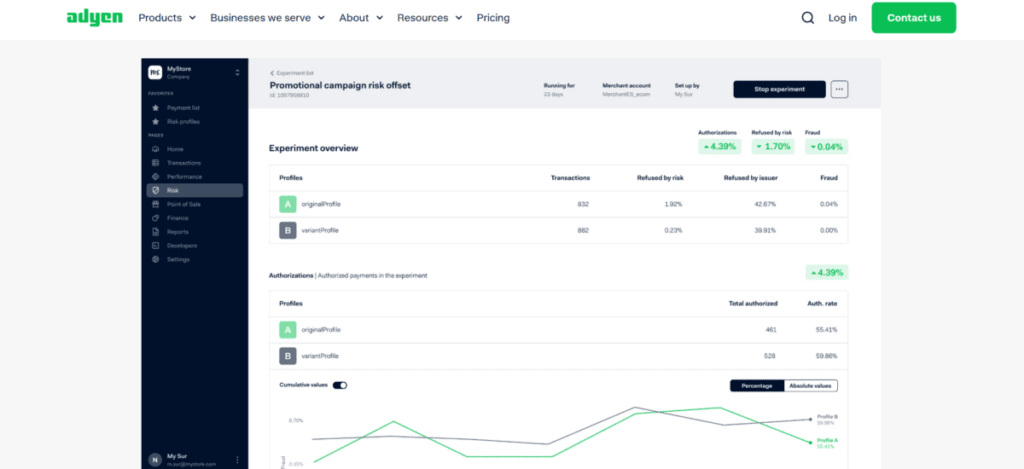
Adyen offers a well-structured and intuitive dashboard designed to cater to both technical users and business owners who need a streamlined way to manage payments. Unlike many traditional payment processors that have cluttered or outdated interfaces, Adyen’s dashboard is modern, responsive, and feature-rich, providing merchants with real-time insights into their transactions, revenue trends, and risk management.

The dashboard enables companies to monitor payments, process refunds, handle chargebacks, and assess sales performance with extensive customization options. A key feature is the integrated reporting system that brings together transactions from various sales channels, including online, in-store, and mobile. This is especially advantageous for companies that function internationally or maintain an omnichannel presence, as it removes the requirement for various dashboards or external reconciliation tools. 

Although the user interface is very effective, Adyen’s dashboard may be daunting for smaller companies or those unfamiliar with payment processing. Its comprehensive features and reporting tools are more appropriate for organizations that need advanced analytics and in-depth transaction analysis. Companies lacking a specific finance or development team might experience a more challenging learning curve than simpler options such as Stripe or Square. 

For developers, Adyen provides an API-first approach, making it easy to integrate custom payment flows with third-party systems. Businesses that require tailored payment solutions will appreciate the flexibility, but those looking for plug-and-play simplicity might prefer alternatives with pre-built, user-friendly integrations.

Merchant Support and Customer Service

Customer support is a crucial aspect of any payment processor, and Adyen takes a business-oriented approach to merchant support. Unlike companies like PayPal and Stripe, which offer direct support to businesses of all sizes, Adyen primarily caters to mid-sized and large enterprises, meaning its customer service model is structured differently.

Adyen offers assistance via email, telephone, and a specialized customer portal, though the availability of live support varies based on the merchant’s account classification. Merchants with high sales volumes and enterprise clients get prioritized support from dedicated account managers, whereas smaller businesses might experience longer response times. In contrast to certain rivals, Adyen lacks 24/7 live chat, which may hinder businesses that require prompt support beyond typical business hours. 

A key advantage of Adyen is its extensive documentation and self-service resources. The firm provides a comprehensive knowledge base, developer resources, and API documentation, facilitating businesses in resolving typical problems independently without requiring direct assistance. This developer-centric strategy is advantageous for firms with internal tech personnel but might not suit smaller enterprises that need direct customer support. 

Merchants generally praise Adyen’s reliability and minimal downtime, meaning fewer support requests are needed in the first place. However, when issues do arise, some businesses report that getting timely resolutions can be a challenge, particularly for those without enterprise-level contracts.

Adyen for Enterprises vs. Small Businesses

Adyen is primarily designed for mid-sized to large enterprises, but it also offers solutions for small businesses. However, whether it’s the right choice depends largely on a business’s transaction volume, technical capabilities, and global reach. Unlike Square or PayPal, which cater to small businesses with simple pricing and easy setup, Adyen is more complex, making it a better fit for businesses that require advanced payment processing capabilities.

Adyen offers tailored payment solutions, direct acquiring, worldwide payment acceptance, and advanced analytics for enterprise businesses. Major corporations gain advantages from its Interchange++ pricing, which tends to be more economical for firms with substantial transaction volumes. Moreover, companies receive dedicated account managers, prioritized customer support, and fraud prevention tools customized for their unique requirements. This positions Adyen as a strong option for global companies, rapidly expanding e-commerce brands, and organizations with intricate payment needs. 

For small businesses and startups, Adyen’s benefits are less clear-cut. While it doesn’t charge monthly fees or require long-term contracts, its pricing structure can be confusing, and the lack of a flat-rate model may make costs unpredictable. Additionally, the setup process requires more technical knowledge, which might not be ideal for businesses looking for a quick and easy payment solution. Many small businesses find platforms like Stripe, Square, or PayPal more accessible due to their simpler interfaces, transparent pricing, and hands-on support.

Ultimately, Adyen is an excellent choice for businesses that need scalability and international payment support. However, for smaller businesses without in-house technical expertise, the platform may be too complex and difficult to manage efficiently.

Settlement Speed and Fund Payouts

One of the most important factors for businesses when choosing a payment processor is how quickly they can access their funds. Adyen offers flexible payout schedules, but the exact settlement time depends on the merchant’s location, the payment method used, and the bank involved. Unlike some competitors that offer instant payouts for an additional fee, Adyen follows a more structured settlement process.

For the majority of transactions, Adyen processes fund settlements within two business days, making it quicker than conventional payment processors, yet not as prompt as certain services such as Square or PayPal, which facilitate instant transfers. For global transactions or payments processed through alternative payment methods (like iDEAL, Alipay, or bank transfers), settlement durations may be longer, ranging from three to seven days because of currency conversion processes and banking rules. 

Adyen allows businesses to customize their payout schedules, offering options for daily, weekly, or monthly settlements, depending on what best suits their cash flow needs. However, some merchants have reported that certain high-risk industries or businesses with irregular transaction patterns may experience longer holding periods or additional security reviews, which could delay payouts.

Unlike processors that require businesses to manually transfer their funds, Adyen offers automated payouts, which ensures merchants receive their money without having to request withdrawals manually. This feature is particularly beneficial for businesses that process large volumes of transactions and need a streamlined cash flow process.

Adyen’s Integration with Other Tools

Adyen is known for its developer-friendly and highly customizable payment solutions, making it a strong choice for businesses that need seamless integration with existing software and platforms. Unlike many traditional payment processors that require workarounds or third-party services, Adyen provides direct integrations with e-commerce platforms, point-of-sale systems, ERP software, and custom-built applications.

For online businesses, Adyen backs prominent e-commerce platforms such as Shopify, Magento, WooCommerce, BigCommerce, and Salesforce Commerce Cloud. These integrations enable merchants to receive payments straight from their websites without requiring extensive coding. Nonetheless, configuring Adyen might still demand some technical skills since the platform isn’t as easy to use as rivals such as Stripe or Square. 

Developers benefit from Adyen’s thoroughly documented APIs and SDKs, simplifying the creation of tailored payment processes, automating reporting, and linking Adyen to internal systems. This degree of personalization is especially beneficial for large enterprises that need customized payment solutions, like subscription billing, dynamic pricing, or multi-currency transactions. 

Beyond e-commerce, Adyen integrates with ERP and CRM systems like SAP, Microsoft Dynamics, and Oracle, enabling businesses to streamline financial management and customer insights. Additionally, Adyen supports POS systems, allowing brick-and-mortar stores to connect their in-store payments with their online sales for a true omnichannel experience.

While Adyen’s integrations are extensive, they may not be as beginner-friendly as other solutions, making it a better fit for businesses with dedicated developers or IT teams rather than small businesses looking for a simple out-of-the-box payment solution.

Pros and Cons of Using Adyen

Adyen is a powerful payment processing solution, but like any platform, it comes with both advantages and drawbacks. While it is widely regarded as an industry leader, businesses must carefully evaluate whether it aligns with their specific needs.

Pros of Using Adyen

One of Adyen’s biggest strengths is its transparent and competitive pricing model. Unlike providers that charge a flat rate, Adyen’s Interchange++ pricing structure can result in lower costs for businesses with high transaction volumes. Additionally, there are no setup fees, monthly fees, or long-term contracts, making it a flexible solution for businesses of different sizes.

Another benefit is Adyen’s worldwide presence and support for multiple currencies. It allows businesses to receive payments in more than 150 currencies and accommodates various local payment options, making it perfect for global sellers. In contrast to numerous payment processors that depend on external acquiring banks, Adyen handles transactions directly, which aids in lowering costs and accelerating settlements. 

Adyen’s security features and fraud protection tools are another major benefit. The RevenueProtect system uses machine learning to detect fraudulent transactions without blocking legitimate ones, minimizing chargebacks while ensuring smooth customer experiences.

Cons of Using Adyen

Despite its strengths, Adyen may not be the best choice for every business. The complexity of its pricing model can make it difficult for small businesses or those with low transaction volumes to predict costs. Unlike Square or PayPal, which offer simpler flat-rate pricing, Adyen’s structure may require businesses to carefully analyze interchange fees to determine the actual cost of processing transactions.

Another limitation is the required technical setup and the learning curve involved. Although Adyen offers comprehensive documentation and user-friendly APIs, companies lacking dedicated IT personnel may encounter greater challenges with integration than they would with plug-and-play options such as Stripe or Square. Furthermore, Adyen’s customer service focuses on enterprise clients, implying that smaller companies might not get the same degree of attention as larger corporations. 

Who Should Use Adyen?

Adyen is a powerful and scalable payment processor, but it’s not the right fit for every business. While its enterprise-grade features, global payment support, and advanced fraud protection make it a strong choice for certain companies, others may find it too complex or costly for their needs. Understanding which businesses benefit the most from Adyen can help determine whether it’s the right solution.

Best Fit for Adyen

Adyen is a superb option for large companies and rapidly growing businesses that need multi-currency transactions, global payment assistance, and integrated omnichannel features. Firms functioning in various nations, like international e-commerce brands, airlines, and subscription services, will greatly benefit from Adyen’s capability to directly acquire payments and provide localized payment choices. 

Businesses that process high transaction volumes can also take advantage of Adyen’s Interchange++ pricing, which is often more cost-effective than flat-rate payment models. Large retailers, hospitality businesses, and marketplaces handling millions in transactions will benefit from Adyen’s ability to lower processing fees and improve settlement times.

Additionally, tech-savvy businesses with in-house development teams will find Adyen’s customizable API and integration capabilities appealing. Companies that want to build custom payment workflows, automate reporting, or develop advanced fraud prevention systems will appreciate the flexibility Adyen provides.

When Adyen May Not Be the Best Fit

Smaller businesses or startups that process low transaction volumes may struggle with Adyen’s pricing complexity and lack of flat-rate simplicity. Unlike PayPal or Square, which offer transparent pricing and easy onboarding, Adyen’s variable fees and technical setup can be overwhelming for those without dedicated IT resources.

Furthermore, businesses looking for instant payouts, 24/7 live customer assistance, or simple plug-and-play payment systems may find Stripe, PayPal, or Square more user-friendly. Adyen’s customer service is enterprise-focused, which means that smaller businesses may not receive the same degree of assistance as large-volume merchants.

Adyen Review

Conclusion & Final Verdict

Adyen has established itself as a leading payment processor, offering a highly scalable, secure, and globally integrated solution. Unlike many competitors, it provides direct acquiring capabilities, multi-currency support, and advanced fraud protection, making it a top choice for large enterprises and businesses with international operations.

A major advantage of Adyen is its transparent Interchange++ pricing structure, which can be economically beneficial for merchants with high sales volumes. The platform features powerful APIs and tools that are friendly for developers, enabling companies to tailor payment flows, automate tasks, and integrate smoothly with their current systems. Moreover, Adyen’s omnichannel features make it an excellent choice for companies aiming to integrate their online, in-person, and mobile payment processes. 

FAQs

1. Is Adyen suitable for small businesses?

Adyen is primarily designed for mid-sized to large enterprises that require scalable and customizable payment processing. While small businesses can technically use Adyen, it may not be the most practical choice due to its complex pricing structure and technical integration requirements. Unlike providers like Square or PayPal, which offer flat-rate pricing and easy onboarding, Adyen’s Interchange++ model can be difficult to manage for businesses that process low transaction volumes. Additionally, customer support is more tailored to enterprise clients, meaning smaller businesses may experience longer response times. If a business prioritizes ease of use, predictable costs, and hands-on support, other options might be more suitable.

2. How does Adyen handle chargebacks and disputes?

Adyen provides businesses with tools to manage chargebacks and minimize fraud-related losses. Through its RevenueProtect system, Adyen employs machine learning and AI-driven fraud detection to flag potentially fraudulent transactions before they occur. However, when a chargeback does happen, merchants can manage disputes through Adyen’s dashboard, where they can submit evidence and track dispute resolutions. Adyen follows the standard chargeback process dictated by card networks like Visa and Mastercard, meaning merchants still need to actively respond to disputes within the required timeframe. While Adyen’s fraud protection helps reduce chargebacks, businesses should still have strong dispute resolution practices in place.

3. Can I integrate Adyen with my existing e-commerce store?

Yes, Adyen supports seamless integration with major e-commerce platforms, including Shopify, WooCommerce, Magento, and BigCommerce. Businesses can use pre-built plugins for these platforms or integrate Adyen’s API for a fully customized payment experience. Unlike some payment processors that offer quick plug-and-play integrations, Adyen’s setup may require technical expertise, especially for businesses that want custom checkout flows, subscription billing, or multi-currency processing. For companies with in-house developers or IT teams, Adyen’s extensive documentation and API support make integration straightforward. However, businesses looking for a no-code payment solution may find Stripe or PayPal easier to implement.

Clearent Review

Clearent Review

Clearent, founded in 2005, is a payment solutions provider based in Creve Coeur, Missouri that offers a range of services. The corporation provides a complete range of payment processing services, such as credit and debit card processing, online payment solutions, and mobile payment choices. Clearent’s unique payment platform is created to improve business operations through efficient and secure transaction processing. Lets read more about Clearent Review.

In February 2021, Clearent merged with Transaction Services Group to form Xplor Technologies, a global platform integrating software, payments, and commerce-enabling solutions. This merger expanded Clearent’s reach, allowing it to serve over 82,000 businesses across 158 countries, processing more than $27 billion in payments annually. The combined entity, Xplor Technologies, is headquartered in Atlanta, Georgia, with operations spanning North America, Australasia, Europe, and the United Kingdom.

Clearent’s commitment to transparency and customer service has positioned it as a trusted partner for businesses seeking reliable payment processing solutions. By leveraging advanced technology and maintaining a focus on client needs, Clearent continues to support businesses in managing their payment processing requirements effectively.

Company Background of Clearent

Established in 2005, Clearent is based in Creve Coeur, Missouri, and has become a significant presence in the payment processing sector. Throughout its history, the company has shown notable growth and flexibility by extending its offerings and expanding its market presence. 

During its initial stages, Clearent’s main focus was to provide transparent and efficient payment processing solutions to businesses of all sizes. The company’s dedication to innovation resulted in the creation of a unique payment platform, improving transaction processing abilities and offering clients immediate data insights. 

Clearent’s growth strategy included strategic acquisitions to broaden its service offerings and enter new markets. Notably, in 2018, Clearent acquired SPOT Business Systems LLC, a provider of point-of-sale software for the dry-cleaning industry. This acquisition enabled Clearent to integrate payment processing with industry-specific software solutions, offering a more comprehensive service to its clients.

A pivotal moment in Clearent’s history occurred in February 2021 when it merged with Transaction Services Group, a global provider of business management software and integrated payments for the subscription economy. This merger resulted in the formation of Xplor Technologies, a global platform integrating software, payments, and commerce-enabling solutions. The combined entity serves over 82,000 businesses across 158 countries, processing more than $27 billion in payments annually. Xplor Technologies is headquartered in Atlanta, Georgia, with operations spanning North America, Australasia, Europe, and the United Kingdom.

Clearent Review

Services Offered by Clearent | Clearent Review

Clearent provides a comprehensive suite of payment processing solutions tailored to meet the diverse needs of businesses across various industries.

Payment Processing Solutions

Credit and Debit Card Processing: Clearent allows businesses to accept all major credit and debit cards, guaranteeing secure and effective transactions. Their clear pricing structure and ability to receive funds the next day improve the management of cash flow.

EBT and Gift Card Acceptance: Merchants can process EBT transactions and offer gift card programs, providing customers with flexible payment options and fostering customer loyalty.

Support for High-Risk Industries: It expands its offerings to industries deemed high-risk, such as firearms and CBD, providing customized solutions for unique regulatory and processing hurdles.

E-commerce and Online Payments

Virtual Terminal and Payment Gateway Options: Clearent’s online terminal enables businesses to accept payments without the need for physical card readers, making it perfect for phone or mail transactions. Their payment gateway fits smoothly with e-commerce platforms, enabling safe online transactions.

Integration Capabilities with Various Platforms: Clearent offers robust APIs and developer tools, enabling smooth integration with existing point-of-sale systems, shopping carts, and other business software, streamlining operations and enhancing efficiency.

Mobile Payment Solutions

Mobile Processing Options for Smartphones and Tablets: Clearent’s mobile options enable businesses to take payments using smartphones and tablets, offering convenience for transactions while on the move. This is especially advantageous for businesses located in distant areas or providing delivery services.

Features and Benefits for Businesses on the Go: The mobile app supports various payment methods, including contactless payments, and offers real-time reporting, helping businesses manage sales and inventory effectively while on the move.

Additional Services

ACH and Electronic Check Processing: Clearent facilitates ACH and electronic check processing, offering cost-effective alternatives to card payments and catering to customers preferring direct bank transfers.

Recurring Billing and Subscription Management: Clearent offers tools for companies that use subscription models to establish and oversee recurring billing, guaranteeing punctual payments and lessening administrative duties.

Loyalty Programs and Gift Card Solutions: Clearent assists businesses in implementing loyalty programs and managing gift card offerings, enhancing customer retention and encouraging repeat business.

Technology and Integration

It offers a robust suite of technological solutions designed to streamline payment processing and enhance business operations.

Proprietary Payment Technology and Platform

At the core of Clearent’s offerings is its proprietary payment platform, Quest™, which provides a comprehensive and secure environment for processing transactions. This platform supports various payment types, including credit and debit cards, ACH transfers, and mobile payments, ensuring versatility for businesses. Quest™ is engineered for reliability and speed, facilitating swift transaction processing and minimizing downtime. Additionally, it offers real-time reporting and analytics, enabling businesses to monitor transactions, track sales trends, and make informed decisions.

API Offerings for Developers and ISVs

Clearent provides a range of APIs tailored for developers and Independent Software Vendors seeking to integrate payment processing into their applications. These REST-based APIs are designed for ease of use, allowing developers to embed payment functionalities seamlessly. The Payment Gateway API, for instance, enables processing of various transaction types, including authorizations, captures, voids, and refunds. It also offers a Recurring Payments API, facilitating the setup and management of subscription-based billing, and a Mobile Payments SDK, allowing integration of payment acceptance into mobile applications. Comprehensive documentation and support accompany these APIs, assisting developers throughout the integration process.

Integration with Existing POS Systems and Software

Understanding the significance of compatibility, Clearent guarantees that its solutions seamlessly blend with a diverse range of current POS systems and business software. Businesses can integrate Clearent’s payment processing capabilities without needing to completely change their existing systems due to this flexibility. Clearent’s semi-integrated solutions, like the Cloud EMV API, allow POS systems to provide merchants with various payment device choices while keeping the integration process efficient. This method decreases the extent of PCI compliance for companies, improving security and streamlining operations. Clearent helps businesses enhance their payment processing workflows and boost efficiency and customer satisfaction by offering flexible integration options.

Pricing and Contract Terms

Clearent offers a transparent pricing structure designed to accommodate various business needs.

Overview of Pricing Models

Clearent mainly uses an interchange-plus pricing model, which distinguishes the interchange fees established by card networks from the processor’s markup. This method allows merchants to see the true costs of every transaction, increasing transparency and helping businesses better comprehend their payment processing costs.

Details on Fees

Setup Fees: Clearent typically does not charge setup fees, allowing businesses to initiate services without incurring upfront costs.

Monthly Fees: Merchants may encounter monthly fees, which can vary based on the services selected. These fees often cover account maintenance and access to Clearent’s suite of tools and resources.

Transaction Fees: Every transaction that goes through is subject to a fee, which includes the interchange rate as well as an established markup. The specific rates are influenced by elements like transaction volume, business category, and risk evaluation.

Additional Fees: Merchants should be aware of potential additional charges, including:

Annual Fees: An annual fee, typically around $49.95, may be applied for regulatory compliance and account maintenance.

PCI Compliance Fees: While Clearent emphasizes PCI compliance, fees may be assessed for non-compliance or for services assisting in maintaining compliance.

Early Termination Fees: If a merchant terminates the contract before the agreed-upon term, an early termination fee of $395 per location or the maximum amount allowed by state law may apply.

Contract Length and Termination Policies

Clearent’s regular contract duration is set at three years, and includes automatic renewal provisions that will prolong the agreement for one-year intervals unless termination notice is provided. Merchants need to thoroughly examine the contract terms in order to grasp the renewal process and any related responsibilities.

Clearent Review

Customer Support and Service

Clearent emphasizes robust customer support to ensure seamless payment processing for its clients.

Availability of Customer Support Channels

Clearent offers multiple support channels to address merchant inquiries and issues:

Phone Support: Available daily from 7:00 AM to 11:00 PM Central Time, providing real-time assistance for immediate concerns.

Email Support: Merchants can reach out via [email protected] for non-urgent matters, with responses typically within one business day.

Online Support Portal: The support.clearent.com portal provides merchants with resources like FAQs, guides, and troubleshooting articles for solving problems on their own.

Quality of Support Based on Customer Feedback

Customer feedback on Clearent’s support services is mixed:

Positive Feedback: Some users commend the helpfulness and professionalism of support representatives, noting their willingness to assist and resolve issues promptly.

Negative Feedback: Other users are facing obstacles, like struggling to contact representatives and feeling unhappy with issue resolution.

These varied experiences suggest that while many find Clearent’s support satisfactory, there is room for improvement in consistency and responsiveness.

Resources Provided for Troubleshooting and Assistance

Clearent equips merchants with several resources to facilitate troubleshooting:

Comprehensive Knowledge Base: Accessible through the online support portal, it includes articles on common issues, setup guides, and best practices.

System Status Updates: Traders have the ability to keep track of system performance and get alerts regarding maintenance or outages, which helps in managing issues in advance.

Training Materials: Clearent offers training sessions and materials to help merchants effectively use their payment processing tools and understand industry standards.

Security and Compliance

Clearent places a strong emphasis on security and compliance to protect both merchants and their customers during payment processing.

PCI Compliance Measures and Assistance

Clearent adheres to the PCI DSS, a set of requirements designed to ensure that all companies processing, storing, or transmitting credit card information maintain a secure environment. To assist merchants in achieving and maintaining PCI compliance, It provides resources such as guidance on completing necessary questionnaires and tools to simplify the compliance process. This support helps businesses navigate the complexities of PCI DSS requirements, reducing the risk of data breaches and associated penalties.

Data Security Protocols and Fraud Prevention Tools

In order to protect confidential data, Clearent uses strong data security measures such as encryption and tokenization. Encryption secures data during transactions from unauthorized parties, while tokenization substitutes sensitive card details with random codes, making the original information unreachable. Furthermore, It provides fraud prevention tools that monitor transactions for any suspicious activity, aiding in the detection and prevention of fraudulent transactions prior to their occurrence. Collectively, these actions improve the security of payment processing, safeguarding merchants and consumers against possible risks.

Additional Security Features Offered to Merchants

Beyond standard security measures, Clearent provides merchants with additional features to bolster their security posture. These include point-to-point encryption, which encrypts card data from the point of entry to the payment processor, further reducing the risk of data breaches. It also offers breach protection programs that provide financial assistance and support in the event of a data breach, helping businesses mitigate potential losses and recover more swiftly. By offering these comprehensive security solutions, Clearent demonstrates a commitment to maintaining a secure payment environment for its clients.

User Experience and Interface

It emphasizes delivering a user-friendly experience through its merchant dashboard and reporting tools.

Ease of Use of the Merchant Dashboard and Reporting Tools

Clearent’s merchant dashboard is designed for intuitive navigation, allowing users to access transaction data, manage accounts, and generate reports with ease. The interface presents information in a clear, organized manner, facilitating efficient monitoring of sales and financial metrics. Reporting tools offer customizable options, enabling merchants to tailor reports to their specific needs, which aids in informed decision-making and streamlined operations.

Accessibility and Navigation of Online Portals

Clearent’s online portals can be accessed on different devices such as desktops, tablets, and smartphones, providing users with flexibility. The adaptable design adjusts to varying screen sizes, while still keeping its functionality and readability. Finding features and information is easy due to the simple navigation provided by clearly labeled menus and sections. The gateways also blend effortlessly with current systems, reducing interruptions and improving the overall user experience.

Feedback on User Experience from Various Industries

Feedback from users across different industries indicates a generally positive experience with Clearent’s interface. Merchants in retail, e-commerce, and service sectors appreciate the platform’s simplicity and efficiency. The ability to access real-time data and comprehensive reports is frequently highlighted as a valuable feature. However, some users have noted that while the platform is robust, there is a learning curve for those less familiar with digital tools. It addresses this by offering training resources and customer support to assist users in maximizing the platform’s capabilities.

Customer Reviews and Reputation

Clearent, a payment processing company, has garnered a range of feedback from its users, reflecting both strengths and areas for improvement.

Summary of Positive Feedback from Users

Many users commend Clearent for its transparent pricing structure, particularly the interchange-plus model, which provides clarity on transaction costs. The user-friendly interface of the merchant dashboard and reporting tools is frequently highlighted, with merchants appreciating the ease of accessing and managing transaction data. Additionally, the company’s commitment to security and compliance, including adherence to PCI standards, has been positively received by businesses prioritizing data protection.

Common Complaints and Issues Raised by Customers

Although there are benefits, some clients have encountered difficulties with Clearent’s services. Unexpected fees, like early termination charges, are a common worry for merchants and have taken some by surprise. Concerns regarding customer service have been raised as well, with some customers facing delays in receiving assistance or struggles in resolving particular issues. Additionally, some customers have experienced difficulties when ending their contracts, showing a necessity for improved communication regarding terms and conditions of the agreement.

Analysis of Reviews from Platforms like BBB, Capterra, and Others

On the Better Business Bureau platform, Clearent holds an A+ rating, reflecting a strong commitment to resolving customer complaints. However, the company has received a number of customer reviews averaging 1 out of 5 stars, with common themes including issues with billing and collection, problems with product or service, and dissatisfaction with customer support. On Capterra, it has garnered a more favorable average rating of 4.7 out of 5 stars, based on 18 reviews. Users on this platform often praise the helpfulness and professionalism of the support team, as well as the ease of use of the software. These mixed reviews suggest that while many customers have positive experiences with Clearent, there are areas, particularly in customer service and fee transparency, that could benefit from further attention.

Clearent Review

Pros and Cons of Clearent

Pros:

Transparent Pricing Model: Clearent’s interchange-plus pricing provides clarity, enabling businesses to understand transaction costs and manage expenses effectively.

User-Friendly Interface: The intuitive dashboard and reporting tools allow merchants to easily track transactions and view real-time analytics.

Comprehensive Services: Clearent offers a wide range of payment processing solutions, including credit and debit card processing, ACH, e-commerce, and mobile payments, catering to various business needs.

Security Features: Strong data security measures, including encryption, tokenization, and support for PCI compliance, guarantee safe and secure payment processing.

Support for High-Risk Industries: Clearent serves high-risk industries like CBD and firearms, offering tailored solutions for businesses that may struggle to find processing partners.

Cons:

Fee Transparency Issues: Some clients experience unanticipated fees, such as charges for ending a contract early and costs related to compliance, which can result in discontent.

Customer Support Concerns: While many find Clearent’s support helpful, others cite slow response times and difficulty resolving issues.

Contract Lengths: Clearent’s standard three-year contracts with automatic renewals can be restrictive, especially for businesses looking for more flexibility.

Learning Curve for New Users: Certain merchants, specifically those who are not very familiar with technology, face difficulties when setting up and using tools for the first time.

Conclusion

Clearent provides trustworthy payment processing with clear pricing, strong security, and easy-to-use tools. Despite being highly praised for its versatility and industry backing, obstacles such as lack of fee transparency and inconsistent customer support still remain. Businesses looking for complete solutions should carefully examine contracts to ensure they match their operational requirements and expectations.

FAQs

What industries does Clearent cater to?

Clearent caters to a broad array of sectors, comprising retail, e-commerce, healthcare, as well as high-risk areas like firearms and CBD. Its custom-made solutions address the distinct requirements of these companies, guaranteeing smooth payment processing.

Are there any hidden fees associated with Clearent’s services?

While Clearent emphasizes transparent pricing, some users have reported unexpected fees. Merchants are encouraged to thoroughly review contract terms, including potential setup, monthly, and termination fees, to avoid surprises.

How does Clearent handle PCI compliance?

Clearent offers a full range of tools to help businesses achieve and uphold PCI compliance. This consists of tools, assistance filling out necessary forms, and extra help to improve data protection.

SphereCommerce Review

SphereCommerce, founded in 2017, is a company that specializes in cloud-based software and payments technology, with a vertical integration approach. It focuses on providing secure and compliant payment solutions customized for challenging markets, particularly in the healthcare industry. Lets read more about SphereCommerce Review.

The primary focus of the company’s mission is to make commercial interactions smooth and safe by incorporating innovative payment technologies into clients’ main business systems. This method seeks to boost operational efficiency and enhance the overall customer experience.

SphereCommerce serves a diverse range of industries, including:

Healthcare: Providing integrated payment solutions that streamline patient billing and revenue cycle management.

Transportation: Offering payment processing services tailored to the unique needs of the transportation sector.

Education: Delivering payment solutions that cater to educational institutions.

Insurance: Facilitating secure payment processing for insurance companies.

Non-Profit Organizations: Supporting fundraising efforts with specialized payment tools.

Through its comprehensive suite of services, SphereCommerce continues to evolve, aiming to meet the dynamic needs of its clients across these specialized vertical markets.

Product and Service Offerings

SphereCommerce offers a comprehensive suite of products and services designed to meet diverse business needs. Their offerings encompass payment processing solutions, integrated software, point-of-sale systems, and robust security features.

Payment Processing Solutions

Credit and Debit Card Processing: SphereCommerce enables businesses to accept all major credit and debit cards, facilitating seamless transactions for customers.

E-Check and ACH Transactions: The company supports electronic check and Automated Clearing House payments, providing alternatives to traditional card payments.

Integrated Software Solutions

Healthcare Payment Integrations: SphereCommerce specializes in integrating payment solutions within healthcare systems, streamlining patient billing and revenue cycle management.

Non-Profit Fundraising Platforms: For non-profit organizations, SphereCommerce offers platforms that simplify donation processing and enhance fundraising efforts.

Point-of-Sale Systems

In-Person and Mobile Payment Options: Their POS systems are designed to accommodate both traditional and mobile payment setups, offering versatility for businesses in different situations.

Virtual Terminals and E-Commerce Solutions: SphereCommerce provides virtual terminals for remote transactions and e-commerce solutions for online businesses, facilitating a broad range of payment acceptance methods.

Security and Compliance Features

PCI Compliance Measures: Adhering to Payment Card Industry Data Security Standards (PCI DSS), SphereCommerce ensures that all transactions are processed securely, protecting sensitive cardholder information.

Data Encryption and Tokenization: The company employs advanced data encryption and tokenization techniques to safeguard transaction data, minimizing the risk of data breaches and fraud.

Through these offerings, SphereCommerce delivers secure and efficient payment processing solutions tailored to the needs of various industries.

SphereCommerce Review

Technology and Integration Capabilities | SphereCommerce Review

SphereCommerce provides strong technology and integration features, guaranteeing smooth integration with different business systems. Their wide range of APIs, assistance for developers, ability to work with current systems, and ability to scale in the cloud all work together to improve efficiency and adaptability.

API Offerings and Developer Support

SphereCommerce provides a suite of Application Programming Interfaces (APIs) designed to facilitate easy integration of payment processing functionalities into diverse applications. These APIs support multiple programming languages, enabling developers to incorporate payment solutions without extensive reconfiguration. Additionally, SphereCommerce offers dedicated developer support, including detailed documentation and responsive assistance, to streamline the integration process and address technical challenges effectively.

Compatibility with Existing Business Systems

Understanding the importance of seamless integration, SphereCommerce ensures that its solutions are compatible with a wide range of existing business systems. This compatibility minimizes disruptions during implementation and allows businesses to maintain their current workflows while enhancing payment processing capabilities. By aligning with various enterprise resource planning (ERP) systems, CRM platforms, and other essential business applications, SphereCommerce facilitates a cohesive operational environment.

Cloud-Based Infrastructure and Scalability

By utilizing a cloud-based infrastructure, SphereCommerce provides flexible solutions that can adjust to the changing demands of companies. This structure enables effective distribution of resources, guaranteeing peak performance in different transaction loads. The cloud-based system also boosts accessibility, allowing businesses to handle payment processing from various locations without sacrificing security or effectiveness. Additionally, the ability to scale in cloud infrastructure helps businesses expand by handling higher transaction volumes and increasing service options when necessary.

Customer Support and Service

SphereCommerce places a strong emphasis on delivering exceptional customer support and service, recognizing its critical role in client satisfaction and retention. Their comprehensive approach encompasses multiple support channels, structured onboarding and training programs, and proactive maintenance and updates.

Availability and Responsiveness of Support Channels

SphereCommerce offers 24/7 customer support to address client inquiries and issues promptly. Clients can reach the support team via phone or email, ensuring accessibility and timely assistance. The company’s commitment to responsive support is evident in its dedication to resolving concerns efficiently, thereby minimizing potential disruptions to client operations.

Client Onboarding and Training Programs

Understanding the importance of a smooth transition, SphereCommerce provides structured onboarding programs tailored to each client’s specific needs. These programs include comprehensive training sessions that cover the functionalities of their payment solutions, ensuring clients are well-equipped to utilize the services effectively. By offering personalized training, SphereCommerce facilitates a deeper understanding of their systems, enabling clients to maximize the benefits of their payment processing solutions.

Ongoing Maintenance and Updates

SphereCommerce ensures optimal performance and security through regular system maintenance and updates. Customers are updated on planned maintenance activities to prepare and reduce any operational disruptions. Furthermore, SphereCommerce takes proactive measures to implement updates that improve system capabilities and combat new security threats, guaranteeing that clients can benefit from the newest features and safeguards.

Pricing and Contract Terms

Understanding SphereCommerce’s pricing and contract terms is essential for businesses considering their payment processing solutions. While specific details may vary based on individual agreements, the following provides a general overview.

Overview of Pricing Models

SphereCommerce typically employs a tiered pricing structure, where transaction fees are determined by the type of card used and the nature of the transaction (e.g., swiped or keyed-in). This model allows businesses to anticipate costs based on their transaction profiles. However, exact rates are not publicly disclosed and are often tailored to the specific needs and volumes of each client.

Contract Length and Termination Policies

Standard contracts with SphereCommerce are generally set for a three-year term, with automatic renewals for successive one-year periods unless terminated by either party. Early termination of the contract may incur a fee, which can be substantial. For instance, some agreements include an early termination fee of $495. Additionally, certain contracts may stipulate liquidated damages calculated by multiplying the remaining months in the contract by the average monthly processing fees. It’s crucial for businesses to thoroughly review contract terms to understand potential obligations and penalties.

Additional Fees and Charges

Beyond transaction fees, businesses should be aware of other potential charges, including:

Monthly Fees: Regular charges for account maintenance or access to specific services.

PCI Compliance Fees: Fees associated with maintaining compliance with Payment Card Industry Data Security Standards, which may be billed monthly or quarterly.

Equipment Leasing Fees: Costs for leasing point-of-sale terminals or other necessary hardware, which can add to the overall expense.

To understand all costs involved, businesses should have in-depth discussions with SphereCommerce representatives due to varying fees and contract terms. This thorough investigation guarantees that the payment processing options meet the financial goals and operational requirements of the business.

SphereCommerce Review

Market Reputation and Customer Feedback

SphereCommerce has established a notable presence in the payment processing industry, with its market reputation shaped by customer feedback and industry recognitions.

Analysis of Customer Reviews and Testimonials

Customer feedback for SphereCommerce presents a mixed picture. Some clients commend the company for its comprehensive payment solutions and responsive customer support. For instance, users have highlighted the ease of integration and the efficiency of SphereCommerce’s systems in streamlining payment processes. However, there are also criticisms, particularly concerning contract terms and fees. Some customers have expressed dissatisfaction with the clarity of pricing structures and the rigidity of contract agreements, noting challenges in understanding fee breakdowns and facing substantial early termination fees.

Industry Recognitions and Awards

SphereCommerce has received industry accolades, reflecting its commitment to innovation and service excellence. Notably, its subsidiary, Qgiv, has been recognized for outstanding customer service and product performance. In 2021, Qgiv received multiple awards in G2’s fundraising software category, including Best Results, Best Support, and Leader, based on verified customer reviews. These recognitions underscore SphereCommerce’s dedication to delivering high-quality solutions in the nonprofit sector.

Common Praises and Criticisms

Clients frequently commend SphereCommerce for its strong security protocols, especially in managing confidential payment details, as well as for the flexibility of its offerings, which can adapt to the expansion and changing requirements of businesses. The company is also praised for its emphasis on integrating payment systems into current business structures, which improves operational efficiency.

Conversely, criticisms primarily revolve around the complexity of contract terms and associated fees. Some customers have reported challenges in navigating the contractual obligations and understanding the full scope of fees, including those related to early termination and compliance. Additionally, there have been concerns about the transparency of pricing models, with clients seeking more straightforward and predictable cost structures.

Employee Experience and Corporate Culture

SphereCommerce’s employee experience and corporate culture have garnered varied feedback, reflecting both strengths and areas for improvement.

Insights from Employee Reviews

Employee reviews of SphereCommerce present a mixed perspective. Some staff members commend the company for its positive environment and supportive leadership. For instance, a sales associate noted, “Great people, nice mindset… Always feel like my input is valid, and taken into consideration.” However, other reviews highlight challenges, particularly concerning management practices and work environment. A senior software engineer expressed concerns about leadership, stating, “Such fragile egos. Little talent overall and shut down those trying to make positive changes.”

Company Culture and Work Environment

Some employees characterize the company’s culture as collaborative and innovative. A technologist remarked, “Wonderful culture.” Fantastic group. Engaging and fascinating tasks. Leadership has a strong concern for both the company and its employees. On the other hand, some workers have voiced concerns about leadership and the overall direction of the organization. A software developer remarked on the frequent turnover and changes in management, saying, “It’s like a revolving door with employees.” The talent that has supported the company for years and contributed to its growth is now nearly nonexistent.

Employee Retention and Satisfaction Rates

Specific data on SphereCommerce’s employee retention and satisfaction rates are not publicly available. However, the mixed reviews suggest variability in employee satisfaction. Positive feedback highlights appreciation for the company’s culture and leadership, while negative reviews point to concerns about management practices and work environment. This dichotomy indicates that while some employees find the company a rewarding place to work, others experience challenges that may impact overall retention and satisfaction.

SphereCommerce Review

Competitive Positioning

SphereCommerce operates in the competitive financial technology sector, offering integrated payment solutions across various industries. Understanding its position relative to key competitors, unique selling propositions, and market share provides insight into its standing in the market.

Comparison with Key Competitors

SphereCommerce faces competition from several established payment processing companies, including:

Global Payments: A leading provider of payment technology services, offering a broad range of solutions to merchants and financial institutions.

Visa: A global payments technology company facilitating electronic funds transfers worldwide.

Total System Services (TSYS): Specializes in payment processing services, particularly for credit card issuers and merchants.

These competitors have significant market presence and extensive service portfolios, challenging SphereCommerce to differentiate itself effectively.

Unique Selling Propositions

SphereCommerce distinguishes itself through several key attributes:

Vertical Integration: By integrating software and payment solutions, SphereCommerce offers a seamless experience tailored to specific industries, notably healthcare and non-profits.

Security Focus: Emphasizing robust security measures, including PCI compliance and data encryption, SphereCommerce prioritizes the protection of sensitive information.

Customizable Solutions: The company provides adaptable payment solutions that can be tailored to meet the unique needs of diverse business models.

These differentiators enable SphereCommerce to cater to niche markets with specialized requirements.

Market Share and Growth Trajectory

Although specific market share information for SphereCommerce is not made available to the public, the company has shown growth by making strategic acquisitions and forming partnerships. For example, the purchase of TrustCommerce broadened its skills in secure payment processing. Furthermore, collaborations with entities such as Qgiv have improved its services within the non-profit industry. The strategic actions indicate a promising path of growth, positioning SphereCommerce to expand its market share in specific industries.

Recent Developments and Future Outlook

SphereCommerce has recently undertaken significant strategic initiatives to refine its focus and enhance its offerings in the financial technology sector.

Recent Product Launches and Updates

In March 2024, Sphere’s subsidiary, TrustCommerce, integrated with PayPal and Venmo, enabling healthcare providers to offer patients additional payment options. This collaboration reflects Sphere’s commitment to enhancing the patient financial experience by incorporating modern, user-friendly payment methods.

Strategic Partnerships and Acquisitions

In October 2023, Sphere entered into an agreement to divest its Commercial Division to NMI, a leading full commerce enablement company. This move allows Sphere to concentrate on delivering integrated payment and software solutions tailored to the healthcare and non-profit sectors. Additionally, in January 2024, Sphere divested Qgiv, its nonprofit fundraising technology platform, to Bloomerang. These strategic decisions underscore Sphere’s dedication to specializing in healthcare financial technology solutions.

Future Plans and Industry Trends

In the future, Sphere plans to enhance its position as a top provider of comprehensive payment solutions in the healthcare industry. By concentrating on improving patient involvement and simplifying payment procedures, Sphere is ready to cater to the changing demands of healthcare providers and patients. The company’s focus on security and compliance matches with industry trends that prioritize protecting data and following regulations.

Conclusion

SphereCommerce specializes in delivering secure, integrated payment solutions, particularly for the healthcare and non-profit industries. Major strengths consist of strong security features and customized integrations. Nevertheless, there are opportunities for enhancement, like streamlining contract terms and fee structures. In general, SphereCommerce is a solid option for specific payment requirements.

Frequently Asked Questions 

What industries does SphereCommerce primarily serve?
SphereCommerce focuses on healthcare, non-profit organizations, education, transportation, and insurance. Their solutions are tailored to meet the unique payment needs of each sector.

How does SphereCommerce ensure the security of transactions?

SphereCommerce employs advanced security measures, including PCI compliance, data encryption, and tokenization, to protect sensitive transaction data and ensure secure payment processing.

What are the contract terms and cancellation policies for SphereCommerce services?

SphereCommerce typically offers multi-year contracts with automatic renewals. Early termination fees may apply, so businesses should review contract terms thoroughly before signing.

Petroleum Card Services Review

Petroleum Card Services Review

Petroleum Card Services focuses on providing customized payment processing solutions for independent gas stations, convenience stores, auto repair shops, and other related petroleum businesses. Established in 1999 and currently a member of the Paysafe network, Petroleum Card Services uses more than twenty years of expertise to offer tailored payment solutions for the specific needs of the petroleum sector. Let’s delve deeper into the Petroleum Card Services Review.

PCS’s main advantage lies in its dedication to addressing the unique operational and financial needs of gas stations and convenience stores. These companies frequently have specific requirements for transactions and security because they heavily rely on large transaction numbers and require fast, secure processing at gas stations. Petroleum Card Services provides various options such as pump-integrated payment systems, fleet card assistance, and measures to prevent fraud, enabling businesses in this industry to effectively and efficiently handle financial transactions.

Specialized payment solutions like those Petroleum Card Services offers are essential in the petroleum industry. For example, the need for rapid and reliable payment processing at fuel pumps ensures minimal downtime, which is critical to customer satisfaction and operational success. Additionally, features such as fleet card acceptance and EBT (Electronic Benefits Transfer) integration help businesses meet the varied payment needs of their customers, providing a comprehensive service model that supports long-term customer loyalty and competitive advantage.

PCS’s industry-specific expertise and focus on delivering reliable, specialized tools make it a trusted partner for businesses in the petroleum sector. By catering to these unique needs, PCS helps gas stations and convenience stores streamline payment processing, enhance customer satisfaction, and stay competitive in a challenging market.

Product and Service Offerings of Petroleum Card Services 

Petroleum Card Services provides a suite of payment processing solutions tailored specifically for the needs of gas stations, convenience stores, and other businesses in the petroleum sector. These solutions are designed to streamline payments, improve customer service, and boost operational efficiency.

The core offerings of PCS include pay-at-the-pump systems, which allow customers to quickly and securely process payments without needing to enter the store. This service integrates seamlessly with major fleet cards like Wright Express and Fuelman, providing flexibility for businesses serving both individual consumers and fleet operators. Petroleum Card Services also supports Datawire Secure Transport, a high-speed, secure IP solution that enhances transaction processing speed and reduces telecom costs, making it ideal for high-traffic fuel stations.

PCS also provides various POS systems designed specifically for the petroleum sector, including Verifone and Gilbarco models, known for their dependability and suitability for fuel and convenience store businesses. These platforms are capable of processing various payment methods such as EMV chip, magnetic stripe, and contactless choices like Apple Pay. Additionally, they offer strong assistance for managing inventory and ensuring compliance, which are essential for convenience store operations.

Beyond POS systems, PCS provides specialized payment terminals and card readers, enabling gas stations to facilitate quick in-store purchases. These terminals include options for countertop, wireless, and long-range models, giving businesses the flexibility to meet a variety of transaction needs. Additional offerings include fleet card integration, loyalty programs, and digital signage, allowing petroleum businesses to promote services and streamline checkout experiences effectively.

Petroleum Card Services Review

Key Features and Benefits of Petroleum Card Services (PCS) | Petroleum Card Services Review

Petroleum Card Services provides gas stations and convenience stores with specialized payment processing features that cater to the unique demands of the petroleum industry. Their suite of offerings is designed to enhance transaction efficiency, security, and integration compatibility, enabling businesses to handle fuel-specific requirements with ease.

Fuel-Specific Features

Petroleum Card Services specializes in supporting fleet cards like Wright Express, Voyager, and Fuelman, which are essential for businesses serving corporate and commercial fleets. These fleet cards allow drivers to fuel up without needing cash and offer businesses the ability to track fuel expenses accurately. PCS’s solutions integrate seamlessly with pay-at-the-pump systems and are compatible with major POS terminals designed for fuel stations. This setup is ideal for providing a swift and consistent experience for customers and managing large-scale fleet fueling operations efficiently.

Security Features

Security is a top priority for PCS, given the high volume of transactions and susceptibility to fraud in the petroleum sector. PCS’s payment systems employ advanced encryption and tokenization to secure transaction data, ensuring that sensitive customer information remains protected against unauthorized access. Additionally, PCS solutions comply with PCI DSS standards, which mandate stringent data security measures. This compliance helps fuel station operators mitigate risks associated with fraud, particularly those related to skimming devices that target fuel dispensers.

Integration Capabilities

PCS is created with versatile integration possibilities, allowing it to work with different POS systems and accounting software frequently utilized in the petroleum sector. This ability enables companies to connect transaction data with their overall financial systems, making reporting and reconciliation more efficient. Additionally, PCS’s payment platforms also are compatible with Datawire Secure Transport, an IP-based system that improves transaction speed and decreases dependence on costly and slower traditional telecom services.

By focusing on these industry-specific features, PCS provides petroleum businesses with a comprehensive, secure, and efficient payment solution tailored to their operational needs. This robust combination of fuel-focused functionality, security protocols, and integration versatility makes PCS a trusted choice for businesses aiming to optimize payment processing in the fuel sector.

Ease of Use of Petroleum Card Services 

Petroleum Card Services is structured to ensure a smooth experience from setup to daily usage, designed specifically for gas stations and convenience stores. The onboarding process is streamlined, allowing new users to get started with minimal hassle. Petroleum Card Services provides dedicated assistance during setup, with support available for configuring hardware and software integration, ensuring each component aligns well with existing business operations. This support extends beyond initial setup, as PCS aims to provide ongoing assistance to address any technical needs that arise.

The Petroleum Card Services user interface is designed with usability in mind, enabling business owners and employees to easily handle transactions. Its ability to work with popular POS systems guarantees that staff can efficiently handle day-to-day tasks, such as overseeing fuel transactions and accepting fleet card payments. The purpose of the design is to shorten training time, which is perfect for companies that have regular turnover in staff. This convenience allows businesses to efficiently handle intricate petroleum transactions, ultimately enhancing customer satisfaction.

PCS further supports its users by offering a robust set of resources. These include user guides, FAQs, and dedicated customer support teams available via phone and email. Petroleum Card Services provides various points of contact depending on the specific support required—whether it’s technical assistance, PCI compliance inquiries, or general customer service. These resources, combined with PCS’s commitment to comprehensive support, allow business owners to confidently address any operational challenges and focus on delivering seamless service to their customers.

Pricing and Fees for Petroleum Card Services 

Petroleum Card Services provides specialized pricing structures to support businesses in the petroleum sector. PCS typically uses a tiered pricing model, where different rates apply based on the transaction type. This setup can offer competitive wholesale rates, though it’s essential for merchants to review contract details carefully, as some PCS packages include fixed costs, setup fees, and certain additional charges.

The standard charges consist of a $25 initialization fee, a yearly membership fee of $75, and a monthly minimum fee of $25. Furthermore, PCS also imposes a yearly PCI compliance fee, typically averaging at $109, to address data security regulations. Transaction fees can vary between 1% and 4.99 cents per transaction, based on the card type and how the transaction is processed (swiped or keyed-in). Although the rates are intended to offer value, it’s important to be aware that some customers have reported differences between the rates advertised and the actual terms of the contract. For instance, the rates shown in ads can imply a fixed price per transaction, yet the actual contract might include graduated or fluctuating charges.

Comparing PCS to other industry competitors, their pricing can seem higher, particularly if equipment leasing is involved. PCS offers leases for POS equipment through a third-party provider with non-cancelable, long-term commitments. This leasing structure can lead to higher overall costs than purchasing equipment upfront, so many customers recommend considering direct purchase options when available.

In terms of transparency, Petroleum Card Services has generally favorable feedback, but merchants are advised to carefully review agreements to avoid any surprises related to hidden costs or additional charges. This includes early termination fees, which can apply if a contract is ended before its term is completed. To ensure cost-effectiveness, it’s beneficial for businesses to compare PCS’s offerings with those from other providers and negotiate terms whenever possible.

Petroleum Card Services Review

Customer Support and Service Quality of PCS

Petroleum Card Services places a strong emphasis on delivering exceptional customer support, recognizing its critical role in the petroleum industry’s fast-paced environment. They offer multiple support channels to ensure assistance is readily accessible:

Phone Support: PCS provides 24/7 customer service through a dedicated toll-free number: 866-427-7297. This around-the-clock availability ensures that help is always at hand for any urgent issues.

Email Support: For non-urgent inquiries, customers can reach out via email to various departments:

General Customer Service: [email protected]

Technical Support: [email protected]

PCI Compliance: [email protected]

Partner Support: [email protected]

Sales: [email protected]

These dedicated email addresses facilitate direct communication with the relevant departments, ensuring queries are addressed efficiently.

Petroleum Card Services is committed to prompt responsiveness and effective problem resolution. They have a track record of maintaining high customer satisfaction, with consistent ratings of 98% or higher over the past three years. This commitment is reflected in their approach to handling technical and general inquiries, providing resources such as user guides and FAQs to assist clients.

By offering comprehensive support resources and maintaining a strong focus on customer satisfaction, PCS demonstrates its dedication to assisting businesses in the petroleum sector effectively.

Reliability and Performance of PCS

PCS has built a reputation for reliability and high performance, which is essential for businesses in the fast-paced petroleum sector. Petroleum Card Services is known for maintaining a strong system uptime, a critical factor for gas stations and convenience stores that handle continuous transactions. Their robust infrastructure supports quick, seamless payment processing, which allows for rapid transactions and minimal downtime, an asset particularly appreciated by users who rely on uninterrupted services.

In terms of transaction processing speed, PCS’s systems are designed to accommodate high transaction volumes. By leveraging networks like Datawire Secure Transport, PCS enables fast, secure payment transfers, even during peak business hours. This system improves speed compared to traditional dial-up processing by using direct IP routing, which not only cuts down transaction times but also reduces telecom costs for businesses.

User feedback shows that PCS offers reliable service with little interruption. Customers in the oil and gas sector, where delays in transactions can cause major disruptions, frequently point out PCS’s reliable service quality. The customer support team’s availability boosts reliability, ensuring prompt resolution of any arising issues. PCS addresses technical issues and downtime by actively monitoring and having a responsive support network to quickly resolve potential disruptions.

By maintaining high uptime and offering robust support, PCS proves to be a dependable choice for businesses that require reliable and efficient payment processing in the petroleum industry. This reliability ensures that businesses can focus on serving their customers without worrying about technical interruptions or transaction delays.

Reliability and Performance of PCS

Petroleum Card Services is widely recognized for its commitment to reliable and efficient payment processing, essential for the high-transaction environments of gas stations and convenience stores. Known for maintaining impressive system uptime, PCS helps ensure that businesses experience minimal interruptions in service. This strong uptime is a critical advantage, as any disruptions in payment processing can lead to customer frustration and lost revenue. PCS’s infrastructure is built to support continuous transaction activity, which is particularly valued in the fast-paced petroleum sector.

PCS utilizes networks such as Datawire Secure Transport to improve transaction processing speed by directing payments through an IP-based system, resulting in fast and secure transactions. This configuration is much quicker than conventional dial-up connections, decreasing the time needed for payments to be authorized and finalized. Businesses with high transaction volumes can benefit from this efficiency by serving more customers quickly and without delays. Additionally, PCS’s payment systems work well with various key POS systems in the petroleum sector, improving transaction speed and flexibility.

User feedback on PCS’s reliability and performance generally highlights the system’s consistent uptime and smooth transaction handling. Customers appreciate the reduced downtime, which minimizes the risk of lost sales or long lines at the pump. Additionally, PCS’s proactive approach to technical support and handling downtime helps ensure that businesses can access support quickly if issues do arise. PCS provides multiple support channels, including 24/7 phone support and dedicated email contacts for various issues, ensuring that customers can reach the right team promptly.

Pros and Cons of Using Petroleum Card Services 

Petroleum Card Services offers a range of benefits tailored to the unique needs of gas stations and convenience stores, though there are some potential downsides that businesses should consider. Here’s a closer look at the advantages and limitations of using PCS.

Pros

Industry Specialization: PCS is specifically designed for businesses in the petroleum sector, meaning their solutions are optimized for gas stations and convenience stores. This specialization helps PCS offer targeted services, such as fleet card acceptance and pay-at-the-pump solutions, which aren’t commonly available with general payment processors.

Reliability: PCS is known for its high system uptime and efficient transaction processing, ensuring that businesses can operate smoothly with minimal interruptions. This reliability is crucial in the high-traffic environment of gas stations, where service downtime can quickly lead to customer frustration.

Strong Security Features: For the safeguarding of sensitive transaction data, PCS provides compliance with PCI DSS standards and strong encryption measures. Given the high number of transactions and risk of fraud at fuel stations, these security measures are especially crucial.

Comprehensive Support: PCS provides 24/7 customer support through phone and email, which is a valuable resource for handling urgent issues. The company’s dedicated support for technical and general queries further strengthens their service quality, allowing businesses to address any operational challenges quickly.

Cons

Fees and Costs: One of the common critiques of PCS is their pricing structure. In addition to transaction fees, PCS charges a monthly minimum fee, an annual PCI compliance fee, and other potential costs. Some users have noted that these fees can make PCS’s services more expensive compared to general payment processors.

Long-Term Equipment Leases: PCS offers equipment leasing options through third-party providers, which may require long-term, non-cancelable contracts. This can be a disadvantage for businesses that might prefer to buy equipment outright or avoid long-term financial commitments.

Contract Length and Early Termination Fees: While PCS advertises competitive terms, users should carefully review contract details, as early termination fees may apply if businesses wish to cancel their service before the end of the contract term. This could pose a limitation for businesses seeking more flexible options.

Petroleum Card Services Review

Comparing Petroleum Card Services to Competitors

Petroleum Card Services is a prominent provider in the petroleum payment processing industry, and its specialized offerings make it a strong competitor among other fuel card and payment solutions. When comparing PCS to competitors like WEX, Voyager, and Comdata, several differentiators and unique features set PCS apart.

Key Competitors and Comparison

Competitors like WEX, Voyager, and Comdata offer comprehensive fuel card programs primarily designed for large fleets and trucking companies. WEX, for instance, is known for its extensive closed-loop network, providing cash withdrawals and advanced spending controls, while Comdata emphasizes analytics and payroll options for fleet management. Voyager, widely accepted across numerous fuel stations, keeps its costs low by omitting transaction and setup fees but offers fewer rewards and rebates than other providers. Each of these providers is optimized for broader fleet and logistics needs but may lack the industry-specific customization that PCS offers.

Unique Selling Points of PCS

PCS is unique in its dedication to gas stations and convenience stores, designing payment solutions specifically for these types of businesses. In contrast to typical fleet card services, PCS combines pay-at-the-pump options, POS integration, and fleet card assistance specifically tailored for fuel stations’ individual configurations. PCS’s expertise enables them to assist with intricate requirements such as managing fleet card transactions, adhering to PCI DSS regulations, and conducting real-time transactions securely via networks. Additionally, PCS offers specialized 24/7 customer service dedicated to specific industry concerns, like equipment problems at gas stations, that other general providers may not have.

Another advantage of Petroleum Card Services is its dedication to improving operational efficiency and security for smaller, independent gas stations that don’t benefit from the larger, fleet-oriented network models. This focus on independent stations gives PCS an edge with features like Datawire Secure Transport for faster transactions and flexible integration with popular petroleum industry POS systems.

In summary, while larger providers like WEX and Comdata may offer extensive fleet management tools, Petroleum Card Services is uniquely tailored to support the petroleum industry’s specialized requirements, making it an excellent choice for gas stations and convenience stores seeking a dedicated payment processing partner. This focus on industry-specific features, along with a responsive support team, positions PCS as a strong, specialized option in the competitive petroleum payments space.

Conclusion 

In summary, Petroleum Card Services provides customized payment options for gas stations and convenience stores, standing out with industry-specific characteristics, dependability, and customer assistance. PCS is the perfect payment processing partner for independent fuel stations in the petroleum industry, offering customized POS integration, strong security measures, and round-the-clock support.

RentPayment Review

RentPayment Review

RentPayment is an internet-based platform created to simplify rent payments for tenants and landlords. By providing different payment choices like credit cards, debit cards, ACH transfers, and mobile payments, tenants have a flexible and convenient way to pay their rent. Landlords can take advantage of a convenient dashboard to monitor payments, schedule automated reminders, and manage finances effectively. The main goal of the platform is to make the rent collection process easier while ensuring a secure and transparent system for both landlords and tenants. Let’s delve deeper into the RentPayment Review.

RentPayment, a groundbreaking solution created by MRI Software, has been leading the way in the digital rent payment sector. At first, landlords used conventional practices like checks or cash, which frequently led to issues such as bounced checks, delays, and mistakes in handling. With the rental business adopting more technology, RentPayment upgraded to include electronic transactions, providing safer, more dependable, and quicker payment options. Over the years, RentPayment has broadened its services by introducing mobile apps, automating repeat payments, and connecting with property management systems, catering to both small landlords and larger property management companies.

Importance of Online Payment Solutions for Tenants and Landlords

The rise of online rent payment platforms like RentPayment has brought considerable convenience to both tenants and landlords. For tenants, the ability to make rent payments online or through mobile apps eliminates the need for physical checks or money orders, making the process faster and more efficient. It also provides flexibility, allowing tenants to make payments from anywhere, set up automatic transactions, and avoid late fees.

For landlords, RentPayment guarantees improved cash flow through decreased delays and quicker payment processing. The automated system on the platform helps landlords by tracking payments, sending reminders, and reducing administrative tasks so they can focus on property management instead of collecting rent. Moreover, the secure encryption employed in RentPayment protects the data of both tenants and landlords, minimizing the chances of fraud and providing a clear history of all transactions. This builds trust and guarantees a more seamless rental experience for everyone involved.

RentPayment Review

Key Features of RentPayment | RentPayment Review

RentPayment is designed to simplify rent transactions by offering a comprehensive set of features for both landlords and tenants. These features aim to enhance convenience, security, and transparency in the payment process.

Multiple Payment Methods (Credit Cards, Debit Cards, e-Checks, ACH): One of RentPayment’s standout features is its support for multiple payment methods, providing flexibility for tenants. Users can pay rent using credit cards, debit cards, e-checks, or Automated Clearing House (ACH) transfers. This wide range of payment options caters to different preferences, making it easier for tenants to meet their rent obligations while giving landlords the flexibility to receive payments through secure channels.

Automated Recurring Payments: RentPayment enables tenants to set up automated recurring payments, ensuring their rent is paid on time each month. This feature reduces the risk of late payments, benefiting both tenants and landlords. Tenants can schedule payments to automatically deduct from their accounts on a set date, eliminating the need to remember each month’s due date, and landlords can enjoy consistent, timely payments.

Mobile App Functionality for Tenants: RentPayment offers a mobile application for iOS and Android devices, allowing tenants to easily handle their rent payments while on the move. Tenants are able to check their payment history, establish regular payments, and get instant notifications using the app, which helps them effectively handle their finances on their smartphones.

Payment Reminders and Notifications: To further reduce late payments, RentPayment offers payment reminders and notifications. Tenants receive alerts before rent is due, as well as confirmations once the payment has been processed. These reminders help ensure tenants stay on top of their financial obligations while keeping landlords informed of incoming payments.

Secure and Encrypted Transactions: RentPayment places a high importance on security. The system employs sophisticated encryption and complies with Payment Card Industry Data Security Standards (PCI DSS) to safeguard sensitive financial data. This strong security level protects landlords and tenants from fraud and identity theft, ensuring peace of mind for everyone.

Integration with Property Management Software: RentPayment seamlessly integrates with various property management software platforms. This integration allows landlords and property managers to automate rent collection, track payments, and manage tenant information in one place. It reduces manual administrative tasks and ensures that rental data is easily accessible and organized.

User Experience

RentPayment aims to provide a seamless user experience for both tenants and landlords, ensuring ease of use and efficiency across the platform. Whether managing payments or tracking rent collection, the platform is designed to make the process simple and intuitive for all users.

Tenant-Side Experience: For tenants, RentPayment offers a straightforward and user-friendly experience. Setting up payments is easy, with tenants able to choose from multiple payment methods such as credit cards, debit cards, or ACH transfers. The sign-up process is quick, and once an account is created, tenants can easily manage their payment schedules.

The platform provides access to in-depth transaction records, enabling tenants to examine previous payments whenever they want. This level of transparency helps with maintaining records and guaranteeing timely payments. RentPayment offers flexibility, enabling users to switch payment methods as necessary, making it convenient for tenants with different payment preferences.

Landlord/Property Manager-Side Experience: For landlords and property managers, RentPayment provides robust features that simplify rent collection and financial management. The dashboard functionality allows landlords to track payments in real time, making it easy to see which tenants have paid and who may be overdue. This helps landlords stay on top of their cash flow with minimal effort.

One of the key features for property managers is payment reconciliation. RentPayment automatically matches incoming payments with outstanding balances, reducing the need for manual tracking and ensuring accuracy. The simplicity of the interface allows landlords to quickly find the information they need, without overwhelming them with unnecessary details.

Mobile App Review (Tenant and Property Manager Perspectives): RentPayment’s mobile application improves the user experience for both renters and property owners. Tenants have the ability to submit payments, schedule automatic transactions, and get alerts via the app, giving them the freedom and authority to manage their rent efficiently. The app offers landlords up-to-date information on rent payments and allows them to easily manage tenant payments while on the move. Both groups of users enjoy the ease of handling everything directly from their mobile devices.

Pricing and Fees

RentPayment offers a pricing structure designed to cater to both landlords and tenants, with fees varying based on the type of payment method used. Its competitive pricing model ensures flexibility, but like any payment platform, it’s important to understand the potential costs involved.

Pricing Structure for Landlords: For landlords, RentPayment typically charges based on the number of transactions or properties managed. The platform may offer different subscription tiers depending on the scale of operations. Larger property management companies handling multiple units can access more tailored pricing packages, while smaller landlords can expect standard transaction fees that cover the use of RentPayment’s services, including payment processing and integration with property management software. In some cases, landlords can pass on the cost of transaction fees to tenants, though this may depend on local laws and landlord practices.

Fee Structure for Tenants (Credit Card Fees, ACH, e-Check Options): Tenants are charged fees by RentPayment depending on the payment method selected. Credit card transactions typically involve a service charge that can vary between 2.5% and 3% of the overall payment. This is a common occurrence with credit card transactions because of the associated processing expenses. ACH payments, which move money directly from a bank account, are frequently less expensive, with reduced fees or no fees in certain situations. E-checks work in the same way as ACH transfers and generally have similar fee schedules. Tenants should have knowledge of these choices when determining how to make their rent payments.

Additional Service Fees for Expedited Payments or Processing: RentPayment offers the option for expedited payments or same-day processing, which can be useful for tenants who need to make a payment quickly to avoid late fees. However, these expedited services often come with additional costs, depending on the urgency of the payment and the method used. Tenants and landlords should review these extra fees before opting for faster processing times.

Comparison to Competitors in the Market in Terms of Pricing: When compared to other rent payment platforms, RentPayment’s fees are competitive. Some competitors may offer lower or no fees for ACH transfers but charge similarly for credit card transactions. Platforms like Zelle or Venmo may offer free peer-to-peer transfers but lack the additional property management features that RentPayment provides. In contrast, platforms like AppFolio and Cozy offer similar pricing structures but may differ in terms of features and scalability for larger landlords.

Security and Compliance

RentPayment places a strong emphasis on security and regulatory compliance to protect both landlords and tenants during the rent payment process. The platform integrates several advanced security protocols to ensure that sensitive financial information is protected, while also maintaining compliance with industry standards and regulations.

Security Protocols: Data Encryption and PCI Compliance: One of the core aspects of RentPayment’s security infrastructure is its use of data encryption. The platform employs industry-standard encryption technologies to protect sensitive information during transmission, ensuring that personal and financial data remains secure. In addition to encryption, RentPayment complies with the Payment Card Industry Data Security Standards (PCI DSS), a set of security protocols established to safeguard cardholder information. This compliance ensures that RentPayment meets the highest standards for handling credit card transactions, reducing the risk of data breaches.

Handling of Personal Information: RentPayment also takes the protection of personal information seriously. Personal data, such as names, bank account numbers, and addresses, are stored securely and used solely for the purpose of processing rent payments. The platform implements stringent access controls to ensure that only authorized personnel have access to sensitive information, further protecting users from potential identity theft or unauthorized access.

Fraud Protection Mechanisms: Fraud prevention is a key concern for both tenants and landlords, and RentPayment integrates robust fraud protection mechanisms to address this. The platform monitors transactions for suspicious activities, flags potentially fraudulent transactions, and uses multi-factor authentication to verify user identities. These measures help prevent unauthorized payments and mitigate risks associated with fraud, offering peace of mind to both parties.

Compliance with Federal and State Regulations: RentPayment ensures its services adhere to federal and state financial regulations and data privacy laws. This involves following the rules set out in the Gramm-Leach-Bliley Act (GLBA) as well as other laws controlling the gathering and utilization of financial data. RentPayment reduces the chances of legal problems for landlords and ensures that tenants’ information is managed in compliance with the law by following these regulations.

Risk Management for Property Managers: For property managers, RentPayment provides tools to manage risks associated with rent collection. The platform’s secure and automated processes reduce the chance of payment delays or disputes. Additionally, its tracking and reporting features allow landlords to monitor payments in real-time, reducing the risk of missed payments and improving overall financial management. These risk management features ensure that landlords can efficiently oversee multiple properties without compromising on security.

RentPayment Review

Customer Support

RentPayment offers a variety of customer support options to ensure that both tenants and landlords receive timely assistance when needed. Their support services are designed to address a range of issues, from technical problems to payment queries, making it easier for users to resolve issues quickly and efficiently.

Availability and Types of Support (Phone, Email, Chat): RentPayment provides multiple avenues for users to contact support, including phone, email, and live chat options. This multi-channel approach ensures that users can choose the method that works best for them, whether they prefer speaking directly to a representative over the phone or using email for non-urgent queries. The live chat feature is particularly useful for getting quick answers without having to wait on hold, making it a convenient option for users who need real-time assistance.

Response Time and Effectiveness of the Support Team: RentPayment’s customer support team is recognized for its promptness, providing fast responses to the majority of questions received. Short wait times are typically experienced for phone support, with a proficient team that resolves issues quickly. Email replies, although not instant, are usually dealt with in 24-48 hours. The live chat feature is very efficient for addressing urgent matters, often resolving problems instantly. Users often express a high level of satisfaction regarding the speed at which their issues are resolved, although response times can differ depending on the number of inquiries.

Customer Reviews on Support Quality: Customer reviews regarding RentPayment’s support quality are generally positive. Many users appreciate the professionalism of the support team and the clarity of the information provided. However, like any service, there are occasional complaints about delays in response times during peak periods or more complex issues requiring multiple follow-ups. Despite this, the majority of users find the support team to be knowledgeable and helpful in resolving their concerns.

Resources Such as FAQ Sections, Knowledge Bases, and Guides: In addition to direct support, RentPayment provides a comprehensive FAQ section and a knowledge base that covers a wide range of topics. These resources are especially helpful for users who prefer to troubleshoot issues on their own. The FAQ section addresses common questions about setting up payments, managing accounts, and understanding fees. For more in-depth assistance, guides and articles provide step-by-step instructions on using the platform’s various features, making it easier for both new and existing users to navigate the system.

Pros of RentPayment

RentPayment is a robust platform that offers a range of advantages for both landlords and tenants, making the rent collection and payment process more streamlined and efficient. With features designed to enhance convenience and automation, RentPayment is a popular choice for property management.

Convenience for Both Landlords and Tenants: One of the most significant benefits of RentPayment is the convenience it offers to both landlords and tenants. Landlords can manage rent collection from anywhere with ease, while tenants can make payments without needing to mail checks or make in-person visits. This online system allows for seamless transactions that fit the busy schedules of both parties, eliminating the need for paper-based processes and manual record-keeping.

Automated, Recurring Payments for Hassle-Free Rent Collection: The automated, recurring payment option on the platform is a significant selling factor. Tenants have the option to establish regular payments so that their rent is automatically covered every month without needing to intervene manually. This not only reduces the chance of late payments but also provides landlords with assurance that rent will be received promptly. Automation greatly decreases administrative work for both parties and guarantees landlords a steady cash flow.

Variety of Payment Options: RentPayment provides tenants with a variety of payment methods, including credit cards, debit cards, ACH transfers, and e-checks. This flexibility allows tenants to choose their preferred payment method, catering to different financial preferences. For landlords, offering multiple payment options increases the likelihood of on-time payments by accommodating the diverse needs of tenants.

User-Friendly Mobile App: RentPayment’s mobile app is another standout feature. It allows both tenants and landlords to manage their transactions on the go. Tenants can make payments, view their transaction history, and set up recurring payments from their smartphones, while landlords can track payments and receive notifications in real-time. The app’s intuitive design ensures that users, regardless of tech-savviness, can easily navigate and utilize its features.

Reliable Customer Service Support: RentPayment offers reliable customer service to help resolve any issues that may arise. The platform provides support through various channels, including phone, email, and live chat, ensuring users can get assistance whenever needed. This level of support helps users resolve problems quickly, improving the overall experience and reducing frustration.

Cons of RentPayment

While RentPayment offers numerous benefits, it’s important to acknowledge some of the potential drawbacks associated with the platform. These cons may affect both tenants and landlords depending on their specific needs and payment preferences.

Transaction Fees for Tenants (Especially Credit Card Payments): One of the main drawbacks of RentPayment is the transaction fees that tenants may face, particularly when using credit cards. Credit card payments typically incur fees ranging from 2.5% to 3% of the transaction value. While ACH transfers or e-checks often have lower or no fees, the cost of using credit cards can add up over time, making it less attractive for tenants who prefer this payment method. This added cost may deter tenants from utilizing certain payment options, leading to potential inconvenience.

Limited International Payment Support: RentPayment currently caters primarily to U.S.-based property managers and tenants, offering limited support for international payments. This can pose a challenge for landlords with properties in multiple countries or tenants who wish to pay from foreign bank accounts. For landlords managing international properties, the lack of global payment options means they may need to look for alternative solutions that better support cross-border transactions.
Possible Delays in Processing Payments During Weekends or Holidays: Another drawback is the possibility of payment processing delays, especially during weekends or holidays. Although RentPayment’s automated systems make transactions more efficient, payments made on weekends may require additional time to appear in landlords’ accounts. This postponement could interfere with landlords’ income and tenants should be careful with payment timing to prevent late fees from processing delays.

Challenges with Integration in Smaller Property Management Systems: For smaller property management companies or individual landlords, RentPayment’s integration with their existing systems may present challenges. Although RentPayment integrates well with larger property management platforms, landlords managing fewer properties might find that the system is not as easy to incorporate into their existing workflows. The platform’s more robust features may seem excessive for smaller operations, and the cost of implementing RentPayment could outweigh the benefits for landlords with only a handful of tenants.

RentPayment Review

Competitor Comparison

When evaluating RentPayment against its competitors, several platforms stand out in the rent payment space, including Zelle, Cozy, and AppFolio. Each of these platforms offers unique advantages and disadvantages, depending on the needs of landlords and tenants.

Zelle: Zelle is a popular peer-to-peer payment service that allows users to send money directly between bank accounts. Its primary advantage is that transactions are typically free and almost instantaneous. However, Zelle lacks the more robust property management features that RentPayment offers, such as automated rent collection, tenant tracking, and integration with property management software. Additionally, Zelle does not provide any formal tracking system for rent payments, making it less suitable for landlords managing multiple properties or seeking detailed records.

Cozy: Cozy is another well-known platform designed specifically for landlords and tenants. Like RentPayment, Cozy offers ACH payments, but it does not charge tenants a fee for using ACH transfers, making it a more cost-effective option for tenants. Cozy also provides tools for managing rental applications and tenant screening. However, it falls short in terms of payment flexibility, as it doesn’t allow credit card payments, which RentPayment does. RentPayment’s ability to process payments through multiple channels, including credit cards and debit cards, gives it an edge for tenants who prefer those methods.

AppFolio: AppFolio is a thorough property management platform designed for big property management companies. It contains a broader variety of functions, including accounting tools, maintenance management, and marketing capabilities, as well as rent collection. Nevertheless, AppFolio’s cost tends to be higher and may not be suitable for smaller landlords overseeing fewer properties. In comparison, RentPayment offers a less rigid and cost-effective option for landlords of any scale, particularly those who do not need all the services provided by AppFolio.

Advantages and Disadvantages of Using RentPayment Over Others: RentPayment’s biggest advantage over competitors like Zelle and Cozy is its flexibility in payment options and its ability to integrate with larger property management systems. While Zelle offers free, quick payments, it lacks the necessary features for effective property management. Cozy offers free ACH payments, but RentPayment stands out by offering credit card payment options, which can be beneficial for tenants seeking additional payment flexibility. Compared to AppFolio, RentPayment offers a simpler, more affordable solution for smaller landlords.

Differentiating Factors: Ease of Use, Features, and Pricing: RentPayment is known for its ease of use, offering a user-friendly platform that works well for both tenants and landlords. The platform’s variety of payment options, including credit card and ACH, and its strong integration with property management software make it a flexible solution for landlords of varying sizes. Pricing-wise, RentPayment’s fees are competitive, particularly in comparison to platforms like AppFolio, which is more expensive due to its additional features.

Final Verdict

RentPayment provides landlords and tenants with a dependable, versatile, and easy-to-use platform. It is most suitable for landlords who oversee various properties or tenants who want easy payment methods such as credit cards and ACH transfers. Overall, it comes highly recommended for streamlining rent payments, offering strong features and competitive pricing.

FAQs

Can I pay my rent using a credit card on RentPayment?

Yes, RentPayment allows tenants to use credit cards for rent payments, but a service fee may apply, depending on the card type used.

Is RentPayment secure for handling sensitive financial information?

Yes, RentPayment uses industry-standard encryption and is PCI compliant, ensuring that all transactions are secure and data is protected.

Are there any fees associated with paying rent through RentPayment?

Yes, while ACH payments often have lower fees or may be free, using credit or debit cards typically incurs a transaction fee, which varies based on the payment method chosen.

BlueSnap Review

BlueSnap Review

BlueSnap is an all-inclusive payment processing platform that plays a crucial role in simplifying transactions for companies worldwide. Created with the goal of streamlining intricate payment processes, BlueSnap provides a comprehensive solution combining payment gateways, merchant accounts, and robust security features. The strong infrastructure is created to assist various industries, including e-commerce businesses, SaaS companies, and both B2B and B2C activities. Lets read more about BlueSnap Review.

BlueSnap’s primary focus is on providing businesses with adaptable, safe, and expandable payment management solutions. The platform accommodates more than 100 currencies and various payment options, making it perfect for businesses looking to grow globally. BlueSnap is extremely advantageous for online shopping platforms that need smooth payment processes, particularly for customers worldwide. Additionally, it supports businesses that operate on a subscription model by offering recurring billing features, simplifying the management of ongoing customer connections.

The platform’s target audience includes e-commerce businesses that rely on efficient, global payment processing; SaaS companies that need recurring billing and secure transaction management; and large enterprises managing complex B2B payments. BlueSnap’s payment orchestration technology ensures higher transaction approval rates through intelligent routing, which is especially useful for global transactions.

Furthermore, BlueSnap places a strong emphasis on security and compliance, integrating fraud prevention tools to minimize risks associated with online transactions. This focus on security, combined with its scalable payment infrastructure, makes it a go-to solution for businesses seeking reliability in handling large volumes of transactions without compromising on customer experience or security.

What is BlueSnap?

BlueSnap is a comprehensive global payment platform that equips businesses with tools to accept payments through various channels, including mobile, web, and point-of-sale (POS) systems. It simplifies payment processing by combining a merchant account, payment gateway, and payment processor into a single, integrated solution. This all-in-one approach eliminates the need for multiple service providers, streamlining operations for businesses of all sizes.

BlueSnap is created to accommodate different types of business models, making it a flexible option for companies that provide digital and physical products, subscription services, and marketplace payments. BlueSnap’s platform offers the versatility to handle one-time payments, recurring billing, and split payments for various types of businesses, such as e-commerce, SaaS, or brick-and-mortar stores.

Another important benefit is its widespread presence around the world. It is particularly beneficial for companies that have customers worldwide, as it can handle payments in more than 100 different currencies. It accepts a variety of payment options like major credit cards, debit cards, e-wallets, and local payment methods. This guarantees that companies can accommodate the payment desires of a varied worldwide clientele.

Additionally, BlueSnap’s platform is equipped with built-in security features, such as fraud prevention tools, which help protect businesses and customers from unauthorized transactions and chargebacks. Its intelligent payment routing further enhances transaction success rates by automatically directing payments to the most suitable banking partners.

BlueSnap Review

Key Features of BlueSnap | BlueSnap Review

BlueSnap offers a variety of features that make it a powerful and flexible solution for businesses looking to streamline their payment processes. Here are the key features that set BlueSnap apart:

Payment Gateway: BlueSnap’s payment gateway is designed for secure and scalable global payment processing. It supports over 100 payment types, including credit and debit cards, digital wallets such as Apple Pay and Google Pay, and various local payment methods. This global coverage ensures that businesses can cater to a wide audience, no matter where their customers are located.

Merchant Accounts: BlueSnap streamlines the merchant account setup process, enabling businesses to efficiently accept and oversee payments. It combines the operations of a payment gateway and a merchant account, removing the necessity for businesses to engage with numerous payment service providers.

Mobile Checkout and In-App Payments: With the rise of mobile commerce, It ensures that businesses can offer a seamless mobile payment experience. The platform is optimized for mobile checkout, enabling customers to complete transactions smoothly through smartphones and in-app payments.

Subscriptions and Recurring Billing: BlueSnap supports subscription-based businesses by providing an easy setup for recurring payments. This feature is ideal for companies with membership models, SaaS platforms, or any business that relies on periodic billing.

Fraud Prevention Tools: BlueSnap offers built-in fraud detection and prevention tools. These features help businesses protect themselves from unauthorized transactions, chargebacks, and fraudulent activities, ensuring a secure environment for both the business and its customers.

Intelligent Payment Routing: BlueSnap improves transaction success by intelligently routing payments to the bank with the highest chances of approving them. This function enhances processing effectiveness and boosts approval percentages.

Detailed Payment Analytics: Businesses can track sales, revenue, and other key metrics in real time using BlueSnap’s robust reporting features. These analytics provide valuable insights that can help businesses make data-driven decisions and improve their payment processes.

Multi-Currency Support: BlueSnap’s ability to accept payments in over 100 currencies is a crucial feature for businesses with global reach. This multi-currency capability allows customers to pay in their preferred currency, improving the overall customer experience.

Seamless Integration with E-commerce Platforms: BlueSnap seamlessly integrates with well-known e-commerce platforms such as WooCommerce, Magento, Shopify, and Salesforce. These ready-made integrations enable businesses to easily begin accepting payments without the need for extensive development work.

These features make BlueSnap a comprehensive and scalable solution, ideal for businesses looking to simplify and secure their payment processes while reaching a global audience.

BlueSnap Pricing Model

It employs a flexible pricing structure that caters to businesses of all sizes. It primarily operates on an Interchange-Plus Pricing Model, which is a widely adopted approach in the payment processing industry. This model involves a base fee that covers the interchange rate charged by card networks, combined with a small markup. BlueSnap’s standard pricing typically consists of 2.9% + $0.30 per successful transaction, making it straightforward for businesses to understand their costs. This model is beneficial for companies that process a wide range of transactions, as it provides transparency and allows businesses to see exactly where their fees are going.

One major benefit of BlueSnap is its lack of setup or monthly fees, leading to improved cost efficiency. Several payment platforms require users to pay regular fees, while it simplifies costs by only charging for processed transactions. This implies that startups or small businesses that want to avoid high upfront costs find it very appealing because they only pay for what they use.

It provides tailor-made pricing options for big companies with increased transaction amounts. Companies that handle many transactions have the potential to discuss lower rates or customized pricing based on their unique requirements. This flexibility enables businesses to expand their operations without being weighed down by increasing payment processing charges.

However, like many payment processors, BlueSnap does impose chargeback fees. Each chargeback typically incurs a fee of around $15, which can add up for businesses that frequently deal with chargeback issues. For companies in industries that experience higher-than-average chargeback rates, this additional cost could be a factor to consider when evaluating the platform’s overall affordability.

Benefits of Using BlueSnap

BlueSnap offers a wide range of benefits that make it an attractive payment solution for businesses of all sizes. By providing a global, scalable, and secure platform, BlueSnap allows companies to enhance their payment operations and expand their customer base.

One of the standout advantages of BlueSnap is its global payment reach. The platform supports payments from 180 countries and processes transactions in over 100 currencies. This extensive international coverage makes it ideal for businesses looking to expand their operations globally, ensuring they can accept payments from customers worldwide with ease.

BlueSnap also improves conversion rates through its intelligent payment routing system. This feature automatically routes each transaction to the bank most likely to approve it, boosting transaction success rates. By reducing the likelihood of declined payments, businesses can increase their sales and improve customer satisfaction.

Security and fraud prevention are essential in today’s online payment industry, and BlueSnap is exceptional in this regard. The platform adheres to PCI compliance to guarantee all transactions meet strict security standards. It is also equipped with advanced tools for detecting fraud that safeguard businesses from unauthorized transactions, chargebacks, and fraud issues. These characteristics protect sensitive customer information and prevent merchants from facing potential financial losses.

Another important advantage is the scalability of the platform. BlueSnap is created to support companies of all sizes, from small startups to big corporations, as they grow. Its flexible system enables businesses to grow their operations without switching payment providers, serving as a lasting option for companies with changing requirements.

Lastly, BlueSnap enhances the customer experience by offering a seamless checkout process. With multiple payment options, including digital wallets and local payment methods, and a mobile-optimized platform, customers enjoy a smooth, hassle-free experience. This reduces cart abandonment and increases customer satisfaction, ultimately leading to higher revenue for businesses.

BlueSnap Review

Limitations of BlueSnap

While BlueSnap offers a comprehensive payment solution, it does come with certain limitations that businesses should consider before adopting the platform.

One of the main concerns for some users is higher fees compared to competitors. BlueSnap’s standard pricing, which is 2.9% + $0.30 per transaction, may seem relatively high, especially when compared to other payment processors like Stripe or PayPal, which offer similar services but at potentially lower fees for small businesses. For startups or companies with tighter profit margins, these higher fees could be a barrier, as they may find it difficult to absorb the additional costs, especially as transaction volumes increase. This makes it essential for smaller businesses to carefully weigh the cost versus benefit of using BlueSnap, especially if they are working within limited budgets.

Another common restriction mentioned is linked to difficulties with the user interface. Some users find it challenging to navigate BlueSnap’s platform, especially if they are new to payment processing or not very experienced with digital tools. The interface, despite its many features, might seem daunting or confusing to newcomers or those less familiar with technology, potentially impacting adoption rates and productivity. This learning curve might cause delays during setup and could annoy users looking for a simpler, more user-friendly experience.

In terms of customer support, BlueSnap has received mixed reviews. While some customers praise the responsiveness of the support team, there are occasional complaints about slow response times and limited support for smaller businesses. Some users have noted that they struggled to get timely assistance, which can be a significant drawback, particularly when dealing with urgent payment issues. The perceived lack of dedicated support options for smaller accounts can create a sense of neglect for businesses that don’t generate high transaction volumes.

Integration and Compatibility

BlueSnap is designed to seamlessly integrate with a wide variety of platforms, making it a flexible payment solution for businesses of all types. Its broad compatibility ensures that businesses can efficiently manage their payments while maintaining consistency across their existing systems.

BlueSnap’s extensive platform integrations are one of its notable features. BlueSnap includes ready-made connections for well-known online shopping platforms like WooCommerce, Magento, BigCommerce, Shopify, and Salesforce. This indicates that companies can link their stores to BlueSnap’s payment gateway on these platforms without having to do a lot of development work. These ready-made plugins streamline the integration process, enabling businesses to swiftly begin accepting payments with minimum interruption to their operations.

BlueSnap provides a strong API for custom integrations, ideal for businesses needing personalized solutions. Using this API, businesses have the ability to create personalized payment solutions that meet their individual requirements, whether they are looking to connect with current systems or develop a distinct checkout procedure. This flexibility is especially beneficial for businesses with intricate payment requirements or those that utilize unique systems. Businesses can fully utilize BlueSnap’s payment features through the API, including subscription management and multi-currency transaction processing.

In addition to supporting e-commerce and custom systems, BlueSnap provides strong POS and mobile support, making it an ideal solution for omnichannel businesses. Whether payments are made online, in-store, or via mobile, BlueSnap ensures that all transactions are processed seamlessly. This versatility is crucial for businesses that operate both online and in physical locations, providing a unified experience across all channels.

Finally, BlueSnap integrates with accounting and tax tools like QuickBooks and Avalara, streamlining tax calculation, invoicing, and reconciliation processes. These integrations help businesses automate financial tasks, reduce errors, and ensure compliance with tax regulations, making the platform especially useful for businesses dealing with complex financial workflows.

Alternatives to BlueSnap

While BlueSnap offers a robust payment solution, businesses may explore other platforms that cater to different needs. Here are some key alternatives to BlueSnap, each offering unique features and benefits.

Stripe: Stripe is one of the most developer-friendly payment gateways available. Known for its powerful API features, Stripe allows businesses to create highly customized payment experiences. It supports a wide range of payment methods, including credit cards, ACH transfers, and digital wallets. Stripe’s flexibility makes it ideal for businesses with specific technical requirements or those needing custom integrations. Additionally, Stripe offers tools for managing subscriptions, invoicing, and even marketplace payments, making it a popular choice for SaaS companies and online platforms.

PayPal: PayPal is a well-known global brand that offers convenient and efficient payment options. It is commonly utilized by companies seeking a reliable and well-known payment system. PayPal is well-suited for small businesses, freelancers, and companies who require a fast setup for online payments. One of its primary benefits is its widespread adoption and customer recognition, leading to enhanced trust and decreased friction during the checkout process. PayPal offers support for both single and recurring payments and can be seamlessly integrated with the majority of e-commerce platforms. Its capacity to handle various currencies makes it a viable choice for businesses catering to a global clientele.

Square: Square is designed with small and medium-sized businesses in mind, particularly those with physical storefronts. In addition to payment processing, Square offers a suite of business tools, including POS systems, inventory management, and customer relationship management. These additional features make Square an all-in-one solution for businesses that need both online and in-person payment options. It’s especially popular among retail stores, cafes, and other local businesses due to its ease of use and comprehensive offerings.

Adyen: Adyen is a formidable player in the payment processing industry, especially for companies operating on a worldwide scale. Adyen enables businesses to handle payments seamlessly through different channels, such as online, in-store, or via mobile, supporting omnichannel payments. The platform is created for big companies and rapidly expanding businesses, providing strong fraud prevention tools and in-depth insights into transaction data. Adyen is a great option for businesses seeking to grow globally due to its widespread presence, extensive payment method support, and ability to scale infrastructure.

BlueSnap Review

Security and Compliance

BlueSnap places a strong emphasis on security and compliance, ensuring that businesses and their customers can transact safely. As a payment processor handling sensitive financial data, BlueSnap adheres to strict industry standards, protecting both merchants and consumers from potential threats.

One of the foundational aspects of BlueSnap’s security approach is its PCI DSS compliance. Being fully PCI DSS-compliant (Payment Card Industry Data Security Standard) means that BlueSnap meets the stringent requirements necessary to protect cardholder data. This compliance ensures that businesses using BlueSnap meet the highest standards of data security, minimizing the risk of breaches and safeguarding transaction information. By adhering to PCI standards, BlueSnap ensures that both large enterprises and small businesses can operate within a secure framework, reducing the likelihood of data breaches.

Furthermore, BlueSnap incorporates advanced fraud detection features in addition to PCI compliance to further boost security. Machine learning algorithms are used by these mechanisms to detect and reduce fraudulent transactions. The system monitors transaction patterns consistently to detect any unusual activity, thus avoiding unauthorized charges or identity theft. This proactive strategy greatly decreases the chances of fraud, giving businesses peace of mind and shielding them from costly and reputation-damaging chargebacks.

BlueSnap also adheres to international privacy laws, such as the General Data Protection Regulation (GDPR). This rule dictates how companies gather, keep, and handle personal information in the European Union. By following GDPR regulations, BlueSnap guarantees that businesses operating worldwide can securely handle customer information while adhering to global privacy laws. This is essential for companies that manage confidential client data and must uphold trust while entering worldwide markets.

Conclusion

BlueSnap provides a strong payment solution with worldwide coverage, advanced features, and effective fraud prevention, making it perfect for businesses with international operations or intricate payment requirements. Nonetheless, smaller companies may be deterred by the increased costs and the need to navigate a learning curve. It is most suitable for subscription-based or global companies looking for complete payment solutions.

Frequently Asked Questions (FAQs)

Does BlueSnap support mobile payments?

Yes, BlueSnap offers mobile-optimized checkout solutions and in-app payment capabilities. This allows businesses to seamlessly accept payments from mobile devices, ensuring a smooth experience for customers who shop via smartphones or tablets.

What are BlueSnap’s pricing options?

BlueSnap uses an interchange-plus pricing model, charging 2.9% + $0.30 per transaction. Larger businesses can negotiate customized pricing based on their transaction volume, offering flexibility for high-volume merchants.

How does BlueSnap protect against fraud?

BlueSnap uses advanced fraud detection tools, including machine learning algorithms, to proactively detect and minimize fraudulent activities, ensuring secure transactions for both merchants and customers.

OpenEdge Review

OpenEdge Review

OpenEdge is a full payment processing solution that enables businesses to securely receive payments using various methods like credit cards, debit cards, ACH transfers, mobile payments, and recurring billing. Operating as a division of Global Payments, OpenEdge is affiliated with a reputable fintech company, providing services tailored to various industries. It seamlessly combines with point-of-sale (POS) systems, allowing companies to handle transactions swiftly and effectively while upholding robust security measures. Let’s delve deeper into the OpenEdge Review.

The Role of OpenEdge Within the Payment Ecosystem: OpenEdge serves as a key player in the payment processing ecosystem by acting as the intermediary between merchants, banks, and payment networks. It handles essential tasks such as transaction authorization, encryption of payment data, and the settlement of funds. When a customer initiates a payment, OpenEdge securely transmits the transaction data to the appropriate financial institutions for approval. Once approved, the funds are transferred from the customer’s account to the merchant’s account. This seamless process helps businesses avoid the complexities of managing payments manually, while also ensuring compliance with security standards such as PCI DSS.

Target Audience: OpenEdge is specifically created to meet the needs of various types of businesses, including small and medium-sized companies, as well as large corporations. Its ability to grow in size makes it perfect for sectors like retail, healthcare, hospitality, and professional services. The capability of the solution to seamlessly work with various business systems, whether physical or digital, guarantees that companies can smoothly incorporate OpenEdge into their current practices. Furthermore, OpenEdge’s enhanced fraud prevention and data security features are particularly attractive to sectors dealing with private customer information, such as healthcare and financial services.

Features and Services Offered by OpenEdge | OpenEdge Review

OpenEdge provides comprehensive payment processing services, including the ability to accept credit cards, debit cards, and ACH payments. The platform also supports mobile payments and recurring billing, making it a flexible solution for businesses looking to streamline their transactions. OpenEdge facilitates both in-person and online payments, enabling businesses to offer multiple payment options to their customers.

Security and Compliance: Security is a priority for OpenEdge. The platform ensures PCI compliance, providing businesses with the necessary tools to meet industry standards for handling sensitive payment data. OpenEdge employs encryption and tokenization features to further enhance security, protecting both the business and its customers from potential fraud and data breaches.

Integration Capabilities: OpenEdge is created to easily blend with current POS systems, ERPs, and other business software. This guarantees that companies can still utilize their existing systems and take advantage of OpenEdge’s payment processing services. OpenEdge provides adaptable integration solutions for businesses, whether they are using traditional POS systems or advanced enterprise software, to cater to different business requirements.

Mobile Payments: Mobile payment functionality is a key offering from OpenEdge. With mobile EMV capabilities, businesses can accept payments on the go using mobile devices. This is especially beneficial for businesses that operate in mobile environments, such as food trucks or field services, allowing them to process payments securely without being tied to a physical location.

eCommerce Solutions: For businesses with an online presence, OpenEdge offers robust eCommerce solutions. The platform supports online payments and recurring billing, making it ideal for businesses with subscription-based services. OpenEdge’s eCommerce tools ensure a smooth and secure payment experience for customers shopping online, contributing to improved customer satisfaction and business growth.

OpenEdge Review

Benefits of Using OpenEdge

OpenEdge provides a comprehensive solution for businesses seeking to streamline payment processing while maintaining a high level of security and integration capabilities. Its wide array of features offers substantial benefits for companies of all sizes, enabling them to optimize their transaction processes and scale effectively as they grow.

Flexibility and Scalability: OpenEdge caters to businesses of varying sizes, from small startups to large enterprises. Its scalable design ensures that businesses can grow without needing to overhaul their payment infrastructure. Whether a business processes a few transactions a day or handles a large volume, OpenEdge adapts to their needs, offering the flexibility to manage increasing transaction loads efficiently.

Enhanced Security Features: Security is a primary focus of OpenEdge, ensuring that businesses are protected from potential fraud and data breaches. The platform incorporates advanced security measures such as PCI compliance, encryption, and tokenization, which safeguard sensitive payment information. These features help businesses meet regulatory requirements and offer customers peace of mind, knowing their payment data is secure.

Seamless Integration: An important benefit of OpenEdge is its seamless integration with current POS systems, ERPs, and other business software. Businesses can easily integrate OpenEdge into their existing workflows, making it simple to adopt the platform and enhance operational efficiency without any disruption.

Improved Customer Experience: OpenEdge enhances transaction speed and efficiency, directly impacting customer satisfaction. With its secure and reliable processing, customers experience quicker transaction times, reducing checkout friction. This improved efficiency also helps businesses manage peak transaction times without performance drops.

Dedicated Support and Resources: OpenEdge is known for its reliable customer support, offering businesses various support channels like phone, email, and knowledge bases. This ensures that businesses can resolve any payment-related issues quickly and maintain smooth operations with minimal downtime.

Pricing and Contract Terms

OpenEdge offers payment processing services with a pricing model that changes depending on factors like transaction volume and the unique requirements of the company. Normally, OpenEdge employs a tiered pricing structure or interchange-plus pricing, where charges vary based on the transaction type (in-person or online) and the payment method (credit or debit cards) utilized. Transaction costs typically vary between 1.00% to 4.99%, based on whether the transaction is swiped or manually entered. Nevertheless, details regarding monthly expenses and installation charges are not consistently provided in advance, requiring businesses to seek personalized quotes tailored to their processing needs.

Contract Length and Terms: OpenEdge usually requires businesses to sign a contract with a standard term of three years. This contract is often bundled with an early termination fee if the business decides to cancel before the contract ends. The early termination fee can be as high as $300, which is important for businesses to consider before committing to the service.

Cancellation Policies and Fees: If a business decides to cancel its contract before the agreed term ends, they may be subject to an early termination fee. This fee typically applies if the business has not completed the full three-year contract period. The cancellation process itself may also include steps such as written notice and time-bound conditions, so it’s important for businesses to review these details in the contract carefully.

Hidden or Additional Costs: In addition to transaction and monthly fees, OpenEdge may charge other fees such as PCI compliance fees, which are typically around $24.75 per quarter. Businesses should also be aware of potential equipment lease terms if they need to lease POS hardware, which may come with its own additional monthly costs. Some users have also reported fees for chargebacks, statement fees, and monthly minimum processing fees, all of which can impact the total cost of using the service.

Onboarding and Ease of Use

OpenEdge is designed to provide a seamless onboarding experience, allowing businesses to quickly set up and begin processing payments. With a user-friendly interface and robust customer support, OpenEdge aims to make the transition as smooth as possible, whether you are a small business or a large enterprise.

Setup Process: OpenEdge offers a relatively straightforward onboarding process. Once businesses sign up, they can integrate OpenEdge with their existing systems, such as POS software or online platforms, without major disruptions. The platform is compatible with various business tools, making the setup easier for users who rely on different software. Clear documentation and onboarding support are provided to assist in the initial stages, ensuring a hassle-free implementation.

User Interface and User Experience: OpenEdge’s interface is user-friendly, allowing businesses to easily navigate and handle transactions. The design of the platform emphasizes simplicity, making it easy for users to access necessary tools for payments, transaction tracking, and report reviewing. Quick response times and efficient workflows enhance the user experience, making transactions and account management faster.
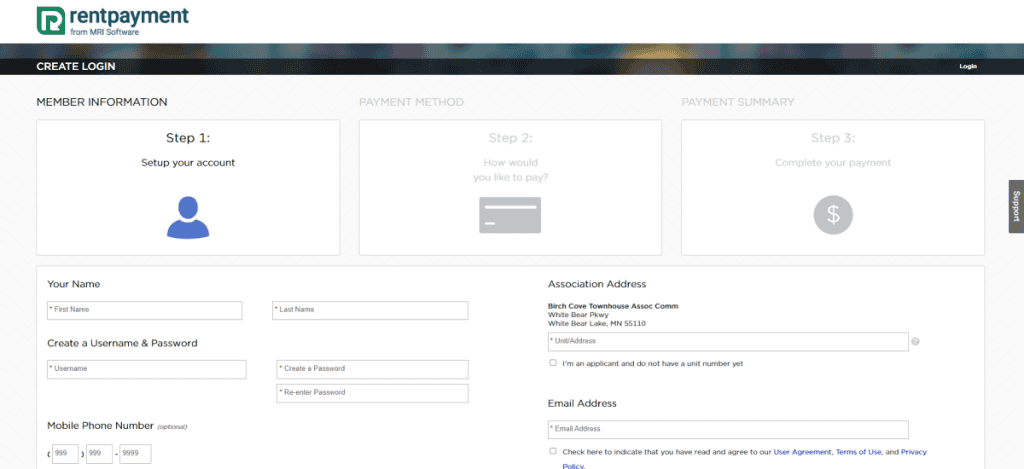
Training and Resources: To assist businesses during the onboarding process, OpenEdge provides a variety of training resources, including online tutorials, webinars, and customer support options. These materials guide users through setting up their systems and optimizing the platform for daily use. OpenEdge also offers live customer support to address any issues or concerns during setup, ensuring businesses have access to help when needed.

Account Management: Managing accounts post-setup is straightforward with OpenEdge. The platform’s interface allows businesses to easily track their transactions, manage payment options, and generate reports. Its user-friendly dashboard simplifies routine tasks like updating payment methods, monitoring transaction histories, and managing customer accounts, ensuring ongoing ease of use.

Security and Compliance Standards

OpenEdge prioritizes security and compliance to help businesses safeguard their payment data and meet regulatory requirements. From PCI compliance to advanced encryption technologies, OpenEdge provides a suite of tools designed to protect both businesses and customers from fraud and data breaches.

PCI Compliance: OpenEdge ensures that businesses remain compliant with Payment Card Industry Data Security Standards (PCI DSS). These standards are crucial for any organization handling card transactions as they establish guidelines for securely processing, storing, and transmitting credit card information. It helps businesses achieve PCI compliance by implementing measures such as secure network architectures, encrypted data transmission, and regular security audits. By following these stringent requirements, OpenEdge mitigates the risk of non-compliance penalties, helping businesses avoid costly fines and maintaining customer trust.

Fraud Detection Tools: In order to boost security even more, It includes strong fraud detection tools. These tools analyze payment patterns in real time to monitor transactions and identify any anomalies that may signal fraudulent activity. OpenEdge’s system utilizes algorithms and rules-driven monitoring to identify potentially fraudulent transactions, allowing businesses to act swiftly and mitigate their risk of fraud. Furthermore, merchants are provided with chargeback management services on the platform to efficiently handle disputes and fraudulent chargebacks.

Tokenization and Encryption: OpenEdge employs tokenization and encryption to ensure that sensitive payment data is never exposed. Tokenization replaces sensitive card information with a unique identifier, or token, that can’t be used outside of the specific transaction environment. This process ensures that even if payment data is intercepted, it’s meaningless to potential attackers. Similarly, OpenEdge uses encryption to protect data during transmission, converting it into a format that can only be decrypted by authorized parties. These technologies work together to provide an extra layer of security for both merchants and customers.

Data Security Standards: In addition to PCI compliance and encryption, OpenEdge adheres to stringent data security standards to protect customer information. The platform follows best practices for data storage, ensuring that sensitive information is never stored in a readable format. Access controls and regular security updates further protect the integrity of the system. By implementing these measures, It helps businesses protect customer data and maintain a secure payment environment.

OpenEdge Review

Customer Support and Service

It offers a variety of customer support channels to ensure businesses can resolve issues efficiently. Its support options include phone, email, and live chat, providing users with multiple avenues to get help based on their preference. The availability of these channels is crucial for businesses that need real-time assistance, especially when handling time-sensitive payment processing issues.

Availability: It provides support through multiple channels such as phone and email, ensuring businesses have 24/7 access to assistance when needed. Additionally, they offer live chat, which is a convenient option for users who require quick responses. The company has a global presence, with dedicated support lines for different regions, ensuring customers receive timely support regardless of their location.

Response Time: Response time is a crucial aspect of customer service, and OpenEdge has received mixed feedback in this area. Some users report that their issues are resolved promptly, especially through the live chat feature, while others have experienced long wait times, particularly when reaching out via phone. In some cases, users have reported spending significant time on hold, which can be frustrating when dealing with urgent issues. However, once connected, many customers express satisfaction with the quality of the support provided.

Customer Satisfaction: Overall, customers tend to give positive feedback on OpenEdge’s support services, highlighting the support team’s helpfulness and professionalism. Despite this, certain customers have expressed worries regarding undisclosed charges and the challenge of resolving payment problems, resulting in discontent. Frequent grievances also include extended waiting periods for phone support, whereas email and chat responses are typically quicker. Despite facing occasional challenges, numerous businesses value the general dependability of the support team, particularly in addressing technical problems.

Self-Service Resources: OpenEdge offers an extensive range of self-service resources, including online documentation, tutorials, and a knowledge base. These tools empower users to troubleshoot common problems on their own, reducing the need to contact support for basic inquiries. The company also provides webinars and training sessions to help businesses get the most out of the platform, contributing to a smoother user experience overall.

Integration with Third-Party Systems

OpenEdge offers seamless integration capabilities with third-party systems, making it a versatile choice for businesses that rely on various software solutions. Its ability to connect with point-of-sale (POS) systems, enterprise resource planning (ERP) platforms, and other business management tools allows businesses to streamline their operations and manage transactions efficiently.

POS and ERP Integration: OpenEdge is designed to integrate smoothly with a wide variety of point-of-sale systems and enterprise resource planning (ERP) platforms. Whether a business operates a retail store, a restaurant, or any other type of service environment, OpenEdge can integrate with their existing POS systems to handle payments, inventory management, and customer data. In terms of ERP systems, OpenEdge works with popular platforms like Oracle, SAP, and Microsoft Dynamics, enabling businesses to manage both their financials and payments in one place. This comprehensive integration capability ensures that businesses can maintain operational efficiency without needing to overhaul their current systems.

API Availability: OpenEdge offers flexible API access for developers and businesses seeking tailored solutions. The API enables developers to customize the payment processing experience according to their unique business needs, providing options for customization such as payment flows, reporting tools, and fraud detection settings. OpenEdge’s APIs are created with developers in mind, providing thorough documentation and support to guarantee seamless integrations that can easily adapt to various environments. This level of flexibility allows companies to enhance the capabilities of their systems without compromising the performance or security of their payment processing.

Partnerships and Collaborations: OpenEdge has established strong partnerships with key industry players to enhance its integration capabilities. These collaborations include partnerships with major technology providers and software vendors, such as Oracle, Microsoft, and Intuit. These partnerships allow OpenEdge to offer businesses even greater compatibility with a variety of platforms, ensuring seamless payment solutions across different software ecosystems. By collaborating with industry leaders, OpenEdge ensures that its users can leverage the latest technological advancements and integrations, making their operations more efficient and adaptable.

Pros and Cons of OpenEdge

It is a versatile payment processing platform that offers a range of benefits for businesses, but like any solution, it comes with its own set of advantages and disadvantages. Here’s an overview to help businesses weigh the pros and cons.

Advantages

Comprehensive security features: One of the key strengths of OpenEdge is its focus on security. The platform provides robust security features such as PCI compliance, tokenization, and encryption to ensure that sensitive customer data is always protected. These tools help reduce the risk of fraud and ensure that businesses comply with industry standards for payment security.

Seamless integration with business systems: OpenEdge integrates smoothly with a variety of business systems, including POS systems, ERP platforms, and other third-party software. This flexibility allows businesses to streamline their operations and improve overall efficiency by incorporating OpenEdge into their existing workflows without significant disruptions.

Flexible pricing plans: The platform provides businesses with various pricing options to select the most suitable plan for their requirements. The flexibility of OpenEdge makes it attractive to companies of various sizes and transaction volumes, allowing them to adjust their payment processing expenses according to their individual needs.

Reliable customer support: Many users report satisfaction with OpenEdge’s customer support services. The availability of support through multiple channels, including phone, email, and chat, ensures that businesses can resolve issues quickly and efficiently. In particular, the live support option provides real-time assistance, which is crucial for managing payment issues.

Disadvantages

Potential issues with pricing transparency: One of the most common criticisms of OpenEdge is the lack of transparency in its pricing structure. Some users have reported hidden fees or charges that were not clearly communicated upfront, leading to frustration. This is particularly concerning for businesses that need to closely manage their operating costs.

Limited international payment options: While It performs well for domestic transactions, its support for international payments is somewhat limited. This can be a drawback for businesses that operate globally or serve international customers, as they may need to look for additional payment solutions to cover their needs.

Contractual obligations: It usually needs a lengthy agreement, frequently lasting for a period of three years. Businesses may incur early termination fees if they decide to cancel prior to the contract term ending, creating a possible drawback for companies seeking greater flexibility in service agreements.

OpenEdge Review

Conclusion

OpenEdge stands out for its strong security, smooth integration, and adaptable pricing, making it a top option for businesses in need of dependable payment processing solutions. Nonetheless, noticeable drawbacks include worries about pricing transparency and limited international capabilities. In general, it is highly suitable for local businesses that require strong security and integration capabilities. Before making a commitment, it is important for users to thoroughly examine the terms of the contract.

Frequently Asked Questions (FAQs)

Is OpenEdge suitable for small businesses?

Yes, It is suitable for small businesses due to its flexible pricing plans and seamless integration with a variety of business systems, allowing smaller companies to scale as they grow.

What security features does OpenEdge offer to protect against fraud?

OpenEdge provides robust security features, including PCI compliance, tokenization, and encryption, to protect sensitive payment data and detect fraudulent transactions.
Does OpenEdge support international transactions?

While OpenEdge excels at domestic transactions, its support for international payments is limited, which may require businesses with global operations to seek additional payment solutions.