
Tag Archives: payment processing

Volusion Review

Volusion Review

Volusion, established in 1999 by Kevin Sproles, is an eCommerce platform that has been around for a long time. Over time, it has transformed into a reputable option for small to medium-sized businesses interested in constructing and overseeing online stores. It is recognized for its user-friendly interface and has been utilized by more than 250,000 business owners to establish profitable online stores. Lets read more about Volusion Review.

Volusion was first known for its groundbreaking one-page checkout system, which has since become a widely used standard in the industry, allowing it to stand out in the competitive eCommerce market. The platform is created to serve various industries, providing an easy-to-use interface and many included features that make online selling easier. It aims at business owners who desire a professional and fully functional eCommerce site, even if they lack technical expertise, by prioritizing user experience.

Volusion offers a range of tools for creating and overseeing e-commerce websites, such as customizable themes, integrated SEO features, product control, payment processing, and analytics. One of the advantages it has over its competitors is its lack of transaction fees, which makes it a appealing choice for businesses aiming to increase their profits.

The platform also offers robust customer support and a suite of marketing tools, including email marketing and social media integration. These features, along with the ability to manage inventory and run promotions, make Volusion a comprehensive solution for businesses aiming to scale their online presence. Furthermore, its strong emphasis on security, with PCI compliance and secure checkout processes, ensures that both customers and merchants have a safe shopping experience.

Ease of Use and Setup | Volusion Review

Volusion is widely regarded as a user-friendly platform, particularly for small to medium-sized businesses venturing into eCommerce. It offers an intuitive experience for both beginners and experienced users, though there are some areas where users may encounter challenges.

For beginners, It simplifies the onboarding process with a step-by-step setup guide and a drag-and-drop editor. This tool allows users to build their storefronts quickly without needing extensive technical knowledge. The platform also provides a variety of responsive templates, enabling users to design visually appealing websites without starting from scratch. However, while the drag-and-drop functionality is helpful, some users report that it lacks the flexibility and fluidity of competitors like Shopify or Wix. Still, the overall design interface is clean, straightforward, and well-suited for most small businesses.

Skilled users are able to utilize more advanced customization options. An illustration of this is Volusion, which enables developers to directly access the HTML and CSS files, offering them the flexibility to design customized store layouts. The flexibility of the platform is enhanced by its ability to integrate with various third-party tools through APIs, making it ideal for businesses seeking to expand their operations.

Setting up Volusion is relatively simple, although it can become complicated when dealing with advanced features like inventory management and payment integrations. Nevertheless, the platform provides onboarding support to make the process easier, offering tutorials, webinars, and access to a knowledge base. Furthermore, the Volusion mobile application allows users to control their stores while on the move, including features like updating products, monitoring orders, and getting instant notifications.

Overall, while Volusion excels in ease of use, particularly for first-time eCommerce users, there may be a learning curve for those looking to utilize more advanced features​.

Volusion Review

Features Overview

Volusion offers a comprehensive set of features that cater to the needs of small to medium-sized businesses in the eCommerce space. Its core features revolve around simplifying store management and providing tools to enhance the customer experience, making it a well-rounded platform for online sellers.

Inventory Management: One of Volusion’s key strengths is its robust inventory management system. Store owners can easily track their products, set up stock notifications, and manage variations of products such as size, color, or style. Bulk import and export tools make it easy to upload and manage a large number of items, which is particularly helpful for stores with extensive product catalogs.

Payment Processing: Volusion collaborates with over 50 payment gateways like PayPal, Stripe, and Apple Pay, providing users with various options for accepting payments. Significantly, the platform offers businesses a notable advantage by not imposing transaction fees, allowing them to evade extra costs. Ensuring customer payment data is well-protected is achieved through secure checkout processes and PCI compliance.

Product Categorization: Volusion offers flexible tools for organizing products into categories, making it easier for customers to navigate stores. Advanced search options, including filters by price, rating, and availability, enhance the shopping experience.

Marketing Features: Volusion comes equipped with several marketing tools designed to help businesses drive traffic and sales. Its built-in SEO tools allow users to optimize product pages with meta tags, descriptions, and keywords. The platform also integrates with email marketing services, enabling businesses to send newsletters, promotions, and abandoned cart reminders to increase customer retention. Additionally, It supports discount and coupon codes, allowing sellers to run promotions and special offers seamlessly.

Unique Features: Volusion stands out with features such as abandoned cart recovery, which sends automated reminders to customers who leave items in their carts, potentially recovering lost sales. Additionally, it includes real-time shipping rates from major carriers, providing accurate shipping costs to customers during checkout. For those looking to manage everything on the go, the Volusion mobile app allows users to update store settings, process orders, and manage inventory from their smartphones.

Design and Customization

Volusion offers a range of design and customization options that cater to both novice users and experienced developers. The platform provides a selection of free and paid themes that are responsive and mobile-friendly, ensuring a seamless shopping experience across devices. These themes are designed to be visually appealing and functional, with options that suit various industries, from fashion to electronics.

Volusion’s drag-and-drop editor simplifies the process of customizing your store’s design for users who are not technical. You can customize layouts, insert product images, and change color schemes with no need for coding skills. Even without any previous experience in web design, the editor’s simplicity enables business owners to design a distinctive storefront that reflects their brand identity.

In contrast, Volusion offers developers and advanced users the ability to customize HTML and CSS files for more advanced customization options. This characteristic allows developers to adjust the code of the themes, allowing for the creation of store designs that are highly personalized and one-of-a-kind. Volusion’s design flexibility enables users to achieve the desired appearance for their online store, whether they need a small change or a total makeover.

Mobile optimization is another strong point for Volusion. All available themes are designed to be responsive, meaning they automatically adjust to different screen sizes and devices. This is crucial for today’s eCommerce environment, as more customers shop on their smartphones and tablets. Volusion ensures that your store looks professional and functions smoothly, whether customers are browsing from a desktop or a mobile device.

Product Management and Inventory Tools

Volusion provides a range of tools designed to simplify the management of products and inventory for online store owners. Its product management features are robust, allowing businesses to add, organize, and manage their inventory with ease. Whether you have a small product catalog or a large inventory, Volusion offers tools that cater to various business sizes.

Adding and Organizing Products: Volusion makes it straightforward to add products to your store. Users can input details like product descriptions, images, pricing, and categories through a user-friendly interface. For larger stores, Volusion supports product categorization and variants, such as different sizes, colors, or styles. This flexibility ensures that businesses can maintain organized and navigable product pages for their customers.

Bulk Upload and Stock Management: Volusion provides a bulk upload feature through CSV files for businesses that have large inventories, allowing users to easily bring in a high quantity of products simultaneously. This function is particularly useful for stores switching from a different platform or those who require a bulk update of inventory. Once you add items, Volusion’s inventory tracking features allow you to keep track of stock levels in real-time. Notifications about low inventory and automatic inventory adjustments post-sale aid in streamlining operations and avoiding overstock.

Automation and Handling Larger Inventories: Volusion’s inventory management tools include automation features that reduce manual intervention. For example, inventory quantities can automatically adjust when orders are placed, ensuring that stock levels remain accurate. For businesses with large inventories, these automation features save time and reduce errors in stock management. Additionally, the platform offers inventory tracking across multiple warehouses, which is essential for businesses with complex distribution needs.

Volusion Review

Payment Processing and Security

Volusion offers a variety of payment processing options, making it a versatile platform for businesses of all sizes. It supports over 50 payment gateways, including popular options like PayPal, Stripe, Amazon Pay, and Apple Pay. This flexibility ensures that customers can use their preferred method of payment, enhancing the user experience. Additionally, Volusion does not charge transaction fees, which can be a significant cost-saving advantage for businesses, especially when compared to other eCommerce platforms that often take a percentage of each transaction.

When it comes to security, Volusion ensures that its platform adheres to the top standards. The platform follows PCI DSS standards to secure customer data, especially during payments, meeting strict security requirements. This adherence is crucial for every e-commerce platform processing credit card transactions, as it builds an extra level of confidence for both vendors and their clients.

Volusion also offers SSL (Secure Socket Layer) certificates, which are necessary for encrypting the connection between the user and the website, ensuring that all transactions and personal data remain secure. However, it’s worth noting that Volusion does charge an additional fee for SSL certificates, whereas some competitors include this feature in their base plans. Despite this, SSL is crucial for gaining customer trust and is necessary for PCI compliance.

Fraud prevention is another area where Volusion excels. The platform includes tools that allow merchants to monitor suspicious activity and minimize the risk of fraudulent transactions. This can include tracking unusual orders, setting up filters for high-risk transactions, and using data encryption to protect sensitive information.

Handling transactions in Volusion is easy. The dashboard on the platform offers merchants a well-organized view to easily manage orders, payments tracking, and refunds. Volusion ensures businesses can operate safely and efficiently by combining secure payment options, fraud prevention measures, and user-friendly transaction management.

Pricing Plans and Features

Volusion offers four main pricing tiers designed to cater to a variety of business needs: Personal, Professional, Business, and Prime. The Personal Plan starts at $35 per month and is geared toward small businesses with basic needs, allowing up to 100 products and offering core eCommerce features like secure checkout, online store management, and basic reporting. The Professional Plan, priced at $79 per month, is designed for businesses aiming to scale. It includes features such as abandoned cart recovery, advanced reports, and the ability to list up to 5,000 products. The Business Plan at $299 per month provides unlimited product listings, premium support, and integrations with third-party applications. For large enterprises, Volusion offers the Prime Plan, which comes with custom pricing based on the store’s gross merchandise volume (GMV) and includes advanced features like a dedicated account manager and tailored support.

Value for Money

It is essential to consider Volusion’s features in relation to its price when determining its value for money. The platform provides powerful eCommerce features such as integrated SEO, payment connections, stock control, and marketing tools like newsletters and promotions. The absence of transaction fees in Volusion is a significant benefit for companies aiming to reduce expenses, especially those with significant sales levels. Nevertheless, certain functionalities found in other platforms, such as SSL certificates, require an additional payment with Volusion. Moreover, even though the basic plan is affordable, the higher-tier plans can be costly, particularly for small businesses.

Comparison with Competitors

Compared to competitors like Shopify and BigCommerce, Volusion’s pricing is relatively similar but lacks some features such as built-in blogging and a more extensive app marketplace. Shopify, for instance, starts at $29 per month, offering more extensive third-party integrations and digital product sales, which Volusion does not support. BigCommerce, starting at $29.95 per month, provides more scalability and flexibility with no product or bandwidth limits on any plan. While Volusion’s lack of transaction fees makes it an appealing option, its higher tier pricing and the extra costs for features like SSL certificates may reduce its value compared to other platforms.

Customer Support and Resources

Volusion offers multiple customer support channels to assist users in troubleshooting and managing their online stores. Whether you’re just getting started or need help with advanced features, Volusion provides support through live chat, email, and phone, ensuring that users can access help 24/7. This range of options caters to businesses that require quick resolutions or prefer direct communication. The higher-tier plans, such as Business and Prime, also offer priority support, which guarantees faster response times for more urgent issues.

Volusion offers a thorough knowledge base with articles, FAQs, and detailed guides for individuals who like self-help resources. These materials address a variety of subjects, from establishing your store and personalizing layouts to resolving typical problems. The platform offers tutorials and webinars, perfect for users who want to enhance their knowledge of Volusion’s features and best practices. These tutorials assist users in fully utilizing the platform’s features, including marketing integrations and SEO tools, independently.

Alongside written materials, Volusion offers a community platform for users to inquire, exchange ideas, and gain insights from fellow store operators. Volusion offers developer documentation for more experienced users to access for advanced customizations and integrations. This is especially beneficial for developers who want to alter the code or integrate third-party apps into the store.

When it comes to troubleshooting and problem-solving, Volusion’s support team is generally responsive, with users often reporting positive experiences. However, there are occasional complaints about slower response times during peak periods. The overall quality of support is enhanced by the rich variety of self-help resources and developer tools, which empower users to resolve many issues independently.

Volusion Review

Performance and Scalability

Volusion is known for providing solid performance in terms of speed and reliability, which is crucial for eCommerce platforms. With a guaranteed uptime of 99.9%, Volusion ensures that online stores remain accessible to customers without frequent downtimes. This level of reliability helps businesses maintain a professional image and avoid losing sales due to technical issues. Furthermore, Volusion’s platform is optimized for performance, with fast load times for both the storefront and the admin dashboard, making it easier for merchants to manage their stores efficiently.

When it comes to scalability, Volusion is a good fit for small and medium-sized companies, while also providing options for bigger corporations with its advanced plans. The layout of the platform enables businesses to begin with a small size and expand as they develop, due to functions such as bulk product uploads, inventory monitoring, and various selling options across multiple channels. Businesses that begin with the Personal Plan can smoothly move to the Professional or Business Plans as they grow, gaining access to more features such as advanced reporting, integrations, and higher product limits.

However, when it comes to handling high traffic, some users report that Volusion may struggle with scalability compared to platforms like Shopify or BigCommerce. While the platform performs well under normal conditions, larger enterprises with heavy traffic might find limitations in terms of speed and feature flexibility. It does offer dedicated account management and premium support for larger businesses on its Prime Plan, which can help alleviate these concerns by providing tailored solutions for handling growth and increased traffic.

Pros and Cons of Volusion

Volusion is a strong player in the eCommerce space, offering several advantages to users while also presenting a few limitations. Below is a breakdown of the key pros and cons.

Pros

Ease of Use: Volusion is known for its user-friendly interface. The drag-and-drop functionality makes it simple for beginners to design their stores without needing advanced technical skills.

Customization Options: More advanced users can make use of HTML and CSS in Volusion to have more control over the design and customization of their store.

No Transaction Fees: One of the standout features is that Volusion does not charge any transaction fees, unlike many other platforms. This makes it a more cost-effective solution for high-volume businesses.

Good Customer Support: Volusion provides 24/7 customer support through live chat, email, and phone, which users have frequently praised. Additionally, it offers a comprehensive knowledge base and tutorials for self-help.

Security Features: Volusion’s inclusion of PCI compliance and the ability to add SSL certificates ensures the platform adheres to security standards, giving merchants and customers peace of mind.

Cons

Limited App Integrations: Compared to competitors like Shopify and BigCommerce, Volusion offers fewer third-party app integrations, which can be a limitation for businesses looking to add additional functionalities to their stores.

Extra Costs: Although Volusion does not impose transaction fees, users are required to pay for essential features such as SSL certificates, which are included in the plans of some other platforms.

Lack of Blogging Features: Volusion lacks a built-in blogging feature, which is a drawback for businesses that rely heavily on content marketing to drive traffic and engagement.

Scalability Issues: Although Volusion is well-suited for small to medium-sized businesses, it may not be as efficient as other platforms like Shopify when it comes to handling high traffic or large inventories, therefore being less suitable for rapidly expanding enterprises.

In short, It is a reliable option for companies in need of a user-friendly and secure solution that doesn’t charge transaction fees. Nevertheless, the constraints in app integrations and scalability might worry companies looking to grow quickly.

Conclusion

To sum up, Volusion is a dependable eCommerce platform that stands out for its user-friendly interface, flexible customization features, and excellent customer service. Although suitable for small and medium-sized businesses, larger enterprises seeking rapid growth may find its limited app integrations and scalability issues unsuitable.

Frequently Asked Questions (FAQs)

Q1. Does Volusion support third-party app integrations?

A1. Yes, Volusion supports a range of third-party apps, though its selection is more limited compared to platforms like Shopify. You can connect marketing tools, payment gateways, and shipping services for added functionality.

Q2. Can Volusion handle large inventories and high traffic?

A2. Volusion is capable of managing large inventories and handling higher traffic, but performance monitoring is crucial as your business scales to ensure smooth operation.

Q3. What security measures does Volusion provide for my store?

A3. Volusion includes SSL encryption and PCI compliance, ensuring industry-standard security for online transactions and customer data protection.

Wise Review

Wise Review

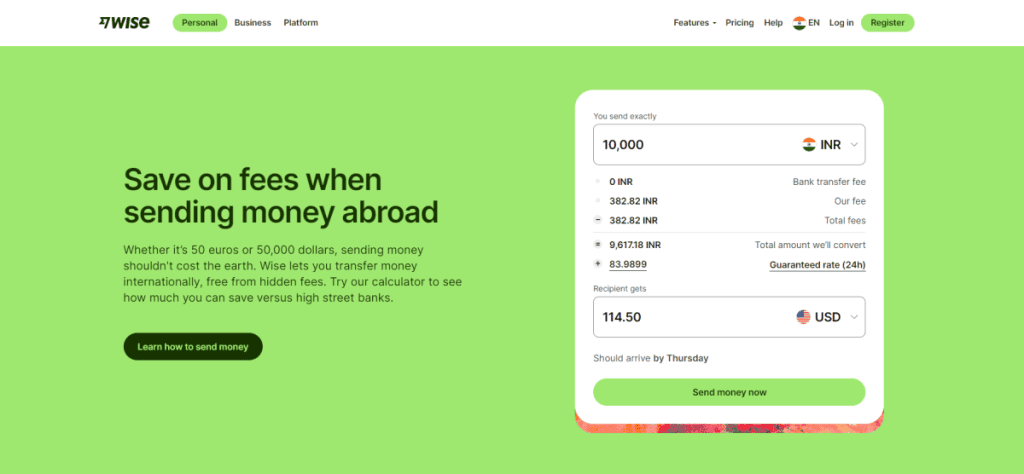
Wise, previously called TransferWise, is a financial technology company established in 2011 with the goal of providing quicker, more affordable, and transparent international money transfers. The company aims to assist individuals and businesses in transferring money across borders without the high fees usually linked to international transfers. It strives to make sure that sending money is both affordable and easy, using advanced technology to enhance user satisfaction. Let’s delve deeper into the Wise Review.

Wise’s goal is to provide clarity in international payments by providing affordable transfers at the mid-market exchange rate, also known as the “real” exchange rate. It stands out from conventional banks by openly showing all fees upfront, instead of charging hidden fees like poor exchange rates and high service fees. This method is popular among individuals and companies seeking affordable options for sending money across borders. It has more than 16 million customers worldwide and handles billions of dollars in transactions annually.

Wise was founded by two Estonian entrepreneurs, Taavet Hinrikus and Kristo Käärmann. The idea for Wise emerged from their personal frustration with the high costs associated with sending money internationally. Hinrikus, living in London but getting paid in euros, had to convert his salary to pounds regularly. At the same time, Käärmann, who lived in Estonia but earned in pounds, needed to exchange money in the opposite direction. They decided to solve this problem by setting up a simple peer-to-peer solution, effectively bypassing the banks. What started as a solution for their own cross-border transfers quickly evolved into a global service that addresses a major pain point for millions.

Over the years, It has grown from being a simple money transfer service into a financial technology leader. It went public on the London Stock Exchange in 2021 under the ticker WISE, solidifying its position as a major player in the financial industry. It now handles transfers across over 70 countries, allowing users to send, receive, and manage money in multiple currencies with low fees.

Wise has fundamentally transformed cross-border payments by utilizing a proprietary infrastructure that minimizes the number of intermediaries involved in processing transactions. This significantly reduces both the cost and the time it takes for money to arrive at its destination. One of the core innovations of Wise is its use of the mid-market exchange rate—the rate you see on Google or Reuters, with no hidden fees baked into the rate. This, combined with transparent upfront pricing, sets Wise apart from traditional banking services, where fees and poor exchange rates often make international transfers expensive.

Furthermore, Wise places importance on quick transactions, with more than 60% of transfers being immediate, arriving at their final destination in under 20 seconds. This quick service is achieved by establishing direct links with banks and payment networks globally, cutting down on the reliance on third-party systems that cause delays. It is also emphasizing scalability by teaming up with big institutions to provide their cross-border payment infrastructure to other financial platforms via its Wise Platform service.

Wise Review

How Wise Works | Wise Review

Wise is designed to make international money transfers simple, affordable, and transparent. Whether you’re sending money for personal reasons or business purposes, It ensures that you can complete your transactions efficiently without hidden fees or inflated exchange rates. Here’s a breakdown of how Wise works, from making a transfer to understanding exchange rates and transaction speeds.

Step-by-Step Process of Making a Transfer with Wise

Create an Account: Users begin by signing up for a Wise account, which can be done via the Wise website or mobile app.

Set Up a Transfer: Once logged in, the user selects the currency they want to send and specifies the amount. Wise will show you how much the recipient will receive based on the mid-market exchange rate, along with a clear breakdown of any fees.

Input Recipient Details: Enter the recipient’s bank details, which include account number and bank name. Alternatively, if the recipient has a Wise account, funds can be transferred directly.

Pay for the Transfer: Users can pay for the transaction via bank transfer, credit card, debit card, or other available methods depending on the country.

Transfer Processing: Once payment is confirmed, It processes the transfer, converting the currency and sending it to the recipient.

Exchange Rates and Transparency

One important aspect of Wise is its utilization of the mid-market exchange rate, known for being the most equitable rate without the added fees commonly imposed by banks. This indicates that users receive the actual exchange rate displayed on financial platforms, guaranteeing complete transparency. It also transparently shows all transfer fees before you confirm, ensuring there are no unexpected costs.

Speed of Transactions and Delivery Times

It is known for its fast transaction processing. Over 60% of its transfers are completed instantly (within 20 seconds). For other transfers, depending on the currencies involved and local banking systems, the processing time can range from a few minutes to 1-2 business days​.

Wise Pricing Structure

Wise is known for being one of the most financially efficient options for sending money overseas, mostly because of its clear pricing system. In contrast to traditional banks with hidden fees and poor exchange rates, It prioritizes competitive fees and ensuring users receive the best possible exchange rate. Here is an in-depth examination of Wise’s pricing structure.

Breakdown of Fees: How Much Wise Charges and for What Services

It charges fees based on a combination of the amount being transferred, the currency, and the payment method used. Typically, Wise applies two main fees:

Transfer Fee: This is a small, upfront fee that varies based on the amount being transferred. For example, a percentage-based fee might be around 0.35% to 1.5% of the transfer amount.

Conversion Fee: Wise also charges a fee for currency conversion. This fee is a small percentage of the transaction, often between 0.35% and 2%, depending on the currency pair being exchanged.

It displays the full cost breakdown before confirming the transaction, ensuring there are no hidden fees or surprise charges.

Comparison of Wise Fees with Traditional Banks and Competitors

It is much cheaper when compared to traditional banks. Banks usually impose a service fee and add a margin to the exchange rate, resulting in an extra 3-5% of the total transaction cost. Rivals such as PayPal or Western Union might also charge more for their services and offer less attractive exchange rates. Wise’s utilization of the actual mid-market exchange rate helps users bypass the exaggerated rates imposed by banks and numerous competitors.

Factors Affecting Fees (Destination, Amount, Payment Method)

Several factors influence the final cost of a Wise transfer:

Destination Country: Some countries have higher fees due to banking regulations or infrastructure.

Transfer Amount: Larger transfers often have lower percentage-based fees.

Payment Method: Paying with a bank transfer tends to incur lower fees, while using a credit card may result in higher charges due to processing fees.

Overall, It is praised for its straightforward and affordable pricing structure, which is tailored to suit both personal and business users across a wide range of destinations.

Currencies and Countries Supported

It has positioned itself as a top choice for global money transfers by enabling a wide variety of currencies and countries, catering to users worldwide. Whether you are sending money for personal use or for business purposes, It allows you to send funds to various locations worldwide, with competitive exchange rates. Here is an overview of the currencies and nations Wise assists, along with its worldwide presence.

List of Major Currencies Wise Supports

Wise supports over 50 currencies, enabling users to send and receive money in multiple countries. Some of the major currencies include:

US Dollar (USD)

Euro (EUR)

British Pound (GBP)

Australian Dollar (AUD)

Canadian Dollar (CAD)

Indian Rupee (INR)

Japanese Yen (JPY)

Swiss Franc (CHF)

Chinese Yuan (CNY)

In addition to these, It allows users to convert and hold multiple currencies simultaneously in their Wise accounts, making it easier to manage international payments without needing to open multiple foreign bank accounts.

Discussion of the Global Reach of Wise: Countries and Limitations

It operates across over 70 countries, offering an efficient and affordable method for sending money globally. The company offers services in North America, Europe, Asia, Australia, as well as select regions in Africa and Latin America. Nevertheless, it may not be accessible to everyone due to certain countries enforcing limitations on currency exchanges and overseas transactions. For example, users might encounter restrictions when transferring funds to nations with stringent financial laws, such as specific areas in the Middle East and Africa.

Additionally, some specific currencies may only allow transfers in one direction, meaning you can send but not receive funds in those currencies. It is transparent about these limitations, and they are clearly communicated to users during the transaction process.

Key Markets Where Wise Excels

It excels in markets where international remittances are common, such as Europe, the United States, and Australia. In regions where traditional banking fees are high, It has managed to capture a significant market share by offering low-cost alternatives. Key markets like the UK and Eurozone are particularly strong for Wise, where it is often the preferred choice for expats, businesses, and freelancers needing to move money across borders efficiently.

Wise Review

Wise Multi-Currency Account

The Wise multi-currency account allows users to easily manage and store numerous currencies all in one convenient location. It is a handy resource for people, freelancers, and companies that often engage in global financial transactions. This account enables users to store and swap more than 50 currencies at actual exchange rates, offering an affordable option for managing finances across borders.

Explanation of How the Wise Multi-Currency Account Works

The Wise multi-currency account enables users to hold balances in different currencies without the need for multiple foreign bank accounts. Users can easily open the account online, after which they can receive, hold, and send money in various currencies. The account provides local bank details (such as a UK sort code or a European IBAN), allowing users to receive payments like a local in certain countries. For example, a user in the UK can receive payments in USD without paying conversion fees, which they can later convert to GBP at their convenience.

Benefits of Having a Multi-Currency Account for Businesses and Individuals

For businesses and individuals involved in international transactions, the Wise multi-currency account offers significant advantages.

For businesses: It simplifies the process of paying international suppliers and receiving funds from clients in different countries. With lower fees and real exchange rates, businesses save on both conversion and transfer fees, boosting their profit margins.

For individuals: Whether they are expats, freelancers, or frequent travelers, users can manage their finances globally, avoid inflated exchange rates, and make payments in the local currency.

How Users Can Hold, Manage, and Convert Currencies

Users are able to maintain balances in various currencies at the same time using the Wise multi-currency account. Handling and exchanging currencies is as easy as a few clicks. Individuals have the option to convert funds between different currencies at the mid-market exchange rate while incurring a minimal and transparent fee. This adaptability gives them the freedom to decide when and how they transfer their money, steering clear of volatility and unfavorable exchange rates.

Currency Exchange Features within the Account

It offers a simple, transparent process for currency conversion. Using the mid-market rate—without hidden markups—users can convert their funds whenever they wish. Additionally, they can set up automatic conversions if they want to convert funds when the exchange rate reaches a certain level, further empowering them to maximize their financial decisions.

Wise for Personal Users vs. Business Users

It serves a broad range of users, from individuals who need to make occasional international transfers to businesses that regularly manage global transactions. With tailored solutions for both personal and business needs, It ensures efficient, transparent, and cost-effective money transfers for everyone.

Personal Use: Everyday Transfers, International Travel, Sending Money to Family

For individuals, Wise is perfect for a range of daily financial requirements. When sending money to family overseas, paying for global services, or making transfers while travelling, It offers a smooth process. Individual customers gain advantages from affordable charges, utilizing actual mid-market exchange rates, and being able to conduct fast and secure transactions. Travelers, for example, have the option to save money on expensive foreign exchange fees by exchanging currency at competitive rates prior to or during their journey. Moreover, Wise is ideal for expatriates or people who send frequent money transfers to family members across borders, as it guarantees that a higher amount of their funds will be received by the recipient with low charges.

Business Use: Payroll, Supplier Payments, Managing International Invoices

For businesses, Wise offers specialized features that cater to the complexity of international payments. Businesses can pay international suppliers, manage payroll for remote workers, and handle cross-border invoices with ease. Wise allows companies to hold and manage multiple currencies, reducing the need for frequent conversions and saving on exchange costs. Furthermore, Wise Business users can make batch payments to employees or suppliers across different countries, simplifying international operations. The platform also integrates with accounting software like Xero, making it easier for businesses to track and manage their finances globally.

Wise Business Account Benefits and Tools

The Wise Business account provides a range of benefits, including the ability to hold over 50 currencies, access local bank details in multiple countries, and convert funds at real exchange rates. Businesses can also issue invoices in foreign currencies, making international operations more straightforward. Additionally, It offers a debit card for business use, enabling companies to spend globally with low fees. The platform’s transparency, ease of use, and cost-effectiveness make it a popular choice for businesses of all sizes that operate internationally.

Wise Borderless Debit Card

The Wise Borderless Debit Card offers users a flexible and affordable way to manage their money across borders. With this card, users can spend in multiple currencies, withdraw cash from ATMs worldwide, and make online purchases—all at the real exchange rate without hidden fees. Whether for personal or business use, the Wise debit card provides convenience and cost-saving benefits for international transactions.

Features and Benefits of the Wise Debit Card

The Wise Borderless Debit Card is linked to the user’s account with multiple currencies, allowing them to make purchases in more than 50 currencies using funds from their balance. One of the standout aspects is the incorporation of the mid-market exchange rate, which helps users steer clear of the usual markups imposed by banks and other financial institutions. The card can identify the currency being used, enabling smooth transactions without requiring manual conversions. For travelers, the card is a useful asset, enabling them to bypass the high fees typically imposed for international transactions and currency conversions.

The card is available for both personal and business users, providing an easy way to pay for goods, services, and even supplier invoices abroad.

Costs and Availability

The Wise debit card is available in various countries, including the US, UK, and several European countries. Users typically pay a one-time fee to order the card, which varies depending on the region but is generally around $5 to $10. There are no ongoing monthly maintenance fees, making it an affordable option for frequent travelers or those who manage money across multiple currencies.

ATM withdrawals are also possible, though there are some limits on free withdrawals. Typically, users can withdraw a certain amount for free each month, after which a small percentage-based fee applies.

Security Features and Ease of Use

It prioritizes security by offering features such as two-factor authentication and the ability to freeze or unfreeze the card instantly through the mobile app. Additionally, real-time notifications keep users updated on their spending, making it easier to track expenses. The Wise debit card is contactless, further enhancing its convenience for everyday use.

Wise Review

Security and Regulations

Wise is committed to protecting its users’ data and funds, making security a top priority. The company utilizes robust security protocols, ensuring that users can trust their transactions and personal information are safe. With compliance to global regulatory standards and advanced encryption techniques, It maintains a solid security infrastructure that has garnered the trust of millions worldwide.

How Wise Protects User Data and Funds

Smart uses state-of-the-art encryption to protect user data and financial information. Communication between a user’s device and Wise’s servers is protected with encryption through Transport Layer Security (TLS), which stops unauthorized individuals from accessing sensitive information. Moreover, money sent through Wise is held in distinct accounts, ensuring that customer funds are kept separate from Wise’s own funds for added financial security. This strategy guarantees that if Wise were to encounter financial issues, customer funds would still be secure.

Wise also maintains strict monitoring protocols, tracking transactions for any suspicious activity. This helps identify and prevent potential fraud or misuse, securing users’ money during the transfer process.

Regulatory Compliance and Licenses Wise Holds Globally

As a global financial services provider, It is subject to regulations in the countries where it operates. Wise holds licenses and is regulated by financial authorities around the world, ensuring compliance with local laws. In the UK, It is regulated by the Financial Conduct Authority (FCA), while in the United States, it is registered with FinCEN. In the European Economic Area (EEA), It is regulated by various local authorities depending on the country. These regulatory requirements mandate that Wise follows strict anti-money laundering (AML) protocols, ensuring that all transactions comply with international financial standards.

Two-Factor Authentication and Encryption Standards

To enhance user security, Wise implements two-factor authentication (2FA), which adds an additional layer of protection to user accounts. When logging in or making transactions, users are required to provide a second form of authentication, such as a code sent to their mobile device. This significantly reduces the chances of unauthorized access to accounts.

Additionally, It uses strong encryption standards to protect all transactions and data transfers. Their encryption systems ensure that even if data is intercepted, it remains unreadable to unauthorized parties, thus maintaining the integrity of sensitive financial information.

Customer Support and User Experience

Wise strives to provide its customers with a smooth experience, backed by a robust customer support system. If you are experiencing a problem with a transfer or require help with your account, Wise provides various customer support options and ensures an easy-to-use interface on both its website and mobile app.

Types of Customer Support Available: Chat, Email, Phone

Wise provides a range of support options to cater to users’ needs. The primary method for customer service is through their in-app chat feature and email support. For users dealing with specific issues, such as transfers being delayed or needing further verification, Wise’s chat support is often the quickest way to resolve problems. Additionally, It offers email support for less time-sensitive queries, ensuring that users can communicate their concerns and receive a written response. For certain regions and users facing complex issues, It also offers phone support. However, availability of phone support can vary depending on the location and the nature of the issue.

Reviews of the Overall User Experience: Website and Mobile App Interface

Both the website and mobile app user interface of Wise have received extensive praise for their simple and easy-to-use design. The mobile application enables users to easily handle their accounts in different currencies, conduct overseas transfers, and monitor their transactions. The app’s simple design and easy-to-use menu guarantee that users can locate information swiftly, whether they want to transfer funds or monitor exchange rates. Likewise, the Wise platform is created to ensure transparency in all transactions, showing users a breakdown of costs and comparisons of exchange rates before they finalize any transfer.

Common Issues and Wise’s Response Time

While Wise generally receives positive reviews, some common issues include delays in transfer processing and problems with identity verification. These are typical concerns in financial services, especially with international transactions that require stringent regulatory checks. However, Wise’s response time to such issues is generally prompt, with most complaints being resolved within a few business days. The chat and email support teams are well-regarded for their responsiveness, helping users resolve problems efficiently. For time-sensitive issues, Wise’s real-time support ensures that customers are not left waiting for long, helping maintain its reputation for providing dependable customer service.

Pros and Cons of Using Wise

Wise is a popular choice for international money transfers, offering a range of benefits but also presenting some limitations. For many users, It is a highly effective solution, though there are certain situations where it may not be the ideal choice. Here’s a breakdown of its key advantages and disadvantages.

Advantages: Cost, Speed, Transparency, Ease of Use

Cost: One of the most significant advantages of Wise is its cost-effectiveness. The platform uses the real mid-market exchange rate without hidden markups, unlike traditional banks that often inflate exchange rates. Users pay a low, upfront fee that is clearly displayed before confirming a transfer, making the pricing structure transparent.

Speed: Wise is famous for its speedy processing times. More than 60% of transfers are processed immediately, resulting in the recipient receiving them in seconds. Even if transactions are not immediate, the majority are completed within 1-2 business days, which is quicker than a lot of traditional transfer methods.

Transparency: It excels in transparency. The platform shows users the exact amount of fees charged and the real exchange rate being applied before the transfer is made. This level of clarity is uncommon in the financial industry, where hidden fees and unclear rates are the norm.

Ease of Use: Both the Wise website and mobile app are user-friendly, with an intuitive design that simplifies the process of setting up and managing transfers. Whether you’re an individual or a business, the interface makes it easy to navigate through different features like holding currencies, making payments, or checking exchange rates.

Disadvantages: Availability in Certain Countries, Fee Structure Complexity

Availability in Certain Countries: Wise operates in over 70 countries, but its services are not available everywhere. Some countries have restrictions, limiting the availability of certain currencies or transfer options. This can be a drawback for users who need to send money to or from countries where Wise is not fully operational.

Fee Structure Complexity: Even though Wise is open about its fees, the format may still be difficult to understand. Costs differ based on the currency, destination, and chosen payment method. Some individuals might have difficulty determining the exact amount they will be billed, especially when working with more obscure currency pairs.

Situations Where Wise is Most Beneficial and Where It May Not Be Ideal

Most Beneficial: Wise is ideal for individuals and businesses making regular international transfers, especially in major currencies like USD, EUR, and GBP. It’s also a great option for travelers and expats who need to manage multiple currencies. For businesses, Wise’s ability to hold and convert currencies at low fees makes it an excellent choice for managing international payrolls and invoices.

Not Ideal: In countries with restricted availability, It might not be the most suitable choice for users. In addition, individuals who make very small transfers may discover that the fixed fees, although minimal, are not as competitive as other platforms that provide free options for small amounts. Likewise, clients seeking intricate financial services like loans or credit will not be able to access them through Wise.

FAQs

What currencies can I transfer using Wise?

Wise supports over 50 currencies, including USD, EUR, GBP, AUD, CAD, and many others, making it easy to send money internationally across various regions.

How long does it take for Wise transfers to be delivered?

Most transfers are delivered instantly or within a few hours. However, depending on the destination and currency, transfers can take up to 1-2 business days.

Does Wise charge a monthly fee for holding a multi-currency account?

No, Wise does not charge any monthly maintenance fee for holding a multi-currency account. Users only pay when converting or transferring funds.

Argus Merchant Services Review

Argus Merchant Services Review

Argus Merchant Services is a company located in New York that offers payment processing solutions at a reasonable cost and with flexibility. Established in 2014, the company rapidly gained a strong reputation for providing clear, effective, and dependable services specifically designed for small and medium-sized businesses. Argus specializes in assisting a variety of sectors, such as retail and online shopping, by facilitating seamless acceptance of credit, debit, and mobile payments, positioning them as a top choice for merchant services. Lets read more about Argus Merchant Services Review.

The company’s reputation in the industry is strengthened by its inclusion in various prestigious rankings, like the INC. Both the Entrepreneur360 and 5000 rankings showcase their continuous expansion and strong leadership. Argus has received praise for its competitive prices and easy-to-use services, resulting in positive reviews from customers and acknowledgements from leading business platforms.

Company Background and Overview | Argus Merchant Services Review

Founded in 2014, Argus Merchant Services entered the competitive financial technology space with a mission to simplify payment processing for businesses. From the beginning, the company aimed to address common challenges faced by merchants, including hidden fees and complex contract terms. Argus’s mission is centered on providing clear, honest, and flexible solutions that allow businesses to thrive without being bogged down by unnecessary costs.

Under the guidance of Eugene Gold, the Managing Partner, the company carries out its operations successfully by prioritizing customer satisfaction, which has been crucial for Argus. With his leadership, the company has promoted a culture of openness and high quality, guaranteeing top-notch support and service for their merchants.

With over a decade in the merchant services industry, Argus has built extensive expertise, making them a trusted partner for businesses of all sizes. Their consistent appearance on industry lists like INC. 5000 and Entrepreneur360 serves as testament to their success. In addition, the company’s flexible solutions cater to diverse market segments, making them highly adaptable to changing business needs.

Argus Merchant Services Review

Services Offered by Argus Merchant Services

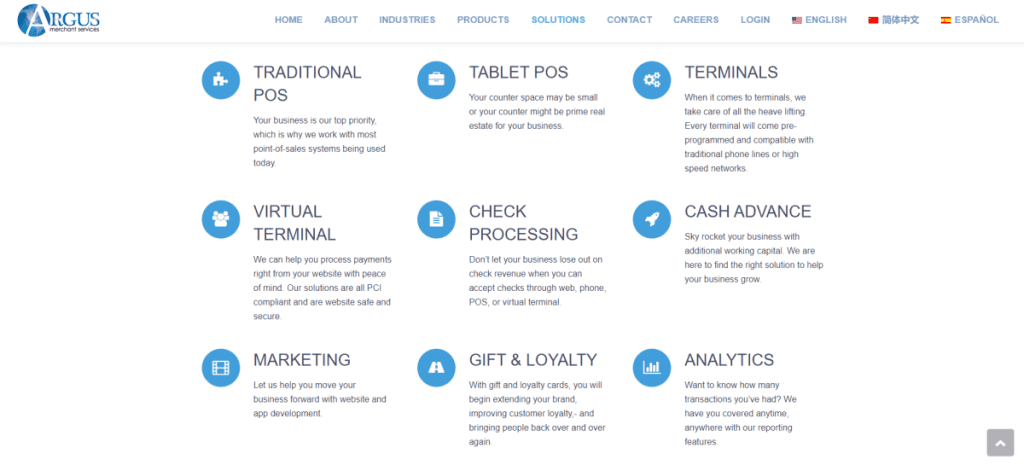
Argus Merchant Services offers a comprehensive range of solutions designed to streamline payment processing for businesses of all sizes. Their offerings cater to various industries, including retail, e-commerce, and hospitality, providing flexible tools to manage transactions securely and efficiently.

Payment Processing Solutions

Argus provides businesses with access to multiple payment gateways, allowing them to accept credit cards, debit cards, and mobile payments such as Apple Pay and Google Pay. This wide range of payment options ensures that businesses can cater to the preferences of their customers. Argus’s platform supports secure, fast transactions and helps minimize the risk of fraud. Whether it’s in-store or online, their services are adaptable to different business models and needs.

Their solutions are widely used across industries such as retail, hospitality, and e-commerce, making them suitable for businesses that require a reliable, flexible payment infrastructure.

Point-of-Sale (POS) Systems

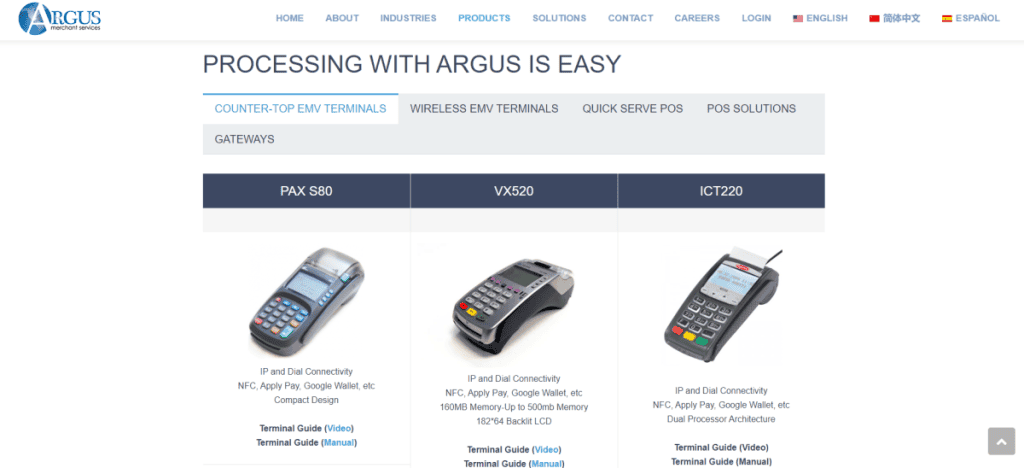
Argus Merchant Services offers customizable advanced POS systems for retail and restaurant industries. Their systems consist of both hardware and software that can be customized to meet specific business requirements, allowing for seamless integrations with inventory management systems, customer relationship management (CRM) platforms, and other business tools. Businesses can enhance their operational efficiency and provide customers with a smooth checkout experience, thanks to the flexibility of these systems.

E-Commerce Solutions

For online businesses, Argus provides a suite of e-commerce solutions that integrate easily with popular platforms like Shopify and WooCommerce. Their payment processing features allow e-commerce merchants to securely accept payments from customers worldwide. With seamless integration, businesses can quickly start accepting payments without technical complications.

Mobile Payment Processing

Argus offers solutions specifically designed for small businesses on-the-go. Mobile card readers and easy-to-use mobile applications allow merchants to process payments from virtually anywhere, providing them with the flexibility to serve customers outside traditional storefronts.

Recurring Billing and Subscription Services

Argus provides tools to help businesses that provide subscription-based services automate billing and oversee customer subscriptions. Their system allows businesses to easily manage recurring payments, simplifying customer management and decreasing administrative tasks. These characteristics assist companies in simplifying their money flow while providing convenience to their clients.

Security and Compliance Features of Argus Merchant Services

Argus Merchant Services takes security and compliance seriously, ensuring that merchants and their customers are protected throughout every transaction. The company employs a range of features and best practices to safeguard sensitive information and maintain industry standards, allowing businesses to operate with confidence.

PCI Compliance

Argus ensures that all its merchants comply with the Payment Card Industry Data Security Standards (PCI DSS). This set of standards is essential for any business handling cardholder data, as it establishes strict guidelines for securing sensitive information. Argus supports merchants by providing clear instructions and resources to help them meet these requirements. Additionally, the company’s payment systems are designed to be fully PCI compliant, reducing the burden on merchants and minimizing the risk of data breaches.

Fraud Prevention Tools

Argus Merchant Services employs advanced fraud detection and prevention mechanisms to safeguard businesses from fraudulent activities. The platform includes real-time monitoring tools that track transactions for any unusual activity, allowing for immediate intervention when necessary. These systems work continuously to detect suspicious behavior, reducing the chances of chargebacks and fraud-related losses. In addition, Argus provides comprehensive reporting features, allowing merchants to analyze transaction data and spot trends that might indicate fraudulent behavior.

Data Encryption

Argus increases security by utilizing end-to-end encryption and tokenization. End-to-end encryption guarantees the security of sensitive payment details from start to finish, making it extremely difficult for unauthorized parties to access and exploit the information during the transaction procedure. Tokenization enhances security by substituting sensitive card details with unique identification symbols that are impossible to decode back. This method greatly decreases the possibility of data being stolen and guarantees a safe transaction setting for merchants and their customers.

Pricing and Fee Structure of Argus Merchant Services

Argus Merchant Services offers a variety of pricing plans designed to accommodate businesses of different sizes and needs. Their pricing model typically includes monthly fees, transaction fees, and in some cases, additional costs related to chargebacks or disputes. While their fee structure can vary based on the type of business and transaction volume, Argus offers transparent pricing options to ensure that merchants understand the costs involved.

Monthly Fees, Transaction Fees, and Hidden Costs

Argus Merchant Services provides several pricing plans, each with its own monthly fee and transaction rates. The company offers both flat-rate and interchange-plus pricing models. Flat-rate pricing is a simple model where merchants pay a fixed percentage per transaction, making it easy to predict costs. Interchange-plus pricing, on the other hand, is more complex but often more cost-effective for larger businesses. This model breaks down fees into the interchange fee set by credit card networks, plus a fixed markup from Argus. Merchants should be aware of potential hidden costs, such as additional fees for certain transactions or services, including chargebacks and refunds.

Contract Terms

Argus usually asks merchants to sign a contract, whose duration may differ based on the chosen plan. Contracts are typically adaptable, enabling merchants to adjust their plans to meet changing business needs. Nevertheless, early termination fees might be enforced in the event that a company chooses to end the agreement before its completion. Merchants should thoroughly examine the contract terms to prevent any surprise expenses if they decide to end the service prematurely.

Additional Charges

In addition to standard transaction fees, Argus may impose extra fees for specific situations. For instance, there may be charges for processing chargebacks, issuing refunds, or managing payment disputes. Businesses that lease POS equipment from Argus may also incur equipment leasing fees or maintenance costs, depending on the terms of their contract.

Argus Merchant Services Review

Customer Support and Service of Argus Merchant Services

Argus Merchant Services places significant emphasis on customer support to ensure businesses receive timely assistance when needed. Whether a small business owner or a high-volume merchant, Argus aims to provide robust customer service through multiple channels and dedicated resources.

Availability

Argus Merchant Services offers 24/7 customer support via phone, email, and live chat, allowing businesses to resolve issues or get answers to their questions at any time. This round-the-clock availability is especially beneficial for businesses that operate outside standard business hours or across different time zones. For high-volume merchants, Argus provides dedicated account managers, offering personalized service and direct points of contact to resolve specific issues more quickly.

Response Time and Effectiveness

Argus is recognized for its quick and efficient service in terms of response times. Typically, inquiries receive quick responses, with the majority of issues being resolved in a matter of hours. Quick resolutions are given top priority by the company, especially for critical issues, such as those impacting payment processing, in order to reduce disruptions to the business. Shop owners are pleased with the company’s prompt handling of problems and consistent communication.

Support for Setup and Integration

Argus provides comprehensive onboarding support to ensure that new merchants can smoothly integrate their payment processing systems. This includes personalized training sessions for merchants unfamiliar with payment processing software. Additionally, Argus offers technical assistance for system integration, ensuring that their POS and e-commerce solutions work seamlessly with a business’s existing infrastructure. This level of support is especially beneficial for businesses transitioning from another provider or those implementing a POS system for the first time.

Ease of Use and User Experience of Argus Merchant Services

Argus Merchant Services is designed to offer a seamless user experience for businesses of all sizes. The platform focuses on simplicity and efficiency, ensuring that merchants can easily manage their payment processing needs without any unnecessary complexity.

Merchant Dashboard and Reporting

Argus Merchant Services is characterized by its notable merchant dashboard. The dashboard is user-friendly and simple to navigate, enabling users to oversee and control their transactions instantly. Merchants have the ability to promptly retrieve important performance metrics, examine transaction records, and create personalized reports. These reports address important areas such as sales, returns, and disputes, allowing businesses to understand their financial performance better. The design of the dashboard is user-friendly, making it easy for business owners to efficiently manage their operations without technical expertise or extensive training.

The reporting tools are also highly customizable. Merchants can tailor reports to meet their specific needs, whether it’s tracking daily sales, monitoring refund requests, or analyzing chargeback data. This flexibility allows businesses to make informed decisions based on accurate, up-to-date information.

POS and Mobile App Interface

Argus Merchant Services provides a user-friendly point-of-sale (POS) system and mobile app that simplify the checkout process. The POS systems are designed with ease of use in mind, featuring intuitive layouts that make it easy for employees to learn and operate. The mobile app is also well-regarded for its smooth functionality, allowing businesses to accept payments on-the-go without any technical hurdles. Whether it’s processing credit card payments or managing customer data, the app’s interface is simple and streamlined, ensuring a hassle-free experience.

Reputation and Customer Reviews of Argus Merchant Services

Argus Merchant Services has built a solid reputation within the payment processing industry, particularly for small to medium-sized businesses. The company is often praised for its competitive pricing, customer support, and reliable payment processing solutions. However, as with any service provider, Argus has received a mix of positive and critical feedback, depending on the individual experiences of its clients.

Overall Reputation in the Industry

Argus Merchant Services is known for offering strong payment processing solutions that prioritize flexibility and affordability. Numerous small businesses praise the company for providing affordable services with no hidden charges. Argus’s positive reputation in the industry can also be attributed to its easy-to-use platform and reliable support system. High-volume merchants especially value having dedicated account managers on hand, as it assists them in swiftly and effectively resolving any issues that may arise.

Positive feedback from customers often highlights Argus’s easy-to-use platform, seamless integration with existing systems, and transparent pricing. On the other hand, some complaints mention occasional issues with service responsiveness during peak times, along with a few reports of hidden fees or complexities in contract terms that weren’t initially clear.

Ratings Across Review Platforms

On popular review platforms like Trustpilot and the Better Business Bureau (BBB), Argus Merchant Services has generally favorable ratings. Customers consistently rate the company high for its ease of use, efficient transaction processing, and attentive customer service. Small businesses often emphasize how Argus helps them streamline their operations with minimal hassle.

However, larger merchants sometimes express frustration with limitations in scalability and occasional technical issues, especially during high transaction volumes. Complaints are relatively rare but often focus on perceived delays in customer support response times or difficulties in navigating the contract terms.

In general, Argus Merchant Services has a good image, especially among small to medium-sized businesses who prioritize cost-effectiveness and easiness in payment processing options. The company’s ratings indicate overall contentment but highlight the significance of thoroughly examining contract terms and possible fees.

Argus Merchant Services Review

Competitors and Alternatives of Argus Merchant Services

Argus Merchant Services operates in a highly competitive space, offering similar services to many other merchant service providers. While it has carved out a niche for itself by focusing on transparent pricing and robust customer support, several competitors offer comparable solutions with their own unique strengths. Understanding how Argus compares to its competitors is key for businesses evaluating their payment processing options.

Comparison with Other Merchant Service Providers

When compared to other leading merchant service providers such as Square, PayPal, and Stripe, Argus stands out for its dedicated account management, which is particularly beneficial for high-volume merchants. Argus also offers more traditional pricing structures like interchange-plus, which may be more cost-effective for businesses with large transaction volumes, compared to the flat-rate pricing models favored by competitors like Square.

Many small businesses value Argus’s emphasis on transparency in fees and contracts as one of its main strengths. Nevertheless, Argus’s system may not be as scalable for certain merchants when compared to more technology-driven rivals like Stripe, which is known for its developer-friendly APIs and worldwide payment solutions. Furthermore, Square provides a wider variety of hardware and software integrations for point-of-sale systems, giving it an advantage in flexibility for retail and hospitality businesses.

Why Argus May Be a Better Choice for Specific Business Types

Argus is often a better choice for small to mid-sized businesses that value personalized customer service and straightforward pricing. Its dedicated account managers and 24/7 customer support make it an ideal option for merchants who need hands-on assistance with payment processing, particularly in industries like retail, hospitality, and e-commerce. Businesses that prioritize simple integration and a high level of customer support will find Argus more tailored to their needs compared to competitors focused primarily on tech innovation.

Available Alternatives

For businesses considering alternatives, there are several options to explore. Providers like PayPal and Square offer user-friendly, flat-rate pricing models that are excellent for small businesses and startups looking for simplicity and ease of setup. Stripe is ideal for tech-savvy businesses needing advanced customization options and global payment support. For larger enterprises, providers like First Data and Worldpay offer more extensive solutions, including advanced fraud protection and broader hardware integrations.

When it comes to pricing, Square and PayPal offer competitive rates for small transactions, whereas Stripe and Argus offer more tailored pricing options for businesses with larger transaction volumes. The level of customer service differs among these providers, with Argus and Square receiving acclaim for their reactive assistance, while Stripe is more oriented towards developers, providing robust technical resources instead of direct support.

Final Verdict

Argus Merchant Services provides a trustworthy and clear payment processing solution, especially designed for small to medium-sized businesses. With its competitive pricing, dedicated support, and flexible integrations, it is a great choice for individuals in need of a simple service. In general, Argus offers value by keeping things simple, offering robust customer support, and prioritizing clear fee structures.

FAQs

What types of businesses does Argus Merchant Services support?

Argus Merchant Services caters to a variety of sectors such as retail, restaurants, e-commerce, and service-based companies. They provide options for payment processing, POS systems, and mobile payments for merchants of all sizes.

Does Argus Merchant Services provide a free trial?

No, Argus Merchant Services does not offer a free trial. However, they provide comprehensive product demos and walkthroughs to help prospective customers understand the platform before committing.

Are there any hidden fees with Argus Merchant Services?

While Argus aims for pricing transparency, additional fees may apply for chargebacks, refunds, and equipment leasing. Reviewing contract terms carefully is recommended to avoid unexpected costs.

PayPros Review

PayPros Review

Established in 1995, PayPros has experienced substantial growth as a payment processing company. At first, the company was known as Payment Processing, Inc., but later changed its name to Global Payments following its acquisition. Located in Newark, California, it has gained recognition for providing a variety of services tailored to businesses of all sizes. Its focus is on providing comprehensive payment solutions that blend software and hardware features, benefitting merchants across various sectors like retail, healthcare, hospitality, and e-commerce. Let’s delve deeper into the PayPros Review.

Due to its wide range of solutions, it has built a strong reputation in the payment processing sector. These services encompass credit and debit card processing, online payments, and recurring billing. It offers comprehensive solutions for businesses to easily handle payment processes. Being a part of Global Payments, PayPros utilizes an international network to assist millions of merchants in handling more than 140 various forms of payments.

Its customer base includes small businesses, medium enterprises, and large organizations, each benefiting from its tailored solutions. For smaller enterprises, it provides easy-to-use POS systems, virtual terminals, and mobile payment options. Larger enterprises can take advantage of its ability to handle high transaction volumes and complex payment needs, with tools such as payroll and human resources solutions, further enhancing its appeal as a one-stop shop for businesses of various sizes.

With a commitment to security, including PCI compliance and fraud detection tools, it continues to position itself as a reliable and trustworthy partner for businesses looking to streamline their payment processes while ensuring customer protection.

PayPros Review

Key Features of PayPros | PayPros Review

PayPros is a robust payment processing solution designed to meet the needs of businesses of all sizes. With a wide range of services, it caters to businesses in various industries, offering tools for seamless transactions and management. This platform combines core payment services with additional features to provide a flexible and integrated experience for merchants.

Core Payment Services

PayPros’ key offerings include credit card processing, enabling businesses to accept payments from all major card networks, including Visa, MasterCard, and American Express. These services cover both in-person and online transactions, providing flexibility for retail, e-commerce, and service-based industries. The platform also supports ACH (Automated Clearing House) and eCheck processing, allowing businesses to offer their customers additional payment methods.

Additional Services Offered

Apart from simple payment processing, PayPros provides an array of extra services like POS (Point of Sale) systems, allowing businesses to manage in-person transactions effectively. These systems are perfect for retail and service-based businesses that need payment processing in real-time. The platform also facilitates invoicing and recurring payments, making the billing process more efficient for subscription-based businesses or companies in need of automated payment solutions.

Integrations with Other Business Software

One of the major strengths of PayPros is its ability to integrate with other business software, such as accounting tools and CRM (Customer Relationship Management) platforms. These integrations allow businesses to manage their finances and customer interactions seamlessly while reducing manual input and improving overall efficiency. By connecting with various software solutions, it ensures that businesses can maintain a cohesive workflow, improving both operational efficiency and customer satisfaction.

PayPros Pricing and Contract Terms

PayPros offers a range of pricing options designed to meet the needs of different businesses. While its structure is not publicly detailed in full, merchants can expect flexibility in fees based on their specific requirements. Below is a breakdown of PayPros’ pricing model and contract terms, along with comparisons to industry standards.

Breakdown of Pricing Structure

PayPros uses a flexible pricing structure that is based on variables like transaction volume, risk profile, and industry. PayPros provides competitive rates for credit card transactions which start at 1.1% + $0.19 per transaction; similarly, debit card transactions can have fees as low as 0.5% + $0.19. Nevertheless, these prices may differ for companies with riskier profiles or fewer transaction amounts. Moreover, PayPros offers an attractive advantage for businesses by not imposing any setup fees, which helps in lowering initial expenses.

Long-Term Contracts and Early Termination Fees

PayPros typically requires businesses to sign a three-year contract. Should a business decide to terminate the agreement before the contract period ends, they may be subject to an early termination fee of $300. This fee can be a disadvantage for businesses that prefer month-to-month agreements or more flexible arrangements, as some competitors in the industry offer services without long-term commitments or termination fees.

Comparison with Industry Pricing Standards

Compared to other payment processors, PayPros’ fees are competitive, though the lack of transparent pricing can be a challenge for businesses trying to plan their expenses. Many competitors offer more transparent, tiered pricing models, while PayPros’ rates depend heavily on factors that are not publicly disclosed. Businesses will need to directly contact PayPros to receive tailored pricing information, which can sometimes result in higher-than-expected costs. Overall, while PayPros is competitive in many areas, businesses should carefully review the contract terms and pricing before committing.

User Experience and Interface of PayPros

PayPros provides a simplified and effective user experience tailored for both business owners and their customers. The focus of its interface is on simplicity and functionality, allowing users to easily handle their payments and other responsibilities with minimal complications. Here’s a more in-depth analysis of how PayPros fares in terms of simplicity, layout, and personalization.

Ease of Use for Business Owners and Customers

The PayPros platform is built with ease of use in mind. For business owners, the system provides a clear dashboard that allows for easy navigation through critical functions like payment processing, invoicing, and sales tracking. The platform’s intuitive design ensures that even those without technical expertise can manage payments efficiently. For customers, the checkout process is seamless, with payment options clearly laid out, making it easy for them to complete transactions quickly and securely.

Design and Navigation of the Platform and Mobile App

The overall design and layout of PayPros are clean and user-friendly. It employs a simple navigation system where essential tools are easily accessible. The platform’s web version offers clear menus and shortcuts, making it straightforward to locate specific features. The mobile app is equally user-friendly, featuring a responsive design that adapts well to smaller screens without compromising functionality. The mobile interface retains the simplicity of the desktop version, ensuring that users can process transactions, monitor sales, and handle invoices on the go.

Available Customization Options for Businesses

PayPros provides a range of customization choices, enabling companies to personalize their payment procedures according to their individual requirements. Entrepreneurs have the option to connect the platform with additional tools such as accounting software or CRM systems, guaranteeing a smooth transfer of data across various business departments. The ability to customize settings also allows for configuring invoicing templates and automating recurring payments, offering particular benefits for subscription-based companies.

PayPros Review

Security Features and Compliance

PayPros offers a robust set of security features to safeguard sensitive data during transactions, ensuring compliance with the Payment Card Industry Data Security Standard (PCI DSS). PCI compliance mandates that businesses follow strict guidelines to protect cardholder information, reducing the risk of data breaches. By adhering to these industry standards, PayPros ensures that sensitive data is managed securely and responsibly.

An important component of PayPros’ security system involves employing advanced tools for detecting fraud and encrypting data. Continuous monitoring of transactions in real-time by fraud detection systems help in detecting suspicious activities and irregular patterns, enabling prompt response to potential threats. By utilizing algorithms and machine learning, these systems lower the chances of fraudulent acts like identity theft and account takeovers by detecting irregularities.

To enhance security further, PayPros implements SSL certificates to establish a secure link between customers’ browsers and servers, ensuring encrypted data transmission. Additionally, tokenization technology replaces sensitive payment information, such as credit card numbers, with randomly generated tokens, adding another layer of protection. This ensures that even in the event of a breach, the stolen data holds no exploitable value.
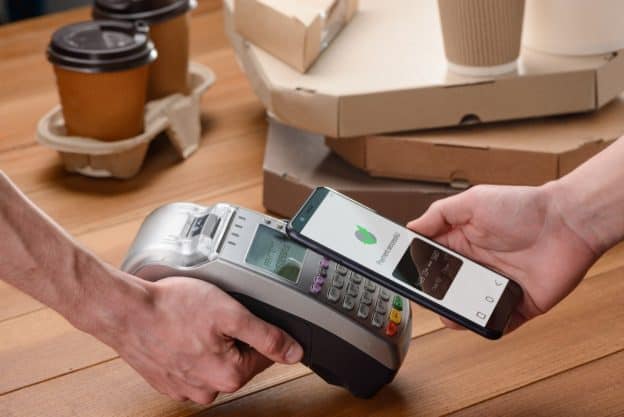
Other security protocols include multi-factor authentication (2FA), which requires users to verify their identity through two separate means, such as a password and a mobile device, further securing sensitive information from unauthorized access. These combined measures demonstrate PayPros’ commitment to maintaining a high level of security and compliance for its customers.

Customer Support and Service

PayPros offers a range of customer support options to assist merchants with their needs. Customers can reach out for help via phone, email, and online contact forms, making it easy to get support through multiple channels. However, live chat is not widely available, and some users have reported long wait times on the phone, which can be a challenge when trying to resolve issues quickly.

In terms of availability, PayPros customer support is accessible during business hours, typically Monday to Friday from 9 AM to 5 PM EST. While not 24/7, this coverage ensures that customers can receive assistance during regular working hours. For payroll and HR services, additional support options are available, with some flexibility in response times depending on the service.

When it comes to customer satisfaction, feedback is mixed. Some users have had positive experiences, appreciating the company’s knowledgeable staff and the breadth of services offered. However, others have expressed frustrations, particularly with delays in response times and issues with billing or contract disputes. Overall, while PayPros offers a solid range of support options, customer experiences can vary significantly depending on the complexity of the issue​.

PayPros for Different Business Types

Supporting Small Businesses

PayPros offers a variety of solutions designed to help small businesses manage their payments easily and effectively. Its payment processing tools are scalable, meaning that they can grow as the business expands. Small businesses benefit from features like virtual terminals, which allow payments to be processed from any location, and easy integration with point-of-sale (POS) systems that support in-store, online, and mobile transactions. Additionally, recurring billing options and simple setups make it easier for small companies to manage cash flow and customer transactions efficiently.

Features for Larger Enterprises

Big companies need more advanced and sturdy payment options, and PayPros provides them with sophisticated analysis, customizable gateways, and fraud prevention systems. These characteristics are essential for handling increased transaction quantities and mitigating risks linked to expansive operations. PayPros’ ability to easily connect with current corporate systems also guarantees that companies with numerous payment options like in-store, online, or recurring payments can manage their transactions smoothly and abide by industry regulations.

Industry-Specific Solutions

PayPros caters to a variety of industries, offering tailored solutions to meet specific business needs. In the retail sector, PayPros supports a smooth customer experience with reliable POS systems and real-time transaction monitoring. For e-commerce businesses, it provides secure online payment gateways that ensure data protection while enabling a seamless checkout process for customers. Additionally, in the hospitality industry, PayPros offers integrated payment solutions that allow businesses to process both online reservations and in-person payments, improving operational efficiency and customer satisfaction.
PayPros Review

Integration and Customization Options

PayPros offers a variety of integration and customization options that allow businesses to tailor their payment systems to their specific needs. It supports seamless integration with popular third-party platforms, including e-commerce platforms such as Shopify, Magento, and BigCommerce. This helps businesses manage their online stores more efficiently by automating processes such as payment processing and inventory management. Additionally, it integrates with accounting software like QuickBooks, Xero, and Sage, which ensures smooth financial operations by syncing transactions and simplifying bookkeeping.

PayPros offers developers custom API integrations that allow for the flexibility required to connect the platform with different business systems. The PayPros API allows businesses to create unique payment experiences by integrating with CRM systems, ERP platforms, or custom-built applications. Businesses with particular operational needs rely on this level of flexibility to automate tasks and improve workflow effectiveness.

In terms of customization, PayPros allows businesses to personalize their payment systems to align with their brand. Through customizable interfaces and tailored payment flows, businesses can create a more cohesive customer experience. This can include features like personalized checkout pages and tailored payment methods, making it easier to deliver a seamless and branded experience to customers. With these tools, it provides businesses with the ability to scale their operations and enhance customer satisfaction across various platforms.

Strengths and Weaknesses of PayPros

Strengths of PayPros

Scalability: PayPros provides scalable solutions that cater to both small and large businesses. It supports over 140 payment types, making it adaptable to various transaction methods and business sizes.

Integration Capabilities: PayPros excels in integrating with third-party platforms such as Shopify, Magento, and QuickBooks. This makes it easier for businesses to manage transactions, inventory, and accounting in one streamlined system.

Affordability: PayPros provides cost-effective pricing with no account setup fees, which is advantageous for small businesses. The clear pricing structure guarantees there are no hidden fees, giving merchants a straightforward view of their costs.

Customizability: Through custom API integrations, it allows businesses to tailor their payment systems according to specific operational needs, giving them flexibility and control.

Weaknesses of PayPros

Contract Terms: One of the main drawbacks of PayPros is its contract structure. The company usually requires long-term agreements, often with early termination fees that can be as high as $500, which can limit flexibility for some businesses.

Hidden Fees: Despite its efforts to promote transparency in pricing, it has still been criticized by some users for charging unexpected fees such as PCI compliance and monthly maintenance fees. These concealed expenses can accumulate over time and impact the overall affordability.

Customer Support Issues: Several users have expressed concerns about long wait times and difficulty in getting timely customer support. This can be problematic for businesses that rely on immediate solutions for payment-related issues.

Comparison with Competitors

In the payment processing industry, PayPros stands out for its powerful integration features and flexibility when compared to rival companies. Nonetheless, Square and Stripe are recognized for their clear pricing structures and contracts that are favorable to customers. While it may have advanced scalability and customization, other providers may provide better support that is easier for users and have lower hidden fees.

Final Verdict on PayPros

PayPros provides robust integration features, flexibility, and tailored payment options, making it a perfect fit for both small and large companies. Nevertheless, some people might be put off by the contract terms and additional fees that are not readily apparent. In general, it is a good option for businesses that need flexibility and support across multiple platforms for their payment processing needs.

FAQs

Is PayPros suitable for small businesses?

Yes, PayPros offers tailored solutions for small businesses, featuring affordable rates and user-friendly software, making it ideal for growing companies.

What kind of customer support does PayPros provide?

PayPros provides 24/7 customer support via phone, email, and live chat, ensuring that businesses can quickly address any issues.

Does PayPros offer a trial or demo period?

Yes, PayPros offers a demo, allowing businesses to explore its features and services before committing to a contract.

Burlington Bank Card Review

Burlington Bank Card Review

Burlington Bank Card, provided by Burlington Bank, is well-known for its extensive features designed to cater to a variety of customer requirements. The credit card is notable in the market due to its competitive rewards, flexible terms, and comprehensive customer support. Lets read more about Burlington Bank Card Review.

Burlington Bank, founded in 1980, is known for offering dependable financial services while prioritizing customer satisfaction and creativity. Established with the aim of providing convenient banking options, the bank has expanded greatly in the years. Its offerings include personal banking and business solutions, all focused on providing financial empowerment and convenience for customers.

The Burlington Bank Card is designed to cater to a variety of financial needs. It offers several variants, including standard, rewards, and premium options. Each card type is equipped with unique features such as cashback rewards, travel benefits, and introductory offers that enhance its appeal. The card’s flexible terms and competitive interest rates are crafted to suit both everyday purchases and larger expenditures.

Burlington Bank’s mission is to provide high-quality financial services while maintaining a commitment to customer-centric values. The bank emphasizes trust, innovation, and integrity, aiming to build long-lasting relationships with its clients. Through continuous improvement and a focus on community engagement, Burlington Bank strives to deliver exceptional value and support to its customers.

Burlington Bank Card Review

Card Features and Benefits | Burlington Bank Card Review

Card Types and Variants

The Burlington Bank Card offers a range of options designed to meet different needs and preferences. These include:

Standard Card: The entry-level option, ideal for everyday use. It provides basic benefits like a low annual fee and standard interest rates.

Rewards Card: This version is designed for cardholders who want to earn rewards on their spending. It includes a rewards program that offers points or cashback on qualifying purchases.

Premium Card: For those seeking more extensive benefits, the premium card offers higher rewards rates, additional perks, and more comprehensive travel and purchase protections.

Key Features

Interest Rates and APR: The Burlington Bank Card comes with competitive Annual Percentage Rates (APR), which vary depending on the card type and the cardholder’s creditworthiness. The standard card generally has a lower APR, while the rewards and premium cards may have slightly higher rates but offer more extensive benefits.

Rewards and Cashback Programs: The rewards card and premium card offer appealing reward programs. With these cards, you can earn cashback or points for each dollar you spend. You can then use these rewards for different benefits, such as travel, merchandise, or reducing your bill.

Bonus Offers and Introductory Rates: Burlington Bank often provides enticing bonus offers for new cardholders, such as a sign-up bonus or 0% introductory APR on purchases and balance transfers for the first few months. These offers add significant value for those who are just starting with the card.

Additional Benefits: In addition to rewards, the premium card provides extra benefits such as travel insurance, purchase protection, and extended warranties. These features offer extra safety and comfort for those who travel often or spend a lot.

Overall, the Burlington Bank Card offers a variety of features and advantages that are meant to meet different financial needs, making sure there’s a choice that fits various lifestyles and spending patterns.

Application Process

Applying for a Burlington Bank Card is designed to be a straightforward and user-friendly process. Here’s a detailed look at what you need to know:

Eligibility Requirements

To apply for a Burlington Bank Card, you must meet certain eligibility criteria:

Credit Score: A good to excellent credit score is typically required, though specific requirements may vary based on the card type. Generally, a credit score of 650 or higher is preferred.

Income and Employment Status: Applicants must show a consistent income to make sure they can handle credit card payments. They need to provide proof of their job or business, along with evidence of a stable income.

Residency and Age Requirements: You must be a legal resident of the country where Burlington Bank operates and be at least 18 years old to apply.

How to Apply

Online Application Process: The most convenient way to apply is through Burlington Bank’s online application portal. This method allows you to complete the application form at your convenience, upload necessary documents, and receive immediate feedback on your application status.

Required Documents: In order to submit an application, you will be required to offer personal details, including your Social Security number, proof of income (e.g. recent pay stubs or tax returns), and information about your job. Proof of identity may also be necessary to confirm who you are.

Approval and Issuance

Time Frame for Approval: The approval process is generally quick, often taking a few minutes to a few days. Once your application is reviewed, you will receive a notification about the approval status.

Delivery of the Card: After approval, the Burlington Bank Card is typically mailed to you within 7-10 business days. Some expedited options may be available if you need the card sooner.

Overall, Burlington Bank aims to make the application process as efficient as possible, with clear requirements and a straightforward procedure for obtaining your new card.

Fees and Charges

It is important to understand the fees and charges of a Burlington Bank Card in order to effectively manage your finances. Below is a detailed explanation of the expenses that you may come across.

Annual Fees

Standard vs. Premium Fees: Burlington Bank offers different cards with varying annual fees. The standard card typically has a lower annual fee or might even be fee-free, making it a cost-effective option for everyday use. In contrast, the premium card comes with a higher annual fee but provides enhanced benefits and rewards. This fee is justified by the additional perks and higher earning potential associated with the premium card.

Interest Rates

APR for Purchases and Cash Advances: The Annual Percentage Rate (APR) on Burlington Bank Cards changes depending on the type of card and your credit history. For regular cards, the APR for buying things and getting cash is usually lower, which is a good option if you plan to carry a balance. Special cards, which offer more rewards, might have a higher APR. The APR for cash advances is usually higher than for purchases, showing that it’s riskier for the bank.

Other Fees

Late Payment Fees: If you miss a payment, a late payment fee will be charged. This fee varies but is typically around $35-$40. Consistently paying on time is crucial to avoid these charges and potential damage to your credit score.

Foreign Transaction Fees: Many Burlington Bank Cards impose a foreign transaction fee for purchases made outside the country. This fee is usually around 1-3% of the transaction amount. Premium cards might offer waived foreign transaction fees as an added benefit.

Balance Transfer Fees: If you transfer a balance from another credit card, a balance transfer fee will apply. This fee is usually a percentage of the transferred amount, typically around 3-5%. Some cards may offer promotional rates with reduced or no balance transfer fees.

Burlington Bank Card Review

Customer Service and Support

Effective customer service is essential for a positive credit card experience, and Burlington Bank aims to provide comprehensive support to its cardholders. Here’s an overview of their customer service and support features:

Contact Options

Phone Support: Burlington Bank offers dedicated phone support for cardholders needing assistance. You can reach customer service representatives by calling the bank’s designated support number. This service is available during regular business hours and often includes options for automated assistance and direct access to live agents.

Email and Online Chat: Burlington Bank offers email assistance for individuals who favor written correspondence. You have the option to submit thorough questions and get answers from customer service agents. Furthermore, the bank’s website also provides an online chat function, enabling immediate help and faster problem-solving.

Customer Service Hours

Customer service is typically available during standard business hours, which are usually Monday through Friday, 9 AM to 5 PM. Some support channels may offer extended hours or weekend availability, depending on the bank’s policies and the urgency of the request.

Support Quality

Responsiveness and Efficiency: Burlington Bank is committed to delivering high-quality support. Their customer service team is known for being responsive and efficient, addressing inquiries and resolving issues promptly. The goal is to ensure that cardholders receive timely assistance and satisfactory solutions to their problems.

Online Account Management

Mobile App Features: The mobile application from Burlington Bank offers a convenient option for card management. It enables you to see transactions, verify balances, send payments, and monitor rewards, all using your smartphone. The app has been created to improve your banking experience by providing both security and ease of use.

Online Portal Functionalities: The online account portal offers similar functionalities as the mobile app. Through the portal, you can access detailed account statements, update personal information, and manage your account settings. The portal is accessible via a web browser, providing a flexible option for managing your account from any device.

Overall, Burlington Bank strives to provide robust customer service and support, ensuring that cardholders have access to various contact options and efficient online tools for managing their accounts.

Security and Fraud Protection

Ensuring the security of financial transactions and protecting against fraud is a top priority for Burlington Bank. Here’s an overview of the security measures and fraud protection features associated with Burlington Bank Card:

Fraud Monitoring

Burlington Bank utilizes advanced fraud detection systems to identify and stop unauthorized transactions. These systems review spending trends and identify any potentially fraudulent transactions. Cardholders are notified about possible fraud quickly, sometimes immediately, enabling them to take fast measures to protect their accounts. In order to prevent fraud, Burlington Bank puts in place multiple precautionary measures. Some examples are:

Advanced Fraud Detection Systems: These systems use algorithms and machine learning to identify unusual transaction patterns and potential fraud risks.

Real-Time Alerts: Cardholders receive instant notifications via text or email for transactions that deviate from their usual spending behavior, enabling quick responses to suspicious activity.

Security Features

Chip Technology: Burlington Bank Cards are equipped with EMV chip technology, which provides enhanced security for in-person transactions. The chip generates a unique code for each transaction, making it much harder for fraudsters to replicate.

Two-Factor Authentication: To enhance security, Burlington Bank employs two-factor authentication (2FA) for online and mobile app access. This means cardholders need to confirm their identity through an extra step, like a text message code or a fingerprint scan, before they can access their account.

Reporting and Resolution

Process for Reporting Lost or Stolen Cards: If a card is lost or stolen, cardholders should report it immediately to Burlington Bank. This can be done through the customer service hotline, online portal, or mobile app. The bank will then deactivate the compromised card and issue a replacement.

Resolution of Fraudulent Transactions: Once a fraudulent transaction is reported, Burlington Bank investigates the claim and takes appropriate action. This typically involves reversing the unauthorized charges and providing a new card. The resolution process is designed to be efficient and supportive, minimizing the impact on the cardholder.
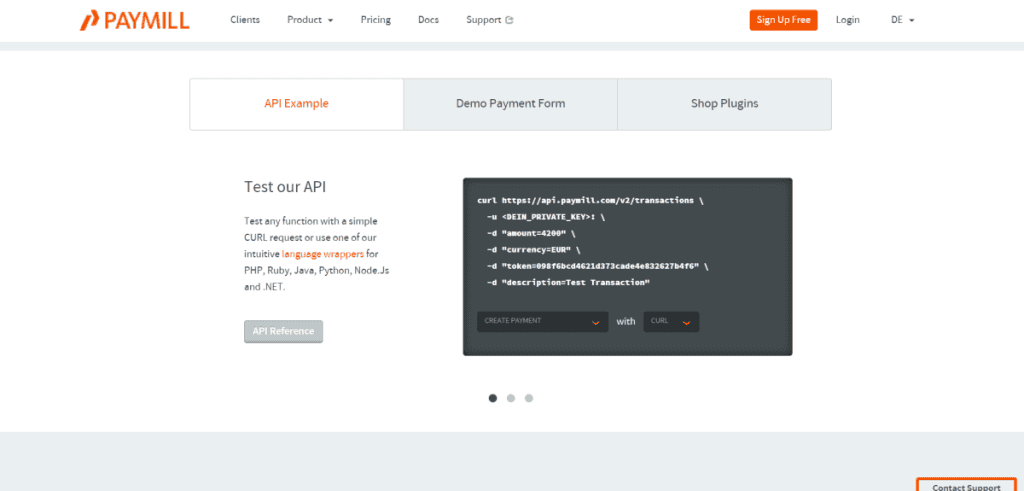
Burlington Bank Card Review

Pros and Cons

When evaluating the Burlington Bank Card, it’s important to weigh both its advantages and disadvantages to determine if it aligns with your financial needs. Here’s a breakdown of the card’s pros and cons:

Advantages

Competitive Features: The Burlington Bank Card offers a range of competitive features tailored to different spending habits. With options for standard, rewards, and premium cards, users can choose a card that fits their lifestyle, whether they seek basic benefits or enhanced perks.

Customer Satisfaction: Numerous users value the advantages of the card and the effective customer service offered. Frequently, positive reviews focus on how easy the card is to use and the promptness of the support team.

Unique Selling Points: The Burlington Bank Card stands out for its robust rewards program and flexible terms. Features such as EMV chip technology and two-factor authentication enhance security, while the various card options allow users to select the benefits most relevant to their needs.

Disadvantages

Potential Drawbacks: Some potential drawbacks include the higher annual fees associated with premium card options. While these fees come with added benefits, they may not be justifiable for every cardholder.

Common Complaints: A few common complaints include higher APR rates on rewards and premium cards compared to standard cards. Additionally, some users have noted that the foreign transaction fees can be a disadvantage for frequent travelers.

Although the Burlington Bank Card has many benefits like competitive features and satisfied customers, there are also downsides like possible higher costs for premium services and foreign transaction fees. Weighing the advantages and disadvantages can assist in deciding if this card is suitable for you.

Comparison with Competitors

When evaluating the Burlington Bank Card, it’s essential to understand how it stands up against other credit cards in the market. This comparison will highlight its market position and offer insights into its competitive strengths and weaknesses.

Market Position

The Burlington Bank Card holds a solid position in the credit card market, offering a range of features designed to appeal to various customer needs. With options like standard, rewards, and premium cards, it caters to both everyday spenders and those looking for enhanced benefits. The card is known for its balance of competitive interest rates, rewards programs, and security features.

Competitive Analysis

Key Competitors and Their Offerings: Primary rivals consist of credit cards issued by financial institutions such as Chase, American Express, and Capital One. As an example, Chase provides the Sapphire Preferred card with generous travel benefits and a significant introductory reward. American Express offers cards with strong cashback benefits and exclusive travel perks, while Capital One provides cards with no foreign transaction fees and versatile rewards.

Strengths and Weaknesses in Comparison: The Burlington Bank Card is noted for its flexible reward options and competitive APR rates, especially for its standard card. Its security features, such as EMV chip technology and two-factor authentication, also enhance its appeal compared to some competitors. Additionally, its range of card types allows users to select the card that best fits their spending habits.

The Burlington Bank Card might have higher annual fees for premium features compared to other similar options, which could be seen as a disadvantage by certain users. Additionally, although it has a strong rewards program, cards from American Express or Chase may offer more advantageous rewards or benefits, especially in specific areas like travel or dining.

Conclusion

In conclusion, the Burlington Bank Card provides strong characteristics, reliable protection, and various choices to accommodate diverse requirements. Its advantages and perks are attractive, even though it might come with higher fees compared to certain rivals. Perfect for individuals in search of versatility and protection, it is most suitable for regular spenders and individuals who frequently travel.

FAQs

What are the eligibility requirements for a Burlington Bank Card?

To qualify for a Burlington Bank Card, you generally need a good credit score, stable income, and be at least 18 years old. Residency in the country where Burlington Bank operates is also required.

How long does it take to receive a Burlington Bank Card after approval?

Once approved, you can expect to receive your Burlington Bank Card within 7-10 business days. Some expedited options may be available for quicker delivery.

What should I do if my Burlington Bank Card is lost or stolen?

Immediately report a lost or stolen card to Burlington Bank through their customer service hotline or online portal. They will deactivate the card and issue a replacement to protect your account.

FreedomPay Review

FreedomPay Review

Established in 2000, FreedomPay is a top player worldwide in commerce solutions, focusing on secure, cutting-edge payment platforms. Initially known for mobile payments, It has transformed into a full-service provider of cutting-edge payment solutions for various sectors including retail, hospitality, healthcare, and finance. The main office of the company is in Philadelphia, Pennsylvania, and there are also offices in London and Las Vegas. Let’s delve deeper into the FreedomPay Review.

FreedomPay’s platform aims to improve the entire payment environment, offering a smooth experience for both merchants and customers. It provides various services such as mobile payments, contactless solutions, and data analytics, assisting businesses of every size in utilizing real-time insights to enhance their operations. Being one of the initial firms to obtain PCI-validated Point-to-Point Encryption (P2PE) in North America, It has positioned itself as a trustworthy and secure option for businesses desiring enhanced transaction security.

Market Positioning and Industry Reputation

FreedomPay is recognized as an innovation partner to some of the world’s most well-known commerce brands. The company’s reputation in the payment industry is built on its commitment to integrating cutting-edge technology with practical, secure payment solutions. By providing cloud-based, end-to-end services, FreedomPay ensures that merchants can connect in-store, online, and mobile transactions within one unified system. This capability makes it particularly appealing to large organizations looking for a scalable and flexible platform.

The company has garnered partnerships with global giants like Microsoft, JPMorgan, and Worldpay, which highlights its strong market position. These partnerships, along with its expansion into international markets, demonstrate FreedomPay’s influence and credibility in the payment technology industry.
FreedomPay Review

Key Features of FreedomPay’s Platform | FreedomPay Review

FreedomPay has established itself as a leader in payment technology by offering a platform that integrates security, flexibility, and data-driven insights. This combination of features makes it ideal for businesses looking for reliable and advanced payment solutions.

Integrated Payment Solution: FreedomPay’s platform offers a cohesive payment solution that effectively links in-person, web, and mobile transactions. This integration aids businesses in handling various payment methods, including traditional credit and debit cards as well as modern digital wallets and contactless payments. Businesses can enhance overall efficiency by consolidating payment infrastructure, which helps in streamlining operations and decreasing errors.

Omnichannel Capabilities: FreedomPay is really good at helping businesses interact with their customers on many different platforms. Whether customers are in a store, on a website, or using a mobile app, FreedomPay makes sure the payment process is easy and the same everywhere. This ability to work across many platforms makes customers happier because they can pay in different ways and easily keep track of their purchases no matter where they shop.

Security Features: Security is a major highlight of FreedomPay’s platform. It boasts advanced encryption, tokenization, and Point-to-Point Encryption (P2PE) features, which protect sensitive customer data and ensure compliance with Payment Card Industry (PCI) standards. Tokenization helps replace card information with unique tokens, minimizing the risk of fraud. By integrating these robust security protocols, FreedomPay provides peace of mind to businesses and their customers alike.

Innovation in Data Analytics and Customer Insights: FreedomPay uses data analysis to provide instant information about customer behavior, transaction patterns, and business performance. Its system assists companies in examining customer data to improve marketing plans and loyalty programs. This advancement in data analysis enables businesses to make smart choices and tailor their services, boosting customer interaction and sales growth.

FreedomPay’s Technology Infrastructure

FreedomPay’s advanced technology infrastructure is designed to provide businesses with a flexible, secure, and efficient payment processing system. Its innovative solutions are built with scalability and integration in mind, ensuring that merchants can rely on the platform for both current and future needs.

Cloud-Based Architecture: The cloud-based architecture of FreedomPay’s technology is particularly noteworthy. This system enables the real-time handling and storage of transaction data without requiring physical equipment on the premises, offering a more effective and expandable option. The use of cloud infrastructure allows businesses to easily handle payments from any location, providing a smooth process for merchants and customers alike. Moreover, cloud-based options lower maintenance expenses and provide quicker upgrades and enhancements, guaranteeing the platform remains current.

Scalability and Reliability: FreedomPay’s platform is built to expand alongside businesses as they develop. FreedomPay provides the capability to manage rising transaction volumes and incorporate extra services, catering to businesses of all sizes from small retailers to large corporations. Businesses can expand operations easily thanks to its cloud architecture, avoiding infrastructure constraints. Merchants can rely on the platform to operate efficiently, even during peak transaction times, due to its high level of reliability, resulting in minimal downtime. Businesses rely on this high level of dependability, as any disruptions in payments could result in substantial financial consequences.

Integration with Existing Systems and APIs: FreedomPay provides seamless integration with a wide range of existing systems, from Point of Sale (POS) systems to eCommerce platforms. Its robust API framework enables businesses to connect FreedomPay’s payment processing capabilities with their existing software and hardware, ensuring smooth interoperability. This flexibility makes it easier for businesses to adopt FreedomPay without overhauling their current systems, reducing implementation time and costs.

Supported Payment Types

FreedomPay provides a variety of supported payment options, making it a versatile choice for businesses in need of comprehensive payment processing solutions. FreedomPay provides businesses with the ability to accept a wide range of both traditional and modern payment methods, allowing them to meet the diverse needs of their customers without compromising on the security and reliability of transactions.

Credit and Debit Card Processing: FreedomPay supports the processing of both credit and debit cards, including major card networks like Visa, Mastercard, and American Express. This functionality allows merchants to securely process card payments in-store, online, and via mobile devices. With integrated features like tokenization and encryption, card transactions are handled with a high level of security, reducing the risk of fraud.

Digital Wallets and Mobile Payments (Apple Pay, Google Pay): FreedomPay’s platform also works with digital wallets like Apple Pay, Google Pay, and Samsung Pay. As people use mobile payments more and more, adding these wallets helps businesses give their customers a quick and easy checkout process. Customers can finish transactions using their phones, making payments touch-free, safe, and efficient.

Contactless and EMV Payments: The shift towards contactless payments is supported by FreedomPay’s platform through Near Field Communication (NFC) technology, which enables contactless card payments. Additionally, EMV (Europay, Mastercard, Visa) chip card payments are also supported, ensuring secure transactions that meet global security standards. These options offer businesses and customers a safer, faster way to process payments, reducing physical contact and improving transaction speed.

Gift Cards, Loyalty Programs, and Other Non-Traditional Payment Methods: In addition to typical payment methods, FreedomPay enables companies to incorporate less common payment options such as gift cards and loyalty programs. Businesses can design personalized loyalty programs to reward repeat customers and provide gift cards as an alternative way to pay. These features help keep customers coming back and offer versatile payment choices that meet various consumer preferences.

Merchant Solutions and Services

FreedomPay offers a comprehensive suite of merchant solutions and services designed to streamline payment processing and enhance the overall customer experience. These services provide businesses with the tools they need to handle in-store, online, and mobile transactions effectively.

POS (Point of Sale) Systems: FreedomPay’s Point of Sale (POS) systems are highly adaptable, catering to various industries such as retail, hospitality, and healthcare. The systems allow merchants to process payments efficiently and securely at physical locations. It integrates modern features like contactless payments, mobile wallets, and EMV chip card support, making transactions faster and more secure. These POS solutions are flexible enough to work across different hardware platforms, enabling businesses to use FreedomPay’s systems with their existing hardware infrastructure.

eCommerce Payment Gateway: For companies that sell products or services online, FreedomPay provides a payment system that makes it easy to accept digital payments. This system can handle many types of payments, such as credit and debit cards, digital wallets, and other options like PayPal. FreedomPay’s online payment solution works well with different shopping cart systems, giving customers a quick and safe way to pay. Plus, the system has tools to stop fraud and uses strong security measures to protect all online transactions.

In-Store and Online Payment Integration: One of FreedomPay’s key strengths is its ability to integrate in-store and online payments into a single, unified platform. This omnichannel capability allows merchants to manage all transactions from one dashboard, providing insights into sales performance and customer behavior across different channels. Whether a customer is shopping in-store or online, FreedomPay’s integrated system ensures a seamless payment experience. The platform also supports customer loyalty programs, making it easier for businesses to track and reward their most frequent shoppers.

Hardware and Software Support: FreedomPay provides strong assistance for both hardware and software, guaranteeing that businesses can uphold seamless operations. The system works with a variety of POS hardware choices, such as tablets and conventional registers. It offers technical assistance and updates for merchants to guarantee they are using the most up-to-date technology. This hardware and software combination enables businesses to concentrate on providing excellent customer experience, instead of being concerned about payment infrastructure difficulties.

FreedomPay Review

Global Reach and Regional Availability

FreedomPay has established itself as a global leader in commerce technology, with operations spanning across multiple regions and a growing international presence. Its platform is designed to serve businesses of all sizes, from local retailers to multinational corporations, ensuring seamless payment processing in diverse geographical markets.

Regions Where FreedomPay Operates: FreedomPay’s footprint extends across North America, Europe, and beyond. The company has a strong presence in the United States, with its headquarters in Philadelphia, and has expanded its operations to the United Kingdom and other parts of Europe. This global reach enables FreedomPay to support businesses in various industries, including retail, hospitality, and healthcare, across different countries. As it continues to grow, it is constantly expanding its regional availability, providing businesses with access to its cutting-edge payment solutions in an increasing number of markets worldwide.

Support for Multi-Currency Transactions: FreedomPay’s platform’s significant feature is its capability to process transactions in multiple currencies. This functionality enables businesses to receive payments in different currencies, simplifying the process of serving global customers. Regardless of whether a business is in a brick-and-mortar location or online, FreedomPay’s multi-currency support streamlines worldwide transactions by converting payments into the customer’s chosen currency. This feature is particularly beneficial for online retail businesses, as they frequently interact with clients from various nations.

Cross-Border Payment Support: In addition to multi-currency transactions, FreedomPay provides robust cross-border payment support. This feature allows businesses to process payments across international borders without complications, ensuring a smooth and secure payment experience for both merchants and customers. FreedomPay’s cross-border capabilities reduce the complexity of handling international payments, enabling businesses to expand their customer base globally. With built-in fraud detection and compliance tools, It ensures that cross-border transactions are not only efficient but also secure.

FreedomPay’s Security and Compliance

Security is a top priority for FreedomPay, and the platform is designed to provide comprehensive protection for both merchants and customers. By implementing advanced security measures and ensuring compliance with global standards, It delivers a secure payment experience across its entire platform.

End-to-End Encryption and Tokenization: FreedomPay employs end-to-end encryption to protect sensitive data throughout the transaction process. This encryption ensures that cardholder information and payment details are securely transferred and stored, safeguarding data from unauthorized access. In addition, FreedomPay utilizes tokenization, replacing sensitive data such as card numbers with unique tokens that cannot be used outside of the payment system. This dual-layered approach ensures that sensitive information is never exposed, significantly reducing the risk of fraud or data breaches.

Compliance with Global and Regional Security Standards: FreedomPay follows strict global and regional security rules, including the Payment Card Industry Data Security Standard (PCI-DSS). By staying PCI compliant, FreedomPay makes sure its platform meets the top security needs for handling credit card transactions. The company also follows regional laws, making sure its services fit the security and compliance needs of businesses in various countries. This dedication to compliance assures businesses that they are using a platform designed to safeguard both their operations and their customers.

Fraud Detection and Prevention Features: To further enhance security, FreedomPay incorporates advanced fraud detection and prevention features. The platform monitors transactions in real-time, identifying suspicious activity and potential security threats before they can cause damage. FreedomPay uses machine learning and artificial intelligence (AI) to analyze transaction patterns, detecting anomalies and flagging transactions that may be fraudulent. These proactive measures help businesses prevent fraud and minimize risk.

Data Privacy Policies: FreedomPay takes data privacy seriously and has implemented comprehensive data protection policies to ensure that customer information is handled responsibly. The platform adheres to data privacy regulations, such as the General Data Protection Regulation (GDPR) in Europe, to protect user data. Businesses using FreedomPay can trust that their customer data is secure and that privacy is a key focus in the platform’s operations.

Customer Support and Merchant Resources

FreedomPay focuses on offering dependable customer support and helpful resources to its merchants. The company knows that successful payment operations need not just advanced technology, but also easy-to-reach support to help businesses with their everyday issues.

Availability of Customer Support (24/7, Phone, Email, Live Chat): FreedomPay offers 24/7 customer support to ensure that businesses can receive assistance whenever they need it. Whether through phone, email, or live chat, merchants have multiple channels to connect with the support team. This around-the-clock availability is critical for businesses that operate in different time zones or those that experience high traffic during non-traditional business hours. The flexibility to reach customer support through various methods ensures that merchants can resolve issues quickly and efficiently, minimizing downtime.

Onboarding Process and Training for Merchants: FreedomPay simplifies and speeds up the process of getting new merchants started. The platform offers thorough training sessions to make sure merchants know how to use the system well, handle transactions, and take advantage of all its features. This training is usually customized to fit the unique needs of each business, giving a tailored onboarding experience. Whether a business is new to digital payment systems or switching from another provider, FreedomPay ensures that merchants are ready to succeed right from the beginning.

Technical Support and Troubleshooting: When it comes to technical support, FreedomPay provides merchants with the resources needed to address any technical issues that may arise. The technical support team is well-versed in the platform’s systems, offering quick troubleshooting solutions to ensure minimal disruption to business operations. Whether a merchant encounters issues with the point-of-sale system, online payment gateway, or any other aspect of the platform, FreedomPay’s technical support team is ready to assist.

Knowledge Base and Self-Help Resources: In addition to direct customer support, It provides a robust knowledge base filled with self-help resources. This includes detailed guides, FAQs, and tutorials that allow merchants to find answers to common questions and troubleshoot minor issues on their own. The knowledge base is regularly updated to reflect new features and common challenges, empowering merchants to resolve problems independently when needed.

FreedomPay Review

Pricing and Contracts

FreedomPay’s pricing is set up to be flexible for businesses of any size, offering different options that work for various transaction amounts and types of businesses. Although the exact pricing can be customized for each business, FreedomPay typically uses common pricing models like flat rate, tiered, and interchange-plus pricing. This range of choices helps businesses pick a pricing plan that suits their specific transaction needs.

Overview of Pricing Models (Flat Rate, Tiered, Interchange-Plus): FreedomPay provides multiple pricing models to suit various business preferences. Under a flat-rate structure, businesses are billed a fixed fee for each transaction, enabling them to anticipate expenses with ease. Tiered pricing classifies transactions into various tiers that have different fees based on factors such as transaction type or level of risk. On the contrary, the interchange-plus system splits the expenses into the interchange fee established by card networks and a slight markup, providing clarity on the true expenses of handling transactions. This design is perfect for companies seeking in-depth information on their transaction costs.

Contract Terms and Conditions: FreedomPay typically offers contracts that are flexible, with terms designed to suit both short-term and long-term business needs. Merchants can expect clear contract terms regarding the services provided, fees, and support. The contracts are often customized depending on the size and scope of the business, allowing for tailored agreements that meet specific operational requirements.

Early Termination Fees or Additional Costs: FreedomPay has a reputation for having clear contracts, so it is crucial for merchants to thoroughly examine any clauses regarding ending the contract early. Certain agreements might contain penalties for terminating the contract early, particularly if done before the contract’s scheduled conclusion. Nonetheless, businesses can usually find out about these fees in advance, which can prevent any unexpected costs. It is transparent about any extra expenses that may arise, including fees for specialized hardware or premium services.

Transparency in Pricing: One of FreedomPay’s key strengths is its focus on pricing transparency. Businesses receive clear breakdowns of costs, ensuring that there are no hidden fees. This commitment to transparency is essential for maintaining trust and ensuring that merchants understand exactly what they are paying for, including the services, support, and features provided by FreedomPay.

Final Verdict

FreedomPay stands out in offering secure, scalable, and flexible payment solutions. Strong security features, omnichannel capabilities, and global reach are among its key advantages. Nevertheless, pricing information can differ, and certain agreements may have penalties for ending them early. Ideal for companies seeking seamless payment solutions, It competes effectively with major players in the industry through its focus on customization and innovation.

Frequently Asked Questions (FAQs)

What types of businesses can benefit the most from FreedomPay’s services?

Organizations of various sizes, ranging from small shops to big multinational businesses, can take advantage of the services provided by FreedomPay. It is especially well-suited for sectors such as retail, hospitality, and healthcare that need omnichannel payment solutions.

Is FreedomPay’s platform compatible with my existing POS system?

Yes, FreedomPay offers compatibility with a wide range of POS systems, allowing seamless integration with existing hardware and software setups.

What are the key security measures FreedomPay uses to protect transactions?

FreedomPay employs advanced security measures such as end-to-end encryption, tokenization, and compliance with PCI standards to protect transactions.

Aurora Payments Review

Aurora Payments Review

Aurora Payments is an up-and-coming company in the payment processing sector, providing a wide array of services aimed at assisting businesses of varying sizes in effectively handling their transactions. The business was established by purchasing multiple smaller payment processors, which enabled it to develop a wide range of services and customers. Aurora’s main aim is to make payment processing easier, allowing businesses to concentrate on growth instead of dealing with the complications of managing transactions. Lets read more about Aurora Payments Review.

Aurora offers a range of payment options, such as credit card processing, ACH payments, mobile payment choices, and point-of-sale (POS) systems. Its offerings are suitable for a variety of fields including retail, hospitality, and transportation, establishing it as a flexible ally for enterprises in various industries. Aurora provides not only payment processing but also extra services such as customer loyalty programs, payment security, and assistance for e-commerce and mobile payments.

What sets Aurora apart is its strategic partnerships with well-known financial institutions like Elavon, Fiserv, and TSYS. These partnerships enable Aurora to provide a robust infrastructure for its clients, ensuring secure and efficient payment processing. By leveraging these relationships, Aurora is able to offer competitive pricing and scalable solutions that can grow alongside a business.

Aurora Payments Review

Overview of Aurora Payments’ Services | Aurora Payments Review

Aurora Payments offers a broad range of payment processing solutions designed to meet the diverse needs of businesses, from small startups to large enterprises. Their flexible and secure services ensure businesses can handle transactions efficiently across multiple platforms, ensuring smooth operations.

Payment Processing: Aurora Payments offers a diverse range of payment options, such as credit cards, debit cards, and Automated Clearing House (ACH) transactions. This wide variety enables businesses to receive payments from various sources, making sure they cater to their customers’ needs. The company also focuses on security by following PCI compliance standards, which safeguard sensitive data during transactions.

Point-of-Sale (POS) Systems: Aurora provides a selection of POS systems that are highly adaptable to various industries, including retail, hospitality, and service-based sectors. These systems are designed to be flexible, allowing businesses to process transactions quickly and efficiently. Aurora’s POS systems can be integrated with other business tools, providing additional features like inventory management and customer relationship management (CRM), making them a comprehensive solution for businesses.

Mobile and eCommerce Solutions: Aurora Payments offers mobile payment options and seamless integration with eCommerce platforms, allowing businesses to accept payments through online stores and mobile applications. These solutions cater to the growing demand for digital transactions, providing businesses with the tools needed to capture more customers across digital channels.

Custom Solutions: One of Aurora’s strengths lies in its ability to provide custom-tailored solutions to meet the specific needs of each business. Whether it’s a specialized payment plan, loyalty programs, or integration with existing systems, Aurora works closely with businesses to ensure their payment processing needs are met efficiently and securely.

Aurora’s Pricing Structure and Contracts

Aurora Payments, like many payment processing companies, does not publicly disclose detailed pricing information. This can be challenging for businesses seeking clear cost structures upfront. Aurora’s pricing often varies depending on factors such as transaction volume, business size, and industry. On average, businesses can expect to pay around 1-2% per transaction, but these rates are not fixed and can fluctuate based on individual contracts.

Businesses must negotiate the terms carefully due to the lack of transparency in Aurora’s pricing. There have been many complaints about undisclosed fees, such as fees for upkeep, customer assistance, or account supervision. These charges may not be obvious at first, but they can greatly affect the overall cost of utilizing Aurora’s services in the long run.

Furthermore, the terms of the contract with Aurora Payments may differ depending on the type and size of the business, resulting in varying fee schedules and terms. It is vital for companies to carefully examine all contract terms before signing, particularly regarding penalties for ending the contract early or unforeseen expenses.

To avoid surprises, business owners should actively negotiate terms with Aurora Payments, ensuring they get a clear understanding of all potential fees. This includes requesting a detailed breakdown of charges and clarifying any early termination fees or long-term obligations. It’s advisable to consult with a financial advisor or legal professional to review the contract thoroughly, ensuring transparency and a clear understanding of all terms before finalizing the agreement.

Customer Service

Aurora Payments has received mixed reviews when it comes to customer service, with some common complaints from users. Many customers have reported issues such as funds being held without adequate explanation, which can disrupt business operations, especially for companies that rely on steady cash flow. Another frequent issue is the slow response time from customer support, with some businesses experiencing delays when seeking assistance during urgent situations. These challenges have been a source of frustration for users, particularly when quick resolution is needed.

Improvements in Support

Based on recent feedback, Aurora Payments has worked on making its customer service better. One big change is the introduction of a new customer website. This site is designed to make things easier for business owners. It helps them handle their accounts more effectively and gives them better access to their transaction records and account details. The site also aims to speed up problem-solving by providing a more user-friendly and open support system. This update shows a major step forward in how the company deals with customer issues and manages accounts.

Complaint Resolution

When it comes to resolving complaints, Aurora Payments has made strides, but challenges remain. While some users report positive experiences with how issues were eventually resolved, others note that the process can still be time-consuming. Aurora has implemented clearer guidelines and processes for handling customer complaints, but there is still room for improvement in reducing resolution times. For businesses working with Aurora Payments, it’s important to remain proactive, monitor open issues closely, and make use of the new customer portal for faster support when needed.

Security and Compliance

In the payment processing industry, security is a top priority, and Aurora Payments has implemented robust measures to protect both businesses and their customers. Aurora adheres to PCI (Payment Card Industry) compliance, which is a set of security standards designed to ensure that all companies that process, store, or transmit credit card information maintain a secure environment. PCI compliance helps businesses protect sensitive customer data and avoid security breaches, which could lead to significant financial losses and reputational damage.

Aurora Payments uses special coding to protect the information in transactions. This coding keeps important details safe and hidden from people who shouldn’t see them. This is very important because many people are trying to steal information online these days.

Maintaining security in payment processing is essential not only for protecting customer information but also for ensuring business continuity. A security breach can have severe consequences, including financial penalties, loss of customer trust, and potential legal action. Aurora’s commitment to strong security protocols helps minimize these risks for businesses.

In addition to its security measures, Aurora Payments is fully compliant with industry standards and regulatory requirements. This includes not only PCI compliance but also adherence to regulations set by financial institutions and governing bodies related to payment processing. Compliance with these regulations ensures that Aurora operates within legal frameworks and provides its clients with the highest level of data protection and integrity.

Technology and Integrations

Aurora Payments offers a comprehensive suite of technology solutions to meet the diverse needs of modern businesses. One of the standout features of Aurora is its seamless integrations with major eCommerce platforms and shopping carts. This compatibility allows businesses to accept payments easily on their websites, ensuring smooth transactions for customers. Whether a business is operating through Shopify, WooCommerce, or other popular platforms, Aurora’s system works efficiently, making it a flexible solution for online merchants.

For companies that need special solutions, Aurora offers a strong set of APIs (Application Programming Interfaces). These APIs help developers create special connections that link Aurora’s payment system to current software or other business tools. This flexibility is very helpful for businesses with specific needs that need a customized payment setup. The availability of API guides and support makes it simpler for companies to use these special solutions, ensuring a smooth connection process.

Aurora also embraces innovative technology to enhance transaction speed and convenience. The use of NFC (Near Field Communication) technology, for instance, enables businesses to accept mobile payments through devices like smartphones and contactless cards. This not only provides a faster checkout process but also caters to the growing demand for mobile payments, enhancing customer convenience and improving transaction times.

In addition to cutting-edge payment technology, Aurora offers loyalty and gift card programs to help businesses increase customer retention. These customizable programs allow businesses to create their own loyalty rewards or gift card systems, encouraging repeat business and boosting customer engagement. The ability to tailor these programs to fit specific business needs makes them an attractive feature for companies looking to enhance customer loyalty.

Aurora Payments Review

Complaints and Negative Feedback

Aurora Payments has garnered a mixed reputation, with some customers expressing dissatisfaction over several common issues. One of the most frequent complaints is related to hidden fees. Many users report that they were initially quoted lower rates, only to find additional fees for services like account maintenance and customer service later on their statements. These unexpected costs have frustrated businesses, especially those operating on tight margins.

Another recurring grievance involves slow payment processing. Some merchants have experienced delays in receiving their funds, which can disrupt cash flow and business operations. Additionally, complaints about account holds—where funds are frozen without clear explanation—have surfaced. This issue, often triggered by security checks or suspicion of fraud, has been a major point of frustration for merchants needing quick access to their money.

Many customer reviews point out issues with fees and customer service. Some customers are unhappy because they find the pricing unclear or changing, which makes them dissatisfied. Also, people question how quick and helpful Aurora’s customer service is. Some users say it’s hard to get support or that they get slow answers, especially when there are important problems like money being held up or delays in processing.

In response to these concerns, Aurora has taken steps to improve its handling of complaints. The company has introduced a new customer portal aimed at enhancing transparency and streamlining communication. This portal allows businesses to track issues more efficiently and provides more direct access to support. Aurora has also focused on increasing the clarity of its pricing structures to prevent misunderstandings.

As of recent assessments, Aurora Payments holds a BBB (Better Business Bureau) rating of B+, reflecting the company’s efforts to address customer concerns but also indicating room for improvement. Regulatory concerns seem minimal, though ongoing feedback suggests that further transparency and customer service enhancements could solidify trust with its users.

Competitor Comparison

When comparing Aurora Payments to other merchant services providers, several factors stand out, including pricing, customer support, and service offerings. Aurora’s pricing structure is often seen as less transparent compared to some of its competitors, such as Square or PayPal, which tend to offer clear, flat-rate pricing models. While Aurora’s rates typically range around 1-2% per transaction, businesses often report hidden fees, like maintenance or customer service fees, which can add up over time. Competitors like Stripe or Square provide more predictable pricing, which appeals to businesses looking for straightforward costs.

When it comes to helping customers, Aurora Payments has been criticized for taking too long to respond and not being easy to reach, especially when there are problems like account freezes or delayed money. Other companies like PayPal and Shopify Payments are known for having easier-to-reach support with quicker responses. Aurora is trying to fix this by creating a new customer website that should make things clearer and faster. But, compared to competitors that offer more helpful and quick customer service, Aurora still has some ways to go.

One of Aurora’s key strengths lies in its customized solutions. Aurora excels in tailoring payment processing to meet the unique needs of individual businesses, especially those in industries such as retail, hospitality, and eCommerce. This flexibility gives Aurora an edge over more standardized competitors like Square or Stripe, which, while offering simplicity, may not provide the level of customization some businesses require. Aurora’s ability to integrate with various POS systems and eCommerce platforms adds to its competitive advantage.

Aurora Payments Review

Pros and Cons of Using Aurora Payments

Pros:

Wide range of services: Aurora Payments offers a variety of payment processing options, including credit cards, debit cards, ACH payments, and mobile payments. The company also provides solutions for point-of-sale (POS) systems, making it highly flexible and adaptable across different industries such as retail, hospitality, and eCommerce. This variety helps businesses meet the diverse payment preferences of their customers.

Customization options: Aurora Payments is recognized for its capability to deliver customized solutions that cater to the unique requirements of businesses. Whether it involves integrating with current software or creating personalized loyalty programs, Aurora excels by offering flexibility that some rivals might not. This makes it a perfect choice for businesses seeking more than just standard payment processing services.

Security features: Aurora adheres to PCI compliance standards and employs encryption methods to ensure the security of payment transactions. These robust security measures help protect sensitive customer data and mitigate the risks of fraud or data breaches, providing a strong layer of protection for both businesses and their clients.

Partnerships with well-established institutions: Aurora’s collaborations with big financial companies like Elavon and Fiserv make its system stronger. These partnerships guarantee dependable payment services and add more trust to what Aurora offers, making businesses confident in the system’s effectiveness and safety.

Cons:

Lack of pricing transparency: Aurora Payments does not disclose its pricing details upfront, which can be a significant drawback for businesses looking for clear cost structures. The fees and rates often depend on transaction volume and business type, and some users report that they were not fully aware of all costs at the beginning of their contracts.

Occasional customer service issues: Some customers have noticed that Aurora’s customer support team takes a long time to respond, especially when dealing with problems like account holds or transaction delays. These delays can be a problem for businesses that need fast and reliable support to fix issues quickly.

Hidden fees: There have been reports of unexpected charges, such as maintenance and customer service fees, that were not made clear during the initial setup. These hidden fees can lead to higher-than-expected costs for businesses, which can be frustrating, especially for smaller enterprises working with tight budgets.

Overall, Aurora Payments provides a wide variety of services with good customization and security options. However, companies should be aware of possible problems with price clarity and customer support when looking into this platform.

Conclusion

Aurora Payments provides various payment processing services with strong customization and security options. It is great for flexibility and partnerships, but companies should watch out for unclear pricing and possible hidden costs. Overall, Aurora is a good choice for small to medium-sized businesses that need personalized solutions, as long as they carefully check the contract details.

FAQs

What types of businesses benefit most from Aurora Payments?

Aurora Payments serves a wide range of industries, including retail, eCommerce, and hospitality. Its customizable payment solutions and flexibility in integrating with various platforms make it suitable for businesses of all sizes seeking tailored services.

How can I avoid hidden fees when signing up with Aurora Payments?

To avoid hidden fees, thoroughly review contracts and negotiate terms. Ensure transparency by discussing all potential charges with the sales representative before committing.

What security measures does Aurora Payments have in place for payment processing?

Aurora Payments follows PCI compliance standards, uses encryption, and provides secure terminals to safeguard sensitive payment data during transactions.

Five Star Merchant Services Review

Five Star Merchant Services Review

Five Star Merchant Services is a provider of payment solutions that gives businesses a variety of services to make their financial operations more efficient. Established with the goal of providing effective, dependable, and affordable payment processing services, Five Star’s primary focus is on assisting smaller and medium-sized businesses in their development through the provision of customizable payment solutions. Let’s delve deeper into the Five Star Merchant Services Review.

Five Star Merchant Services stands out from other providers due to their collaboration with First Data, one of the biggest payment processors in the field. This partnership enables Five Star to provide strong infrastructure, competitive pricing, and reliable assistance for a variety of payment processing requirements. The company highlights its commitment to a three-year price guarantee, which provides businesses with a sense of certainty and consistency in a market that is frequently changing.

Core services include credit card processing, point-of-sale (POS) systems, and mobile payment solutions, allowing businesses to accept payments via major credit and debit cards. Their POS systems are customizable, designed to fit the specific needs of different industries, and support both traditional card swiping as well as modern EMV chip and mobile payments. Additionally, Five Star provides a range of equipment, from basic terminals to advanced touchscreen devices, all aimed at making transactions smoother for both businesses and their customers.

Five Star Merchant Services Review

Services and Features Offered by Five Star Merchant Services | Five Star Merchant Services Review

Five Star Merchant Services provides a comprehensive suite of payment solutions tailored to meet the demands of various businesses. Their services focus on seamless transactions, flexibility, and security, helping businesses process payments effectively while offering convenience to their customers.

Payment Processing Solutions:

Five Star supports many types of payments, like those made in person and those made without a card being present. For in-person payments, they offer regular credit card processing and also support EMV chip cards, which helps businesses follow current security rules. They also handle payments made without a card, which is important for businesses that take orders over the phone or online. These features allow businesses to manage sales both in person and remotely, helping them reach more customers.

The various payment methods supported by Five Star include all major credit and debit cards, EMV chip cards, and mobile payments. This versatility allows businesses to cater to different customer preferences, ensuring faster, smoother transactions.

POS and Terminal Options:

Five Star offers a variety of point-of-sale (POS) systems tailored to different business needs. Their hardware options include mobile POS systems, ideal for businesses on the go, and countertop terminals suited for brick-and-mortar establishments. The systems are equipped with modern features such as touchscreen integration, which enhances the ease of use for both merchants and customers. These terminals also support quick transactions via EMV chip reading and contactless payments.

eCommerce Support:

Currently, Five Star’s services are primarily focused on brick-and-mortar businesses, and they do not offer dedicated eCommerce support. However, with the growing demand for online payment solutions, this could be an area for future development. Expanding into eCommerce would allow Five Star to provide an all-encompassing payment solution, appealing to businesses that operate both online and offline.

Pricing Structure and Contracts

Five Star Merchant Services provides customizable pricing options tailored for small and medium-sized businesses. The company has a pricing system that involves both monthly charges and transaction fees, but the detailed information about these fees is not easily found on their website. Instead of that, potential clients are advised to get in touch with the company directly for personalized price estimates. Delaying information about fees until after a consultation can create difficulties for businesses wanting to compare pricing in advance.

In general, businesses can expect to pay monthly service fees along with transaction fees that apply to each processed payment. These transaction fees typically cover credit card processing and vary depending on the type of card used (e.g., credit vs. debit) and the type of transaction (e.g., in-person vs. card-not-present). While the exact percentages are not publicly listed, Five Star’s pricing is expected to align with industry standards, which usually range from 2.5% to 3.5% per transaction.

Contract terms typically involve a three-year agreement, which is common in the payment processing industry. This includes a three-year price guarantee, ensuring that rates remain stable during the contract period. However, businesses should be aware of early cancellation fees, which may apply if they decide to terminate the contract before the agreed term ends.

Five Star Merchant Services provides two main service plans: the Essentials Plan and the Pro Plan. The Essentials Plan is usually cheaper and meets basic payment processing needs. The Pro Plan, on the other hand, has extra features like a customer loyalty program, which helps businesses reward regular customers. Although the prices for these plans are not public, the Pro Plan typically costs more because it offers additional features such as unlimited promotional campaigns and tools to attract new customers.

Customer Support and Reliability

Customer support plays a critical role in the overall experience businesses have with Five Star Merchant Services. The company provides various customer support options, including phone, email, and a chatbot. These support channels allow businesses to reach out with any issues or questions related to their payment processing systems. Phone support tends to be the most direct and commonly used method, with email support acting as a backup for less urgent inquiries. The chatbot provides quick responses to basic questions, although more complex issues typically require escalation to human support representatives.

Customer feedback regarding the quality and responsiveness of Five Star’s support is mixed. Some users report positive experiences, highlighting fast responses and helpful assistance from the customer service team. However, there are also reviews that point to areas of concern, particularly regarding response times. In some cases, customers have noted difficulty in reaching a support representative quickly, which can be frustrating for businesses that need immediate solutions to payment-related issues.

Customers frequently face problems when trying to close accounts or settle contract disagreements. Some are unhappy with the time it takes to cancel services and the lack of clear information about extra charges. These issues show that there might be a need for better transparency and quicker solutions when dealing with contract-related matters.

In terms of reliability, Five Star Merchant Services generally provides stable and dependable services. Most users have not experienced major outages or system failures, which is crucial for businesses that rely on continuous payment processing. However, improving the customer support experience—especially in relation to response times and handling contract disputes—would enhance Five Star’s overall reliability and customer satisfaction.

Five Star Merchant Services Review

Security and Compliance

Security is a top priority for any payment processing service, and Five Star Merchant Services ensures that its clients and their customers are well-protected. To this end, the company adheres to Payment Card Industry Data Security Standards (PCI DSS), which are designed to safeguard cardholder data and reduce the risk of breaches. PCI compliance is essential for any merchant service provider, and Five Star maintains this standard to ensure that businesses can securely handle sensitive payment information without facing regulatory fines or breaches.

In addition to PCI compliance, Five Star Merchant Services offers fraud prevention tools that help businesses detect and mitigate potential threats. These tools include EMV chip card support, which reduces the likelihood of fraudulent transactions through enhanced security during card-present transactions. EMV technology ensures that payment data is encrypted, making it difficult for fraudsters to clone or steal card information.

To improve safety, Five Star uses encryption and tokenization to keep important customer information safe. Encryption makes sure that payment details are mixed up and cannot be read if someone tries to steal them during a transaction. Tokenization, meanwhile, changes sensitive data into special codes, stopping anyone from getting the real card details. These steps help companies avoid data theft and make sure customer information stays protected.

In terms of industry-standard precautions, Five Star Merchant Services stays aligned with the latest best practices in data security. This includes routine security audits, real-time monitoring, and proactive measures to identify and address potential vulnerabilities. By continuously updating its security protocols and staying compliant with industry regulations, Five Star helps businesses maintain a high level of trust with their customers, ensuring that payment data is handled with the utmost care.

Customer Experience and Usability

Five Star Merchant Services is designed to deliver a seamless and intuitive user experience for businesses using their payment processing systems. The POS systems and terminals offered by Five Star are known for their ease of use, making them accessible for a wide range of businesses, from small retailers to larger establishments. The terminals, particularly those with touchscreen functionality, simplify the transaction process, allowing customers to quickly complete payments. The touchscreen feature also makes it easier for employees to manage transactions efficiently, reducing errors and speeding up service.

When it comes to system integration and setup, users generally report a smooth experience. The installation process for Five Star’s POS systems is straightforward, with many businesses able to get their terminals up and running quickly. The systems are also flexible, integrating easily with a variety of existing business tools, which adds to the overall usability. However, as with any technology, there are occasional reports of technical issues during setup, though these appear to be resolved quickly with assistance from customer support.

A key feature is Five Star’s loyalty program built into its payment system. Companies can use this to monitor customer spending, give rewards, and run special deals, all on the same platform. This helps companies build customer loyalty while keeping payments simple. Also, managing loyalty programs through the point-of-sale system means businesses don’t need extra tools or platforms, saving time and making things easier.

Overall, user feedback highlights the simplicity and functionality of Five Star’s payment solutions. The combination of user-friendly hardware, efficient setup, and added features like loyalty program integration makes Five Star a reliable choice for businesses looking to enhance their customer experience while maintaining operational efficiency.

Sales Tactics and Transparency

Five Star Merchant Services, like many companies in the payment processing industry, employs independent sales agents and Independent Sales Organizations (ISOs) to market its services. This practice is common within the merchant services sector and allows the company to reach a broader range of potential clients. However, this approach can sometimes lead to inconsistent experiences for customers. Independent agents are often harder to monitor, and the quality of service or level of transparency provided can vary depending on the agent. While this method helps Five Star expand its reach, it can result in mixed reviews from merchants.

When it comes to transparency in sales and advertising, Five Star has received both positive and negative feedback. Some users report clear communication regarding fees and contract terms, while others have expressed frustration over unexpected charges or misunderstood terms. Five Star advertises features like a three-year price guarantee, which suggests stability in pricing over the contract period. However, some businesses have reported that the fine print and additional fees were not fully disclosed during the sales process. This points to a need for improved transparency in ensuring that merchants fully understand their agreements.

Another issue for Five Star is the risk of being mistaken for other companies with similar names, like Five Star Commerce, that work in a different industry. This misunderstanding may lead merchants to incorrectly link reviews and experiences from one business to another. Maintaining Five Star Merchant Services’ reputation and avoiding confusion among potential clients requires ensuring there is a clear distinction between companies.

Five Star Merchant Services Review

Advantages and Drawbacks

Five Star Merchant Services has its share of strengths and weaknesses that businesses should consider before committing to its services. Below is a breakdown of the main pros and cons.

Pros:

Competitive pricing: One of the biggest advantages of Five Star Merchant Services is its affordable pricing, particularly for small to medium-sized businesses. The combination of reasonable monthly fees and competitive transaction rates makes it an attractive option for businesses looking to control costs while still receiving reliable payment processing services.

Simple setup and integration with loyalty programs: Another advantage is how simple it is to set up their POS systems. Companies say that starting with Five Star’s hardware is easy, and the system works well with loyalty programs. This means businesses can offer rewards and promotions without needing extra tools, making things easier and improving how they connect with customers.

Reliable hardware for physical stores: Five Star offers a range of reliable hardware options, including touchscreen terminals, which provide a user-friendly experience for both businesses and their customers. This makes in-store transactions smooth and efficient, which is crucial for retail businesses.

Cons:

Lack of online store support: A significant drawback of Five Star Merchant Services is the current lack of support for eCommerce businesses. The company’s focus is primarily on brick-and-mortar stores, which may limit its appeal to businesses looking for integrated online payment solutions. Expanding into this area would make Five Star a more comprehensive service provider.

Customer service response times: Even though the company provides different customer support options, some customers have experienced delays in getting a response. This can be especially aggravating for businesses when they encounter urgent payment processing issues and need immediate help. Enhancing the overall experience could be greatly improved by bettering customer support responsiveness.

Comparison with Competitors

When comparing Five Star Merchant Services with its major competitors like Square, PaymentCloud, and Helcim, several differences emerge in terms of pricing, features, and target business types. Each of these payment processors has its strengths, making them suitable for different kinds of businesses.

Square is known for its user-friendly platform and is ideal for small businesses or those with low-volume transactions. Square offers simple pricing with no monthly fees, making it accessible for startups and small retailers. One of its key advantages is its free POS system that works seamlessly for both in-person and online transactions. In contrast, Five Star focuses more on physical stores and lacks dedicated eCommerce support, which limits its appeal for businesses that need online payment processing.

PaymentCloud is specifically created to cater to high-risk industries, like those with elevated chargeback rates. While Five Star Merchant Services targets common businesses such as retail and food services, PaymentCloud serves a specialized market by offering customized solutions for businesses that may face challenges in obtaining approval from conventional processors. PaymentCloud’s pricing is tailored according to the level of risk linked to the business, which offers greater flexibility but less predictability when compared to Five Star’s three-year price assurance.

Helcim, on the other hand, is known for its transparent pricing and no monthly fees, which makes it highly attractive to growing businesses, especially in the B2B space. Helcim offers interchange-plus pricing, which is often more affordable for businesses with higher transaction volumes. Helcim also supports both in-person and online sales, which gives it an edge over Five Star in terms of versatility. Additionally, Helcim’s robust features, like advanced invoicing and customer relationship management, make it a powerful tool for businesses seeking more control over their operations.

Conclusion

To sum up, Five Star Merchant Services provides small to medium-sized brick-and-mortar businesses with competitive pricing, dependable hardware, and straightforward integration. Nonetheless, it does not have eCommerce capabilities and has garnered varied feedback on its customer service responsiveness. Enhancing customer support and improving online payment solutions would be advantageous for future growth.

FAQs

What types of businesses does Five Star Merchant Services cater to?

Five Star primarily serves small to medium-sized businesses in the retail, food, and service sectors, focusing on brick-and-mortar locations.

Are there any penalties for canceling the contract early?

Yes, most contracts are for three years, and early termination fees may apply. It’s important to review the terms before committing.

Does Five Star Merchant Services support online businesses?

Currently, Five Star focuses on in-person transactions, but expanding into eCommerce could be a future development to meet growing demand.

PayLeap Review

PayLeap Review

PayLeap is a complete payment processing solution designed to cater to the various requirements of small and medium-sized businesses as well as online retailers. By emphasizing security, integrating with eCommerce, and prioritizing user-friendliness, PayLeap streamlines the payment process with various services designed for both physical and online businesses. The solutions provided by it enable businesses to accept payments in different forms such as face-to-face transactions, mobile payments, and online checkout, which makes it a versatile and easily expandable option for merchants of any size. Lets read more about PayLeap Review.

PayLeap is known for its commitment to ensuring secure payment transactions. The system incorporates high-level security features like tokenization, encryption, and fraud detection tools to guarantee the protection of businesses and customers. It offers a one-of-a-kind service with their PaySecure® Internet PIN Debit technology, allowing customers to safely use their PIN for online debit transactions. This attribute improves security and attracts customers seeking non-traditional credit card payment options.

PayLeap’s services are made for small and medium-sized businesses. It has an easy-to-use system that helps merchants get started quickly and accept payments without needing much technical know-how. Whether a business has a physical store or an online shop, PayLeap’s tools make it simple to handle transactions, create invoices, keep track of money owed, and set up automatic payments. This flexibility is why PayLeap is a popular choice for businesses looking for a complete payment solution.

PayLeap Review

Features and Services of PayLeap | PayLeap Review

PayLeap offers a versatile range of payment solutions designed to cater to both online and physical businesses. Its focus on providing secure, seamless, and scalable services has made it an attractive option for small-to-medium-sized businesses and eCommerce merchants. The platform’s service portfolio covers various payment methods, offering businesses the flexibility to process transactions in a way that best suits their operational needs.

Online Payment Gateway: The online payment gateway is one of PayLeap’s most crucial offerings, enabling businesses to accept payments through their websites securely. It supports various payment methods, including credit and debit cards, and is designed to integrate with popular eCommerce platforms such as Shopify and WooCommerce. The gateway also supports tokenization, providing a secure checkout experience for customers.

Point of Sale (POS) Systems: PayLeap offers point-of-sale systems for physical stores to accept payments directly from customers. These systems can adapt and be connected with different types of hardware configurations, including mobile devices. Businesses can accept credit cards, debit cards, and contactless payments with PayLeap’s POS systems.

Mobile Payments: PayLeap turns mobile phones and tablets into secure payment processing terminals, enabling businesses to accept payments on the go. This feature is especially useful for businesses that operate outside of traditional storefronts or require flexibility in their payment processing methods.

eCommerce Integration: PayLeap integrates seamlessly with various eCommerce platforms, allowing online merchants to offer their customers a smooth checkout process. The integration options include plugins and APIs, making it easy for businesses to set up and customize their payment systems.

Virtual Terminal and Invoicing: The online terminal enables businesses to receive payments from a distance by inputting customer information manually. PayLeap provides invoicing options that allow companies to send electronic invoices and receive payments in a fast and secure manner.

Security Features: Security is at the core of PayLeap’s services. It employs advanced features like tokenization and encryption to protect sensitive customer data during transactions. Additionally, PayLeap offers fraud prevention tools, ensuring that businesses and customers are protected against fraudulent activities.

Integration with Third-Party Platforms

PayLeap’s ability to integrate with third-party platforms is a key strength, making it an ideal payment solution for businesses that require seamless eCommerce operations. The platform is compatible with many popular eCommerce platforms, including Shopify, Magento, WooCommerce, and others. This compatibility allows merchants to effortlessly connect their PayLeap account to their online stores, enabling smooth and secure payment processing. These integrations streamline the checkout process, improving the overall customer experience while reducing the complexity for merchants.

It offers robust API support for customized integrations, along with compatibility with popular eCommerce platforms. The API allows developers to customize payment solutions to align with businesses’ specific requirements. If a merchant needs custom workflows, specific payment methods, or specialized reporting, the PayLeap API provides the flexibility to create solutions that meet various business needs. The API documentation is comprehensive and easy to use, making it convenient for developers looking to incorporate PayLeap into their own platforms or external applications.

For merchants with limited technical expertise, PayLeap’s integrations are designed to be easy to implement. Pre-built plugins and extensions are available for platforms like Shopify and WooCommerce, allowing merchants to get started quickly without requiring significant technical know-how. Additionally, the support provided by PayLeap includes clear instructions and guidance, further simplifying the integration process for users with minimal technical backgrounds. This ease of use makes PayLeap a viable option for businesses of all sizes, from small startups to more established enterprises looking to streamline their payment processes.

Pricing and Fees

It provides a pricing structure that is simple and competitive among payment processors. The fee system consists of charges based on transactions, monthly fees, and the possibility of extra services tailored to the merchant’s requirements. PayLeap usually applies a fee of 2.89% and an additional $0.29 for each credit card transaction. On the flip side, debit card transactions have a slightly lower fee of 2.39% plus $0.29. Merchants must also pay a monthly service fee of $19.99, in addition to transaction fees, for access to the PayLeap platform and its services.

Unlike some payment processors that impose complicated pricing tiers or hidden charges, PayLeap’s pricing remains relatively transparent. There is no setup fee, and it provides a month-to-month contract without early termination fees, which can be beneficial for small businesses that want flexibility without being locked into long-term agreements. However, additional features such as ACH/eCheck processing and gift card services come with extra monthly fees, typically around $14.99 each, depending on the merchant’s specific needs.

When compared to industry standards, PayLeap’s pricing is considered average. Many competitors offer similar transaction rates, though some may provide lower fees for higher-volume merchants or those processing large transactions regularly. It does offer custom pricing options for large merchants who process higher transaction volumes. In these cases, merchants can negotiate volume-based discounts that may lower their overall processing fees.

In general, PayLeap offers pricing that is good compared to other options, especially for small and medium-sized businesses looking for a dependable payment service. There are no setup fees or early cancellation charges, and they also provide discounts for businesses that process a lot of transactions. This makes PayLeap a flexible and attractive choice for many companies.

PayLeap Review

User Experience and Interface

PayLeap’s user interface is designed with simplicity and functionality in mind, making it accessible for businesses of all sizes. The dashboard is intuitive and user-friendly, offering merchants a clean and organized view of their account activities. Merchants can easily navigate through various tools, from transaction tracking to invoicing, without requiring extensive technical expertise. This ease of use is particularly beneficial for small business owners who may not have dedicated IT resources.

One important aspect of the PayLeap dashboard is its strong transaction monitoring system. Merchants have the ability to track transactions live, giving them a clear picture of sales and payments as they occur. This particular function is particularly beneficial for companies that require real-time updates on their payment processing status. Furthermore, PayLeap provides merchants with thorough reporting tools for generating detailed reports on sales, refunds, chargebacks, and various transaction types. Businesses are able to tailor these reports to their specific requirements, allowing them to organize and arrange data as necessary for financial management and performance monitoring.

Real-time data integration is another strong point of PayLeap’s interface. Merchants can access up-to-date information on their transactions and payment statuses without having to manually refresh or wait for periodic updates. This ensures a smooth flow of operations, especially for businesses with high transaction volumes.

Customer Support and Resources

It provides various customer support options to help businesses resolve issues promptly and efficiently. Their customer service options cater to businesses with varying levels of technical expertise, making it easy for users to get the assistance they need.

Customer Service Options (Phone, Email, and Chat Support)

It offers multiple customer service channels, including phone, email, and live chat support. Phone support is ideal for businesses that require immediate assistance, allowing merchants to speak directly with a support representative. Email support offers a more flexible option for non-urgent inquiries, and live chat is a convenient tool for resolving issues quickly without having to wait for an email response. These multiple channels ensure that businesses can choose the method that best suits their needs when contacting support.

Availability of Support

While it provides responsive customer service, their support availability is limited to standard business hours. This means that 24/7 support may not be available, which could be a challenge for businesses that operate outside of traditional working hours or in different time zones. Despite this limitation, the support team has been praised for their knowledge and ability to resolve issues efficiently within their working hours. The phone and chat support are particularly helpful for troubleshooting issues that require immediate attention.

Additional Resources (Online Guides, FAQs, Tutorials)

Additionally, it provides various self-service options for users seeking to address problems independently. Included in these resources are detailed online manuals, frequently asked questions, and instructional videos covering account creation, payment synchronization, and transaction monitoring. The FAQ section is user-friendly and offers solutions to frequently asked questions, whereas the tutorials give detailed instructions on utilizing the platform’s functions. The API documentation is comprehensive for developers and offers precise guidance for creating custom integrations. These resources are extremely valuable for users who like to troubleshoot on their own or explore the platform’s features further.

Security and Compliance

Security is one of PayLeap’s core strengths, ensuring that merchants can process transactions safely and protect sensitive customer data. To meet industry standards, it complies with the Payment Card Industry Data Security Standard (PCI DSS), a set of requirements aimed at securing cardholder data. PCI DSS compliance is essential for any payment processor, as it ensures that merchants using the platform are handling customer data in a secure and responsible manner. Additionally, PayLeap adheres to EMV standards, which enhance the security of in-person transactions by enabling chip-based payments, further reducing the risk of fraud for merchants accepting card payments.

Key Security Features: PayLeap incorporates a variety of security features to protect merchants and their customers. Multi-factor authentication is one such feature, providing an additional layer of security by requiring users to verify their identity through more than one method before gaining access to the system. This reduces the risk of unauthorized access, ensuring that only legitimate users can access sensitive account information.

Another essential aspect is PayLeap’s fraud detection tools, created to observe and detect suspicious behavior instantly. These tools assist merchants in avoiding chargebacks and unauthorized payments by identifying potentially fraudulent transactions, thus protecting their income. Furthermore, it employs secure data storage techniques like encryption and tokenization to safeguard sensitive data like credit card numbers. Tokenization substitutes sensitive card details with distinct tokens, making intercepted tokens ineffective and safeguarding the security of customer data.

Importance for Merchants Handling Sensitive Data: For businesses handling sensitive customer data, these security measures are crucial. The risk of data breaches and fraud can have serious financial and reputational consequences for merchants. PayLeap’s commitment to robust security ensures that businesses can focus on growth and customer satisfaction, confident in the platform’s ability to protect their payment data from threats. This focus on compliance and security makes PayLeap a reliable choice for businesses seeking a secure payment processing solution.

PayLeap Review

Pros and Cons of PayLeap

Pros:

Comprehensive Payment Solutions
PayLeap offers a wide variety of payment options, including online payment gateways, mobile payments, and in-store POS systems. This makes it a flexible solution for businesses of different sizes and needs.

Strong Security Features
PayLeap prioritizes security by offering features such as PCI DSS compliance, tokenization, encryption, and fraud detection tools. These features ensure the secure handling of sensitive customer data and protect businesses from potential security threats.

Seamless eCommerce Integration
PayLeap integrates smoothly with popular eCommerce platforms such as Shopify, WooCommerce, and Magento, simplifying the payment process for online merchants. This compatibility allows merchants to set up and manage payments efficiently without technical challenges.

Customizable API for Developers
For businesses that need custom solutions, PayLeap provides a robust API that allows for customized integrations and additional functionalities tailored to specific business needs.

Transparent Pricing
PayLeap offers straightforward pricing with no hidden costs or long-term commitments. There are no early termination fees, and you can choose month-to-month contracts, making it a flexible choice for businesses.

Cons:

Limited Customer Support Availability
PayLeap’s customer support is not available 24/7, which can be a disadvantage for businesses that operate outside standard business hours or in international markets.

Additional Fees for Certain Features
While the base pricing is competitive, merchants may incur additional monthly fees for services like ACH/eCheck processing or gift card support, which could increase costs for businesses that need these features.

Not Ideal for High-Volume Merchants
While PayLeap is a good choice for small to medium-sized businesses, larger companies that handle a lot of transactions might find the fees higher than those of other services that offer discounts for high volumes.

Conclusion

PayLeap provides a flexible payment processing service designed for small and medium-sized businesses, especially online stores. It offers strong security measures, smooth integration with eCommerce platforms, and adaptable pricing plans. This makes it a good choice for businesses looking for dependable and user-friendly solutions. But, larger businesses with high transaction volumes might require more cost-effective pricing options.

FAQs

Does PayLeap support international transactions?

Yes, PayLeap supports international transactions, but fees and conversion rates may vary depending on the country and currency used. Merchants should confirm the exact rates and conditions based on their specific location.

Can PayLeap integrate with my existing eCommerce platform?

PayLeap works with well-known platforms such as Shopify, WooCommerce, and Magento. If you need to connect PayLeap with other platforms, you can do so by using PayLeap’s API for custom setups.

What are the security features of PayLeap?

PayLeap ensures transaction safety with key security measures such as tokenization, encryption, PCI DSS compliance, and multi-factor authentication to protect sensitive data.

Paymill Review

Paymill Review

Paymill, a PSP established in 2012 in Munich, Germany, provides online payment processing solutions mainly for small and medium-sized enterprises. Targeting flexibility and security, Paymill enables merchants to receive payments directly on their websites, catering to businesses in search of a smooth online payment process. It has been a member of the CYBERservices SA Group since 2016, enhancing its products and expanding its market presence. Let’s delve deeper into the Paymill Review.

Paymill offers various payment options such as credit and debit cards, PayPal, SEPA, and other choices, making it a versatile platform. This extensive selection of payment options allows businesses to serve customers from both local and international markets. It offers simple integration through its REST API, Mobile SDK, and popular e-commerce plugins for platforms such as Shopify and WooCommerce, making it easy and fast for businesses to implement.

Additionally, it is known for its recurring payment capabilities, making it suitable for subscription-based services. Its robust security measures, such as PCI DSS compliance and 3D Secure, ensure that transactions are processed safely, protecting businesses and their customers from fraud.

Paymill is a well-known payment service provider in places such as Germany, Austria, and Switzerland. It is popular throughout Europe and helps businesses in more than 40 countries. Paymill provides user-friendly solutions, including tools to prevent fraud and analyze data, which helps companies handle their payments effectively. 

Paymill Review

Paymill’s Core Features | Paymill Review

Paymill provides a well-rounded payment gateway solution for businesses of all sizes, offering various features that simplify online payment processing. These features are designed to enhance user experience, improve security, and provide flexibility for developers and merchants alike.

Multi-Currency Support for Global Reach

One of Paymill’s main services is its capability to handle different currencies. This feature helps companies take payments from customers around the globe, which is perfect for businesses that operate worldwide. By supporting multiple currencies, companies can prevent missing out on potential customers because of currency restrictions and can instead grow their business across different countries.

Recurring Payments for Subscription-Based Models

For businesses that rely on recurring billing models, it offers robust support for subscription-based payments. Whether you’re running a membership site, an online service, or a subscription box business, it automates the payment process, ensuring customers are billed periodically without the need for manual intervention. This streamlines business operations and increases customer retention by providing a seamless payment experience.

Top-Notch Security and Compliance

Security is a priority at Paymill. The platform is fully PCI DSS compliant, meaning it adheres to the strict standards required for processing credit card payments securely. It also employs 3D Secure technology, which adds an extra layer of protection for online transactions. This system, provided by Visa and MasterCard, reduces the risk of fraudulent activities by requiring the cardholder to authenticate transactions.

Developer-Friendly API Integrations

Paymill is renowned for its user-friendly tools designed for developers, especially its versatile API. By utilizing its RESTful API, developers have the ability to seamlessly incorporate Paymill into their own applications and websites, granting them complete management of the payment procedure. The service also provides add-ons for well-known online retail platforms like Shopify, Magento, and WooCommerce, enabling merchants to quickly integrate Paymill without the need for complicated coding.

Supported Payment Methods

Paymill offers a broad range of payment methods, making it a versatile solution for businesses looking to provide flexible payment options for their customers. Whether you run a small business targeting local customers or a large-scale operation with a global reach, it ensures that transactions can be completed using the payment methods that your customers prefer.

Credit and Debit Card Payments

As one of the most common and widely used payment methods, it supports major credit and debit cards, including Visa, MasterCard, and American Express. This allows businesses to accept payments from customers worldwide, as credit cards remain one of the most popular forms of online payment. The platform also supports local debit cards in some regions, providing additional flexibility for businesses that target specific markets.

Direct Debits and Bank Transfers

If you like to pay straight from your bank account, it lets you do that with direct debit payments. This is really handy for companies that have things like monthly subscriptions or regular payments, because customers can arrange for money to be taken out of their bank accounts automatically. Paymill works with SEPA, which helps businesses in Europe, because it makes it easier to send money between different countries in the EU.

Alternative Payment Methods

In addition to traditional payment methods, it also supports alternative digital wallets such as PayPal, which is commonly used for its convenience and security. With the rise of e-wallets and mobile payment options, businesses can cater to a growing segment of customers who prefer to pay without using credit cards or bank transfers. It also offers support for international payment options, making it easier for businesses to accept payments from customers across various regions.

Ease of Integration

Paymill is designed with ease of integration in mind, making it a popular choice among developers and businesses that seek a smooth, customizable payment gateway. With its flexible API and extensive resources, Paymill simplifies the process of setting up an online payment system for a wide variety of platforms.

Overview of Paymill’s API and Ease of Use

Paymill’s RESTful API is highly regarded for its easy-to-use nature and adaptability. It enables developers to effortlessly incorporate payment features into websites and apps using only a few lines of code. The API offers management of different parts of the payment procedure like handling transactions, refunds, and subscriptions. The documentation is organized and easy to understand, allowing developers with limited experience in payment gateway integrations to access it. The simplicity of use lowers the time needed to implement, enabling businesses to quickly start accepting payments.

Developer Documentation and Resources

One of the key advantages of using Paymill is the detailed developer documentation and support resources provided. The documentation covers everything from basic integration to more advanced features like handling recurring payments and customizing the checkout process. It also provides a sandbox environment for developers to test their integration before going live, ensuring that any potential issues are caught early. Additionally, support forums and customer service options are available to help developers troubleshoot any challenges they may encounter during the integration process.

Plugins for Popular Platforms

For businesses that use popular e-commerce platforms like Shopify, WooCommerce, or Magento, Paymill offers pre-built plugins. These plugins are simple to install and enable Paymill to be up and running with minimal effort, without the need for custom coding. This convenience is particularly useful for smaller businesses that may not have a dedicated development team.

Customization Options for Checkout Processes

Customization is a key feature of Paymill’s service. Businesses can completely adjust the checkout process to fit their brand’s look and feel and how they want customers to interact with it. The API gives full control over the appearance and actions of the checkout, whether it’s part of a website or a standalone form. This adaptability means that companies can keep a uniform brand experience during the payment process.

Pricing Structure

Paymill follows a straightforward and transparent pricing model, making it appealing for businesses of all sizes. The platform offers competitive rates, with transaction fees that are generally in line with other payment service providers in the market. Paymill’s pricing structure is designed to accommodate both small businesses and larger enterprises, allowing flexibility based on transaction volumes and business needs.

Overview of Paymill’s Pricing Model

Paymill has a pricing system based on each transaction. Companies pay a small part of the transaction amount and a set fee for every payment made. There are no initial fees or secret charges, which makes it a good choice for businesses that don’t want to spend a lot of money at the start. For companies that handle many transactions, it provides special pricing plans that can be adjusted to fit particular needs.

In addition to transaction fees, Paymill charges a small monthly fee, which covers access to its full range of features, including fraud prevention and security measures like 3D Secure. This pricing structure ensures that businesses only pay for the services they need, with the option to scale up as their operations grow.

Transaction Fees and Other Associated Costs

Paymill’s fee for regular transactions is 2.95% + €0.28 per transaction for European cards and 3.45% + €0.28 for international cards. This pricing model is on par with other payment gateways, particularly for companies serving customers in the EU. Direct debit transactions supported by SEPA come with a 1% fee, which is advantageous for companies dealing with high amounts of domestic bank transfers.

There is also a monthly fee that starts at €19.95 for basic plans, which includes essential features like fraud detection and PCI compliance. This subscription fee can increase depending on the volume of transactions and additional services a business may need.

Comparison with Competitors’ Pricing

When compared to competitors like Stripe and PayPal, Paymill’s pricing is competitive, especially for European-based transactions. Stripe offers similar pricing but charges slightly higher for international card transactions. Paymill’s support for local payment methods and its low direct debit fees provide an edge for businesses focusing on European markets. PayPal, while popular, tends to have slightly higher fees and less flexibility for businesses handling recurring payments or subscription models.

Paymill Review

Customer Support and User Experience

Paymill places a strong emphasis on providing effective customer support and creating a user-friendly experience for its customers. With various support channels and a well-designed user interface, the platform ensures that users can get help when needed and navigate the system with ease.

Overview of Paymill’s Customer Support Channels

Paymill offers customer support through multiple channels, including email, phone, and live chat. The availability of these options allows users to reach out for assistance in the way that suits them best, whether it’s quick troubleshooting via chat or more detailed inquiries over email. Phone support is available for more pressing or complex issues, ensuring that users can resolve critical payment-related problems in real-time.

Availability of Support Documentation, Guides, and FAQs

Paymill not only offers direct customer assistance but also offers a variety of online resources such as documentation, user guides, and FAQs. These resources are created to assist users in independently navigating the platform, providing detailed guidance for integrating, processing payments, and resolving issues. The extensive developer documentation is a significant benefit for technical teams creating custom integrations. The FAQ section receives consistent updates and addresses a variety of frequently asked questions concerning pricing, setup, and features.

User Experience: From Onboarding to Daily Use

Paymill is known for its intuitive onboarding process, which allows businesses to get started quickly. The platform’s clean and user-friendly interface ensures that users can easily set up their accounts, integrate payment methods, and start processing transactions. For developers, the ease of integration with Paymill’s API is highly praised, as it simplifies the process of adding payment functionality to websites and applications.

Daily use of Paymill is smooth and efficient, with features like recurring billing and detailed transaction analytics being easily accessible from the dashboard. The platform’s performance and reliability are also noted by users, who appreciate the consistent service and minimal downtime.

Customer Feedback and Overall User Satisfaction

Customer feedback for Paymill is generally positive, with users frequently highlighting the platform’s ease of use, comprehensive documentation, and responsive customer support. Businesses particularly appreciate the flexibility offered by the API and the ability to customize payment processes. However, some users have noted that support response times can occasionally vary depending on the issue and channel used. Overall, user satisfaction is high, especially for small to medium-sized businesses looking for an efficient and secure payment gateway.

Paymill’s Global Reach

Paymill’s extensive global reach is one of its key advantages, making it an ideal solution for businesses that target international markets. As a payment gateway, Paymill operates in more than 40 countries, with a particular focus on European markets. Its ability to process payments in multiple currencies and offer region-specific payment methods gives businesses the flexibility to reach a diverse customer base.

Countries and Regions Where Paymill is Operational

Paymill is very popular in Europe, particularly in places like Germany, Austria, and Switzerland, where it is one of the top choices for handling payments. But Paymill is not just limited to these countries; it helps businesses all over Europe and in many other parts of the world with their payment needs. The service can handle more than 100 different types of money, making it simple for companies to take payments from customers anywhere in the world. This wide range of supported currencies helps businesses grow in other countries without having to worry about problems with different currencies or payment methods.

Suitability for Businesses Targeting International Markets

For businesses looking to expand their operations globally, it offers a comprehensive solution that simplifies international payment processing. With support for a variety of payment methods such as credit and debit cards, direct debits, and popular alternative methods like PayPal and SEPA, Paymill ensures that businesses can cater to customers’ preferences in different regions. This makes Paymill a suitable choice for e-commerce businesses, subscription-based services, and any company with an international customer base.

Cross-Border Transaction Fees and Exchange Rate Management

Paymill offers competitive fees for cross-border transactions, which makes it a popular choice for businesses that work with customers from different countries. The fee for European cards is 2.95% plus €0.28, whereas international cards have a fee of 3.45% plus €0.28. These costs are similar to those of other leading payment processors, enabling companies to manage global transactions without incurring high expenses. Furthermore, Paymill offers resources for handling currency exchange rates, aiding companies in reducing risks related to currency conversion and guaranteeing efficient payment processing in various markets.

Security and Compliance

Security and compliance are central to Paymill’s offering, making it a trusted choice for businesses that need robust protection for online transactions. With a range of advanced security measures and adherence to stringent regulatory standards, it ensures that businesses and their customers are protected from data breaches, fraud, and other cyber threats.

Explanation of Security Measures

Paymill employs several layers of security to safeguard transaction data. One of the key measures is data encryption, which protects sensitive information during transmission between the customer, the merchant, and Paymill’s servers. This encryption uses secure protocols like HTTPS and SSL, ensuring that credit card information and personal details are never exposed to unauthorized parties.

In addition to encryption, Paymill has built-in fraud detection mechanisms. These tools analyze transactions in real time, flagging suspicious activity that may indicate fraudulent behavior. With features like 3D Secure (Verified by Visa and MasterCard SecureCode), Paymill adds an extra layer of protection for online payments, requiring customers to authenticate their transactions, further reducing the risk of fraud.

Regulatory Compliance

Paymill adheres to multiple important regulatory frameworks to guarantee its services align with industry norms for safeguarding data and securing transactions. The platform is completely certified with PCI-DSS (Payment Card Industry Data Security Standard), a vital necessity for businesses handling credit card transactions. Being PCI-DSS certified means Paymill adheres to the top standards in handling cardholder data, reducing the chances of breaches or theft.

Furthermore, it adheres to the GDPR (General Data Protection Regulation), which is crucial for businesses that are based in Europe. This guarantees that customer data is handled in compliance with European privacy regulations, providing assurance to merchants and consumers about the management of their personal data.

Handling Chargebacks and Fraud Prevention

Paymill takes a proactive approach to managing chargebacks and preventing fraud. The platform’s fraud detection tools monitor transactions for red flags, such as unusual spending patterns or mismatches between payment details and customer information. When a chargeback occurs, Paymill provides clear guidelines for businesses to dispute and resolve the issue efficiently.

Paymill Review

Pros and Cons of Using Paymill

Advantages of Choosing Paymill

Simplicity and Ease of Use: One of the biggest strengths of Paymill is its user-friendly interface and straightforward integration process. The platform offers flexibility through its RESTful API, which makes it easy for developers to customize payment workflows. For non-technical users, Paymill also provides plugins for popular platforms like Shopify, WooCommerce, and Magento, which further simplifies integration.

Global Support: Paymill works in more than 40 countries and can handle over 100 different types of money. This makes it a great choice for companies wanting to grow in other countries. With its ability to handle different currencies, businesses can easily serve customers from various parts of the world.

Recurring Payments: For subscription-based businesses, Paymill’s ability to handle recurring payments is a significant advantage. This feature automates the billing process, allowing businesses to charge customers at regular intervals without manual intervention.

Security: Paymill focuses on safety by following the PCI DSS rules and using 3D Secure, which helps keep transactions safe from scams. These features make sure that both companies and customers are kept safe during online purchases.

Limitations or Drawbacks

Pricing for International Transactions: While Paymill offers competitive pricing for European markets, its international transaction fees are relatively higher than some of its competitors. For example, international cards incur a fee of 3.45% + €0.28 per transaction, which could add up for businesses processing a high volume of cross-border payments.

Limited Reach Outside Europe: Even though Paymill works with companies in more than 40 countries, it mostly concentrates on the European market. Companies that are not in Europe or those aiming for areas outside Europe might find other payment systems better for what they need.

Customer Support: Some users have reported slower response times, particularly when using email support. While Paymill offers various support channels like email, phone, and chat, there is room for improvement in terms of response speed, especially for complex or urgent issues.

Who Would Benefit Most from Using Paymill

Small to Medium-Sized Businesses: Paymill is an excellent option for small and medium-sized businesses, particularly those operating in European markets. Its simplicity, flexibility, and support for multiple currencies make it suitable for growing businesses with international customers.

Subscription-Based Services: Businesses that depend on regular billing will see advantages from Paymill’s strong subscription payment characteristics. Automating billing procedures is particularly beneficial for SaaS platforms, membership sites, and similar types of businesses.

E-commerce Platforms: Paymill is also ideal for e-commerce businesses, thanks to its seamless integration with platforms like WooCommerce, Shopify, and Magento. Its flexibility and ease of use make it a strong choice for online retailers looking to offer a wide range of payment options to their customers.

In general, Paymill’s attractiveness lies in its simplicity, global accessibility, and security features, making it a favorable option for businesses in Europe in need of a reliable and safe payment gateway. Nevertheless, businesses managing a large number of global transactions should thoroughly evaluate the related expenses.

Final Verdict and Recommendations

Paymill is a flexible payment gateway that is easy to use and suitable for small to medium-sized businesses, especially those in Europe. Its valuable option for e-commerce and subscription-based models is due to its strong security features, global reach, and ease of integration. Paymill is strongly advised for businesses looking for ease and adaptability.

FAQs

What payment methods does Paymill support?

Paymill supports a variety of payment methods, including major credit cards like Visa and MasterCard, direct debits through SEPA, and alternative payment options such as PayPal and Apple Pay. This variety makes it versatile for businesses catering to different customer preferences.

How much does Paymill charge per transaction?

Paymill charges different fees for different ways of paying. If you use a credit card, the fees are usually higher. But if you use direct debit, the fees might be lower. The exact fees can change depending on where you are and how much you spend.

Is Paymill suitable for international businesses?

Yes, Paymill is well-suited for international businesses with multi-currency support and cross-border transaction facilitation, making it ideal for global e-commerce operations.