
Tag Archives: merchant services

PayTrace Review

PayTrace Review

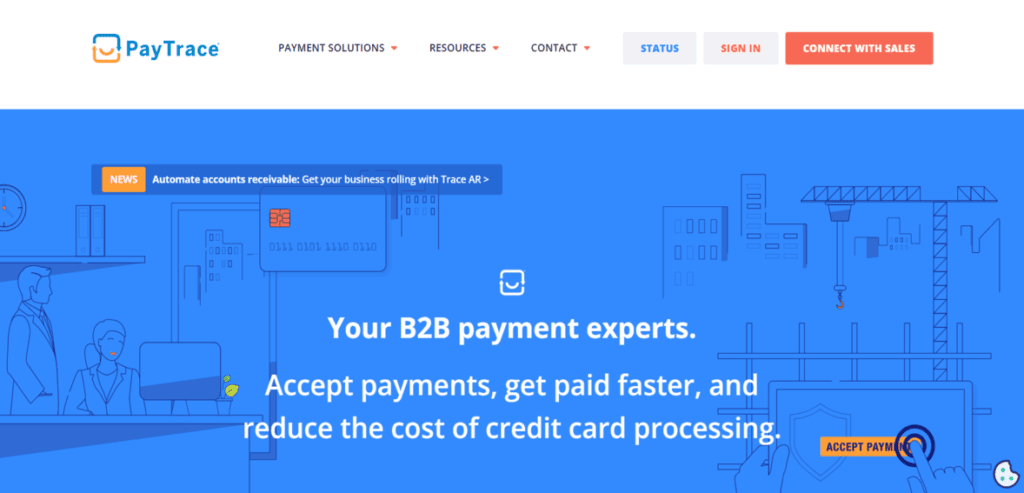
PayTrace is a payment gateway for B2B merchants, especially those processing large ticket transactions. Unlike many other payment platforms that try to be everything to everyone, PayTrace takes a focused approach and serves industries like healthcare, manufacturing, legal services and wholesale distribution. Its strength is in advanced payment features that help merchants reduce fees, improve security and simplify backend operations. Lets read more about PayTrace Review.

The company was founded in 2004 and has grown into a recognized provider of Level II and Level III credit card processing. These features allow businesses to qualify for lower interchange fees when processing commercial or purchasing cards. That alone can be a big cost savings for B2B sellers processing high volume.

PayTrace is a web based solution so you can access your account from anywhere with an internet connection. This is great for businesses with multiple locations or those with remote staff. But it’s not for every business. High volume retailers, food service providers and businesses that need a modern POS interface may find the platform too narrow in scope.

In short, PayTrace isn’t trying to be a one size fits all solution. Its value is in doing a specific job extremely well. For the right type of merchant, especially those focused on secure, recurring and invoice based payments, it’s a great alternative to larger, less specialized processors.

Platform Usability and Interface Experience | PayTrace Review

PayTrace keeps its user interface clean and functional. When logging in, users are presented with a straightforward dashboard offering clear navigation to key features like virtual terminal access, reporting, invoicing, and customer management. The layout is more utilitarian than visually modern, but it effectively prioritizes functionality over flash.

For non-technical users, the platform’s simplicity is a strong point. Business owners who don’t have an in-house IT team can still use PayTrace effectively with minimal training. Most tasks such as processing a payment, issuing a refund, or creating a recurring billing plan can be completed with just a few clicks.

That said, users accustomed to highly intuitive, mobile-optimized interfaces may find the experience dated. There’s little in the way of visual customization or design personalization. PayTrace is best described as purpose-driven; it doesn’t aim to wow you with aesthetics, but it won’t slow you down either.

Mobile usability is limited compared to some modern payment apps. While you can access the platform on a mobile browser, it doesn’t offer a dedicated mobile app for merchants on the go. This reinforces PayTrace’s positioning as a system built for office use, especially in sectors where transactions are entered manually via desktop.

Overall, the usability experience reflects the platform’s target audience: merchants who prioritize accuracy, security, and efficiency over sleek design. If that matches your business model, you’ll likely appreciate the no-nonsense interface.
PayTrace Review

Core Payment Features and Capabilities

PayTrace delivers a comprehensive suite of features aimed at streamlining payment processing for service-oriented and B2B companies. Its virtual terminal is one of the most commonly used tools, allowing users to input card details manually for phone or email orders. ACH payments are also supported, giving merchants flexibility in accepting funds directly from bank accounts.

One of PayTrace’s standout capabilities is its support for Level II and Level III data, which allows merchants to pass along detailed transaction information to card networks. This added data such as invoice numbers, product descriptions, and tax breakdowns; qualifies the merchant for lower interchange rates on commercial and purchasing cards. It’s a core reason why high-ticket sellers turn to PayTrace.

Recurring billing is another essential feature. Merchants can set up automated payments for subscription-based or installment-driven services. Payment links and email invoicing make it easy to request payments from clients securely without requiring in-person interaction. PayTrace also supports tokenization for card data storage, enabling businesses to securely save customer card details for future use without maintaining sensitive information on their own servers.

While PayTrace doesn’t have a native point-of-sale system or retail card reader, it’s not meant to be used in traditional retail settings. Its tools are best suited for transactions initiated remotely, manually, or through back-office processes.

Security and Compliance Standards

Security is a fundamental aspect of any payment processing system, and PayTrace takes this responsibility seriously. The platform is fully PCI DSS compliant, meeting the required standards for handling cardholder data securely. Businesses using PayTrace can rest assured that their transactions are protected by encryption and secure data storage protocols.

PayTrace also implements tokenization, a method that replaces sensitive card data with unique identifiers or “tokens.” This means even if data is intercepted, it cannot be used for fraudulent purposes. Cardholder details are never stored directly on the merchant’s systems, reducing the risk of exposure and easing the burden of compliance on the business.

Fraud detection and prevention features are also built into the platform. PayTrace allows merchants to set rules and filters to identify potentially suspicious transactions. AVS and CVV verification are standard tools included to minimize risk.

In addition, the system logs detailed audit trails for each user action, allowing administrators to monitor internal access and usage. This level of transparency is particularly useful for businesses with multiple staff accessing the system.

Although it may lack the flashy AI-driven fraud detection tools some larger platforms offer, PayTrace delivers robust, industry-standard protections that meet the needs of most service-based businesses. Its focus is on practical, proven security rather than bleeding-edge innovation, which is often exactly what B2B merchants are looking for.

B2B and High-Ticket Processing Advantages

One of PayTrace’s core strengths is its optimization for high-ticket, B2B transactions. Unlike many generalist payment platforms, PayTrace is engineered specifically to help merchants save on fees when processing large payments through business or government purchasing cards.

This is accomplished through the use of Level II and Level III data. By submitting additional transaction details such as customer codes, tax amounts, item descriptions, and invoice data, merchants qualify for reduced interchange rates, a feature especially valuable for businesses that process tens of thousands of dollars per transaction.

For industries such as wholesale distribution, legal services, or industrial equipment suppliers, this can translate into thousands of dollars saved annually. Many competing gateways either don’t support this level of detail or require complex integrations to make it work. With PayTrace, it’s built into the core offering.

Another advantage is the platform’s ability to handle remote transactions reliably. Since many B2B deals happen through email, phone, or invoicing, not face-to-face, PayTrace’s virtual terminal and secure payment links are well suited to the workflow. Businesses with recurring client relationships also benefit from stored payment profiles and subscription billing features. Combined with enterprise-level reporting, it becomes easier to manage customer accounts, track outstanding invoices, and reconcile payments without resorting to third-party tools.

In summary, PayTrace gives B2B merchants the infrastructure they need to accept large payments efficiently while minimizing processing costs, something that not every gateway is built to do.

Virtual Terminal and Invoicing Tools

PayTrace’s virtual terminal is one of its most used features, particularly for businesses that operate outside of a traditional point-of-sale environment. Through the web-based dashboard, users can manually enter credit card details to process payments securely, a valuable tool for phone orders, service invoices, or repeat clients.

The process is straightforward. The merchant logs in, selects the virtual terminal option, fills in the transaction details, and submits. Optional fields allow for adding customer information, notes, and Level II/III data to qualify for better interchange rates.

In addition to direct entry, PayTrace offers email invoicing tools. These allow merchants to send branded, secure links to customers for easy online payment. Each invoice can be customized with descriptions, due dates, and reminders, making the platform suitable for professional services firms or tradespeople who prefer to get paid after delivering services.

Recurring billing setups are also managed through this interface. Users can create billing schedules for weekly, monthly, or custom intervals, with notifications sent to customers automatically. There is no native PDF invoice generator, but the simplicity and security of PayTrace’s invoicing and payment system often outweigh this minor limitation. The virtual terminal and invoicing features support the needs of modern B2B workflows, prioritizing security, ease of use, and flexibility.
PayTrace Review

Shopping Cart and E-Commerce Integrations

While PayTrace isn’t primarily designed as an e-commerce platform, it does offer integrations that allow merchants to connect their shopping carts or online stores. Using either built-in APIs or certified third-party plugins, PayTrace can be integrated into platforms like Magento, WooCommerce, and Shopify with developer support.

The gateway supports real-time transaction processing for online orders and allows for the capture of Level II/III data where applicable, which is uncommon for most basic e-commerce platforms. For B2B sellers operating private wholesale portals or customer-specific ordering systems, this is a distinct advantage.

Merchants looking to build custom integrations can leverage PayTrace’s developer-friendly REST API. The documentation is thorough and includes sample code, authentication guides, and sandbox environments for testing. That said, the process may require in-house technical resources or external development help, especially for more complex setups.

The lack of a native storefront builder or full-fledged shopping cart solution means that merchants seeking an out-of-the-box e-commerce package may need to pair PayTrace with other software solutions. This isn’t a drawback for its core market but is something online-only retailers should note.

CRM and ERP Integration Support

PayTrace knows how important it is to sync payment processing with the rest of your business, especially in B2B where customer relationships and accounting workflows are tied to revenue. To help with that, PayTrace has several integration options with popular CRM and ERP systems.

Out of the box PayTrace has compatibility with accounting systems like QuickBooks, either directly or through third party connectors like Connex or Zapier. This allows merchants to auto match payments to invoices, streamline reconciliation and reduce manual entry errors. For high volume businesses this can save a ton of admin time.

ERP systems like NetSuite, Microsoft Dynamics and Acumatica can be connected through middleware or custom API development. While these integrations may require some setup and potentially developer assistance, the flexibility is appreciated by mid-sized and enterprise level businesses.

CRM integration is limited compared to payment tools built around customer engagement. But if customer management is mostly around recurring billing and stored payment methods, PayTrace is a good foundation. Businesses that use Salesforce or HubSpot may need to create custom connectors to get real time data flow between systems.

Not plug and play in every case, but PayTrace’s modular integration means you can extend its utility into your overall software stack if you have IT resources or consultants.

Reporting and Analytics Functionality

PayTrace includes a suite of reporting tools designed to help merchants keep track of their transactions, understand payment trends, and reconcile accounts with ease. While it doesn’t provide advanced analytics dashboards like some all-in-one platforms, it offers all the core reports needed for effective financial oversight.

Merchants can generate daily, weekly, or monthly transaction summaries, view batch settlements, track refunds, and monitor chargebacks. These reports can be filtered by date range, payment type, customer, or specific users, making it easier to pinpoint issues or confirm payments. For accounting departments, this level of control is essential.

Custom reports can also be configured and exported in formats like CSV or Excel. This is particularly helpful for businesses that need to import data into their ERP or bookkeeping software. Recurring billing activity, ACH transactions, and card declines are all logged and can be reviewed in detail. The audit trail feature adds another layer of transparency. Every user action, whether a payment, refund, or update, is timestamped and logged. For businesses with multiple employees managing payments, this accountability helps improve internal controls.

While not flashy, the reporting tools within PayTrace are reliable, functional, and geared toward accuracy. They serve the practical needs of accountants, business managers, and operational teams, rather than offering surface-level visualizations.

Customer Support and Training Resources

Customer service is a critical factor in any payment solution, especially when money is on the line. PayTrace provides U.S.-based support via phone, email, and live chat, with hours typically aligned to standard business operations. The quality of assistance is generally praised for being prompt, knowledgeable, and professional.

For new users, onboarding is supported through an online knowledge base that includes guides, FAQs, and video tutorials. Topics range from setting up recurring billing to submitting Level III transaction data. The content is clearly written and designed for users with limited technical expertise. PayTrace also offers webinars and partner training for ISO agents and resellers, showing their commitment to educating not just end-users, but the broader ecosystem around their platform.

However, 24/7 support is not currently available. This might be a drawback for businesses that operate in non-traditional hours or internationally. Additionally, while the documentation is solid, businesses with highly customized workflows might still require help from external consultants or developers. Still, for most businesses that fit PayTrace’s ideal profile, the available support channels are sufficient. The platform is relatively easy to manage, and most common issues are well-documented.

Pricing Structure and Cost Transparency

PayTrace has a transparent pricing model for merchants who want flat, monthly costs. They don’t advertise all their rates publicly as pricing is often negotiated through reseller partnerships or ISOs but the structure is the same across the board. Typically PayTrace charges a monthly gateway fee – usually between $20 to $50 depending on the feature set and account tier. There’s also a per-transaction fee – $0.10 to $0.25 and the standard interchange and processor markup.

One of the biggest cost savers is their Level II and Level III interchange optimization which helps businesses qualify for lower transaction fees on eligible cards. This alone can justify the monthly gateway fee for high volume or high ticket businesses. There may also be setup or integration fees depending on how you plan to use PayTrace – especially if you’re using APIs or connecting to other systems like CRMs or ERPs.

There are no long term contracts for merchants who go through PayTrace’s preferred resellers but this may vary depending on your provider. Pricing transparency is mostly dependent on your sales agent or ISO so ask questions upfront. PayTrace’s pricing is modular and value driven. It’s not the cheapest but for merchants who can use all the features it pays off.
PayTrace Review

Ideal Business Types for PayTrace

PayTrace isn’t built for everyone, and that’s intentional. Its greatest strength lies in serving B2B businesses, particularly those who issue invoices, take orders over the phone, or work with commercial customers who pay using corporate cards.

Industries that benefit most include wholesalers, medical and dental practices, accounting firms, law offices, manufacturing businesses, and service providers like consultants or IT agencies. These companies often deal with high-ticket invoices, repeat clients, and need to capture Level III data, a perfect match for PayTrace’s feature set.

The platform is particularly appealing for businesses that value cost control, because Level II and Level III optimization can significantly reduce interchange fees when used properly. However, retailers, restaurants, and businesses that rely on in-person transactions with POS hardware may not find what they need here. PayTrace doesn’t offer modern card readers, mobile POS tools, or tap-to-pay functionality, making it less suitable for consumer-facing businesses.

Also, companies without internal IT support may face a learning curve when setting up advanced integrations. Although PayTrace is easy to use for everyday operations, building custom workflows or connecting it to CRMs or ERPs may require additional help. In short, PayTrace works best for businesses that prioritize efficiency, security, and cost-saving in back-office payment processing, rather than front-end retail flexibility.

Pros and Cons Summary

Pros:

Level II/III processing for lower interchange rates

Strong virtual terminal and invoicing tools

Secure, PCI-compliant platform with tokenization

Integration support for CRMs, ERPs, and QuickBooks

Transparent and predictable pricing model

Cons:

No native POS hardware or in-person retail support

Limited mobile app or on-the-go usability

Custom integrations may require developer help

Interface lacks modern design for visual users

Support is not 24/7

PayTrace positions itself as a platform with purpose. It doesn’t try to please everyone, it serves B2B businesses exceptionally well and provides tools that reward merchants who process high-value, data-rich transactions. The trade-off is that it doesn’t scale down well to high-volume, low-ticket retail settings or mobile-first commerce models.

Final Verdict: Is PayTrace Worth It?

PayTrace is ideal for B2B businesses handling large, invoice-based transactions and commercial cards. It offers strong Level II/III data support, ACH payments, and reliable reporting. While not suited for mobile or retail POS needs, it delivers real savings and control for merchants who require specialized, secure, and efficient payment solutions.

FAQs

Q1. Is PayTrace suitable for small retail businesses or startups?

PayTrace is built with B2B service providers in mind, not high-volume retail or product-based startups. Retailers may find its features too specialized and lacking in POS support.

Q2. Can PayTrace help reduce processing fees with Level III data?

Yes, PayTrace supports Level II and Level III data processing, which can lead to lower interchange rates when processing B2B or corporate cards. It’s one of its biggest cost-saving advantages.

Q3. Does PayTrace integrate with QuickBooks or other accounting software?

Yes, PayTrace can be connected to QuickBooks and other systems either directly or through third-party integration tools. This streamlines accounting and reconciliation tasks for many businesses.

Heartland Payment Systems Review

Heartland Payment Systems Review

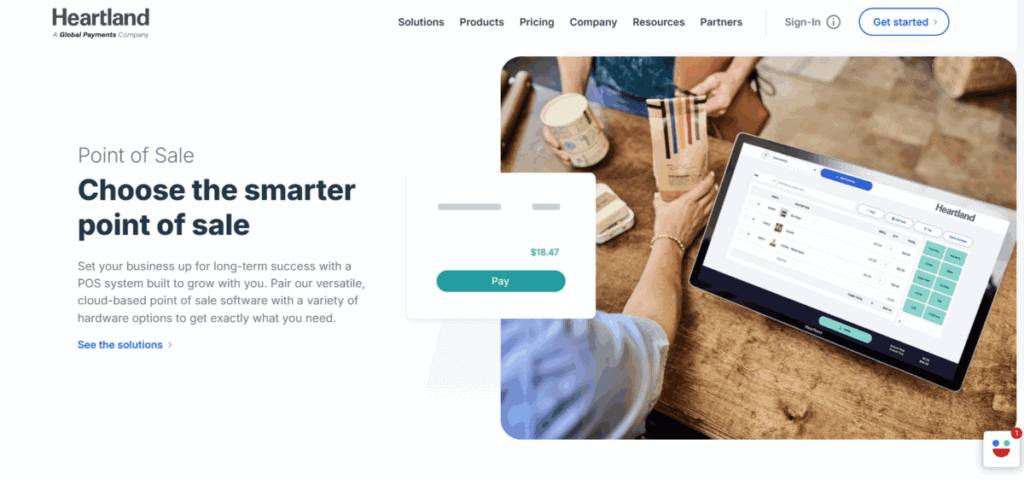
Heartland Payment Systems is a U.S.-based merchant services provider known for supporting small and mid-sized businesses across a wide variety of sectors. Established in 1997 and acquired by Global Payments in 2016, the company has continued to operate under its own brand, maintaining a steady focus on serving traditional business models like retail shops, restaurants, and local service providers. This long-standing presence in the payments industry gives Heartland both credibility and experience in handling evolving business needs. Lets read more about Heartland Payment Systems Review.

The business provides a wide range of services, including payroll solutions, POS systems, customer marketing tools, and credit card processing. Heartland hopes to streamline operations for entrepreneurs who would rather handle all of their financial resources in one location with this all-in-one strategy. Despite the gradual expansion of e-commerce options, their services are specifically designed for physical businesses.

Transparency has always been a core promise of Heartland. The business has emphasised its dedication to transparent pricing and moral business conduct. Independent user reviews, however, show that some merchants have had inconsistent experiences with fees and contracts, pointing to a disconnect between marketing and execution.

Despite these concerns, Heartland remains a popular choice among U.S. businesses seeking integrated payment and business management solutions. Its continued investment in industry-specific features and customer support reflects a desire to stay relevant in a crowded and rapidly evolving market. The company’s wide service offering makes it worth considering, particularly for those looking for an all-in-one provider.

Core Payment Processing Services | Heartland Payment Systems Review

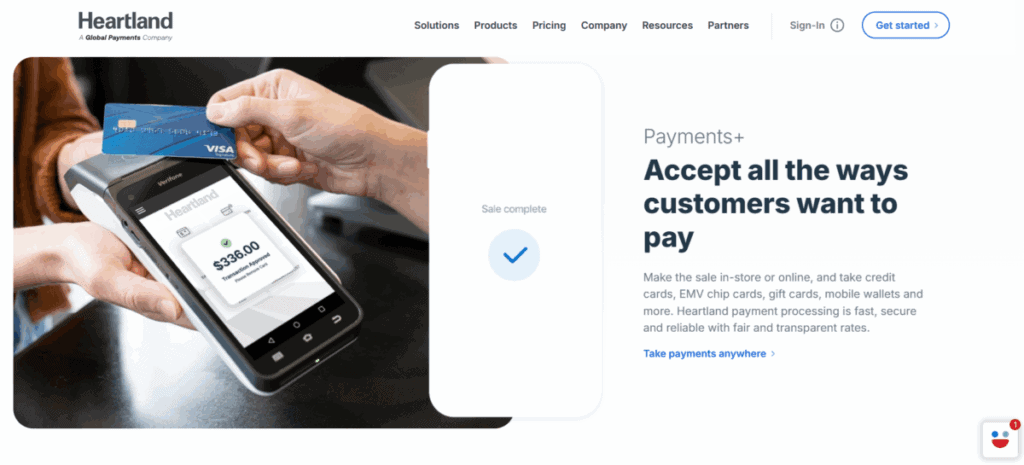
Heartland’s core strength lies in its payment processing capabilities, which serve as the backbone for most of its clients. The company supports all major credit and debit cards, as well as modern payment methods like contactless cards, Apple Pay, Google Pay, and mobile wallets. This flexibility ensures that merchants can cater to a variety of customer preferences at the point of sale.

Transactions are processed quickly and securely, with Heartland leveraging EMV-compliant technology and offering end-to-end encryption and tokenization for added security. This helps businesses protect sensitive customer data and reduces the risk of fraud. Heartland also assists clients with PCI DSS compliance, a crucial requirement for any merchant accepting card payments.

Another notable feature is Heartland’s real-time transaction reporting. Business owners can monitor payments as they occur and access detailed reports via an online dashboard or mobile device. This level of visibility supports better financial oversight and decision-making.

Recurring billing, stored card functionality, and ACH processing are also available for businesses that handle subscriptions or service-based payments. For those operating on-the-go, Heartland provides mobile card readers compatible with smartphones and tablets, extending its utility beyond traditional storefronts.

However, it’s important to note that pricing for payment processing is not uniform across the board. Rates may vary depending on the business type, processing volume, and individual contract terms. Some users have reported unexpected fees or difficulty in understanding the fee breakdown, suggesting that prospective customers should closely review their agreements.

Heartland Payment Systems Review

POS Solutions

Heartland offers a range of POS systems designed for businesses in retail, hospitality, and service industries. These POS solutions are not one-size-fits-all. Instead, they’re industry-specific, with customized features aimed at solving particular operational challenges.

For example, restaurants can benefit from POS systems that support table management, tipping, kitchen order printing, and online ordering. Retail businesses, on the other hand, have access to inventory management, barcode scanning, employee permissions, and multi-location support. This targeted approach helps ensure that the tools offered are aligned with real-world workflows.

Card readers, touchscreen terminals, and add-ons like cash drawers and receipt printers are among the hardware that Heartland offers. These devices are usually sleek and contemporary, and the majority of them have cloud connectivity, which enables data syncing and remote access across locations. Heartland also highlights how easy it is to use its software. The learning curve for new hires is reduced by the POS interfaces’ intuitive design. Reporting tools in the backend provide business owners with information about inventory levels, employee performance, and sales trends.

However, some merchants report that POS setup can require technical assistance and that troubleshooting hardware issues may involve delays depending on support availability. Additionally, the cost of hardware and software subscriptions may not always be fully transparent at the time of onboarding. It’s advisable to get a full breakdown of costs before committing.

E-Commerce and Online Payment Capabilities

While Heartland has traditionally focused on in-person transactions, it has steadily built out its online payment capabilities. Today, the platform supports e-commerce businesses with several useful tools including virtual terminals, hosted payment pages, and recurring billing features.

For businesses that need to accept payments online without a full-fledged e-commerce site, the virtual terminal allows manual entry of card information, which is ideal for phone or invoice-based transactions. Hosted payment pages, on the other hand, enable businesses to create branded checkout experiences without advanced technical knowledge.

Heartland also offers APIs and integration capabilities for those looking to connect with platforms like WooCommerce, Shopify, and BigCommerce. This gives online merchants the ability to use Heartland’s gateway services without disrupting their existing website flow. Additionally, businesses can manage subscriptions and set up automated recurring billing. This is particularly useful for service-based industries or companies offering membership programs. Payment data can be tokenized and stored securely, allowing for faster future checkouts.

One limitation is that Heartland may not offer the same depth of e-commerce features as platforms built specifically for online retail. It lacks built-in shopping cart systems or advanced marketing automation found in more digital-native competitors. As such, it may be a better fit for brick-and-mortar businesses expanding online rather than those operating exclusively on the internet.

Payroll and HR Services

Heartland offers payroll and HR services, positioning itself as a full-service business partner rather than just a payment processor. These services are designed to reduce administrative burden and ensure compliance with federal and state labor laws.

Direct deposit, tax computation and filing, wage reporting, and year-end forms such as W-2s and 1099s are all included in payroll services. In addition to having access to cloud-based tools for managing employee records and pay history, businesses can process payroll on a flexible schedule. Self-service portals are also provided to employees, enabling them to view time-off balances, tax documents, and pay stubs.

Heartland’s HR services go above and beyond by providing regulatory compliance advice, onboarding assistance, and time tracking. There are tools for managing workplace policies, employee handbooks, and benefits. For small businesses without a dedicated human resources department, these features are extremely beneficial.

Integration between Heartland’s payroll platform and POS or time-tracking tools can streamline operations further. For example, hourly employee data from the POS system can feed directly into the payroll system, reducing manual entry and error.

One potential drawback is that these services may be priced separately from the core payment processing package. Additionally, some users note that the interface, while functional, can feel outdated compared to newer HR tech platforms. Still, the convenience of bundled services remains a strong point for businesses looking for an all-in-one provider.

Customer Engagement and Loyalty Programs

Heartland provides a set of customer engagement tools designed to help businesses build loyalty and drive repeat visits. These features include digital gift card programs, customizable loyalty rewards, and email marketing campaigns that integrate with customer purchase data. Gift card functionality allows businesses to sell branded cards both online and in-store, with balance tracking and reload capabilities. This can help improve cash flow while offering customers a convenient gifting option.

The loyalty program is flexible, allowing merchants to create point-based rewards, visit-based incentives, or spend thresholds that trigger discounts. These programs can be tailored to suit different industries, whether it’s a coffee shop offering a free drink after ten purchases or a salon rewarding regular customers with exclusive discounts.

Heartland also supports email marketing features, enabling businesses to create segmented campaigns based on customer behavior. This makes it easier to send targeted promotions or service reminders. Campaign performance can be tracked within the platform, helping merchants measure effectiveness. These engagement tools are particularly beneficial when used in conjunction with Heartland’s POS systems. Customer data collected at the point of sale can be used to drive personalized marketing efforts, enhancing the overall customer experience.

However, businesses looking for advanced CRM features or highly customizable campaign automation may find the tools somewhat limited. While Heartland covers the basics well, companies with complex marketing needs might require integration with more specialized platforms.

Heartland Payment Systems Review

Industry-Specific Solutions

Heartland positions itself as a versatile provider with tailored solutions for specific industries. This industry-focused approach allows the company to offer tools that directly address the pain points of businesses in foodservice, education, healthcare, retail, and personal services. In the restaurant industry, Heartland’s POS systems support features such as tableside ordering, kitchen display systems, and menu management. For quick-service restaurants, there are solutions optimized for speed and volume, including drive-thru and mobile order integration.

In the field of education, Heartland offers school payment portals and campus card systems that let parents make in-person or online payments for meals, fees and other school-related costs. These tools lessen staff manual labour by integrating with school administration systems. Payment options that support co-pays, recurring treatment billing, and HIPAA-compliant data security are advantageous to healthcare providers. Additionally, there are options for safely storing patient card information and managing payment schedules.

Salons, spas, and fitness centers can take advantage of scheduling tools, recurring membership billing, and customer profile management. These tools are designed to streamline appointment booking and customer retention.

While these industry-specific solutions offer targeted value, they may also lock businesses into proprietary ecosystems, making it harder to switch providers or integrate third-party tools. That said, for businesses that prefer all-in-one convenience, Heartland’s specialized offerings can be a strong selling point.

Pricing and Contract Clarity

Heartland emphasizes transparent pricing as part of its brand promise, yet user experiences on this front are mixed. While the company promotes “fair and honest pricing,” the actual fee structure often varies based on the size and type of business, processing volume, and the sales representative handling the account.

Heartland typically uses an interchange-plus pricing model, which is generally more transparent than flat-rate or tiered models. However, additional fees for monthly services, PCI compliance, early termination, and statement processing may apply. These can add up quickly if not clearly communicated during the onboarding process.

Some merchants have praised Heartland for offering competitive rates and straightforward billing, while others report receiving different fee quotes than initially promised. Complaints about automatic contract renewals and difficulty in canceling services also appear in some online reviews. To ensure clarity, it’s advisable for businesses to request a detailed, itemized quote before signing any contract. Understanding what is included, what is optional, and what may increase over time can help avoid surprises.

Heartland’s pricing may be most attractive to mid-sized businesses with steady volume that can negotiate favorable terms. For very small or seasonal businesses, other providers with more flexible month-to-month options may be a better fit.

Security, Compliance, and Data Protection

Heartland takes payment security seriously and has made considerable investments in protecting both merchants and customers. The company uses end-to-end encryption and tokenization to secure cardholder data from the point of entry through transmission and storage. One standout feature is Heartland Secure, a proprietary combination of encryption, tokenization, and EMV technology designed to protect data and reduce the risk of breaches. This system is paired with breach warranty coverage, which provides financial protection in the event of a data compromise.

The company assists retailers in adhering to PCI DSS standards. This encompasses resources for self-evaluation, security checks, and advice on optimal methods. Not staying compliant can lead to extra charges or penalties, making assistance in this area essential. Payment solutions that comply with HIPAA are accessible for healthcare providers, guaranteeing that patient information is managed in line with federal privacy regulations. 

While these measures are robust, it’s still important for businesses to actively manage their own security practices. No system is foolproof, and user error remains a leading cause of data breaches. That said, Heartland’s layered security tools offer meaningful protection in a digital-first business environment.

Customer Support and User Experience

Heartland promotes its U.S.-based customer service as a key differentiator. Support is available 24/7 by phone, and there are additional resources available via the company’s website, including training videos, documentation, and account management tools. Customer reviews about the support experience are mixed. Some businesses report quick, helpful service and a smooth onboarding experience. Others mention long wait times, inconsistent follow-up, or challenges getting issues resolved, particularly when multiple services are bundled together.

The user experience across Heartland’s platforms is generally positive. The interfaces for both POS and payroll systems are relatively easy to navigate, though they may lack the sleek design and advanced features of newer fintech competitors. Mobile accessibility is available, but reviews suggest that the apps could be more robust and responsive.

Another factor is that Heartland’s systems could need additional training compared to plug-and-play options such as Square or Stripe. This holds particularly true for companies that utilize various products such as payroll, POS, and customer interaction tools at the same time. In the end, the customer experience is greatly influenced by the unique configuration of the business and the particular representatives engaged. Companies desiring a personalized connection might discover that Heartland meets their needs, whereas those looking for solely self-service solutions might favor a more straightforward, contemporary platform. 

Heartland Payment Systems Review

FAQs

Q1: Is Heartland Payment Systems suitable for small businesses?

Yes, Heartland offers a variety of tools tailored for small and mid-sized businesses, including POS, payment processing, and payroll. However, very small or seasonal businesses should carefully review contract terms and pricing to ensure fit.

Q2: Does Heartland support integration with e-commerce platforms?

Heartland supports integration with major platforms like Shopify, WooCommerce, and BigCommerce through APIs and gateway solutions, making it viable for businesses selling online.

Q3: What kind of support can I expect from Heartland?

Heartland offers 24/7 U.S.-based phone support and online resources. While some users praise the service quality, others have reported inconsistent experiences, so the level of support may vary.

Elavon Payment Processing Review

Elavon Payment Processing Review

Elavon is a global merchant services provider that has served businesses for more than three decades. As a wholly owned subsidiary of U.S. Bank, it brings the strength of a major financial institution while delivering comprehensive payment solutions to over a million customers worldwide. Its offerings cover a wide spectrum, including card-present, online, and mobile payment options for businesses of all sizes. 

Headquartered in Atlanta, Georgia, Elavon operates in over 10 countries and supports merchants in various sectors such as retail, hospitality, healthcare, and education. Its position as both a processor and acquirer allows businesses to manage all payment-related operations from a single source. This vertical integration simplifies the onboarding and troubleshooting processes.

The quality of Elavon’s services, however, can differ based on the channel a merchant uses to sign up because of its extensive network. Although its infrastructure helps a lot of businesses, smaller retailers have sometimes complained about unclear pricing and terms of contracts, particularly when dealing with independent resellers.

Essentially, Elavon provides a variety of tools and stability. It is perfect for companies that require scalable solutions and appreciate having a large banking organization on their side. It may be necessary for those who are looking for more transparent pricing or simplified interfaces to carefully assess if it meets their needs.

Supported Payment Methods and Hardware | Elavon Payment Processing Review

Elavon is a versatile choice for companies that accommodate a range of client preferences because it accepts a large number of payment methods. All of the major credit and debit cards, such as Visa, Mastercard, American Express, and Discover, are accepted by merchants. Additionally, it supports ACH transactions, mobile wallets like Apple Pay and Google Pay, contactless payments, and EMV chip cards.

Hardware-wise, Elavon offers a variety of POS terminals and systems that are appropriate for food service, retail, and other face-to-face transactions. Traditional countertop terminals, tableside service devices, and tap-to-pay mobile terminals are among the available options. Through collaborations with hardware suppliers like Ingenico and Poynt, these devices are made available to businesses, providing them with dependable and secure equipment.

For industries with more complex checkout needs, Elavon offers integrated POS systems that support inventory management, tipping, and customer engagement features. These can be particularly useful in hospitality and quick-service restaurant environments. The company also offers proprietary systems like talech, a cloud-based POS solution tailored for small and mid-sized businesses.

Merchants operating online or in hybrid environments will appreciate the consistency between Elavon’s in-store and online payment capabilities. However, the variety of hardware and integration options can be overwhelming for those without technical support. Understanding what combination of devices and services is best suited for your business may require additional consultation with Elavon’s sales team.

Elavon Payment Processing Review

Online and eCommerce Capabilities

Elavon offers a robust set of tools for businesses operating in the online space. Its solutions cater to both basic web stores and more advanced eCommerce environments. Through its Converge payment gateway, merchants can accept credit card payments, digital wallets, and recurring billing online. This gateway can be embedded directly into websites and integrates with most shopping cart platforms, including WooCommerce, Shopify, BigCommerce, and Magento.

For businesses without a full website, Elavon provides hosted payment pages and virtual terminals. These allow merchants to send payment links via email or SMS, making them suitable for service providers and remote businesses. Recurring billing features are also supported, which is essential for subscription-based models.

Elavon places a high priority on security in their eCommerce solutions. The system is completely PCI compliant, and all online transactions are tokenized and encrypted. For merchants who handle sensitive customer data, the company also provides fraud prevention tools to keep an eye on suspicious activity and lower chargebacks.

Although Elavon offers a wide range of eCommerce services, their setup might not be as simple as that of some more recent suppliers. To completely implement and maximize integrations, merchants might require help from Elavon’s technical support or web developers. Although the tradeoff is a high degree of control and customization for those who are willing to put in the time, this can be a challenge for small businesses without dedicated tech resources.

Mobile and Contactless Payments

In today’s fast-paced business landscape, mobile and contactless payments are more than a convenience; they are a necessity. Elavon recognizes this trend and provides solutions that allow businesses to accept payments on the go. This is particularly beneficial for service professionals, event vendors, food trucks, and mobile sales teams.

Compact card readers that pair with smartphones or tablets via Bluetooth are part of Elavon’s mobile point-of-sale systems. These readers are adaptable for contemporary use because they support contactless, magnetic stripe, and EMV transactions. Merchants can process sales, generate digital receipts, and monitor basic transaction history while on the go when they are paired with Elavon’s mobile app.

All of Elavon’s point-of-sale devices accept contactless payments, such as tap-to-pay cards and mobile wallets like Apple Pay and Google Pay. This guarantees that companies can satisfy the increasing demand from customers for touchless and speedy transactions, which is particularly important in retail settings following the pandemic.

For larger businesses, Elavon also offers enterprise-level mobile payment integration, allowing for field-based sales operations with centralized reporting. However, while the mobile solutions are functional and secure, they may not have the sleek design or ease-of-use found in apps from some fintech competitors. The interface is more traditional and might require some learning curve for users who are new to mobile POS systems.

Overall, Elavon provides a reliable suite of mobile and contactless payment tools, but usability and modern UI could be areas for improvement.

Integration with Business Tools

A significant advantage of Elavon’s system is its ability to integrate with a range of business tools. From accounting platforms to inventory management systems and CRMs, Elavon offers multiple pathways to synchronize payment data with daily business operations.

One of its key offerings is the integration with QuickBooks, allowing businesses to reconcile transactions directly within their accounting workflows. This reduces manual entry errors and saves time during bookkeeping. Additionally, Elavon’s Converge platform supports APIs that allow developers to build custom integrations for ERPs, CRMs, or proprietary software.

Elavon’s Talech POS platform has integrated tools for managing inventory, staff, and customer data for the hospitality and retail sectors. This enables smaller businesses to manage operations from a single dashboard and reduces the need for external tools. The provided API documentation, however, can be used by larger businesses that already use programs like Salesforce or NetSuite to incorporate Elavon’s payments into their more comprehensive systems.

Businesses have more freedom in creating their payment ecosystem thanks to the integration process, even though it might not be as smooth as plug-and-play systems provided by more recent platforms. Companies that offer managed services or IT support will probably benefit the most from Elavon’s customization capabilities. Businesses can get better insight into their performance, streamline financial operations, and get rid of data silos thanks to Elavon’s dedication to integration.

Elavon Payment Processing Review

Security Features and PCI Compliance

Security is a top priority for any business handling payment data, and Elavon takes this responsibility seriously. Its solutions are built with multiple layers of protection, starting with P2PE and tokenization, which help secure sensitive cardholder information from the moment of entry to the final transaction approval.

Elavon also supports PCI DSS compliance by offering resources and tools to help merchants meet required security standards. This includes access to Self-Assessment Questionnaires, security scans, and customer service support for compliance-related questions. Businesses that use Elavon’s P2PE-certified devices are likely to have a smoother PCI compliance process.

To combat fraud, Elavon provides features like AVS, CVV checks, and real-time risk monitoring. These features are especially beneficial for online businesses where card-not-present fraud is more common.

Additionally, Elavon offers a Breach Protection Program for qualifying merchants. This coverage can help mitigate the financial damage associated with data breaches, including reimbursement for card brand penalties and forensic investigation costs. Despite these robust protections, some merchants report that navigating Elavon’s security documentation can be complex. Understanding what is covered and what steps must be taken on the merchant’s side may require careful review and ongoing diligence.

Overall, Elavon provides industry-standard security, backed by resources to help businesses maintain compliance and minimize risk.

Reporting and Analytics Dashboard

A reliable reporting system is essential for monitoring business performance and making informed decisions. Elavon offers a user-friendly reporting and analytics dashboard through its Converge platform. This dashboard gives merchants access to real-time transaction data, settlement details, and customer insights.

Users can generate custom reports to analyze sales trends, payment types, and transaction volumes over various time periods. These reports can be exported in multiple formats, making it easier to share with finance teams or integrate into accounting systems. Some POS solutions, like talech, also include analytics that track inventory turnover and employee performance.

Business owners have flexibility in reviewing and managing payment activity thanks to the dashboard’s accessibility on desktop and mobile devices. Merchants can stay on top of any discrepancies by configuring notifications and alerts for unusual activity. Although the reporting tools are useful, they might not provide as much visual polish or depth as advanced business intelligence platforms. Bigger businesses looking for more advanced analytics might still favor combining Elavon’s data with external programs like Power BI or Tableau.

The analytics features offered by Elavon provide a good balance between usability and functionality for the majority of businesses, particularly small to mid-sized merchants. They give the user the essential information needed to manage operations without being overly complicated.

Pricing Structure and Contracts

Elavon’s pricing structure is often a deciding factor for potential customers, but it is not always straightforward. The company offers several pricing models, including interchange-plus, tiered pricing, and flat-rate plans. However, exact pricing details are typically only available through a sales consultation or partner reseller.

Depending on the conditions of their contract, businesses may be charged monthly fees, gateway fees, PCI compliance fees, and early termination fees. If not made clear during onboarding, these extra fees can mount up and surprise some companies. Additionally, some retailers complain that Elavon’s pricing transparency differs based on whether they register directly or via an outside ISO.

A three-year contract with automatic renewal clauses is one of the terms that Elavon usually requires. If a company chooses to cancel before the contract expires, early termination fees may be incurred. Although this is common in the payments sector, it might put off companies seeking more adaptable, month-to-month contracts.

To get the best deal, businesses should negotiate terms carefully and request a full breakdown of fees in writing. Those with higher processing volumes might benefit from custom rates, while smaller businesses should evaluate whether the costs align with their expected usage.

In short, Elavon’s pricing can be competitive, but clarity and contract terms should be carefully reviewed.

Customer Support and Service Quality

Elavon has a range of advantages and disadvantages when it comes to customer service, which has the power to make or ruin a payment processor experience. The business offers online help center, phone, and email customer service around-the-clock. This 24/7 accessibility is helpful for companies that are open after regular business hours.

Additionally, Elavon provides account management and onboarding support to qualified merchants. Additional assistance is accessible via a different channel for Talech POS system users, which could speed up the resolution of device-related problems. The Elavon support portal offers technical documentation and frequently asked questions covering everything from PCI compliance to terminal setup.

However, some merchants report inconsistent service quality, particularly when dealing with issues through resellers or independent agents. Response times and knowledge levels can vary depending on the representative assigned. This inconsistency may cause frustration during urgent situations such as system outages or settlement delays.

Businesses that value dedicated support should consider asking about account manager availability during the onboarding phase. Elavon also provides multilingual support, which is beneficial for businesses operating in diverse communities or across different countries.

While Elavon’s support infrastructure is broad, the quality of the experience may depend heavily on how and where the account is set up.

Elavon Payment Processing Review

Pros and Cons Summary

Elavon provides a comprehensive range of payment processing tools backed by U.S. Bank’s sound financial standing. Businesses looking for a one-stop shop for online, mobile, and card-present payments will find its services ideal. Strong integration capabilities, enterprise-level security, and a large selection of hardware options to suit various industries are all provided by the platform.

But there are some disadvantages to Elavon. Contracts may contain long-term commitments with early termination fees, and pricing structures may be unclear. Compared to more recent, simplified options, smaller companies may find the system configuration or onboarding procedure to be a little more complicated. Furthermore, even though customer service is available around-the-clock, the quality of the service may differ depending on the channel used to create the account.

The platform is best suited for medium to large businesses that can take full advantage of its customization, security features, and integration depth. Smaller merchants or those seeking minimal setup and predictable fees may want to explore other providers before making a commitment. In summary, Elavon is a reliable and feature-rich processor that excels in stability and scale, but it requires thoughtful evaluation to ensure it aligns with your business needs.

FAQs

Q1: Is Elavon good for small businesses?

A: Elavon can serve small businesses, but they should carefully evaluate fees, contract terms, and whether the setup process meets their resource capabilities.

Q2: Can Elavon be used with existing POS hardware?

A: Yes, in many cases. Elavon supports third-party hardware but compatibility should be confirmed before signing up.

Q3: Does Elavon support recurring billing?

A: Yes, Elavon offers recurring billing options through its Converge platform, suitable for subscription-based models and services.

BankCard Services Review

BankCard Services Review

BankCard Services is a long-standing player in the merchant services industry, offering a range of payment processing solutions to businesses across the United States. Founded in 1987, the company has grown to serve more than 20,000 merchants, with a strong presence among small to mid-sized businesses. With decades of experience, it has built a reputation on providing flexible payment options and customer-centric support, especially for retail, restaurant, and eCommerce sectors. Lets read more about BankCard Services Review.

BankCard Services’ emphasis on offering specialized payment solutions according to business size and type is one of its unique selling points. From conventional credit card processing to more recent contactless and mobile payments, it provides a full range of services. By collaborating with different banks and hardware suppliers, the company is able to provide both internal and external solutions that are customized to meet the unique requirements of a business.

BankCard Services maintains a strong niche by emphasizing more individualized service and customized solutions, despite not being as well-known as bigger processors like Square or Stripe. Its products are made to appeal to entrepreneurs who want flexibility and dependability without being restricted to one-size-fits-all systems.

That said, transparency and standardization can sometimes be a concern with companies offering customized setups. Merchants may find it difficult to quickly compare pricing or features without speaking to a representative. However, for businesses seeking a tailored approach backed by a human support team, BankCard Services remains a viable option worth considering.

Merchant Account and Payment Processing Solutions

BankCard Services provides traditional merchant accounts, which can be an advantage for businesses seeking control over their payment processing environment. This is particularly useful for those who require dedicated customer service, specialized integrations, or complex billing structures. Their solutions support major credit and debit cards, including Visa, Mastercard, Discover, and American Express.

Businesses can accept payments across multiple channels; whether it’s in-store, online, or through mobile devices. This omnichannel capability is essential for today’s consumers who expect a seamless checkout experience regardless of where they shop. Whether it’s a mom-and-pop store or a mid-sized restaurant chain, BankCard Services seems to offer scalable options that grow with a business.

One area where BankCard Services stands out is its support for various industry verticals. From hospitality to professional services, they provide processing tools designed to accommodate specific industry needs, including tips for restaurants, recurring billing for gyms, or mobile payment acceptance for contractors.

However, because of the customizable nature of its merchant accounts, pricing and terms are not as transparent as flat-rate competitors. You typically need to contact a sales rep to get a quote tailored to your business profile. This can be either a positive or negative, depending on whether you prefer a standardized plan or a more personalized structure.

Overall, if you need a merchant account with flexibility and support across multiple payment channels, BankCard Services delivers a comprehensive and reliable solution, though you’ll need to be proactive in asking the right questions to get the best fit.

BankCard Services Review

POS Systems and Hardware | BankCard Services Review

BankCard Services offers a range of POS systems designed for various business types. From countertop terminals to mobile swipers and full-fledged smart POS systems, there’s a solution to suit just about every retail or restaurant environment. The company partners with several third-party vendors, which gives them the flexibility to match hardware solutions to client-specific needs.

EMV chip cards, NFC contactless payments (such as Apple Pay and Google Pay), and conventional magstripe cards are all supported by their POS systems. Features unique to the restaurant business include split billing, tip adjustments, and table management. Barcode scanners, integrated receipt printers, and inventory tracking are all advantageous to retailers.

Hardware can be leased or bought outright, though leasing may involve long-term agreements that companies should carefully consider. When choosing monthly leasing over an upfront payment, some businesses have complained that the cost of hardware from BankCard Services is marginally higher than that of other vendors.

The setup process is generally smooth, with technicians often assisting with onboarding. Still, the hardware offering might feel fragmented compared to providers with proprietary, all-in-one solutions. If your business values tight integration and uniform support, this could be a consideration.

In short, the POS systems offered by BankCard Services are functional, flexible, and reliable. But due diligence is required when it comes to pricing and contract terms, especially for small businesses with tight budgets.

Virtual Terminals and Payment Gateways

For businesses operating online or by phone, BankCard Services offers virtual terminal solutions that allow payments to be processed securely through a browser interface. This feature is particularly useful for service-based businesses, remote invoicing, or businesses handling card-not-present transactions.

Their virtual terminal supports manual entry of card details, recurring billing, refunds, voids, and customer data storage (in compliance with PCI DSS). It’s relatively easy to use and doesn’t require any complex technical setup. Businesses can also generate digital invoices and send them to customers via email, which improves cash flow and customer convenience.

BankCard Services also offers payment gateway integration for eCommerce sites. Their gateway supports secure checkout, real-time transaction tracking, and integration with shopping carts. Additionally, API support is available for businesses that want to embed custom payment solutions into their platforms.

One limitation is the lack of detailed technical documentation available upfront. While support is offered, developers might prefer more autonomy and transparency in integration tools. Also, gateway fees aren’t clearly published, which means pricing can vary depending on the business model and volume.

Nevertheless, the virtual terminal and gateway services are functional and align with industry standards. They offer good flexibility and coverage for businesses that need remote, phone, or web-based payments, even if they lack some of the polish or openness found in larger tech-driven platforms.

Fees and Pricing Structure

BankCard Services does not publish flat-rate or standardized pricing on their website, which is common for providers offering customized payment solutions. Instead, businesses receive tailored quotes based on their size, processing volume, risk profile, and industry type. This can be advantageous for businesses that want negotiated rates, but it also creates a lack of transparency.

Typically, the pricing model includes a combination of monthly service fees, transaction fees, equipment lease fees (if applicable), and possibly gateway or PCI compliance charges. Many businesses are placed on a tiered pricing structure, though some may be eligible for interchange-plus; a more transparent and cost-effective model for many merchants.

One key point to be cautious about is early termination fees. Several merchants have reported being locked into long-term contracts with cancellation penalties, particularly when hardware leasing is involved. It’s important to clarify the terms before signing anything.

Furthermore, if not properly tracked, fees such as batch fees, PCI non-compliance fines, and statement charges can mount up. Although BankCard Services makes an effort to provide high-volume merchants with cost-saving incentives, these advantages must be balanced against any potential hidden fees.

In conclusion, if properly negotiated, BankCard Services can provide competitive rates; however, because there is no set, publicly available pricing, companies must actively participate in the sales process. If transparency is important to you, don’t be afraid to request interchange-plus pricing and always ask for a detailed breakdown of fees.

BankCard Services Review

Customer Service and Support

Customer support is a critical factor in choosing a payment processor, and BankCard Services aims to differentiate itself in this area. The company provides multiple support channels including phone, email, and live chat. Phone support is typically available during standard business hours, and some after-hours emergency assistance may also be accessible depending on your service agreement.

Many customers appreciate the personal touch that BankCard Services offers. Instead of relying solely on automated systems, the company assigns account representatives who guide new clients through setup and continue to act as a point of contact for ongoing support. This can be a refreshing change from the impersonal service offered by some larger processors.

However, there are mixed reviews online regarding response times and issue resolution. Some clients report delays in resolving technical problems or billing issues. Others cite positive experiences with knowledgeable and helpful support staff.

Onboarding is generally thorough, with clear guidance on equipment setup and software integration. But for more complex installations or custom integrations, the company may rely on third-party vendors, which can occasionally lead to communication lags.

Overall, BankCard Services seems committed to providing quality customer service, especially to businesses that value a hands-on relationship. That said, service consistency may vary depending on the account manager and the complexity of the issue, so setting expectations early in the relationship is wise.

Security and Compliance

Security is a cornerstone of any payment processing system, and BankCard Services emphasizes PCI DSS compliance as part of its service offering. The company helps merchants maintain compliance by offering secure terminals, encryption tools, and PCI validation support.

All card-present and card-not-present transactions are encrypted and processed through secure networks, with tokenization options available for merchants who store customer data. Tokenization helps replace sensitive cardholder information with unique identifiers, significantly reducing the risk of data breaches.

BankCard Services also includes fraud monitoring tools, although their sophistication may not match those offered by some tech-first competitors. Basic fraud alerts, velocity checks, and chargeback prevention services are available, but advanced tools like AI-driven transaction analysis or machine learning-based fraud detection aren’t advertised.

Resources for chargeback management are also available to merchants. The merchant still bears the burden of timely response and documentation, even though the company provides tools and guidance for disputing chargebacks.

Despite not being especially innovative, BankCard’s security suite satisfies industry standards and offers a solid foundation for compliance. Tools and practices should be adequate for small and medium-sized enterprises with typical risk profiles. However, companies that need advanced fraud prevention or are in high-risk industries might need to add third-party solutions.

Software Integrations and Add-On Features

BankCard Services provides a variety of integrations that enhance functionality across industries. Their systems are compatible with several third-party applications, including accounting platforms like QuickBooks, CRMs, and inventory management software. This makes it easier for businesses to unify their operations and reduce manual entry errors.

In terms of reporting, BankCard Services offers basic to advanced analytics tools that help merchants track transactions, monitor revenue trends, and identify chargeback issues. These dashboards are accessible via a secure online portal and are generally user-friendly, though they may lack the visual polish of newer SaaS platforms.

Mobile app functionality is also offered, enabling business owners to process transactions, view daily reports, and manage customer accounts from their smartphones or tablets. This is particularly useful for businesses that operate outside traditional retail spaces, such as vendors or service providers.

Their support for value-added features like customer loyalty programs and gift card programs is another advantage. These can increase customer retention and encourage repeat business. These add-ons, though, might have additional monthly costs or implementation fees.

For companies that value flexibility and aren’t dependent on a single software provider, BankCard Services’ integrations are adequate even though it lacks the proprietary software ecosystem of some all-in-one platforms. Instead of using a strict, one-size-fits-all system, it’s a good option for merchants who wish to personalize their tech stack.

Pros and Cons of BankCard Services

Pros

Long-standing industry presence and experience

Personalized merchant services and flexible solutions

Supports omnichannel payments (in-store, mobile, online)

Integration with third-party software and hardware

Competitive rates for businesses that negotiate well

Account manager support and human interaction

Cons

Pricing is not transparent or published

Possible early termination fees and long-term contracts

Hardware leasing may become costly over time

Mixed reviews on customer support responsiveness

Limited advanced fraud tools compared to newer platforms

Overall, BankCard Services brings a lot to the table for small to medium-sized businesses looking for personalized support and scalable payment solutions. However, potential customers should ask detailed questions upfront, especially around pricing, contract terms, and technical requirements, to avoid surprises down the line.

BankCard Services Review

Who Should Consider BankCard Services?

BankCard Services is best suited for small to mid-sized businesses looking for a customizable approach to payment processing. Retailers, restaurants, service-based businesses, and eCommerce shops that value relationship-driven service and flexibility will find value here. It’s especially attractive to those who need both hardware and software tailored to their operations.

In contrast to plug-and-play platforms with transparent fees, startups and microbusinesses may find the lack of upfront pricing and the need for negotiation to be a little difficult. Newer processors may also be preferred by tech-driven businesses or developers seeking stable APIs and open documentation.

Nevertheless, BankCard Services provides a solid foundation for companies that value reliable customer service, adaptable hardware and software options, and the capacity to grow without switching suppliers. Just be ready to read the fine print, ask questions, and request a detailed breakdown of fees.

FAQs

Q1: Does BankCard Services work with high-risk merchants?

A: Generally, BankCard Services focuses on low- to mid-risk industries. High-risk businesses may require alternative processors, though it’s best to consult directly to assess eligibility.

Q2: Can I use my existing POS hardware with BankCard Services?

A: In some cases, yes. Compatibility depends on the device model and software. It’s advisable to check with a representative before committing.

Q3: Is there a long-term contract with early termination fees?

A: Some plans include contracts with cancellation penalties, especially if leasing equipment. Be sure to clarify contract length and termination policies before signing.

Tidal Commerce Merchant Review

Tidal Commerce Merchant Review

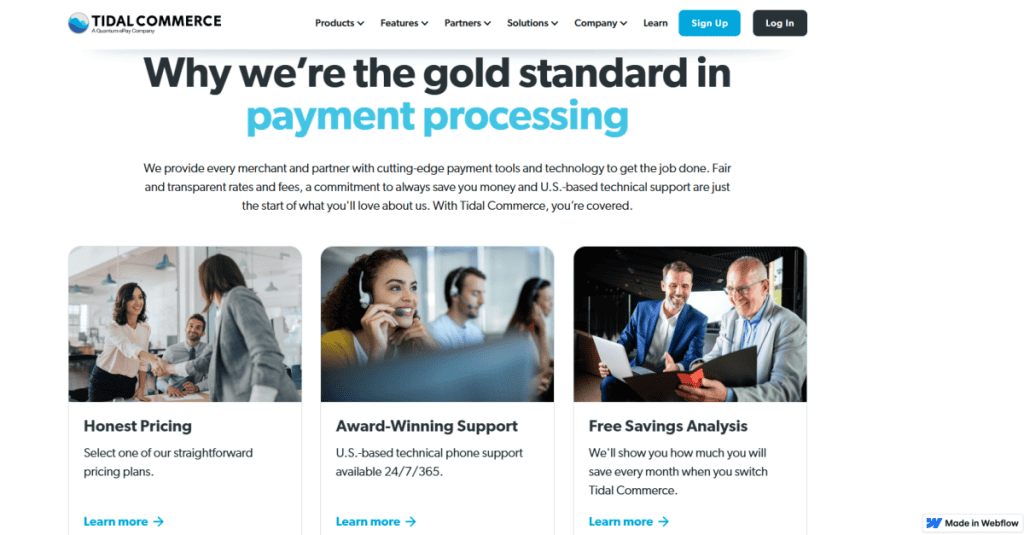
Tidal Commerce is a payment processing company that aims to provide secure and efficient merchant services for businesses of all sizes. The company positions itself as a transparent and customer-focused payment processor, offering a range of solutions, including credit card processing, point-of-sale systems, and e-commerce integrations. Lets read more about Tidal Commerce Merchant Review.

Tidal Commerce was founded with the goal of simplifying payment processing while maintaining high security and transparency. Although the exact founding year is not widely publicized, the company has established itself as a reputable player in the merchant services industry. Over the years, it has evolved by expanding its service offerings, integrating advanced technology, and prioritizing customer service.

The goal of Tidal Commerce is to offer simple, affordable payment options while guaranteeing that merchants are fully informed about costs and terms of contracts. The company wants to help businesses increase their profitability by getting rid of hidden costs and needless markups. Providing safe, dependable, and creative payment processing solutions that can grow with businesses is at the heart of its mission.

Tidal Commerce is committed to maintaining industry compliance and security standards. It follows PCI DSS guidelines to ensure safe transactions. Additionally, it holds accreditation from the Better Business Bureau and has received ratings that reflect its credibility and service quality. The company also meets industry-specific certifications related to secure payment processing, ensuring businesses remain compliant with evolving regulatory requirements.

Services Offered by Tidal Commerce Merchant Services | Tidal Commerce Merchant Review

Tidal Commerce provides a variety of payment solutions designed to cater to businesses of all sizes. The company focuses on secure, efficient, and transparent payment processing while offering flexible integration options.

Payment Processing Solutions

It supports credit and debit card processing, enabling businesses to accept payments from all major card networks, including Visa, Mastercard, American Express, and Discover. The company offers both in-store and online processing, making it suitable for brick-and-mortar businesses, e-commerce stores, and service-based merchants.

Online and mobile payment solutions are offered by Tidal Commerce to companies that need flexible or remote payment options. Merchants can use digital invoicing, virtual terminals, and mobile card readers to process payments. Businesses can use secure online portals or mobile devices to accept payments thanks to these features.

Point-of-Sale Systems

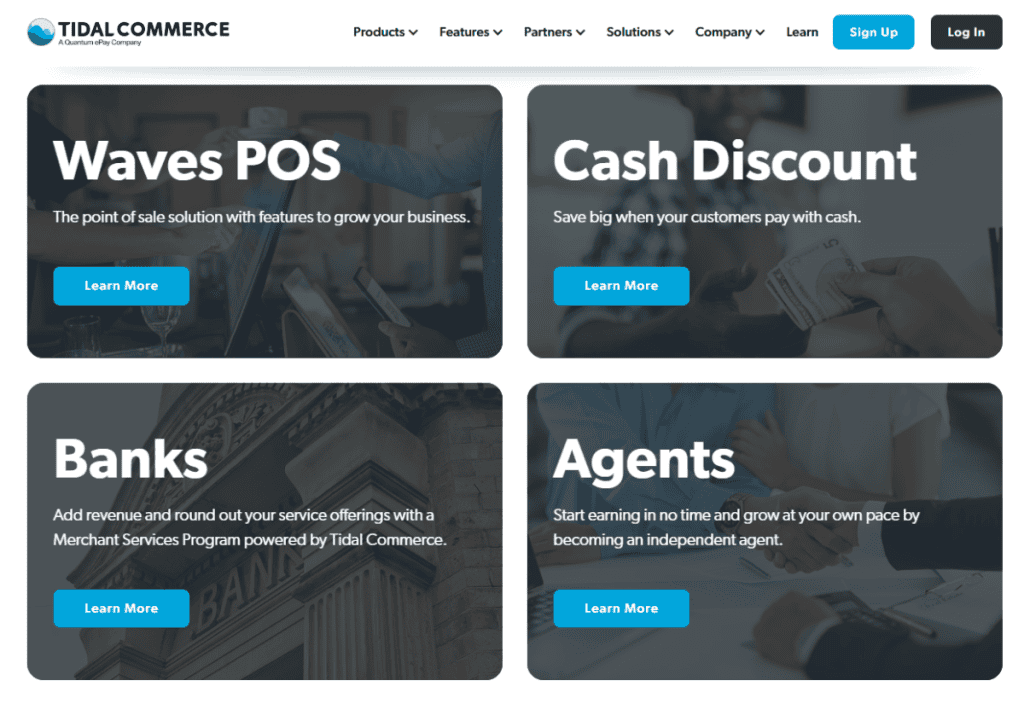
Tidal Commerce provides POS systems that are intended to increase business efficiency and streamline transactions. These systems have a number of features and capabilities, including CRM, sales reporting, and inventory management. Additionally, the POS systems are compatible with a wide range of business types, such as retail establishments, restaurants, and service providers, guaranteeing flexibility based on business requirements.

E-commerce Integration

For online businesses, Tidal Commerce provides shopping cart compatibility, allowing seamless integration with platforms like Shopify, WooCommerce, and Magento. Additionally, the company offers API offerings for businesses that require customized payment gateway solutions. This flexibility enables businesses to build tailored payment experiences while ensuring security and compliance.

Tidal Commerce Merchant Review

Pricing and Fees of Tidal Commerce Merchant Services

Tidal Commerce markets itself as a provider of transparent pricing with no hidden fees or complex contracts. However, like most payment processors, the total cost for merchants depends on factors such as transaction volume, business type, and specific services required.

Transparent Pricing Structure

It follows an interchange-plus pricing model, which means merchants pay the actual interchange fee set by card networks (Visa, Mastercard, etc.) plus a markup determined by Tidal Commerce. This pricing structure is generally preferred over flat-rate pricing, as it can be more cost-effective for businesses with high transaction volumes.

The company charges monthly and annual fees, but the exact amounts depend on the type of plan a merchant chooses. Some businesses may need to pay for additional features such as advanced reporting, PCI compliance, or chargeback protection.

Hidden Charges

Tidal Commerce emphasizes its lack of hidden fees, claiming that all costs are disclosed upfront. While most reviews suggest that the company maintains a transparent fee structure, merchants should carefully review their agreements to identify any undisclosed charges, such as fees for chargebacks, non-compliance, or additional services.

Contract Terms

Tidal Commerce’s flexible contract terms are one of its benefits. It provides month-to-month contracts without any obligatory long-term commitments, in contrast to certain processors that demand such commitments. Businesses can terminate their service without incurring penalties because there are no ETFs. Because of this, Tidal Commerce is a viable choice for companies seeking contract flexibility.

Customer Support of Tidal Commerce Merchant Services

Tidal Commerce emphasizes customer service as one of its key differentiators, aiming to provide responsive and knowledgeable support to businesses using its payment processing solutions. The company’s approach to customer service includes multiple communication channels and a focus on transparency.

Availability and Accessibility

It offers 24/7 customer support, ensuring that merchants can receive assistance at any time, including weekends and holidays. This around-the-clock availability is particularly beneficial for businesses that operate outside of standard business hours, such as restaurants, e-commerce stores, and service-based industries.

In terms of response times, Tidal Commerce generally receives positive feedback, with many customers reporting quick resolutions to issues. However, as with any service provider, experiences may vary depending on the complexity of the problem and peak hours of support requests.

Support Channels

It provides multiple ways for merchants to reach out for help, including phone, email, and live chat support. Phone support is ideal for urgent issues, while email and chat options offer convenience for less time-sensitive inquiries. The availability of live chat is an advantage, as it allows businesses to receive real-time assistance without waiting on hold.

Customer Feedback

In general, users have given Tidal Commerce’s support services positive reviews, and many merchants have expressed gratitude for the helpful and kind support staff. Some users have, however, complained about sporadic delays or trouble getting through to a representative during busy times. Overall, the business seems dedicated to offering dependable and easily reachable customer service.

Security and Compliance of Tidal Commerce Merchant Services

Security is a critical factor in payment processing, and Tidal Commerce prioritizes compliance with industry standards to ensure secure transactions. The company implements various measures to protect businesses and customers from fraud and data breaches.

PCI Compliance

Tidal Commerce is PCI DSS compliant, meaning it follows strict guidelines to protect cardholder data. This compliance ensures that merchants using Tidal Commerce meet the necessary security requirements, reducing the risk of data breaches and potential penalties for non-compliance.

Fraud Prevention Measures

It offers a number of fraud prevention tools and procedures to protect transactions. These include CVV checks, AVS, and real-time transaction monitoring to identify suspicious activity. Additionally, companies can minimize industry-specific risks by implementing customizable fraud filters.

The company also offers chargeback management tools, helping merchants dispute illegitimate chargebacks effectively. By providing insights into chargeback trends, Tidal Commerce allows businesses to take proactive measures to prevent disputes before they escalate.

Data Encryption

Tidal Commerce employs end-to-end encryption and tokenization to protect sensitive payment information. With encryption, card details are securely transmitted and stored, reducing the likelihood of unauthorized access. Tokenization replaces actual card numbers with unique tokens, ensuring that even if data is compromised, it remains useless to cybercriminals.

Overall, It integrates industry-leading security measures to protect transactions, making it a reliable choice for businesses that prioritize data security and compliance. However, merchants should still implement additional security best practices to enhance their protection.

Tidal Commerce Merchant Review

Technology and Integrations of Tidal Commerce Merchant Services

Tidal Commerce offers a range of technological solutions that cater to businesses looking for seamless payment processing integration. The company’s focus on software compatibility, developer tools, and hardware flexibility makes it a viable option for businesses that require tailored payment solutions.

Software Compatibility

Tidal Commerce integrates with various accounting and CRM systems, allowing businesses to streamline their financial and customer data. The compatibility with platforms like QuickBooks, Salesforce, and other business management tools helps merchants manage their sales, reporting, and customer insights more efficiently. This level of integration reduces manual work, minimizes errors, and improves overall business operations.

Developer Resources

Tidal Commerce offers API access and documentation for companies in need of specialized payment solutions. Through the company’s API, developers can incorporate payment processing into unique digital platforms such as mobile apps and websites. The availability of resources that are clear and well-documented guarantees that companies can apply payment solutions in accordance with their particular needs without facing significant technical difficulties.

Hardware Offerings

Tidal Commerce supports both proprietary and third-party hardware solutions, providing flexibility for businesses that already have existing payment terminals. Merchants can choose from a variety of POS systems, mobile card readers, and countertop terminals, ensuring that their payment setup aligns with their specific needs. This compatibility allows businesses to scale without being locked into expensive proprietary hardware.

Overall, Tidal Commerce offers a robust suite of integrations and technology-driven solutions that enhance payment processing efficiency. However, businesses should verify compatibility with their existing systems before implementation.

Reputation and Reviews of Tidal Commerce Merchant Services

Tidal Commerce has established a notable presence in the payment processing industry, earning recognition for its customer service and transparent practices.​

Customer Testimonials

Customers have said that Tidal Commerce’s services are satisfactory. One Yelp reviewer wrote, for example, “I would highly recommend Tidal Commerce! My employer recently switched to Tidal for our processing, and we are really happy about it. Positive experiences are also highlighted in testimonials on the official Tidal Commerce website. According to Pivot 10 Results President and CEO Gina Trimarco, “They saved us a lot of money for both our companies and their customer service rocks.” The Chicagoland Chamber of Commerce’s Senior Director of Accounting, Jill Synoga, also praised their customer service for being helpful and attentive.​

While these testimonials appear genuine, it’s important to approach them with a discerning eye, as businesses often showcase favorable reviews. Prospective clients should seek out additional feedback from various sources to form a well-rounded perspective.​

Third-Party Reviews

Tidal Commerce holds an A+ rating from the BBB, reflecting its commitment to resolving customer complaints and maintaining trustworthiness. However, some platforms, like Serchen, indicate a lack of user reviews, suggesting limited feedback on certain review sites.​

Overall, Tidal Commerce maintains a positive reputation, particularly regarding customer service and transparent pricing. Prospective clients are encouraged to consult multiple sources and consider their specific business needs when evaluating Tidal Commerce’s services.

Partnerships and Affiliations of Tidal Commerce Merchant Services

Tidal Commerce has strategically developed partnerships and affiliations to enhance its service offerings and strengthen its position in the payment processing industry.

Industry Partnerships

Tidal Commerce collaborates with various service providers to deliver comprehensive payment solutions. Notably, the company has established partnerships with banks, credit unions, associations, ISOs, referral partners, and ISVs. These collaborations enable Tidal Commerce to offer tailored merchant services, integrating seamlessly with existing financial and technological infrastructures.

Additionally, It is recognized as a Shopify Plus Partner, reflecting its expertise in headless and composable commerce technologies. This partnership allows the company to provide advanced e-commerce solutions to businesses seeking scalable and customizable platforms.

Memberships

Tidal Commerce actively engages with industry groups and associations to stay abreast of industry trends and best practices. The company collaborates with associations to offer exclusive discounted processing rates and other benefits to their members, thereby enhancing the value proposition for both the associations and their constituents.

Clientele

Retail, restaurants, hotels and hospitality, and nonprofits are just a few of the industries that Tidal Commerce serves. Merchants looking for mobile and tablet-based terminals, point-of-sale systems, and customized payment processing solutions are served by the company’s modular payment platform. Notable customers include companies like Framar and October’s Very Own, demonstrating Tidal Commerce’s ability to manage complex e-commerce requirements.

Pros and Cons of Tidal Commerce Merchant Services

Like any payment processor, It has strengths and weaknesses that businesses should consider before signing up. While the company offers competitive pricing and a wide range of services, some areas may require improvement based on customer feedback.

Advantages

One of Tidal Commerce’s biggest advantages is its competitive pricing. The company uses an interchange-plus pricing model, which is often more transparent and cost-effective than flat-rate pricing. Additionally, merchants benefit from no early termination fees, making it a flexible option for businesses that want to avoid long-term commitments.

Its comprehensive service offerings are an additional significant advantage. It facilitates e-commerce integrations, point-of-sale systems, mobile payments, and credit and debit card processing. Businesses that require specialized payment solutions can also access the company’s APIs, PCI compliance assistance, and fraud prevention tools. It is a flexible payment processor that can be used by clients of all sizes.

Disadvantages

While Tidal Commerce offers many advantages, there are some potential areas of improvement. Some customers have reported occasional delays in customer service response times, particularly during peak hours. Although the company offers 24/7 support, not all users have experienced quick resolutions to their issues.

Another concern among some users is the lack of detailed pricing information upfront. While the company emphasizes transparency, merchants may need to request a quote to get precise pricing, which can be inconvenient for those comparing providers.

Tidal Commerce Merchant Review

Conclusion

Strong security features, a variety of payment options, and competitive pricing are all provided by Tidal Commerce. However, some users complain about limited upfront pricing information and sporadic delays in customer service. It works best for companies looking for flexible, transparent payment processing. Before committing to the service, merchants should assess their unique requirements.

Frequently Asked Questions

  1. What industries does Tidal Commerce serve?

Tidal Commerce caters to a variety of industries, including retail, hospitality, healthcare, professional services, and e-commerce. Its payment solutions are designed for businesses of all sizes, from small startups to large enterprises.

  1. How does Tidal Commerce handle chargebacks and disputes?

Tidal Commerce provides merchants with chargeback management tools, real-time transaction monitoring, and fraud prevention measures. Businesses receive guidance on responding to disputes and can track chargebacks through the merchant portal.

  1. Are there any long-term contracts or cancellation fees?

Tidal Commerce offers month-to-month contracts with no early termination fees, providing flexibility for businesses that want to avoid long-term commitments.

CDG Commerce Review

CDG Commerce Review

Choosing the right payment processor is a critical decision for businesses of all sizes. CDG Commerce is a well-established provider in the merchant services industry, offering a range of solutions tailored to different business needs. Known for its transparent pricing, security features, and customer-centric approach, CDG Commerce appeals to businesses looking for reliable and cost-effective payment processing. In this review, we will explore its offerings, target audience, strengths, and potential drawbacks to provide an unbiased perspective. Lets read more about CDG Commerce Review.

CDG Commerce was established in 1998 and has been a major force in the payment processing sector for more than 20 years. The business offers POS systems, payment gateways, credit card processing, and fraud prevention resources. It is renowned for having a clear pricing structure free of exorbitant fees and long-term contracts, in contrast to many traditional merchant service providers. It is a flexible option for companies with a range of payment requirements because its services support both online and in-person transactions. Furthermore, CDG Commerce places a strong emphasis on security, providing tools like chargeback management, PCI protection, and EMV compliance to assist companies in reducing risks.

CDG Commerce serves a broad spectrum of industries, including retail, e-commerce, hospitality, and professional services. Small to medium-sized businesses (SMBs) benefit from its cost-effective pricing, while high-risk merchants may also find tailored solutions to meet their needs. With a focus on user-friendly technology and strong customer support, CDG Commerce appeals to startups, growing businesses, and established enterprises looking for a dependable payment processing partner.

Company Overview | CDG Commerce Review

CDG Commerce is a long-standing payment processing company that has been serving businesses since 1998. Over the years, it has built a reputation for providing transparent pricing, flexible solutions, and strong security features. Unlike many traditional merchant service providers, CDG Commerce takes a customer-centric approach, focusing on affordable and straightforward payment processing. The company offers a wide range of services, including credit card processing, point-of-sale solutions, payment gateways, and fraud prevention tools.

Founding and History

CDG Commerce was founded in 1998 with the goal of simplifying payment processing for businesses of all sizes. The company started as a small, independent merchant services provider and gradually expanded its offerings to include modern payment technology and security features. With more than two decades in the industry, CDG Commerce has adapted to changing market trends, incorporating advanced payment solutions while maintaining a commitment to transparent pricing and reliable service.

Mission and Core Values

The company’s goal is to give companies affordable, safe, and easily accessible payment processing solutions. In its strategy, CDG Commerce prioritizes integrity, openness, and customer service. In contrast to many of its rivals, it stays away from long-term agreements, unstated costs, and intricate pricing schemes in favor of giving its customers value and confidence.

Market Position and Customer Base

CDG Commerce primarily serves small to medium-sized businesses across various industries, including retail, e-commerce, hospitality, and professional services. While it may not be as widely recognized as some larger payment processors, it maintains a strong market presence due to its customer-friendly pricing and security-focused solutions.

CDG Commerce Review

Products and Services

CDG Commerce offers a comprehensive range of payment processing solutions designed to meet the needs of businesses operating in various industries. Its services cater to in-person, online, and mobile transactions, making it a flexible option for merchants looking for an all-in-one payment processor.

Payment Processing Solutions (In-Person, Online, Mobile)

For companies that operate in e-commerce, mobile, and physical retail settings, CDG Commerce offers dependable and secure credit and debit card processing. To ensure smooth cross-platform transactions, merchants can take payments through mobile devices, online shopping carts, or conventional terminals.

E-Commerce Integration

For online businesses, CDG Commerce integrates with major shopping carts and e-commerce platforms, enabling merchants to accept payments through a secure and user-friendly interface. The company supports various APIs and plug-ins, making it easy to connect with platforms like Shopify, WooCommerce, and Magento.

Mobile Payment Processing

CDG Commerce offers mobile payment solutions that allow businesses to process transactions using smartphones or tablets. This feature is particularly useful for service-based businesses, pop-up shops, and on-the-go merchants.

Point-of-Sale Systems

The company provides a selection of POS systems suitable for retail and hospitality businesses. These systems come with essential features such as inventory management, customer tracking, and real-time reporting.
Recurring Billing and Invoicing

CDG Commerce supports subscription-based businesses with automated recurring billing and invoicing tools, helping merchants streamline payment collection and improve cash flow.

Security and Fraud Prevention Features

Security is a major focus for CDG Commerce, with built-in fraud protection tools such as EMV compliance, PCI DSS certification, chargeback management, and encryption to safeguard transactions.

Payment Gateway Options

With the variety of payment gateway options that CDG Commerce provides, retailers can select the one that best suits their needs. These gateways offer dependable and safe transaction processing for payments made in person as well as online.

Pricing and Contract Terms

CDG Commerce stands out for its transparent pricing structure, offering multiple pricing models to accommodate different business needs. Unlike some payment processors that enforce complex fee structures or hidden costs, it provides clear, upfront pricing with no long-term commitments.

Flat-Rate Pricing

CDG Commerce provides flat-rate pricing, in which merchants pay a set percentage for each transaction, for companies seeking simplicity. Small businesses with low transaction volumes or those who would rather have fixed costs without having to worry about exchange rate fluctuations will benefit from this model.

Interchange-Plus Pricing

Merchants processing higher transaction volumes can opt for interchange-plus pricing, which provides more cost savings compared to flat-rate pricing. This model involves paying the actual interchange fee set by card networks plus a fixed markup. While slightly more complex, interchange-plus pricing is often more transparent and cost-effective for businesses with larger processing needs.

Subscription-Based Pricing

CDG Commerce also offers a subscription-based pricing model where merchants pay a fixed monthly fee in exchange for lower per-transaction rates. This option is particularly appealing to businesses with consistent transaction volumes, as it helps reduce overall processing costs.

No Long-Term Contracts and Early Termination Fees

One of CDG Commerce’s biggest advantages is its no long-term contract policy. Merchants can cancel their accounts at any time without facing early termination fees, offering greater flexibility and reduced financial risk.

Additional Fees

Even though CDG Commerce maintains a fairly simple pricing structure, companies should still account for extra expenses like monthly service fees, chargeback fees, and optional security and advanced feature add-ons. Despite these possible expenses, many businesses find CDG Commerce to be a competitive choice because it doesn’t have long-term contracts or hidden fees.

CDG Commerce Review

Equipment and Technology

CDG Commerce offers a variety of payment processing equipment and technology solutions designed to support businesses across different industries. From traditional countertop terminals to mobile card readers and fully integrated POS systems, the company provides flexible options to accommodate both in-store and on-the-go payment needs.

Terminal Placement Program (Free Terminals, Fees Involved)

The free terminal placement program offered by CDG Commerce, which enables businesses to use a credit card terminal without paying anything up front, is one of its most notable features. For small businesses that wish to avoid investing in pricey hardware, this can be a compelling alternative. Despite the fact that the terminal is free, merchants who choose to discontinue their service are required to return it. They might incur a non-return fee if they are not returned. Furthermore, some merchants may still be charged for terminal upgrades or add-ons even though CDG Commerce does not enforce long-term contracts.

Mobile Card Readers

For businesses that require mobility, CDG Commerce provides mobile card readers that can be connected to smartphones and tablets. These devices enable merchants to accept chip, swipe, and contactless payments on the go, making them ideal for food trucks, trade shows, or service providers operating in the field.

POS System Integrations and Capabilities

CDG Commerce supports point-of-sale system integrations, allowing merchants to connect with popular third-party POS solutions. The company offers both proprietary and third-party POS compatibility, ensuring seamless transaction processing, inventory management, and customer tracking. These integrations help businesses streamline operations while maintaining security and efficiency in payment processing.

Customer Support and User Experience

CDG Commerce places a strong emphasis on customer support and user experience, offering multiple support channels and a reputation for responsive service. With 24/7 customer support, businesses can reach out for assistance at any time, which is particularly valuable for merchants operating outside standard business hours.

24/7 Customer Support Availability

One of CDG Commerce’s key advantages is its round-the-clock support. Unlike some providers that limit their service hours, CDG Commerce ensures that merchants can access help whenever they need it. This is especially useful for businesses that operate in different time zones or handle transactions late at night and on weekends.

Support Channels (Phone, Email, Live Chat)

Live chat, email, and phone are just a few of the support channels that CDG Commerce offers. Because it enables merchants to speak with a representative directly, phone support is frequently the recommended option for urgent issues. Live chat is a practical way to receive prompt answers without calling, and email support is available for non-urgent questions. The fact that these choices are available guarantees that companies can select the support method that best meets their requirements.

User Feedback and Common Experiences

Customer reviews of CDG Commerce’s support are generally positive, with many users praising the company’s responsive and knowledgeable representatives. However, like any service provider, there are occasional complaints regarding long wait times or difficulty resolving complex issues. Overall, most merchants find CDG Commerce’s customer support to be reliable and helpful, contributing to a positive user experience.

Security and Compliance

CDG Commerce places a strong emphasis on security and compliance, ensuring that merchants and their customers are protected from fraud and data breaches. The company provides industry-standard security measures, including PCI DSS compliance, encryption, tokenization, and chargeback management tools, to help businesses safeguard sensitive payment data and reduce financial risks.

PCI DSS Compliance

As a provider that complies with PCI DSS, CDG Commerce makes sure that all retailers follow the security guidelines when managing cardholder information. PCI compliance lowers the risk of fraud, helps prevent data breaches, and shields companies from possible fines or penalties. To help retailers stay in compliance with PCI, CDG Commerce offers resources and advice.

Encryption and Tokenization

To enhance payment security, CDG Commerce uses encryption and tokenization technologies to protect customer data during transactions. Encryption secures card details at the point of sale, while tokenization replaces sensitive data with unique tokens, preventing unauthorized access to payment information. These security measures reduce the likelihood of data breaches and ensure a safer payment environment.

Chargeback Management Tools

Chargebacks can be a major challenge for businesses, leading to financial losses and account suspensions. CDG Commerce provides chargeback management tools to help merchants monitor, prevent, and respond to disputes effectively. By offering early detection, alerts, and fraud prevention tools, CDG Commerce enables businesses to minimize chargeback risks and maintain a healthy merchant account.

Pros and Cons

CDG Commerce offers several advantages that make it a competitive payment processing provider, but it also has some limitations that businesses should consider. Below is a balanced look at its strengths and areas for improvement.

Strengths of CDG Commerce

Transparent Pricing Options – CDG Commerce provides multiple pricing models, including flat-rate, interchange-plus, and subscription-based pricing, allowing businesses to choose what works best for them.

No Long-Term Contracts – Merchants can cancel their service at any time without facing early termination fees, offering flexibility and reduced financial risk.

Free Terminal Placement Program – Businesses can receive a free credit card terminal, which reduces upfront costs, though the terminal must be returned upon cancellation.

24/7 Customer Support – Round-the-clock availability via phone, email, and live chat ensures merchants can get assistance whenever needed.

Strong Security Features – PCI DSS compliance, encryption, tokenization, and chargeback management tools help protect businesses from fraud and data breaches.

E-commerce and POS Integrations – CDG Commerce supports popular e-commerce platforms and POS systems, making it a versatile solution for online and brick-and-mortar businesses.
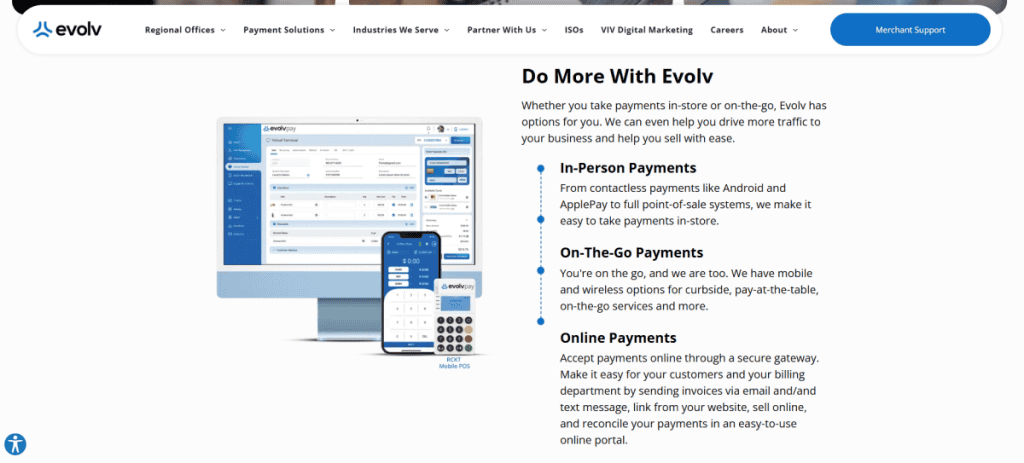
Areas for Improvement

Limited Global Processing – CDG Commerce primarily serves U.S.-based merchants, limiting options for international businesses.

Free Terminal Restrictions – While terminals are offered for free, merchants must return them upon cancellation or face potential fees.

Additional Fees – Some merchants may encounter monthly service fees, chargeback fees, and optional add-on costs that can increase overall expenses.

User Experience Variability – While customer support is generally well-rated, some users report occasional long wait times or difficulties resolving specific issues.

Overall, CDG Commerce is a strong option for small to medium-sized businesses looking for flexible, secure, and cost-effective payment processing, but potential users should carefully evaluate fees and limitations before committing.

CDG Commerce Review

Final Verdict

With its clear pricing, no long-term commitments, robust security features, and round-the-clock support, CDG Commerce is a good option for small and medium-sized enterprises, e-commerce merchants, and service providers. Although its flexibility and security are excellent, companies should consider the possible costs. Overall, a trustworthy payment processor with options that are competitive.

FAQs

Does CDG Commerce support international payments?

CDG Commerce primarily serves U.S.-based businesses and does not specialize in international payment processing. Merchants operating globally may need to seek alternative providers that support multi-currency and cross-border transactions.

What are the costs associated with CDG Commerce’s services?

CDG Commerce offers flat-rate, interchange-plus, and subscription-based pricing. While there are no long-term contracts or early termination fees, merchants may incur monthly service fees, chargeback fees, and optional security add-on costs.

How does CDG Commerce compare to other payment processors?

CDG Commerce stands out for transparent pricing, free terminals, and strong security features, but it lacks global payment support and has limited hardware flexibility compared to larger providers like Square or Stripe.

KeyBank Merchant Services Review

KeyBank Merchant Services Review

KeyBank Merchant Services is a payment processing service provided by KeyBank, which is among the largest financial entities in the United States. The service aims to assist businesses in accepting different payment methods, such as credit and debit cards, mobile payments, and ACH transactions. In collaboration with Fiserv, a prominent payment technology provider, KeyBank intends to provide a smooth and secure payment processing experience for enterprises in various sectors. Their offerings include POS systems and online payment processing, equipped with features designed for both small businesses and larger companies. Lets read more about KeyBank Merchant Services Review.

In today’s competitive marketplace, efficient payment processing is critical for business success. Customers expect fast, secure, and convenient payment options, whether they are shopping in-store or online. A reliable merchant services provider ensures smooth transactions, reduces fraud risk, and enhances customer satisfaction. Additionally, businesses require flexible payment solutions that integrate with their existing operations, whether through POS systems, mobile payment terminals, or e-commerce platforms.

KeyBank Merchant Services positions itself as a comprehensive payment processing partner by offering a mix of traditional and modern solutions. However, as with any merchant services provider, it is essential to assess factors such as pricing, contract terms, customer support, and security features before making a decision. This review will explore KeyBank Merchant Services in detail, providing an unbiased assessment of its features, costs, benefits, and potential drawbacks to help businesses determine whether it is the right fit for their payment processing needs.

Overview of Services | KeyBank Merchant Services Review

KMS provides various payment processing solutions aimed at assisting businesses in managing transactions effectively and securely. Their offerings serve multiple sectors, delivering resources that facilitate in-person, online, and mobile transactions. In collaboration with Fiserv, KMS incorporates cutting-edge payment technology to address the changing demands of contemporary businesses. 
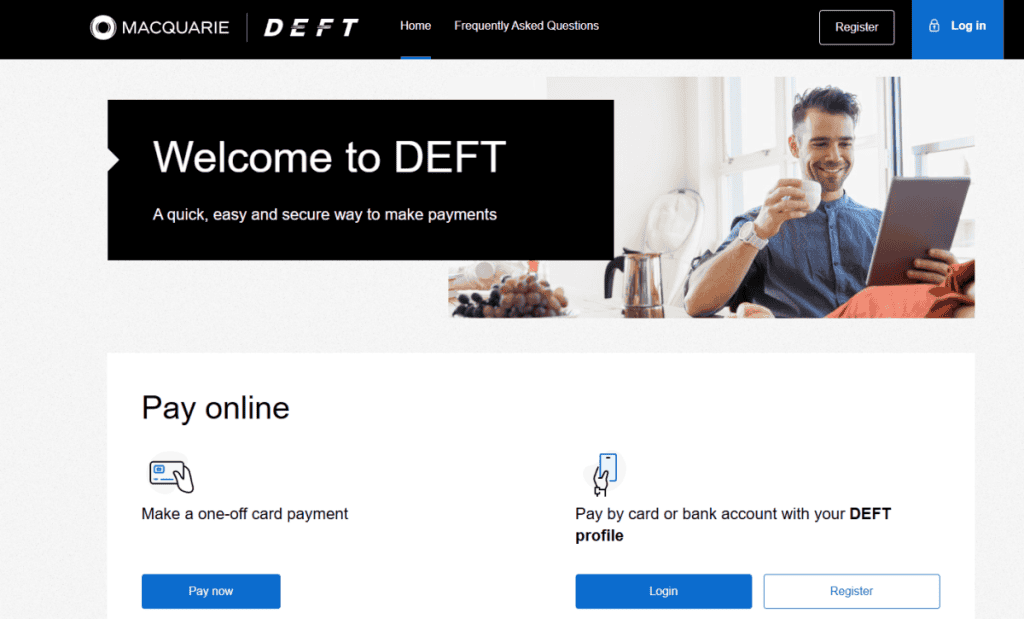
Payment Processing Solutions

KMS enables businesses to accept a variety of payment methods, including credit and debit cards, contactless payments, and ACH transactions. Their payment processing solutions are designed to work with different types of businesses, from brick-and-mortar retail stores to e-commerce platforms. The service supports EMV chip transactions, mobile wallets like Apple Pay and Google Pay, and traditional magnetic stripe card payments.

Integrated Payment Solutions

To improve operational efficiency, KMS offers integrated payment solutions that connect with existing business software and systems. These integrations allow businesses to streamline payment acceptance, automate invoicing, and manage sales data seamlessly. Whether through POS terminals, online checkout solutions, or mobile payment options, KeyBank provides businesses with tools to simplify transaction management.

Industry-Specific Solutions

KMS tailors its payment processing services for different industries, including retail, healthcare, professional services, and restaurants. Their industry-specific solutions provide customized features, such as online appointment payments for healthcare providers or digital invoicing for service-based businesses.
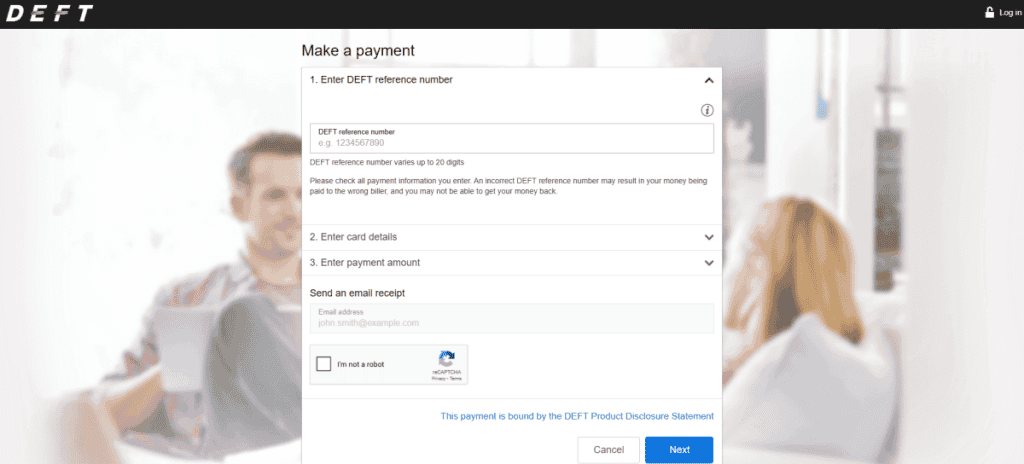
Risk Mitigation and Compliance Support

Security is a critical concern in payment processing, and KMS helps businesses maintain PCI-DSS compliance to protect sensitive customer data. The service also offers fraud prevention tools, chargeback management support, and encryption technologies to minimize the risk of payment fraud and data breaches.

KeyBank Merchant Services Review

Pricing Structure

Understanding the pricing structure of KMS is crucial for businesses looking to optimize their payment processing costs. Like most merchant service providers, KMS charges transaction fees, monthly service fees, and additional costs for equipment, security, and chargebacks.

Transaction Fees

KMS applies transaction fees depending on the payment method used. For card-present transactions (swiped, dipped, or tapped), businesses generally face lower rates compared to card-not-present transactions (like online or manually entered payments). The standard fees comprise a percentage of the transaction sum along with a set fee for each transaction. Nonetheless, these rates may fluctuate based on the type of business, the level of industry risk, and the volume of processing. 

Monthly Fees

Most businesses using KMS are subject to a monthly service fee, which covers access to its payment processing platform and basic account maintenance. This fee may include PCI compliance support and account reporting tools. While the exact cost depends on the specific plan and services chosen, businesses should verify whether additional features like premium customer support or advanced fraud protection incur extra charges.

Additional Costs

Beyond standard processing and monthly fees, businesses may face additional costs for equipment rentals or purchases, chargeback fees, and security features. KMS provides POS systems, including Clover® terminals, which may require upfront investment or ongoing leasing costs. Chargeback fees apply when a customer disputes a transaction, and businesses may also need to pay for enhanced fraud prevention tools or PCI compliance services. Understanding these costs is essential for making an informed decision about using KeyBank Merchant Services.

Point-of-Sale Solutions

KMS provides various Clover® POS solutions designed for businesses across multiple sizes and sectors. These systems offer adaptability, safe payment processing, and extra business management functionalities. Regardless of whether a business runs a retail shop, eatery, or service-oriented firm, KMS offers a Clover®-powered solution aimed at simplifying transactions. 

Clover® Go (Portable Payments)

Clover® Go is a lightweight, mobile payment solution ideal for businesses that need to accept payments on the go. It connects via Bluetooth to smartphones or tablets and supports chip, swipe, and contactless transactions, including Apple Pay and Google Pay. This option is well-suited for businesses that frequently attend events, pop-up shops, or provide mobile services.

Clover® Flex (Versatile Mobile POS)

Clover® Flex is a handheld POS device that allows businesses to accept payments anywhere within their store or at off-site locations. It features a built-in receipt printer, barcode scanner, and touchscreen display, making it a great all-in-one solution for businesses that require mobility without compromising on full POS functionality.

Clover® Mini (Compact Countertop POS)

Clover® Mini is a small but powerful countertop POS system designed for businesses with limited space but high transaction needs. It offers tap, swipe, and chip payments, supports loyalty programs and inventory tracking, and integrates with back-office tools to streamline operations.

Clover® Station Solo & Duo (Full-Featured POS for High-Volume Businesses)

Clover® Station Solo and Duo are advanced, high-performance POS systems designed for businesses with a high transaction volume. The Solo version is a single-screen setup, while the Duo includes a customer-facing display for an enhanced checkout experience. Both options offer employee management, inventory control, and robust reporting tools to optimize business efficiency.

Industry-Specific Solutions

KMS provides industry-specific payment solutions tailored to meet the unique needs of businesses across various sectors. These customized solutions ensure seamless transactions, improve customer experience, and enhance operational efficiency.

Retail Payment Solutions

KMS provides extensive payment processing services for retail businesses, enabling them to accept credit cards, debit cards, mobile payments, and contactless transactions. Using integrated POS systems such as Clover®, retailers can oversee inventory, monitor sales, and simplify checkout procedures. Moreover, aspects like loyalty schemes and gift card alternatives assist companies in maintaining customers and promoting repeat purchases. 

Healthcare Payment Integration

For medical practices, KMS provides secure payment solutions that integrate with electronic medical records and practice management systems. This allows healthcare providers to accept co-pays, process insurance payments, and set up recurring billing for patient accounts. The system ensures HIPAA-compliant transactions and offers online payment portals for convenient patient payments, reducing administrative burdens for medical offices.

Professional Services Billing

Businesses in the legal, accounting, and consulting fields can benefit from KMS’s digital invoicing and recurring billing options. These solutions enable professionals to send secure online invoices, accept electronic payments, and automate billing cycles. With features like automated reminders and detailed reporting, businesses can efficiently manage cash flow while providing clients with convenient payment options.

Restaurant Payment Systems

KMS’s restaurant-focused payment solutions support tableside ordering, online reservations, and mobile payment acceptance. Clover® POS systems integrate with menu management tools, delivery platforms, and tip processing, allowing restaurants to streamline operations. Features such as split payments, tab management, and digital receipts enhance customer satisfaction while improving efficiency in fast-paced dining environments.

Customer Support & Service

Reliable customer support is a critical aspect of any merchant services provider, as businesses require prompt assistance to resolve transaction issues, technical problems, and account-related concerns. KMS offers multiple support channels, including phone, email, and online chat, to assist businesses with their payment processing needs.

Availability and Support Channels

KMS offers round-the-clock customer support, guaranteeing that businesses can get help whenever they face a problem. Their committed support staff can be reached through toll-free phone lines, email communication, and online chat options. Furthermore, companies can find self-assistance tools such as FAQs and troubleshooting manuals on KeyBank’s website. Merchant account representatives are accessible for businesses that need more tailored assistance with account setup, resolving disputes, or integrating systems. 

Customer Feedback on Support Quality

Customer experiences with KeyBank Merchant Services’ support vary. Some businesses praise the accessibility of 24/7 assistance, stating that issues are resolved efficiently and that representatives are knowledgeable about payment processing and technical support. However, negative feedback highlights occasional delays in response times and inconsistent service quality, particularly when dealing with complex issues such as chargeback disputes or POS system malfunctions. Some users have also reported difficulties navigating automated phone support before reaching a live representative.

While KMS offers a comprehensive range of support options, businesses considering this service should evaluate customer feedback on responsiveness and issue resolution. As with any merchant services provider, the quality of customer support can significantly impact a business’s payment processing experience.

KeyBank Merchant Services Review

User Feedback & Reviews

User feedback for KMS is mixed, with businesses highlighting both positive and negative aspects of their experience. As with most payment processors, opinions vary depending on factors such as customer service interactions, pricing, and ease of use.

Positive Experiences

Numerous companies value the simplicity and dependability of KMS’s payment processing solution. The Clover® POS systems are praised for their user-friendly interfaces, fast transaction processing, and capacity to connect with different business applications. Users also appreciate the variety of industry-specific functions, especially for retail, healthcare, and restaurant sectors. 

Several customers have remarked on the attentive customer support, particularly for general questions and account creation. The constant availability of support is advantageous for companies needing prompt solutions for transaction problems. Furthermore, the security protocols and compliance assistance offered by KMS are positively regarded, as they aid companies in upholding PCI-DSS compliance and safeguarding against fraud. 

Common Complaints

Despite its strengths, KMS has received criticism regarding pricing and contract terms. Some users report higher-than-expected processing fees, particularly for card-not-present transactions and additional service charges. Monthly fees and early termination fees have also been points of concern for businesses that were unaware of contract requirements.

Another common complaint involves service issues and response times. While some users report good experiences with support, others mention delays in resolving technical issues, difficulty disputing chargebacks, and challenges with contract cancellations. These concerns make it essential for businesses to carefully review pricing, contract terms, and customer service policies before committing to KMS.

Risk Mitigation & Compliance

Security and compliance are critical considerations for any business handling electronic payments. KMS provides a range of risk mitigation tools and compliance support to help businesses protect sensitive customer data and minimize financial risks. By offering PCI-DSS compliance assistance and fraud prevention solutions, KMS aims to enhance security and reduce the likelihood of data breaches or fraudulent transactions.

PCI-DSS Compliance Assistance

PCI-DSS comprises a series of security protocols aimed at safeguarding cardholder data. Companies that handle, store, or transmit credit card information must follow PCI standards to guarantee safe transactions. KMS assists merchants in attaining and sustaining PCI-DSS compliance by offering advice, self-evaluation resources, and security assistance. Adhering to regulations minimizes the chances of data breaches and possible fines for failing to comply. Nonetheless, certain businesses might face PCI non-compliance charges if they do not adhere to the necessary security standards, highlighting the importance for merchants to remain informed about compliance obligations. 

Fraud Prevention Tools and Security Measures

To help businesses prevent fraudulent transactions, KMS offers security features such as encryption, tokenization, and EMV chip technology. These tools safeguard payment data from unauthorized access and reduce exposure to fraud-related chargebacks. Additionally, real-time fraud monitoring and risk assessment solutions enable businesses to detect suspicious transactions before they lead to financial losses. While these security measures enhance protection, businesses should evaluate whether additional fraud prevention tools—such as AI-driven fraud detection or two-factor authentication—are necessary for their specific needs.

Conclusion

KeyBank Merchant Services provides various payment processing options, comprising POS systems, fraud deterrence tools, and tailored services for specific industries. Though it offers security and integration solutions, companies must thoroughly evaluate costs, contract conditions, and the dependability of customer support prior to making a commitment. Assessing requirements and weighing options is crucial for making an informed decision. 

KeyBank Merchant Services Review

FAQs

What types of payments can I process with KeyBank Merchant Services?

Credit and debit card payments, ACH transfers, e-commerce payments, and mobile wallet transactions (Apple Pay, Google Pay, and Samsung Pay) are all supported by KeyBank Merchant Services. Clover® POS systems allow businesses to accept contactless payments, EMV chip cards, and conventional swipe transactions.

Are there additional fees beyond transaction and monthly fees?

Yes, companies may have to pay for equipment, chargebacks, early termination fees, and PCI compliance expenses. Reviewing the contract specifics is crucial since enhanced security features, payment gateway services, and software integrations may incur additional costs.

How does KeyBank assist with PCI-DSS compliance?

KeyBank offers security monitoring, self-assessment tools, and guidance to help with PCI-DSS compliance. Merchants are given support in adhering to security guidelines to safeguard cardholder information, but failure to do so may incur further costs.

Evolv Merchant Services Review

Evolv Merchant Services Review

Evolv Merchant Services is a payment processing provider that offers a comprehensive suite of solutions tailored to businesses of all sizes. Originally known as Approval Payment Solutions, the company rebranded as Evolv in 2021 to reflect its commitment to innovation and growth in the financial technology sector. With a strong focus on security, efficiency, and customer support, Evolv provides a range of services, including credit and debit card processing, ACH payments, point-of-sale systems, and e-commerce payment solutions. Lets read more about Evolv Merchant Services Review.

A major strength of Evolv is its flexibility across different sectors, including retail, hospitality, healthcare, and e-commerce. The firm collaborates with prominent financial institutions, such as United Bankers Bank, Community First Bank, and Republic Bank, to improve its service offerings and ensure secure, dependable transactions for merchants. 

Beyond payment processing, Evolv offers value-added services such as gift card programs, QuickBooks integration, and digital marketing solutions to help businesses streamline operations and drive customer engagement. Its pricing model is designed to accommodate businesses at different growth stages, though the transparency of fees and contract terms is an important factor potential customers should evaluate.

Although Evolv establishes itself as a strong contender in the merchant services sector, customer experiences differ. Some commend its quick customer support and smooth integrations, while others have raised issues regarding contract conditions and concealed charges. In this review, we will assess Evolv Merchant Services from various perspectives, delivering an unbiased evaluation of its advantages, drawbacks, and overall worth for merchants in search of a dependable payment processing partner. 

Company Background: History and Evolution of Evolv | Evolv Merchant Services Review

Evolv Merchant Services has its roots in Approval Payment Solutions, a payment processing company that served businesses across various industries. Established to provide secure and efficient transaction solutions, APS gradually expanded its services, adapting to the evolving needs of merchants in an increasingly digital economy.

In 2021, the organization experienced a major change, renaming itself to Evolv Merchant Services. This transformation involved more than merely a new name—it symbolized a strategic move toward updating its services and establishing itself as an innovative payment solutions provider. The rebranding sought to showcase Evolv’s dedication to innovation, smooth payment experiences, and customer-focused solutions. 

Evolv aims to enable companies with dependable, transparent, and scalable payment processing options. The company aims to streamline payment acceptance while maintaining security, efficiency, and adherence to industry standards. Through collaborations with recognized financial organizations such as United Bankers Bank, Community First Bank, and Republic Bank, Evolv seeks to provide strong transaction functionalities customized for the specific requirements of merchants. 

At its core, Evolv values integrity, innovation, and customer success. The company emphasizes transparency in pricing, strong security measures, and dedicated customer support to build long-term relationships with merchants. However, like many payment processors, customer feedback on contract terms and fees varies, making it essential for businesses to carefully assess whether Evolv aligns with their specific needs.

As the payments landscape continues to evolve, Evolv Merchant Services seeks to stay ahead of industry trends, offering merchants flexible and future-proof payment solutions to navigate the ever-changing business environment.

Evolv Merchant Services Review

Service Offerings: What Evolv Merchant Services Provides

Evolv Merchant Services offers a comprehensive range of payment processing solutions designed to cater to businesses of all sizes and industries. One of its core services is credit and debit card processing, enabling merchants to accept payments securely through traditional card readers, mobile payment systems, and online transactions. Additionally, Evolv supports ACH and check processing, allowing businesses to process electronic bank transfers for recurring payments or large transactions. The company also extends its services to high-risk merchants, offering tailored solutions for businesses that may struggle to secure payment processing due to industry regulations or high chargeback rates.

For in-person transactions, Evolv provides POS systems with a variety of options, including in-store payment terminals, mobile and wireless solutions, and integration capabilities with existing business software. This flexibility ensures that businesses can choose a system that aligns with their operational needs, whether they require a simple countertop terminal or a more advanced mobile payment solution.

E-commerce businesses can benefit from Evolv’s online payment solutions, which include secure payment gateways, online invoicing, and seamless integration with major e-commerce platforms. These features help merchants streamline digital transactions while ensuring security and compliance with industry standards.

In addition to payment processing, Evolv offers value-added services like gift and loyalty card programs, integration with QuickBooks, and digital marketing solutions. These extra services assist businesses in not just overseeing transactions but also improving customer interaction and financial monitoring. 

Although Evolv provides a variety of services, companies ought to assess pricing models and contract conditions to confirm they meet their unique requirements prior to making a commitment. 

Partnerships and Collaborations: Strengthening Merchant Services

Evolv Merchant Services has established strategic partnerships with financial institutions and industry associations to enhance its service offerings and provide merchants with secure, efficient, and scalable payment solutions. These alliances help Evolv stay competitive in the fast-evolving payments industry while ensuring that its clients have access to reliable transaction processing, financial security, and compliance with banking regulations.

A significant partnership for Evolv is with United Bankers Bank, Community First Bank, and Republic Bank. These financial organizations are essential in enhancing Evolv’s payment processing framework, enabling companies to enjoy quicker transactions, enhanced fraud protection, and superior financial management. Through partnerships with established banks, Evolv can provide merchants a degree of trust and dependability that independent payment processors might find difficult to achieve. 

In addition to banking partnerships, Evolv collaborates with multiple industry organizations to broaden its presence and improve its merchant support services. These partnerships allow Evolv to provide customized financial solutions, lower processing fees, and access to unique banking tools that assist businesses in enhancing their payment operations. 

For merchants, these partnerships translate into greater financial stability, enhanced customer service, and a broader range of payment acceptance options. Businesses can take advantage of more secure transactions, improved reporting tools, and better integration with banking systems. However, like any financial service provider, it is essential for businesses to assess how these partnerships directly impact fees, service quality, and overall value before committing to Evolv Merchant Services.

Customer Support and Resources: Evaluating Evolv’s Merchant Assistance

Customer support is a crucial factor when choosing a payment processor, and Evolv Merchant Services offers 24/7 customer service to ensure businesses receive assistance whenever needed. This around-the-clock availability is particularly beneficial for merchants who operate outside regular business hours, as payment processing issues can lead to lost sales and frustrated customers. However, while Evolv advertises continuous support, some user reviews suggest response times and issue resolution efficiency can vary, making it important for businesses to evaluate real customer feedback before committing.

To assist clients in optimizing the utilization of its services, Evolv offers training programs aimed at educating merchants about its payment systems, POS solutions, and online processing tools. These training sessions can be especially beneficial for new companies or those moving from a different provider, facilitating a seamless transition and reducing interruptions to everyday activities. Nonetheless, the reach and availability of these programs vary based on the merchant’s individual plan and service contract. 

Furthermore, Evolv provides a variety of online resources and documentation, such as user manuals, FAQs, and troubleshooting guides. These resources assist merchants in swiftly addressing small problems without requiring direct assistance. Although having self-help tools is beneficial, certain companies might still opt for more tailored onboarding and account management assistance, which may not always be easily available. 

Overall, Evolv provides a solid foundation for customer assistance, but as with any service provider, the actual experience may vary based on specific needs and expectations. Businesses should assess how well Evolv’s support aligns with their operational requirements before making a decision.

Pricing and Contract Terms: Understanding the Cost of Evolv Merchant Services

Pricing is a key consideration when choosing a merchant services provider, and Evolv Merchant Services offers a range of pricing models designed to accommodate businesses of different sizes and industries. While the company does not publicly disclose standardized pricing on its website, it typically provides customized pricing plans based on a business’s transaction volume, industry, and specific processing needs. This flexibility can be beneficial for merchants looking for tailored solutions, but it also means potential clients need to request a quote to get a clear idea of costs.

A significant aspect to take into account is the duration of the contract and policies for termination. Certain merchant service providers necessitate long-term contracts with early termination fees, which may pose a disadvantage for companies seeking greater flexibility. Although Evolv’s contract conditions may not be completely transparent at the outset, companies must thoroughly examine their contract to be aware of any cancellation charges, auto-renewal terms, or required minimum monthly payments. 

Transparency in pricing is another critical aspect. Many payment processors include hidden fees such as statement fees, batch processing fees, PCI compliance charges, or non-qualified transaction fees. Evolv’s fee structure may include similar costs, so businesses should ensure they receive a detailed breakdown of all potential charges before signing a contract.

Evolv Merchant Services Review

Customer Feedback and Reviews: What Merchants Say About Evolv Merchant Services

Customer feedback plays a crucial role in evaluating any merchant services provider, and Evolv Merchant Services receives a mix of positive and negative reviews. Many businesses appreciate the company’s range of payment solutions, flexible integration options, and 24/7 customer support. Merchants who have had positive experiences often highlight Evolv’s ability to provide tailored payment processing solutions, seamless setup, and helpful customer service representatives. Some users also praise the company’s partnerships with reputable financial institutions, which add a layer of trust and security to its services.

Nonetheless, some merchants also express shared grievances and worries. A frequent problem pertains to concealed fees and contract conditions that might not always be completely transparent. Certain companies report unforeseen expenses, including early termination fees, monthly minimum charges, or compliance-related costs that were not explicitly stated initially. Negative reviews have also highlighted billing disputes and challenges in canceling accounts. Furthermore, although Evolv provides round-the-clock customer support, certain users report that response times can inconsistent, and complicated problems might require more time to fix. 

When it comes to company responsiveness to customer concerns, Evolv appears to address complaints but may not always provide quick resolutions, particularly in cases involving billing disputes or contract disagreements. While some businesses find their support team helpful, others feel that communication could be improved.

Pros and Cons: Evaluating Evolv Merchant Services

Similar to any payment processor, Evolv Merchant Services has its strengths as well as aspects that could be enhanced. Although it provides multiple solutions customized for various business requirements, there are also certain issues that prospective clients should think about prior to making a commitment. 

Strengths of Evolv Merchant Services

Comprehensive Payment Solutions – Evolv provides a wide range of services, including credit and debit card processing, ACH payments, high-risk merchant solutions, and e-commerce payment gateways. This versatility makes it suitable for various industries.

Flexible POS and Online Payment Options – The company offers in-store payment terminals, mobile and wireless solutions, and e-commerce integrations, giving businesses multiple ways to accept payments.

Strong Banking Partnerships – Evolv collaborates with United Bankers Bank, Community First Bank, and Republic Bank, ensuring secure transactions and access to additional financial services.

24/7 Customer Support – Around-the-clock customer service is a major plus, especially for businesses that operate outside standard business hours.

Value-Added Services – Features like QuickBooks integration, digital marketing support, and gift/loyalty card programs enhance business operations beyond payment processing.

Potential Areas for Improvement

Lack of Transparent Pricing – Evolv does not publicly list its pricing, requiring businesses to request a quote. Some users report hidden fees or unexpected costs.

Contract Terms and Fees – There have been complaints about early termination fees and unclear cancellation policies. Businesses should carefully review their contract before signing.

Inconsistent Customer Support Experience – While 24/7 support is available, some merchants report slow response times and unresolved billing disputes.

Billing and Compliance Issues – Some users have raised concerns over unexpected charges, PCI compliance fees, and monthly minimums.

Comparative Analysis: How Evolv Stacks Up Against Competitors

When evaluating Evolv Merchant Services against other merchant service providers, it holds its own in terms of comprehensive payment solutions and financial institution partnerships. Evolv offers standard features like credit/debit card processing, POS systems, e-commerce payment gateways, and ACH payments, which are comparable to those provided by major players such as Square, Stripe, Clover, and PayPal. However, Evolv differentiates itself with a more personalized approach tailored to businesses of different sizes and industries.

A distinctive feature of Evolv is its collaborations with financial entities such as United Bankers Bank, Community First Bank, and Republic Bank. These partnerships strengthen its security, dependability, and financial stability, which are areas where some rivals fall short. Moreover, Evolv provides high-risk merchant services, a capability that is not consistently offered by mainstream providers such as Stripe or PayPal, which often impose tighter regulations on high-risk enterprises. 

Nonetheless, Evolv falls short in pricing transparency when compared to rivals such as Square and PayPal, which provide straightforward, flat-rate pricing. With Evolv, companies need to seek a personalized quote, complicating the process of comparing prices initially. Furthermore, contract conditions, undisclosed charges, and early cancellation policies may place it at a disadvantage relative to suppliers that provide month-to-month agreements without cancellation fees. 

In terms of market positioning, Evolv is best suited for businesses seeking customized payment solutions and strong banking partnerships. However, companies prioritizing pricing clarity and contract flexibility may find alternatives like Square or Stripe more appealing.

Evolv Merchant Services Review

Conclusion

Evolv Merchant Services provides an extensive array of payment options, robust banking collaborations, and round-the-clock assistance. Nonetheless, pricing transparency and contract conditions continue to be issues. Companies looking for tailored payment processing might gain advantages, but those focusing on transparent pricing and flexible contracts should evaluate options before making a decision. A thorough review is advised. 

FAQs

What industries does Evolv Merchant Services cater to?

Evolv serves a wide range of industries, including retail, hospitality, healthcare, e-commerce, and high-risk businesses. Its solutions are designed to accommodate both brick-and-mortar and online merchants.
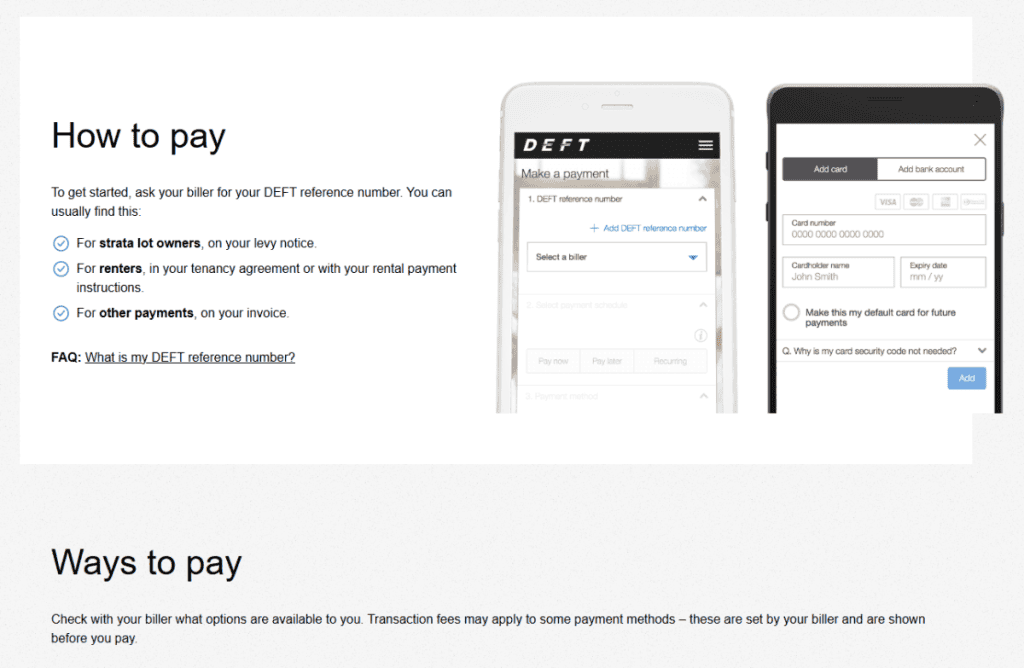
Are there any hidden fees associated with Evolv’s services?

Some customers report unexpected charges such as early termination fees, PCI compliance fees, and monthly minimums. It’s essential for businesses to carefully review their contract and request full pricing details before signing.

How does Evolv ensure the security of transactions?

Evolv uses encryption, fraud prevention tools, and PCI compliance measures to protect merchant and customer data. Its banking partnerships also enhance transaction security.

Deft Payment Systems Review

Deft Payment Systems Review

Deft Payment Systems is a merchant services provider offering payment processing solutions for businesses across various industries. The company provides a range of services, including credit and debit card processing, e-check and ACH payments, mobile transactions, and integrated payment gateways. By catering to both traditional and high-risk merchants, Deft Payment Systems positions itself as a versatile payment processing partner for businesses with unique needs. Lets read more about Deft Payment Systems Review.

A key characteristic of Deft Payment Systems is its focus on customized solutions. In contrast to standard payment processors, Deft provides specialized payment solutions tailored to specific industries, featuring exclusive kiosks, payroll services, and gift card offerings. This makes it a compelling choice for companies seeking more than merely conventional credit card processing. 

The company also prioritizes security and compliance. Deft Payment Systems guarantees secure transaction processing for merchants and their customers through strong encryption standards, PCI compliance, and fraud detection methods. The company’s method for managing risk is especially helpful for high-risk vendors, who frequently have difficulty locating trustworthy and cost-effective payment processing options. 

In addition to its technical capabilities, Deft Payment Systems provides customer support via multiple channels, offering assistance with setup, integration, and troubleshooting. While the company presents a compelling suite of features, it’s essential to analyze its pricing, contract terms, user experience, and customer reviews to determine whether it truly delivers on its promises. This review will provide a comprehensive, unbiased assessment of Deft Payment Systems to help businesses make an informed decision.

Company Background | Deft Payment Systems Review

Founding and History

Deft Payment Systems was established with the goal of providing businesses with reliable and secure payment processing solutions. While specific details about its founding, such as the exact year and key founders, are not widely available, the company has positioned itself as a provider of both traditional and high-risk merchant services. Over the years, Deft Payment Systems has expanded its offerings to cater to businesses across various industries, from retail and e-commerce to more complex sectors like CBD, tech support, and debt consolidation.

A crucial strategy for the company has been adjusting to the changing payment environment. As e-commerce and digital transactions have grown, Deft Payment Systems has integrated online payment gateways, mobile processing, and ACH payments to enable businesses to receive payments in various formats. The company has created tailored solutions for various industries, including gift and loyalty card programs, to improve customer engagement for merchants. 

Mission and Core Values

Deft Payment Systems operates with a mission to provide secure, flexible, and cost-effective payment processing solutions to businesses of all sizes. The company emphasizes customer-centric services, security, and innovation as its core values.

Customer Focus – Providing tailored payment solutions to meet the unique needs of different industries.

Security and Compliance – Ensuring transactions are protected through PCI compliance and encryption technologies.

Innovation – Staying ahead of market trends by offering new and advanced payment solutions.

Leadership and Management Team

Details regarding the leadership team of Deft Payment Systems are not extensively found in public documents. Nonetheless, it is thought that the organization is guided by experts skilled in fintech, payment solutions, and risk assessment. Their proficiency in managing high-risk merchants indicates a team knowledgeable about intricate financial regulations and compliance obligations. The management’s approach focuses on providing competitive pricing models, strategies for risk reduction, and committed customer support. 

Deft Payment Systems Review

Services Offered

Deft Payment Systems provides a range of payment processing solutions tailored to meet the needs of businesses across various industries. From traditional credit card processing to specialized services for high-risk merchants, the company aims to deliver flexible and secure payment options.

Payment Processing Solutions

Credit and Debit Card Processing – Deft Payment Systems enables businesses to accept major credit and debit cards, including Visa, MasterCard, American Express, and Discover. The company provides both swiped and keyed-in transaction processing for in-store, online, and mobile payments.

E-check and ACH Transactions – To accommodate businesses that require direct bank-to-bank transfers, Deft Payment Systems supports e-check and ACH payments. These options are particularly useful for recurring billing, high-ticket transactions, and subscription-based businesses.

Mobile and Online Payment Gateways – Businesses can integrate Deft’s online payment gateway to accept payments through e-commerce platforms. Mobile payment solutions allow merchants to process transactions using smartphones or tablets, enhancing payment flexibility for businesses operating in remote or mobile environments.

Value-Added Services

Gift and Loyalty Card Programs – Deft Payment Systems provides customizable gift and loyalty card programs to help businesses enhance customer engagement and retention.

Payroll Services – The company offers payroll processing solutions, making it easier for businesses to manage employee payments efficiently.

Lead Generation Assistance – Some merchants, particularly those in high-risk industries, can benefit from Deft’s lead generation support, designed to help them find and retain customers.

Proprietary Kiosks for Specialized Payments – Deft Payment Systems provides self-service kiosks tailored for industries that require automated payment solutions, such as bill payments or ticketing.

Product Fulfillment Support – Businesses that require assistance with inventory management and order fulfillment can leverage Deft’s integrated solutions, streamlining operations alongside payment processing.

By offering both core payment solutions and additional business support services, Deft Payment Systems positions itself as a comprehensive provider for merchants seeking more than just transaction processing.

Target Markets

Deft Payment Systems caters to a wide variety of businesses, accommodating both standard-risk and high-risk merchants. Its capability to offer payment processing solutions for sectors that frequently have difficulty locating dependable service providers makes it a versatile option in the payments sector. 

Standard-Risk Merchants

E-commerce Businesses – Online merchants require seamless payment processing with secure gateways, fraud protection, and multi-currency support. Deft Payment Systems provides these features, allowing businesses to accept credit/debit card payments and ACH transactions.

Retail Establishments – Brick-and-mortar stores benefit from Deft’s POS solutions, mobile payment options, and integration with inventory management systems. The company supports businesses ranging from small boutiques to large retail chains.

High-Risk Merchants

Deft Payment Systems focuses on catering to high-risk sectors—companies that encounter greater scrutiny from conventional banks and payment processors because of regulatory hurdles, chargeback threats, or financial instability. 

CBD and Hemp Product Vendors – Many payment processors avoid working with CBD businesses due to evolving regulations. Deft Payment Systems provides solutions tailored to this industry, ensuring compliance while enabling smooth transactions.

Credit Repair Agencies – Given the potential for chargebacks, credit repair businesses often struggle to find processors. Deft supports these businesses with secure payment options.

Tech Support Services – Online tech support companies face fraud concerns, making them high-risk. Deft Payment Systems offers chargeback mitigation tools to help these businesses.
Adult Entertainment Industry – Businesses in this space require discreet, secure processing. Deft Payment Systems provides specialized merchant accounts that cater to their needs.

Debt Consolidation Firms & Payday Loan Providers – These businesses deal with financial services that often carry a high chargeback rate. Deft offers secure payment solutions designed to mitigate fraud and disputes.

Travel Agencies – The travel industry is prone to cancellations and disputes, increasing financial risk. Deft provides secure payment gateways and fraud prevention measures.

Dietary Supplement Companies – Supplements are often classified as high-risk due to potential regulatory issues. Deft Payment Systems accommodates these businesses with customized payment solutions.

Real Estate Seminar Organizers & Insurance-Related Programs – These industries often involve high-ticket transactions and recurring payments, making them susceptible to chargebacks. Deft Payment Systems offers tailored processing solutions to address these risks.

By serving both conventional and high-risk businesses, Deft Payment Systems appeals to a broad spectrum of merchants, offering industry-specific solutions to meet diverse payment processing needs.

Deft Payment Systems Review

Pricing and Contract Terms

Understanding the pricing and contract details of Deft Payment Systems is crucial for companies evaluating its services. The company’s pricing model changes depending on elements like the merchant’s sector, transaction volume, and risk assessment. Although Deft Payment Systems doesn’t reveal precise rates to the public, businesses can typically anticipate the following based on industry norms. 

Transaction Rates

Swiped Rates – Merchants accepting in-person payments through a POS system or card reader typically receive lower transaction rates. Swiped transactions are considered lower risk due to the physical card being present. While exact percentages are not disclosed, swiped rates usually range between 2.3% and 2.9% per transaction, depending on card type and merchant category.

Keyed-In Rates – Transactions where card details are manually entered tend to have higher rates due to the increased risk of fraud and chargebacks. Keyed-in transactions typically range between 3.1% and 3.5% per transaction, though specific pricing depends on business type and volume.

Fees

Early Termination Fees – Deft Payment Systems may charge an early termination fee if a merchant cancels their contract before the agreed-upon term ends. These fees can vary depending on the contract terms but may range from $250 to $500 or be based on liquidated damages.

PCI Compliance Fees – Ensuring compliance with PCI DSS is mandatory, and Deft Payment Systems likely charges an annual PCI compliance fee, typically ranging from $99 to $150 per year.

Equipment Lease Terms – Merchants who require physical terminals or POS systems may need to lease equipment from Deft Payment Systems. Equipment leases often involve long-term commitments, sometimes three to four years, with non-cancelable terms. Monthly lease fees vary but can range between $20 and $60 per device.

Contract Length and Terms

Deft Payment Systems’ contracts are often customized based on a merchant’s industry and risk profile. While some standard-risk businesses may receive month-to-month agreements, high-risk merchants might be required to sign multi-year contracts (typically 3 to 5 years) with automatic renewal clauses.

Understanding these pricing components is essential prior to enrollment, since certain expenses—particularly early termination fees and equipment leasing contracts—can accumulate considerably over time. Companies need to carefully examine their contract terms and negotiate whenever possible to guarantee they are receiving the best offer. 

Application and Onboarding Process

Deft Payment Systems follows a structured application and onboarding process designed to accommodate both standard-risk and high-risk merchants. While the approval process varies depending on the nature of the business, the company aims to provide a seamless experience from application to activation.

Application Procedures

The application process begins with businesses submitting key information, including company details, processing history, estimated transaction volumes, and industry classification. Merchants may need to provide additional documentation such as business licenses, bank account details, tax identification numbers, and past processing statements (if applicable).

For high-risk companies, the application procedure might necessitate additional documentation, such as compliance records and evidence of risk mitigation strategies to fulfill regulatory requirements. 

Underwriting Process

Deft Payment Systems performs a thorough underwriting process to assess the merchant’s business model, financial stability, and chargeback risks. The underwriting team evaluates factors such as industry risk level, processing history, and compliance with payment regulations.

High-risk merchants might need additional scrutiny, which could involve assessing the company’s chargeback policies, refund practices, and methods for resolving customer disputes. Certain companies might be required to maintain a reserve fund or a rolling reserve to handle possible chargebacks. 

Expected Timelines for Approval

Approval times depend on the risk category of the merchant. Standard-risk businesses can expect approvals within 24 to 48 hours, while high-risk merchants may experience a longer process, ranging from three to seven business days, depending on the complexity of the application and additional requirements.

Support During Setup

After approval, Deft Payment Systems offers onboarding assistance to aid merchants in integrating payment solutions into their current infrastructure. This involves support for establishing POS systems, integrating payment gateways for online stores, and maintaining PCI compliance. Merchants usually have the option to reach customer support via phone, email, or an online portal for help and technical guidance. 

Customer Support and Service

Customer support is a crucial aspect of any payment processing provider, as merchants need timely assistance with transactions, technical issues, and account management. Deft Payment Systems offers multiple support options, but the quality of service can vary based on customer experiences.

Availability and Responsiveness

Deft Payment Systems provides customer support during standard business hours, and some merchants report access to 24/7 support for urgent issues. The responsiveness of the team appears to depend on the complexity of the inquiry, with basic troubleshooting and account-related queries being handled more quickly than dispute resolutions or chargeback-related issues.

Dedicated Account Management

For merchants handling larger transaction volumes or working in high-risk sectors, Deft Payment Systems might designate a dedicated account manager. This offers companies a centralized contact for questions regarding payment processing, contract conditions, and account modifications. Nonetheless, certain clients observe discrepancies in account management, experiencing delays in response times when addressing intricate issues. 

Support Channels (Phone, Email, Online Portal)

Merchants can access customer support via phone, email, and an online portal. Phone support is typically the fastest way to get immediate assistance, while email and the online portal allow businesses to submit tickets for non-urgent issues. However, some users have reported longer-than-expected wait times for email responses.

Client Feedback on Support Quality

Client feedback regarding Deft Payment Systems’ support services are varied. Certain merchants commend the company for its informative and attentive representatives, whereas others mention delays in addressing disputes and billing questions. Merchants categorized as high-risk, specifically, experience prolonged resolution times because of extra compliance inspections. 

Security and Compliance

Security and compliance are critical components of any payment processing service, and Deft Payment Systems implements various measures to ensure transactions remain secure and adhere to industry standards. The company follows best practices in data encryption, fraud prevention, and regulatory compliance to protect both merchants and their customers.

Data Encryption Standards

Deft Payment Systems uses end-to-end encryption and tokenization to secure payment transactions. These technologies help prevent unauthorized access to sensitive cardholder data by replacing real card information with encrypted tokens during processing. Additionally, the company likely employs 256-bit SSL encryption to secure online payment gateways, reducing the risk of data breaches and cyberattacks.

PCI Compliance

The PCI DSS is a compulsory security framework that payment processors are required to adhere to in order to safeguard cardholder data. Deft Payment Systems asserts it is PCI-compliant, guaranteeing that its systems adhere to the necessary security standards. Nevertheless, vendors are frequently accountable for upholding their own PCI compliance, which may involve additional fees and regular security updates. Companies utilizing Deft Payment Systems need to verify if assistance with PCI compliance is provided or if they are required to handle it on their own. 

Fraud Detection and Prevention Measures

Deft Payment Systems employs various fraud prevention tools to safeguard transactions. These may include:

Real-time transaction monitoring to detect suspicious activity.

Address Verification Service to match billing addresses with cardholder records.

Chargeback mitigation tools to help merchants dispute fraudulent claims.

Multi-factor authentication for secure account access.

While these measures enhance security, high-risk merchants may still face additional scrutiny, rolling reserves, or delayed settlements as part of the company’s risk management strategy.

User Experience and Interface

Deft Payment Systems aims to provide a streamlined and intuitive payment processing experience for businesses of all sizes. Its platform includes a merchant dashboard, integration capabilities, and customization options designed to improve operational efficiency. However, the overall user experience can vary based on the specific needs of the merchant and the complexity of their payment processing requirements.

Ease of Use of Payment Platforms

Deft Payment Systems provides a fairly intuitive interface for handling transactions, tracking sales, and viewing reports. The POS systems, virtual terminals, and online gateways are created to be user-friendly, even for individuals with little technical knowledge. Companies can swiftly handle transactions, set up automatic payments, and view customer payment history with just a few clicks. Nonetheless, several merchants have indicated that specific advanced functionalities require a learning curve, especially for high-risk businesses involved in chargeback management. 

Integration Capabilities with Existing Systems

A key advantage of Deft Payment Systems is its compatibility with multiple e-commerce platforms, accounting software, and CRM systems. The payment gateway facilitates integration with well-known platforms such as Shopify, WooCommerce, and QuickBooks, allowing merchants to optimize their operations. Nevertheless, high-risk enterprises might encounter extra integration demands or compatibility constraints, based on regulatory standards in the industry. 

Merchant Dashboard Features

The merchant dashboard provides essential insights, including real-time transaction monitoring, sales reports, and chargeback tracking. Merchants can also view settlement times and manage refunds through the dashboard. Some users appreciate the clarity of the reporting tools, while others note that the interface could be more modern and customizable.

Customization Options

Deft Payment Systems enables companies to tailor specific aspects of their payment processing, including branded checkout interfaces, recurring billing frameworks, and fraud protection features. Nonetheless, the degree of customization might vary based on the merchant’s sector and transaction volume. 

Pros and Cons

Similar to any payment processing service, Deft Payment Systems possesses both advantages and disadvantages. Although it provides a wide array of services and serves high-risk enterprises, merchants should weigh possible disadvantages before enrolling. 

Advantages of Using Deft Payment Systems

Support for High-Risk Merchants – One of Deft Payment Systems’ standout features is its willingness to work with high-risk industries, including CBD, credit repair, and adult entertainment, which many traditional processors avoid.

Diverse Payment Solutions – The company provides various payment processing options, including credit and debit card transactions, e-checks, ACH payments, mobile and online gateways, and proprietary kiosks.

Integration with E-commerce and Business Software – Deft Payment Systems supports integrations with platforms like Shopify, WooCommerce, and QuickBooks, making it convenient for businesses to sync payment data with their existing systems.

Fraud Protection and Security Features – The company offers encryption, PCI compliance, real-time transaction monitoring, and chargeback prevention tools to enhance payment security.

Value-Added Services – In addition to payment processing, Deft Payment Systems offers payroll services, gift and loyalty programs, and lead generation assistance, making it a comprehensive business solution.

Potential Drawbacks or Limitations

Lack of Transparent Pricing – The company does not publicly disclose its rates, making it difficult for businesses to compare costs upfront. High-risk merchants may face higher transaction fees and rolling reserves.

Potential for Long-Term Contracts – Some merchants report multi-year agreements with early termination fees, which can be costly if a business wants to switch providers.

Customer Support Inconsistencies – While some businesses receive responsive service, others report delays in resolving disputes, chargebacks, and technical issues.

Equipment Leasing Costs – Merchants needing POS terminals may have to enter long-term, non-cancelable lease agreements, which can be expensive.

Deft Payment Systems Review

Conclusion

Deft Payment Systems provides a variety of payment options, especially advantageous for high-risk merchants. Although it offers robust security features, integrations, and additional services, worries about pricing clarity, contract conditions, and customer support remain. Companies must thoroughly examine contract specifics prior to making a commitment to guarantee it meets their requirements. 

FAQs

What types of businesses does Deft Payment Systems serve?

Deft Payment Systems supports both standard-risk and high-risk businesses, including e-commerce, retail, CBD, credit repair, tech support, travel agencies, and dietary supplements. It specializes in industries often rejected by traditional processors.

Are there any setup or application fees?

Deft Payment Systems does not charge setup or application fees, making it an accessible option. However, merchants should review contract terms for potential monthly service fees, PCI compliance fees, and other costs.

How does Deft Payment Systems ensure the security of transactions?

The company uses 256-bit encryption, PCI compliance protocols, real-time fraud detection, and chargeback prevention tools to protect payment data and reduce financial risks.

NCR Payments Review

NCR Payments Review

NCR Corporation, established in 1884 as the National Cash Register Company, boasts a rich history in financial technology and payment processing. Throughout the years, it has transformed from a maker of mechanical cash registers into a worldwide frontrunner in financial services, retail, and hospitality technology solutions. NCR has consistently emphasized innovation, broadening its product range to satisfy the increasing needs of contemporary businesses, establishing it as a prominent name in payment processing. Lets read more about NCR Payments Review.

NCR Payments is a dedicated division of NCR Corporation that provides end-to-end payment solutions for businesses across multiple industries, including retail, restaurants, and banking. Leveraging decades of expertise, NCR Payments delivers a robust suite of services, including point-of-sale systems, payment terminals, e-commerce gateways, and integrated payment processing. The division plays a crucial role in helping businesses streamline transactions, improve operational efficiency, and enhance customer experiences.

A significant advantage of NCR Payments lies in its capacity to integrate effortlessly with other NCR solutions, forming a cohesive ecosystem for businesses aiming to handle sales, inventory, and customer interaction from a unified platform. Focusing on security, compliance, and scalability, NCR Payments has established itself as a strong competitor in the market, serving both small businesses and large corporations. With the growth of digital transactions, NCR Payments’ dedication to innovation and dependability guarantees its ongoing significance in the changing financial technology environment. 

Product and Service Offerings | NCR Payments Review

NCR Payments provides a comprehensive suite of payment solutions tailored to businesses across various industries, including retail, hospitality, and financial services. At its core, the company offers point-of-sale systems that integrate payment processing with business management tools. These POS solutions range from traditional countertop terminals to mobile and cloud-based systems, enabling businesses to accept payments efficiently in-store, online, or on the go.

A crucial element of NCR Payments’ system is its payment gateway, which enables safe online transactions. Tailored for online retail, the gateway accommodates multiple payment options, such as credit and debit cards, digital wallets, and contactless transactions. This allows companies to provide smooth checkout experiences while maintaining adherence to industry security regulations. Moreover, NCR Payments offers e-commerce solutions that connect with leading shopping platforms, enabling merchants to handle online and physical sales through a single system. 

Beyond payment processing, NCR Payments offers value-added services that help businesses optimize operations. Its inventory management tools enable real-time tracking of stock levels, reducing the risk of overselling or stock shortages. The company also provides customer loyalty programs, which help businesses engage and retain customers by offering rewards, discounts, and personalized promotions. Furthermore, NCR Payments includes advanced analytics and reporting, giving businesses access to critical data insights on sales performance, customer behavior, and financial trends.

With a focus on integration and efficiency, NCR Payments’ product suite is designed to support businesses of all sizes, offering scalable solutions that adapt to evolving commerce and payment needs.

NCR Payments Review

Technology and Integration

NCR Payments is built on a technologically advanced infrastructure designed to provide businesses with secure, efficient, and scalable payment solutions. The company leverages cloud-based systems, AI-driven analytics, and end-to-end encryption to ensure seamless transaction processing across various platforms. Its payment technology is designed for high-speed transactions, reducing processing times and improving the overall customer experience. With built-in redundancy and real-time transaction monitoring, NCR Payments ensures reliability and security, minimizing downtime and protecting against fraud.

A major strength of NCR Payments is its integration capabilities. The system is designed to work seamlessly with NCR’s broader suite of business solutions, including point-of-sale systems, self-service kiosks, and banking software. This enables businesses to create a fully interconnected ecosystem where payments, inventory, customer management, and reporting function within a unified platform.

In addition to NCR’s exclusive ecosystem, the payment platform facilitates integration with external applications. Companies can integrate NCR Payments with well-known e-commerce platforms, accounting software, and customer relationship management systems, enhancing operational efficiency and data alignment. Integration with systems such as QuickBooks, Shopify, and Salesforce increases the platform’s adaptability, making it an attractive option for companies with varied operational requirements. 

NCR Payments also supports API-driven integration, allowing developers to customize payment functionalities to fit unique business workflows. Whether a company requires tailored payment solutions or seamless data exchange between systems, NCR’s technology infrastructure is designed to support adaptability and scalability. With a focus on interoperability, NCR Payments positions itself as a future-ready payment solution for businesses seeking efficient and integrated financial operations.

Pricing and Contractual Terms

NCR Payments follows a structured pricing model with different plans designed for businesses of varying transaction volumes. It includes monthly fees, transaction charges, and contractual obligations that merchants should carefully review before committing.

Plan Options and Fees: NCR Payments offers different pricing plans based on business needs. The Starter Plan has no monthly fee when paired with a hardware terminal subscription, with transaction fees set at 2.99% + $0.15 per transaction. Non-qualified transactions incur a higher fee of 3.5% + $0.15. The Premium Plan costs $165 per month, offering a lower transaction rate of 2.25% + $0.15 per transaction, though non-qualified transactions remain at 3.5% + $0.15.

Minimum Monthly Fee: Merchants must fulfill a minimum monthly processing requirement. For instance, if a company handles $500 in sales with a discount rate of 1.69%, the discount charges would total $8.45. If the lowest monthly fee is established at $10, the merchant needs to process a minimum of $600 to steer clear of extra fees. If the sales volume does not meet expectations, the company will incur the minimum charge. 

Contract Terms and Early Termination: NCR Payments typically requires a 36-month initial contract term. If a merchant terminates the contract early, they are obligated to pay the remaining fees for the rest of the contract period. This can result in significant costs, making it essential for businesses to evaluate the long-term financial commitment before signing.

Additional Fees and Considerations: While NCR Payments provides transparent pricing for standard transactions, businesses should review the agreement for any additional costs, such as chargeback fees, hardware costs, and potential rate increases. Understanding these charges in advance can help avoid unexpected expenses.

NCR Payments Review

User Experience and Interface

NCR Payments is designed to provide businesses with an intuitive and efficient payment processing experience. The platform features a user-friendly interface that is easy to navigate, making it accessible for both small business owners and large enterprises. NCR’s point-of-sale systems come with touchscreen interfaces, clear menu layouts, and straightforward payment options, ensuring a smooth transaction process for employees and customers alike. The system is optimized for quick order processing, minimizing checkout times and improving customer satisfaction.

A major advantage of NCR Payments is its ability to customize. Companies can customize the interface to align with their operational requirements, such as incorporating personalized buttons, modifying menu designs, and integrating particular payment options. The platform enables merchants to establish loyalty programs, monitor sales, and oversee inventory straight from the dashboard. These characteristics assist companies in optimizing everyday activities while keeping oversight of financial dealings. 

The learning curve for new users is relatively low, as NCR Payments offers training resources, user guides, and customer support to assist businesses in onboarding. While most users find the system intuitive, some advanced features—such as detailed analytics and multi-location management—may require additional time to master. However, once set up, the platform provides a seamless experience, reducing manual work and enhancing operational efficiency.

In summary, NCR Payments combines features and user-friendliness, establishing it as an excellent option for companies seeking a scalable and flexible payment processing system. Its focus on usability guarantees that companies can swiftly implement and use the system with little disruption. 

Customer Support and Service

NCR Payments provides a range of customer support options to assist businesses in managing their payment processing systems effectively. The company offers 24/7 customer service, ensuring that businesses can get help whenever issues arise. Support is available through multiple channels, including phone, email, and live chat, allowing merchants to choose the most convenient method based on their needs. Response times can vary, with phone support generally being the quickest way to resolve urgent matters, while email and chat support may take longer depending on the complexity of the issue.

In addition to direct customer support, NCR Payments provides comprehensive self-service resources to help users navigate the system independently. These include training materials, user manuals, and an online knowledge base, which cover common troubleshooting steps, system configurations, and best practices for maximizing platform efficiency. This can be particularly beneficial for businesses onboarding new employees or implementing advanced features.

NCR Payments provides specialized account management services for companies needing more personalized support, usually found in premium plans. This guarantees that larger companies or those with intricate requirements obtain customized assistance for integration, security, and operational issues. 

While NCR Payments generally receives positive feedback for its accessibility and support options, some users have reported inconsistencies in response times and resolution efficiency. Peak business hours may result in longer wait times for phone or chat assistance. Despite this, the availability of extensive resources and round-the-clock support ensures that most issues can be addressed effectively, making it a reliable option for businesses requiring ongoing assistance.

Security and Compliance

Security is a critical aspect of any payment processing system, and NCR Payments prioritizes data protection through multiple layers of security measures. The platform uses end-to-end encryption and tokenization to safeguard sensitive transaction data, ensuring that customer payment details remain secure from potential threats. These technologies prevent credit card information from being stored in a vulnerable format, reducing the risk of data breaches. Additionally, NCR Payments employs real-time fraud detection and monitoring, which helps identify suspicious transactions and mitigate fraud risks before they impact businesses.
Regarding regulatory compliance, NCR Payments follows the Payment Card Industry Data Security Standard guidelines, guaranteeing that every transaction meets the utmost security criteria. Achieving PCI DSS compliance indicates that NCR Payments adheres to strict protocols for data encryption, access management, and secure processing of payments. This is essential for companies aiming to safeguard customer data while preserving confidence in their payment processes. 
The platform also supports EMV chip card technology, which enhances transaction security by making it harder for fraudsters to replicate card data. Additionally, NCR Payments offers secure contactless payment options, including NFC-based payments like Apple Pay and Google Pay, reducing the need for physical card swipes and further improving security.

While NCR Payments implements robust security protocols, businesses are encouraged to regularly update software, enable multi-factor authentication where applicable, and educate employees on security best practices. By combining NCR Payments’ security measures with proactive merchant-side actions, businesses can ensure a safer payment environment for their customers.

Market Reputation and Reviews

NCR Payments has garnered a mixed reputation in the market, with customer feedback highlighting both strengths and areas for improvement. Many users appreciate the platform’s comprehensive features and integration capabilities, noting that it effectively supports various business operations. For instance, some users have praised its user-friendly interface and robust inventory management tools, which facilitate efficient business processes.

Nonetheless, there are significant criticisms regarding customer service and pricing models. Several customers have indicated issues with customer support, highlighting struggles in contacting representatives and delays in resolving their problems. Moreover, worries have been expressed regarding the intricacy and clarity of the pricing structure, as some users believe that the charges exceed their expectations. For instance, certain merchants have voiced their unhappiness regarding unforeseen fees and the perceived ineffectiveness of customer support in resolving billing issues. 

In comparison to competitors, NCR Payments holds a significant position in the payment processing industry but faces stiff competition from other providers. Alternatives such as Shopify POS, Square Point of Sale, and Retail Pro are often highlighted for their ease of use, transparent pricing, and responsive customer support. These competitors have been recognized for offering more straightforward solutions, particularly for small to medium-sized businesses seeking intuitive and cost-effective payment processing systems.

Overall, while NCR Payments offers a robust suite of features suitable for various business needs, potential users should carefully consider the platform’s customer service track record and pricing structure. Evaluating these factors in the context of specific business requirements and comparing them with alternative providers can help businesses make an informed decision.

Pros and Cons

Similar to any payment processing system, NCR Payments possesses both advantages and disadvantages. Although it provides a strong set of features, smooth integration, and secure transaction handling, certain elements of its pricing and customer support have faced criticism. The following is a fair assessment of the platform’s benefits and drawbacks considering its characteristics, costs, and user reviews. 

Pros:

Comprehensive Payment Solutions – NCR Payments supports in-store, online, and mobile transactions, making it a versatile choice for businesses of all sizes.

Seamless Integration – The platform integrates well with NCR’s point-of-sale systems, inventory management tools, and third-party applications like QuickBooks and Shopify.

Security and Compliance – With PCI DSS compliance, end-to-end encryption, tokenization, and real-time fraud monitoring, NCR Payments ensures secure transactions.

Advanced Business Tools – Offers features like customer loyalty programs, sales analytics, and automated reporting, helping businesses improve operations.

Multi-Industry Support – Used widely across retail, hospitality, and financial services, providing tailored solutions for different business needs.

Cons:

Complex Pricing Structure – Users have reported difficulty understanding the pricing model, with various fees that may not be immediately transparent.

Lengthy Contract Terms – Requires a 36-month initial contract, and early termination may result in significant penalties.

Inconsistent Customer Support – Some customers have experienced delays in response times and challenges in resolving issues efficiently.

Hardware Costs – Businesses using NCR POS systems may face additional expenses for hardware purchases and maintenance.

Competitor Edge – Alternatives like Square and Shopify POS offer more straightforward pricing and user-friendly experiences, making them appealing to small businesses.

In general, NCR Payments is an effective option for companies requiring unified payment processing and operational resources. Nonetheless, businesses must thoroughly assess their pricing, contractual commitments, and customer service dependability prior to making a decision. 

NCR Payments Review

Conclusion

NCR Payments provides a complete payment processing service featuring robust integration, security, and sophisticated business tools. Nonetheless, its complex pricing, extended contracts, and unreliable customer service could be disadvantages. Although perfect for companies looking for a scalable solution, smaller enterprises may discover that options such as Square or Shopify are more affordable and easier to use. 

Frequently Asked Questions

Q1: What types of businesses benefit most from NCR Payments’ solutions?

NCR Payments is best suited for businesses in retail, hospitality, and financial services that require integrated payment processing with advanced business management tools. Large enterprises and multi-location businesses benefit the most due to the platform’s scalability, inventory management, and customer engagement features. However, small businesses may find alternatives with more straightforward pricing and flexible contracts.

Q2: How does NCR Payments ensure the security of transactions?

NCR Payments employs multiple security measures, including end-to-end encryption, tokenization, PCI DSS compliance, and real-time fraud monitoring. These features help protect customer data from cyber threats and unauthorized access. Additionally, the platform supports EMV chip technology and contactless payments, reducing the risk of card fraud.

Q3: Are there any hidden fees or charges that users should be aware of?

NCR Payments has a complex pricing structure that includes transaction fees, hardware costs, and potential early termination fees. Businesses should carefully review their contracts to identify minimum monthly fees, additional processing charges, and any penalties for canceling services before the agreed term.