
Author Archives: Linda Mae

ProMerchant Review

ProMerchant Review

Selecting the right payment processing provider is a crucial decision for businesses of all sizes. Whether operating a brick-and-mortar store, an e-commerce platform, or a mobile-based service, businesses need a reliable, secure, and cost-effective payment solution to manage transactions efficiently. Lets read more about ProMerchant Review.

The choice of a payment processor directly impacts a company’s revenue, operational efficiency, and customer satisfaction. A poor decision can lead to hidden fees, technical difficulties, and even disruptions in business operations. With the rapid digitalization of commerce, finding a provider that aligns with a business’s needs has never been more important.

ProMerchant is one such payment processor that seeks to offer specialized solutions to organizations in a variety of industries. ProMerchant positions itself as a company that prioritizes customer-centric services and innovative payment solutions. 

The organization is well-known for its interchange-plus pricing, which allows merchants to profit from fair and competitive processing fees. Furthermore, ProMerchant caters to both traditional and high-risk organizations, offering specific solutions to suit various risk profiles.

One of ProMerchant’s key differentiators is its commitment to eliminating long-term contracts and cancellation fees, which many competitors impose. This approach makes it a potential choice for businesses looking for flexibility without the burden of restrictive agreements. 

As payment processing plays a pivotal role in a business’s cash flow and growth, understanding ProMerchant’s offerings in detail is essential. This review will assess its services, pricing, customer support, and overall reputation to determine if it is a suitable option for merchants seeking a reliable payment solution.

Company Background | ProMerchant Review

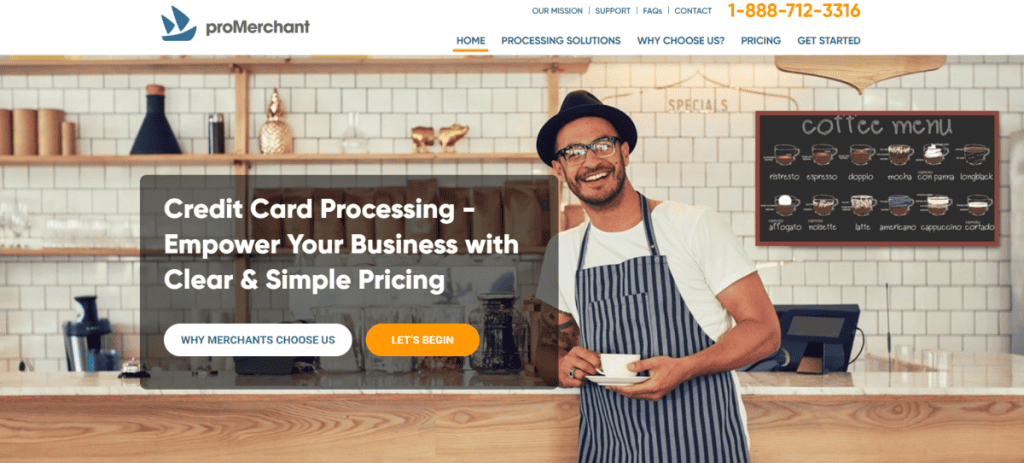
ProMerchant is a U.S.-based payment processing company that aims to provide businesses with transparent, flexible, and efficient merchant services. While the exact year of its establishment is not widely publicized, ProMerchant has positioned itself as a modern payment processor catering to businesses of all sizes, including those in high-risk industries. The company has built a reputation for offering interchange-plus pricing and zero-cost processing models, which appeal to merchants looking for cost-effective payment solutions.

At the core of ProMerchant’s mission is a commitment to customer service and fairness in pricing. Unlike many traditional payment processors that require long-term contracts with costly termination fees, ProMerchant emphasizes flexibility, allowing businesses to operate without restrictive agreements. 

The company’s approach is centered on transparency, ensuring that merchants understand their processing costs and receive tailored solutions that fit their business models. ProMerchant also highlights its dedication to innovation, striving to provide businesses with modern payment technology, secure processing methods, and seamless integration with various POS systems and e-commerce platforms.

Regarding industry recognition, merchants have praised ProMerchant for its competitive pricing structures and customer-first philosophy. Its A+ rating and BBB accreditation attest to its high consumer trust and commitment to moral business conduct. ProMerchant also complies with PCI, guaranteeing that its payment processing solutions adhere to industry security standards. ProMerchant is a prominent participant in the payment processing sector that keeps expanding thanks to its emphasis on service, price, and security.
ProMerchant Review

Services and Solutions

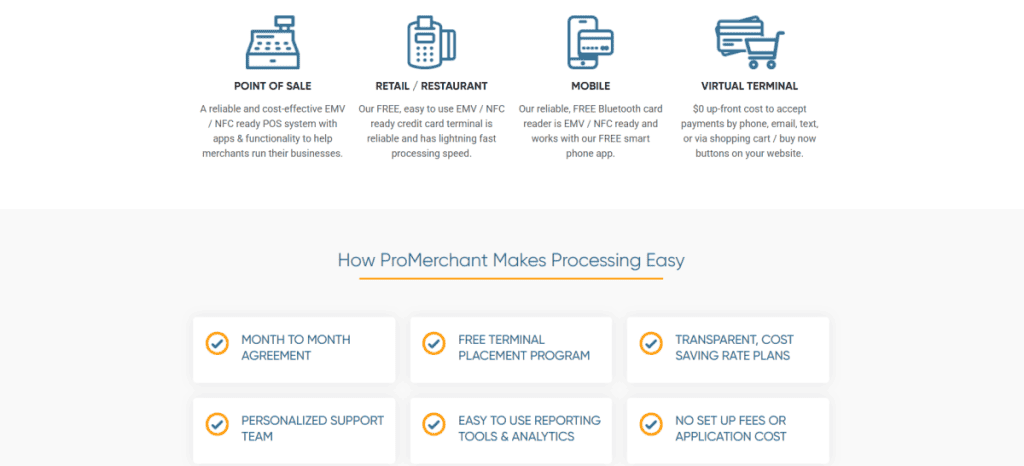
ProMerchant offers a wide range of payment solutions designed to accommodate businesses of all sizes, from brick-and-mortar stores to online merchants and mobile vendors. The company focuses on providing secure, efficient, and flexible payment processing options to enhance business operations.

3.1. Payment Processing Services

ProMerchant enables businesses to accept payments seamlessly through various channels, ensuring smooth transactions and financial stability. The company supports multiple payment methods, making it easier for merchants to cater to a diverse customer base.

Credit and debit card processing for major networks, including Visa, Mastercard, American Express, and Discover.

ACH transactions for bank-to-bank transfers, suitable for subscription-based and invoice payments.

Secure payment handling with PCI-compliant encryption and fraud prevention measures.

3.2. Point of Sale (POS) Systems

For businesses requiring in-person payment solutions, ProMerchant offers advanced POS systems that integrate with existing operations. These systems are designed to streamline transactions while enhancing overall business efficiency.

A variety of POS terminals, including countertop and touchscreen devices.

Compatibility with inventory management and CRM tools for seamless integration.

3.3. Mobile Payment Solutions

ProMerchant offers mobile payment solutions that let companies take orders from anywhere. These solutions are perfect for companies who need flexibility in accepting payments or have many locations.

Mobile card readers that connect to smartphones and tablets for on-the-go transactions.

Compatibility with iOS and Android devices for a user-friendly experience.

3.4. E-Commerce Solutions

To support online businesses, ProMerchant offers secure and scalable e-commerce payment processing solutions. These services help merchants optimize their digital storefronts while maintaining high-security standards.

Online payment gateways that integrate with Shopify, WooCommerce, and Magento.

Shopping cart integrations to streamline the checkout process for customers.

PCI-compliant encryption and fraud protection tools for secure transactions.

3.5. Virtual Terminal Services

ProMerchant’s virtual terminal enables companies to handle payments from afar via a secure online interface. This service is advantageous for companies that accept phone or mail orders and require a dependable payment method. 

Manual payment processing for businesses handling MOTO transactions.

Support for recurring billing and invoicing for long-term customer relationships.

3.6. High-Risk Merchant Accounts

ProMerchant works with businesses classified as high-risk, ensuring they have access to reliable payment processing despite industry challenges. The company provides customized solutions to address the unique needs of high-risk merchants.

Payment solutions for industries like travel, CBD, adult entertainment, and others facing higher chargeback risks.

Individualized risk assessment and tailored pricing models to support business sustainability.

Pricing and Fee Structure

ProMerchant provides a pricing structure aimed at delivering clarity and savings to merchants. In contrast to numerous payment processors with intricate fee structures, ProMerchant mainly employs an interchange-plus pricing model and offers a no-cost processing alternative. 

These pricing models address various business requirements, enabling merchants to select a plan that matches their revenue strategy and transaction levels. 

4.1. Interchange Plus Pricing

Interchange-plus pricing is a widely regarded transparent model in the payment processing industry. With this structure, merchants pay the actual interchange fees set by card networks such as Visa and Mastercard, along with a fixed markup determined by ProMerchant. This model eliminates hidden costs, ensuring businesses know exactly what they are paying for each transaction. The transparency of interchange-plus pricing makes it a preferred choice for merchants who want a clear breakdown of their processing expenses. Businesses with high transaction volumes can benefit from this model as they may secure lower interchange rates compared to flat-rate pricing. Additionally, it provides a fairer pricing structure for businesses with varying transaction sizes, avoiding the unpredictability of tiered pricing models.

4.2. Zero Cost Processing

ProMerchant also offers a zero-cost processing model, which allows businesses to pass transaction fees onto customers instead of absorbing the costs themselves. This setup can be beneficial for merchants looking to eliminate processing fees, as it shifts the burden to the end consumer by adding a small surcharge to each transaction. 

This model is particularly useful for service-based businesses or those operating with tight profit margins. However, businesses must consider customer perception, as some consumers may be discouraged by additional charges at checkout, potentially impacting sales and customer retention.

4.3. Additional Fees

Although transparent pricing is emphasized by ProMerchant, businesses should be mindful of some potential additional costs. Setup and cancellation fees are usually free, however it’s best to double check these before registering. Monthly rates vary depending on the plan and business type chosen. To uphold industry security requirements and safeguard private client payment information, ProMerchant further levies PCI compliance costs. For businesses to choose their payment processing provider wisely, they must be aware of these extra expenses.

Contract Terms

ProMerchant distinguishes itself from many competitors by offering flexible contract terms without requiring long-term commitments. Unlike traditional payment processors that lock merchants into multi-year agreements, ProMerchant provides month-to-month contracts. This structure allows businesses to use the service without worrying about being tied to extended commitments. The flexibility of these agreements makes ProMerchant a suitable option for startups, seasonal businesses, and merchants who prefer to evaluate a service before making a long-term decision.

The lack of early termination fees is one of ProMerchant’s strategy’s noteworthy benefits. If a business wants to terminate a contract before the agreed-upon term expires, many payment processors charge penalties, which might include significant fees. Because ProMerchant allows merchants to stop using its services whenever they choose without incurring fines, it’s a low-risk option for companies who want the flexibility to switch providers if necessary. However, merchants should still carefully read their agreements to make sure they understand any administrative steps that may be necessary to cancel an account.

In terms of renewal policies, ProMerchant does not enforce automatic contract renewals, as there are no long-term agreements in place. Instead, merchants continue using the service on a rolling basis unless they choose to opt out. 

While this model provides significant flexibility, businesses must still comply with their obligations, such as maintaining PCI compliance and adhering to the processor’s terms of service. Overall, ProMerchant’s contract terms are designed to be merchant-friendly, eliminating restrictive clauses that are commonly found in the payment processing industry.
ProMerchant Review

Customer Support and Service

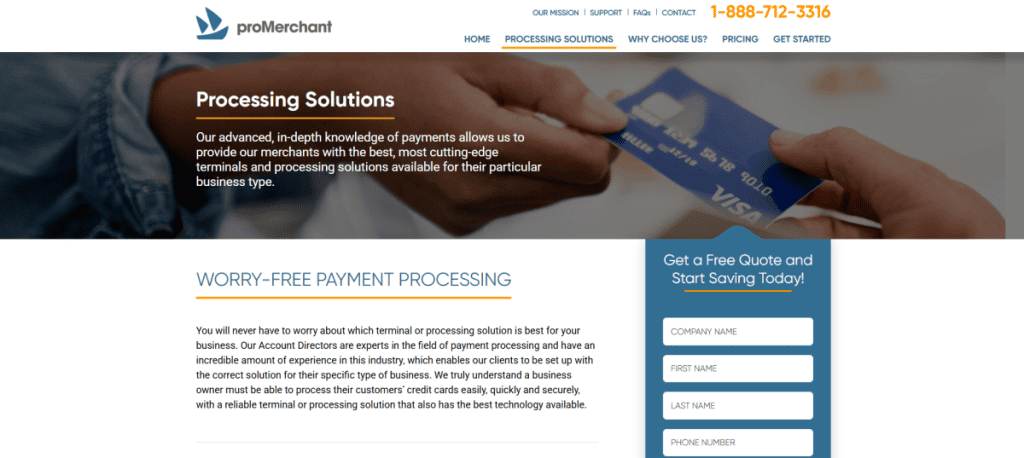
Customer support plays a crucial role in the payment processing industry, as merchants often require immediate assistance for transaction issues, chargeback disputes, or technical difficulties. ProMerchant offers multiple support channels, including phone, email, and live chat, ensuring that businesses can reach out through their preferred method. One of the company’s standout features is its emphasis on personalized service, providing dedicated account representatives to assist merchants. Unlike some processors that route inquiries through general support teams, ProMerchant assigns specific representatives to businesses, allowing for more tailored assistance and continuity in service.

In terms of response times, ProMerchant is generally regarded as prompt and efficient in addressing merchant concerns. Phone support is available during standard business hours, and email inquiries typically receive responses within 24 hours. Live chat is also a convenient option for quick questions, although availability may vary. 

Many merchants have reported positive experiences with ProMerchant’s support team, particularly appreciating the direct access to knowledgeable representatives who understand their accounts. However, as with any service provider, experiences can vary, and some merchants have mentioned occasional delays in resolving complex issues.

Overall, ProMerchant’s customer service is intended to be approachable and responsive, with an emphasis on giving direct and individualized assistance. The presence of specialized account managers is a significant advantage for firms that require consistent support from a familiar point of contact. While the majority of responses is good, businesses should ensure they understand the available support hours and escalation procedures so that any urgent issues may be handled effectively.

Security and Compliance

Security is a critical factor in payment processing, as businesses must protect sensitive customer data and maintain compliance with industry standards. ProMerchant follows strict security protocols, ensuring that its services adhere to the PCI DSS. As a PCI-compliant provider, ProMerchant implements measures to secure cardholder information, encrypt transaction data, and prevent unauthorized access. 

The company also assists merchants in maintaining their own compliance, offering guidance on PCI requirements and necessary security measures. Merchants are encouraged to complete PCI self-assessment questionnaires and follow best practices to avoid potential non-compliance fees or security risks.

ProMerchant uses cutting-edge fraud protection tools and technologies to reduce fraud and illegal transactions. The company provides tools including tokenization, encryption, and real-time transaction monitoring that shield companies from financial fraud and data breaches. Additionally, to validate client information and lower fraudulent chargebacks, AVS and CVV checks are utilized.

ProMerchant also provides risk monitoring services, analyzing transaction patterns to detect suspicious activities. This proactive approach helps businesses identify potential fraud attempts before they escalate into chargebacks or financial losses. For high-risk merchants, additional safeguards may be in place to minimize exposure to fraudulent transactions.

By prioritizing security and compliance, ProMerchant ensures that businesses can process payments safely while adhering to industry regulations. The company’s commitment to fraud prevention and data security enhances its credibility as a reliable payment processor for businesses of all sizes.

User Experience and Interface

ProMerchant focuses on providing a seamless and user-friendly experience for businesses handling payment processing. The platform is designed to be intuitive, allowing merchants to navigate the system with ease and process transactions efficiently. Whether businesses are using ProMerchant’s POS systems, virtual terminal, or e-commerce gateway, the interface is structured to minimize complexity. Transactions can be completed with just a few steps, ensuring that businesses can accept payments without technical difficulties. Additionally, ProMerchant offers some level of customization, allowing businesses to tailor certain features to better align with their operational needs. This is particularly useful for merchants with unique sales processes or industry-specific requirements.

In addition to handling transactions, ProMerchant offers a full suite of analytics and reporting tools that let businesses monitor their payment activity in real time. Companies have access to comprehensive transaction data, which enables them to track sales results, spot patterns, and effectively reconcile payments. 

Typically, the reporting dashboard provides information on chargebacks, refund rates, daily sales, and consumer purchasing patterns. For businesses trying to enhance financial planning and streamline processes, these business intelligence elements can be extremely helpful.

While ProMerchant’s platform is generally well-regarded for its simplicity and functionality, some merchants may find advanced reporting options somewhat limited compared to larger payment processors with more robust analytics tools. 

However, for small to mid-sized businesses, the available features provide sufficient insights to manage transactions effectively. Overall, ProMerchant’s interface is designed for ease of use, helping merchants process payments smoothly while gaining visibility into their financial operations.

Merchant Feedback and Reputation

ProMerchant has received a mix of positive and negative feedback from merchants, reflecting both its strengths and areas for improvement. Many businesses appreciate the company’s transparent pricing model, absence of long-term contracts, and dedicated customer support. Merchants often highlight the ease of setup and onboarding, particularly for those in high-risk industries who may struggle to find a suitable payment processor. 

Additionally, ProMerchant’s interchange-plus pricing and zero-cost processing options are frequently praised for helping businesses manage costs effectively. Some testimonials also commend the company’s commitment to providing dedicated account representatives, which ensures a more personalized experience compared to larger processors with generalized support teams.

However, ProMerchant has had some complaints from merchants, just like any other payment processor. Account approval delays, sporadic fund holds, and longer-than-expected dispute resolution periods are among the recurring problems that have been observed. When addressing chargeback disputes or technological challenges, several firms have voiced worries about communication breakdowns. 

Merchants have occasionally expressed dissatisfaction with the pace at which issues are resolved, despite ProMerchant’s general goal of being responsive. The business has, however, maintained an A+ rating with the BBB and has handled concerns in a professional manner when they have been brought to its notice.

In terms of industry standing, ProMerchant is recognized as a reliable option for small to mid-sized businesses and those in high-risk industries. While it may not have the brand recognition of larger payment processors like Square or Stripe, its commitment to transparent pricing and personalized service has helped it carve out a strong position in the competitive payment processing market.
ProMerchant Review

Conclusion

Small businesses and high-risk merchants may consider ProMerchant because of its transparent pricing, flexible contracts, and committed support. Even though it provides excellent service and cost-effectiveness, there are issues with sporadic fund holds and delays in dispute resolution. It’s a good option overall for companies looking for affordability and flexibility.

FAQs

What industries does ProMerchant serve?

ProMerchant supports a wide range of industries, including retail, restaurants, healthcare, professional services, and e-commerce. It also caters to high-risk businesses such as travel agencies, CBD retailers, and subscription-based services, which often face challenges securing payment processing solutions.

How quickly can a merchant account be set up with ProMerchant?

The onboarding process is typically fast and straightforward, with most merchant accounts approved within 24 to 48 hours. However, high-risk businesses may experience longer approval times due to additional underwriting requirements.

Does ProMerchant offer international payment processing?

No, ProMerchant primarily serves U.S.-based businesses and does not currently support international payment processing.

Deft Payment Systems Review

Deft Payment Systems Review

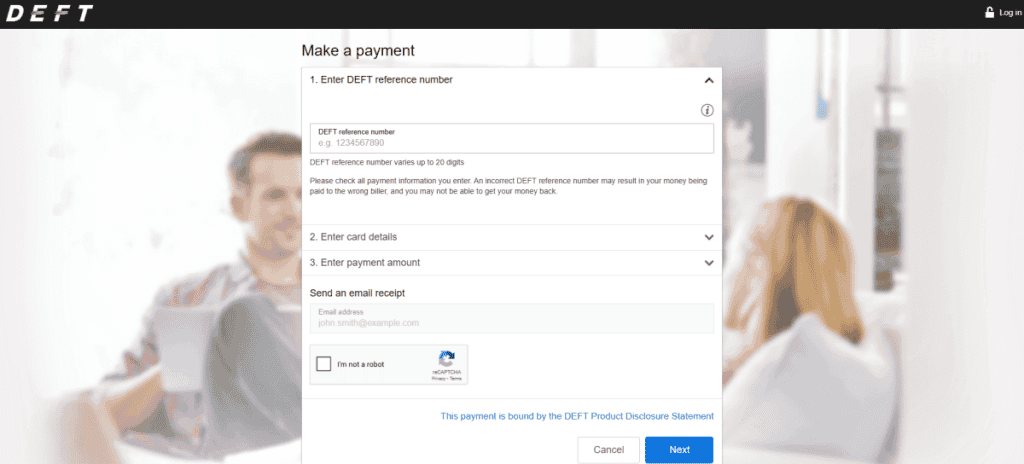
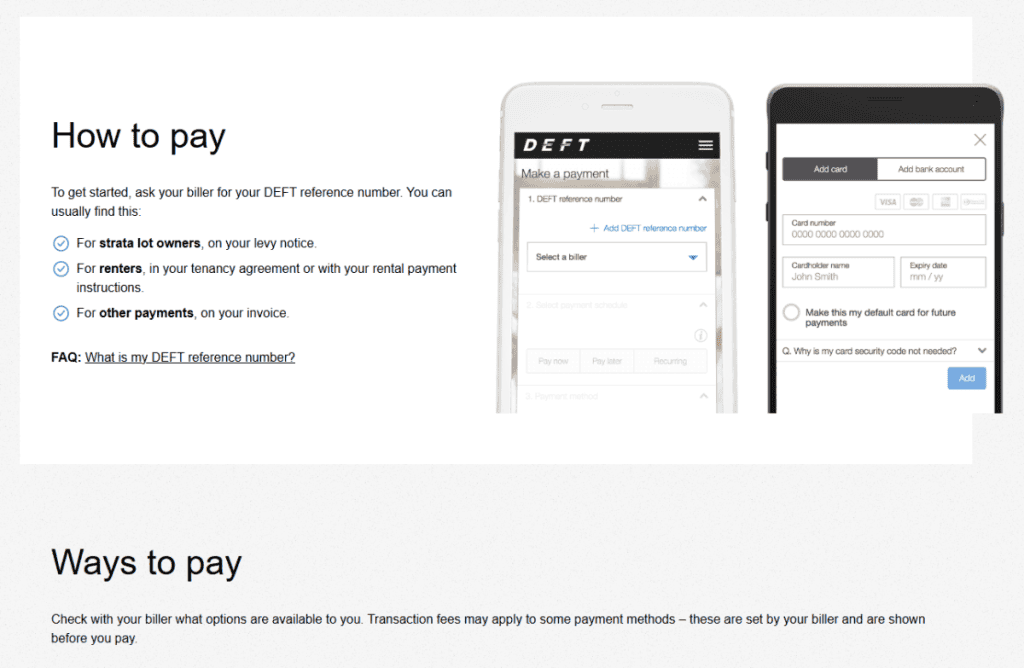
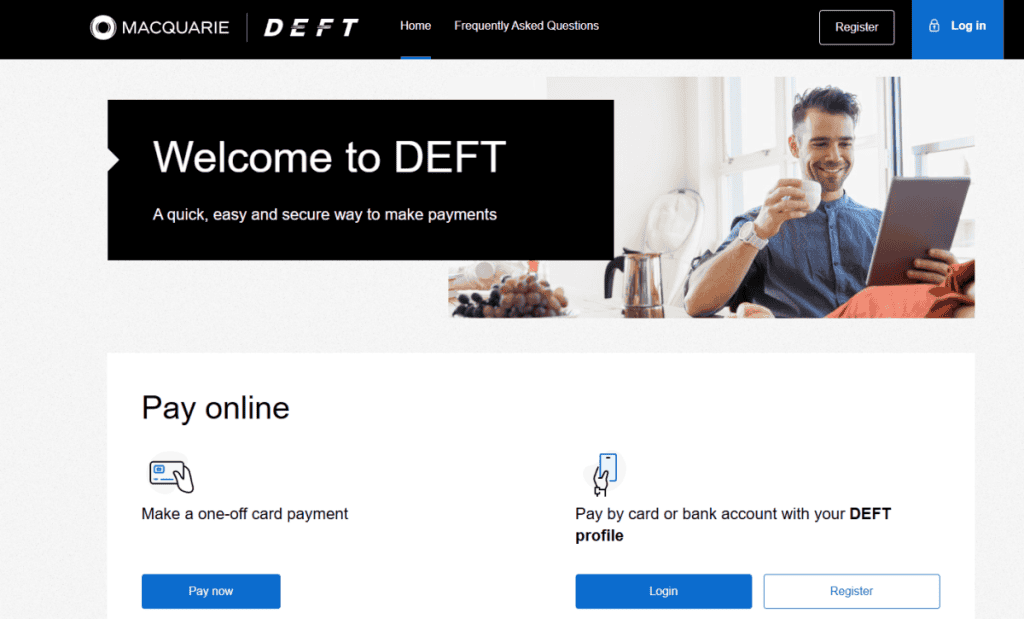
Deft Payment Systems is a merchant services provider offering payment processing solutions for businesses across various industries. The company provides a range of services, including credit and debit card processing, e-check and ACH payments, mobile transactions, and integrated payment gateways. By catering to both traditional and high-risk merchants, Deft Payment Systems positions itself as a versatile payment processing partner for businesses with unique needs. Lets read more about Deft Payment Systems Review.

A key characteristic of Deft Payment Systems is its focus on customized solutions. In contrast to standard payment processors, Deft provides specialized payment solutions tailored to specific industries, featuring exclusive kiosks, payroll services, and gift card offerings. This makes it a compelling choice for companies seeking more than merely conventional credit card processing. 

The company also prioritizes security and compliance. Deft Payment Systems guarantees secure transaction processing for merchants and their customers through strong encryption standards, PCI compliance, and fraud detection methods. The company’s method for managing risk is especially helpful for high-risk vendors, who frequently have difficulty locating trustworthy and cost-effective payment processing options. 

In addition to its technical capabilities, Deft Payment Systems provides customer support via multiple channels, offering assistance with setup, integration, and troubleshooting. While the company presents a compelling suite of features, it’s essential to analyze its pricing, contract terms, user experience, and customer reviews to determine whether it truly delivers on its promises. This review will provide a comprehensive, unbiased assessment of Deft Payment Systems to help businesses make an informed decision.

Company Background | Deft Payment Systems Review

Founding and History

Deft Payment Systems was established with the goal of providing businesses with reliable and secure payment processing solutions. While specific details about its founding, such as the exact year and key founders, are not widely available, the company has positioned itself as a provider of both traditional and high-risk merchant services. Over the years, Deft Payment Systems has expanded its offerings to cater to businesses across various industries, from retail and e-commerce to more complex sectors like CBD, tech support, and debt consolidation.

A crucial strategy for the company has been adjusting to the changing payment environment. As e-commerce and digital transactions have grown, Deft Payment Systems has integrated online payment gateways, mobile processing, and ACH payments to enable businesses to receive payments in various formats. The company has created tailored solutions for various industries, including gift and loyalty card programs, to improve customer engagement for merchants. 

Mission and Core Values

Deft Payment Systems operates with a mission to provide secure, flexible, and cost-effective payment processing solutions to businesses of all sizes. The company emphasizes customer-centric services, security, and innovation as its core values.

Customer Focus – Providing tailored payment solutions to meet the unique needs of different industries.

Security and Compliance – Ensuring transactions are protected through PCI compliance and encryption technologies.

Innovation – Staying ahead of market trends by offering new and advanced payment solutions.

Leadership and Management Team

Details regarding the leadership team of Deft Payment Systems are not extensively found in public documents. Nonetheless, it is thought that the organization is guided by experts skilled in fintech, payment solutions, and risk assessment. Their proficiency in managing high-risk merchants indicates a team knowledgeable about intricate financial regulations and compliance obligations. The management’s approach focuses on providing competitive pricing models, strategies for risk reduction, and committed customer support. 

Deft Payment Systems Review

Services Offered

Deft Payment Systems provides a range of payment processing solutions tailored to meet the needs of businesses across various industries. From traditional credit card processing to specialized services for high-risk merchants, the company aims to deliver flexible and secure payment options.

Payment Processing Solutions

Credit and Debit Card Processing – Deft Payment Systems enables businesses to accept major credit and debit cards, including Visa, MasterCard, American Express, and Discover. The company provides both swiped and keyed-in transaction processing for in-store, online, and mobile payments.

E-check and ACH Transactions – To accommodate businesses that require direct bank-to-bank transfers, Deft Payment Systems supports e-check and ACH payments. These options are particularly useful for recurring billing, high-ticket transactions, and subscription-based businesses.

Mobile and Online Payment Gateways – Businesses can integrate Deft’s online payment gateway to accept payments through e-commerce platforms. Mobile payment solutions allow merchants to process transactions using smartphones or tablets, enhancing payment flexibility for businesses operating in remote or mobile environments.

Value-Added Services

Gift and Loyalty Card Programs – Deft Payment Systems provides customizable gift and loyalty card programs to help businesses enhance customer engagement and retention.

Payroll Services – The company offers payroll processing solutions, making it easier for businesses to manage employee payments efficiently.

Lead Generation Assistance – Some merchants, particularly those in high-risk industries, can benefit from Deft’s lead generation support, designed to help them find and retain customers.

Proprietary Kiosks for Specialized Payments – Deft Payment Systems provides self-service kiosks tailored for industries that require automated payment solutions, such as bill payments or ticketing.

Product Fulfillment Support – Businesses that require assistance with inventory management and order fulfillment can leverage Deft’s integrated solutions, streamlining operations alongside payment processing.

By offering both core payment solutions and additional business support services, Deft Payment Systems positions itself as a comprehensive provider for merchants seeking more than just transaction processing.

Target Markets

Deft Payment Systems caters to a wide variety of businesses, accommodating both standard-risk and high-risk merchants. Its capability to offer payment processing solutions for sectors that frequently have difficulty locating dependable service providers makes it a versatile option in the payments sector. 

Standard-Risk Merchants

E-commerce Businesses – Online merchants require seamless payment processing with secure gateways, fraud protection, and multi-currency support. Deft Payment Systems provides these features, allowing businesses to accept credit/debit card payments and ACH transactions.

Retail Establishments – Brick-and-mortar stores benefit from Deft’s POS solutions, mobile payment options, and integration with inventory management systems. The company supports businesses ranging from small boutiques to large retail chains.

High-Risk Merchants

Deft Payment Systems focuses on catering to high-risk sectors—companies that encounter greater scrutiny from conventional banks and payment processors because of regulatory hurdles, chargeback threats, or financial instability. 

CBD and Hemp Product Vendors – Many payment processors avoid working with CBD businesses due to evolving regulations. Deft Payment Systems provides solutions tailored to this industry, ensuring compliance while enabling smooth transactions.

Credit Repair Agencies – Given the potential for chargebacks, credit repair businesses often struggle to find processors. Deft supports these businesses with secure payment options.

Tech Support Services – Online tech support companies face fraud concerns, making them high-risk. Deft Payment Systems offers chargeback mitigation tools to help these businesses.

Adult Entertainment Industry – Businesses in this space require discreet, secure processing. Deft Payment Systems provides specialized merchant accounts that cater to their needs.

Debt Consolidation Firms & Payday Loan Providers – These businesses deal with financial services that often carry a high chargeback rate. Deft offers secure payment solutions designed to mitigate fraud and disputes.

Travel Agencies – The travel industry is prone to cancellations and disputes, increasing financial risk. Deft provides secure payment gateways and fraud prevention measures.

Dietary Supplement Companies – Supplements are often classified as high-risk due to potential regulatory issues. Deft Payment Systems accommodates these businesses with customized payment solutions.

Real Estate Seminar Organizers & Insurance-Related Programs – These industries often involve high-ticket transactions and recurring payments, making them susceptible to chargebacks. Deft Payment Systems offers tailored processing solutions to address these risks.

By serving both conventional and high-risk businesses, Deft Payment Systems appeals to a broad spectrum of merchants, offering industry-specific solutions to meet diverse payment processing needs.

Deft Payment Systems Review

Pricing and Contract Terms

Understanding the pricing and contract details of Deft Payment Systems is crucial for companies evaluating its services. The company’s pricing model changes depending on elements like the merchant’s sector, transaction volume, and risk assessment. Although Deft Payment Systems doesn’t reveal precise rates to the public, businesses can typically anticipate the following based on industry norms. 

Transaction Rates

Swiped Rates – Merchants accepting in-person payments through a POS system or card reader typically receive lower transaction rates. Swiped transactions are considered lower risk due to the physical card being present. While exact percentages are not disclosed, swiped rates usually range between 2.3% and 2.9% per transaction, depending on card type and merchant category.

Keyed-In Rates – Transactions where card details are manually entered tend to have higher rates due to the increased risk of fraud and chargebacks. Keyed-in transactions typically range between 3.1% and 3.5% per transaction, though specific pricing depends on business type and volume.

Fees

Early Termination Fees – Deft Payment Systems may charge an early termination fee if a merchant cancels their contract before the agreed-upon term ends. These fees can vary depending on the contract terms but may range from $250 to $500 or be based on liquidated damages.

PCI Compliance Fees – Ensuring compliance with PCI DSS is mandatory, and Deft Payment Systems likely charges an annual PCI compliance fee, typically ranging from $99 to $150 per year.

Equipment Lease Terms – Merchants who require physical terminals or POS systems may need to lease equipment from Deft Payment Systems. Equipment leases often involve long-term commitments, sometimes three to four years, with non-cancelable terms. Monthly lease fees vary but can range between $20 and $60 per device.

Contract Length and Terms

Deft Payment Systems’ contracts are often customized based on a merchant’s industry and risk profile. While some standard-risk businesses may receive month-to-month agreements, high-risk merchants might be required to sign multi-year contracts (typically 3 to 5 years) with automatic renewal clauses.

Understanding these pricing components is essential prior to enrollment, since certain expenses—particularly early termination fees and equipment leasing contracts—can accumulate considerably over time. Companies need to carefully examine their contract terms and negotiate whenever possible to guarantee they are receiving the best offer. 

Application and Onboarding Process

Deft Payment Systems follows a structured application and onboarding process designed to accommodate both standard-risk and high-risk merchants. While the approval process varies depending on the nature of the business, the company aims to provide a seamless experience from application to activation.

Application Procedures

The application process begins with businesses submitting key information, including company details, processing history, estimated transaction volumes, and industry classification. Merchants may need to provide additional documentation such as business licenses, bank account details, tax identification numbers, and past processing statements (if applicable).

For high-risk companies, the application procedure might necessitate additional documentation, such as compliance records and evidence of risk mitigation strategies to fulfill regulatory requirements. 

Underwriting Process

Deft Payment Systems performs a thorough underwriting process to assess the merchant’s business model, financial stability, and chargeback risks. The underwriting team evaluates factors such as industry risk level, processing history, and compliance with payment regulations.

High-risk merchants might need additional scrutiny, which could involve assessing the company’s chargeback policies, refund practices, and methods for resolving customer disputes. Certain companies might be required to maintain a reserve fund or a rolling reserve to handle possible chargebacks. 

Expected Timelines for Approval

Approval times depend on the risk category of the merchant. Standard-risk businesses can expect approvals within 24 to 48 hours, while high-risk merchants may experience a longer process, ranging from three to seven business days, depending on the complexity of the application and additional requirements.

Support During Setup

After approval, Deft Payment Systems offers onboarding assistance to aid merchants in integrating payment solutions into their current infrastructure. This involves support for establishing POS systems, integrating payment gateways for online stores, and maintaining PCI compliance. Merchants usually have the option to reach customer support via phone, email, or an online portal for help and technical guidance. 

Customer Support and Service

Customer support is a crucial aspect of any payment processing provider, as merchants need timely assistance with transactions, technical issues, and account management. Deft Payment Systems offers multiple support options, but the quality of service can vary based on customer experiences.

Availability and Responsiveness

Deft Payment Systems provides customer support during standard business hours, and some merchants report access to 24/7 support for urgent issues. The responsiveness of the team appears to depend on the complexity of the inquiry, with basic troubleshooting and account-related queries being handled more quickly than dispute resolutions or chargeback-related issues.

Dedicated Account Management

For merchants handling larger transaction volumes or working in high-risk sectors, Deft Payment Systems might designate a dedicated account manager. This offers companies a centralized contact for questions regarding payment processing, contract conditions, and account modifications. Nonetheless, certain clients observe discrepancies in account management, experiencing delays in response times when addressing intricate issues. 

Support Channels (Phone, Email, Online Portal)

Merchants can access customer support via phone, email, and an online portal. Phone support is typically the fastest way to get immediate assistance, while email and the online portal allow businesses to submit tickets for non-urgent issues. However, some users have reported longer-than-expected wait times for email responses.

Client Feedback on Support Quality

Client feedback regarding Deft Payment Systems’ support services are varied. Certain merchants commend the company for its informative and attentive representatives, whereas others mention delays in addressing disputes and billing questions. Merchants categorized as high-risk, specifically, experience prolonged resolution times because of extra compliance inspections. 

Security and Compliance

Security and compliance are critical components of any payment processing service, and Deft Payment Systems implements various measures to ensure transactions remain secure and adhere to industry standards. The company follows best practices in data encryption, fraud prevention, and regulatory compliance to protect both merchants and their customers.

Data Encryption Standards

Deft Payment Systems uses end-to-end encryption and tokenization to secure payment transactions. These technologies help prevent unauthorized access to sensitive cardholder data by replacing real card information with encrypted tokens during processing. Additionally, the company likely employs 256-bit SSL encryption to secure online payment gateways, reducing the risk of data breaches and cyberattacks.

PCI Compliance

The PCI DSS is a compulsory security framework that payment processors are required to adhere to in order to safeguard cardholder data. Deft Payment Systems asserts it is PCI-compliant, guaranteeing that its systems adhere to the necessary security standards. Nevertheless, vendors are frequently accountable for upholding their own PCI compliance, which may involve additional fees and regular security updates. Companies utilizing Deft Payment Systems need to verify if assistance with PCI compliance is provided or if they are required to handle it on their own. 

Fraud Detection and Prevention Measures

Deft Payment Systems employs various fraud prevention tools to safeguard transactions. These may include:

Real-time transaction monitoring to detect suspicious activity.

Address Verification Service to match billing addresses with cardholder records.

Chargeback mitigation tools to help merchants dispute fraudulent claims.

Multi-factor authentication for secure account access.

While these measures enhance security, high-risk merchants may still face additional scrutiny, rolling reserves, or delayed settlements as part of the company’s risk management strategy.

User Experience and Interface

Deft Payment Systems aims to provide a streamlined and intuitive payment processing experience for businesses of all sizes. Its platform includes a merchant dashboard, integration capabilities, and customization options designed to improve operational efficiency. However, the overall user experience can vary based on the specific needs of the merchant and the complexity of their payment processing requirements.

Ease of Use of Payment Platforms

Deft Payment Systems provides a fairly intuitive interface for handling transactions, tracking sales, and viewing reports. The POS systems, virtual terminals, and online gateways are created to be user-friendly, even for individuals with little technical knowledge. Companies can swiftly handle transactions, set up automatic payments, and view customer payment history with just a few clicks. Nonetheless, several merchants have indicated that specific advanced functionalities require a learning curve, especially for high-risk businesses involved in chargeback management. 

Integration Capabilities with Existing Systems

A key advantage of Deft Payment Systems is its compatibility with multiple e-commerce platforms, accounting software, and CRM systems. The payment gateway facilitates integration with well-known platforms such as Shopify, WooCommerce, and QuickBooks, allowing merchants to optimize their operations. Nevertheless, high-risk enterprises might encounter extra integration demands or compatibility constraints, based on regulatory standards in the industry. 

Merchant Dashboard Features

The merchant dashboard provides essential insights, including real-time transaction monitoring, sales reports, and chargeback tracking. Merchants can also view settlement times and manage refunds through the dashboard. Some users appreciate the clarity of the reporting tools, while others note that the interface could be more modern and customizable.

Customization Options

Deft Payment Systems enables companies to tailor specific aspects of their payment processing, including branded checkout interfaces, recurring billing frameworks, and fraud protection features. Nonetheless, the degree of customization might vary based on the merchant’s sector and transaction volume. 

Pros and Cons

Similar to any payment processing service, Deft Payment Systems possesses both advantages and disadvantages. Although it provides a wide array of services and serves high-risk enterprises, merchants should weigh possible disadvantages before enrolling. 

Advantages of Using Deft Payment Systems

Support for High-Risk Merchants – One of Deft Payment Systems’ standout features is its willingness to work with high-risk industries, including CBD, credit repair, and adult entertainment, which many traditional processors avoid.

Diverse Payment Solutions – The company provides various payment processing options, including credit and debit card transactions, e-checks, ACH payments, mobile and online gateways, and proprietary kiosks.

Integration with E-commerce and Business Software – Deft Payment Systems supports integrations with platforms like Shopify, WooCommerce, and QuickBooks, making it convenient for businesses to sync payment data with their existing systems.

Fraud Protection and Security Features – The company offers encryption, PCI compliance, real-time transaction monitoring, and chargeback prevention tools to enhance payment security.

Value-Added Services – In addition to payment processing, Deft Payment Systems offers payroll services, gift and loyalty programs, and lead generation assistance, making it a comprehensive business solution.

Potential Drawbacks or Limitations

Lack of Transparent Pricing – The company does not publicly disclose its rates, making it difficult for businesses to compare costs upfront. High-risk merchants may face higher transaction fees and rolling reserves.

Potential for Long-Term Contracts – Some merchants report multi-year agreements with early termination fees, which can be costly if a business wants to switch providers.

Customer Support Inconsistencies – While some businesses receive responsive service, others report delays in resolving disputes, chargebacks, and technical issues.

Equipment Leasing Costs – Merchants needing POS terminals may have to enter long-term, non-cancelable lease agreements, which can be expensive.

Deft Payment Systems Review

Conclusion

Deft Payment Systems provides a variety of payment options, especially advantageous for high-risk merchants. Although it offers robust security features, integrations, and additional services, worries about pricing clarity, contract conditions, and customer support remain. Companies must thoroughly examine contract specifics prior to making a commitment to guarantee it meets their requirements. 

FAQs

What types of businesses does Deft Payment Systems serve?

Deft Payment Systems supports both standard-risk and high-risk businesses, including e-commerce, retail, CBD, credit repair, tech support, travel agencies, and dietary supplements. It specializes in industries often rejected by traditional processors.

Are there any setup or application fees?

Deft Payment Systems does not charge setup or application fees, making it an accessible option. However, merchants should review contract terms for potential monthly service fees, PCI compliance fees, and other costs.

How does Deft Payment Systems ensure the security of transactions?

The company uses 256-bit encryption, PCI compliance protocols, real-time fraud detection, and chargeback prevention tools to protect payment data and reduce financial risks.

2Checkout Review

2Checkout Review

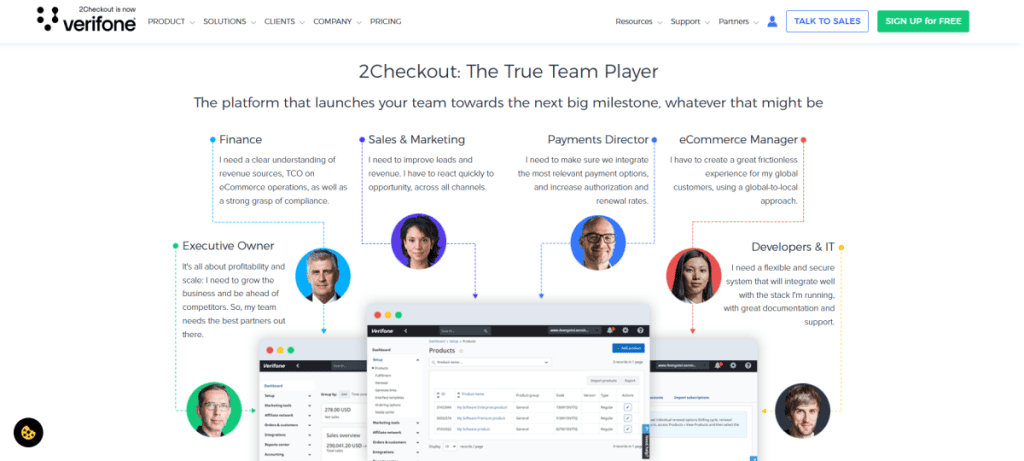
2Checkout is a globally recognized payment processing platform that enables businesses to accept online payments from customers worldwide. Founded in 2006, it has grown into a robust solution catering to merchants in over 200 countries and territories. The platform is designed to support a variety of business models, including e-commerce, digital services, and subscription-based offerings, making it a versatile choice for businesses looking to expand internationally. Lets read more about 2Checkout Review.

One of 2Checkout’s standout features is its ability to process multiple currencies and payment methods, including credit and debit cards, PayPal, and alternative payment options. This flexibility allows businesses to offer localized checkout experiences, improving conversion rates and customer satisfaction. Additionally, its extensive global reach makes it particularly attractive for companies looking to sell digital goods, software, and SaaS products to an international audience.

In 2020, 2Checkout was acquired by Verifone, a well-known name in the payment solutions industry. This acquisition strengthened its capabilities by integrating with Verifone’s extensive payment infrastructure. The platform now operates under the Verifone umbrella, benefiting from its security, compliance, and innovation in payment technology.

In addition to payment processing, 2Checkout offers companies advanced tools like fraud prevention, tax and compliance oversight, and subscription billing. Its intuitive interface and automated features assist merchants in optimizing their operations while ensuring security and adherence to international regulations. 

Even with its extensive features, 2Checkout faces some difficulties. Certain users indicate elevated transaction fees and periodic account holds, which may pose issues for businesses functioning with narrow profit margins. Nonetheless, for businesses in need of a globally integrated, comprehensive payment solution, 2Checkout continues to be a powerful player in the competitive payment processing landscape. 

Company Background | 2Checkout Review

2Checkout was founded in 2006 as an online payment processing solution aimed at helping businesses accept digital payments globally. Over the years, it has evolved into a comprehensive e-commerce payment platform, supporting multiple currencies, payment methods, and business models. Initially gaining traction among small and mid-sized online merchants, 2Checkout expanded its services to accommodate SaaS providers, digital goods sellers, and global enterprises.

A significant milestone in 2Checkout’s history occurred in 2020 when it was acquired by Verifone, a leading provider of POS and payment solutions. This acquisition integrated 2Checkout’s digital commerce capabilities with Verifone’s extensive payment infrastructure, allowing businesses to access a more seamless, secure, and globally connected payment ecosystem. Under Verifone’s ownership, 2Checkout has continued to expand its offerings, focusing on global payment processing, fraud prevention, tax and compliance management, and subscription billing.

The acquisition brought both advantages and challenges. On the positive side, Verifone’s resources and industry expertise enhanced 2Checkout’s security and compliance capabilities, making it a more reliable solution for international merchants. However, some long-time users have reported changes in service structure, including revised pricing models and customer support challenges post-acquisition.

At present, 2Checkout maintains a strong standing in the payment processing industry, especially among companies that function on a global scale. It is commonly utilized by software firms, SaaS vendors, and digital content creators because of its robust international payment features. Nevertheless, it competes against major players such as PayPal, Stripe, and Adyen, which provide comparable features along with different pricing models and integration options. 

Although there are mixed opinions about its transaction fees and account approval process, 2Checkout continues to be a well-regarded entity in the payment sector, appreciated for its broad international reach, various payment methods, and compliance management resources. 

2Checkout Review

Key Features and Services

2Checkout offers a range of features designed to facilitate online payments, manage subscriptions, enhance security, and provide data-driven insights for businesses operating globally.

Payment Processing

2Checkout offers a variety of payment methods, such as credit and debit cards (Visa, Mastercard, American Express, Discover, JCB, etc.), PayPal, and several alternative payment solutions based on the region. Thanks to its worldwide presence, the platform allows companies to process payments in more than 200 countries and regions, accommodating over 100 currencies and various localized payment options to enhance conversion rates. 

Subscription Management

For businesses offering subscription-based services, 2Checkout provides recurring billing solutions that allow merchants to automate payments and manage customer subscriptions effortlessly. Users can customize billing cycles, trial periods, and pricing structures to fit different business models. The platform also includes dunning management tools, which help recover failed transactions and reduce involuntary churn.

Fraud Prevention

Security is a priority for 2Checkout, which includes PCI DSS Level 1 compliance to ensure secure payment processing. It also utilizes AI-driven fraud detection tools to monitor transactions in real time, minimizing chargebacks and fraudulent activities. Additionally, it offers 3D Secure authentication to enhance security for card transactions.

Integration and Compatibility

2Checkout works with more than 120 eCommerce platforms, such as Shopify, WooCommerce, Magento, and BigCommerce. It also offers a RESTful API, allowing developers to create tailored integrations and streamline workflows. The presence of plugins and SDKs guarantees seamless integration in various business settings. 

Reporting and Analytics

The platform offers detailed transaction reports, sales insights, and subscription analytics to help merchants track revenue and customer behavior. The dashboard provides a user-friendly interface for monitoring key performance metrics, making it easier for businesses to optimize their payment processes and improve financial decision-making.

Pricing Structure

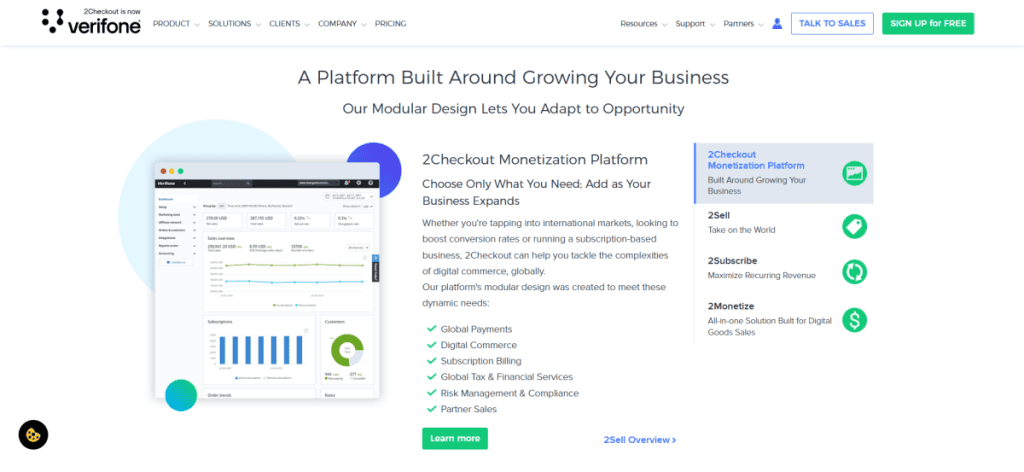
2Checkout offers a tiered pricing model with three main plans: 2Sell, 2Subscribe, and 2Monetize, each catering to different business needs.

2Sell: Designed for businesses selling physical and digital products globally, this plan has a transaction fee of 3.5% + $0.35 per sale.

2Subscribe: Geared toward businesses with subscription-based models, this plan includes recurring billing and automated subscription management at 4.5% + $0.45 per sale.

2Monetize: A more advanced plan for digital goods, software, and SaaS businesses, featuring global tax and compliance management along with payment processing at 6.0% + $0.60 per sale.

Additional Costs

Beyond the base transaction fees, 2Checkout applies several additional charges:

Chargeback Fees: If a transaction is disputed by the customer, merchants face a $20 chargeback fee per incident, which aligns with many industry competitors.

Cross-Border Fees: Transactions processed in a different currency or country may incur a 2-3% additional fee, depending on the location.

Wire Transfer Fees: Merchants withdrawing funds via wire transfer may encounter extra processing fees, which vary by country and bank.

2Checkout Review

Comparison with Industry Standards

When compared to rivals such as Stripe (2.9% + $0.30 for every transaction) and PayPal (3.49% + a fixed fee for each transaction), 2Checkout’s starting rates are relatively higher, especially for businesses dealing with subscriptions and digital products. The absence of a flat-rate pricing structure and extra cross-border charges can render it less economical for companies with substantial transaction volumes. Nevertheless, for businesses requiring international tax compliance, multi-currency functionality, and comprehensive fraud protection, 2Checkout’s pricing could be warranted. 

While the pricing structure offers flexibility, potential users should evaluate their sales volume and international operations to determine whether 2Checkout is the most cost-efficient choice for their business.

User Experience

An effortless and user-friendly experience is crucial for every payment processing platform. 2Checkout strives to offer a simple onboarding experience, an easy-to-use dashboard, and attentive customer support, although user opinions differ. 

Onboarding Process

Creating an account with 2Checkout entails a multi-step registration procedure that necessitates businesses to provide key information, such as company information, payment options, and compliance papers. 

Approval is not instant—merchant accounts must undergo a verification process, which can take anywhere from a few hours to several days, depending on the business type and risk level.

Some users have reported delays or requests for additional documentation, particularly for high-risk industries or international merchants.

Dashboard and Interface

2Checkout provides a clean, structured dashboard that allows users to manage transactions, subscriptions, and reports easily.

The interface is designed to be user-friendly, with clear navigation menus and access to key business insights.

Merchants can track sales, refunds, chargebacks, and revenue trends directly from the dashboard.

Some users feel the dashboard lacks the modern UI/UX design seen in competitors like Stripe or Square.

Customer Support

Reliable customer support is crucial when dealing with payment processing issues, and 2Checkout offers multiple communication channels.

Support is available through phone, email, and live chat, though response times can vary.

Enterprise users often receive quicker assistance, while smaller businesses sometimes report delays or difficulty reaching support representatives.

The knowledge base and FAQs are available, but some users find the documentation insufficient for resolving complex issues.

Pros and Cons

Similar to any payment processing system, 2Checkout possesses both advantages and disadvantages. Although it performs well in global payment acceptance, subscription management, and security, it also entails increased transaction fees and possible account-related issues. 

Advantages

2Checkout provides several benefits that make it a strong choice for businesses operating internationally.

Global Payment Acceptance – Supports payments in over 200 countries and 100+ currencies, making it ideal for businesses looking to expand globally.

Comprehensive Subscription Management – Offers recurring billing, flexible subscription plans, and dunning management, making it well-suited for SaaS and subscription-based businesses.

Robust Security Features – Maintains PCI DSS Level 1 compliance, AI-driven fraud detection, and 3D Secure authentication, ensuring secure transactions and minimizing chargeback risks.

Multiple Payment Methods – Accepts credit/debit cards, PayPal, and various local alternative payment methods, improving customer conversion rates.

Tax and Compliance Management – Automatically handles global taxes, VAT, and regulatory compliance, reducing the burden on businesses selling internationally.

Disadvantages

Despite its benefits, 2Checkout has some drawbacks that businesses should consider.

Higher Transaction Fees Compared to Competitors – Charges between 3.5% to 6.0% + $0.35 to $0.60 per transaction, which is higher than Stripe (2.9% + $0.30) and PayPal (3.49% + fixed fee).

Reports of Held Funds and Account Terminations – Some users have experienced account holds, frozen funds, or sudden terminations, particularly for businesses flagged as high-risk.

Limited Support for High-Risk Industries – Businesses in high-risk sectors (e.g., adult content, gaming, financial services) may struggle to get approved or face stricter restrictions.

Customer Support Concerns – Some merchants report slow response times and difficulty resolving disputes, particularly for smaller businesses.

While 2Checkout is a powerful tool for global merchants, businesses should carefully evaluate its pricing and policies before committing.

Customer Feedback and Reviews

2Checkout has received a mix of positive and critical reviews from users across various platforms, reflecting both its strengths and challenges.

Summary of User Reviews

On platforms such as Gartner Peer Insights, TrustRadius, and GetApp, users value 2Checkout for its reliability, security attributes, and international presence. Numerous companies emphasize their capacity to manage international payments effectively, with some claiming that fraud prevention systems have safeguarded them from chargebacks and conflicts. The platform is also noted for its strong API and abundance of features, making it a favored option for SaaS and subscription-oriented companies. Nevertheless, typical issues involve account freezes, slow fund withdrawals, and difficulties with customer service. 

Common Praises

Many users commend 2Checkout’s global reach, allowing businesses to accept payments in multiple currencies and payment methods across over 200 countries. The feature-rich platform, including subscription management, automated billing, and tax compliance tools, is frequently highlighted as a key advantage. Additionally, fraud prevention and security measures such as AI-driven risk management and 3D Secure authentication receive positive feedback from merchants who have successfully avoided fraudulent transactions.

Common Complaints

Despite its benefits, users report issues with account management, such as sudden account terminations or withheld funds, which can be frustrating for businesses. Customer support responsiveness is another frequent complaint, with some users finding it difficult to get timely assistance for urgent issues. Additionally, 2Checkout’s fee structure is considered higher than competitors like Stripe and PayPal, making it less cost-effective for some merchants.

2Checkout’s Responsiveness to Feedback

2Checkout proactively interacts with user input, addressing issues regarding fund holds, account approvals, and delays in customer support. The company recognizes the necessity for more stringent verification procedures to avert fraud and maintain compliance, yet it has faced criticism for occasionally failing to offer comprehensive explanations for account restrictions. Although it strives to tackle issues, a portion of users believe that the replies could be more clear and compassionate. 

Competitor Comparison

2Checkout operates in a competitive payment processing market alongside industry leaders like PayPal, Stripe, and Shopify Payments. Each platform offers unique features and pricing models, making them suitable for different business types.

Comparison with PayPal, Stripe, and Shopify Payments

PayPal is one of the most widely used payment processors, offering ease of use, buyer protection, and broad customer trust. However, PayPal’s transaction fees (3.49% + fixed fee per sale) are similar to 2Checkout’s pricing but can be higher for international transactions. Unlike 2Checkout, PayPal is more commonly used for peer-to-peer payments and has a less customizable checkout experience.

Stripe is known for its developer-friendly API, lower fees (2.9% + $0.30 per transaction), and advanced integrations. It offers strong customization options, making it ideal for businesses with tech expertise. However, Stripe’s global reach is not as extensive as 2Checkout’s, and it does not provide built-in tax and compliance management for international merchants.

Shopify Payments is tailored for Shopify store owners, integrating seamlessly with the platform while avoiding third-party transaction fees. Unlike 2Checkout, Shopify Payments has no additional fees for Shopify merchants, but it lacks the global payment flexibility and subscription management features that 2Checkout offers.

Differentiating Features and Pricing

2Checkout distinguishes itself with its extensive global presence, accommodating over 100 currencies and localized payment options across more than 200 nations. Moreover, its subscription management features surpass those of PayPal and Shopify Payments, rendering it an appealing choice for SaaS and digital product enterprises. Nonetheless, 2Checkout’s costs (ranging from 3.5% to 6.0% per transaction) are typically more expensive than the standard rates of Stripe and PayPal, which may be a disadvantage for companies with large transaction volumes. 

Suitability for Various Business Types

Best for global merchants: 2Checkout’s multi-currency support and compliance tools make it ideal for international sellers.

Best for subscription-based businesses: With automated billing and dunning management, 2Checkout is a strong choice for SaaS and digital services.

Not ideal for high-risk industries: Unlike PayPal and some Stripe-supported processors, 2Checkout is more restrictive on high-risk businesses, leading to potential account holds.

2Checkout Review

Conclusion

2Checkout serves as a robust payment processor for international enterprises and subscription-oriented models, providing multi-currency capabilities, fraud prevention, and tax compliance resources. Nonetheless, elevated fees, worries about account holds, and varying customer support feedback could be disadvantages. Companies requiring global access and subscription oversight will gain advantages, but budget-conscious sellers ought to evaluate other options. 

FAQs

What types of businesses benefit most from using 2Checkout?

2Checkout is ideal for global eCommerce businesses, SaaS providers, and subscription-based services that require multi-currency support and automated recurring billing. It is especially useful for digital goods, software sales, and international merchants needing tax compliance and fraud protection tools.

How does 2Checkout handle international transactions and currencies?

2Checkout supports 100+ currencies and payments in over 200 countries, offering localized payment methods and automatic currency conversion. It also manages international taxes and compliance to simplify cross-border transactions.

What are the contract terms and cancellation policies?

2Checkout operates on a pay-as-you-go model, meaning no long-term contracts. Merchants can cancel at any time, but withdrawal of funds and account closure may require verification and compliance checks.

NCR Payments Review

NCR Payments Review

NCR Corporation, established in 1884 as the National Cash Register Company, boasts a rich history in financial technology and payment processing. Throughout the years, it has transformed from a maker of mechanical cash registers into a worldwide frontrunner in financial services, retail, and hospitality technology solutions. NCR has consistently emphasized innovation, broadening its product range to satisfy the increasing needs of contemporary businesses, establishing it as a prominent name in payment processing. Lets read more about NCR Payments Review.

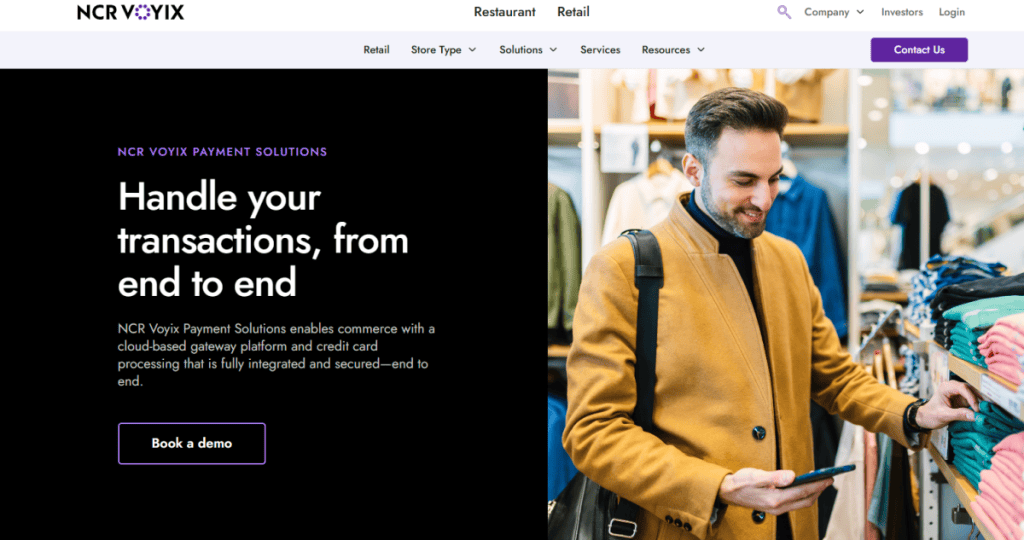
NCR Payments is a dedicated division of NCR Corporation that provides end-to-end payment solutions for businesses across multiple industries, including retail, restaurants, and banking. Leveraging decades of expertise, NCR Payments delivers a robust suite of services, including point-of-sale systems, payment terminals, e-commerce gateways, and integrated payment processing. The division plays a crucial role in helping businesses streamline transactions, improve operational efficiency, and enhance customer experiences.

A significant advantage of NCR Payments lies in its capacity to integrate effortlessly with other NCR solutions, forming a cohesive ecosystem for businesses aiming to handle sales, inventory, and customer interaction from a unified platform. Focusing on security, compliance, and scalability, NCR Payments has established itself as a strong competitor in the market, serving both small businesses and large corporations. With the growth of digital transactions, NCR Payments’ dedication to innovation and dependability guarantees its ongoing significance in the changing financial technology environment. 

Product and Service Offerings | NCR Payments Review

NCR Payments provides a comprehensive suite of payment solutions tailored to businesses across various industries, including retail, hospitality, and financial services. At its core, the company offers point-of-sale systems that integrate payment processing with business management tools. These POS solutions range from traditional countertop terminals to mobile and cloud-based systems, enabling businesses to accept payments efficiently in-store, online, or on the go.

A crucial element of NCR Payments’ system is its payment gateway, which enables safe online transactions. Tailored for online retail, the gateway accommodates multiple payment options, such as credit and debit cards, digital wallets, and contactless transactions. This allows companies to provide smooth checkout experiences while maintaining adherence to industry security regulations. Moreover, NCR Payments offers e-commerce solutions that connect with leading shopping platforms, enabling merchants to handle online and physical sales through a single system. 

Beyond payment processing, NCR Payments offers value-added services that help businesses optimize operations. Its inventory management tools enable real-time tracking of stock levels, reducing the risk of overselling or stock shortages. The company also provides customer loyalty programs, which help businesses engage and retain customers by offering rewards, discounts, and personalized promotions. Furthermore, NCR Payments includes advanced analytics and reporting, giving businesses access to critical data insights on sales performance, customer behavior, and financial trends.

With a focus on integration and efficiency, NCR Payments’ product suite is designed to support businesses of all sizes, offering scalable solutions that adapt to evolving commerce and payment needs.

NCR Payments Review

Technology and Integration

NCR Payments is built on a technologically advanced infrastructure designed to provide businesses with secure, efficient, and scalable payment solutions. The company leverages cloud-based systems, AI-driven analytics, and end-to-end encryption to ensure seamless transaction processing across various platforms. Its payment technology is designed for high-speed transactions, reducing processing times and improving the overall customer experience. With built-in redundancy and real-time transaction monitoring, NCR Payments ensures reliability and security, minimizing downtime and protecting against fraud.

A major strength of NCR Payments is its integration capabilities. The system is designed to work seamlessly with NCR’s broader suite of business solutions, including point-of-sale systems, self-service kiosks, and banking software. This enables businesses to create a fully interconnected ecosystem where payments, inventory, customer management, and reporting function within a unified platform.

In addition to NCR’s exclusive ecosystem, the payment platform facilitates integration with external applications. Companies can integrate NCR Payments with well-known e-commerce platforms, accounting software, and customer relationship management systems, enhancing operational efficiency and data alignment. Integration with systems such as QuickBooks, Shopify, and Salesforce increases the platform’s adaptability, making it an attractive option for companies with varied operational requirements. 

NCR Payments also supports API-driven integration, allowing developers to customize payment functionalities to fit unique business workflows. Whether a company requires tailored payment solutions or seamless data exchange between systems, NCR’s technology infrastructure is designed to support adaptability and scalability. With a focus on interoperability, NCR Payments positions itself as a future-ready payment solution for businesses seeking efficient and integrated financial operations.

Pricing and Contractual Terms

NCR Payments follows a structured pricing model with different plans designed for businesses of varying transaction volumes. It includes monthly fees, transaction charges, and contractual obligations that merchants should carefully review before committing.

Plan Options and Fees: NCR Payments offers different pricing plans based on business needs. The Starter Plan has no monthly fee when paired with a hardware terminal subscription, with transaction fees set at 2.99% + $0.15 per transaction. Non-qualified transactions incur a higher fee of 3.5% + $0.15. The Premium Plan costs $165 per month, offering a lower transaction rate of 2.25% + $0.15 per transaction, though non-qualified transactions remain at 3.5% + $0.15.

Minimum Monthly Fee: Merchants must fulfill a minimum monthly processing requirement. For instance, if a company handles $500 in sales with a discount rate of 1.69%, the discount charges would total $8.45. If the lowest monthly fee is established at $10, the merchant needs to process a minimum of $600 to steer clear of extra fees. If the sales volume does not meet expectations, the company will incur the minimum charge. 

Contract Terms and Early Termination: NCR Payments typically requires a 36-month initial contract term. If a merchant terminates the contract early, they are obligated to pay the remaining fees for the rest of the contract period. This can result in significant costs, making it essential for businesses to evaluate the long-term financial commitment before signing.

Additional Fees and Considerations: While NCR Payments provides transparent pricing for standard transactions, businesses should review the agreement for any additional costs, such as chargeback fees, hardware costs, and potential rate increases. Understanding these charges in advance can help avoid unexpected expenses.

NCR Payments Review

User Experience and Interface

NCR Payments is designed to provide businesses with an intuitive and efficient payment processing experience. The platform features a user-friendly interface that is easy to navigate, making it accessible for both small business owners and large enterprises. NCR’s point-of-sale systems come with touchscreen interfaces, clear menu layouts, and straightforward payment options, ensuring a smooth transaction process for employees and customers alike. The system is optimized for quick order processing, minimizing checkout times and improving customer satisfaction.

A major advantage of NCR Payments is its ability to customize. Companies can customize the interface to align with their operational requirements, such as incorporating personalized buttons, modifying menu designs, and integrating particular payment options. The platform enables merchants to establish loyalty programs, monitor sales, and oversee inventory straight from the dashboard. These characteristics assist companies in optimizing everyday activities while keeping oversight of financial dealings. 

The learning curve for new users is relatively low, as NCR Payments offers training resources, user guides, and customer support to assist businesses in onboarding. While most users find the system intuitive, some advanced features—such as detailed analytics and multi-location management—may require additional time to master. However, once set up, the platform provides a seamless experience, reducing manual work and enhancing operational efficiency.

In summary, NCR Payments combines features and user-friendliness, establishing it as an excellent option for companies seeking a scalable and flexible payment processing system. Its focus on usability guarantees that companies can swiftly implement and use the system with little disruption. 

Customer Support and Service

NCR Payments provides a range of customer support options to assist businesses in managing their payment processing systems effectively. The company offers 24/7 customer service, ensuring that businesses can get help whenever issues arise. Support is available through multiple channels, including phone, email, and live chat, allowing merchants to choose the most convenient method based on their needs. Response times can vary, with phone support generally being the quickest way to resolve urgent matters, while email and chat support may take longer depending on the complexity of the issue.

In addition to direct customer support, NCR Payments provides comprehensive self-service resources to help users navigate the system independently. These include training materials, user manuals, and an online knowledge base, which cover common troubleshooting steps, system configurations, and best practices for maximizing platform efficiency. This can be particularly beneficial for businesses onboarding new employees or implementing advanced features.

NCR Payments provides specialized account management services for companies needing more personalized support, usually found in premium plans. This guarantees that larger companies or those with intricate requirements obtain customized assistance for integration, security, and operational issues. 

While NCR Payments generally receives positive feedback for its accessibility and support options, some users have reported inconsistencies in response times and resolution efficiency. Peak business hours may result in longer wait times for phone or chat assistance. Despite this, the availability of extensive resources and round-the-clock support ensures that most issues can be addressed effectively, making it a reliable option for businesses requiring ongoing assistance.

Security and Compliance

Security is a critical aspect of any payment processing system, and NCR Payments prioritizes data protection through multiple layers of security measures. The platform uses end-to-end encryption and tokenization to safeguard sensitive transaction data, ensuring that customer payment details remain secure from potential threats. These technologies prevent credit card information from being stored in a vulnerable format, reducing the risk of data breaches. Additionally, NCR Payments employs real-time fraud detection and monitoring, which helps identify suspicious transactions and mitigate fraud risks before they impact businesses.

Regarding regulatory compliance, NCR Payments follows the Payment Card Industry Data Security Standard guidelines, guaranteeing that every transaction meets the utmost security criteria. Achieving PCI DSS compliance indicates that NCR Payments adheres to strict protocols for data encryption, access management, and secure processing of payments. This is essential for companies aiming to safeguard customer data while preserving confidence in their payment processes. 

The platform also supports EMV chip card technology, which enhances transaction security by making it harder for fraudsters to replicate card data. Additionally, NCR Payments offers secure contactless payment options, including NFC-based payments like Apple Pay and Google Pay, reducing the need for physical card swipes and further improving security.

While NCR Payments implements robust security protocols, businesses are encouraged to regularly update software, enable multi-factor authentication where applicable, and educate employees on security best practices. By combining NCR Payments’ security measures with proactive merchant-side actions, businesses can ensure a safer payment environment for their customers.

Market Reputation and Reviews

NCR Payments has garnered a mixed reputation in the market, with customer feedback highlighting both strengths and areas for improvement. Many users appreciate the platform’s comprehensive features and integration capabilities, noting that it effectively supports various business operations. For instance, some users have praised its user-friendly interface and robust inventory management tools, which facilitate efficient business processes.

Nonetheless, there are significant criticisms regarding customer service and pricing models. Several customers have indicated issues with customer support, highlighting struggles in contacting representatives and delays in resolving their problems. Moreover, worries have been expressed regarding the intricacy and clarity of the pricing structure, as some users believe that the charges exceed their expectations. For instance, certain merchants have voiced their unhappiness regarding unforeseen fees and the perceived ineffectiveness of customer support in resolving billing issues. 

In comparison to competitors, NCR Payments holds a significant position in the payment processing industry but faces stiff competition from other providers. Alternatives such as Shopify POS, Square Point of Sale, and Retail Pro are often highlighted for their ease of use, transparent pricing, and responsive customer support. These competitors have been recognized for offering more straightforward solutions, particularly for small to medium-sized businesses seeking intuitive and cost-effective payment processing systems.

Overall, while NCR Payments offers a robust suite of features suitable for various business needs, potential users should carefully consider the platform’s customer service track record and pricing structure. Evaluating these factors in the context of specific business requirements and comparing them with alternative providers can help businesses make an informed decision.

Pros and Cons

Similar to any payment processing system, NCR Payments possesses both advantages and disadvantages. Although it provides a strong set of features, smooth integration, and secure transaction handling, certain elements of its pricing and customer support have faced criticism. The following is a fair assessment of the platform’s benefits and drawbacks considering its characteristics, costs, and user reviews. 

Pros:

Comprehensive Payment Solutions – NCR Payments supports in-store, online, and mobile transactions, making it a versatile choice for businesses of all sizes.

Seamless Integration – The platform integrates well with NCR’s point-of-sale systems, inventory management tools, and third-party applications like QuickBooks and Shopify.

Security and Compliance – With PCI DSS compliance, end-to-end encryption, tokenization, and real-time fraud monitoring, NCR Payments ensures secure transactions.

Advanced Business Tools – Offers features like customer loyalty programs, sales analytics, and automated reporting, helping businesses improve operations.

Multi-Industry Support – Used widely across retail, hospitality, and financial services, providing tailored solutions for different business needs.

Cons:

Complex Pricing Structure – Users have reported difficulty understanding the pricing model, with various fees that may not be immediately transparent.

Lengthy Contract Terms – Requires a 36-month initial contract, and early termination may result in significant penalties.

Inconsistent Customer Support – Some customers have experienced delays in response times and challenges in resolving issues efficiently.

Hardware Costs – Businesses using NCR POS systems may face additional expenses for hardware purchases and maintenance.

Competitor Edge – Alternatives like Square and Shopify POS offer more straightforward pricing and user-friendly experiences, making them appealing to small businesses.

In general, NCR Payments is an effective option for companies requiring unified payment processing and operational resources. Nonetheless, businesses must thoroughly assess their pricing, contractual commitments, and customer service dependability prior to making a decision. 

NCR Payments Review

Conclusion

NCR Payments provides a complete payment processing service featuring robust integration, security, and sophisticated business tools. Nonetheless, its complex pricing, extended contracts, and unreliable customer service could be disadvantages. Although perfect for companies looking for a scalable solution, smaller enterprises may discover that options such as Square or Shopify are more affordable and easier to use. 

Frequently Asked Questions

Q1: What types of businesses benefit most from NCR Payments’ solutions?

NCR Payments is best suited for businesses in retail, hospitality, and financial services that require integrated payment processing with advanced business management tools. Large enterprises and multi-location businesses benefit the most due to the platform’s scalability, inventory management, and customer engagement features. However, small businesses may find alternatives with more straightforward pricing and flexible contracts.

Q2: How does NCR Payments ensure the security of transactions?

NCR Payments employs multiple security measures, including end-to-end encryption, tokenization, PCI DSS compliance, and real-time fraud monitoring. These features help protect customer data from cyber threats and unauthorized access. Additionally, the platform supports EMV chip technology and contactless payments, reducing the risk of card fraud.

Q3: Are there any hidden fees or charges that users should be aware of?

NCR Payments has a complex pricing structure that includes transaction fees, hardware costs, and potential early termination fees. Businesses should carefully review their contracts to identify minimum monthly fees, additional processing charges, and any penalties for canceling services before the agreed term.

Costco Merchant Services Review

Costco Merchant Services Review

Costco is a globally recognized brand, best known for its wholesale membership-based retail model that delivers value to both businesses and individuals. With a reputation built on competitive pricing and quality products, Costco has consistently expanded its services beyond traditional retail to cater to the diverse needs of its customers. Among its lesser-known ventures is Costco Merchant Services, an offering designed to provide businesses with affordable payment processing solutions. Lets read more about Costco Merchant Services Review.

Launched as part of its broader business services, Costco Merchant Services aims to simplify the complexities of payment processing while maintaining the brand’s hallmark value proposition—cost-effectiveness. By leveraging its buying power and established partnerships with major payment processors, Costco positions itself as a trusted intermediary for small to medium-sized businesses looking to streamline their transaction processes without incurring exorbitant fees.

The primary target audience for Costco Merchant Services includes small business owners who are either existing Costco members or seeking to reduce operational costs in areas such as payment processing. Retailers, restaurants, service providers, and e-commerce merchants can particularly benefit from Costco’s solutions, as the services are tailored to handle high transaction volumes efficiently while minimizing fees. Additionally, businesses that value transparency and prefer working with a well-established brand are drawn to Costco Merchant Services for its no-nonsense approach to pricing and contract terms.

In essence, Costco Merchant Services extends the brand’s ethos of affordability and trustworthiness to the realm of payment solutions, making it an appealing option for cost-conscious entrepreneurs.

Features of Costco Merchant Services | Costco Merchant Services Review

Costco Merchant Services provides a range of solutions designed to meet the needs of small to medium-sized businesses. Its core offerings include payment processing, point-of-sale (POS) systems, and e-commerce integrations, all of which are geared toward simplifying transactions and improving operational efficiency.

Payment Processing is at the heart of Costco Merchant Services. Businesses can accept payments from major credit and debit card providers, including Visa, Mastercard, American Express, and Discover. With transparent pricing and competitive transaction rates, Costco aims to reduce the financial burden on businesses, particularly for Costco Executive Members, who receive additional discounts on processing fees.

Point-of-Sale (POS) Systems offered by Costco are designed to provide businesses with robust tools for managing transactions. These systems cater to industries like retail, hospitality, and food services, offering features such as inventory management, sales reporting, and multi-location support. The POS systems integrate seamlessly with Costco’s payment processing services, ensuring smooth operation.

For online businesses, Costco provides e-commerce payment solutions that integrate with popular platforms such as Shopify, WooCommerce, and BigCommerce. These integrations allow businesses to securely process online payments, including options for recurring billing and subscription services. Additionally, Costco’s payment gateway ensures transactions are secure, reliable, and compliant with industry standards.

Mobile Payment Options enable businesses to accept payments on the go. With mobile card readers and contactless payment capabilities, including support for Apple Pay and Google Pay, businesses can offer customers greater flexibility and convenience.

These features collectively position Costco Merchant Services as a versatile solution for modern businesses seeking affordability and efficiency.

Costco Merchant Services Review

Pricing and Fee Structure

One of the standout features of Costco Merchant Services is its transparent pricing model, designed to provide clarity and cost savings for businesses. Costco primarily offers an interchange-plus pricing structure, which is widely regarded as a fair and transparent model in the payment processing industry. This structure separates the interchange fee (set by card networks like Visa and Mastercard) from the processor’s markup, ensuring businesses understand exactly what they are paying for.

Transaction fees vary depending on the type of card and transaction, but Costco Executive Members enjoy reduced rates compared to regular members. While exact percentages may fluctuate based on processing volume, businesses often find Costco’s rates competitive, particularly for high-volume transactions. In addition to per-transaction fees, there are monthly account fees and potentially other charges, such as for PCI compliance or statement processing, but these are typically lower than industry averages.

Costco’s pricing model often results in significant savings compared to competitors, especially for small to medium-sized businesses with moderate to high transaction volumes. This affordability is a direct result of Costco’s ability to negotiate better rates with payment processors, passing those savings on to its members.

Membership is a key factor in accessing these benefits. Businesses must be Costco members to use the service, with Executive Members receiving additional discounts. While this creates an added expense for non-members, the savings on payment processing fees often offset the membership cost, making it an attractive option for cost-conscious entrepreneurs seeking a trusted partner.

Hardware and Software Options

Costco Merchant Services offers a robust selection of hardware and software options designed to cater to the diverse needs of businesses across industries. These solutions include credit card machines, POS systems, and software integrations that ensure seamless operations for both in-store and online businesses.

Hardware offerings include reliable and user-friendly credit card machines and POS systems. The credit card machines support a variety of payment methods, including chip cards, magnetic stripe cards, and contactless payments such as Apple Pay and Google Pay. These machines are designed to provide quick and secure transactions, making them ideal for fast-paced environments like retail and hospitality. For businesses seeking advanced capabilities, Costco’s POS systems are a comprehensive solution.

The POS systems available through Costco come with a range of features tailored to enhance operational efficiency. Key functionalities include inventory management, which allows businesses to track stock levels in real time, and customer management, enabling businesses to store and analyze customer data to improve service and marketing efforts. These systems also provide detailed sales reporting and multi-location management, making them suitable for growing businesses.

On the software side, Costco Merchant Services provides solutions that are compatible with various third-party tools and platforms. For e-commerce businesses, Costco offers integrations with popular platforms like Shopify, WooCommerce, and BigCommerce, ensuring streamlined payment processing and order management. The software also supports PCI compliance and data security, giving businesses confidence in the safety of their transactions.

Ease of Use and Setup

Costco Merchant Services is designed with ease of use in mind, making it accessible for small to medium-sized businesses looking to streamline their payment processing. The onboarding process for new users is straightforward and well-supported. Once a business signs up for Costco Merchant Services, the setup process is guided by a dedicated support team, which assists in selecting the right hardware, configuring software, and integrating the service with existing business systems. This hands-on approach ensures that even business owners with minimal technical expertise can get started quickly.

The user interface of Costco’s hardware and software is intuitive and user-friendly. Credit card machines and POS systems come with simple interfaces that are easy to navigate, even for first-time users. The POS systems are equipped with touchscreen functionality and customizable menus, allowing businesses to tailor the system to their specific operational needs. Features like inventory tracking, customer data management, and sales reporting are accessible with just a few taps, ensuring a seamless experience for employees.

For brick-and-mortar businesses, setup involves minimal hardware installation, with most devices being plug-and-play. The support team assists with initial configurations to ensure everything runs smoothly. Online businesses benefit from seamless integration with e-commerce platforms like Shopify and WooCommerce. The payment gateway is easy to implement, with step-by-step guidance provided for setup.

Costco Merchant Services Review

Customer Support and Reliability

Costco Merchant Services offers dependable customer support and reliability, which are essential for businesses that rely on seamless payment processing. The availability of customer service, however, may vary depending on the payment processor partnered with Costco. While Costco itself provides assistance for general inquiries, most technical support is handled by Elavon, its primary payment processing partner. This support is generally available 24/7 via phone, ensuring businesses can address critical issues at any time. Additional support channels, including email and live chat, may also be offered, though availability may depend on the specific service tier.

User feedback on responsiveness and issue resolution is mixed, with many customers praising the quick response times and knowledgeable support team. However, some users report occasional delays in resolving more complex issues, which can be a drawback for businesses operating in time-sensitive environments. It is worth noting that Costco’s strong reputation for customer service extends to its merchant services, giving users confidence in the overall quality of support.

In terms of reliability, Costco Merchant Services performs well. The systems offer high uptime, ensuring uninterrupted transaction processing for both in-store and online businesses. The transaction speeds are competitive, allowing businesses to handle customer payments quickly and efficiently. Additionally, the hardware and software solutions are built to handle high transaction volumes without compromising performance, making them suitable for businesses with peak activity periods.

Pros and Cons

Pros: Costco Merchant Services offers several compelling advantages, making it an attractive choice for small to medium-sized businesses:

Competitive Pricing: With its interchange-plus pricing model and discounts for Costco Executive Members, businesses can enjoy cost-effective payment processing with transparent fees. This affordability is especially beneficial for high-volume merchants.

Brand Trust: Costco’s reputation as a reliable and customer-focused brand extends to its merchant services, providing peace of mind for businesses seeking a trustworthy provider.

Wide Range of Services: Costco offers a comprehensive suite of solutions, including payment processing, POS systems, e-commerce integrations, and mobile payment capabilities, covering the needs of both in-store and online businesses.

Ease of Use: The intuitive hardware and software make it easy for businesses to set up and operate, even with minimal technical knowledge.

Dedicated Support: 24/7 customer service ensures that businesses have access to help when needed, minimizing downtime and operational disruptions.

Cons: Despite its strengths, Costco Merchant Services has some limitations:

Membership Requirement: Businesses must be Costco members to access these services, which adds an upfront cost, especially for non-Executive Members who may not benefit from the best pricing.

Limited Advanced Features: While the offerings are sufficient for many businesses, advanced tools like in-depth analytics, marketing integrations, or tailored industry-specific solutions may be lacking.

Third-Party Dependency: Costco partners with Elavon for payment processing, which means some aspects of the service, such as technical support or contract terms, are controlled by the processor rather than Costco directly.

Mixed User Feedback: Some customers report delays in issue resolution or challenges with contract transparency, which may be a concern for businesses needing consistent service quality.

Costco Merchant Services is ideal for cost-conscious businesses seeking reliable, straightforward payment solutions, though it may not meet the needs of those requiring advanced features or customization.

Comparison with Competitors

Costco Merchant Services competes with well-established payment processing providers like Square, PayPal, and Stripe, each offering distinct strengths and limitations. While Costco focuses on affordability and transparency, its competitors often emphasize advanced features and seamless integrations.

Pricing Comparison: Costco’s interchange-plus pricing model is highly competitive, especially for Costco Executive Members who receive additional discounts. This can result in significant savings compared to flat-rate models like Square and PayPal, which charge higher per-transaction fees (typically around 2.6%–2.9% + $0.30). Stripe also offers interchange-plus pricing but may not provide the volume discounts available through Costco. Businesses processing high transaction volumes often find Costco more cost-effective.

Feature Comparison: Competitors like Square and PayPal excel in their feature-rich ecosystems, offering advanced POS systems, robust analytics, and integrations with marketing tools. Stripe leads in e-commerce capabilities, with its developer-friendly API allowing deep customization. In contrast, Costco’s hardware and software focus on essential functions, which may lack the advanced tools needed for businesses requiring detailed analytics or industry-specific features.

Ease of Use: Square and PayPal offer highly intuitive platforms with minimal setup, making them ideal for small businesses and startups. Costco’s solutions are also user-friendly, but the initial setup and onboarding may require more involvement due to its reliance on Elavon as a partner.

Unique Selling Points: Costco stands out for its cost-effectiveness, trusted brand reputation, and membership benefits. However, it lags behind competitors in offering customizable solutions, innovative features, and comprehensive customer analytics, which are often critical for tech-driven or rapidly growing businesses.

Who Should Use Costco Merchant Services?

Costco Merchant Services is best suited for small to medium-sized businesses that prioritize cost-effective and reliable payment processing solutions. Its competitive pricing, straightforward setup, and essential features make it an excellent choice for businesses looking to streamline operations without incurring high fees.

Ideal Businesses and Industries: Retail stores, restaurants, service-based businesses, and e-commerce merchants are among the industries that can benefit most from Costco Merchant Services. Brick-and-mortar businesses requiring dependable credit card machines and POS systems will find Costco’s hardware easy to use and well-suited to daily operations. Additionally, online merchants can take advantage of Costco’s e-commerce payment solutions, which integrate with platforms like Shopify and WooCommerce, making it a solid choice for businesses with a digital presence. Mobile payment capabilities also make it suitable for professionals who operate on the go, such as contractors, freelancers, and pop-up vendors.

Suitability for Small Businesses vs. Large Enterprises: Costco’s services are particularly well-suited for small and medium-sized businesses, thanks to its transparent pricing and membership-based discounts, especially for Executive Members. For small businesses processing a moderate to high volume of transactions, the cost savings can be significant compared to competitors like Square or PayPal.

However, large enterprises with complex needs may find Costco Merchant Services less suitable. Its lack of advanced features, such as in-depth analytics, multi-location support, or extensive customization, may not meet the demands of larger organizations with diverse operations.

Costco Merchant Services Review

Final Verdict

Costco Merchant Services excels in offering affordable, transparent pricing and reliable payment solutions, making it ideal for cost-conscious small to medium-sized businesses. While it lacks advanced features and customization, its trusted brand and straightforward services make it a solid choice for businesses seeking value and simplicity in payment processing.

FAQs

What types of businesses benefit most from Costco Merchant Services?

Costco Merchant Services is ideal for small to medium-sized businesses, including retail stores, restaurants, service providers, and e-commerce merchants, especially those processing moderate to high transaction volumes and seeking cost-effective payment solutions.

Does Costco Merchant Services offer flexible contract options?

Costco partners with Elavon for payment processing, and contract terms may vary. Businesses should carefully review agreements for flexibility, early termination fees, and other conditions.

Are there hidden fees or charges not disclosed upfront?

Costco is known for transparency, but additional charges like PCI compliance or statement fees may apply. Reviewing all terms is recommended.

Charge.com Review

Charge.com Review

Charge.com is a long-standing merchant services provider specializing in credit card processing solutions for businesses of all sizes. Established in 1995, the company markets itself as a simple, low-cost solution for accepting payments online, in-store, and on the go. The purpose of this review is to critically evaluate Charge.com’s offerings, pricing, user experience, and customer satisfaction, providing a well-rounded perspective to help businesses determine whether it meets their payment processing needs. Lets read more about Charge.com Review.

Charge.com’s emphasis on cost-effectiveness and ease has been fundamental to its operations. By serving small and medium-sized enterprises, the company has positioned itself as a trustworthy choice for individuals in need of simple payment solutions. Nonetheless, as the payment processing sector advances, the demand for improved technological features and transparent practices grows more important. This review seeks to offer a thorough examination of Charge.com’s effectiveness in these important aspects. 

Company Background | Charge.com Review

Charge.com has positioned itself as a pioneer in the merchant services industry with a history spanning over two decades. Initially launched to cater to small businesses seeking affordable payment solutions, the company has since expanded its offerings to include a diverse range of services suitable for both small and large enterprises. Owned by Pipeline Data and later integrated with Cynergy Data under the Priority Payment Systems umbrella, Charge.com benefits from a robust corporate infrastructure.

Although Charge.com has been around for a long time, its reputation in the market is rather varied. Although the company possesses considerable experience, its branding and website design are still quite outdated when compared to its more contemporary rivals. Nonetheless, Charge.com’s focus on transparent, budget-friendly pricing has enabled it to stay relevant, especially among price-sensitive merchants. 

The company’s infrastructure has also undergone several changes due to mergers and acquisitions. This consolidation has brought stability but may also raise questions about service consistency and corporate oversight. For businesses considering Charge.com, understanding its corporate lineage can provide insights into its operational practices and long-term reliability.

Charge.com Review

Services Offered

Charge.com provides a variety of merchant services tailored to the unique needs of different business models. Key offerings include:

Merchant Accounts and Payment Processing Solutions

Charge.com enables effortless processing of credit and debit card payments for businesses, accommodating Visa, Mastercard, American Express, and Discover. Sellers can likewise accept electronic checks, improving their capability to cater to various customer preferences. The company’s capacity to handle large transaction volumes effectively positions it as a preferred option for businesses with substantial sales operations. 

Online Payment Gateways

The company’s secure online payment gateway allows businesses to accept payments through their websites. Features such as hosted payment forms and shopping cart integrations make it ideal for e-commerce businesses seeking a streamlined checkout experience. By offering customization options, Charge.com ensures that online retailers can maintain brand consistency throughout the payment process.

Mobile Payment Options

Charge.com offers mobile processing solutions that enable merchants to accept payments using smartphones or tablets. This flexibility is crucial for businesses operating at events, pop-ups, or on the go. The mobile app is user-friendly and supports essential features like digital receipts and inventory tracking, making it a valuable tool for modern entrepreneurs.

Virtual Terminals and Recurring Billing

The virtual terminal feature enables merchants to handle payments manually by inputting card information into a secure online portal. Moreover, options for recurring billing are offered, making it ideal for businesses based on subscriptions. The design of the virtual terminal emphasizes ease of use, allowing merchants to handle transactions without requiring in-depth technical expertise. 

POS Solutions

Charge.com provides POS systems to cater to brick-and-mortar businesses. These systems include card readers and software designed to manage transactions efficiently, though the hardware options may not be as extensive as some competitors. The POS solutions integrate with inventory management systems, providing additional value for retail businesses.

Payment Security Features

Charge.com emphasizes the importance of secure transactions by integrating fraud prevention tools like tokenization and encryption. These features safeguard sensitive customer data and ensure compliance with industry standards.

Industry-Specific Solutions

Charge.com customizes its offerings for sectors including retail, hospitality, and e-commerce. This targeted approach for the industry guarantees that specific requirements, like high-volume processing or recurring billing, are successfully met. 

Charge.com Review

Pricing and Fees

Charge.com’s pricing structure is marketed as transparent and competitive, though a deeper analysis reveals nuances worth considering:

Breakdown of Costs

The company promotes rates starting at 0.25% for each transaction. Nevertheless, this rate typically pertains solely to qualified transactions, while non-qualified transactions may face increased fees. Monthly account charges, statement charges, and gateway charges may also apply, possibly raising the total expense for merchants. Merchants need to perform an in-depth examination of their transaction types to grasp the true cost implications.

Hidden Fees and Transparency

While Charge.com emphasizes affordability, some merchants have reported encountering hidden fees, such as setup charges or early termination penalties. This highlights the importance of thoroughly reviewing contract terms before signing up. Transparency in pricing is critical for building trust, and this is an area where Charge.com has room for improvement.

Comparison with Competitors

When compared to competitors like Square and PayPal, Charge.com’s pricing appears attractive for high-volume businesses but less so for those with sporadic or low transaction volumes due to additional monthly charges. Small businesses with inconsistent sales may find alternatives with no monthly fees more suitable.

Integration and Compatibility

One of Charge.com’s strengths lies in its compatibility with a wide range of platforms and tools:

Supported E-Commerce Platforms

Charge.com integrates with popular e-commerce platforms such as Shopify, WooCommerce, and Magento. This flexibility allows businesses to incorporate payment processing seamlessly into their online stores. Integration guides and tutorials are provided to help merchants get started quickly.

API and Developer Support

Developers can utilize Charge.com’s API to build personalized integrations designed for particular business requirements. The documentation available is sufficient, although it is not as comprehensive or user-friendly as that of certain competitors. Improving API usability might draw in additional tech-savvy users and developers. 

Hardware Compatibility

The company’s solutions work with standard card readers and terminals, ensuring ease of adoption for businesses already equipped with basic hardware. However, advanced or specialized hardware options may be limited. For businesses requiring cutting-edge POS systems, this could be a significant drawback.

User Experience

User experience is a critical factor when evaluating payment processors, and Charge.com offers both strengths and areas for improvement:

Ease of Setup

Setting up a merchant account with Charge.com is relatively straightforward, with an application process that promises quick approvals. The company’s sales team assists in onboarding, ensuring merchants can start processing payments promptly. Providing more self-service onboarding options could further streamline the process.

Interface and Usability

While functional, the company’s website and user portal lack the modern design and intuitive interfaces seen in many contemporary competitors. This may deter tech-savvy users or those seeking a more polished experience. Investing in a design overhaul could enhance user satisfaction significantly.

Customer Service

Charge.com offers round-the-clock customer assistance through phone and email. Feedback about support quality varies, with certain customers commending the support team’s promptness, while others mention slow responses or inadequate problem-solving. A focused knowledge base or real-time chat option could effectively tackle these issues. 

Pros and Cons

Pros:

Competitive rates for high-volume transactions

Wide range of payment options, including e-checks

Flexible solutions for online, mobile, and in-store payments

24/7 customer support availability

Cons:

Lack of transparency regarding certain fees

Dated website and user interface

Limited advanced hardware options

Mixed customer feedback on service quality

Security and Compliance

Security is paramount in payment processing, and Charge.com ensures robust protections for its users:

PCI Compliance

Charge.com adheres to PCI DSS, guaranteeing that confidential payment details are managed securely. Routine audits and updates guarantee compliance with these standards. 

Fraud Prevention

The company offers tools such as AVS and CVV checks to mitigate fraud risks. Additional services, such as chargeback management, are available but may incur extra costs. Enhancing fraud prevention capabilities can boost merchant confidence.

Data Encryption

Charge.com utilizes end-to-end encryption to safeguard data while it is being transmitted. This extra security layer reduces the likelihood of breaches and strengthens users’ trust. 

Customer Feedback

Customer reviews of Charge.com paint a mixed picture:

Positive Feedback

Merchants often praise the affordability and range of payment options provided by Charge.com. The ability to accept a wide variety of payment methods is frequently cited as a key advantage. Testimonials highlighting specific success stories could add credibility.

Negative Feedback

Critiques commonly focus on concealed charges, old-fashioned interfaces, and inconsistent customer support interactions. These concerns pinpoint aspects where the organization can make enhancements to boost its standing. A thorough examination of these grievances could guide strategic enhancements. 

Contract Terms and Policies

The terms of the contract from Charge.com are an important factor for merchants. Numerous providers in the payment processing field necessitate long-term contracts, and Charge.com is similar. Merchants frequently enter contracts that last 1-3 years, including an automatic renewal provision unless terminated within a designated notice timeframe. Early termination fees are a major source of disagreement since they can be expensive if a company chooses to change providers prior to the contract’s conclusion. Clarity regarding these conditions could be enhanced, as certain users indicate they are uninformed about these charges until they try to cancel. Companies must thoroughly examine the fine print of every contract to guarantee they comprehend all responsibilities and expenses associated. 

Scalability for Growing Businesses

One of the standout aspects of Charge.com is its scalability. While many of its offerings are tailored to small and medium-sized businesses, the company provides the infrastructure to support businesses experiencing growth. Features such as high-volume transaction processing, customizable payment solutions, and integration with enterprise-level tools make Charge.com a viable option for businesses expanding their operations. However, advanced reporting tools and analytics, which are crucial for scaling businesses, appear limited compared to competitors. Enhancing these features would make Charge.com more attractive to enterprises seeking robust solutions.

Reporting and Analytics Features

Charge.com offers fundamental reporting and analytical tools to assist businesses in tracking their payment transactions. Vendors can view overviews of sales, transaction information, and account activity via their dashboard. Although these tools are effective, they do not provide the same level of depth and customization available from certain rivals. The lack of advanced analytics, like customer insights and sales predictions, may restrict their effectiveness for data-informed decision-making. Companies that depend significantly on analytics for expansion might have to enhance Charge.com’s tools with external solutions to obtain the insights they require. 

Chargeback Management

Chargebacks are a significant concern for merchants, as they can lead to financial losses and affect a business’s standing with payment processors. Charge.com offers tools to help businesses manage chargebacks effectively. These include fraud prevention features, automated alerts for disputed transactions, and support in responding to chargeback claims. While these tools provide a basic framework for handling disputes, they may not be as comprehensive as those provided by competitors specializing in fraud management. Merchants handling high transaction volumes should assess whether Charge.com’s chargeback tools meet their specific needs.

Customer Support Accessibility

Charge.com’s round-the-clock customer support is a major advantage. Companies can contact the support team through phone or email, ensuring assistance is available whenever needed. Nonetheless, the lack of a live chat option or a comprehensive knowledge base is a significant downside. Rival companies are progressively depending on these contemporary support channels to deliver quicker solutions and self-service alternatives for typical problems. Increasing support avenues and offering additional self-help resources could significantly improve the customer support experience. 

Charge.com Review

Final Verdict

Charge.com provides an extensive range of payment processing services designed to meet diverse business requirements. Although the company excels in cost-effectiveness and adaptability, some users might be discouraged by drawbacks like lack of transparency and outdated interfaces. For companies focusing on affordability and essential features, Charge.com is still a feasible choice, but it might not suit those in search of advanced technology or top-tier assistance. 

The decision to choose Charge.com ultimately depends on the specific needs and priorities of a business. By addressing its areas of weakness, the company could significantly enhance its appeal in a competitive market.

FAQs

Is Charge.com suitable for small businesses? 

Yes, Charge.com’s competitive pricing and flexible solutions make it an attractive option for small businesses, though merchants should carefully review contract terms to avoid unexpected fees.

Does Charge.com have a contract or early termination fee? 

Charge.com’s contracts may include early termination fees. Merchants are advised to clarify these details during the signup process.

What industries does Charge.com serve? 

Charge.com serves a wide range of industries, including retail, e-commerce, and service-based businesses, with tailored solutions for each.

Ironwood Payments Review

Ironwood Payments Review

Ironwood Payments is a payment processing firm located in the U.S. that offers customized solutions for companies in different sectors. Founded in 2015, the company aims to transform the payment processing industry by emphasizing transparency, customer support, and innovation. Serving companies of all sizes, Ironwood Payments focuses on streamlining payment processing while assisting clients in optimizing their revenue opportunities. Lets read more about Ironwood Payments Review.

Initially established by acquiring the merchant portfolio of ElitePay Global, Ironwood Payments has experienced considerable restructuring to tackle previous reputational issues. Its primary emphasis is on providing dependable and trustworthy payment solutions that enable merchants to optimize their operations and improve customer satisfaction. Throughout the years, Ironwood has established a reputation by concentrating on small- to medium-sized businesses, providing services that blend contemporary technology with personalized assistance. 

Services and Solutions | Ironwood Payments Review

Ironwood Payments offers a comprehensive suite of payment processing services designed to cater to diverse business needs. By addressing the unique demands of various industries, the company has developed a robust portfolio that includes:

Payment Processing Services

Ironwood provides credit and debit card processing services compatible with all major card networks, including Visa, MasterCard, Discover, and American Express. This ensures that businesses can offer flexible payment options to their customers, thereby enhancing customer satisfaction and driving revenue growth. Their mobile payment solutions enable businesses to accept payments on the go, ensuring flexibility and convenience. Mobile compatibility is particularly beneficial for industries such as food trucks, delivery services, and field-based businesses.

Furthermore, it provides tailored solutions for high-volume retailers, allowing them to process payments effectively while reducing transaction expenses. These flexible solutions guarantee that companies can expand without the concern of exceeding their payment processing abilities. 

Point of Sale Systems

The company supplies an array of POS solutions, including countertop terminals, smart terminals, and full-featured POS systems. Brands like Verifone, Ingenico, and SwipeSimple ensure reliable hardware with advanced features such as EMV chip acceptance, contactless payment capabilities, and robust data security. Countertop terminals are particularly well-suited for traditional retail environments, providing seamless integration with inventory management systems.

Smart terminals, like the Poynt device, feature dual screens that enable merchants and customers to engage with the system at the same time. This improves the checkout process and guarantees clarity throughout transactions. Comprehensive POS systems extend beyond simple payment handling by providing inventory management, staff oversight, and sales analysis, making them perfect for restaurants and larger retail businesses. 

Ironwood Payments Review

E-Commerce and Virtual Terminals

For online businesses, Ironwood offers e-commerce gateways powered by Authorize.Net. These gateways support recurring payments, QuickBooks integration, and robust anti-fraud tools. As e-commerce continues to grow, these solutions enable businesses to provide a secure and seamless online shopping experience.

Virtual terminals enable businesses to process payments securely over the phone, eliminating the need for additional hardware. This is particularly beneficial for service-based industries such as consulting and healthcare, where in-person payments may not always be feasible. By combining flexibility with security, Ironwood’s virtual terminals address the needs of a wide range of business models.

Security and Compliance

Ironwood stresses safe payment handling via encryption and tokenization, guaranteeing adherence to PCI DSS regulations. These security protocols safeguard confidential customer information, reducing the likelihood of fraud and breaches. By keeping up with regulatory standards, it assists companies in steering clear of expensive fines and preserving customer confidence. 

The company also offers tools to help businesses monitor their transactions for suspicious activity. Real-time alerts and detailed reporting empower merchants to identify and address potential security issues promptly. This proactive approach demonstrates Ironwood’s commitment to safeguarding both merchants and their customers.

Business Funding Solutions

To support cash flow requirements, it provides merchant cash advances. This service allows businesses to access upfront funding in exchange for a percentage of future card sales, making it a viable option for those seeking flexible financing. Unlike traditional loans, merchant cash advances do not require collateral or extensive credit checks, making them accessible to a broader range of businesses.

Through customized repayment plans, Ironwood guarantees that companies can efficiently handle their cash flow. This service is especially advantageous for seasonal enterprises that face variable income during the year. 

Pricing and Contract Terms

Ironwood Payments employs an interchange-plus pricing model, which is widely regarded as a transparent and fair pricing structure in the payment processing industry. With this model, merchants are charged the actual interchange rate set by card networks plus a fixed markup. This approach eliminates ambiguity and allows businesses to understand their cost structure clearly.

Flexible Hardware Options

For hardware, Ironwood offers both purchase and rental options. This flexibility ensures that businesses can choose the solution that best fits their financial and operational needs. Unlike some competitors, it has discontinued long-term equipment leasing, a practice often criticized for locking merchants into expensive and inflexible agreements.

Transparent Contract Policies

Contract terms generally involve multi-year agreements, yet Ironwood sets itself apart by avoiding early termination fees. This policy grants merchants the ability to change providers without incurring financial penalties, emphasizing the company’s dedication to transparency. Moreover, a monthly fee of $10 for PCI compliance is applicable to assist businesses in fulfilling crucial security standards. 

Ironwood’s straightforward approach to contracts and pricing sets it apart from competitors that often rely on hidden fees and complex agreements. By prioritizing transparency, the company has earned the trust of many merchants.

Ironwood Payments Review

Technology and Innovation

Ironwood Payments has invested significantly in technology to deliver cutting-edge payment solutions. Their POS systems are equipped with advanced features like inventory management, real-time reporting, and integration with third-party platforms. These capabilities enable businesses to enhance operational efficiency and gain valuable insights into their performance.

Support for Emerging Payment Methods

The company’s support for emerging payment methods, including contactless payments like Apple Pay and Google Pay, demonstrates its forward-thinking approach. By staying ahead of industry trends, Ironwood ensures that merchants can meet the evolving expectations of their customers.

E-Commerce Innovations

Moreover, the company’s e-commerce platform and virtual terminal services emphasize its dedication to supporting businesses in the digital space. These solutions aim to offer smooth and secure online transactions, addressing the increasing need for digital payment processing. Attributes such as automated billing and fraud prevention features make these services especially attractive to subscription-driven companies and e-commerce vendors. 

Customer Support and Satisfaction

Ironwood Payments prioritizes customer service as a core aspect of its operations. The company provides U.S.-based customer support, ensuring that clients can access assistance promptly and efficiently. Their support team is available via phone, email, and live chat, addressing technical issues, billing inquiries, and account management needs.

Client Testimonials

Feedback from clients highlights the company’s efforts to resolve problems swiftly and professionally. Ironwood’s proactive approach to customer service has contributed to a reduction in complaints and an overall improvement in client satisfaction.

BBB Accreditation

The company’s BBB rating of “A+” reflects its commitment to ethical business practices and customer care. While no company is entirely free of criticism, Ironwood’s ability to address concerns transparently and effectively has garnered positive reviews from many merchants.

Reputation and Transparency

Ironwood Payments has made notable strides in rebuilding its reputation following its acquisition of ElitePay Global’s portfolio. The company’s emphasis on transparency and ethical practices sets it apart in an industry often criticized for hidden fees and opaque contracts.

Commitment to Integrity

Through a simple pricing structure and the removal of long-term lease contracts, Ironwood has established itself as a dependable partner for companies in need of trustworthy payment processing options. Their commitment to transparent communication and client education strengthens their reputation as a customer-oriented organization. 

Employee Perspectives

Employees play a crucial role in shaping a company’s culture and reputation, and Ironwood Payments is no exception. Staff members often praise the organization for fostering a supportive and collaborative work environment. The company’s focus on integrity and teamwork has contributed to positive employee experiences.

Compensation and Growth

Compensation and benefits at Ironwood are generally regarded as competitive, with many employees expressing satisfaction with their pay and perks. Opportunities for professional growth and development are also frequently highlighted, indicating that the company invests in its workforce’s long-term success.

Competitive Analysis

In the competitive field of payment processing, Ironwood Payments sets itself apart with its clear pricing, adaptable contract terms, and dedication to customer support. Although some competitors might provide lower prices or enhanced functionalities, Ironwood’s commitment to ethical standards and customer satisfaction makes it a trustworthy option for companies. 

Industry Positioning

Compared to industry giants, Ironwood’s personalized approach and emphasis on smaller businesses make it a strong contender for merchants seeking attentive service. However, the company may face challenges in competing with providers that offer more extensive global capabilities or additional features like AI-driven analytics.

Industry-Specific Solutions

Ironwood Payments recognizes that each industry has unique requirements when it comes to payment processing. For retail businesses, the company offers POS systems with integrated inventory management to simplify stock tracking. Restaurants benefit from features like table-side payment options and tip management, enhancing customer service. Additionally, service-based businesses can take advantage of Ironwood virtual terminals for remote payment processing. By tailoring its offerings to specific industries, Ironwood ensures that its solutions meet the operational needs of diverse clients.


Training and Educational Resources

To assist companies in optimizing their payment processing systems, Ironwood offers training and educational materials. From onboarding instructions to troubleshooting guides, merchants can find a wealth of resources to improve their knowledge of the available tools. The organization additionally conducts webinars and provides individual training sessions for personalized assistance. Through prioritizing education, Ironwood enables businesses to utilize technology efficiently and enhance their operational effectiveness. 

Scalability for Growing Businesses

Ironwood Payments solutions are designed to grow with businesses. Whether a merchant starts as a small operation or expands into multiple locations, Ironwood Payments scalable systems can accommodate increased transaction volumes and additional hardware needs. Features like cloud-based reporting and multi-location management enable businesses to maintain operational consistency as they scale. This adaptability makes Ironwood an ideal partner for businesses with growth ambitions.

Customer Success Stories

While not including specific case studies, Ironwood frequently shares general examples of how its services have positively impacted merchants. By highlighting common challenges and the ways its solutions addressed these issues, the company showcases its ability to deliver measurable results. This narrative approach helps potential clients understand the real-world applications of Ironwood offerings without relying on testimonials.

Future Plans and Innovations

Ironwood Payments is dedicated to keeping up with industry trends. The company is investigating developments in artificial intelligence for fraud detection and predictive analytics to assist merchants in anticipating market changes. Moreover, Ironwood intends to enhance its international capabilities, guaranteeing that companies with global ambitions receive the same quality of service and assistance. Through investing in innovation, the firm seeks to stay competitive and offer advanced solutions to its customers. 

Pros and Cons

Pros:

Transparent pricing with interchange-plus model

Flexible hardware purchase and rental options

No early termination fees

U.S.-based customer support with positive feedback

Robust security and compliance measures

Cons:

Limited international capabilities

Monthly PCI compliance fee

Fewer advanced features compared to some larger competitors

Ironwood Payments Review

Conclusion

Ironwood Payments has accomplished great progress in positioning itself as a trustworthy and clear payment processing provider. Emphasizing ethical standards, customer happiness, and technological advancements, the company has established itself as a dependable ally for businesses in search of simple and trustworthy solutions. Though there are opportunities for enhancement, like broadening global capabilities, Ironwood’s comprehensive offerings position it as a solid option for small to medium-sized enterprises. 

FAQs

What industries does Ironwood Payments primarily serve? 

Ironwood Payments serves a wide range of industries, including retail, hospitality, e-commerce, and professional services. Their flexible solutions cater to businesses of all sizes.

Are there any hidden fees or long-term contracts? 

No, Ironwood Payments is committed to transparency. They use an interchange-plus pricing model and do not impose early termination fees, ensuring no hidden costs for merchants.

How secure are Ironwood’s payment processing systems? 

Ironwood prioritizes security with encryption, tokenization, and PCI DSS compliance, ensuring that customer data is protected against fraud and breaches

Instabill Review

Instabill Review

Instabill is a well-established payment solutions provider known for its focus on high-risk merchant accounts and offshore payment processing. In an industry where businesses in certain sectors struggle to obtain reliable merchant services, Instabill has carved out a niche by offering tailored solutions for these high-risk enterprises. Founded in 2001, Instabill has gained a reputation for providing secure and dependable services, catering to merchants across a variety of industries such as adult entertainment, online gambling, pharmaceuticals, CBD, travel, and more. Lets read more about Instabill Review.

High-risk enterprises frequently encounter challenges in obtaining conventional banking services due to the nature of their activities, elevated chargeback ratios, or regulatory complications. This is where Instabill comes into play, providing a connection between high-risk merchants and acquiring banks. With years of experience, Instabill establishes itself as a trustworthy ally for companies seeking to manage the challenges of high-risk merchant services. 

Company Background | Instabill Review

Instabill was founded in 2001 with the goal of providing payment processing solutions to businesses that fall into high-risk categories. Headquartered in Portsmouth, New Hampshire, the company has built strong partnerships with acquiring banks worldwide, enabling it to offer both domestic and offshore merchant accounts. Over the years, it has expanded its services and now caters to businesses in over 100 countries.

A major distinction for Instabill is its emphasis on high-risk sectors. Although conventional financial institutions frequently avoid these sectors, it has welcomed them by creating a solid infrastructure and nurturing connections with banks that are open to collaborating with high-risk merchants. This strategy has enabled the company to expand consistently and build a strong reputation in the sector. 

Instabill’s management team brings decades of experience in the payment processing industry, which has helped the company stay ahead of market trends and regulatory changes. Their expertise in navigating complex international banking regulations and compliance requirements has made Instabill a trusted partner for many high-risk businesses. Additionally, the company’s commitment to providing personalized service through dedicated account managers has contributed to its success.

Despite being a relatively small player compared to some of the larger payment processors, it has managed to maintain a strong foothold in the high-risk merchant services space. Its ability to adapt to changing industry dynamics and consistently deliver quality service has been key to its longevity.

Instabill Review

Core Services Offered by Instabill

High-Risk Merchant Accounts

Instabill specializes in providing high-risk merchant accounts for businesses that are typically turned away by conventional financial institutions. High-risk businesses include those in industries such as online gaming, adult entertainment, nutraceuticals, and travel. These businesses often face higher chargeback rates, regulatory scrutiny, and industry-specific risks, making it difficult for them to secure payment processing services.

Instabill collaborates with a network of both domestic and international banks that are prepared to support high-risk accounts. Instabill enables businesses to diversify their payment processing and minimize the risk of service interruptions by providing both domestic and offshore options. This is especially crucial for high-risk merchants because losing a merchant account can significantly affect cash flow and operations. 

Credit Card Processing Solutions

Credit card acceptance is critical for most businesses, especially those operating online. Instabill provides comprehensive credit card processing solutions that support major card networks, including Visa, MasterCard, American Express, and Discover. The company’s solutions are designed to handle high transaction volumes while ensuring security and compliance.

In addition to traditional credit card processing, Instabill also offers support for alternative payment methods, which can help businesses expand their customer base. These include e-wallets, ACH transfers, and direct debit solutions. By offering multiple payment options, Instabill ensures that businesses can cater to a global audience.

Payment Gateway Integration

Instabill offers a dependable and secure payment gateway that integrates effortlessly with the majority of e-commerce platforms. The gateway accommodates various currencies, making it perfect for companies with a global clientele. Safety is a primary concern, and the gateway complies with PCI-DSS standards, guaranteeing the protection of sensitive customer information. 

The payment gateway also offers advanced features such as recurring billing, fraud detection, and chargeback management. These features are particularly useful for high-risk businesses, as they help mitigate the risks associated with processing payments in volatile industries.

Offshore Merchant Services

For businesses looking to expand their reach globally, offshore merchant accounts can provide significant benefits. Instabill offers offshore merchant services that enable businesses to process payments in multiple currencies and access international markets. Offshore accounts also come with the advantage of lower tax burdens and reduced regulatory requirements in certain jurisdictions.

By partnering with banks in regions such as Europe, Asia, and the Caribbean, Instabill provides businesses with a range of options to choose from. This flexibility allows businesses to find the best fit for their needs and optimize their payment processing operations.

Application and Approval Process

Instabill has a well-defined application and approval process designed to cater specifically to high-risk merchants. Unlike traditional financial institutions, which may have rigid requirements and lengthy approval timelines, Instabill offers a more streamlined approach to ensure that high-risk businesses can start accepting payments quickly.

The application process starts with an initial consultation where companies share essential details about their activities, such as the type of industry, anticipated monthly sales volume, and target geographic areas. Using this preliminary information, Instabill assesses the risk profile of the business and pairs it with an appropriate acquiring bank from its vast network. 

Once a preliminary match is made, businesses are required to submit additional documentation, such as:

Business registration certificates

Bank statements (typically for the last three to six months)

Processing history (if applicable)

Valid identification of business owners

After the documentation is reviewed, Instabill works closely with the acquiring bank to finalize the approval. The entire process typically takes anywhere from one to three weeks, depending on the complexity of the business and the responsiveness of the merchant. Factors that may influence the approval timeline include the nature of the business, regulatory considerations, and the completeness of the submitted documentation.

A significant aspect of Instabill’s approach is the customized support offered by its account managers. Every merchant is allocated a specific account manager who assists them during the application procedure, addresses inquiries, and aids in solving any problems that may occur. This degree of assistance can be especially advantageous for high-risk companies that might not be well-versed in the complexities of merchant account applications. 

Overall, Instabill’s application and approval process is designed to be transparent, efficient, and accommodating, making it an attractive option for businesses in need of high-risk payment solutions.

Instabill Review

Pricing and Fees

Pricing is a vital factor for any company assessing a payment processor, and high-risk merchant accounts usually incur greater fees than standard accounts. Instabill’s pricing model is customized according to the unique requirements and risk assessments of its clients, resulting in fees that can differ considerably among merchants. 

Common fees associated with Instabill’s services include:

Account Setup Fees

Most high-risk merchant account providers charge an upfront fee to cover the cost of setting up the account. Instabill’s setup fees are generally competitive, but they may vary depending on the complexity of the account and the industry in which the business operates.

Transaction Fees

Transaction fees are generally stated as a percentage of every sale, in addition to a set fee for each transaction. For accounts deemed high-risk, these fees typically exceed those for low-risk accounts, indicating the extra risk taken on by the acquiring bank. Instabill collaborates with its banking partners to provide competitive rates; however, merchants can anticipate transaction fees between 3% and 5%, based on their industry and processing history. 

Monthly Maintenance Fees

Instabill charges a monthly maintenance fee to cover the ongoing costs of account management and support. This fee is usually fixed and is designed to provide merchants with access to customer support and account management services.

Chargeback Fees

Chargebacks pose a frequent challenge for high-risk merchants, and most acquiring banks impose a fee for every chargeback handled. Instabill’s fees for chargebacks align with industry norms, generally falling between $20 and $50 for each chargeback. The company provides chargeback management services to assist merchants in minimizing the occurrence and effects of chargebacks.

Other Fees

Depending on the specific needs of the business, Instabill may charge additional fees for services such as recurring billing, multi-currency processing, and fraud prevention tools. It is important for merchants to carefully review their contract and ask for a detailed breakdown of all applicable fees before signing up.

While Instabill’s fees may be higher than those of standard payment processors, this is to be expected given the nature of high-risk merchant accounts. Overall, the company’s pricing is competitive within the high-risk payment processing industry, and its transparent approach to pricing helps merchants avoid unexpected costs.

Customer Support

Customer support is a vital component of any payment processing service, especially for high-risk merchants who may encounter complex issues related to transactions, chargebacks, and compliance. Instabill places a strong emphasis on providing high-quality customer support, which is evident in its dedicated account management model.

Merchants collaborating with Instabill receive a dedicated account manager who serves as their main contact person. This tailored method guarantees that merchants obtain reliable and knowledgeable support during their interactions with the business. Account managers possess a deep understanding of the complexities involved in high-risk payment processing and are adept at addressing various inquiries, from technical problems to strategic guidance on handling chargebacks and minimizing transaction risks. 

Instabill offers multiple support channels, including phone, email, and live chat. The availability of phone support is particularly beneficial for merchants who require immediate assistance. Additionally, the company’s support team is available during business hours to address urgent concerns.

User feedback on Instabill’s customer support is generally positive, with many merchants praising the responsiveness and professionalism of the support staff. The dedicated account manager model is frequently highlighted as a key advantage, as it allows merchants to build a relationship with a knowledgeable support representative who understands their business needs.

However, some users have reported occasional delays in response times, particularly during peak periods. While this is not uncommon in the industry, it is an area where Instabill could potentially improve by expanding its support team or extending support hours.

In general, Instabill’s customer support stands out, especially for high-risk merchants who gain from the tailored assistance offered by specialized account managers. The organization’s dedication to customer satisfaction is clear in its support framework, which aims to assist merchants in effectively handling the difficulties of high-risk payment processing. 

Final Verdict

Instabill stands out as a reliable and experienced provider of high-risk merchant accounts and payment processing solutions. Its ability to cater to businesses in challenging industries, combined with a strong network of domestic and offshore banking partners, makes it a valuable option for merchants seeking specialized services. The company’s personalized customer support, flexible payment options, and robust payment gateway are significant advantages that set it apart from competitors.

Nonetheless, Instabill does have its drawbacks. The elevated fees linked to high-risk accounts and the periodic delays in customer support responses are aspects where the company can enhance its service. Furthermore, merchants need to recognize the possibility of fluctuating prices depending on their risk profile and sector. 

Overall, for businesses that operate in high-risk sectors and require a dependable partner to handle their payment processing needs, Instabill is a strong contender. While there are areas for improvement, the company’s extensive experience and commitment to supporting high-risk merchants make it a worthwhile choice.

Instabill Review

FAQs

Q1: What types of businesses are eligible for an Instabill merchant account?

Instabill primarily serves high-risk businesses that may face challenges in obtaining merchant accounts from traditional financial institutions. These include industries such as online gaming, adult entertainment, CBD, pharmaceuticals, travel, and nutraceuticals.

Q2: How long does it typically take to get approved for an Instabill merchant account?

The approval process usually takes one to three weeks, depending on the complexity of the business and the completeness of the documentation provided. Instabill’s dedicated account managers work closely with merchants to ensure a smooth and efficient application process.

Q3: Are there any upfront costs associated with opening an account with Instabill?

Yes, Instabill typically charges an account setup fee, which may vary depending on the nature of the business and the level of risk involved. Merchants are advised to request a detailed breakdown of all fees before signing up to ensure transparency.