
Tag Archives: payment processing

SecureNet Review

SecureNet Review

SecureNet is a payment processing platform for in-store and online transactions. Originally a standalone company, SecureNet was acquired by Worldpay in 2014 and is now part of one of the world’s largest payment companies. Since then it has benefited from Worldpay’s infrastructure while still offering a flexible and developer focused payment experience for businesses of all sizes. Lets read more about SecureNet Review.

At its core SecureNet is built to integrate payment acceptance, reporting and fraud management into one system. It offers the full range of payment solutions – POS systems, mobile payments, e-commerce gateways and APIs. This multi-functional approach is particularly valuable to businesses that don’t want to deal with multiple vendors or clunky third party integrations.

While SecureNet isn’t a household name like Square or Stripe, it’s not well known in the small business segment and adoption is often limited to businesses with existing technical capacity. The platform’s real strength is in delivering a unified experience to merchants who value customization, especially those selling across multiple channels.

In a crowded market of payment service providers SecureNet’s flexibility with enterprise grade support makes it a viable option. But users should consider their technical comfort level and if SecureNet’s architecture fits their existing operations or growth plans.

Core Payment Processing Capabilities | SecureNet Review

SecureNet supports a wide range of payment processing capabilities suitable for both brick-and-mortar and digital-first businesses. It allows merchants to accept all major credit and debit cards, as well as ACH payments and electronic checks. This foundational versatility ensures that businesses can cater to a wide variety of customer preferences without needing to patch together multiple systems.

One of SecureNet’s strengths is its ability to offer true omnichannel processing. Whether transactions are coming from a physical point-of-sale, a mobile app, or an e-commerce site, SecureNet enables merchants to manage everything through a single unified system. This consistency improves operational efficiency and ensures a smooth customer experience across platforms.

The platform supports real-time authorization and batching, along with tools to automate recurring transactions and split settlements. For businesses handling subscriptions or complex billing scenarios, these features can be a significant time-saver. SecureNet also integrates with a variety of third-party processors and shopping carts, although the quality of those integrations may vary.

Transaction speed is generally reliable, and the platform offers customizable options for batch processing schedules and settlement timing. Businesses should, however, confirm how these features are implemented in their region or industry, as SecureNet’s backend may vary slightly depending on its Worldpay affiliation and merchant category.

Overall, SecureNet provides a solid suite of payment processing tools. It’s not necessarily groundbreaking, but it is dependable, efficient, and broad enough in scope to serve businesses that want a centralized solution for managing diverse payment types.

Integration and Developer Tools

SecureNet is often praised for its developer friendly approach to integration. The platform has a range of APIs and SDKs that allow businesses to embed payment functionality into their websites, mobile apps and back office systems. For developers this means more control over the checkout experience and deeper integration with operational workflows.

The SecureNet API suite supports features like tokenization, recurring billing, stored card profiles and secure hosted fields. These tools allow merchants to comply with PCI requirements while still having a branded checkout experience. Mobile SDKs are available for iOS and Android platforms so merchants can add in-app payment functionality with ease.

Hosted payment pages are also an option for businesses that want a simple way to collect payments without taking on the full security burden. These pages are customizable to a degree, so you can add basic branding and layout changes. One limitation is the learning curve for non technical users. SecureNet’s documentation is thorough but not beginner friendly. Businesses without in-house development resources may need external help for advanced customizations.

Sandbox environments and test credentials are available which is a big plus during the development and QA process. SecureNet also has integration plugins for popular platforms like Magento, WooCommerce and others but availability and maintenance of these plugins may vary over time. In summary SecureNet’s integration ecosystem is a big selling point for tech savvy businesses especially those that want to build a custom, scalable payment experience from the ground up.

Security and Compliance Features

SecureNet emphasizes strong security protocols, aligning with industry standards such as PCI DSS to help businesses process payments securely. It offers end-to-end encryption and tokenization, both of which reduce the risk of cardholder data exposure during transmission or storage.

Tokenization is used to replace sensitive data with unique tokens that are useless if intercepted. This allows businesses to store customer payment information securely for future billing without holding actual card data. For merchants with recurring billing needs, this is especially valuable in maintaining PCI compliance while ensuring a smooth customer experience.

The platform also provides tools for fraud prevention, such as AVS and CVV checks. More advanced users can access customizable rules and velocity filters to flag suspicious behavior or transaction patterns. While these tools are useful, they may require some manual setup or fine-tuning, particularly for businesses in high-risk industries.

SecureNet is PCI DSS Level 1 certified, which is the highest level of certification for payment service providers. This ensures that its systems undergo regular audits, vulnerability scans, and infrastructure checks.

One area where SecureNet could improve is proactive communication about emerging security threats or compliance changes. Larger competitors often offer more education or alerts in this area, giving merchants a heads-up on potential updates or new requirements. Still, SecureNet provides a solid foundation of compliance and security tools that meet the needs of most mid-sized businesses and technically adept users who want more granular control.

SecureNet Review

POS and Hardware Options

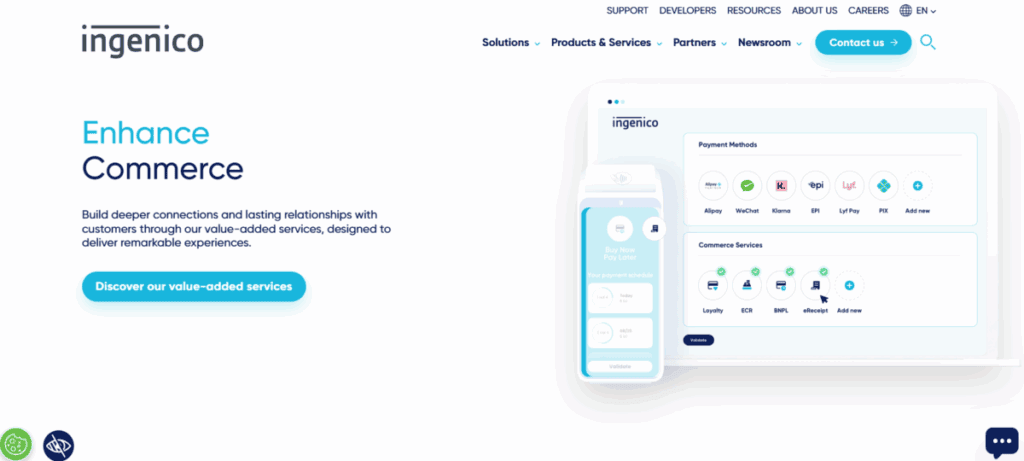
SecureNet’s in-person payment capabilities extend through integrations with a variety of POS systems and hardware terminals. While it does not manufacture its own proprietary terminals, it supports a wide range of industry-standard devices from brands like Verifone and Ingenico, allowing merchants to choose the setup that best fits their operations.

Merchants can accept chip cards, contactless payments like Apple Pay and Google Pay, and traditional magstripe swipes. Most hardware supported by SecureNet is compatible with these transaction types, ensuring merchants stay compliant and accessible to modern consumer payment habits.

The platform also offers a cloud-based POS software solution that integrates with inventory and customer data. This helps businesses streamline in-store operations and synchronize data across locations. The POS interface is functional and includes basic features like tipping, refunds, and receipt management, but it may lack the polish or advanced options offered by more specialized POS providers.

SecureNet allows flexibility in terminal acquisition; merchants can either buy compatible hardware outright or lease devices through third-party partners. However, it’s important to clarify upfront whether SecureNet or Worldpay will be handling device support, as this can impact the quality and speed of troubleshooting.

For mobile merchants, SecureNet also supports mobile card readers that pair with smartphones or tablets. These can be helpful for event vendors or field sales professionals who need to accept payments on the go. Overall, SecureNet’s hardware and POS options are solid but not revolutionary. They provide the basic functionality needed for face-to-face payments while allowing room for some operational customization.

E-commerce and Subscription Management

SecureNet provides a versatile toolkit for businesses operating online, with particular strengths in supporting recurring billing and e-commerce checkout customization. Merchants can implement secure online payment forms or leverage SecureNet’s hosted pages for a simplified approach.

For subscription-based businesses, the recurring billing engine is a highlight. It allows users to set up billing cycles, trial periods, and automated renewal schedules with relative ease. SecureNet also supports card-on-file transactions and automated retries for failed payments, which help reduce churn caused by billing errors.

The platform’s APIs enable deep integration with e-commerce sites, supporting use cases like donation forms, software licenses, and physical product sales. It also works with several major shopping carts and CMS platforms, although businesses should verify plugin maintenance and compatibility with their current software version.

SecureNet also supports invoicing and email-based payment links, which are useful for service providers and freelancers who want to collect payments without a traditional e-commerce storefront.

While the subscription tools are functional, they may lack some of the user experience enhancements seen in dedicated platforms like Recurly or Chargebee, such as customer self-service portals or usage-based billing. Nonetheless, SecureNet offers enough to meet the needs of most standard subscription models.

For growing online businesses, SecureNet’s e-commerce and billing capabilities provide a secure and flexible foundation. The platform may not be the best fit for highly complex billing scenarios, but it delivers well on standard requirements.

Reporting and Analytics

SecureNet provides a centralized reporting dashboard that gives merchants visibility into their payment activity. The interface includes key financial metrics, such as total sales, average transaction size, refund rates, and customer trends. Reports can be filtered by date range, payment method, location, or terminal ID, offering a flexible way to slice and interpret data. Real-time transaction tracking is also available, allowing businesses to see payments as they are authorized and settled.

Settlement reports help merchants reconcile their books by detailing the payout schedule, fees deducted, and net amounts received. This is particularly helpful for accounting teams and financial controllers who need accurate, auditable data. SecureNet also allows custom report generation for businesses with specific compliance or operational needs. CSV exports and API access to transaction data are available for integration with external analytics platforms or ERP systems.

One limitation is that the user interface may feel dated or less intuitive compared to more modern fintech dashboards. While it’s functional, newer users might require some time to become familiar with navigating the platform and configuring reports. Despite that, SecureNet’s reporting features are thorough and reliable, making it easier for merchants to monitor their financial health and identify opportunities for operational improvement. It’s not the flashiest analytics suite on the market, but it gets the job done with depth and flexibility.

2149149664

Pricing Transparency and Contract Terms

SecureNet follows a custom-quote pricing model, which means rates and fees are tailored based on the merchant’s business type, processing volume, and risk profile. This can result in competitive pricing for high-volume businesses, but it also introduces ambiguity for smaller merchants who prefer upfront clarity. The pricing structure may include a mix of monthly fees, transaction fees (percentage plus per-transaction amount), chargeback fees, and potentially hardware lease costs. Some contracts might also involve early termination fees, so it’s important for merchants to carefully review terms before signing.

Unlike flat-rate providers such as Square or PayPal, SecureNet may operate on an interchange-plus or tiered pricing model. While this can be advantageous for businesses with higher average ticket sizes, it does require a stronger understanding of payment processing fee structures. There’s limited public information about SecureNet’s pricing, and this lack of transparency may be a drawback for businesses trying to compare options quickly. Merchants will likely need to speak with a sales representative to obtain a personalized quote.

Additionally, SecureNet contracts may be underwritten or managed through Worldpay, depending on how the account is set up. This can introduce some complexity in customer service or billing inquiries if responsibilities are split between the two entities. In conclusion, SecureNet’s pricing has the potential to be competitive, but it lacks the straightforwardness that many newer platforms now offer. Businesses should request a full breakdown of fees and terms in writing before committing.

Customer Support and Onboarding Experience

SecureNet provides customer support through phone, email, and online ticketing systems. The quality of support appears to be closely tied to whether the account is handled directly through SecureNet or via Worldpay, which can impact consistency. The onboarding process typically includes application review, documentation verification, and technical setup guidance. For developers or tech-enabled teams, the integration is relatively smooth, especially with the help of sandbox environments and developer documentation.

That said, some users report delays or inconsistencies during the onboarding phase, particularly when dealing with underwriting or compliance checks. These issues may not be unique to SecureNet but are worth noting for businesses on tight launch timelines. Customer service hours may vary depending on the support tier, with premium support often reserved for enterprise accounts. Merchants should clarify whether 24/7 support is available for payment outages or urgent issues.

Documentation is available online, covering topics like integration setup, error codes, and PCI compliance. However, newer users may find the documentation slightly outdated or lacking in step-by-step visuals compared to platforms like Stripe or Square. Overall, SecureNet’s support structure is serviceable but may not be best-in-class. Businesses with in-house IT staff may be better equipped to navigate minor technical issues without heavy reliance on support.

Pros, Cons, and Ideal Business Fit

SecureNet has a robust and flexible payment platform for mid-sized businesses and developers who want custom solutions. Its strengths are multi-channel support, detailed API, strong security and integration with various POS and e-commerce tools. For merchants with in-house development teams or unique business needs, SecureNet offers a lot of flexibility. The ability to unify online and offline payments is a big plus for omnichannel retailers and service providers.

Downside is limited brand visibility, inconsistent onboarding, no transparent pricing and the interface may feel less modern compared to newer fintech platforms which can affect the user experience for non-technical teams. SecureNet is good for businesses that want to customize their payment stack and already have some technical capability in place. Not for solo entrepreneurs or businesses looking for a plug and play solution.

In summary, SecureNet is capability vs complexity. It works for businesses that prioritize control and scalability over simplicity, so it’s a strategic choice for those willing to invest time in configuration and support management.

FAQs

1. Is SecureNet suitable for small businesses?

SecureNet can support small businesses, but its custom pricing, API-driven setup, and limited brand awareness may make it less appealing compared to plug-and-play platforms like Square.

2. How does SecureNet handle recurring payments and subscriptions?

SecureNet offers robust recurring billing tools that support fixed schedules, automated retries, and stored card profiles. It’s a strong option for SaaS, subscription boxes, and membership models.

3. Does SecureNet offer transparent pricing?

SecureNet typically uses a custom quote model, so pricing is not publicly listed. Merchants should request a full fee breakdown and check for long-term contract obligations.

Revolut Review

Revolut Review

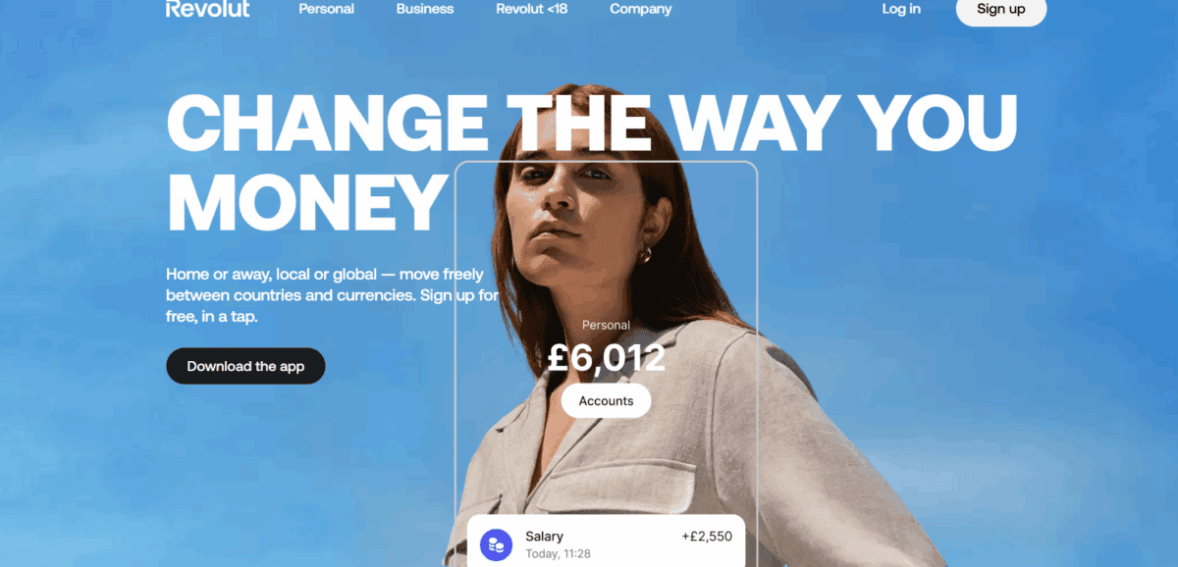
Revolut has grown from a travel focused currency exchange app to a full financial platform with millions of users worldwide. Founded in 2015 in the UK, it disrupted traditional banking by offering digital first services that combine personal finance, global payments and investment tools in one app. As of 2025 it operates in multiple countries and serves individuals and businesses with a wide range of financial products. Lets read more about Revolut Review.

Unlike traditional banks, Revolut doesn’t have physical branches. Instead it uses an app to give users access to services like budgeting tools, currency exchange, stock trading, crypto and international payments. It’s particularly popular with younger, techy users and those who do cross border transactions frequently.

One of Revolut’s key strengths lies in its attempt to simplify global finance. Users can hold and exchange over 25 currencies, pay abroad with minimal fees, and track all transactions in real time. However, the company’s aggressive innovation strategy has sometimes raised questions around regulation and customer support readiness.

In recent years, Revolut has been expanding its footprint with banking licenses in select markets, allowing it to offer deposit accounts and lending services. Yet, it still operates as an e-money institution in others. This mixed regulatory presence makes it important for users to understand how their funds are protected.

Account Types and Setup Experience | Revolut Review

Revolut offers several account tiers to match different user needs: Standard, Plus, Premium, and Metal. The Standard plan is free and includes essential features like currency exchange, virtual cards, and budgeting tools. Upgraded plans offer extras such as travel insurance, lounge access, and higher exchange limits, with Metal being the most premium option. Each tier is designed to meet the financial habits and priorities of different user types.

Setting up a Revolut account is usually quick and straightforward. New users download the app, verify their identity through a government-issued ID, and can often begin using basic services within minutes. The app walks you through each step and prompts for additional information when needed. Revolut’s interface is sleek and intuitive, making navigation easy even for those new to digital banking.

Where it stands out is in its minimal paperwork and digital-first onboarding process. Unlike traditional banks that often require in-person visits and multiple documents, Revolut makes it easy for anyone to open and operate a multi-currency account from their smartphone. That said, some users have reported friction when it comes to verifying documents or resolving flagged accounts during sign-up. Delays in approval are not widespread, but they do occur, especially during high-traffic periods or when users submit unclear documents.

Overall, Revolut makes starting an account simple and efficient, particularly for tech-savvy users. Still, it’s worth being prepared for verification steps that could slow things down if all requirements aren’t met clearly.

Revolut Review

Currency Exchange and International Payments

Revolut built much of its reputation on making global money movement fast and affordable. At the heart of this capability is its multi-currency feature, allowing users to hold and exchange over 25 currencies from a single app. Users can convert funds at interbank rates during weekdays and send them to other Revolut users or external bank accounts with minimal fees.

If you’re a traveler or remote worker dealing with multiple currencies this is a big plus. The app tracks real time exchange rates and has low cost transfers to over 200 countries. Compared to banks or other money transfer services the cost savings can be huge especially if you’re on a paid plan with higher free exchange limits.

But be aware of a few things. Weekend currency conversions come with a markup, so if you’re not careful when you convert your funds it can add to the overall cost. And while most transfers are fast some international transfers may take a couple of business days depending on the recipient’s bank and country.

Users can also set up recurring payments and split bills with friends in different countries. These tools help simplify complex multi-currency scenarios and are especially useful for people with international commitments, like freelancers paid in multiple currencies or families with global ties. In short, Revolut continues to offer one of the more competitive options for cross-border payments and currency exchange, though users need to be aware of timing and plan limits to fully optimize it.

Card Features and Spending Management

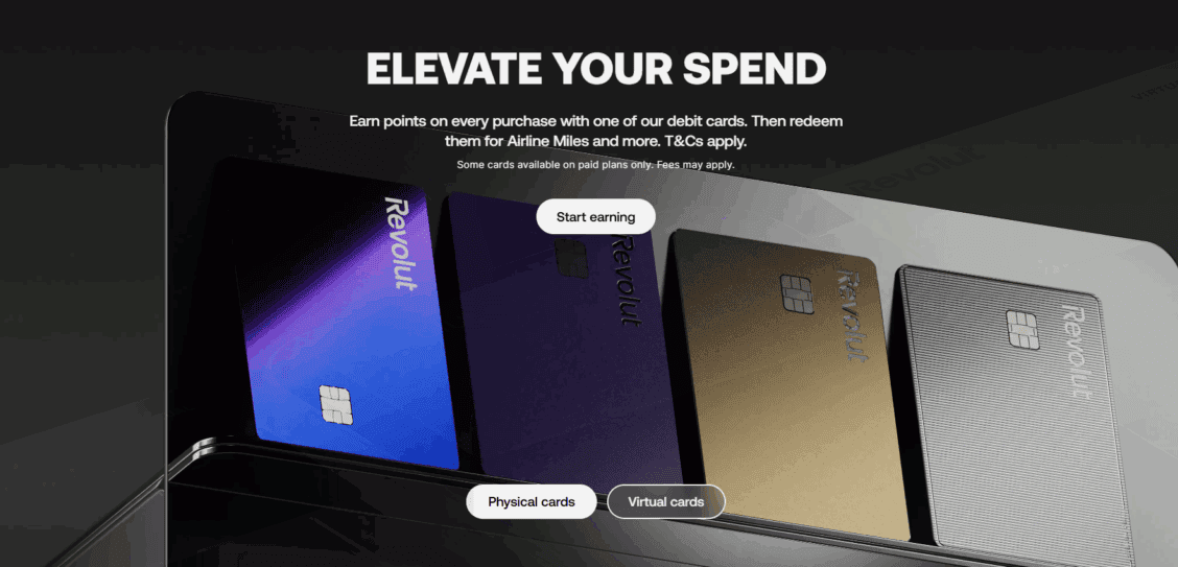
Revolut provides users with a range of card options, each built to support modern spending habits. Users can choose between physical debit cards, virtual cards for online transactions, and single-use disposable cards that expire after one use. The cards are linked directly to the user’s Revolut account and work seamlessly for both local and international purchases.

One standout feature is the ability to create and manage multiple virtual cards, which can help protect against online fraud. The app also includes granular control over your card settings. You can freeze or unfreeze cards, set monthly budgets, control ATM usage, and enable or disable contactless, swipe, or online payments.

Spending insights are automatically generated, helping users visualize where their money goes. These analytics break down expenses by category, like groceries, travel, or subscriptions, making it easier to spot patterns and stick to budgets. There’s also a built-in savings tool called “Vaults,” which allows users to round up purchases and save the spare change.

The experience is enhanced by instant notifications for every transaction. This real-time feedback helps users keep track of spending and detect unauthorized charges quickly. For frequent travelers, Revolut cards work globally and often provide better exchange rates than local banks or currency booths. However, occasional reports of card declines or payment issues during travel exist. These are usually linked to insufficient balances or anti-fraud measures but can cause frustration. Overall, Revolut’s card and spending features are modern, user-centric, and designed for global lifestyles.

Crypto, Stocks, and Commodities: Trading with Revolut

Revolut has carved a niche for itself by integrating trading services directly into its app. Users can access a range of investment products, including cryptocurrencies, stocks, and commodities like gold and silver. This makes Revolut a convenient all-in-one platform for casual traders who don’t want to juggle multiple apps.

In the crypto space, Revolut supports trading in popular tokens like Bitcoin, Ethereum, and others. The app allows buying, holding, and selling with ease. It’s user-friendly and accessible, especially for those new to crypto. However, it’s important to note that users do not have access to their crypto wallets or private keys, Revolut acts more like a custodian than a full-fledged crypto platform.

Stocks are similar. You can buy fractional shares of US companies with low minimums. The interface has basic charts and company info but not the advanced tools serious investors would expect. For long term investors or those who want in-depth analysis Revolut will feel limited. Commodities allow you to invest small amounts in gold or silver. These are digitally backed and can be bought or sold in real time like crypto or stocks. There are fees for each asset class including spread margins and transaction fees. For beginners they’re competitive but for high volume traders you may find better pricing elsewhere. Overall Revolut’s trading features are best for beginners who want to get their feet wet without needing separate platforms.

Revolut Business: Tools for Companies and Freelancers

Revolut Business is designed to streamline financial management for modern companies, freelancers, and online sellers. It offers features like multi-currency accounts, bulk payments, invoicing, and API integrations that simplify day-to-day transactions. Businesses can manage expenses, send payments globally, and receive money in multiple currencies without high conversion fees. For startups or digital-first teams, Revolut Business provides a scalable solution that covers basic financial needs without requiring a traditional bank relationship. The ability to issue multiple team cards and set permissions also helps with expense tracking and transparency.

The platform integrates with tools like QuickBooks, Xero, and Slack, allowing businesses to centralize their operations. APIs are available for companies that need automated workflows or custom reporting. This makes Revolut Business especially appealing to e-commerce operators, freelancers with international clients, and tech-driven teams.

Freelancers benefit from easy invoice generation, instant payments, and the ability to withdraw funds directly into local accounts. It simplifies dealing with multiple currencies and helps maintain cash flow. However, businesses with more complex needs, such as lending, payroll management, or credit lines, may find Revolut’s offering limited compared to traditional banks or full-service fintech platforms.

Customer support for business users can also be a concern. While there are dedicated channels, some users report delays in resolving account or transaction issues. In summary, Revolut Business is a solid option for digital-native businesses seeking control, transparency, and low-cost international payments, but it may not be ideal for enterprises with more traditional banking needs.

Security, Compliance, and Regulatory Standing

Security is a cornerstone of Revolut’s offering. The platform uses advanced encryption, real-time fraud monitoring, and two-factor authentication to protect user data and funds. Users can also set up biometric login, freeze and unfreeze cards instantly, and receive instant alerts on any transaction, all through the app.

From a compliance standpoint, Revolut’s legal status varies by region. In some markets, it operates under full banking licenses, offering services like deposit protection and personal loans. In others, it’s an e-money institution, which limits its scope and regulatory oversight. This distinction is important for users who want to understand how their funds are secured.

Revolut is subject to anti-money laundering and know-your-customer regulations and regularly audits user activity. This leads to occasional account freezes or verification requests, which users have criticized when customer support fails to respond promptly. These measures are designed for user protection, but the lack of transparency in enforcement can be frustrating.

Additionally, as the platform continues to expand into new financial products like trading and credit, the importance of regulatory clarity increases. Users should regularly check which license governs their account and what protections are in place in their country. Overall, Revolut takes security seriously and complies with local laws, but variations in regulatory status and some gaps in customer service response times make it important for users to stay informed.

Revolut Review

Fees and Pricing Transparency

Revolut promotes itself as a low-cost alternative to traditional banking, but understanding the full pricing structure is important. The platform offers a freemium model, with the Standard plan costing nothing and paid plans, Plus, Premium, and Metal, offering expanded features for a monthly fee.

Currency exchange is free within certain limits, depending on your plan. Standard users get up to a fixed amount per month at interbank rates, while Premium and Metal users enjoy higher limits or unlimited exchange. Transactions beyond the limit incur a fee, as do conversions during weekends, which are subject to a markup.

ATM withdrawals are also plan based. Exceeding these limits incurs additional charges. For example, Standard plan users get a certain amount of fee free withdrawals per month, after which a percentage fee applies. Trading fees are spreads for cryptocurrencies, stock transaction fees after a few free trades and commodity markups. These are listed in Revolut’s fee schedule but users should read carefully to avoid surprises.

Other fees such as card delivery fees, SWIFT transfer fees and international payment fees can add up especially for free plan users. Revolut does provide a fee breakdown within the app which helps users keep track. While the overall cost is still competitive, especially for global users, Revolut is not entirely fee-free. Being aware of limits and plan-specific features is key to getting the most value.

Customer Support and User Feedback

Customer support is an area where Revolut receives mixed reviews. The primary support channel is through the in-app chat, with response times depending on your plan. Premium and Metal users often get faster access to live agents, while Standard users may face delays or limited bot-based support.

Many users appreciate the ease of resolving basic issues like card replacements, account setup questions, or tracking transactions. However, support challenges arise in more complex scenarios, such as account freezes, delayed payments, or identity verification problems. In such cases, users often report frustration over long wait times and generic responses.

Revolut has a Help Centre with articles and how to’s. While these are good for general questions, they can’t replace human support. The platform doesn’t offer phone support for most users which is a pain when things go wrong.

User reviews on Trustpilot or app stores are mixed. Users love the app and core functionality but mention customer service as an area to improve. In short, Revolut is good for everyday use but not so good for more serious or urgent issues. The support experience depends on your subscription tier and the complexity of your problem.

Final Verdict: Is Revolut Worth It in 2025?

Revolut is a versatile digital finance platform offering services like currency exchange, trading, budgeting, and business accounts. It’s ideal for tech-savvy individuals, remote workers, travelers, and small businesses due to its user-friendly design, global tools, and flexible pricing. However, it has drawbacks, including inconsistent customer service, regional regulatory differences, and evolving advanced features. Overall, it’s a strong option for those seeking convenience and global access, but users should review fees, regional rules, and support needs before relying on it fully.

Frequently Asked Questions

Q1. Is Revolut a real bank or just a fintech app?

Revolut operates as a fintech company but holds banking licenses in some regions. In other areas, it functions as an e-money institution. The level of protection and services you receive depends on your country of residence.

Q2. Can I use Revolut for business needs?

Yes, Revolut offers dedicated business accounts with features like multi-currency wallets, invoicing, and integrations. It’s suitable for freelancers, startups, and e-commerce sellers looking for low-fee, digital-first banking.

Q3. Is Revolut safe to store money and make payments?

Revolut uses encryption, two-factor authentication, and fraud monitoring to secure user accounts. However, the protection level of your funds depends on whether Revolut has a banking license in your region or not.

Newtek Merchant Solutions Review

Newtek Merchant Solutions Review

Newtek Merchant Solutions is a service under the NewtekOne umbrella, a company that supports small to mid-sized businesses with financial and operational tools. While NewtekOne offers services from business lending to cloud hosting and payroll processing, the merchant services division is focused on helping businesses accept, process and manage payments. Lets read more about Newtek Merchant Solutions Review.

Flexible, Newtek Merchant Solutions supports multiple payment types across retail, e-commerce and mobile. It wants to offer merchants a complete processing solution that integrates with other back-end systems and meets industry standards for security and compliance. For businesses already using Newtek’s financial products, the merchant services piece feels like an extension of the overall ecosystem.

Newtek Merchant Solutions may not have the brand recognition of the bigger guys, but it makes up for it with a more personalized experience for small businesses. Their value proposition is integrated support for payments, often bundled with tools to help businesses manage beyond just sales transactions.

Core Payment Processing Capabilities | Newtek Merchant Solutions Review

At the foundation of Newtek Merchant Solutions is its ability to handle credit and debit card transactions. The platform supports major card brands including Visa, Mastercard, American Express, and Discover. Whether a business operates a physical storefront, an online shop, or a mobile-based model, Newtek provides the tools necessary to facilitate secure and efficient transactions.

The company offers standard payment processing features such as batch processing, authorization, and settlement. What makes it functional for small businesses is its ability to scale, allowing merchants to process a few transactions a day or handle higher volumes without drastically changing systems. In addition to traditional swipe and chip card payments, the solution also supports contactless payments, including NFC-enabled methods like Apple Pay and Google Pay.

While the capabilities are solid, Newtek does not position itself as a tech innovator in this space. It relies on industry-standard practices rather than introducing groundbreaking technology. This can be seen as either a drawback or a strength, depending on whether a business prefers tried-and-tested systems or cutting-edge features.

The system is designed to be reliable and stable, focusing more on consistency than on flashy new tools. For many small business owners, that dependability is exactly what they need. The platform aims to be accessible, functional, and adaptable, making it a reasonable option for those seeking payment support without the complexity of enterprise-level systems.

Newtek Merchant Solutions Review

POS Solutions

Newtek offers a variety of POS solutions suited for different business types. These range from countertop terminals to more advanced systems with inventory and employee management capabilities. The POS offerings are primarily designed for small and medium-sized businesses that need reliable in-store solutions with options to scale as they grow.

Most of the hardware Newtek provides is sourced from established third-party manufacturers, ensuring compatibility with common payment methods. These include EMV chip card readers, contactless payment terminals, and touchscreen devices that can be used in quick-service restaurants, retail shops, or service-based industries. Businesses can also choose from wired or wireless options depending on their layout and mobility needs.

On the software side, Newtek POS systems typically include sales tracking, receipt printing, basic reporting, and customer management tools. While they may not be as feature-rich as some all-in-one retail platforms, they offer solid functionality for day-to-day operations. Integration with back-office systems like inventory and accounting tools is possible, though it may require manual configuration or third-party connectors.

Newtek’s POS approach focuses on usability and dependability rather than complexity. For businesses that do not require intricate customization or industry-specific POS features, the solution covers all essential bases. However, those seeking deep vertical integration or specialized retail software may find the offerings limited.

E-Commerce and Online Payment Tools

Newtek Merchant Solutions has many tools to support online businesses and e-commerce transactions. These include virtual terminals, hosted payment pages and payment gateway integrations. For merchants in the digital space these allow you to take payments via websites, online stores and remote billing systems.

The virtual terminal is great for businesses that take orders over the phone or via email. You can manually enter card details through a secure web interface, it’s a great option for service based businesses. The hosted payment page is another key tool that allows customers to complete a purchase through a secure branded checkout page without you having to handle sensitive data.

Newtek also has integration options with popular e-commerce platforms, but the range of supported platforms may not be as extensive as larger payment service providers. If you’re using WooCommerce or Magento you may need technical assistance or plugins to get everything working smoothly.

Security is built into these tools, encrypted transaction handling and PCI compliant processes. The e-commerce features are functional and cover the basics but are not designed to compete with high end online retail platforms. If you need deeply customised checkouts, advanced subscription management or built in fraud analysis you may need to supplement Newtek’s tools with 3rd party services.

Mobile Payment Support

With the shift toward mobility in commerce, Newtek has developed tools to help businesses accept payments on the go. This includes mobile card readers and smartphone-compatible solutions that connect via Bluetooth or headphone jack. These tools are geared toward small merchants, service providers, and field-based businesses that require flexibility.

Mobile readers provided by Newtek typically support swipe, chip, and contactless payments. They pair with mobile apps that enable users to input transaction details, email receipts, and access basic transaction history. The interface is simple and user-friendly, intended for quick setup and ease of use.

The mobile solutions are especially helpful for vendors at pop-up markets, mobile service professionals, or tradespeople who process payments at customer locations. While they may not offer all the features of a full POS system, they provide enough functionality to handle common payment scenarios without tethering the merchant to a fixed terminal.

One limitation is that the mobile ecosystem does not appear as robust as dedicated mobile-first platforms. For example, advanced reporting, inventory sync, or deep CRM integration may be limited. Still, for small businesses that prioritize portability and simplicity, Newtek’s mobile payment options deliver reliable performance.

Newtek Merchant Solutions Review

Invoicing and Recurring Billing

Invoicing and recurring billing are important for businesses with ongoing customer relationships or service-based models. Newtek Merchant Solutions offers basic tools to help merchants send invoices, receive payments, and manage automated billing cycles. These features are especially valuable for consultants, subscription-based businesses, and professional service providers.

The invoicing system allows businesses to create branded invoices, send them via email, and receive payments through embedded payment links. Payments can be made via credit or debit card, and once completed, both the merchant and customer receive confirmation.

Recurring billing tools enable businesses to set up automated charges on a weekly, monthly, or custom schedule. This is particularly useful for membership services, installment payments, or any model built around consistent revenue collection. The system can store card details securely for future billing, helping reduce friction and payment delays.

While these features work well for basic use cases, they lack the depth and automation seen in more advanced subscription billing platforms. For instance, features like proration, metered usage, or multi-tier plan management may not be available out of the box.

Still, Newtek’s invoicing and recurring payment features are easy to use and effective for small businesses that want to streamline payment collection without deploying a complex billing system. For those with straightforward needs, this aspect of Newtek’s offering is a solid convenience.

Integration with Business Management Tools

Integration is a big deal when choosing a payment solution especially if you use multiple software tools to run your business. Newtek Merchant Solutions has limited but meaningful integration options to connect with business management systems like accounting software, CRM and inventory tracking tools.

Common integrations are syncing payment data with QuickBooks or exporting transaction history for reconciliation. If you’re a user of NewtekOne’s broader service ecosystem and also use Newtek’s payroll, lending or business insurance services, the integration experience is more seamless. But compared to more open platforms, Newtek’s third-party integration capabilities are limited. They don’t have an app marketplace or public APIs that allow deep customization. This may not be ideal for businesses with complex workflows or niche software environments.

For basic stuff like syncing sales data with financial software or importing customer records for marketing use, Newtek is fine. But businesses with more advanced data or automation needs may find themselves having to manually bridge systems or invest in middleware tools. The integration is best for small to mid-sized businesses that use standard business tools and don’t need extensive customization. It provides enough connectivity to avoid data silos so merchants can have a complete picture of their business.

Security and Compliance Measures

Security is a central concern for any business accepting electronic payments. Newtek Merchant Solutions adheres to industry-standard security practices to protect both merchants and customers from data breaches and fraudulent transactions. The company ensures PCI DSS compliance, which is required for businesses that handle credit card data.

The platform uses encryption and tokenization to secure transaction information. These techniques help protect sensitive cardholder data by converting it into unreadable codes during transmission and storage. This reduces the risk of data exposure even if a system is compromised. Newtek also implements fraud detection measures, including AVS and CVV verification, as well as tools that monitor suspicious activity. While it does not claim to offer proprietary fraud prevention technology, it uses well-established tools that are considered effective in reducing risk.

Compliance support is also available, helping merchants navigate their responsibilities under PCI requirements. For small businesses that may not have dedicated IT or security staff, this assistance can be particularly valuable.

Overall, Newtek provides a secure environment for processing payments, focusing on reliability and industry conformity. Businesses with heightened security needs may want to supplement these features with external monitoring or advanced fraud tools, but for most merchants, Newtek’s default security measures are likely sufficient.

Reporting and Analytics Dashboard

A good payment platform should not just process transactions, but also provide insights into business performance. Newtek Merchant Solutions includes a reporting dashboard that gives merchants access to key data such as daily sales, transaction history, chargebacks, and deposit timelines.

The dashboard is relatively straightforward, designed for users who may not be tech-savvy. It allows filtering by date ranges, payment types, and locations, making it easier to identify trends or spot discrepancies. Basic graphs and summaries help visualize performance without the need to export data into spreadsheets.

Reporting features can also support accounting, tax preparation, and inventory planning by offering detailed transaction records. However, these reports are primarily operational in nature and may lack predictive or advanced analytical capabilities. For businesses that require deep business intelligence tools or real-time data sync across departments, Newtek’s dashboard may seem limited. It offers functionality that is sufficient for tracking sales and cash flow, but not enough for detailed financial modeling or customer behavior analysis.

Still, the inclusion of a clean, functional reporting interface adds value to the overall merchant experience. For small to mid-sized businesses focused on core financial performance, this tool provides the visibility they need to make informed decisions.

Customer Support and Service Structure

Customer support plays a critical role in the overall experience of using a payment processor. Newtek Merchant Solutions offers support through phone and email, with service availability during standard business hours. While 24/7 support may not always be available, the company emphasizes personalized attention and US-based assistance.

Support quality is generally considered adequate by small business users, especially those who value working with a provider that offers consistent points of contact. This can be a contrast to larger providers where merchants may face long wait times or need to explain their issue to multiple representatives. In addition to direct support, Newtek provides some online resources such as guides, FAQs, and troubleshooting documentation. However, its knowledge base is not as extensive or searchable as those from tech-focused providers.

The onboarding process typically includes a walkthrough of system setup and usage, which can be helpful for first-time users. This kind of hands-on assistance adds value, especially for businesses that are not familiar with payment infrastructure. While it may not provide instant or round-the-clock service, Newtek’s support approach is rooted in human interaction and dependability. For merchants who prefer working with a provider that prioritizes relationships over automation, this is a strong point.

Pricing Transparency and Fee Structure

Newtek’s pricing structure is not fully transparent online, which can be a drawback for businesses seeking immediate cost comparisons. Like many traditional payment processors, pricing is often customized based on business type, transaction volume, and risk category.

Fees typically include a combination of interchange fees, monthly service charges, statement fees, and potential equipment lease costs. Some merchants may be offered flat-rate pricing, while others may be placed on a tiered or interchange-plus model. Without public rates, potential customers must contact a representative for a quote, which can make upfront evaluation difficult.

There is also the possibility of contract commitments or early termination fees, depending on the specific agreement. Businesses considering Newtek should review contracts carefully and ask direct questions about hidden costs, minimums, or fee escalations. That said, some users appreciate the ability to negotiate customized terms based on their specific needs. In this sense, pricing can be flexible, but also variable and less predictable. For price-sensitive merchants or those used to self-service signup models, the lack of upfront clarity may be a hurdle.

Ultimately, pricing is an area where Newtek could improve its transparency to better align with modern expectations. Competitive pricing is possible, but merchants should be prepared to do due diligence before signing on.

Pros and Cons of Newtek Merchant Solutions

Newtek Merchant Solutions has a range of benefits that make it appealing to small and mid-sized businesses. One of the main advantages is its connection to the broader NewtekOne ecosystem, which allows merchants to bundle services such as lending, insurance, and payroll. This can reduce administrative complexity and provide a more unified approach to business management.

The platform also emphasizes customer service, which is a strength for merchants who prefer having a reliable point of contact. The payment processing tools themselves are dependable, and the mobile and recurring billing features meet the needs of many small businesses.

However, the platform is not without its drawbacks. Integration capabilities are limited, especially for businesses that want to deeply connect their payment data with other systems. The lack of publicly available pricing makes it difficult to compare options or budget effectively. The absence of advanced features like machine learning fraud detection or predictive analytics may also be a downside for larger or more digitally mature businesses.

Overall, Newtek is best suited for businesses that value simplicity, stability, and human support. It may not be ideal for those seeking cutting-edge technology or highly customizable features.

Ideal Business Types for Newtek

Newtek Merchant Solutions is geared towards small to mid-sized businesses across many industries. Retail stores, service providers and small online businesses will love the simple tools and bundled support. Invoicing and recurring billing makes it good for consultants, healthcare and membership based businesses.

Businesses already using other Newtek services will benefit the most as everything is integrated. Those looking for a one stop shop for business services may find value in consolidating payments with lending or payroll under one provider. But businesses with highly technical requirements like complex e-commerce or enterprise sales teams may find Newtek limited. Same with high risk industries that require specialized underwriting or compliance.

Newtek is best for businesses that value reliability, ease of use and personal support over technical complexity or brand name. It fills a niche for those who want practical solutions without the hassle of managing overly complex systems.

Newtek Merchant Solutions Review

Final Verdict

Newtek Merchant Solutions offers a reliable, easy-to-use platform with mobile support, recurring billing, and basic e-commerce tools. It stands out for personalized service and ecosystem integration but lacks pricing transparency and advanced integrations. Ideal for businesses prioritizing stability and human support over flashy tech, Newtek delivers solid payment processing fundamentals.

FAQs

Q1: Does Newtek Merchant Solutions support high-risk businesses?
Newtek generally focuses on standard-risk industries. Businesses in high-risk sectors may need to contact the company directly to explore eligibility and underwriting options.

Q2: Can I use Newtek with my existing e-commerce platform?
Yes, Newtek supports integrations with popular e-commerce platforms, but compatibility may vary. Merchants may need to work with technical support to ensure smooth setup.

Q3: Is there a long-term contract with Newtek?
Contract terms can vary. Some merchants may be offered month-to-month agreements, while others may face longer commitments with early termination fees. Always confirm the details before signing.

JetPay Review

JetPay Review

JetPay began as an independent payment processing company with a clear goal: to simplify complex financial transactions for businesses of all sizes. It offered a suite of services that included traditional payment acceptance, payroll processing, and human capital management. JetPay positioned itself as a one-stop provider for merchants who wanted integrated solutions that extended beyond just payments. Lets read more about JetPay Review.

NCR Corporation, a multinational technology company well-known for its digital banking solutions and point-of-sale systems, purchased JetPay in 2018. JetPay’s infrastructure was greatly increased by this acquisition, which also assisted the company in better aligning with NCR’s primary goal of facilitating end-to-end commerce. Even though NCR eventually acquired the JetPay brand, the service elements are still in place and continue to benefit both current and potential clients.

Today, JetPay operates within NCR’s umbrella, providing access to integrated hardware, software, and processing services. While this has broadened its capabilities, it also means businesses must now evaluate JetPay not just as a standalone processor but as part of a larger ecosystem. For some, this presents a scalable advantage. For others, particularly those seeking a small, niche processor, the shift might feel like a departure from JetPay’s original tailored approach.

Core Payment Processing Services

JetPay’s core offering revolves around enabling businesses to accept a range of payment types. This includes credit and debit cards, electronic checks, ACH transfers, and mobile wallet payments. The system is designed to be flexible, catering to brick-and-mortar stores, e-commerce businesses, and service providers alike. Its multichannel support allows merchants to accept payments in person, online, or over the phone.

One of JetPay’s strengths lies in its reliability and processing speed. Transactions are typically settled within standard timeframes, and the platform has shown consistent uptime, which is crucial for businesses operating at scale. ACH processing and eCheck acceptance give businesses additional options, especially those working with recurring payments or large invoice volumes.

It also emphasizes security in its payment solutions. The company supports EMV chip card acceptance and offers end-to-end encryption as standard, which reduces the risk of fraud. Additionally, it supports contactless transactions, which have become increasingly important in today’s retail environment.

However, JetPay’s user interface and onboarding experience may not be as modern or intuitive as newer fintech competitors. Some users report a steeper learning curve when configuring the system, particularly for less tech-savvy users. Despite this, its core payment features remain robust and dependable, particularly for businesses that value function over flashy design.

JetPay Review

POS Integration and Retail Capabilities | JetPay Review

JetPay, through its integration with NCR, offers a strong lineup of POS solutions suited for retail, hospitality, and service industries. Businesses can opt for traditional countertop terminals, mobile POS units, or full-scale retail systems that include inventory and customer management features. This flexibility makes it a viable option for merchants with varying operational needs.

JetPay’s payment processing engine is now tightly integrated with NCR’s hardware and software solutions, allowing for a smooth customer checkout and backend reporting experience. JetPay integration is simple for retailers who already use NCR POS systems, negating the need for extra gateways or third-party middleware.

JetPay supports tablets and mobile card readers for businesses that operate in non-traditional retail settings or for mobile vendors. These portable tools are perfect for on-the-go payments, delivery services, and trade exhibitions. Businesses are guaranteed to be in compliance with contemporary payment standards by incorporating contactless and chip card acceptance.

On the downside, JetPay’s POS offering may feel more enterprise-oriented due to NCR’s background. Small retailers who don’t need complex POS features might find the system too comprehensive or expensive for their scale. Additionally, setup and support may involve dealing with multiple NCR departments, which can be a drawback for users who prefer a single point of contact.

Overall, It delivers powerful POS capabilities but is best suited for businesses that require more than just basic checkout functionality.

E-commerce and Virtual Terminal Features

JetPay offers solid support for e-commerce businesses and remote payment processing through its virtual terminal and hosted payment page features. Merchants can integrate payment forms directly into their websites or redirect customers to JetPay’s secure page for processing. This is particularly useful for small businesses that want to begin accepting online payments without hiring a developer.

The virtual terminal is web-based and allows businesses to accept credit card payments manually. It’s useful for phone orders, mail orders, or remote billing scenarios. Features such as recurring billing, card tokenization, and saved customer profiles are supported, making it easier for subscription-based or service-oriented businesses to manage payments over time.

Security is a priority in JetPay’s e-commerce offerings. Transactions are encrypted, and the platform supports tokenization to prevent sensitive card data from being stored on merchant servers. Additionally, It is PCI DSS compliant and offers tools to help merchants maintain compliance.

However, when compared to newer platforms like Stripe or Square, JetPay’s e-commerce tools may seem less developer-friendly. The lack of extensive third-party plugins or drag-and-drop functionality means customization could require technical expertise. Businesses that prioritize a plug-and-play experience may need to evaluate whether JetPay meets their specific e-commerce needs without additional coding or support.

Despite these limitations, It remains a dependable option for businesses that prioritize security and reliability in their online payment processing.

Security and Compliance Standards

JetPay places strong emphasis on payment security and regulatory compliance, which is especially important in today’s evolving cyber risk landscape. The platform adheres to the PCI DSS and helps merchants maintain compliance with regular audits and updates.

One of JetPay’s key strengths is its use of end-to-end encryption and tokenization. This means that sensitive payment data is encrypted from the moment of transaction and replaced with a unique token, rendering the information useless to hackers. For merchants, this reduces the risk of data breaches and ensures customer information is handled securely.

Additionally, JetPay offers integrated fraud prevention features like transaction monitoring, CVV checks, and AVS. Together, these tools reduce chargebacks, which can be expensive and harm a merchant’s reputation, and flag potentially suspicious activity. It provides extra security layers for companies that take ACH and eCheck payments in order to validate banking details and lower the possibility of fraudulent or returned transactions. The platform guarantees ACH processing compliance by adhering to NACHA’s electronic payment guidelines.

However, one limitation is that JetPay’s security features may require manual configuration or third-party tools for advanced settings. Some users might prefer more automation or a centralized dashboard for fraud analytics. Nevertheless, It delivers a solid security foundation that’s suitable for both small and large enterprises looking to process payments with peace of mind.

Payroll and HR Services

What sets JetPay apart from many other payment processors is its integrated payroll and human resources service suite. This includes features like automated payroll processing, tax filing, employee time tracking, benefits administration, and onboarding tools. These HR offerings make JetPay an all-in-one solution for businesses that want to manage both payments and people from a single platform.

JetPay’s payroll tools are designed to handle both salaried and hourly employees, with options to run payroll weekly, bi-weekly, or monthly. Businesses can automate tax calculations and filings at the federal, state, and local levels, reducing the risk of errors and penalties. Direct deposit functionality and pay card support also help streamline wage distribution.

The HR services extend beyond payroll. JetPay offers employee self-service portals, time and attendance tracking, and compliance monitoring for employment laws and regulations. These features can significantly reduce administrative workload for small HR teams or business owners.

However, this breadth of service may not be necessary for every business. Companies that already use dedicated HR software or have third-party providers might find JetPay’s additional features redundant. Additionally, while the tools are comprehensive, their user interface can feel outdated compared to newer HR platforms.

Still, for businesses seeking an integrated financial and workforce management system, JetPay’s payroll and HR solutions offer convenience and efficiency under one roof.

JetPay Review

JetPay Gateway and Developer Tools

The JetPay payment gateway serves as the bridge between customer transactions and back-end processing. It supports a wide range of integration options, including APIs, SDKs, and batch file uploads. This allows businesses and developers to connect JetPay to their websites, apps, or business software with relative ease; assuming they have some technical proficiency.

Businesses can continue using their current systems because the gateway is compatible with the majority of popular CRMs and shopping carts. It facilitates features like refunds, recurring billing, and one-time purchases. JetPay offers documentation and testing sandboxes, and developers can create custom integrations using RESTful APIs.

The development process isn’t as smooth as that of more recent competitors like Stripe or Braintree, though. According to some developers, JetPay’s documentation needs to be better structured or more comprehensive. The platform is stable and works well, but it doesn’t give priority to making the onboarding process easy for non-technical users.

JetPay’s gateway also offers basic fraud detection features, such as IP address filtering and transaction limits, but advanced rule-building or AI-based fraud prevention may require third-party tools. In sum, JetPay’s gateway is dependable but may not feel cutting-edge in its current form.

For businesses with technical teams or those working with implementation partners, It can be a secure and flexible option for payment gateway services.

Reporting, Analytics, and Account Management

JetPay offers reporting tools that help merchants track transaction activity, monitor revenue, and manage operational performance. These tools are built into the web portal and are accessible to merchants across industries. Reports can be customized based on payment types, settlement status, refund rates, and other key metrics.

Daily batch reports, settlement summaries, and tax preparation tools help businesses stay organized. For accounting and finance teams, JetPay’s reporting system simplifies the reconciliation process and offers a clear view into payment flow. The ability to export data into formats compatible with Excel or accounting platforms like QuickBooks adds further utility.

The platform also supports user management and account controls. Admins can set permissions for different employees, restricting access to sensitive data or specific reporting functions. This is helpful for businesses with multiple departments or locations that require role-based access. One area of improvement could be the interface itself. Compared to modern dashboards, JetPay’s design feels utilitarian rather than intuitive. While all the necessary tools are there, they might take some time to locate or configure, especially for first-time users.

Despite its dated UI, the reporting system is functionally solid. Businesses that rely on transaction data to drive decisions will find that JetPay’s reporting suite covers most operational needs without requiring external analytics software.

Pricing Structure and Contract Terms

JetPay does not publish standardized pricing, as its rates typically vary based on business size, industry, and transaction volume. This customized pricing model can be advantageous for large businesses that negotiate lower fees, but it introduces uncertainty for smaller merchants seeking transparency.

It seems to provide a combination of interchange-plus and tiered pricing models, based on reports and merchant feedback that are currently available. Virtual terminals, gateway usage, PCI compliance, and monthly minimums may incur additional fees. Depending on the agreement, some users also report setup or statement fees.

The duration of contracts and termination procedures are among merchants’ top concerns. JetPay usually demands multi-year contracts with penalties for early termination. Businesses that desire the freedom to switch providers without incurring penalties may find this to be a barrier.

Despite these limitations, JetPay’s pricing can be competitive when tailored appropriately. Businesses processing high volumes or requiring payroll and HR integration might find the bundled value justifies the cost. However, smaller businesses or startups might prefer a processor with flat-rate pricing and no long-term commitment.

Prospective users should carefully review all terms and request a full breakdown of fees before signing up to avoid unexpected charges.

Customer Support and Service Experience

Customer service is a key factor when choosing a payment processor, and JetPay’s support reputation is mixed. The company offers support via phone and email, and some clients also have access to dedicated account managers. Response times are generally acceptable, especially during standard business hours.

JetPay’s onboarding process includes assistance with setup, PCI compliance guidance, and system training. For businesses unfamiliar with merchant services, this support can be helpful in the initial stages. Larger clients tend to receive more personalized service, including routine check-ins and optimization suggestions.

That said, some smaller merchants have reported longer wait times and difficulty reaching the right department, especially after NCR’s acquisition. Because JetPay is now integrated into a larger organization, support queries might be routed through various NCR channels, which can slow down resolution.

Additionally, while documentation is available, it may not always be detailed enough for users troubleshooting independently. Businesses that value self-service options like live chat or video tutorials might find JetPay lacking in those areas. In general, customer support with JetPay is functional but may vary depending on your business size and contract. For critical operations, having a direct line to a knowledgeable support rep remains essential; and is something users should clarify during onboarding.

JetPay Review

FAQs

Q1: Is JetPay suitable for small businesses or better for enterprises?

It can accommodate both, but its bundled services (like payroll and HR) and NCR integration often make it more appealing to mid-sized and larger businesses. Smaller companies may find simpler or more transparent solutions elsewhere, depending on their needs.

Q2: Does JetPay support mobile payments and digital wallets?

Yes, it supports mobile payments such as Apple Pay, Google Pay, and contactless card transactions. These are available via compatible POS terminals and help businesses meet modern consumer payment preferences.

Q3: What happens to JetPay services after the NCR acquisition?

JetPay has been fully integrated into NCR Corporation’s suite of services. While the JetPay brand is less visible, its core offerings; payment processing, payroll, and HR; are still supported under NCR, with access to broader technology and retail integration features.

Intuit QuickBooks Payments Review

Intuit QuickBooks Payments Review

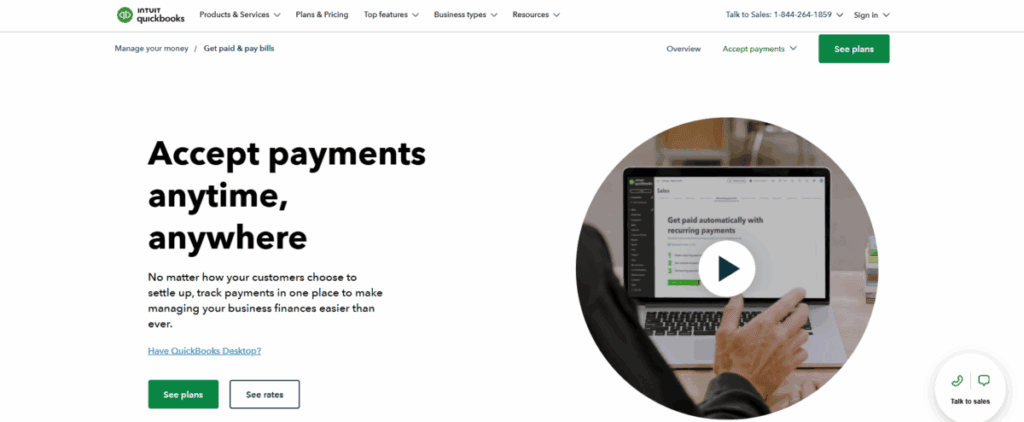
Intuit QuickBooks Payments is a payment processing solution designed to integrate directly with the QuickBooks accounting software. Created by Intuit, a trusted name in financial software, this platform allows small business owners to accept payments via credit cards, debit cards, ACH bank transfers, and mobile methods. It’s particularly popular among users of QuickBooks Online and QuickBooks Desktop, who benefit from the built-in payment features. Lets read more about Intuit QuickBooks Payments Review.

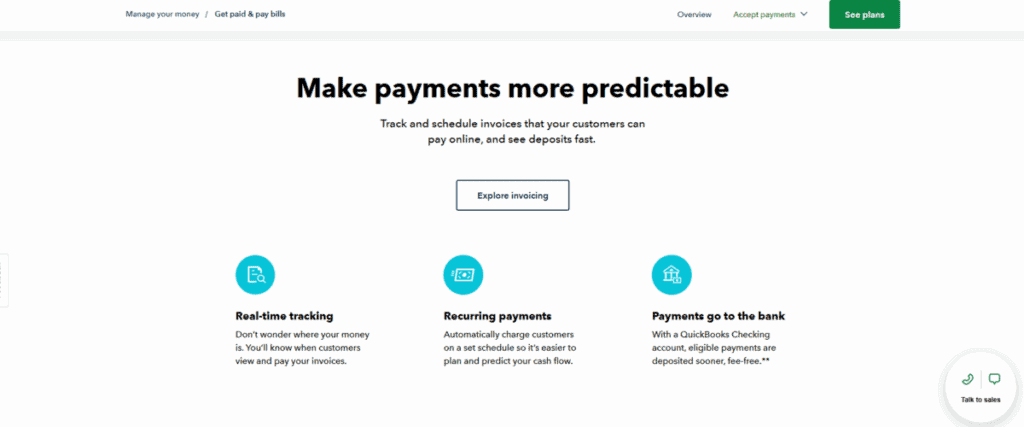
Simplicity is the goal of the system’s design. After it is integrated, QuickBooks Payments lets users send invoices with a secure payment link so that clients can make an instant online payment. Because of this smooth connection between billing and payments, companies can decrease the time it takes to get payments, minimise data entry errors, and automate some steps in the reconciliation process.

However, the platform is best suited for businesses that are already using QuickBooks. For others who rely on different accounting tools, the benefits may not outweigh the limitations. It’s not the most flexible system when it comes to custom integrations, and international transactions are somewhat limited. Still, for those looking for a tightly integrated accounting and payments system from a trusted provider, QuickBooks Payments is a strong contender.

Getting Started and Onboarding Experience | Intuit QuickBooks Payments Review

Signing up for QuickBooks Payments is relatively straightforward, especially if you’re already a QuickBooks user. The application process typically takes a few minutes, and basic details such as your business name, tax ID, banking information, and contact details are required. Once submitted, the account generally gets approved quickly, although in some cases Intuit may request additional documentation to verify the business.

The onboarding process is designed to be as frictionless as possible. When used in conjunction with QuickBooks Online, the payment setup is essentially built in. Users can activate the service directly from their dashboard and begin sending invoices with payment links. The UI is clean, familiar, and consistent with the QuickBooks interface, which is a plus for users who want to avoid switching between multiple platforms.

That said, the process can feel less intuitive for new users who don’t already use QuickBooks. For example, merchants looking for a standalone payments solution without any accounting software might find themselves navigating features they don’t need. Additionally, users in high-risk industries may face slower approval times or more stringent underwriting.

The user experience of QuickBooks Payments is praised despite these nuances, particularly by small and midsize companies with simple billing requirements. One of the platform’s advantages is the onboarding process, which is made possible by its intuitive setup, quick approvals, and native integration with accounting tools.

Intuit QuickBooks Payments Review

Payment Methods and Supported Transactions

QuickBooks Payments supports a variety of payment methods, making it easy for customers to pay in the way that suits them best. The platform accepts all major credit and debit cards, including Visa, Mastercard, Discover, and American Express. It also supports ACH bank transfers, which are a low-cost alternative to card payments, especially for recurring billing scenarios or larger transactions.

Users can send digital invoices with an embedded “Pay Now” button, allowing customers to settle payments directly from their email or browser. Additionally, recurring billing can be set up for ongoing clients, and payment links can be created for quick one-off payments. For businesses that need to collect deposits or partial payments, this flexibility is a useful feature.

Additionally, QuickBooks provides GoPayment, a mobile payment app that enables companies to take card payments in person with a mobile device and a card reader. This increases the platform’s usefulness for small retailers, event vendors, and service providers who wish to take payments while on the go. One drawback, though, is the absence of strong support for multi-currency or international payments. This can be restrictive for businesses that deal with clients from around the world. Additionally, ACH payments take longer to clear than card payments, despite being more economical.

In all, QuickBooks Payments covers the essential payment types for most small businesses, and the ability to manage these transactions from a single dashboard is a core selling point.

Integration with QuickBooks Ecosystem

One of the standout features of QuickBooks Payments is its seamless integration with the broader QuickBooks ecosystem. This integration minimizes the time and effort required to manage books, track invoices, and reconcile payments. When a payment is received through QuickBooks Payments, the system automatically matches it to the correct invoice and updates the accounting records in real time.

This end-to-end automation helps reduce manual errors and saves time, particularly for business owners who handle their own bookkeeping. Users can also track which invoices are paid, overdue, or pending, all from the same interface. Cash flow statements are updated automatically, giving business owners a more accurate picture of their finances.

The integration is especially helpful during tax season. Because all transactions are logged and categorized, it becomes easier to pull reports and statements needed for compliance. Users can also set up rules for how payments should be recorded and categorized, offering some customization.

The drawback of this close integration is that it forces users to stay in the QuickBooks environment. The process of moving data from QuickBooks Payments could be difficult if a company decides to switch accounting platforms in the future. Furthermore, the integrated features won’t be as helpful to users of third-party accounting platforms.

Still, for those fully embedded in the QuickBooks ecosystem, the convenience and efficiency of having payments and accounting under one roof can’t be overstated.

Pricing and Transaction Fees

QuickBooks Payments follows a relatively straightforward pricing model, though users should be aware of the nuances. For credit card transactions, the fee is typically 2.9% + $0.25 per transaction when invoiced online. ACH bank transfers are more affordable, often at a flat fee of around 1% per transaction with a cap.

For in-person transactions using the GoPayment card reader, the rate is slightly lower; usually around 2.4% + $0.25 per transaction. There are no monthly fees for the basic plan, which is attractive for small businesses with irregular transaction volumes. However, users needing advanced features or more hardware may face additional charges.

Although it’s not always the cheapest, the pricing is competitive, particularly when compared to other all-in-one solutions like Square or Stripe. Companies with large volumes might want to look into providers that offer lower interchange-plus pricing models or compare custom rates. It’s also important to keep in mind that if a customer disputes a transaction, there may be a chargeback fee. Processing fees on refunded transactions are not reimbursed by QuickBooks Payments, like the majority of providers.

While the fees are clearly outlined on Intuit’s website, some users have expressed that occasional updates or small policy changes can be hard to keep up with. As always, reading the fine print is advised before committing.

Invoicing, Estimates, and Customer Experience

QuickBooks Payments makes it easy for businesses to create professional-looking invoices that are both functional and customizable. Users can generate invoices directly within QuickBooks, add line items, taxes, and due dates, and send them by email with a built-in payment button. For customers, the experience is seamless. They receive a branded invoice in their inbox and can click a link to pay via credit card or ACH bank transfer without needing to log in or download an app. This smooth payment experience reduces friction and often results in faster payments.

The platform also supports recurring invoices and automated reminders for overdue payments, saving businesses time on follow-ups. Additionally, users can create and send estimates to clients, which can later be converted into invoices; useful for service-based businesses or freelancers who need to quote before billing. Customization options include logos, brand colors, and personal messages, which help build trust and maintain consistency across client communications. While not as robust as full-scale invoicing platforms, the features are sufficient for most small to midsize businesses.

The sole drawback is that, in contrast to stand-alone invoicing apps, invoice customisation is still restricted. The options might not be sufficient for companies that require multilingual support or extremely detailed templates. Nevertheless, QuickBooks Payments offers a reliable, effective invoicing system that is closely linked to accounting and payment processing.

Intuit QuickBooks Payments Review

Reporting, Analytics, and Financial Insights

The reporting tools available through QuickBooks Payments are simple but effective. Users can easily access transaction summaries, payment statuses, and deposit schedules from the QuickBooks dashboard. Each payment automatically logs against its corresponding invoice, and financial reports are generated in real time.

QuickBooks Payments allows users to track key metrics such as sales volume, customer payment patterns, and outstanding invoices. This helps business owners monitor their cash flow and identify trends, such as which customers pay late or which services generate the most income. Reports can be exported for further analysis, or used for tax preparation and end-of-year financial planning. Integration with QuickBooks’ broader reporting tools means users can generate balance sheets, profit and loss statements, and sales tax summaries with little manual input.

However, in contrast to platforms that focus on financial data visualisation, the analytics are simple. The features might not be sufficient for users seeking multi-segment analysis, forecasting tools, or granular insights. However, the built-in analytics are more than sufficient for its target market, which consists of small businesses with simple requirements. Without the need for an additional reporting tool, they provide a quick overview of financial health and assist business owners in making wise decisions.

Hardware and In-Person Payment Solutions

Although QuickBooks Payments is largely known for its online payment features, it also offers in-person payment capabilities through its mobile app, GoPayment. This app, when used with a compatible card reader, allows businesses to accept payments on the go using a smartphone or tablet.

The hardware includes mobile card readers that support EMV chip cards, contactless payments, and magnetic stripe cards. These devices connect via Bluetooth and are lightweight and portable. This setup is particularly useful for small retailers, service professionals, and pop-up vendors who need reliable payment acceptance on location.

The GoPayment app itself is easy to use and has a direct QuickBooks Online integration. The data automatically synchronises with the user’s accounting records after a payment is made, removing the need for double-checking or manual entry. The hardware is adequate for small businesses with modest in-store requirements, even though it lacks some of the features of full point-of-sale systems. The system might not be comprehensive enough for businesses that need to manage inventory, employee logins, or customer loyalty programs.

Overall, QuickBooks Payments provides a competent in-person payment solution, but it’s best suited for businesses with occasional face-to-face transactions rather than full-scale retail environments.

Security, Compliance, and Customer Support

Security is a critical consideration in any payment processing platform, and QuickBooks Payments checks many of the right boxes. The system is PCI-compliant and employs encryption protocols to protect sensitive customer information during transactions. Intuit also offers fraud prevention tools, such as transaction monitoring and account alerts. Users can set up multi-factor authentication and restrict access to sensitive financial information within their teams. These layers of protection help maintain trust with customers and reduce the risk of data breaches.

Numerous channels, such as live chat, phone support, and the QuickBooks online community, are available for customer service. With the help of the extensive help centre, which provides detailed instructions and video tutorials, many problems can be fixed. However, the quality of support can vary. Some users complain about delays in resolving issues, especially when handling chargebacks or during the peak tax season. Others believe that the documentation is too technical or a little overwhelming for non-expert users.

Despite these occasional hiccups, QuickBooks Payments offers a secure and relatively well-supported environment. Businesses handling sensitive payment data can trust the infrastructure, but may need patience when dealing with complex support cases.

Pros and Cons Summary

QuickBooks Payments has several strengths, particularly for businesses already using QuickBooks for accounting. The most significant advantage is the seamless integration with invoicing, reporting, and reconciliation tools, which simplifies financial management. Other benefits include ease of setup, flexible payment options, and the ability to accept payments online or in person. The platform offers a reliable, all-in-one solution for many small to mid-sized businesses, especially service providers, freelancers, and consultants.

There are some restrictions, though. Businesses that require advanced point-of-sale features or conduct business internationally should not use this platform. Even though the pricing is clear, high-volume retailers might not find it to be the best. Additionally, the ecosystem is less desirable for companies that use other accounting software because it functions best when used only within QuickBooks.

Overall, QuickBooks Payments is a strong choice for businesses that value convenience, automation, and integrated financial management. It’s not the most customizable platform, but for many, the trade-off in simplicity and speed is worth it.

Intuit QuickBooks Payments Review

FAQs

Q1. Can I use QuickBooks Payments without subscribing to QuickBooks Online?

QuickBooks Payments is primarily designed to work with QuickBooks Online and QuickBooks Desktop. While technically possible to use it in limited ways without the accounting software, the real value comes from integration. Most features depend on the broader QuickBooks ecosystem.

Q2. How long does it take to receive funds from customer payments?

Typically, card payments are deposited within 1–2 business days, while ACH bank transfers can take up to 5 business days. QuickBooks also offers next-day deposit options for eligible users, but this may come with conditions.

Q3. Does QuickBooks Payments support international transactions or multicurrency payments?

QuickBooks Payments currently supports payments in USD for U.S.-based businesses. It does not support cross-border payments or multicurrency invoicing, making it less suitable for international operations.

Ingenico Review

Ingenico Review

Ingenico is a long-standing name in the global payment technology industry, known primarily for its wide range of card-present solutions. Established in France in the 1980s, the company has evolved from being a hardware-focused terminal provider into a broader payment ecosystem player. Today, Ingenico is active in over 170 countries and supports millions of transactions daily across retail, hospitality, transportation, and banking sectors. Lets read more about Ingenico Review.

Ingenico’s reputation has been shaped by its deep integration into physical payment environments, particularly through its robust and secure terminals. It was part of Worldline until 2023, and while its business model has shifted over the years, Ingenico continues to play a significant role in enabling merchants to accept payments with reliability and speed.

The company is often associated with in-store payment innovation, but it has also expanded into supporting omnichannel commerce and digital transformation initiatives. Its devices are used by small businesses as well as enterprise-scale retailers, largely because of the modularity and compliance built into their platforms.

Ingenico excels at bridging the gap between digital and physical payments, in contrast to more recent fintech entrants that only concentrate on software or online commerce. Because of this, it is more than just a payment processor; it is a vital infrastructure provider. Although there are competitors, its name is trusted by companies that require scalable, reliable payment acceptance for a variety of use cases.

Ingenico’s Product Suite: Hardware and Beyond | Ingenico Review

Ingenico’s product portfolio is extensive and purpose-built to cater to a variety of transaction environments. Its hardware lineup spans several terminal families such as Lane, Move, Desk, and the newer Android-based Axium series; each tailored to specific merchant needs. From compact countertop devices to portable wireless options and unattended self-service kiosks, the variety is one of Ingenico’s biggest differentiators.

What stands out about Ingenico’s approach is its emphasis on both performance and security. Terminals come with features like EMV chip support, NFC for contactless payments, and robust encryption protocols. The Axium line, powered by Android OS, reflects a shift toward modern, app-driven commerce. These devices are built for more than just payments; they can also support loyalty programs, value-added services, and analytics.

Beyond hardware, Ingenico also offers software solutions such as estate management, terminal configuration tools, and APIs for integration with merchant platforms. These software layers are essential for large-scale retail environments where uptime, updates, and diagnostics must be remotely managed.

The goal of Ingenico’s holistic strategy is to lessen merchant ecosystem fragmentation. Instead of depending on several suppliers for integration, servicing, and terminals, merchants have access to all of the Ingenico ecosystem’s resources. However, companies that require highly customised setups or prefer open platforms may find their flexibility limited by this integrated approach.

Overall, Ingenico’s suite is engineered to deliver stability, security, and scale. However, its reliance on proprietary hardware and tightly coupled software may be a consideration for businesses exploring alternative, more agile systems.

Ingenico Review

Payment Security and Compliance Standards

Security has always been a core focus for Ingenico, and the company has consistently met industry standards for payment protection. All Ingenico terminals comply with PCI PTS standards, which cover physical device security, encryption, and cardholder data protection. This ensures that terminals are resistant to tampering and secure during transactions.

The company supports advanced encryption models, including E2EE, which helps protect data as it moves from the card reader to the payment processor. This is especially important in retail environments where a breach at any point in the data flow can have serious consequences. Ingenico also works with acquirers and processors to implement P2PE solutions, adding another layer of security that reduces PCI compliance scope for merchants.

Tokenization is another feature present in Ingenico’s architecture. By replacing sensitive card data with non-sensitive equivalents, tokenization minimizes the risk of data theft and fraud. This feature is critical in omnichannel environments where a customer’s payment details may be used across in-store, mobile, and online channels.

Ingenico’s emphasis on security is also evident in its Android-based terminals, which often receive security patches and additional software checks. Even though Ingenico’s technology is safe, it needs to be used in conjunction with appropriate merchant-side procedures, so companies need to continue being proactive in upholding compliance throughout the payment ecosystem.

In short, Ingenico provides a strong security foundation. Its long-standing compliance with global standards reinforces its role as a trusted partner for secure payment acceptance in high-risk or high-volume settings.

Omnichannel Capabilities and Digital Integration

As payment ecosystems grow increasingly interconnected, Ingenico has responded with tools designed to enable seamless omnichannel experiences. Its platforms are capable of bridging in-store, online, and mobile payments through unified APIs and cloud-based services, giving merchants more control over how and where they accept payments.

Ingenico’s cloud estate management system, for instance, allows businesses to monitor, configure, and update their terminals remotely. This is essential for large merchants operating across multiple locations. The ability to push software updates and receive diagnostic data without manual intervention supports operational continuity and reduces maintenance costs.

In terms of digital integration, Ingenico supports a suite of developer tools that allow third-party integration with loyalty platforms, CRMs, and eCommerce systems. This is particularly useful for businesses looking to merge their in-store and online channels into a cohesive experience. Support for SDKs and APIs makes it easier for developers to build custom workflows or connect payment data with analytics dashboards.

By allowing merchants to run commerce apps in addition to payment processing, the Android-powered Axium series expands on these capabilities. Real-time inventory checks and counter-upselling are both supported by this flexibility. Ingenico’s dedication to integration and unification is clear, despite the fact that it does not move as quickly as some pure software companies. However, some retailers might find that innovation is happening more slowly than on startup-led platforms, especially when it comes to data-driven personalisation or AI-driven analytics.

Overall, Ingenico’s omnichannel focus is a valuable asset for businesses prioritizing unified commerce across physical and digital touchpoints.

Industry-Specific Solutions and Vertical Focus

Ingenico’s strength lies not only in its technology but in its ability to tailor solutions for specific industries. The company has long served verticals such as retail, hospitality, transportation, financial services, and healthcare, each with unique payment requirements and challenges. In retail, Ingenico’s terminals support high-speed processing, integration with POS systems, and value-added services like gift cards or loyalty apps. For quick-service restaurants or convenience stores, mobile terminals from the Move series enable line-busting or curbside payment collection.

In hospitality, features like tipping, dynamic currency conversion, and seamless integration with property management systems make Ingenico a practical choice for hotels and resorts. For transportation and parking systems, Ingenico offers rugged, unattended terminals designed for 24/7 outdoor use. The company also supports banking and fintech services through secure, PIN-entry devices and interfaces for ATM or kiosk deployment. In healthcare, Ingenico solutions help facilitate copayments and billing in patient-facing environments, with emphasis on privacy and compliance.

The versatility of Ingenico’s software and hardware configurations is what makes it unique. Although there are some restrictions on how open or customisable the platforms are, merchants can usually select the features they require. Despite supporting a wide range of industries, Ingenico’s ecosystem still favours large businesses or high-volume operations over micro-merchants.

In summary, Ingenico’s industry-specific approach provides merchants with targeted functionality, but this comes with a degree of platform rigidity that might not suit every business model.

Global Reach and Regional Support

Ingenico operates on a truly global scale, with a presence in more than 170 countries and support for multiple currencies and languages. Its international reach has helped the company become a preferred terminal provider for multinational retailers, payment service providers, and acquiring banks.

One of Ingenico’s major advantages is its ability to offer region-specific hardware configurations and certifications. For example, it supports local card schemes in countries like India, Brazil, and China while also facilitating global acceptance through Visa, Mastercard, and Amex. This flexibility is especially useful for businesses with international branches or cross-border operations.

Ingenico’s partner network includes ISVs, systems integrators, and financial institutions, which helps extend its regional support capabilities. These partners handle installation, maintenance, and troubleshooting, reducing response times and ensuring local compliance. In addition, Ingenico provides localized support documents and updates, ensuring that software patches or compliance changes meet regulatory requirements in different markets. This is crucial for keeping operations secure and up to date.

However, partner involvement and geographic location can affect the quality of support. Some regions may encounter delays because of their reliance on outside distributors or resellers, while others have strong infrastructure and quick service. All things considered, Ingenico’s worldwide infrastructure is reliable and strong. It is a scalable solution for companies growing into new areas because it can serve both local merchants and global brands, but consistency in partner-driven support is still something to keep an eye on.

Innovation and Technology Ecosystem

Ingenico has steadily expanded its innovation footprint, especially in recent years with the adoption of Android OS in its Axium product line. This shift reflects a broader trend in payment terminals; moving from fixed-function devices to multipurpose smart devices capable of running apps and integrating with broader business systems.

The Axium series is a clear example of Ingenico’s effort to blend traditional payment functionality with modern retail experiences. These Android terminals allow merchants to install business applications directly onto the device, enabling features like order management, inventory control, customer surveys, and CRM updates at the point of sale.

The company is also investing in cloud-based services, terminal-as-a-service models, and open APIs to create a more agile ecosystem for developers and merchants. This is a step toward creating more adaptive, software-driven payment environments while still maintaining the robust hardware standards Ingenico is known for.

However, Ingenico’s rate of innovation is more measured than that of rapidly expanding fintech companies. It prioritises compliance and long-term dependability over promoting experimental features. Large corporations and regulated environments benefit greatly from this cautious approach, but tech-forward startups may find it restrictive.

In essence, Ingenico is innovating but with caution. It emphasizes stability and scalability over trend-driven features, which suits many enterprise-level businesses but may leave smaller merchants or agile developers looking elsewhere.

Ingenico Review

Usability, Interface, and Customer Experience

Ingenico terminals are generally well-regarded for their ergonomic design, durability, and user-friendly interfaces. Devices feature tactile keypads, clear touchscreens, and intuitive navigation menus, which help streamline the checkout process for both customers and staff.

Newer terminals, especially those in the Axium range, come with vibrant displays, Android-based interfaces, and responsive touch controls. These improvements help merchants provide a more modern payment experience while also allowing integration with custom apps, branding elements, and customer interaction tools.

From the merchant’s side, configuration and use are relatively straightforward. Many Ingenico devices are plug-and-play, with pre-loaded settings for common payment methods. Remote estate management tools further reduce the burden of setup and updates, allowing changes to be pushed centrally across fleets of terminals.

Priority is also given to the customer experience. Ingenico devices are effective and accessible to a broad range of users due to their contactless payment methods, multilingual support, and quick transaction times. These elements are important in settings like retail or hospitality, where customer satisfaction is directly impacted by transaction time and ease of use.

That said, some older models still in circulation may lack the responsiveness or visual appeal expected in today’s retail landscape. Also, the proprietary nature of some device settings can limit how much merchants can customize workflows or displays. Overall, It balances user experience with industrial-grade reliability, but there’s room to enhance flexibility and customization on a broader scale.

Pricing, Partnerships, and Integration Models

Ingenico’s pricing is typically not transparent to end-users, as it operates primarily through distributors, acquirers, and partners. Costs vary depending on region, device type, support package, and the software or value-added services bundled into the contract. This makes it difficult to offer a universal pricing range.

For businesses, It offers both purchase and leasing models, often structured through partners. The Terminal-as-a-Service model, which includes hardware, software, and servicing in a bundled fee, is becoming more popular, especially for enterprise clients who prefer predictable costs and lifecycle management.

Usually, APIs or SDKs are used to integrate with POS systems, payment gateways, and back-office platforms, though the level of complexity can vary. Smaller retailers seeking instant plug-and-play solutions might find Ingenico’s strategy unsuitable as it prioritises larger deployments with structured onboarding. A key component of Ingenico’s marketing strategy is partnerships. Wide adoption is made possible by its partnerships with banks, fintech firms, and ISVs; however, these partnerships also lead to differences in support quality, cost, and integration experience. Instead of dealing directly with Ingenico, merchants often deal with an intermediary.

The main trade-off here is between stability and flexibility. While Ingenico offers reliable, well-integrated payment solutions, it may not provide the pricing agility or customization that some smaller businesses or startups seek.

Strengths, Limitations, and Market Position

Ingenico’s reputation as a market leader is rooted in its dependable hardware, secure platforms, and broad international reach. For businesses seeking long-term reliability and compliance in payment acceptance, It remains a top-tier option. Its greatest strengths include a diverse terminal lineup, support for global and local payment schemes, strong security compliance, and partnerships that allow scalable deployment across industries. The Axium series adds modern functionality, helping bridge traditional POS and app-enabled commerce.

However, the platform does have limitations. Pricing opacity, reliance on partners for support, and a more rigid ecosystem can be hurdles for smaller merchants or rapidly evolving businesses. Its pace of innovation, while consistent, is cautious compared to startups driving trends in open commerce, digital wallets, and AI.

Ingenico continues to play an important role in the payment technology market. For businesses and financial institutions in need of high-volume, secure infrastructure, it is the preferred supplier. However, alternatives might provide greater flexibility for companies that value quick development cycles or specialised customisations. To put it simply, it is superior in terms of scale and robustness. It is still relevant, especially in situations where compliance and dependability are more important than the need for innovative experimentation.

Ingenico Review

FAQs

1. Is Ingenico compatible with third-party payment gateways?

Yes, Ingenico terminals can integrate with many third-party platforms through APIs and SDKs. However, specific compatibility depends on the terminal model and integration partner.

2. Does Ingenico support contactless and mobile wallet payments?

Yes. Most Ingenico terminals support contactless cards and digital wallets like Apple Pay, Google Pay, and Samsung Pay, using built-in NFC technology.

3. Can Ingenico terminals be used for unattended payment environments?

Yes. Ingenico offers specialized terminals for unattended use in kiosks, vending machines, and parking systems. These are ruggedized and certified for outdoor and high-traffic environments.

Heartland Payment Systems Review

Heartland Payment Systems Review

Heartland Payment Systems is a U.S.-based merchant services provider known for supporting small and mid-sized businesses across a wide variety of sectors. Established in 1997 and acquired by Global Payments in 2016, the company has continued to operate under its own brand, maintaining a steady focus on serving traditional business models like retail shops, restaurants, and local service providers. This long-standing presence in the payments industry gives Heartland both credibility and experience in handling evolving business needs. Lets read more about Heartland Payment Systems Review.

The business provides a wide range of services, including payroll solutions, POS systems, customer marketing tools, and credit card processing. Heartland hopes to streamline operations for entrepreneurs who would rather handle all of their financial resources in one location with this all-in-one strategy. Despite the gradual expansion of e-commerce options, their services are specifically designed for physical businesses.

Transparency has always been a core promise of Heartland. The business has emphasised its dedication to transparent pricing and moral business conduct. Independent user reviews, however, show that some merchants have had inconsistent experiences with fees and contracts, pointing to a disconnect between marketing and execution.

Despite these concerns, Heartland remains a popular choice among U.S. businesses seeking integrated payment and business management solutions. Its continued investment in industry-specific features and customer support reflects a desire to stay relevant in a crowded and rapidly evolving market. The company’s wide service offering makes it worth considering, particularly for those looking for an all-in-one provider.

Core Payment Processing Services | Heartland Payment Systems Review

Heartland’s core strength lies in its payment processing capabilities, which serve as the backbone for most of its clients. The company supports all major credit and debit cards, as well as modern payment methods like contactless cards, Apple Pay, Google Pay, and mobile wallets. This flexibility ensures that merchants can cater to a variety of customer preferences at the point of sale.

Transactions are processed quickly and securely, with Heartland leveraging EMV-compliant technology and offering end-to-end encryption and tokenization for added security. This helps businesses protect sensitive customer data and reduces the risk of fraud. Heartland also assists clients with PCI DSS compliance, a crucial requirement for any merchant accepting card payments.

Another notable feature is Heartland’s real-time transaction reporting. Business owners can monitor payments as they occur and access detailed reports via an online dashboard or mobile device. This level of visibility supports better financial oversight and decision-making.

Recurring billing, stored card functionality, and ACH processing are also available for businesses that handle subscriptions or service-based payments. For those operating on-the-go, Heartland provides mobile card readers compatible with smartphones and tablets, extending its utility beyond traditional storefronts.

However, it’s important to note that pricing for payment processing is not uniform across the board. Rates may vary depending on the business type, processing volume, and individual contract terms. Some users have reported unexpected fees or difficulty in understanding the fee breakdown, suggesting that prospective customers should closely review their agreements.

Heartland Payment Systems Review

POS Solutions

Heartland offers a range of POS systems designed for businesses in retail, hospitality, and service industries. These POS solutions are not one-size-fits-all. Instead, they’re industry-specific, with customized features aimed at solving particular operational challenges.

For example, restaurants can benefit from POS systems that support table management, tipping, kitchen order printing, and online ordering. Retail businesses, on the other hand, have access to inventory management, barcode scanning, employee permissions, and multi-location support. This targeted approach helps ensure that the tools offered are aligned with real-world workflows.

Card readers, touchscreen terminals, and add-ons like cash drawers and receipt printers are among the hardware that Heartland offers. These devices are usually sleek and contemporary, and the majority of them have cloud connectivity, which enables data syncing and remote access across locations. Heartland also highlights how easy it is to use its software. The learning curve for new hires is reduced by the POS interfaces’ intuitive design. Reporting tools in the backend provide business owners with information about inventory levels, employee performance, and sales trends.

However, some merchants report that POS setup can require technical assistance and that troubleshooting hardware issues may involve delays depending on support availability. Additionally, the cost of hardware and software subscriptions may not always be fully transparent at the time of onboarding. It’s advisable to get a full breakdown of costs before committing.

E-Commerce and Online Payment Capabilities

While Heartland has traditionally focused on in-person transactions, it has steadily built out its online payment capabilities. Today, the platform supports e-commerce businesses with several useful tools including virtual terminals, hosted payment pages, and recurring billing features.

For businesses that need to accept payments online without a full-fledged e-commerce site, the virtual terminal allows manual entry of card information, which is ideal for phone or invoice-based transactions. Hosted payment pages, on the other hand, enable businesses to create branded checkout experiences without advanced technical knowledge.

Heartland also offers APIs and integration capabilities for those looking to connect with platforms like WooCommerce, Shopify, and BigCommerce. This gives online merchants the ability to use Heartland’s gateway services without disrupting their existing website flow. Additionally, businesses can manage subscriptions and set up automated recurring billing. This is particularly useful for service-based industries or companies offering membership programs. Payment data can be tokenized and stored securely, allowing for faster future checkouts.

One limitation is that Heartland may not offer the same depth of e-commerce features as platforms built specifically for online retail. It lacks built-in shopping cart systems or advanced marketing automation found in more digital-native competitors. As such, it may be a better fit for brick-and-mortar businesses expanding online rather than those operating exclusively on the internet.

Payroll and HR Services

Heartland offers payroll and HR services, positioning itself as a full-service business partner rather than just a payment processor. These services are designed to reduce administrative burden and ensure compliance with federal and state labor laws.

Direct deposit, tax computation and filing, wage reporting, and year-end forms such as W-2s and 1099s are all included in payroll services. In addition to having access to cloud-based tools for managing employee records and pay history, businesses can process payroll on a flexible schedule. Self-service portals are also provided to employees, enabling them to view time-off balances, tax documents, and pay stubs.

Heartland’s HR services go above and beyond by providing regulatory compliance advice, onboarding assistance, and time tracking. There are tools for managing workplace policies, employee handbooks, and benefits. For small businesses without a dedicated human resources department, these features are extremely beneficial.

Integration between Heartland’s payroll platform and POS or time-tracking tools can streamline operations further. For example, hourly employee data from the POS system can feed directly into the payroll system, reducing manual entry and error.

One potential drawback is that these services may be priced separately from the core payment processing package. Additionally, some users note that the interface, while functional, can feel outdated compared to newer HR tech platforms. Still, the convenience of bundled services remains a strong point for businesses looking for an all-in-one provider.

Customer Engagement and Loyalty Programs

Heartland provides a set of customer engagement tools designed to help businesses build loyalty and drive repeat visits. These features include digital gift card programs, customizable loyalty rewards, and email marketing campaigns that integrate with customer purchase data. Gift card functionality allows businesses to sell branded cards both online and in-store, with balance tracking and reload capabilities. This can help improve cash flow while offering customers a convenient gifting option.

The loyalty program is flexible, allowing merchants to create point-based rewards, visit-based incentives, or spend thresholds that trigger discounts. These programs can be tailored to suit different industries, whether it’s a coffee shop offering a free drink after ten purchases or a salon rewarding regular customers with exclusive discounts.

Heartland also supports email marketing features, enabling businesses to create segmented campaigns based on customer behavior. This makes it easier to send targeted promotions or service reminders. Campaign performance can be tracked within the platform, helping merchants measure effectiveness. These engagement tools are particularly beneficial when used in conjunction with Heartland’s POS systems. Customer data collected at the point of sale can be used to drive personalized marketing efforts, enhancing the overall customer experience.

However, businesses looking for advanced CRM features or highly customizable campaign automation may find the tools somewhat limited. While Heartland covers the basics well, companies with complex marketing needs might require integration with more specialized platforms.

Heartland Payment Systems Review

Industry-Specific Solutions

Heartland positions itself as a versatile provider with tailored solutions for specific industries. This industry-focused approach allows the company to offer tools that directly address the pain points of businesses in foodservice, education, healthcare, retail, and personal services. In the restaurant industry, Heartland’s POS systems support features such as tableside ordering, kitchen display systems, and menu management. For quick-service restaurants, there are solutions optimized for speed and volume, including drive-thru and mobile order integration.

In the field of education, Heartland offers school payment portals and campus card systems that let parents make in-person or online payments for meals, fees and other school-related costs. These tools lessen staff manual labour by integrating with school administration systems. Payment options that support co-pays, recurring treatment billing, and HIPAA-compliant data security are advantageous to healthcare providers. Additionally, there are options for safely storing patient card information and managing payment schedules.

Salons, spas, and fitness centers can take advantage of scheduling tools, recurring membership billing, and customer profile management. These tools are designed to streamline appointment booking and customer retention.

While these industry-specific solutions offer targeted value, they may also lock businesses into proprietary ecosystems, making it harder to switch providers or integrate third-party tools. That said, for businesses that prefer all-in-one convenience, Heartland’s specialized offerings can be a strong selling point.

Pricing and Contract Clarity

Heartland emphasizes transparent pricing as part of its brand promise, yet user experiences on this front are mixed. While the company promotes “fair and honest pricing,” the actual fee structure often varies based on the size and type of business, processing volume, and the sales representative handling the account.

Heartland typically uses an interchange-plus pricing model, which is generally more transparent than flat-rate or tiered models. However, additional fees for monthly services, PCI compliance, early termination, and statement processing may apply. These can add up quickly if not clearly communicated during the onboarding process.

Some merchants have praised Heartland for offering competitive rates and straightforward billing, while others report receiving different fee quotes than initially promised. Complaints about automatic contract renewals and difficulty in canceling services also appear in some online reviews. To ensure clarity, it’s advisable for businesses to request a detailed, itemized quote before signing any contract. Understanding what is included, what is optional, and what may increase over time can help avoid surprises.

Heartland’s pricing may be most attractive to mid-sized businesses with steady volume that can negotiate favorable terms. For very small or seasonal businesses, other providers with more flexible month-to-month options may be a better fit.

Security, Compliance, and Data Protection

Heartland takes payment security seriously and has made considerable investments in protecting both merchants and customers. The company uses end-to-end encryption and tokenization to secure cardholder data from the point of entry through transmission and storage. One standout feature is Heartland Secure, a proprietary combination of encryption, tokenization, and EMV technology designed to protect data and reduce the risk of breaches. This system is paired with breach warranty coverage, which provides financial protection in the event of a data compromise.

The company assists retailers in adhering to PCI DSS standards. This encompasses resources for self-evaluation, security checks, and advice on optimal methods. Not staying compliant can lead to extra charges or penalties, making assistance in this area essential. Payment solutions that comply with HIPAA are accessible for healthcare providers, guaranteeing that patient information is managed in line with federal privacy regulations. 

While these measures are robust, it’s still important for businesses to actively manage their own security practices. No system is foolproof, and user error remains a leading cause of data breaches. That said, Heartland’s layered security tools offer meaningful protection in a digital-first business environment.

Customer Support and User Experience

Heartland promotes its U.S.-based customer service as a key differentiator. Support is available 24/7 by phone, and there are additional resources available via the company’s website, including training videos, documentation, and account management tools. Customer reviews about the support experience are mixed. Some businesses report quick, helpful service and a smooth onboarding experience. Others mention long wait times, inconsistent follow-up, or challenges getting issues resolved, particularly when multiple services are bundled together.

The user experience across Heartland’s platforms is generally positive. The interfaces for both POS and payroll systems are relatively easy to navigate, though they may lack the sleek design and advanced features of newer fintech competitors. Mobile accessibility is available, but reviews suggest that the apps could be more robust and responsive.

Another factor is that Heartland’s systems could need additional training compared to plug-and-play options such as Square or Stripe. This holds particularly true for companies that utilize various products such as payroll, POS, and customer interaction tools at the same time. In the end, the customer experience is greatly influenced by the unique configuration of the business and the particular representatives engaged. Companies desiring a personalized connection might discover that Heartland meets their needs, whereas those looking for solely self-service solutions might favor a more straightforward, contemporary platform. 

Heartland Payment Systems Review

FAQs

Q1: Is Heartland Payment Systems suitable for small businesses?

Yes, Heartland offers a variety of tools tailored for small and mid-sized businesses, including POS, payment processing, and payroll. However, very small or seasonal businesses should carefully review contract terms and pricing to ensure fit.

Q2: Does Heartland support integration with e-commerce platforms?

Heartland supports integration with major platforms like Shopify, WooCommerce, and BigCommerce through APIs and gateway solutions, making it viable for businesses selling online.

Q3: What kind of support can I expect from Heartland?

Heartland offers 24/7 U.S.-based phone support and online resources. While some users praise the service quality, others have reported inconsistent experiences, so the level of support may vary.

Green Dot Review

Green Dot Review

Green Dot Corporation is a financial technology and bank holding company that has grown into one of the leading providers of prepaid debit cards and banking services in the United States. Founded in 1999, the company initially focused on prepaid cards sold through retail outlets, targeting consumers who didn’t have access to traditional bank accounts. Over time, Green Dot expanded its offerings to include mobile banking, direct deposit features, and even personal banking services through its own FDIC-insured institution, Green Dot Bank. Lets read more about Green Dot Review.

The company’s goal is to make modern banking more affordable and accessible, especially for low-income and underbanked communities. Green Dot has a significant presence in both urban and rural areas thanks to its partnerships with major retailers like Walmart, Walgreens, CVS, and Rite Aid, which make its services widely accessible.

Despite its popularity, Green Dot has received mixed feedback over the years. Some users appreciate the convenience and accessibility, while others raise concerns about customer service, unexpected fees, and account limitations. These contrasting experiences make Green Dot a brand worth examining closely, especially for those seeking an alternative to traditional checking accounts or who need a simple, reloadable payment option.

Account Types and Accessibility | Green Dot Review

Green Dot offers several financial products tailored to different banking needs. The core offering is its prepaid debit card, which allows users to load funds and use it for purchases just like a traditional debit card. In addition, Green Dot provides full-featured mobile bank accounts with checking-like capabilities, savings options, and even high-yield savings accounts in select cases.

Accessibility is one of Green Dot’s greatest advantages. You can open an account online or buy a starter kit from more than 90,000 retail locations nationwide. Those who do not have easy access to physical banks will find this convenience appealing. Opening an account is made simpler for people with bad credit or little banking history because no credit checks are needed to get started.

Green Dot also caters to government benefits recipients and gig economy workers by offering services like direct deposit, early paycheck access, and tax refund deposits. For people who need a simple banking solution without the formality and barriers of traditional banks, Green Dot is easy to access and use.

However, accessibility sometimes comes with trade-offs. While the brand promotes financial inclusion, not all account features are as robust or reliable as those offered by larger banks or newer fintech rivals. Still, for many users, especially those looking for a low-barrier entry into digital banking, Green Dot offers a valid alternative.

Green Dot Review

Mobile App Experience and Online Features

The Green Dot mobile app is designed to give users full control of their account from their smartphone. Available on both Android and iOS, the app provides features such as checking balances, tracking transactions, paying bills, depositing checks remotely, and managing direct deposits. The app is relatively easy to navigate, making it approachable for new users, even those not deeply familiar with mobile banking.

One feature that stands out is mobile check deposit, which allows users to upload photos of checks and deposit funds without visiting a store. Additionally, users can instantly send money to other Green Dot customers, which adds convenience for friends and family who also use the service. Bill pay options within the app also allow for scheduling and tracking recurring payments.

Despite having the majority of the necessary banking features, the app’s dependability and performance have drawn mixed reviews. While some users have complained about problems like app crashes, sluggish customer support integration, and delayed transaction posting, others have reported seamless, easy experiences. These discrepancies can be frustrating, particularly when dealing with transactions or payments that have a deadline.

The online portal mirrors many of the app’s functions, but mobile access is the primary way users interact with their accounts. In a competitive fintech space, Green Dot’s app holds its own, though it may lag behind some of the more polished offerings from newer digital-first banks.

Fees, Charges, and Transparency

Understanding Green Dot’s fee structure is essential before signing up. While the company promotes convenience and ease of access, it comes with a range of fees that may catch users off guard. For example, many Green Dot prepaid cards have a monthly maintenance fee that applies unless certain conditions are met, such as maintaining a minimum balance or setting up qualifying direct deposits.

There are also charges for services like ATM withdrawals, balance inquiries, and reloading funds via cash at retail locations. Some accounts include overdraft protection features, but these often involve additional fees after a grace period or specific usage terms. Reloading at third-party retailers typically includes service charges that vary depending on the location and method.

Green Dot does provide a fee schedule on its website and with product packaging, but users have frequently complained that the information is not always clear or easy to find. Additionally, fee waivers are often dependent on account activity that may not be intuitive for all users.

The fees may be affordable for users who fulfil the usage requirements. Unexpected charges, however, can rapidly deplete account balances for people who are not familiar with the fine print. Green Dot’s fee structure might benefit from more understandable explanations and simpler terminology for the typical consumer. Transparency and upfront communication are crucial in the fintech industry.

Direct Deposit and Early Pay Access

One of Green Dot’s most promoted features is the ability to receive paychecks or government benefits via direct deposit up to two days early. This can be a major advantage for individuals living paycheck to paycheck or those with tight budgeting needs. The early deposit feature is available for payroll, government benefits, and tax refunds.

Setting up direct deposit is relatively easy. Users receive a Green Dot routing and account number that they can provide to their employer or benefits provider. Once deposits are verified, funds may appear earlier than with traditional banks, depending on the sender’s payment processing schedule. The benefit of early pay access can provide a cushion and flexibility for financial planning, especially during emergencies. However, the actual timing may vary based on how quickly the payer processes the transfer. Green Dot does not guarantee early access on every deposit, and delays can occasionally occur.

While early direct deposit is a valuable service, some users have complained about inconsistencies in timely fund transfers. It’s possible that these experiences are caused by outside forces beyond Green Dot’s control, but uncertainty can be frustrating. Green Dot is appealing to users who require faster access to their money because of this feature, but it should be used with the understanding that timing is not always guaranteed.

Reload Options and Cash Deposit Convenience

Green Dot offers multiple ways to add funds to an account, which adds flexibility for users who rely on cash or other payment sources. The most popular method is using retail partners such as Walmart, CVS, or Walgreens to reload the card with cash. Users simply bring their card and payment to the cashier, and the amount is added to their Green Dot account.

Other methods include direct deposit, mobile check deposit, and bank transfers. These options make Green Dot suitable for users with diverse income sources, whether from employers, freelance gigs, or government benefits. Some Green Dot accounts also allow users to link external bank accounts for more seamless transfers.

While the variety of funding methods is a strength, the fees associated with them can be a drawback. For example, cash reloads at retailers often involve service fees set by the merchant, which may add several dollars per transaction. These fees can add up, especially for users who make frequent deposits.

Another thing to keep in mind is that, depending on the location and time of day, cash reloads may take some time to appear in the account. Although Green Dot offers guidance and assistance for reloading, the procedure might seem laborious in contrast to banks that accept mobile deposits or electronic payments without charging additional fees.

Despite these limitations, the multiple reload options still make Green Dot practical for users without regular access to online banking or traditional financial tools.

Green Dot Review

Security Features and Customer Support

Green Dot accounts are backed by Green Dot Bank, a member of the FDIC, which means eligible deposits are insured up to standard limits. This gives users confidence in the safety of their funds. The company also uses encryption and secure login features to protect sensitive account information on both the app and online platforms.

Security measures include real-time transaction alerts, the ability to lock and unlock the card, and fraud monitoring services that detect unusual activity. These features provide essential protections, particularly for users managing their accounts entirely through mobile devices.

However, security is only one side of the user experience. Customer support is another area where Green Dot has received mixed reviews. While there is a help center on the website and automated phone lines, users often report long wait times and difficulty reaching a live representative. Email support is available, but response times can vary widely.

Sometimes, disputes over blocked accounts, unauthorised charges, or payment delays cause a great deal of annoyance for users. Users who depend on the account for daily expenses may find this to be particularly stressful. To sum up, Green Dot provides respectable security infrastructure, but its customer support occasionally falls short of user expectations. The user experience would be greatly improved by more reliable and responsive support channels for a financial service targeted at high-volume consumer use.

Limitations and User Complaints

No financial service is perfect, and Green Dot is no exception. While the company serves a wide range of customers, it has also attracted criticism, particularly around customer service, transaction issues, and sudden account freezes. These complaints often appear in app store reviews, online forums, and consumer feedback platforms.

A recurring theme is account access problems. Users have reported being locked out of their accounts with limited explanation, often during critical moments such as receiving a paycheck or accessing emergency funds. Resolving such issues through customer support has sometimes proven difficult or time-consuming.

Another limitation involves the fee structure. While Green Dot promotes itself as an accessible and low-barrier option, users have been caught off guard by fees for inactivity, cash reloads, or monthly service charges. For those not carefully tracking usage conditions, costs can build up unexpectedly.

Additionally, a few users have reported irregular direct deposit timing and delayed mobile cheque deposits. Even though third-party processing might be the cause of these delays, the lack of transparency undermines confidence. These issues point to the need for improved communication and a more user-friendly interface, but they do not imply that Green Dot is inherently unreliable. If reliable service and prompt support are important to potential clients, they should take these restrictions into account and weigh their options.

Comparisons with Similar Providers

Green Dot operates in a highly competitive market that includes other prepaid and digital banking options. Notable alternatives include Netspend, Chime, and Bluebird by American Express. Each of these providers targets similar user segments but takes a slightly different approach.

Compared to Netspend, Green Dot offers a broader retail presence and slightly more traditional banking features. However, Netspend may have more customizable account options, especially for budgeting tools. Chime, on the other hand, is often praised for its sleek app experience, low fees, and modern customer engagement. Chime also tends to have more transparent terms and a stronger reputation for direct deposit reliability.

Bluebird, offered in partnership with Walmart, competes closely with Green Dot in the prepaid card space. It offers lower fees in many areas and provides additional budgeting tools, though it may not have the same brand recognition outside of Walmart customers.

Strong accessibility and a well-established retail network help Green Dot maintain its position. Its pricing and customer service, however, are inferior to those of its more recent fintech rivals. Green Dot is still a good option for consumers who require physical access to cash loading and a large network of retailers. Alternatives may offer better value for those seeking advanced budgeting tools, robust mobile experiences, or improved fee transparency.

Final Verdict: Who Should Use Green Dot?

Green Dot is a convenient option for users needing simple, accessible banking without a traditional bank. It’s ideal for the underbanked, offering easy setup, retail availability, and flexible deposits. However, users should watch out for fees and inconsistent service. Best used as a secondary or transitional financial tool.

Green Dot Review

FAQs

Q1: Is Green Dot a real bank or just a prepaid card?

Green Dot offers both prepaid cards and bank accounts. It operates as a legitimate financial institution through Green Dot Bank, which is a member of the FDIC.

Q2: How can I avoid Green Dot’s monthly fees?

Many Green Dot accounts waive the monthly fee if you meet conditions like setting up qualifying direct deposit or maintaining a minimum balance. It’s important to check the specific terms for your product.

Q3: Can I use Green Dot as my primary bank?

You can use Green Dot as a primary banking option, but you may face limitations with customer service, deposit timing, and advanced financial features compared to traditional banks or newer digital banks.

GoCardless Review

GoCardless Review

GoCardless is a London-based fintech company that specializes in bank-to-bank payments, primarily through Direct Debit systems. Founded in 2011, it has carved out a space for itself as a cost-effective alternative to traditional card payment processors. Rather than relying on card networks like Visa or Mastercard, GoCardless enables businesses to collect payments directly from their customers’ bank accounts. This approach is especially attractive to companies dealing with recurring payments such as subscriptions, memberships, or invoice-based billing. Lets read more about GoCardless Review.

With operations in more than 30 nations and multi-currency payment support, GoCardless caters to a wide range of international customers. Its infrastructure is made to make payment collection easier for both big and small businesses. It has gained popularity over time among a variety of industries, including nonprofits, accounting services, gyms, and SaaS platforms.

The platform’s emphasis on decreasing manual follow-ups and payment failures; common problems in subscription and invoice-driven models; is one of its main advantages. GoCardless wants to give businesses better predictability and higher conversion rates by utilising automated payment flows and bank authentication systems.

Although not as widely known among consumers as some card-based systems, GoCardless operates behind the scenes, making the payment process more seamless. It’s important to note that this system works best when both payer and payee are comfortable with bank debits, which might not always suit all customer segments.

Core Payment Features and Capabilities | GoCardless Review

GoCardless centers its payment processing around bank debit, which can be more reliable and cost-effective than credit or debit card processing for specific business models. The primary service is Direct Debit, allowing businesses to pull funds from a customer’s bank account with authorization. This is particularly well-suited for recurring transactions such as monthly memberships, subscriptions, or installment plans.

In addition to recurring payments, GoCardless supports one-off transactions, though it is not as frequently used for this purpose compared to card processors. One of its notable innovations is Instant Bank Pay, which leverages open banking to enable real-time, one-time payments. This addresses a key limitation of traditional Direct Debit, which typically involves a delay of a few days for processing.

Another strength is GoCardless’s ability to automatically retry failed payments, reducing the burden on finance teams. It also allows for customizable payment pages, automatic notifications, and full control over customer mandates. Users can set up billing schedules, view payment statuses, and manage customers all in one place.

GoCardless supports multiple currencies, including GBP, EUR, USD, AUD, and NZD, and continues to expand its international capabilities. While it’s an excellent tool for subscription-first businesses, it is less suitable for industries that rely heavily on real-time authorization or point-of-sale needs. In summary, GoCardless offers a robust set of features tailored for recurring and account-based billing, though it remains more niche in areas dominated by card payments or cash-on-delivery models.

GoCardless Review

Integration and API Flexibility

One of GoCardless’s strongest selling points is its API, designed for developers looking to build custom payment solutions. It offers a clean, RESTful interface and supports webhooks to keep systems synchronized in real time. This is particularly valuable for SaaS platforms and digital-first businesses that need to tightly integrate payment flows within their own products.

GoCardless is developer-friendly since it offers a test environment, SDKs in multiple programming languages, and extensive documentation. With little manual involvement, companies with internal technical teams can automate the creation of mandates, payment submissions, failure handling, and customer communications.

GoCardless provides pre-built integrations with numerous platforms for users who do not want to start from scratch. These include CRMs like Salesforce, e-commerce platforms like Zuora and Magento, accounting software like Xero and QuickBooks, and billing systems like Chargebee and Recurly. The time and complexity required to start accepting payments are decreased by these integrations.

Moreover, Zapier support makes it easy to connect GoCardless with hundreds of third-party applications without coding. This accessibility opens the platform to businesses that may not have developer resources but still want automation. While the API is powerful, it’s also an area where businesses must invest some time during the setup phase. Smaller businesses without a tech team may find more plug-and-play options in other services, but the flexibility GoCardless offers is notable for scaling and customizing workflows.

User Interface and Dashboard Experience

GoCardless offers a web-based dashboard that is clean, modern, and functional. The interface is designed to serve users across departments, from finance teams to customer support. It gives users access to all critical data in a logical and intuitive layout, with minimal clutter.

From the main dashboard, users can view recent payments, track mandates, and monitor failed transactions. There’s a clear visual breakdown of which payments are pending, paid, or failed, helping businesses stay on top of cash flow. Additionally, customer records can be searched and edited easily, with all payment history stored in one place.

Setting up new customers is straightforward, typically requiring just an email address and name to initiate the mandate process. Once authorized, the system takes care of collecting payments on schedule, and users are notified of any issues.

Another appreciated feature is the exportable reports. Users can generate reports on payment performance, mandate statuses, and bank responses, which can be useful for reconciling accounts or identifying patterns in failed payments. For more advanced needs, data can be accessed through the API for custom reporting.

The interface is responsive and works well across devices, but mobile-specific functionality is somewhat limited compared to full desktop use. Still, for day-to-day tasks like monitoring or approving payments, it’s more than sufficient. Overall, the dashboard strikes a balance between simplicity and depth, making it approachable for non-technical users while still offering advanced functionality when needed.

GoCardless Review

Pricing and Fee Transparency

GoCardless uses a transparent pricing model that is based on transaction volume. For most domestic transactions in supported countries, the standard fee is 1% of the transaction amount, capped at a certain limit (for example, £2 in the UK). International transactions and those involving currency conversion typically incur additional fees.

The absence of setup fees, monthly fees, or other hidden expenses is one benefit of GoCardless’ pricing. Because of this, it appeals to startups and small enterprises seeking predictable costs. The pricing scales reasonably with volume and is easy to understand.

There are some trade-offs to take into account, though. Generally speaking, settlement times are longer than those of card processors. For instance, it may take three to five business days in the United Kingdom for a payment to be fully credited to the merchant’s account. Businesses that depend on faster cash flow may find this delay to be a drawback, even though it is normal for Direct Debit systems.

There are also additional costs for features like Instant Bank Pay, which are calculated differently and may not follow the standard capped fee model. For businesses with complex needs or higher volumes, GoCardless offers custom pricing plans that include volume discounts and premium support. In general, the pricing model is competitive, especially for recurring billing scenarios where card fees can add up quickly. But businesses should evaluate their cash flow needs and payment timings before committing to a Direct Debit-centric model.

Security, Compliance, and Reliability

Security is a critical component of any payment system, and GoCardless takes this responsibility seriously. The company is authorized by the Financial Conduct Authority in the UK and complies with relevant financial regulations in each of the countries where it operates. It is also ISO 27001 certified, which reflects its adherence to international information security standards.

GoCardless uses bank-grade encryption protocols to protect data during transmission and storage. Customer information is never shared unnecessarily and is securely stored in compliance with GDPR and other regional data protection regulations. Additionally, GoCardless operates on a secure, redundant infrastructure with high uptime to ensure business continuity.

When it comes to payment reliability, the platform performs well. Direct Debit as a method is inherently more resistant to chargebacks than card payments, and payment errors are relatively low due to built-in validation checks. In the case of disputes, the customer protection mechanisms tied to Direct Debit schemes ensure that users can reclaim funds in genuine cases of unauthorized debits.

However, merchants need to be aware that Direct Debit does come with some risks, such as delayed settlement or the possibility of funds being clawed back in the case of customer disputes. GoCardless provides tools and notifications to help businesses manage this risk effectively. In terms of overall reliability, GoCardless ranks high for platform stability, regulatory compliance, and data protection, making it a trustworthy option for businesses handling recurring payments.

Global Reach and Multi-Currency Support

GoCardless has steadily expanded its international footprint over the past few years. Currently, it supports payment collection in over 30 countries, including the UK, US, Eurozone, Australia, New Zealand, Sweden, Denmark, and Canada. This wide coverage makes it attractive to businesses with customers spread across multiple geographies.

GoCardless offers multi-currency support through its FX capabilities. Although there may be foreign exchange fees, businesses are able to receive funds and collect payments in the local currency of their customers. Customers benefit from a more localised payment experience and less hassle with international billing. The platform’s unified dashboard and API, which let users handle all international transactions in one location, is another plus. GoCardless manages the backend through its international banking network, so businesses don’t need to open bank accounts in every nation to function.

The system still depends on the local Direct Debit version in each nation, so service availability may differ slightly between areas. For instance, ACH in the US and SEPA in Europe have different requirements and processing schedules.

Despite some variability, the platform’s global capabilities are a key differentiator for businesses that want to expand internationally without building separate systems. That said, it is more focused on developed markets and may not support all regions where card-based systems are already deeply entrenched.

Customer Support and Onboarding Experience

GoCardless offers a structured onboarding process that includes access to setup guides, videos, and help articles. New users can sign up online and start accepting payments fairly quickly, often within a few days. The platform guides merchants through mandate creation, customer setup, and integration, which helps reduce the technical learning curve.

Customer support is available via email, help desk, and live chat, although phone support is typically reserved for users on advanced plans. The help center is well-organized, covering a wide range of topics from API errors to currency support. For businesses integrating through third-party platforms like Xero or Salesforce, there are dedicated help articles to simplify the process.

Feedback on support responsiveness is generally positive, especially for users on higher-tier plans. However, some small businesses on standard plans have noted slower turnaround times during high-demand periods. It’s also worth noting that GoCardless does not provide 24/7 support, which may be a limitation for global businesses operating in different time zones.

For enterprise users, GoCardless offers account managers and tailored onboarding assistance. This can be helpful for larger-scale integrations or businesses transitioning from legacy billing systems. Overall, the onboarding experience is smooth, and support is reliable, although smaller users may occasionally experience delays in response times.

Best Use Cases and Business Fit

GoCardless is best suited for businesses that depend on recurring payments or invoice-based billing. This includes industries like SaaS, fitness memberships, insurance, accounting, and education. Its strength lies in automating collections and reducing administrative overhead associated with manual invoicing and follow-ups.

Businesses that wish to reduce transaction costs and are at ease with slightly delayed settlements will find the platform particularly useful. Additionally, it’s a good option for B2B companies with customers who would rather pay with bank transfers than credit cards. GoCardless is less suitable, though, for use cases like e-commerce or point-of-sale transactions that call for real-time payment authorisation. Additionally, it lacks native support for card payments, which may be a deal-breaker for companies that wish to provide both bank-based and card-based payment options.

Additionally, the platform is not a good fit for high-risk industries or those with frequent chargebacks, as Direct Debit mechanisms have different protection rules compared to card schemes. Businesses with one-time, high-ticket transactions might also prefer faster-settling options. In short, GoCardless is not trying to be a universal payment processor but rather a focused solution for predictable, repeatable payments. When used in the right context, it can provide cost savings, operational efficiency, and a smoother experience for both businesses and customers.

GoCardless Review

Pros and Cons Summary

GoCardless offers a clear value proposition to businesses focused on recurring payments. Its biggest strengths lie in simplicity, affordability, and automation. The absence of card networks reduces fees and payment failure rates, and the API offers deep customization for businesses that need it. Multi-currency support and integrations with popular business tools enhance its usability for global teams.

Yet, there are restrictions. Cash flow may be impacted by settlements taking longer than card processors. Since Direct Debit is used so often, it isn’t the best option for all customers; some might be reluctant to share their bank information or would rather pay with a credit or debit card. Additionally, despite recent initiatives through Instant Bank Pay, there is limited support for one-time payments.

Although the platform excels in particular use cases, it is not intended to take the place of full-suite processors such as PayPal or Stripe. GoCardless is a very useful tool for companies that use recurring billing or who want to simplify their Direct Debit collection process. It is ultimately a specialised platform that fulfils its primary promise, but it needs careful consideration to make sure it aligns with a company’s payment strategy.

FAQs

Q1: Can GoCardless be used for one-time payments or only recurring billing?

While GoCardless is primarily built for recurring payments, it does support one-off transactions through features like Instant Bank Pay. However, its main value still lies in ongoing billing relationships.

Q2: How does GoCardless compare to Stripe or PayPal for small businesses?

GoCardless is more cost-effective for recurring bank payments but lacks card support. Stripe and PayPal offer broader versatility but often come with higher fees for recurring billing.

Q3: Does GoCardless support instant payouts or same-day settlements?

No, GoCardless relies on traditional bank processing times. Settlements usually take 3–5 business days, though this may vary by country and payment scheme.

Fattmerchant Review

Fattmerchant Review

Fattmerchant, now operating under the name Stax, entered the payments industry with a clear goal: to disrupt traditional payment processing with transparent pricing and modern tools. Founded in 2014, the company set out to simplify how businesses accept payments by offering flat-rate subscription pricing; a significant shift from the percentage-based markups charged by most merchant service providers. Lets read more about Fattmerchant Review.

The brand’s guiding principle is to eliminate uncertainty from transaction costs. Fattmerchant charges a fixed monthly subscription fee in place of a variable rate on each sale, but it provides users with direct access to interchange rates. Businesses can more easily forecast monthly expenses with this method, particularly those with larger processing volumes.

Because of its early market presence and initial reputation, many people still call it Fattmerchant even after it changed its name to Stax. Invoicing, analytics, mobile payments, ACH processing, and a cloud-based dashboard for centralised reporting are just a few of the new features that the platform has added over time.

Fattmerchant isn’t a fit for every type of business, but it’s designed to appeal to growth-focused companies that want to better manage their payment infrastructure without dealing with surprise charges or complex fee structures. In this review, we’ll explore whether its pricing model, features, and support justify the switch for small and mid-sized businesses.

Core Features and Offerings | Fattmerchant Review

Fattmerchant delivers a full suite of payment solutions that go beyond basic transaction processing. At its core, the platform supports credit and debit card payments, ACH transfers, mobile transactions, and e-commerce integrations, all through a centralized software environment. This makes it easier for businesses to handle all payment activity in one place.

One of the platform’s strengths is its robust virtual terminal, which allows businesses to process payments from anywhere using a web browser. This is especially useful for service-based industries or remote billing. In addition to the terminal, Fattmerchant provides custom invoicing tools, which support recurring billing and automated reminders; key features for businesses with subscription models or long billing cycles.

Its dashboard offers real-time data and analytics on transactions, customer behavior, and cash flow. Users can generate reports, track trends, and make data-driven decisions without relying on third-party analytics tools. For businesses that use accounting software like QuickBooks, Fattmerchant integrates natively, simplifying bookkeeping and reconciliation.

Another notable feature is the platform’s mobile capability. Through its mobile app and card readers, businesses can accept payments on-the-go, making it ideal for trade shows, field services, or delivery-based operations.

Altogether, the platform’s blend of tools is built to support omnichannel sales and provide visibility into performance. While some users may find certain functions basic compared to more specialized tools, the all-in-one accessibility can be a major convenience for small teams and growing businesses.

Fattmerchant Review

Transparent Subscription-Based Pricing Model

Fattmerchant’s most distinctive trait is its subscription pricing model. Unlike traditional merchant accounts that charge a markup on top of interchange fees, Fattmerchant offers a flat monthly fee and passes interchange rates directly to the merchant. This means businesses pay exactly what the credit card networks charge, with no additional percentage-based markups.

For example, instead of paying 2.9% + 30¢ on every transaction, a business might pay a set monthly fee (e.g., $99 or $199) and just the interchange fee for each card type. This setup can result in significant savings for companies processing large volumes, as the monthly fee remains fixed regardless of how many sales are made.

Usually, there are a few subscription tiers according to business type and volume. Higher tiers support enterprise needs, while lower tiers serve small businesses. It’s crucial to remember that although the flat-rate model provides clarity and possible cost savings, low-volume businesses might not find it to be financially advantageous. The fixed fee might be greater than the savings from direct interchange for those who process less than a specific amount each month.

A true cost comparison should also account for additional possible expenses like gateway fees, add-on features, and terminal rentals that are included in Fattmerchant’s model. All things considered, the subscription model offers transparency and savings that can surpass conventional fee structures for companies with steady or increasing transaction volumes.

Omni-Channel Payment Capabilities

Fattmerchant supports a wide range of payment acceptance methods, making it a strong choice for businesses that operate across multiple sales channels. Whether you’re accepting payments in-store, online, or on-the-go, the platform ensures a seamless experience with unified reporting. For brick-and-mortar retailers, the system works with countertop terminals and full-featured point-of-sale solutions. These devices are EMV-compliant and support contactless payments, ensuring security and convenience for customers.

In the online space, Fattmerchant allows businesses to create hosted payment pages, integrate with e-commerce platforms, and generate payment links for email or text invoicing. This is especially useful for businesses offering remote services or digital goods. Its API also allows for deeper integrations into custom-built platforms. The mobile payment solution is another highlight. With a mobile app and Bluetooth card reader, business owners can process payments from smartphones or tablets; perfect for fieldwork, mobile vendors, or on-site services.

All channels feed into a centralized dashboard, meaning you can track and reconcile transactions from every location in one place. This unified view is ideal for businesses juggling multiple storefronts, sales reps, or distribution methods. While Fattmerchant may not offer the most advanced customization options compared to standalone POS platforms, the ability to operate seamlessly across channels with unified data is a clear advantage for growing businesses looking for an integrated payments solution.

Software and Integrations

Fattmerchant’s backend software, now branded under the Stax platform, offers an intuitive interface that consolidates payment processing, reporting, invoicing, and customer management in one dashboard. It’s cloud-based, which means there’s no installation required and data can be accessed securely from anywhere.

Revenue can be broken down by day, customer, or payment method using the real-time reporting features built into the software. Without requiring an additional analytics subscription, this can assist business owners in understanding seasonal trends, high-performing services, and areas for improvement. One significant benefit is Fattmerchant’s native QuickBooks integration, which enables transaction data syncing automatically. Businesses that handle a lot of transactions every day will find this feature especially helpful as it reduces manual bookkeeping errors and saves time on reconciliation.

Through third-party connectors and APIs, Fattmerchant integrates with popular platforms and shopping carts. Businesses that need to link their payment system to CRM software, inventory management tools, or custom apps will love this flexibility. However, users with very specific software needs may find that some integrations require developer involvement or incur extra fees. While the platform supports the essentials, highly customized workflows may require additional setup. Overall, the software side of Fattmerchant is user-friendly and practical for small to mid-sized businesses, offering valuable features without a steep learning curve.

Fattmerchant Review

Hardware and Point-of-Sale Options

Fattmerchant offers a variety of hardware solutions that cater to different business environments, including countertop terminals, wireless readers, and mobile devices. The platform supports both EMV and NFC payments, ensuring compatibility with the latest industry standards.

For in-store transactions, users can opt for terminals from brands like Verifone and Clover, which are compatible with Fattmerchant’s processing backend. These devices are reliable and feature-rich, offering touchscreen displays, receipt printers, and PIN pad functionality.

Mobile businesses can use Fattmerchant’s Bluetooth card reader paired with a mobile app. This setup allows for easy payments at events, customer homes, or pop-up locations. The card reader accepts chip cards and contactless payments, including mobile wallets like Apple Pay and Google Pay.

Fattmerchant also supports more robust POS systems for businesses that require inventory management, employee permissions, and customer profiles. These systems can be configured for retail, healthcare, or service-based industries, depending on the need. Hardware can be purchased outright or leased depending on the business’s budget and processing volume. However, it’s important to confirm pricing details in advance, as hardware costs are often separate from the monthly subscription fee.

While Fattmerchant doesn’t manufacture its own devices, its compatibility with popular brands offers flexibility. It’s a solid choice for businesses looking for reliable and customizable hardware without vendor lock-in.

Customer Support and User Experience

When assessing any payment processor, customer service is a crucial component, and Fattmerchant typically scores highly for its assistance. During business hours, the company provides help via phone, email, and chat, and customers say that its agents are friendly and informed. One area of strength is onboarding. During setup, new users are often paired with a dedicated support agent, which facilitates the transfer from an old provider. Guided tutorials, live assistance, and documentation covering everything from terminal installation to dashboard configuration are all part of the onboarding process.

The platform’s user interface is clear and simple to use. The dashboard’s distinct categories for transactions, analytics, invoicing, and other areas will make it easy for business owners who are not very tech-savvy to use. The mobile app also mirrors much of the desktop experience, making it easier to manage payments on the move. Some users, however, have noted slower response times during peak hours or delays when escalations are needed. Additionally, weekend support may be limited depending on the service plan.

Overall, Fattmerchant’s support system and user experience cater well to the small-to-medium business segment. The emphasis on simplicity and accessibility reduces learning curves and minimizes disruptions during setup and daily operations.

Security and Compliance

Security is non-negotiable when it comes to handling payments, and Fattmerchant meets industry expectations with its PCI-compliant infrastructure. The platform ensures that all transactions are encrypted and tokenized, protecting cardholder data at every step of the transaction process.

Fattmerchant uses end-to-end encryption to safeguard information both in transit and at rest. This significantly lowers the risk of data breaches or unauthorized access, especially for businesses operating online or across mobile channels.

The company also offers tools to help merchants maintain PCI compliance, such as self-assessment guides, quarterly scans (if needed), and customer support to clarify compliance requirements. These are important resources for businesses that may not have in-house IT security expertise. For fraud prevention, Fattmerchant includes basic risk monitoring features such as velocity checks and AVS support. While these tools are effective for standard use cases, larger businesses or those in high-risk industries may require more advanced fraud detection layers, which could involve third-party integrations.

There are no major red flags in terms of security, and the company follows best practices. However, as with any processor, it’s essential for merchants to stay proactive about compliance and regularly review their security posture, especially as threats evolve.

Who Should Use Fattmerchant?

Established small to mid-sized businesses that handle a moderate to high volume of transactions each month are the ideal candidates for Fattmerchant. It functions best when processing volumes are high enough to offset the fixed monthly fee because its value is linked to savings from flat-rate pricing. The platform will be very helpful to software platforms with recurring billing requirements, retail establishments, service providers, and professional offices (such as legal and healthcare). Businesses that want integrated tools without having to deal with multiple vendors for terminals, invoicing, analytics, and reporting will find it particularly useful.

However, a pay-as-you-go processor, where monthly fees are directly linked to usage, might offer better value for companies with irregular transaction volumes or low monthly sales. For these users, Fattmerchant’s fixed fee could cut into profits unless their volume increases consistently. Tech-savvy businesses may also benefit more, as deeper integrations via API can unlock additional functionality. That said, the platform’s user interface is friendly enough for those who prefer simplicity over customization.

In short, Fattmerchant fits businesses looking for transparency, modern tools, and cost control, but isn’t the best match for startups or seasonal vendors with minimal sales activity.

Fattmerchant Review

Pros and Cons Summary

Fattmerchant presents a modern alternative to legacy processors, offering a clear, cost-effective pricing model alongside useful tools for managing transactions and customer data. Its subscription-based approach is a major advantage for high-volume businesses looking to avoid unpredictable transaction fees.

Among the key benefits are:

Transparent pricing with direct interchange access

Unified dashboard for in-person, online, and mobile sales

Strong integrations with accounting tools like QuickBooks

Solid customer service and onboarding

Real-time analytics and reporting features

It does have some limitations, though. Smaller companies might find it difficult to defend the monthly charge, particularly if their processing volumes fluctuate. There may be extra charges for certain advanced features or hardware configurations. Furthermore, although its tools are useful, they might not be as comprehensive as specialised platforms for specialised business requirements.

All things considered, Fattmerchant provides an alluring bundle for companies prepared to grow and gain greater command over their payment system. It provides both efficiency and savings for the appropriate customer segment.

FAQs

Is Fattmerchant the same as Stax?

Yes. Fattmerchant rebranded to Stax, but the core product, pricing model, and features remain consistent. Many users still refer to it by its original name.

Does Fattmerchant lock users into long-term contracts?

No. Fattmerchant typically operates on month-to-month agreements, giving businesses the flexibility to cancel without hefty termination fees.

Can Fattmerchant really save money on payment processing?

Yes, for businesses with high monthly transaction volumes, the flat subscription fee can significantly reduce overall costs compared to percentage-based processors.