
Tag Archives: payment processing

LevelUp Review

LevelUp Review

LevelUp, established in 2011 by Boston-based startup SCVNGR, emerged as an innovative mobile payment and ordering platform designed to streamline transactions between consumers and merchants. By allowing users to link their credit or debit cards to a unique QR code within the LevelUp app, it enabled quick and secure payments at participating businesses. This approach not only simplified the payment process but also integrated customer loyalty programs, offering users incentives such as “First-Time Visit Specials” and credits for repeat purchases. Lets read more about LevelUp Review.

In 2018, LevelUp was acquired by Grubhub for $390 million, marking a significant development in the mobile payment industry. This acquisition aimed to enhance Grubhub’s capabilities by incorporating LevelUp’s technology, thereby improving the ordering and payment experiences for both restaurants and customers.

LevelUp’s importance in the mobile payment sector is attributed to its easy-to-use interface and the incorporation of customer engagement features into payment processing. Through providing merchants with in-depth analytics and reporting, it gave them valuable information on customer behavior to help customize marketing strategies effectively. Moreover, LevelUp’s feature for ordering ahead enabled customers to place their orders ahead of time, decreasing wait times and improving overall satisfaction.

Despite its innovative contributions, the LevelUp app was discontinued on September 30, 2021. However, its legacy persists through the integration of its technology into Grubhub’s platform, continuing to influence the mobile payment landscape by offering seamless and efficient transaction solutions.

Company Background: History and Evolution of LevelUp | LevelUp Review

LevelUp, founded in 2011 by Boston-based startup SCVNGR, emerged as a pioneering mobile payment and ordering platform aimed at enhancing transactions between consumers and merchants. Initially, it operated as a daily deals platform but swiftly transitioned to focus exclusively on mobile payments, reflecting its adaptability to market demands.

The LevelUp app enabled users to connect their credit or debit cards to a special QR code, making it easy and safe to make payments at select stores. This new development not just made paying easier, but also incorporated customer loyalty initiatives like “First-Time Visit Specials” and rewards for repeat buying, making it more appealing. By 2013, it had amassed about 200,000 users and established partnerships with 3,000 companies, showcasing its increasing impact in the mobile payment industry.

In July 2018, Grubhub, a leading online food delivery platform, announced its acquisition of LevelUp for $390 million. This strategic move aimed to enhance Grubhub’s integration with restaurants, particularly by incorporating LevelUp’s technology into its point-of-sale systems. The acquisition enabled Grubhub to offer a more comprehensive ordering and fulfillment solution, benefiting both restaurants and customers through improved efficiency and user experience.

Post-acquisition, LevelUp’s technology was integrated into Grubhub’s platform, leading to the discontinuation of the standalone LevelUp app on September 30, 2021. This integration allowed Grubhub to leverage LevelUp’s expertise in mobile payments and customer engagement, thereby strengthening its position in the competitive food delivery and mobile payment industries. The merger exemplifies how strategic acquisitions can drive innovation and enhance service offerings in the rapidly evolving digital marketplace.

LevelUp Review

Core Features of LevelUp

LevelUp offers a suite of features designed to enhance the payment experience for both consumers and merchants.

Mobile Payment Solutions: LevelUp enables users to link their credit or debit cards to a unique QR code within its app, facilitating quick and secure payments at participating businesses. This method streamlines transactions, allowing customers to pay by simply scanning their QR code at the point of sale.

Customer Engagement Tools: Beyond payment processing, it provides tools to boost customer engagement. Merchants can implement loyalty programs, offering incentives such as “First-Time Visit Specials” and credits for repeat purchases. These features encourage customer retention and foster brand loyalty.

Data Analytics and Reporting: LevelUp provides merchants with in-depth analytics and reporting features. Businesses obtain important information about purchasing habits by monitoring customer behavior and transaction patterns. This approach using data allows merchants to customize marketing tactics and efficiently improve operations.

Order Ahead and Digital Ordering Capabilities: The platform’s order-ahead functionality allows customers to place orders in advance through the app, reducing wait times and enhancing convenience. This feature is particularly beneficial for busy establishments, as it streamlines the ordering process and improves overall customer satisfaction.

Integration with POS Systems: It integrates seamlessly with various POS systems, enabling businesses to incorporate mobile payments without overhauling existing infrastructure. This compatibility ensures a smooth transition to digital payment solutions, minimizing disruptions and facilitating efficient operations.

User Experience of LevelUp

It has been recognized for its user-friendly interface and seamless integration into daily transactions.

Interface Design and Usability

The LevelUp app features a clean and intuitive design, allowing users to link their payment methods and generate a unique QR code for transactions effortlessly. This straightforward approach simplifies the payment process, enabling quick and secure payments at participating businesses. The app’s layout is designed to minimize cognitive load, ensuring that users can navigate through its features without confusion.

Customer Feedback and Satisfaction Levels

In general, users have been satisfied with the convenience and efficiency of LevelUp. The capacity to easily make payments and access loyalty rewards via the app has been greatly valued. Nonetheless, some users have experienced technical problems like periodic malfunctions or challenges with scanning QR codes, affecting their overall experience. In spite of these worries, the general feedback skews positive, emphasizing the app’s ability to simplify payment procedures.

Merchant Experiences and Testimonials

Merchants have found LevelUp beneficial in enhancing customer engagement and streamlining operations. The integration of mobile payments with loyalty programs has enabled businesses to attract and retain customers more effectively. Additionally, the detailed analytics provided by LevelUp offer valuable insights into customer behavior, assisting merchants in tailoring their services and marketing strategies. Some merchants have noted challenges with customer support and technical issues, but many acknowledge the platform’s positive impact on their business operations.

Security Measures of LevelUp

Ensuring the security of financial transactions is paramount for any mobile payment platform. It has implemented several measures to protect user data and maintain trust among its users and merchants.

Data Encryption and Storage Practices

LevelUp employs robust encryption protocols to safeguard sensitive information during transmission and storage. By utilizing advanced encryption standards, the platform ensures that user data, including payment details, is securely transmitted between devices and servers. This approach minimizes the risk of data breaches and unauthorized access. Additionally, it adopts secure storage practices, ensuring that sensitive information is stored in encrypted formats, further enhancing data protection.

Compliance with Industry Standards

Following industry standards is essential to uphold a secure payment environment. It adheres to the Payment Card Industry Data Security Standard (PCI DSS), which sets out security criteria for companies that deal with credit card data. LevelUp shows its dedication to safeguarding user information and ensuring a secure payment process by meeting these criteria. Adhering to PCI DSS includes putting in place actions such as securing networks, safeguarding cardholder information, and consistently monitoring and testing networks.

Measures Against Fraud and Unauthorized Transactions

To combat fraud and unauthorized transactions, LevelUp has implemented several security measures:

Tokenization: This process replaces sensitive payment information with unique tokens, rendering the original data inaccessible to unauthorized parties. Even if intercepted, these tokens are meaningless without the corresponding decryption mechanism.

Multi-Factor Authentication: LevelUp incorporates MFA to verify user identities, adding an extra layer of security. This approach requires users to provide multiple forms of verification before accessing their accounts or completing transactions, reducing the likelihood of unauthorized access.

Real-Time Monitoring: The platform continuously monitors transactions for unusual patterns or behaviors that may indicate fraudulent activity. This proactive approach enables the swift detection and prevention of potential security threats.

It aims to offer a safe and dependable mobile payment experience to its users and merchants by incorporating these security measures. The dedication of the platform to safeguarding data and preventing fraud highlights its focus on upholding trust and integrity in the mobile payment sector.

LevelUp Review

Pricing and Fees

LevelUp offers a competitive pricing structure designed to appeal to merchants seeking cost-effective mobile payment solutions.

Transaction Fees for Merchants: LevelUp charges merchants a flat transaction fee of 1.95% per transaction, which is lower than the industry average. This rate is particularly advantageous for businesses with high transaction volumes, as it reduces the overall cost of payment processing. Additionally, LevelUp operates on a month-to-month service agreement without any cancellation fees, providing flexibility for merchants.

Costs Associated with Hardware and Setup: To facilitate mobile payments, LevelUp requires merchants to invest in specific hardware. The company offers a LevelUp scanner for $50 or a LevelUp tablet for $100. These are one-time costs, and there are no equipment leasing fees. This straightforward pricing model allows merchants to adopt LevelUp’s system without significant upfront expenses.

Comparison with Competitors in the Mobile Payment Sector: LevelUp’s pricing is competitive in comparison to other mobile payment providers. For example, typical credit card processors typically impose a fee of about 2.9% per transaction, in addition to a set fee. On the other hand, LevelUp’s low 1.95% fee provides significant cost reduction. Furthermore, LevelUp stands out from competitors by not having monthly or annual fees and offering flexible service agreements, giving customers more benefits.

Market Reach and Adoption

LevelUp has established a significant presence in the mobile payment industry, marked by a substantial number of participating merchants and widespread geographic distribution.

Number of Participating Merchants and Locations

As of 2014, LevelUp was accepted at over 14,000 locations, indicating a broad adoption among businesses seeking to enhance their payment systems. This extensive network includes a diverse range of merchants, from local cafes to larger restaurant chains, reflecting LevelUp’s versatility and appeal across various business sizes and types.

Geographic Distribution and Market Penetration

LevelUp’s services have been implemented in multiple major cities across the United States. Key markets include Boston, Chicago, New York City, San Francisco, and Philadelphia, among others. This strategic geographic distribution has enabled LevelUp to penetrate diverse markets, catering to both urban centers and suburban areas. The platform’s adaptability to different market needs has contributed to its widespread acceptance and utilization.

User Base Statistics and Growth Trends

In 2013, around 200,000 users had joined LevelUp, showing an increasing interest among consumers in mobile payment options. The growth of the platform’s merchant network paralleled the expansion of its user base, demonstrating a direct link between merchant acceptance and consumer engagement. This upward trend highlights the growing need for convenient and efficient payment options among consumers.

Customer Support and Service

It has established a comprehensive customer support system to assist both users and merchants, aiming to ensure a seamless experience with its mobile payment platform.

Availability and Responsiveness of Support Channels

It provides various support options, such as phone assistance and an online customer service form, to quickly handle inquiries and problems. A dedicated account manager is assigned to every client, offering personalized assistance with a direct point of contact. This setup enables quick problem-solving and effective communication, demonstrating LevelUp’s dedication to delivering high-quality service.

Quality of Assistance Provided to Users and Merchants

The support quality offered by LevelUp is typically highly regarded. Merchants receive support on loyalty programs and effective business strategies, increasing their involvement with the platform. Users value the quick replies and efficient answers provided by the support team. Nevertheless, certain feedback highlights difficulties in contacting support agents during busy periods, implying the need for better management of high-volume periods.

Analysis of Common Complaints and Resolutions

While LevelUp maintains a positive reputation, certain complaints have been noted:

Technical Glitches: Some users have reported issues such as app crashes or difficulties during transactions. It addresses these by providing troubleshooting assistance and releasing timely updates to enhance app stability.

Customer Service Delays: A few merchants have experienced delays in receiving support during busy periods. It is working to improve response times by expanding its support team and optimizing internal processes.

Billing Issues: Instances of incorrect charges have been reported. It investigates these cases thoroughly, offering refunds or adjustments as necessary to resolve billing discrepancies.

Pros and Cons of LevelUp

LevelUp, as a mobile payment platform, offers a range of benefits to both consumers and merchants, while also presenting certain limitations that warrant consideration.

Advantages for Consumers

Convenience: It allows users to connect their credit or debit cards to a distinct QR code in the application, making it easier to make fast and safe payments at participating establishments. This simplifies the payment procedure by removing the requirement to have physical cards or cash on hand.

Loyalty Rewards: The platform integrates customer engagement tools, allowing consumers to earn rewards and discounts through loyalty programs offered by merchants. This incentivizes repeat business and enhances customer satisfaction.

Order Ahead Feature: LevelUp’s order-ahead functionality permits users to place orders in advance, reducing wait times and improving the overall dining or shopping experience.

Advantages for Merchants

Enhanced Customer Engagement: Merchants can implement customizable loyalty programs and targeted incentives, fostering stronger relationships with customers and encouraging repeat visits.

Data Analytics: It offers in-depth analytics and reporting tools, giving insights into customer behavior and transaction patterns. This information enables companies to make educated choices and customize marketing tactics successfully.

Integration with POS Systems: The platform integrates seamlessly with various point-of-sale systems, allowing merchants to incorporate mobile payments without overhauling existing infrastructure.

Limitations and Areas for Improvement

Limited Merchant Adoption: Despite its benefits, LevelUp’s acceptance is confined to participating merchants. Consumers may find it challenging to use the app universally, limiting its utility compared to more widely accepted payment methods.

Technical Issues: A few users have experienced intermittent technical issues, like trouble scanning QR codes or app crashes. These problems have the potential to disturb the payment procedure and might discourage users from using it further.

Customer Support Challenges: Feedback indicates that reaching support representatives during peak times can be challenging, leading to delays in issue resolution. Enhancing customer support responsiveness is an area for potential improvement.

LevelUp Review

Conclusion

LevelUp has positioned itself as a groundbreaking mobile payment platform by providing convenience, customer engagement features, and data-oriented insights. Although its partnership with Grubhub has increased its reach, there is room for improvement in technical stability and merchant adoption. In general, it continues to be a beneficial option, impacting the changing mobile payment environment.

Frequently Asked Questions

How does LevelUp ensure the security of transactions?

LevelUp uses advanced encryption and tokenization to secure transaction data. It complies with PCI DSS standards, ensuring sensitive payment information is protected during transmission and storage. Real-time monitoring and fraud detection further enhance security.

What are the costs involved for merchants to integrate LevelUp?

Merchants pay a flat transaction fee of 1.95%. Hardware costs include a LevelUp scanner ($50) or tablet ($100), with no additional setup fees. The pricing is transparent and competitive.

How can consumers find merchants that accept LevelUp payments?

Consumers can use the LevelUp app to locate participating merchants through the in-app directory or map feature.

Clearent Review

Clearent Review

Clearent, founded in 2005, is a payment solutions provider based in Creve Coeur, Missouri that offers a range of services. The corporation provides a complete range of payment processing services, such as credit and debit card processing, online payment solutions, and mobile payment choices. Clearent’s unique payment platform is created to improve business operations through efficient and secure transaction processing. Lets read more about Clearent Review.

In February 2021, Clearent merged with Transaction Services Group to form Xplor Technologies, a global platform integrating software, payments, and commerce-enabling solutions. This merger expanded Clearent’s reach, allowing it to serve over 82,000 businesses across 158 countries, processing more than $27 billion in payments annually. The combined entity, Xplor Technologies, is headquartered in Atlanta, Georgia, with operations spanning North America, Australasia, Europe, and the United Kingdom.

Clearent’s commitment to transparency and customer service has positioned it as a trusted partner for businesses seeking reliable payment processing solutions. By leveraging advanced technology and maintaining a focus on client needs, Clearent continues to support businesses in managing their payment processing requirements effectively.

Company Background of Clearent

Established in 2005, Clearent is based in Creve Coeur, Missouri, and has become a significant presence in the payment processing sector. Throughout its history, the company has shown notable growth and flexibility by extending its offerings and expanding its market presence. 

During its initial stages, Clearent’s main focus was to provide transparent and efficient payment processing solutions to businesses of all sizes. The company’s dedication to innovation resulted in the creation of a unique payment platform, improving transaction processing abilities and offering clients immediate data insights. 

Clearent’s growth strategy included strategic acquisitions to broaden its service offerings and enter new markets. Notably, in 2018, Clearent acquired SPOT Business Systems LLC, a provider of point-of-sale software for the dry-cleaning industry. This acquisition enabled Clearent to integrate payment processing with industry-specific software solutions, offering a more comprehensive service to its clients.

A pivotal moment in Clearent’s history occurred in February 2021 when it merged with Transaction Services Group, a global provider of business management software and integrated payments for the subscription economy. This merger resulted in the formation of Xplor Technologies, a global platform integrating software, payments, and commerce-enabling solutions. The combined entity serves over 82,000 businesses across 158 countries, processing more than $27 billion in payments annually. Xplor Technologies is headquartered in Atlanta, Georgia, with operations spanning North America, Australasia, Europe, and the United Kingdom.

Clearent Review

Services Offered by Clearent | Clearent Review

Clearent provides a comprehensive suite of payment processing solutions tailored to meet the diverse needs of businesses across various industries.

Payment Processing Solutions

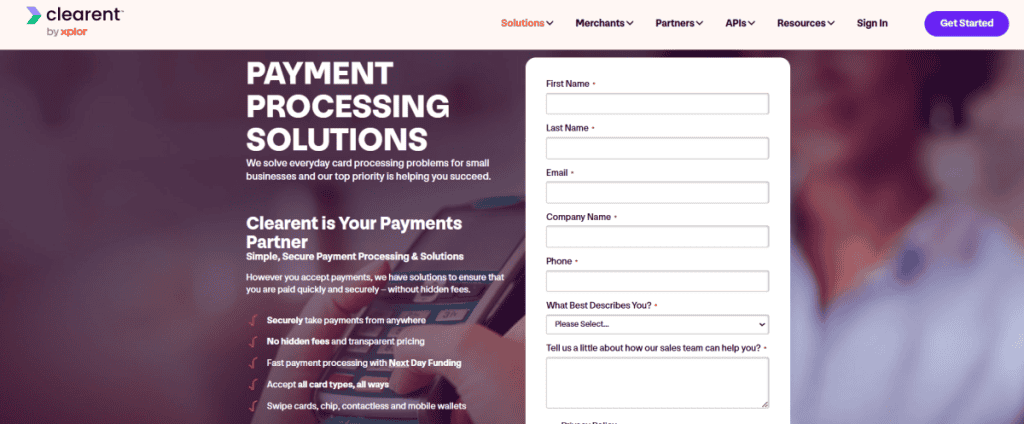
Credit and Debit Card Processing: Clearent allows businesses to accept all major credit and debit cards, guaranteeing secure and effective transactions. Their clear pricing structure and ability to receive funds the next day improve the management of cash flow.

EBT and Gift Card Acceptance: Merchants can process EBT transactions and offer gift card programs, providing customers with flexible payment options and fostering customer loyalty.

Support for High-Risk Industries: It expands its offerings to industries deemed high-risk, such as firearms and CBD, providing customized solutions for unique regulatory and processing hurdles.

E-commerce and Online Payments

Virtual Terminal and Payment Gateway Options: Clearent’s online terminal enables businesses to accept payments without the need for physical card readers, making it perfect for phone or mail transactions. Their payment gateway fits smoothly with e-commerce platforms, enabling safe online transactions.

Integration Capabilities with Various Platforms: Clearent offers robust APIs and developer tools, enabling smooth integration with existing point-of-sale systems, shopping carts, and other business software, streamlining operations and enhancing efficiency.

Mobile Payment Solutions

Mobile Processing Options for Smartphones and Tablets: Clearent’s mobile options enable businesses to take payments using smartphones and tablets, offering convenience for transactions while on the move. This is especially advantageous for businesses located in distant areas or providing delivery services.

Features and Benefits for Businesses on the Go: The mobile app supports various payment methods, including contactless payments, and offers real-time reporting, helping businesses manage sales and inventory effectively while on the move.

Additional Services

ACH and Electronic Check Processing: Clearent facilitates ACH and electronic check processing, offering cost-effective alternatives to card payments and catering to customers preferring direct bank transfers.

Recurring Billing and Subscription Management: Clearent offers tools for companies that use subscription models to establish and oversee recurring billing, guaranteeing punctual payments and lessening administrative duties.

Loyalty Programs and Gift Card Solutions: Clearent assists businesses in implementing loyalty programs and managing gift card offerings, enhancing customer retention and encouraging repeat business.

Technology and Integration

It offers a robust suite of technological solutions designed to streamline payment processing and enhance business operations.

Proprietary Payment Technology and Platform

At the core of Clearent’s offerings is its proprietary payment platform, Quest™, which provides a comprehensive and secure environment for processing transactions. This platform supports various payment types, including credit and debit cards, ACH transfers, and mobile payments, ensuring versatility for businesses. Quest™ is engineered for reliability and speed, facilitating swift transaction processing and minimizing downtime. Additionally, it offers real-time reporting and analytics, enabling businesses to monitor transactions, track sales trends, and make informed decisions.

API Offerings for Developers and ISVs

Clearent provides a range of APIs tailored for developers and Independent Software Vendors seeking to integrate payment processing into their applications. These REST-based APIs are designed for ease of use, allowing developers to embed payment functionalities seamlessly. The Payment Gateway API, for instance, enables processing of various transaction types, including authorizations, captures, voids, and refunds. It also offers a Recurring Payments API, facilitating the setup and management of subscription-based billing, and a Mobile Payments SDK, allowing integration of payment acceptance into mobile applications. Comprehensive documentation and support accompany these APIs, assisting developers throughout the integration process.

Integration with Existing POS Systems and Software

Understanding the significance of compatibility, Clearent guarantees that its solutions seamlessly blend with a diverse range of current POS systems and business software. Businesses can integrate Clearent’s payment processing capabilities without needing to completely change their existing systems due to this flexibility. Clearent’s semi-integrated solutions, like the Cloud EMV API, allow POS systems to provide merchants with various payment device choices while keeping the integration process efficient. This method decreases the extent of PCI compliance for companies, improving security and streamlining operations. Clearent helps businesses enhance their payment processing workflows and boost efficiency and customer satisfaction by offering flexible integration options.

Pricing and Contract Terms

Clearent offers a transparent pricing structure designed to accommodate various business needs.

Overview of Pricing Models

Clearent mainly uses an interchange-plus pricing model, which distinguishes the interchange fees established by card networks from the processor’s markup. This method allows merchants to see the true costs of every transaction, increasing transparency and helping businesses better comprehend their payment processing costs.

Details on Fees

Setup Fees: Clearent typically does not charge setup fees, allowing businesses to initiate services without incurring upfront costs.

Monthly Fees: Merchants may encounter monthly fees, which can vary based on the services selected. These fees often cover account maintenance and access to Clearent’s suite of tools and resources.

Transaction Fees: Every transaction that goes through is subject to a fee, which includes the interchange rate as well as an established markup. The specific rates are influenced by elements like transaction volume, business category, and risk evaluation.

Additional Fees: Merchants should be aware of potential additional charges, including:

Annual Fees: An annual fee, typically around $49.95, may be applied for regulatory compliance and account maintenance.

PCI Compliance Fees: While Clearent emphasizes PCI compliance, fees may be assessed for non-compliance or for services assisting in maintaining compliance.

Early Termination Fees: If a merchant terminates the contract before the agreed-upon term, an early termination fee of $395 per location or the maximum amount allowed by state law may apply.

Contract Length and Termination Policies

Clearent’s regular contract duration is set at three years, and includes automatic renewal provisions that will prolong the agreement for one-year intervals unless termination notice is provided. Merchants need to thoroughly examine the contract terms in order to grasp the renewal process and any related responsibilities.

Clearent Review

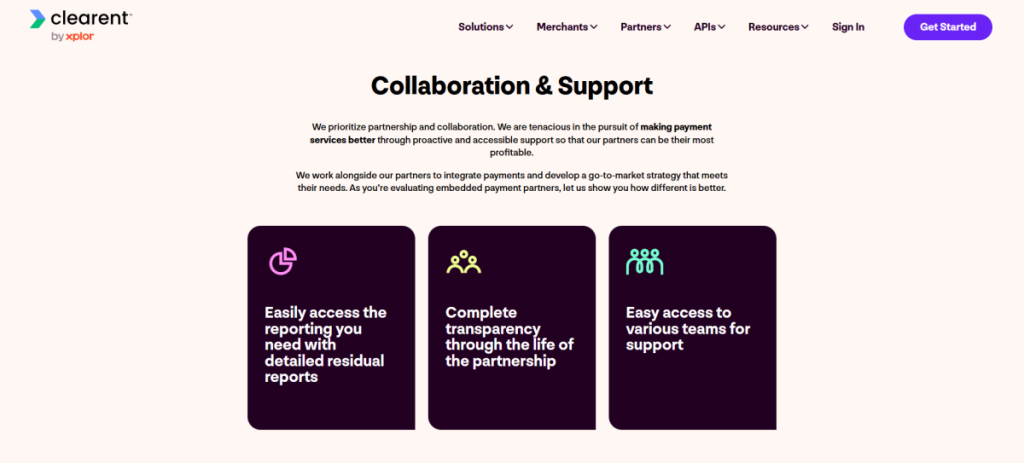
Customer Support and Service

Clearent emphasizes robust customer support to ensure seamless payment processing for its clients.

Availability of Customer Support Channels

Clearent offers multiple support channels to address merchant inquiries and issues:

Phone Support: Available daily from 7:00 AM to 11:00 PM Central Time, providing real-time assistance for immediate concerns.

Email Support: Merchants can reach out via [email protected] for non-urgent matters, with responses typically within one business day.

Online Support Portal: The support.clearent.com portal provides merchants with resources like FAQs, guides, and troubleshooting articles for solving problems on their own.

Quality of Support Based on Customer Feedback

Customer feedback on Clearent’s support services is mixed:

Positive Feedback: Some users commend the helpfulness and professionalism of support representatives, noting their willingness to assist and resolve issues promptly.

Negative Feedback: Other users are facing obstacles, like struggling to contact representatives and feeling unhappy with issue resolution.

These varied experiences suggest that while many find Clearent’s support satisfactory, there is room for improvement in consistency and responsiveness.

Resources Provided for Troubleshooting and Assistance

Clearent equips merchants with several resources to facilitate troubleshooting:

Comprehensive Knowledge Base: Accessible through the online support portal, it includes articles on common issues, setup guides, and best practices.

System Status Updates: Traders have the ability to keep track of system performance and get alerts regarding maintenance or outages, which helps in managing issues in advance.

Training Materials: Clearent offers training sessions and materials to help merchants effectively use their payment processing tools and understand industry standards.

Security and Compliance

Clearent places a strong emphasis on security and compliance to protect both merchants and their customers during payment processing.

PCI Compliance Measures and Assistance

Clearent adheres to the PCI DSS, a set of requirements designed to ensure that all companies processing, storing, or transmitting credit card information maintain a secure environment. To assist merchants in achieving and maintaining PCI compliance, It provides resources such as guidance on completing necessary questionnaires and tools to simplify the compliance process. This support helps businesses navigate the complexities of PCI DSS requirements, reducing the risk of data breaches and associated penalties.

Data Security Protocols and Fraud Prevention Tools

In order to protect confidential data, Clearent uses strong data security measures such as encryption and tokenization. Encryption secures data during transactions from unauthorized parties, while tokenization substitutes sensitive card details with random codes, making the original information unreachable. Furthermore, It provides fraud prevention tools that monitor transactions for any suspicious activity, aiding in the detection and prevention of fraudulent transactions prior to their occurrence. Collectively, these actions improve the security of payment processing, safeguarding merchants and consumers against possible risks.

Additional Security Features Offered to Merchants

Beyond standard security measures, Clearent provides merchants with additional features to bolster their security posture. These include point-to-point encryption, which encrypts card data from the point of entry to the payment processor, further reducing the risk of data breaches. It also offers breach protection programs that provide financial assistance and support in the event of a data breach, helping businesses mitigate potential losses and recover more swiftly. By offering these comprehensive security solutions, Clearent demonstrates a commitment to maintaining a secure payment environment for its clients.

User Experience and Interface

It emphasizes delivering a user-friendly experience through its merchant dashboard and reporting tools.

Ease of Use of the Merchant Dashboard and Reporting Tools

Clearent’s merchant dashboard is designed for intuitive navigation, allowing users to access transaction data, manage accounts, and generate reports with ease. The interface presents information in a clear, organized manner, facilitating efficient monitoring of sales and financial metrics. Reporting tools offer customizable options, enabling merchants to tailor reports to their specific needs, which aids in informed decision-making and streamlined operations.

Accessibility and Navigation of Online Portals

Clearent’s online portals can be accessed on different devices such as desktops, tablets, and smartphones, providing users with flexibility. The adaptable design adjusts to varying screen sizes, while still keeping its functionality and readability. Finding features and information is easy due to the simple navigation provided by clearly labeled menus and sections. The gateways also blend effortlessly with current systems, reducing interruptions and improving the overall user experience.

Feedback on User Experience from Various Industries

Feedback from users across different industries indicates a generally positive experience with Clearent’s interface. Merchants in retail, e-commerce, and service sectors appreciate the platform’s simplicity and efficiency. The ability to access real-time data and comprehensive reports is frequently highlighted as a valuable feature. However, some users have noted that while the platform is robust, there is a learning curve for those less familiar with digital tools. It addresses this by offering training resources and customer support to assist users in maximizing the platform’s capabilities.
Customer Reviews and Reputation

Clearent, a payment processing company, has garnered a range of feedback from its users, reflecting both strengths and areas for improvement.

Summary of Positive Feedback from Users

Many users commend Clearent for its transparent pricing structure, particularly the interchange-plus model, which provides clarity on transaction costs. The user-friendly interface of the merchant dashboard and reporting tools is frequently highlighted, with merchants appreciating the ease of accessing and managing transaction data. Additionally, the company’s commitment to security and compliance, including adherence to PCI standards, has been positively received by businesses prioritizing data protection.

Common Complaints and Issues Raised by Customers

Although there are benefits, some clients have encountered difficulties with Clearent’s services. Unexpected fees, like early termination charges, are a common worry for merchants and have taken some by surprise. Concerns regarding customer service have been raised as well, with some customers facing delays in receiving assistance or struggles in resolving particular issues. Additionally, some customers have experienced difficulties when ending their contracts, showing a necessity for improved communication regarding terms and conditions of the agreement.

Analysis of Reviews from Platforms like BBB, Capterra, and Others

On the Better Business Bureau platform, Clearent holds an A+ rating, reflecting a strong commitment to resolving customer complaints. However, the company has received a number of customer reviews averaging 1 out of 5 stars, with common themes including issues with billing and collection, problems with product or service, and dissatisfaction with customer support. On Capterra, it has garnered a more favorable average rating of 4.7 out of 5 stars, based on 18 reviews. Users on this platform often praise the helpfulness and professionalism of the support team, as well as the ease of use of the software. These mixed reviews suggest that while many customers have positive experiences with Clearent, there are areas, particularly in customer service and fee transparency, that could benefit from further attention.

Clearent Review

Pros and Cons of Clearent

Pros:

Transparent Pricing Model: Clearent’s interchange-plus pricing provides clarity, enabling businesses to understand transaction costs and manage expenses effectively.

User-Friendly Interface: The intuitive dashboard and reporting tools allow merchants to easily track transactions and view real-time analytics.

Comprehensive Services: Clearent offers a wide range of payment processing solutions, including credit and debit card processing, ACH, e-commerce, and mobile payments, catering to various business needs.

Security Features: Strong data security measures, including encryption, tokenization, and support for PCI compliance, guarantee safe and secure payment processing.

Support for High-Risk Industries: Clearent serves high-risk industries like CBD and firearms, offering tailored solutions for businesses that may struggle to find processing partners.

Cons:

Fee Transparency Issues: Some clients experience unanticipated fees, such as charges for ending a contract early and costs related to compliance, which can result in discontent.

Customer Support Concerns: While many find Clearent’s support helpful, others cite slow response times and difficulty resolving issues.

Contract Lengths: Clearent’s standard three-year contracts with automatic renewals can be restrictive, especially for businesses looking for more flexibility.

Learning Curve for New Users: Certain merchants, specifically those who are not very familiar with technology, face difficulties when setting up and using tools for the first time.

Conclusion

Clearent provides trustworthy payment processing with clear pricing, strong security, and easy-to-use tools. Despite being highly praised for its versatility and industry backing, obstacles such as lack of fee transparency and inconsistent customer support still remain. Businesses looking for complete solutions should carefully examine contracts to ensure they match their operational requirements and expectations.

FAQs

What industries does Clearent cater to?

Clearent caters to a broad array of sectors, comprising retail, e-commerce, healthcare, as well as high-risk areas like firearms and CBD. Its custom-made solutions address the distinct requirements of these companies, guaranteeing smooth payment processing.

Are there any hidden fees associated with Clearent’s services?

While Clearent emphasizes transparent pricing, some users have reported unexpected fees. Merchants are encouraged to thoroughly review contract terms, including potential setup, monthly, and termination fees, to avoid surprises.

How does Clearent handle PCI compliance?

Clearent offers a full range of tools to help businesses achieve and uphold PCI compliance. This consists of tools, assistance filling out necessary forms, and extra help to improve data protection.

Appstar Financial Review

Appstar Financial Review

Founded in 2002, Appstar Financial is a company located in San Diego that focuses on merchant services for small to medium enterprises. Their services encompass credit and debit card processing, point-of-sale systems, online commerce solutions, and gift and loyalty initiatives. Through the provision of these services, Appstar Financial allows businesses to accept multiple payment options, improving customer convenience and satisfaction. Lets read more about Appstar Financial Review.

In today’s digital economy, reliable payment processing is crucial for business success. Efficient payment systems ensure smooth transactions, fostering customer trust and encouraging repeat business. They also help businesses manage cash flow effectively by providing timely access to funds. Moreover, secure payment processing protects sensitive customer information, reducing the risk of fraud and data breaches. Implementing robust payment solutions can streamline operations, improve financial management, and support business growth.

By offering comprehensive payment processing services, Appstar Financial plays a vital role in helping businesses navigate the complexities of modern commerce. Their solutions are designed to meet the diverse needs of various industries, ensuring that businesses can provide their customers with secure and efficient payment options.

Company Overview of Appstar Financial | Appstar Financial Review

Appstar Financial, founded in 2002 and headquartered in San Diego, California, specializes in providing merchant services to small and medium-sized businesses. Over the years, the company has established itself as a reliable partner for businesses seeking efficient payment processing solutions.

Appstar Financial provides a wide range of services aimed at addressing various business requirements. These services encompass credit and debit card processing, allowing businesses to effortlessly accept different payment methods. The company offers POS systems that enable seamless in-store transactions and e-commerce solutions to enhance online sales. Furthermore, Appstar provides gift and loyalty card initiatives to assist businesses in improving customer interaction and retention. To guarantee safe transactions, the company highlights adherence to industry standards and offers strong security measures.

The primary focus of Appstar Financial is on small to medium-sized retail, home-based, and internet merchants. By tailoring their services to the unique requirements of these businesses, Appstar aims to deliver flexible and scalable solutions that support growth and operational efficiency. Their commitment to customer service and technological innovation has positioned them as a trusted provider in the payment processing industry.

Appstar Financial Review

Payment Processing Solutions of Appstar Financial

Appstar Financial offers a comprehensive suite of payment processing solutions tailored to meet the diverse needs of businesses. Their services encompass various transaction methods, ensuring flexibility and efficiency in handling payments.

Overview of Payment Processing Options

Appstar provides businesses with the ability to process credit and debit card transactions, including Electronic Benefits Transfer (EBT) and check processing. This versatility allows merchants to accept multiple payment forms, catering to a broad customer base and enhancing the overall transaction experience.

Point-of-Sale Terminals

Appstar offers a range of POS terminals designed to facilitate seamless in-store transactions. These terminals support magnetic stripe, EMV chip, and contactless payments, ensuring compatibility with various card technologies. The FD150 terminal, for instance, is an economical option that enables businesses to accept virtually every payment type. These devices are user-friendly, reliable, and equipped with security features to protect sensitive cardholder information.

Mobile Payment Options and Integrations

Acknowledging the increasing demand for mobility, Appstar offers mobile payment solutions that enable businesses to conduct transactions while on the move. Through the use of mobile card readers and compatible apps, merchants are able to accept payments through smartphones or tablets, providing flexibility for businesses that function outside conventional retail spaces. This feature is especially advantageous for service providers, vendors at events, or any company needing mobile payment processing.

E-commerce and Online Payment Capabilities

For businesses with an online presence, Appstar delivers e-commerce solutions that integrate seamlessly with existing websites. These solutions include virtual terminals and payment gateways, enabling secure online transactions. Merchants can manage payments, monitor sales, and access transaction reports through a centralized dashboard, streamlining online sales operations. This integration supports the expansion of businesses into the digital marketplace, accommodating the increasing consumer preference for online shopping.

Key Features and Benefits of Appstar Financial

Appstar Financial offers a range of features and benefits designed to support businesses in managing their payment processing needs effectively.

Security and Compliance

Appstar Financial emphasizes the importance of security and compliance in payment processing. The company adheres to the Payment Card Industry Data Security Standard (PCI DSS), which sets requirements for protecting cardholder data. By complying with these standards, Appstar Financial helps businesses safeguard sensitive information and reduce the risk of data breaches. Additionally, the company employs encryption technologies to secure transaction data during transmission, further enhancing the security of payment processing.

Customer Support Services

Acknowledging the demand for dependable assistance, Appstar Financial offers customer service to help businesses with their payment processing questions. The company provides a toll-free customer service line, enabling merchants to get help whenever necessary. This support framework seeks to resolve problems swiftly, guaranteeing minimal interference with business activities.

Flexibility in Payment Options

Appstar Financial offers a variety of payment processing options to accommodate different business models. Merchants can accept credit and debit card payments, including EBT and check processing. The company also provides POS systems for in-store transactions, mobile payment solutions for on-the-go processing, and e-commerce capabilities for online sales. This flexibility enables businesses to meet diverse customer payment preferences and expand their reach across multiple sales channels.

Merchant Dashboard and Analytics Tools

To aid in making informed decisions, Appstar Financial provides merchant dashboards that come with analytics tools. These platforms give companies access to transaction information, sales reports, and additional pertinent metrics. Through examining this data, retailers can obtain insights into sales patterns, consumer habits, and operational effectiveness. This data-focused method helps companies enhance their strategies and boost overall effectiveness.

Appstar Financial’s POS Systems

Appstar Financial offers a variety of POS systems designed to meet the diverse needs of businesses. These systems aim to streamline transactions, enhance customer experiences, and improve overall operational efficiency.

Types of POS Systems Available

Appstar provides several POS solutions, including:

Countertop Terminals: Traditional devices suitable for fixed locations, supporting magnetic stripe, EMV chip, and contactless payments.

Mobile POS Devices: Portable systems that enable businesses to process payments on the go, ideal for service providers and vendors operating outside traditional storefronts.

Integrated POS Solutions: Comprehensive systems combining hardware and software to manage sales, inventory, and customer data seamlessly.

Key Functionalities and Features

Appstar’s POS systems offer various functionalities, such as:

Payment Processing: Acceptance of multiple payment methods, including credit and debit cards, contactless payments, and mobile wallets.

Inventory Management: Tools to track stock levels, manage orders, and monitor product performance.

Employee Management: Features for tracking employee hours, managing schedules, and monitoring sales performance.

Customer Engagement: Capabilities to implement loyalty programs, issue gift cards, and gather customer feedback.

Compatibility with Other Systems and Software

Appstar’s POS systems are intended to connect with different business software and systems, such as accounting programs, online shopping platforms, and customer relationship management tools. This compatibility guarantees a unified operation, enabling data to move smoothly through various facets of the business.

Pros and Cons of Appstar’s POS Offerings

Pros:

Versatility: A range of POS options caters to different business models and sizes.

Comprehensive Features: Integrated tools for payment processing, inventory, and customer management.

Scalability: Systems that can grow with the business, accommodating increased transaction volumes and additional functionalities.

Cons:

Contractual Obligations: Some users have reported concerns regarding contract terms and potential hidden fees.

Customer Support: While support is available, some customers have experienced challenges in responsiveness and issue resolution.

Appstar Financial’s POS systems offer a range of solutions with robust features and integration capabilities. However, businesses should carefully review contract terms and assess support services to ensure alignment with their operational needs.

Contract and Pricing Structure of Appstar Financial

Appstar Financial offers merchant services with specific contract terms and a defined pricing structure. Understanding these elements is crucial for businesses considering their services.

Overview of Contract Terms and Conditions

Appstar Financial generally offers a typical three-year agreement that automatically extends for one-year terms. To prevent automatic renewal, merchants need to provide a cancellation notice within a designated period, typically 90 days prior to the end date of the contract. Not canceling within this timeframe could lead to the automatic renewal of the contract.

Details on Fees

Merchants may encounter various fees, including:

Transaction Fees: Swiped transactions are often charged at 1.59% plus $0.10 per transaction, while keyed-in transactions may incur a fee of 2.19% plus $0.10.

Monthly Fees: These can include a statement fee of approximately $5.95 and a monthly minimum fee around $15.00.

Annual Fees: An annual fee, such as $95.00, may apply.

PCI Compliance Fees: Merchants might be charged a monthly PCI compliance fee, for example, $3.42, to ensure adherence to security standards.

Early Termination Fee (ETF): If a merchant terminates the contract early, an ETF of $495.00 may be imposed.

It’s important to note that these fees can vary based on the specific agreement and services utilized.

Transparency in Pricing

Some merchants have reported concerns regarding undisclosed fees and charges, including early termination fees and PCI compliance fees. To mitigate potential misunderstandings, it’s advisable for businesses to thoroughly review the contract and seek clarification on all terms before signing.

Comparison with Industry Standards

In comparison to industry benchmarks, Appstar Financial’s fees and contract conditions are typically aligned with those of other merchant service providers. Nevertheless, the early termination fee of $495.00 is deemed above average, since numerous providers set ETFs between $200 and $400. Furthermore, the automatic renewal provision is a typical practice in the sector, yet the necessity for a 90-day cancellation notice is quite strict.

Appstar Financial Review

Application and Setup Process of Appstar Financial

Establishing a merchant account with Appstar Financial involves a structured process designed to integrate their payment solutions into your business operations efficiently.

Steps Involved in Setting Up an Account

The initial step is to contact Appstar Financial to discuss your business’s specific payment processing needs. Following this, you’ll complete an application form providing essential business information, including ownership details, financial data, and processing history. Appstar then reviews the application to assess eligibility and determine appropriate services. Upon approval, a merchant agreement outlining terms and conditions is provided for your review and signature.

Average Approval Time for New Accounts

The approval process’s duration can vary based on factors such as the completeness of the application and the nature of the business. Typically, businesses can expect a response within a few business days. However, more complex applications or those requiring additional verification may experience longer processing times.

Ease of Installation and Setup of Equipment

After approval, Appstar Financial provides the essential equipment, including POS terminals or mobile card readers. These devices are made for easy installation, usually needing little technical knowledge. Detailed instructions come with the equipment, leading you through the setup process. In numerous situations, devices come pre-set, enabling plug-and-play capabilities, which promotes a quick shift to processing payments.

Onboarding Support Provided by Appstar

Appstar Financial emphasizes customer support during the onboarding phase. They offer assistance through various channels, including phone support and online resources, to address any questions or challenges encountered during setup. Additionally, training materials and tutorials are available to help you and your staff become proficient with the new payment systems. This support aims to ensure a smooth integration of Appstar’s services into your business operations, minimizing downtime and facilitating a seamless transition.

Customer Reviews and Reputation of Appstar Financial

Appstar Financial has garnered a range of customer feedback, reflecting both positive and negative experiences.

Common Themes in Customer Reviews

Positive reviews frequently emphasize Appstar Financial’s extensive payment processing solutions and the range of services provided. Certain clients value the versatility in payment methods and the integration features of their systems. Nevertheless, unfavorable reviews often highlight issues related to concealed charges, contract agreements, and the promptness of customer service. Concerns like unanticipated fees and challenges in ending contracts are frequently mentioned.

Appstar Financial’s BBB Rating and Reputation

As of the latest reports, Appstar Financial holds an A+ rating with the BBB. Despite this high rating, the company has received a number of customer complaints. Over the past three years, there have been 29 complaints filed, with 14 closed in the last 12 months. These complaints often pertain to billing issues and problems with products or services.

Trustpilot and Other Review Site Insights

On platforms like Trustpilot, Appstar Financial has a mix of reviews. Some users commend the company’s services and support, while others express dissatisfaction with fees and contract terms. The overall sentiment is varied, indicating that customer experiences can differ significantly.

Customer Experiences with Service Reliability

Concerning service reliability, customers have shared both favorable and unfavorable experiences. Certain companies consider the payment processing services reliable and effective, aiding in seamless operations. On the other hand, some customers have faced problems like unanticipated outages or technical challenges, affecting their capability to execute transactions efficiently.

Pros and Cons of Appstar Financial

Appstar Financial offers a range of payment processing solutions tailored to meet the needs of various businesses. Evaluating the advantages and disadvantages of their services can help determine their suitability for your operations.

Major Advantages

Security: Appstar Financial adheres to the PCI DSS, ensuring that transactions are processed securely. This compliance helps protect sensitive customer information and reduces the risk of data breaches.

Customer Support: The company offers customer support to help businesses with their payment processing questions. This support framework is designed to tackle problems quickly, guaranteeing limited interference with business activities.

Flexibility: Appstar Financial offers a variety of payment processing options, including credit and debit card processing, POS systems, mobile payment solutions, and e-commerce capabilities. This flexibility enables businesses to meet diverse customer payment preferences and expand their reach across multiple sales channels.

Key Drawbacks

Contract Terms: Appstar Financial typically provides a standard three-year contract that automatically renews for one-year periods. To avoid automatic renewal, merchants must submit a cancellation notice within a specified window, usually 90 days before the contract’s end date. Failure to cancel within this period may result in the contract renewing automatically.

Potential Hidden Fees: Certain merchants have expressed worries about undisclosed fees and charges, such as early termination costs and PCI compliance fees. To avoid potential misunderstandings, it’s wise for companies to carefully examine the contract and ask for clarification on all terms prior to signing.

Who Would Benefit Most from Appstar’s Services

Appstar Financial’s services are particularly beneficial for small to medium-sized retail, home-based, and internet merchants seeking comprehensive payment processing solutions. Businesses that require a variety of payment options and value security and customer support may find Appstar’s offerings align well with their operational needs. However, it’s essential for potential clients to carefully review contract terms and be aware of possible fees to ensure the services meet their expectations.

Competitor Comparison of Appstar Financial

In the competitive landscape of payment processing, Appstar Financial stands alongside several notable providers. Understanding how Appstar compares with its competitors can help businesses make informed decisions.

Comparison with Similar Providers

Appstar Financial primarily competes with Electronic Merchant Systems, US Merchant Systems, and Card Payment Solutions. These firms provide various payment processing solutions, such as credit and debit card handling, point-of-sale systems, and online commerce options. Although all these providers strive to enable smooth transactions for companies, their service options and pricing structures differ.

Unique Selling Points of Appstar Versus Competitors

Appstar Financial distinguishes itself through a comprehensive suite of services tailored to small and medium-sized businesses. The company emphasizes personalized customer support and offers flexible payment options, including mobile and e-commerce solutions. Additionally, Appstar provides various POS systems designed to integrate with existing business operations, aiming to enhance efficiency and customer experience.

Price and Feature Comparison for Major Competitors

When evaluating prices, it’s crucial to take into account transaction fees, monthly charges, and any extra costs. For example, Appstar Financial offers competitive transaction fees, with swiped transactions usually costing 1.59% plus $0.10 for each transaction. Nonetheless, certain customers have expressed worries regarding undisclosed charges and agreement conditions. In comparison, rivals such as Square provide clear, flat-rate pricing without the need for long-term agreements, which could attract businesses looking for straightforward options.

Feature-wise, Appstar provides a range of POS systems, mobile payment solutions, and e-commerce capabilities. Competitors such as Stripe focus heavily on online payment processing and offer robust developer tools for customization. Meanwhile, companies like PayPal provide extensive integration options and a broad user base, facilitating easy adoption for businesses and customers alike.

Industry Compliance and Security at Appstar Financial

In the payment processing industry, maintaining stringent security measures and adhering to industry standards are paramount. Appstar Financial places a strong emphasis on data protection and compliance to ensure the safety of both merchants and their customers.

PCI Compliance and Data Protection Policies

Appstar Financial complies with PCI DSS, a series of security standards designed to safeguard cardholder information. Adhering to PCI DSS requires the adoption of strategies including ensuring secure networks, safeguarding cardholder data, and consistently monitoring and testing networks. By adhering to these standards, Appstar Financial intends to reduce risks linked to data breaches and unauthorized access.

Steps Appstar Takes to Ensure Data Security for Merchants

To safeguard sensitive information, Appstar Financial employs several security protocols:

Encryption: Utilizing advanced encryption methods, Appstar ensures that data transmitted during transactions is secure and inaccessible to unauthorized parties.

Tokenization: This process replaces sensitive card information with unique identifiers, reducing the risk of data exposure during storage and processing.

Regular Security Assessments: Conducting periodic evaluations of their systems allows Appstar to identify and address potential vulnerabilities promptly.

Employee Training: Educating staff on security best practices ensures that all team members are equipped to handle data responsibly and recognize potential threats.

Compliance with Industry Standards

In addition to PCI DSS, Appstar Financial adheres to various other applicable industry standards and regulations to ensure a secure payment environment. This involves following the guidelines established by card networks and financial organizations, along with remaining informed on changing security measures. By adhering to regulations, Appstar shows its dedication to delivering secure and dependable payment processing solutions.

Appstar Financial Review

Who Should Consider Appstar Financial

Appstar Financial offers a range of payment processing solutions tailored to meet the needs of various businesses. Understanding which business types and industries align best with their services can help determine suitability.

Ideal Business Types and Sizes for Appstar’s Services

Appstar Financial primarily caters to SMEs seeking comprehensive payment processing solutions. Their offerings are designed to support businesses that require:

Flexible Payment Options: Companies that require the ability to accept multiple payment options, such as credit and debit cards, mobile payments, and online transactions, can take advantage of Appstar’s flexible solutions.

POS Systems: Companies looking for integrated POS systems to streamline operations and enhance customer experience may find Appstar’s products advantageous.

Scalable Solutions: Growing businesses that anticipate increased transaction volumes and require scalable payment processing capabilities can leverage Appstar’s services to accommodate expansion.

Specific Industries That Might Benefit Most

Certain industries are particularly well-suited to Appstar Financial’s services:

Retail: Brick-and-mortar stores can utilize Appstar’s POS systems and payment processing solutions to manage sales efficiently and offer diverse payment options to customers.

Restaurants and Hospitality: Businesses in the food service and hospitality industries can gain from Appstar’s customized solutions that enable rapid transactions, efficient table management, and seamless integration with reservation systems.

Healthcare: Medical practices and healthcare providers can use Appstar’s secure payment processing to handle patient payments, ensuring compliance with industry standards.

E-commerce: Online retailers can take advantage of Appstar’s e-commerce payment gateways and virtual terminals to process transactions securely and efficiently.

Final Verdict

Appstar Financial offers powerful payment processing systems featuring excellent security and adaptability, ideal for small to medium enterprises in diverse sectors. Although it is strong in customer service and offers flexible payment choices, possible downsides involve contract conditions and potential undisclosed charges. In general, Appstar is a practical choice for companies that value secure and adaptable processing.

FAQs

What types of businesses benefit from Appstar Financial?

Appstar Financial primarily serves SMEs across various sectors, including retail, hospitality, healthcare, and e-commerce. Their services are tailored to businesses seeking flexible payment processing solutions, such as POS systems, mobile payment options, and e-commerce capabilities.

Are there hidden fees in Appstar’s pricing structure?

Some customers have reported concerns about undisclosed fees, including early termination fees and PCI compliance charges. It’s advisable for businesses to thoroughly review contract terms and seek clarification on all fees before engaging their services.

How secure is Appstar’s payment processing?

Appstar Financial adheres to the PCI DSS, implementing measures like encryption and tokenization to protect sensitive information. Regular security assessments and employee training further enhance their commitment to data security.

SphereCommerce Review

SphereCommerce, founded in 2017, is a company that specializes in cloud-based software and payments technology, with a vertical integration approach. It focuses on providing secure and compliant payment solutions customized for challenging markets, particularly in the healthcare industry. Lets read more about SphereCommerce Review.

The primary focus of the company’s mission is to make commercial interactions smooth and safe by incorporating innovative payment technologies into clients’ main business systems. This method seeks to boost operational efficiency and enhance the overall customer experience.

SphereCommerce serves a diverse range of industries, including:

Healthcare: Providing integrated payment solutions that streamline patient billing and revenue cycle management.

Transportation: Offering payment processing services tailored to the unique needs of the transportation sector.

Education: Delivering payment solutions that cater to educational institutions.

Insurance: Facilitating secure payment processing for insurance companies.

Non-Profit Organizations: Supporting fundraising efforts with specialized payment tools.

Through its comprehensive suite of services, SphereCommerce continues to evolve, aiming to meet the dynamic needs of its clients across these specialized vertical markets.

Product and Service Offerings

SphereCommerce offers a comprehensive suite of products and services designed to meet diverse business needs. Their offerings encompass payment processing solutions, integrated software, point-of-sale systems, and robust security features.

Payment Processing Solutions

Credit and Debit Card Processing: SphereCommerce enables businesses to accept all major credit and debit cards, facilitating seamless transactions for customers.

E-Check and ACH Transactions: The company supports electronic check and Automated Clearing House payments, providing alternatives to traditional card payments.

Integrated Software Solutions

Healthcare Payment Integrations: SphereCommerce specializes in integrating payment solutions within healthcare systems, streamlining patient billing and revenue cycle management.

Non-Profit Fundraising Platforms: For non-profit organizations, SphereCommerce offers platforms that simplify donation processing and enhance fundraising efforts.

Point-of-Sale Systems

In-Person and Mobile Payment Options: Their POS systems are designed to accommodate both traditional and mobile payment setups, offering versatility for businesses in different situations.

Virtual Terminals and E-Commerce Solutions: SphereCommerce provides virtual terminals for remote transactions and e-commerce solutions for online businesses, facilitating a broad range of payment acceptance methods.

Security and Compliance Features

PCI Compliance Measures: Adhering to Payment Card Industry Data Security Standards (PCI DSS), SphereCommerce ensures that all transactions are processed securely, protecting sensitive cardholder information.

Data Encryption and Tokenization: The company employs advanced data encryption and tokenization techniques to safeguard transaction data, minimizing the risk of data breaches and fraud.

Through these offerings, SphereCommerce delivers secure and efficient payment processing solutions tailored to the needs of various industries.

SphereCommerce Review

Technology and Integration Capabilities | SphereCommerce Review

SphereCommerce provides strong technology and integration features, guaranteeing smooth integration with different business systems. Their wide range of APIs, assistance for developers, ability to work with current systems, and ability to scale in the cloud all work together to improve efficiency and adaptability.

API Offerings and Developer Support

SphereCommerce provides a suite of Application Programming Interfaces (APIs) designed to facilitate easy integration of payment processing functionalities into diverse applications. These APIs support multiple programming languages, enabling developers to incorporate payment solutions without extensive reconfiguration. Additionally, SphereCommerce offers dedicated developer support, including detailed documentation and responsive assistance, to streamline the integration process and address technical challenges effectively.

Compatibility with Existing Business Systems

Understanding the importance of seamless integration, SphereCommerce ensures that its solutions are compatible with a wide range of existing business systems. This compatibility minimizes disruptions during implementation and allows businesses to maintain their current workflows while enhancing payment processing capabilities. By aligning with various enterprise resource planning (ERP) systems, CRM platforms, and other essential business applications, SphereCommerce facilitates a cohesive operational environment.

Cloud-Based Infrastructure and Scalability

By utilizing a cloud-based infrastructure, SphereCommerce provides flexible solutions that can adjust to the changing demands of companies. This structure enables effective distribution of resources, guaranteeing peak performance in different transaction loads. The cloud-based system also boosts accessibility, allowing businesses to handle payment processing from various locations without sacrificing security or effectiveness. Additionally, the ability to scale in cloud infrastructure helps businesses expand by handling higher transaction volumes and increasing service options when necessary.

Customer Support and Service

SphereCommerce places a strong emphasis on delivering exceptional customer support and service, recognizing its critical role in client satisfaction and retention. Their comprehensive approach encompasses multiple support channels, structured onboarding and training programs, and proactive maintenance and updates.

Availability and Responsiveness of Support Channels

SphereCommerce offers 24/7 customer support to address client inquiries and issues promptly. Clients can reach the support team via phone or email, ensuring accessibility and timely assistance. The company’s commitment to responsive support is evident in its dedication to resolving concerns efficiently, thereby minimizing potential disruptions to client operations.

Client Onboarding and Training Programs

Understanding the importance of a smooth transition, SphereCommerce provides structured onboarding programs tailored to each client’s specific needs. These programs include comprehensive training sessions that cover the functionalities of their payment solutions, ensuring clients are well-equipped to utilize the services effectively. By offering personalized training, SphereCommerce facilitates a deeper understanding of their systems, enabling clients to maximize the benefits of their payment processing solutions.

Ongoing Maintenance and Updates

SphereCommerce ensures optimal performance and security through regular system maintenance and updates. Customers are updated on planned maintenance activities to prepare and reduce any operational disruptions. Furthermore, SphereCommerce takes proactive measures to implement updates that improve system capabilities and combat new security threats, guaranteeing that clients can benefit from the newest features and safeguards.

Pricing and Contract Terms

Understanding SphereCommerce’s pricing and contract terms is essential for businesses considering their payment processing solutions. While specific details may vary based on individual agreements, the following provides a general overview.

Overview of Pricing Models

SphereCommerce typically employs a tiered pricing structure, where transaction fees are determined by the type of card used and the nature of the transaction (e.g., swiped or keyed-in). This model allows businesses to anticipate costs based on their transaction profiles. However, exact rates are not publicly disclosed and are often tailored to the specific needs and volumes of each client.

Contract Length and Termination Policies

Standard contracts with SphereCommerce are generally set for a three-year term, with automatic renewals for successive one-year periods unless terminated by either party. Early termination of the contract may incur a fee, which can be substantial. For instance, some agreements include an early termination fee of $495. Additionally, certain contracts may stipulate liquidated damages calculated by multiplying the remaining months in the contract by the average monthly processing fees. It’s crucial for businesses to thoroughly review contract terms to understand potential obligations and penalties.

Additional Fees and Charges

Beyond transaction fees, businesses should be aware of other potential charges, including:

Monthly Fees: Regular charges for account maintenance or access to specific services.

PCI Compliance Fees: Fees associated with maintaining compliance with Payment Card Industry Data Security Standards, which may be billed monthly or quarterly.

Equipment Leasing Fees: Costs for leasing point-of-sale terminals or other necessary hardware, which can add to the overall expense.

To understand all costs involved, businesses should have in-depth discussions with SphereCommerce representatives due to varying fees and contract terms. This thorough investigation guarantees that the payment processing options meet the financial goals and operational requirements of the business.

SphereCommerce Review

Market Reputation and Customer Feedback

SphereCommerce has established a notable presence in the payment processing industry, with its market reputation shaped by customer feedback and industry recognitions.

Analysis of Customer Reviews and Testimonials

Customer feedback for SphereCommerce presents a mixed picture. Some clients commend the company for its comprehensive payment solutions and responsive customer support. For instance, users have highlighted the ease of integration and the efficiency of SphereCommerce’s systems in streamlining payment processes. However, there are also criticisms, particularly concerning contract terms and fees. Some customers have expressed dissatisfaction with the clarity of pricing structures and the rigidity of contract agreements, noting challenges in understanding fee breakdowns and facing substantial early termination fees.

Industry Recognitions and Awards

SphereCommerce has received industry accolades, reflecting its commitment to innovation and service excellence. Notably, its subsidiary, Qgiv, has been recognized for outstanding customer service and product performance. In 2021, Qgiv received multiple awards in G2’s fundraising software category, including Best Results, Best Support, and Leader, based on verified customer reviews. These recognitions underscore SphereCommerce’s dedication to delivering high-quality solutions in the nonprofit sector.

Common Praises and Criticisms

Clients frequently commend SphereCommerce for its strong security protocols, especially in managing confidential payment details, as well as for the flexibility of its offerings, which can adapt to the expansion and changing requirements of businesses. The company is also praised for its emphasis on integrating payment systems into current business structures, which improves operational efficiency.

Conversely, criticisms primarily revolve around the complexity of contract terms and associated fees. Some customers have reported challenges in navigating the contractual obligations and understanding the full scope of fees, including those related to early termination and compliance. Additionally, there have been concerns about the transparency of pricing models, with clients seeking more straightforward and predictable cost structures.

Employee Experience and Corporate Culture

SphereCommerce’s employee experience and corporate culture have garnered varied feedback, reflecting both strengths and areas for improvement.

Insights from Employee Reviews

Employee reviews of SphereCommerce present a mixed perspective. Some staff members commend the company for its positive environment and supportive leadership. For instance, a sales associate noted, “Great people, nice mindset… Always feel like my input is valid, and taken into consideration.” However, other reviews highlight challenges, particularly concerning management practices and work environment. A senior software engineer expressed concerns about leadership, stating, “Such fragile egos. Little talent overall and shut down those trying to make positive changes.”

Company Culture and Work Environment

Some employees characterize the company’s culture as collaborative and innovative. A technologist remarked, “Wonderful culture.” Fantastic group. Engaging and fascinating tasks. Leadership has a strong concern for both the company and its employees. On the other hand, some workers have voiced concerns about leadership and the overall direction of the organization. A software developer remarked on the frequent turnover and changes in management, saying, “It’s like a revolving door with employees.” The talent that has supported the company for years and contributed to its growth is now nearly nonexistent.

Employee Retention and Satisfaction Rates

Specific data on SphereCommerce’s employee retention and satisfaction rates are not publicly available. However, the mixed reviews suggest variability in employee satisfaction. Positive feedback highlights appreciation for the company’s culture and leadership, while negative reviews point to concerns about management practices and work environment. This dichotomy indicates that while some employees find the company a rewarding place to work, others experience challenges that may impact overall retention and satisfaction.

SphereCommerce Review

Competitive Positioning

SphereCommerce operates in the competitive financial technology sector, offering integrated payment solutions across various industries. Understanding its position relative to key competitors, unique selling propositions, and market share provides insight into its standing in the market.

Comparison with Key Competitors

SphereCommerce faces competition from several established payment processing companies, including:

Global Payments: A leading provider of payment technology services, offering a broad range of solutions to merchants and financial institutions.

Visa: A global payments technology company facilitating electronic funds transfers worldwide.

Total System Services (TSYS): Specializes in payment processing services, particularly for credit card issuers and merchants.

These competitors have significant market presence and extensive service portfolios, challenging SphereCommerce to differentiate itself effectively.

Unique Selling Propositions

SphereCommerce distinguishes itself through several key attributes:

Vertical Integration: By integrating software and payment solutions, SphereCommerce offers a seamless experience tailored to specific industries, notably healthcare and non-profits.

Security Focus: Emphasizing robust security measures, including PCI compliance and data encryption, SphereCommerce prioritizes the protection of sensitive information.

Customizable Solutions: The company provides adaptable payment solutions that can be tailored to meet the unique needs of diverse business models.

These differentiators enable SphereCommerce to cater to niche markets with specialized requirements.

Market Share and Growth Trajectory

Although specific market share information for SphereCommerce is not made available to the public, the company has shown growth by making strategic acquisitions and forming partnerships. For example, the purchase of TrustCommerce broadened its skills in secure payment processing. Furthermore, collaborations with entities such as Qgiv have improved its services within the non-profit industry. The strategic actions indicate a promising path of growth, positioning SphereCommerce to expand its market share in specific industries.

Recent Developments and Future Outlook

SphereCommerce has recently undertaken significant strategic initiatives to refine its focus and enhance its offerings in the financial technology sector.

Recent Product Launches and Updates

In March 2024, Sphere’s subsidiary, TrustCommerce, integrated with PayPal and Venmo, enabling healthcare providers to offer patients additional payment options. This collaboration reflects Sphere’s commitment to enhancing the patient financial experience by incorporating modern, user-friendly payment methods.

Strategic Partnerships and Acquisitions

In October 2023, Sphere entered into an agreement to divest its Commercial Division to NMI, a leading full commerce enablement company. This move allows Sphere to concentrate on delivering integrated payment and software solutions tailored to the healthcare and non-profit sectors. Additionally, in January 2024, Sphere divested Qgiv, its nonprofit fundraising technology platform, to Bloomerang. These strategic decisions underscore Sphere’s dedication to specializing in healthcare financial technology solutions.

Future Plans and Industry Trends

In the future, Sphere plans to enhance its position as a top provider of comprehensive payment solutions in the healthcare industry. By concentrating on improving patient involvement and simplifying payment procedures, Sphere is ready to cater to the changing demands of healthcare providers and patients. The company’s focus on security and compliance matches with industry trends that prioritize protecting data and following regulations.

Conclusion

SphereCommerce specializes in delivering secure, integrated payment solutions, particularly for the healthcare and non-profit industries. Major strengths consist of strong security features and customized integrations. Nevertheless, there are opportunities for enhancement, like streamlining contract terms and fee structures. In general, SphereCommerce is a solid option for specific payment requirements.

Frequently Asked Questions 

What industries does SphereCommerce primarily serve?
SphereCommerce focuses on healthcare, non-profit organizations, education, transportation, and insurance. Their solutions are tailored to meet the unique payment needs of each sector.

How does SphereCommerce ensure the security of transactions?

SphereCommerce employs advanced security measures, including PCI compliance, data encryption, and tokenization, to protect sensitive transaction data and ensure secure payment processing.

What are the contract terms and cancellation policies for SphereCommerce services?

SphereCommerce typically offers multi-year contracts with automatic renewals. Early termination fees may apply, so businesses should review contract terms thoroughly before signing.

Switch Commerce Review

Switch Commerce Review

Switch Commerce, founded in 2003 and based in Irving, Texas, is a payment processing solution that is well-known for its expertise in ATM processing. Operating in multiple areas such as the U.S., U.S. Virgin Islands, Puerto Rico, and some parts of the Asia-Pacific region, the company is designed to cater to the demands of different sectors, specifically those with large transaction amounts and cash requirements. Switch Commerce has established itself as a versatile choice for small businesses and larger organizations in industries such as retail, convenience stores, gas stations, restaurants, and dispensaries, offering robust ATM and cash management solutions. Let’s delve deeper into the Switch Commerce Review.

Switch Commerce’s core services include a suite of ATM management features designed to streamline cash handling and improve business efficiencies. The company offers proprietary Terminal Management Systems (TMS), which enable businesses to monitor their ATM networks, manage settlements, and receive real-time alerts on terminal status, a crucial feature for ensuring seamless operations. Additionally, Switch Commerce’s Vault Cash Program allows businesses to keep their working capital in other investments, while the company handles ATM cash stocking. Another notable feature, Dynamic Currency Conversion (DCC), allows businesses in high-tourism areas to earn additional revenue by enabling foreign currency transactions directly at ATMs, appealing to both the tourism sector and international clientele.

The value proposition for businesses lies in Switch Commerce’s strong focus on reliability and customization. With a reported 99.999% system uptime, businesses can rely on uninterrupted access to ATMs and processing services. The company’s solutions cater to diverse needs across industries and provide added revenue opportunities, positioning Switch Commerce as a strong contender for businesses looking for dedicated ATM services rather than broader payment processing. This targeted approach helps distinguish Switch Commerce in a competitive market focused on cash-based and ATM-centric operations.

Company Background

Switch Commerce, founded in 2003, is headquartered in Irving, Texas, and has established itself as a prominent player in ATM processing and cash management solutions. Initially focused on ATM processing, the company quickly expanded its service capabilities to address various needs within the ATM industry, including advanced terminal management, cash vault services, and currency conversion options. This growth has allowed Switch Commerce to carve a niche in ATM and financial services, particularly within the United States, the U.S. Virgin Islands, Puerto Rico, and parts of the Asia-Pacific region.

From the beginning, Switch Commerce has focused on prioritizing customers by creating a transaction processing platform that is reliable and responsive to their needs. One of the key service expansions is the implementation of the Vault Cash Program, which allows businesses to release working capital by having Switch Commerce handle cash for ATM restocking. This action has caused Switch Commerce to be highly favored by businesses wanting to uphold liquidity and still use on-site ATMs. Another significant development is the implementation of DCC feature on ATMs in popular tourist locations, enabling foreign cardholders to conduct transactions in their own currencies, benefiting

Today, Switch Commerce serves a diverse customer base, from retail outlets and convenience stores to gas stations and restaurants, supporting both small and large businesses. By consistently focusing on specialized ATM services and reliable operational support, the company has maintained steady growth and remains a go-to provider for businesses that prioritize cash handling efficiency and innovative ATM solutions. Its robust, globally distributed network and customer-oriented approach have positioned it as a respected name in the industry.

Switch Commerce Review

Key Services and Solutions Offered

Switch Commerce offers a robust set of services focused on ATM processing, cash management, and mobile solutions tailored to diverse business needs. Specializing in financial transactions, its services are widely used by retail outlets, convenience stores, gas stations, and high-volume cash businesses, making it a versatile choice in the transaction processing industry.

Payment Processing Solutions: Although primarily an ATM processor, it also facilitates key payment methods such as credit and debit cards. This setup supports traditional transaction types and integrates easily with businesses that process credit cards alongside ATMs. In high-tourist areas, Switch Commerce’s DCC option allows ATMs to accept foreign currencies, a significant advantage for businesses looking to capture international transactions, especially in airports and tourist hotspots.

ATMs and Cash Management: Switch Commerce’s primary service revolves around ATM services, providing TMS to help businesses oversee ATM status, handle cash flow, and troubleshoot from a distance. TMS offers real-time reporting to assist users in staying efficient and settling disputes by accessing transaction histories. Switch Commerce’s Vault Cash Program assists cash-heavy businesses by offering cash-loading and reconciliation services, enabling them to increase available working capital. Automated reversal functionalities also decrease the necessity for manual processing of undispensed transactions, simplifying operations.

Mobile Payment Solutions: The mobile transaction capabilities of Switch Commerce extend to both retail and remote environments, making it suitable for businesses on the go. Its Mobile Terminal Management System (MTMS) enables easy ATM management from mobile devices, alerting businesses to low funds and allowing real-time adjustments to ATM status.

Point of Sale Solutions: Switch Commerce’s POS solutions focus on compatibility and seamless integration, providing businesses with adaptable software that supports various retail operations. These POS systems are designed to integrate smoothly with existing transaction processes, enabling efficient management of sales, cash flow, and customer transactions. This versatility in Switch Commerce’s offerings helps businesses of all sizes and types achieve streamlined operations and optimized financial transactions.

Platform Features and Technology

It offers a feature-rich platform focused on usability, security, and scalability, designed to meet the transaction needs of businesses of various sizes and industries. The dashboard and interface of Switch Commerce emphasize ease of use and accessibility, allowing business operators to navigate intuitively through the platform. The dashboard supports real-time transaction insights, enabling users to monitor activity and access detailed reporting. This setup is particularly useful for businesses requiring clear, immediate data for transaction tracking and decision-making.

Switch Commerce follows strict industry regulations, such as PCI-DSS compliance, to ensure the security and compliance of user data during transactions. The system utilizes high-level security measures like data encryption and multi-factor authentication to prevent fraud and unauthorized entry, lowering the dangers related to confidential financial data. It ensures a secure environment by performing regular audits and updating security protocols, meeting regulatory requirements to uphold vital security standards and maintain customer trust.

Customization and scalability are core strengths of Switch Commerce, allowing the platform to adapt to various business sizes and operational needs. Its flexible architecture supports small and medium-sized enterprises as well as larger operations, providing tailored solutions to accommodate different transaction volumes and security requirements. Integration with various business types, from retail to specialized high-cash industries, is seamless, making Switch Commerce an adaptable solution. This level of customization and scalability enables businesses to adjust their usage of Switch Commerce as they grow, ensuring that their transaction management capabilities evolve alongside their operational needs.

Customer Support and Service Quality

Switch Commerce’s customer support and service quality are designed to provide dependable assistance to businesses, prioritizing accessibility, responsiveness, and dedicated resources. The company offers 24/7 support via phone and email, ensuring round-the-clock access to assistance for transaction processing, ATM management, and technical issues. Level 1 support is available at all times, with Level 2 support offered during business hours for more specialized needs, providing a flexible structure that suits businesses of all sizes and transaction volumes.

Customer experiences with Switch Commerce’s support generally reflect positively on the quality of service, emphasizing knowledgeable representatives and quick responses to issues, particularly for real-time troubleshooting and compliance inquiries. The company’s dedicated team aids clients with operational and technical challenges, often assisting Independent Sales Organizations (ISOs) and other ATM providers in managing their portfolios. To ease onboarding, it provides training resources, familiarizing clients with the platform’s interface, reporting tools, and compliance requirements, which helps businesses leverage the system efficiently from the start.

Switch Commerce provides dedicated account managers to offer personalized support to businesses in need of extra guidance. These managers serve as the primary contacts for clients, helping them with integrating services, setting up technical configurations, and understanding compliance requirements. This approach is advantageous for clients with intricate operational needs or regulatory demands, offering personalized advice and strategic assistance.

By combining 24/7 access, personalized account management, and extensive onboarding, Switch Commerce effectively supports businesses in maintaining smooth transaction processes and compliant operations, making it a reliable choice for companies that prioritize consistent and accessible service.

Pricing Structure and Contracts

Switch Commerce offers a flexible pricing structure, though detailed pricing information, including transaction fees, setup costs, and other charges, is not openly disclosed on its website. While the company’s previous rates for services like iPayHere were publicly listed, recent updates have removed most of the pricing details, making it challenging to gauge costs precisely without a direct consultation. However, available reports suggest a competitive transaction rate structure, including a swipe rate around 2.99% and fixed monthly fees, which aligns with industry norms for similar services.

Regarding contract terms, Switch Commerce does not publish specific details about contract lengths or early termination fees, which can sometimes be important for prospective clients to understand fully before committing. While minimum contract lengths and potential cancellation policies remain unconfirmed, it’s common in the industry for providers like Switch Commerce to operate with multi-year agreements that may carry penalties if terminated early. Therefore, businesses considering Switch Commerce are encouraged to review any contract terms thoroughly to avoid unforeseen commitments.

Switch Commerce is highly regarded for its value for money, as it provides specialized ATM management services along with currency conversion and automated transaction reversals, which can lead to increased operational efficiency and revenue possibilities. Customers have noted that despite the need for extra research due to the absence of clear public pricing, the specialized services for ATMs, along with excellent customer service, often result in a positive ROI when compared to regular ATM service providers. In general, despite some unclear pricing details, Switch Commerce’s wide range of solutions provides significant value for cash-heavy businesses looking for specialized ATM solutions.

Switch Commerce Review

Pros and Cons of Using Switch Commerce

Switch Commerce has several notable pros and cons, making it suitable for specific business needs while leaving room for improvement in other areas.

Pros: Switch Commerce offers unique strengths, particularly in its specialized services for ATM management. With a high uptime rate (99.999%) and advanced TMS, businesses can monitor, control, and troubleshoot their ATMs remotely, which is invaluable for companies with multiple locations or high cash flow needs. Additionally, Switch Commerce’s Vault Cash Program enables businesses to free up working capital by managing ATM cash stocking, a major advantage for companies that want to focus their resources elsewhere. The platform’s DCC feature also supports international transactions at ATMs, catering to high-tourism areas and allowing businesses to earn from currency exchange fees.

Cons: Switch Commerce’s pricing transparency is limited, as specific transaction fees, setup costs, and contract terms are not readily available. This lack of openness can make it challenging for businesses to fully assess costs and make informed decisions. Additionally, while Switch Commerce is known for its ATM-centric offerings, it does not currently support broader payment processing or POS services, which may limit its appeal for businesses seeking an all-in-one solution. The absence of publicized contract terms, like cancellation fees or minimum contract lengths, can also be a drawback, as it introduces potential uncertainty for customers regarding long-term commitments and exit options.

Areas for Potential Improvement: Increased clarity in pricing and contract terms would greatly improve Switch Commerce’s attractiveness by enabling businesses to assess its cost-effectiveness more effectively. Adding comprehensive payment processing services, such as credit card or POS systems, could enhance Switch Commerce’s versatility for businesses requiring various financial transaction solutions beyond ATM management. Focusing on these areas may enhance Switch Commerce’s positioning as a preferred solution for various business types and transaction requirements.

Customer Reviews and Reputation

Switch Commerce generally receives favorable reviews from users, reflecting positive experiences across its ATM processing and customer service. Users often praise the platform for its reliability and ease of use, highlighting how its tools for ATM management streamline operations. Many customers report satisfaction with Switch Commerce’s user-friendly interface and responsiveness, especially for businesses managing multiple ATMs. Additionally, several reviews commend the company’s competitive rates and the efficient support from its customer service team, noting that assistance is both prompt and effective.

In terms of industry reputation, Switch Commerce is recognized for its specialized ATM processing services and is generally well-regarded among ISOs and small to medium businesses. While it does not yet hold any prominent awards, the platform’s 99.999% uptime and reliability are consistently noted as industry strengths. These features, along with programs like DCC and Vault Cash, have positioned Switch Commerce as a reliable solution, particularly for businesses in high-cash flow sectors such as retail and hospitality.

Indicators of customer satisfaction show a combination of positive and average feedback. Although Switch Commerce does not have accreditation from the Better Business Bureau, it has few complaints, indicating a mostly happy customer group. Switch Commerce has a high rating of approximately 4 out of 5 on Trustburn, with customers often mentioning dependable service and supportive customer assistance. Overall, the platform has become a reliable ATM processor for various business needs due to its strong performance in customer service, reliability, and functionality.

Competitor Comparison

Switch Commerce’s main competitors include large payment processors and ATM service providers like NCR, Fiserv, Heartland Payment Systems, and Global Payments. Each of these companies offers a range of financial technology solutions, though their focus areas and service scopes vary. NCR and Fiserv, for example, are well-established in both digital banking and retail technology, providing integrated solutions that go beyond ATM management to include broader transaction processing, POS services, and financial data management tools. These companies are industry giants with extensive networks and advanced technology for end-to-end payment and banking needs.

Switch Commerce is notable for its expertise in managing ATMs and providing solutions for handling cash. Switch Commerce differentiates itself from bigger competitors by specializing in ATM processing, cash-loading services, and high-cash-flow tools, attracting businesses that value ATM performance and cash flow optimization. Businesses can efficiently handle cash reserves and make money from foreign currency exchanges with unique services like the Vault Cash Program and Dynamic Currency Conversion for ATMs. Switch Commerce is especially attractive for businesses in high ATM usage or tourist-centric locations due to its customized services, which can generate additional income through DCC.

Additionally, Switch Commerce’s 99.999% uptime and advanced TMS provide clients with reliability and detailed control over their ATMs, a benefit that isn’t typically emphasized by larger multi-service providers. This level of uptime and focus on specialized ATM management can be a decisive factor for companies that rely heavily on ATM availability and require a streamlined, dedicated solution without the added complexity of broad-scale financial products.

Switch Commerce Review

Conclusion

Switch Commerce is the perfect solution for businesses that have a large requirement for ATMs, especially in industries with high amounts of cash flow such as retail, convenience stores, and areas frequented by tourists. Best suited for small to medium-sized businesses prioritizing specialized cash solutions over broad payment processing, with a focus on ATM management, cash handling, and reliable uptime.

FAQs

What types of businesses benefit most from Switch Commerce?

Switch Commerce is particularly advantageous for high-cash-flow businesses like retail stores, convenience stores, and gas stations, as well as tourist-heavy locations where DCC can enhance revenue through foreign exchange fees.

How secure is Switch Commerce’s payment processing?

Switch Commerce prioritizes security with PCI-DSS compliance and advanced data encryption protocols, ensuring high standards of transaction security and fraud prevention, making it a secure option for sensitive payment data handling.

What is the cancellation policy for Switch Commerce’s contracts?

Specifics on contract length and cancellation fees are typically disclosed during the consultation, and businesses are encouraged to confirm these terms directly with Switch Commerce representatives to avoid unexpected commitments.

Nationwide Payment Solutions Review

Nationwide Payment Solutions Review

Nationwide Payment Solutions (NPS) is a U.S.-based payment processing company that provides a range of services designed to meet diverse business needs, from small businesses to larger enterprises. Founded in 2002, NPS has developed a reputation for offering flexible and secure payment solutions, including credit card processing, electronic check acceptance, and e-commerce options. By focusing on simplifying transactions, NPS helps businesses streamline payment operations and enhance customer experiences. Let’s delve deeper into the Nationwide Payment Solutions Review.

In today’s digital world, businesses must prioritize efficient payment processing in order to reach a wider customer base and facilitate smooth transactions. Nationwide Payment Solutions meets this need by offering a range of products such as POS systems, mobile payment options, and customized e-commerce solutions. Their offerings cater specifically to retail, hospitality, and service sectors by supporting a range of payment methods and seamlessly integrating with common POS equipment and software. Moreover, NPS places a strong emphasis on security through PCI-compliant measures and fraud protection, building trust with both businesses and customers.

Key Features and Services of Nationwide Payment Solutions

Nationwide Payment Solutions provides a full range of payment services customized for different business requirements. Their Merchant Account Services simplify the process of setting up accounts for businesses to be able to accept various forms of payments such as credit, debit, and mobile payments. Nationwide Payment Solutions provides specialized assistance for a seamless setup process, offering advice on integrating payment solutions for optimal efficiency. Furthermore, NPS serves industries with specific needs, such as retail, food trucks, and high-risk sectors, offering customized configurations to meet their requirements.

Point-of-Sale (POS) Solutions are a core offering of NPS, designed to support diverse industries such as retail, hospitality, and even high-risk sectors like cannabis. NPS’s POS systems integrate seamlessly with popular hardware and software, providing businesses with real-time inventory tracking, customer management, and reporting tools. These systems allow for contactless payments through NFC, ensuring businesses stay current with consumer preferences and safety standards.

For businesses needing secure online transactions, E-commerce Payment Solutions from Nationwide Payment Solutions include payment gateways that integrate with various shopping cart platforms. These solutions prioritize secure processing with PCI-compliant encryption, protecting sensitive customer data. NPS also offers tools like electronic invoicing and recurring billing, essential for subscription-based businesses. Their wide range of payment integrations allows for flexible, future-proof solutions tailored to business-specific needs.

Overall, Nationwide Payment Solutions emphasizes flexibility, security, and customer-centric solutions, making it a versatile choice for businesses across industries. Whether a small startup or an established enterprise, NPS’s comprehensive approach to payment solutions empowers businesses to optimize their transaction processes effectively.

Nationwide Payment Solutions Review

Specialized Payment Solutions Offered by Nationwide Payment Solutions | Nationwide Payment Solutions Review

Nationwide Payment Solutions provides a range of specialized payment solutions designed to cater to diverse business needs.

Mobile Payment Solutions: Nationwide Payment Solutions allows businesses to receive payments while on the move, providing mobile payment processing features that work with both Android and iOS devices. This flexibility enables merchants to conduct transactions at any location and time, improving customer convenience and increasing sales prospects.

Recurring Billing and Invoicing: For businesses operating on a subscription model, NPS offers robust recurring billing options and invoicing tools. These features automate the billing process, ensuring timely payments and reducing administrative workload, which is particularly beneficial for service-based industries.

ACH and eCheck Processing: Nationwide Payment Solutions facilitates ACH (Automated Clearing House) and eCheck transactions, providing a cost-effective alternative to traditional card payments. This method is advantageous for both businesses and customers, offering secure and efficient processing, especially for recurring payments or large transactions.

Pricing and Fee Structure of Nationwide Payment Solutions

Nationwide Payment Solutions offers a pricing structure that combines flexibility and clarity, tailored to the needs of different business types. The company provides multiple pricing models, including tiered, flat-rate, and interchange-plus pricing options. Setup fees generally range from $125, and monthly fees start at around $10, covering basic support. There is also a PCI compliance fee of $99 annually, an important requirement for businesses to maintain data security standards. Additionally, transaction fees differ by transaction type, with in-person rates typically at 2.5% plus $0.10 and online rates slightly higher at around 2.9% plus $0.30, providing transparent cost options across different payment methods.

Nationwide Payment Solutions provides interchange-plus pricing for businesses seeking customized pricing, especially advantageous for merchants with high transaction volume. The business is charged the direct interchange fees from card networks like Visa and MasterCard, along with a slight markup, by this model. This method could result in cost reductions, particularly for companies with high levels of debit card transactions, taking advantage of the decreased interchange rates mandated by regulations such as the Durbin Amendment.

NPS emphasizes transparency in its fee structure, clearly detailing charges upfront to prevent surprises. This is further reinforced by the absence of hidden fees, a notable point given common complaints in the payment processing industry. However, it’s essential for customers to understand terms around early termination fees and potential charges for PCI non-compliance, as these can vary based on contract terms.

Overall, NPS’s pricing model combines flexibility and transparency, offering multiple options to meet business needs, from simple flat rates to more complex cost-saving models. The comprehensive approach allows businesses to align their payment processing fees with their operational needs, making it a versatile choice in the payment solutions market.

Security and Compliance of Nationwide Payment Solutions

Nationwide Payment Solutions emphasizes strong security and compliance protocols to safeguard transactions and customer data. As a PCI-DSS-compliant provider, NPS adheres to the strict standards established by the Payment Card Industry Data Security Standard (PCI-DSS) to protect cardholder information. This compliance is essential for minimizing the risk of data breaches and is a requirement for all organizations handling credit card transactions. By meeting these PCI-DSS standards, NPS ensures that their infrastructure and processes are regularly reviewed to maintain robust security.

NPS utilizes sophisticated security methods such as encryption and tokenization. During transactions, encryption jumbles cardholder information to restrict access to authorized parties, while tokenization substitutes sensitive data with non-sensitive tokens. This two-tiered method restricts the availability of important payment details, safeguarding it against unauthorized entry and decreasing its effectiveness if obtained by others. Furthermore, Nationwide Payment Solutions employs point-to-point encryption (P2PE) to protect data from the point of sale to the payment processor, increasing transaction security.

In terms of compliance with broader industry regulations, NPS stays aligned with evolving standards and updates, such as those in PCI DSS 4.0, which introduce new measures for data protection, fraud prevention, and compliance audits. This commitment to continuous improvement reflects NPS’s proactive stance on adapting to regulatory changes and emerging security challenges.

Nationwide Payment Solutions is also focused on customer data privacy. Their policies outline clear steps for managing customer information responsibly, ensuring that sensitive data remains confidential. These measures not only comply with data protection laws but also enhance customer trust by demonstrating NPS’s dedication to secure and compliant payment solutions. This comprehensive security approach positions NPS as a reliable partner for businesses needing secure, compliant, and privacy-conscious payment solutions.

Customer Support and Service of Nationwide Payment Solutions

Nationwide Payment Solutions offers comprehensive customer support, providing businesses with accessible help through multiple channels, including phone, email, and live chat. This variety allows customers to select the communication method that best suits their preferences, making support accessible and efficient. The company’s live chat option, in particular, provides quick assistance, ideal for urgent queries or technical troubleshooting, while email support is helpful for non-urgent issues that may require more detailed responses.

At NPS, emphasis on responsiveness and efficiency underscores the quality of support. Customers are happy with the company’s prompt responses and efficient solutions, which help maintain reliable service. In the payment processing sector, timely problem-solving is essential to avoid interruptions to business operations. NPS makes sure that every client is provided with their own account manager who will be their main point of contact for continuous support, customized recommendations, and thorough guidance as required.

In addition to direct support, NPS offers a range of self-service resources, including a knowledge base and FAQs, which help clients find answers to common questions independently. These resources cover essential topics, allowing users to troubleshoot minor issues or learn more about NPS’s features and services at their own pace, adding flexibility to the support experience.

For new clients, NPS provides training and onboarding support, ensuring they become comfortable with the systems and processes. This onboarding assistance is designed to familiarize clients with their tools, from POS systems to online payment gateways, ensuring a smooth start and equipping them with the skills needed to maximize NPS’s services.

Nationwide Payment Solutions Review

Ease of Use and Integration with Nationwide Payment Solutions

Nationwide Payment Solutions is recognized for offering a straightforward setup and installation process, ensuring that new clients experience minimal disruption. NPS’s onboarding process is thorough, designed to guide businesses step-by-step from account creation to functional integration. They provide dedicated support to help clients choose the right tools and configure them to suit specific needs, making the setup smoother for various business types, from retail to high-volume enterprises.

The user interface of NPS’s platform is intuitive, offering a centralized dashboard that enables easy access to essential tools and reporting features. The dashboard provides real-time transaction data, reporting functionalities, and custom analytics, helping businesses track their performance efficiently. These features are designed to make it simple for users to monitor transactions, identify trends, and manage key metrics with minimal technical expertise, enhancing the usability for users across experience levels.

When it comes to software integration, NPS enables smooth integration with common accounting, ERP, and CRM systems, enabling businesses to align their payment data with current operational tools. The open API structure of the platform enables developers to build custom integrations, which can be particularly beneficial for businesses requiring specific functionalities or customized workflows. This flexibility also applies to external connections, allowing companies to easily integrate NPS’s payment options into their websites, POS systems, and mobile apps.

Customer Reviews and Reputation of Nationwide Payment Solutions

NPS has garnered mixed feedback from customers regarding its services. Many clients appreciate the company’s customized payment solutions, competitive rates, and accessible customer support, describing it as a reliable option for businesses of various sizes. Users often highlight the transparency in pricing and the helpful support for navigating complex setups and compliance, which can be valuable for businesses with unique needs. Additionally, the company has earned an “A+” rating from the Better Business Bureau (BBB), indicating overall good business practices and limited complaints compared to competitors.

However, some users have reported challenges with NPS’s contract and fee structure, particularly concerning termination and cancellation fees. Although the company emphasizes no hidden fees, certain customers express dissatisfaction over contract terms they found restrictive or unclear, especially when closing accounts after long-term usage. Common complaints include unexpected charges during the termination process and occasional delays in resolving service issues. These concerns suggest that while the service quality is high, clarity in contract communication and cancellation processes could improve customer satisfaction.

NPS excels in its robust customer service team, versatile solutions, and reliable industry ratings, making it ideal for companies looking for customized payment processing with easy access to assistance. Suggestions for improvement, as per feedback, involve enhancing contract transparency and streamlining the account closure procedure to minimize discontent for loyal customers. Like all payment processors, it is recommended for potential clients to carefully examine contract terms in order to fully comprehend the various fees and policies in place before making a decision.

Comparison with Competitors

NPS operates in a competitive landscape alongside major players like Square, Stripe, PayPal, and Helcim. Each competitor has carved out a niche: Square is known for its accessibility and comprehensive tools for small businesses, particularly in retail; Stripe excels in e-commerce and subscription services; PayPal offers global reach and ease of use for small transactions; while Helcim is popular for high-volume businesses with transparent pricing.

Competitive Advantages: NPS is known for its tailored customer service and various pricing options, such as interchange-plus and flat-rate pricing, that cater to businesses in search of personalized payment solutions. NPS offers comprehensive hands-on assistance from dedicated account managers, unlike certain rivals, which can be advantageous for businesses entering payment processing or needing customized solutions for specialized fields such as high-risk industries. NPS is compatible with different POS systems and includes VPOS features, allowing it to be used for both online and in-person purchases.

Limitations Compared to Alternatives: However, some limitations exist when compared to alternatives. Unlike Square or Stripe, which offer highly accessible onboarding with minimal fees and instant online setups, NPS requires a more traditional setup process, which might be less suitable for rapidly scaling startups. Additionally, while Stripe and PayPal are known for their extensive international reach, NPS primarily focuses on the U.S. market. Some users also mention that NPS’s contract terms and fees can be more complex and should be reviewed carefully, especially when compared to the simplified pricing models of competitors like Square and PayPal.

Nationwide Payment Solutions Review

Pros and Cons

Pros of Nationwide Payment Solutions

Flexible Pricing Options: NPS offers interchange-plus and flat-rate pricing models, making it adaptable for different business sizes and transaction volumes. This flexibility helps clients align costs with their specific business needs.

Personalized Customer Support: Unlike some competitors, NPS provides dedicated account managers, ensuring hands-on assistance and guidance, especially valuable for complex or high-risk industries.

Comprehensive Integration: NPS supports integration with numerous POS systems, virtual POS (VPOS), and various software solutions, making it versatile for businesses with both in-store and online operations.

Cons of Nationwide Payment Solutions

Complex Fee Structure: Some customers report unclear or complex fees, particularly related to contract terms and cancellation fees. This can make NPS less straightforward than options like Square or PayPal.

Limited International Reach: While effective in the U.S., Nationwide Payment Solutions lacks the global presence and extensive international support that competitors like Stripe and PayPal offer, which could limit businesses handling international transactions.

Slower Setup: The traditional setup and onboarding process may feel slower compared to instant options provided by Square or PayPal, which can be a drawback for startups looking for a rapid solution.

Conclusion

Nationwide Payment Solutions provides customizable pricing, excellent customer service, and adaptable integrations, making it a beneficial option for businesses in need of personalized solutions. Although its fee system may be intricate and its coverage confined to the U.S., NPS is most appropriate for small to medium-sized companies, particularly in retail and service sectors. NPS offers a strong solution for companies that want tailored support and thorough integration.

FAQs for Nationwide Payment Solutions

What types of businesses can use Nationwide Payment Solutions?

NPS serves various industries, including retail, restaurants, high-risk sectors, and service-based businesses. Its flexible, industry-specific solutions cater to both small businesses and larger enterprises.

How does Nationwide Payment Solutions handle chargebacks?

NPS provides chargeback management tools to help businesses monitor and address disputed transactions efficiently, reducing revenue loss and improving customer trust.

Is there a minimum transaction volume requirement to use their services?

NPS typically works with businesses of all sizes, and while specific volume requirements may vary, the company is accommodating toward both low and high transaction volumes.

Petroleum Card Services Review

Petroleum Card Services Review

Petroleum Card Services focuses on providing customized payment processing solutions for independent gas stations, convenience stores, auto repair shops, and other related petroleum businesses. Established in 1999 and currently a member of the Paysafe network, Petroleum Card Services uses more than twenty years of expertise to offer tailored payment solutions for the specific needs of the petroleum sector. Let’s delve deeper into the Petroleum Card Services Review.

PCS’s main advantage lies in its dedication to addressing the unique operational and financial needs of gas stations and convenience stores. These companies frequently have specific requirements for transactions and security because they heavily rely on large transaction numbers and require fast, secure processing at gas stations. Petroleum Card Services provides various options such as pump-integrated payment systems, fleet card assistance, and measures to prevent fraud, enabling businesses in this industry to effectively and efficiently handle financial transactions.

Specialized payment solutions like those Petroleum Card Services offers are essential in the petroleum industry. For example, the need for rapid and reliable payment processing at fuel pumps ensures minimal downtime, which is critical to customer satisfaction and operational success. Additionally, features such as fleet card acceptance and EBT (Electronic Benefits Transfer) integration help businesses meet the varied payment needs of their customers, providing a comprehensive service model that supports long-term customer loyalty and competitive advantage.

PCS’s industry-specific expertise and focus on delivering reliable, specialized tools make it a trusted partner for businesses in the petroleum sector. By catering to these unique needs, PCS helps gas stations and convenience stores streamline payment processing, enhance customer satisfaction, and stay competitive in a challenging market.

Product and Service Offerings of Petroleum Card Services 

Petroleum Card Services provides a suite of payment processing solutions tailored specifically for the needs of gas stations, convenience stores, and other businesses in the petroleum sector. These solutions are designed to streamline payments, improve customer service, and boost operational efficiency.

The core offerings of PCS include pay-at-the-pump systems, which allow customers to quickly and securely process payments without needing to enter the store. This service integrates seamlessly with major fleet cards like Wright Express and Fuelman, providing flexibility for businesses serving both individual consumers and fleet operators. Petroleum Card Services also supports Datawire Secure Transport, a high-speed, secure IP solution that enhances transaction processing speed and reduces telecom costs, making it ideal for high-traffic fuel stations.

PCS also provides various POS systems designed specifically for the petroleum sector, including Verifone and Gilbarco models, known for their dependability and suitability for fuel and convenience store businesses. These platforms are capable of processing various payment methods such as EMV chip, magnetic stripe, and contactless choices like Apple Pay. Additionally, they offer strong assistance for managing inventory and ensuring compliance, which are essential for convenience store operations.

Beyond POS systems, PCS provides specialized payment terminals and card readers, enabling gas stations to facilitate quick in-store purchases. These terminals include options for countertop, wireless, and long-range models, giving businesses the flexibility to meet a variety of transaction needs. Additional offerings include fleet card integration, loyalty programs, and digital signage, allowing petroleum businesses to promote services and streamline checkout experiences effectively.

Petroleum Card Services Review

Key Features and Benefits of Petroleum Card Services (PCS) | Petroleum Card Services Review

Petroleum Card Services provides gas stations and convenience stores with specialized payment processing features that cater to the unique demands of the petroleum industry. Their suite of offerings is designed to enhance transaction efficiency, security, and integration compatibility, enabling businesses to handle fuel-specific requirements with ease.

Fuel-Specific Features

Petroleum Card Services specializes in supporting fleet cards like Wright Express, Voyager, and Fuelman, which are essential for businesses serving corporate and commercial fleets. These fleet cards allow drivers to fuel up without needing cash and offer businesses the ability to track fuel expenses accurately. PCS’s solutions integrate seamlessly with pay-at-the-pump systems and are compatible with major POS terminals designed for fuel stations. This setup is ideal for providing a swift and consistent experience for customers and managing large-scale fleet fueling operations efficiently.

Security Features

Security is a top priority for PCS, given the high volume of transactions and susceptibility to fraud in the petroleum sector. PCS’s payment systems employ advanced encryption and tokenization to secure transaction data, ensuring that sensitive customer information remains protected against unauthorized access. Additionally, PCS solutions comply with PCI DSS standards, which mandate stringent data security measures. This compliance helps fuel station operators mitigate risks associated with fraud, particularly those related to skimming devices that target fuel dispensers.

Integration Capabilities

PCS is created with versatile integration possibilities, allowing it to work with different POS systems and accounting software frequently utilized in the petroleum sector. This ability enables companies to connect transaction data with their overall financial systems, making reporting and reconciliation more efficient. Additionally, PCS’s payment platforms also are compatible with Datawire Secure Transport, an IP-based system that improves transaction speed and decreases dependence on costly and slower traditional telecom services.

By focusing on these industry-specific features, PCS provides petroleum businesses with a comprehensive, secure, and efficient payment solution tailored to their operational needs. This robust combination of fuel-focused functionality, security protocols, and integration versatility makes PCS a trusted choice for businesses aiming to optimize payment processing in the fuel sector.

Ease of Use of Petroleum Card Services 

Petroleum Card Services is structured to ensure a smooth experience from setup to daily usage, designed specifically for gas stations and convenience stores. The onboarding process is streamlined, allowing new users to get started with minimal hassle. Petroleum Card Services provides dedicated assistance during setup, with support available for configuring hardware and software integration, ensuring each component aligns well with existing business operations. This support extends beyond initial setup, as PCS aims to provide ongoing assistance to address any technical needs that arise.

The Petroleum Card Services user interface is designed with usability in mind, enabling business owners and employees to easily handle transactions. Its ability to work with popular POS systems guarantees that staff can efficiently handle day-to-day tasks, such as overseeing fuel transactions and accepting fleet card payments. The purpose of the design is to shorten training time, which is perfect for companies that have regular turnover in staff. This convenience allows businesses to efficiently handle intricate petroleum transactions, ultimately enhancing customer satisfaction.

PCS further supports its users by offering a robust set of resources. These include user guides, FAQs, and dedicated customer support teams available via phone and email. Petroleum Card Services provides various points of contact depending on the specific support required—whether it’s technical assistance, PCI compliance inquiries, or general customer service. These resources, combined with PCS’s commitment to comprehensive support, allow business owners to confidently address any operational challenges and focus on delivering seamless service to their customers.

Pricing and Fees for Petroleum Card Services 

Petroleum Card Services provides specialized pricing structures to support businesses in the petroleum sector. PCS typically uses a tiered pricing model, where different rates apply based on the transaction type. This setup can offer competitive wholesale rates, though it’s essential for merchants to review contract details carefully, as some PCS packages include fixed costs, setup fees, and certain additional charges.

The standard charges consist of a $25 initialization fee, a yearly membership fee of $75, and a monthly minimum fee of $25. Furthermore, PCS also imposes a yearly PCI compliance fee, typically averaging at $109, to address data security regulations. Transaction fees can vary between 1% and 4.99 cents per transaction, based on the card type and how the transaction is processed (swiped or keyed-in). Although the rates are intended to offer value, it’s important to be aware that some customers have reported differences between the rates advertised and the actual terms of the contract. For instance, the rates shown in ads can imply a fixed price per transaction, yet the actual contract might include graduated or fluctuating charges.

Comparing PCS to other industry competitors, their pricing can seem higher, particularly if equipment leasing is involved. PCS offers leases for POS equipment through a third-party provider with non-cancelable, long-term commitments. This leasing structure can lead to higher overall costs than purchasing equipment upfront, so many customers recommend considering direct purchase options when available.

In terms of transparency, Petroleum Card Services has generally favorable feedback, but merchants are advised to carefully review agreements to avoid any surprises related to hidden costs or additional charges. This includes early termination fees, which can apply if a contract is ended before its term is completed. To ensure cost-effectiveness, it’s beneficial for businesses to compare PCS’s offerings with those from other providers and negotiate terms whenever possible.

Petroleum Card Services Review

Customer Support and Service Quality of PCS

Petroleum Card Services places a strong emphasis on delivering exceptional customer support, recognizing its critical role in the petroleum industry’s fast-paced environment. They offer multiple support channels to ensure assistance is readily accessible:

Phone Support: PCS provides 24/7 customer service through a dedicated toll-free number: 866-427-7297. This around-the-clock availability ensures that help is always at hand for any urgent issues.

Email Support: For non-urgent inquiries, customers can reach out via email to various departments:

General Customer Service: [email protected]

Technical Support: [email protected]

PCI Compliance: [email protected]

Partner Support: [email protected]

Sales: [email protected]

These dedicated email addresses facilitate direct communication with the relevant departments, ensuring queries are addressed efficiently.

Petroleum Card Services is committed to prompt responsiveness and effective problem resolution. They have a track record of maintaining high customer satisfaction, with consistent ratings of 98% or higher over the past three years. This commitment is reflected in their approach to handling technical and general inquiries, providing resources such as user guides and FAQs to assist clients.

By offering comprehensive support resources and maintaining a strong focus on customer satisfaction, PCS demonstrates its dedication to assisting businesses in the petroleum sector effectively.

Reliability and Performance of PCS

PCS has built a reputation for reliability and high performance, which is essential for businesses in the fast-paced petroleum sector. Petroleum Card Services is known for maintaining a strong system uptime, a critical factor for gas stations and convenience stores that handle continuous transactions. Their robust infrastructure supports quick, seamless payment processing, which allows for rapid transactions and minimal downtime, an asset particularly appreciated by users who rely on uninterrupted services.

In terms of transaction processing speed, PCS’s systems are designed to accommodate high transaction volumes. By leveraging networks like Datawire Secure Transport, PCS enables fast, secure payment transfers, even during peak business hours. This system improves speed compared to traditional dial-up processing by using direct IP routing, which not only cuts down transaction times but also reduces telecom costs for businesses.

User feedback shows that PCS offers reliable service with little interruption. Customers in the oil and gas sector, where delays in transactions can cause major disruptions, frequently point out PCS’s reliable service quality. The customer support team’s availability boosts reliability, ensuring prompt resolution of any arising issues. PCS addresses technical issues and downtime by actively monitoring and having a responsive support network to quickly resolve potential disruptions.

By maintaining high uptime and offering robust support, PCS proves to be a dependable choice for businesses that require reliable and efficient payment processing in the petroleum industry. This reliability ensures that businesses can focus on serving their customers without worrying about technical interruptions or transaction delays.

Reliability and Performance of PCS

Petroleum Card Services is widely recognized for its commitment to reliable and efficient payment processing, essential for the high-transaction environments of gas stations and convenience stores. Known for maintaining impressive system uptime, PCS helps ensure that businesses experience minimal interruptions in service. This strong uptime is a critical advantage, as any disruptions in payment processing can lead to customer frustration and lost revenue. PCS’s infrastructure is built to support continuous transaction activity, which is particularly valued in the fast-paced petroleum sector.

PCS utilizes networks such as Datawire Secure Transport to improve transaction processing speed by directing payments through an IP-based system, resulting in fast and secure transactions. This configuration is much quicker than conventional dial-up connections, decreasing the time needed for payments to be authorized and finalized. Businesses with high transaction volumes can benefit from this efficiency by serving more customers quickly and without delays. Additionally, PCS’s payment systems work well with various key POS systems in the petroleum sector, improving transaction speed and flexibility.

User feedback on PCS’s reliability and performance generally highlights the system’s consistent uptime and smooth transaction handling. Customers appreciate the reduced downtime, which minimizes the risk of lost sales or long lines at the pump. Additionally, PCS’s proactive approach to technical support and handling downtime helps ensure that businesses can access support quickly if issues do arise. PCS provides multiple support channels, including 24/7 phone support and dedicated email contacts for various issues, ensuring that customers can reach the right team promptly.

Pros and Cons of Using Petroleum Card Services 

Petroleum Card Services offers a range of benefits tailored to the unique needs of gas stations and convenience stores, though there are some potential downsides that businesses should consider. Here’s a closer look at the advantages and limitations of using PCS.

Pros

Industry Specialization: PCS is specifically designed for businesses in the petroleum sector, meaning their solutions are optimized for gas stations and convenience stores. This specialization helps PCS offer targeted services, such as fleet card acceptance and pay-at-the-pump solutions, which aren’t commonly available with general payment processors.

Reliability: PCS is known for its high system uptime and efficient transaction processing, ensuring that businesses can operate smoothly with minimal interruptions. This reliability is crucial in the high-traffic environment of gas stations, where service downtime can quickly lead to customer frustration.

Strong Security Features: For the safeguarding of sensitive transaction data, PCS provides compliance with PCI DSS standards and strong encryption measures. Given the high number of transactions and risk of fraud at fuel stations, these security measures are especially crucial.

Comprehensive Support: PCS provides 24/7 customer support through phone and email, which is a valuable resource for handling urgent issues. The company’s dedicated support for technical and general queries further strengthens their service quality, allowing businesses to address any operational challenges quickly.

Cons

Fees and Costs: One of the common critiques of PCS is their pricing structure. In addition to transaction fees, PCS charges a monthly minimum fee, an annual PCI compliance fee, and other potential costs. Some users have noted that these fees can make PCS’s services more expensive compared to general payment processors.

Long-Term Equipment Leases: PCS offers equipment leasing options through third-party providers, which may require long-term, non-cancelable contracts. This can be a disadvantage for businesses that might prefer to buy equipment outright or avoid long-term financial commitments.

Contract Length and Early Termination Fees: While PCS advertises competitive terms, users should carefully review contract details, as early termination fees may apply if businesses wish to cancel their service before the end of the contract term. This could pose a limitation for businesses seeking more flexible options.

Petroleum Card Services Review

Comparing Petroleum Card Services to Competitors

Petroleum Card Services is a prominent provider in the petroleum payment processing industry, and its specialized offerings make it a strong competitor among other fuel card and payment solutions. When comparing PCS to competitors like WEX, Voyager, and Comdata, several differentiators and unique features set PCS apart.

Key Competitors and Comparison

Competitors like WEX, Voyager, and Comdata offer comprehensive fuel card programs primarily designed for large fleets and trucking companies. WEX, for instance, is known for its extensive closed-loop network, providing cash withdrawals and advanced spending controls, while Comdata emphasizes analytics and payroll options for fleet management. Voyager, widely accepted across numerous fuel stations, keeps its costs low by omitting transaction and setup fees but offers fewer rewards and rebates than other providers. Each of these providers is optimized for broader fleet and logistics needs but may lack the industry-specific customization that PCS offers.

Unique Selling Points of PCS

PCS is unique in its dedication to gas stations and convenience stores, designing payment solutions specifically for these types of businesses. In contrast to typical fleet card services, PCS combines pay-at-the-pump options, POS integration, and fleet card assistance specifically tailored for fuel stations’ individual configurations. PCS’s expertise enables them to assist with intricate requirements such as managing fleet card transactions, adhering to PCI DSS regulations, and conducting real-time transactions securely via networks. Additionally, PCS offers specialized 24/7 customer service dedicated to specific industry concerns, like equipment problems at gas stations, that other general providers may not have.

Another advantage of Petroleum Card Services is its dedication to improving operational efficiency and security for smaller, independent gas stations that don’t benefit from the larger, fleet-oriented network models. This focus on independent stations gives PCS an edge with features like Datawire Secure Transport for faster transactions and flexible integration with popular petroleum industry POS systems.

In summary, while larger providers like WEX and Comdata may offer extensive fleet management tools, Petroleum Card Services is uniquely tailored to support the petroleum industry’s specialized requirements, making it an excellent choice for gas stations and convenience stores seeking a dedicated payment processing partner. This focus on industry-specific features, along with a responsive support team, positions PCS as a strong, specialized option in the competitive petroleum payments space.

Conclusion 

In summary, Petroleum Card Services provides customized payment options for gas stations and convenience stores, standing out with industry-specific characteristics, dependability, and customer assistance. PCS is the perfect payment processing partner for independent fuel stations in the petroleum industry, offering customized POS integration, strong security measures, and round-the-clock support.

PayPal Here Review

PayPal Here Review

PayPal Here is a mobile point-of-sale system created by PayPal for small businesses to conveniently receive payments through a smartphone or tablet. Merchants have the ability to accept payments on the go by using a portable card reader connected to their mobile devices through PayPal Here, providing flexibility for businesses. PayPal Here is designed to suit diverse needs, whether a business is based in traditional retail spaces or non-traditional settings such as pop-up shops, food trucks, or markets. Let’s delve deeper into the PayPal Here Review.

Small and medium-sized businesses looking for a convenient, cost-effective, and adaptable payment option are the main users of PayPal Here. This is particularly attractive to businesses that need mobility, such as market vendors, freelancers, and service providers like photographers or event managers. For traditional retailers with physical stores, it provides a convenient option to standard POS systems, particularly when used with a tablet or mobile device within the store.

PayPal Here is also a valuable tool for businesses that need to accept payments in various locations, such as consultants, delivery services, or personal trainers. It enables these professionals to easily collect payments in real-time without the need for fixed hardware setups, offering a streamlined approach to mobile transactions.

In a highly competitive mobile POS market, PayPal Here stands out due to its integration with PayPal’s broader ecosystem. While rivals such as Square and Stripe dominate the space with user-friendly POS solutions, PayPal Here differentiates itself by leveraging the brand’s strong global presence and extensive user base. PayPal’s established reputation as a trusted payment processor gives it an edge, especially for businesses that already utilize PayPal for online payments.

Its ability to process various payment methods such as credit and debit cards, contactless payments, and PayPal is another significant benefit. The versatility of PayPal Here, along with easy access to PayPal’s financial services and worldwide customer base, makes it a strong and dependable option for businesses seeking flexible payment systems.

Setting Up PayPal Here

Setting up PayPal Here is designed to be straightforward, ensuring small businesses can quickly start accepting payments. Whether you’re on an iOS or Android device, the process is simple and doesn’t require advanced technical knowledge.

Step-by-Step Setup Process

To get started with PayPal Here, users first need to download the PayPal Here app, available on both the App Store (for iOS) and Google Play (for Android). Once downloaded, users can log in using an existing PayPal account or create a new one. For new users, setting up an account involves providing basic business information and verifying identity and bank details.

Once you have logged in to the app, the subsequent action is to connect the hardware. PayPal Here provides various hardware choices, like card readers, that link to your mobile device through Bluetooth. After connecting the device, users can start accepting payments using the app. The application enables users to control inventory, monitor sales, and generate digital receipts, transforming it into more than just a payment tool.

Device Compatibility (iOS and Android)

PayPal Here is compatible with both iOS and Android devices. It works on most smartphones and tablets, including the latest models from Apple, Samsung, and other major brands. The app itself is optimized for mobile screens and allows for easy navigation through its menus and features.

Hardware Options and Costs

PayPal Here offers several hardware options, tailored to different business needs:

PayPal Chip and Swipe Reader: This compact card reader accepts chip cards and magnetic stripe cards. It’s a cost-effective solution, typically priced around $24.99.

PayPal Chip and Tap Reader: This reader is perfect for businesses wanting to take NFC payments alongside chip and magnetic stripe cards. The cost is around $59.99.

Accessories: Optional accessories, like charging stands, are available to create a more stable, in-store setup.

These hardware options offer flexibility for businesses, allowing them to choose based on their specific payment processing needs.

PayPal Here Review

Pricing and Fees | PayPal Here Review

PayPal Here offers a straightforward pricing model, which is attractive to small businesses seeking transparency in their payment processing costs. While the platform is free to download and set up, the core costs come from transaction fees and any additional hardware businesses may need.

Transaction Fees (Swiped, Keyed, and Online Transactions)

PayPal Here charges different transaction fees depending on how the payment is processed:

Swiped or Chip/Contactless Transactions: These card-present transactions incur a standard fee of 2.7% per transaction. This applies to payments made through swiping a card, inserting a chip, or using a contactless method like Apple Pay.

Keyed-in Transactions: When entering card details manually, such as in phone or remote orders, the fee goes up to 3.5% with an additional fixed fee of $0.15 per transaction. This increased rate is a result of the higher risk linked to transactions where the card is not physically present.

Online Payments: If a business processes payments online via PayPal Here, the fee structure follows PayPal’s online fee schedule, generally around 2.9% plus $0.30 per transaction, depending on the type of business and transaction volume.

Cost of Additional Hardware

To use PayPal Here, businesses may need to purchase card readers, which are priced affordably:

The Chip and Swipe Reader is available for approximately $24.99, which handles basic card-present transactions.

The Chip and Tap Reader, which allows businesses to accept chip cards and contactless payments (like Apple Pay and Google Pay), is priced around $59.99.

PayPal also offers accessories such as charging stands and cash drawer integration for those seeking a more professional setup, but these are optional.

Comparisons with Competitors’ Pricing

In comparison to Square, PayPal Here’s transaction fees are almost the same, with Square charging 2.6% plus $0.10 for swiped transactions, slightly lower than PayPal. Stripe and other competitors provide similar pricing but concentrate more on online and e-commerce payment services. Even with slight discrepancies, PayPal Here’s fees are comparable to those found in the industry.

Hidden Fees

One of PayPal Here’s strengths is its transparency—there are no monthly fees, setup fees, or hidden costs. Businesses only pay when they process a transaction. However, users should be aware of the higher fees for manually keyed-in or cross-border transactions, which can add up if a large portion of their sales fall under these categories.

Features Overview

PayPal Here offers a comprehensive set of features tailored for small businesses, ensuring they can manage payments, track inventory, and analyze sales effortlessly. It integrates both hardware and software solutions to provide a seamless experience for business owners on the go.

Card Reader Options and Their Specifications

PayPal Here provides multiple card reader options to suit various business needs:

Chip and Swipe Reader: This basic model handles chip and magnetic stripe cards. It connects to your mobile device via Bluetooth and is portable and easy to use.

Chip and Tap Reader: This reader provides support for chip cards, magnetic stripe, and NFC payments such as Apple Pay and Google Pay, making it ideal for businesses looking for contactless payment options. It is small and created for fast, safe transactions. Both devices provide cost-effective and effective solutions for businesses looking to accept various payment methods, giving them flexibility.

Payment Types Supported (Credit, Debit, Contactless, and More)

PayPal Here supports a wide range of payment options, including:

Credit and Debit Cards: Accepts major cards like Visa, MasterCard, American Express, and Discover.

Contactless Payments: Supports tap-to-pay systems, including Apple Pay, Google Pay, and Samsung Pay.

PayPal Payments: Customers can also pay directly via their PayPal accounts, adding an extra layer of convenience.

This versatility ensures that businesses can accept payments from nearly any customer, regardless of their preferred method.

Inventory Management Tools

PayPal Here includes built-in inventory management tools that allow businesses to track their stock in real time. Users can create and organize product lists, monitor stock levels, and update inventory directly from the app. This feature is especially useful for small businesses that need simple, streamlined inventory tracking without additional software.

Reporting and Analytics Features

The app also offers robust reporting and analytics tools. Business owners can access sales reports, track transaction history, and monitor performance over time. These insights can help identify peak sales periods, popular products, and other important trends, enabling more informed business decisions.

Customizable Receipts and Sales Tracking

With PayPal Here, users have the option to personalize receipts that can be sent to customers via email or text message. This customization entails the addition of business logos and personalized messages. Furthermore, the app has a built-in feature for tracking sales, enabling entrepreneurs to easily access previous transactions, issue refunds, or resend receipts.

Security Features

Security is a top priority for PayPal Here, ensuring that both businesses and customers feel safe when processing payments. With multiple layers of protection, PayPal Here provides peace of mind through advanced security technologies and industry-standard compliance measures.

Data Encryption and Fraud Protection

PayPal Here employs robust data encryption to protect sensitive information during transactions. Every time a payment is processed, the data is encrypted to ensure that card details and personal information are securely transmitted between devices and PayPal’s servers. This encryption helps safeguard against unauthorized access or interception of data, reducing the risk of fraud.

To add an extra layer of protection against fraudulent transactions, PayPal Here comes with built-in automated fraud detection systems. These systems detect any possible risks by constantly monitoring transactions and taking necessary preventative measures in real-time. This ongoing surveillance assists companies in preventing fraudulent transactions, which could result in chargebacks and financial harm.

Compliance with PCI Standards

PayPal Here is fully compliant with the Payment Card Industry Data Security Standard (PCI-DSS). This is an industry-standard framework designed to ensure that businesses securely handle cardholder information during transactions. PCI compliance is essential for protecting payment data and reducing the risk of breaches. PayPal Here’s PCI compliance means businesses using the platform can trust that they are meeting all required security protocols when processing payments.

Secure Login and Customer Data Safety

PayPal Here incorporates several features to enhance login security and customer data protection. Users can enable two-factor authentication (2FA) for additional protection. With 2FA, a second form of verification (such as a one-time code sent via SMS) is required in addition to the password, significantly improving account security.

Additionally, customer data is securely stored and protected under PayPal’s strict privacy policies. PayPal Here ensures that no sensitive information, such as card numbers or personal details, is stored on the card reader or mobile device, minimizing the risk of data breaches if the device is lost or stolen.

PayPal Here Review

User Interface and Experience

PayPal Here’s user interface is designed with simplicity and ease of use in mind, making it accessible for small businesses that may not have much technical expertise. Whether you’re using the app for the first time or as an experienced user, the layout and features ensure a smooth experience for processing payments and managing your business.

App Design and Ease of Use

The design of the PayPal Here app is straightforward and user-friendly, focusing on usability and simplicity. It can be accessed on iOS and Android gadgets, featuring a touchscreen-friendly design. Users can easily begin using the app with minimal setup time due to its simple layout. Primary features such as payment acceptance, refund issuance, and sales report viewing are clearly visible on the main screen, reducing the necessity to navigate through menus. The app’s popularity among small business owners is largely due to its simplicity, providing quick and easy access to essential functions.

Navigation Through Key Features

Navigating through PayPal Here’s key features is seamless, with users able to switch between payment options, inventory management, and reporting tools without any hassle. The main menu organizes all important features—like tracking sales, issuing invoices, and customizing receipts—making it easy for businesses to manage their operations in real time. Payment processing is especially fast, with clear prompts guiding users through card swipes, chip insertions, or contactless payments, ensuring minimal interruptions during transactions.

Customer Support Integration Within the App

One of the app’s highlights is the integration of customer support within the platform. Users can access support directly through the app, whether through FAQs, help documentation, or connecting to live customer support via chat or phone. This feature is valuable for resolving issues quickly, as it reduces the need for users to search for external support options.

User Reviews and Feedback on Functionality

User feedback regarding the functionality of PayPal Here is mostly positive, particularly noting its ease of use and the convenience of having various payment options available. Users value the app’s ease of use, especially for mobile and small businesses. Nevertheless, a few users have observed sporadic problems with connectivity when making payments, particularly in regions with poor internet reception. However, its user base has given the app high ratings for its overall functionality and reliability.

Transaction Speed and Reliability

PayPal Here is designed to deliver fast and reliable payment processing, which is essential for businesses handling multiple transactions daily. From swiping cards to tapping contactless payments, the speed at which transactions are completed can significantly impact customer satisfaction, and PayPal Here performs well in this area.

Speed of Processing Payments

One of the standout features of PayPal Here is its quick transaction processing. Payments made through the app, whether by swiping a card, inserting a chip, or using contactless methods, are processed in just a few seconds. The speed helps reduce wait times at checkout, providing a smooth customer experience. Once the payment is authorized, the funds are quickly transferred to the merchant’s PayPal account, usually within minutes, giving businesses faster access to their money.

Offline Functionality and Syncing Data

PayPal Here also provides an offline mode that is especially handy for businesses in areas with unreliable internet access. When not connected online, the app enables merchants to still accept payments. All pending transactions will be synced and processed automatically once the device reconnects to the internet. This functionality is extremely beneficial for companies that function in temporary or mobile settings, like pop-up shops or outdoor activities, where internet access may be sporadic.

Reliability of Connection with Mobile Devices

The reliability of PayPal Here in maintaining a stable connection with mobile devices is another strong point. The card reader connects to smartphones or tablets via Bluetooth, and for most users, this connection remains steady during transactions. However, some users have reported occasional issues with the Bluetooth pairing, which can lead to delays in processing payments. Regular software updates from PayPal have helped minimize these issues, ensuring that the app and hardware work smoothly together.

Performance in High-Traffic Scenarios

PayPal Here also performs well in high-traffic environments, such as busy retail locations or events with high transaction volumes. Its ability to handle multiple transactions in quick succession without slowing down makes it a reliable choice for businesses with fluctuating customer traffic. The platform’s capacity to handle numerous transactions without bottlenecks helps prevent long checkout lines, even during peak hours.

Customer Support

PayPal Here provides different customer support options so that businesses can efficiently address issues as they come up. By offering phone, email, and live chat support, PayPal Here strives to promptly help users facing issues with their payment systems.

Available Support Channels (Phone, Email, Live Chat)

PayPal Here provides multiple channels for customer support, including:

Phone Support: For urgent issues, users can contact PayPal’s customer support through phone services. PayPal offers specific phone lines for merchants, ensuring that business-related concerns are handled by knowledgeable agents.

Email Support: Businesses can also reach out via email for less urgent matters or for documentation of their issue. Email responses typically take longer but are useful for more complex questions or situations that require a detailed explanation.

Live Chat: For immediate, non-phone support, PayPal Here offers live chat, which is accessible through the app or PayPal’s website. This option is particularly convenient for users who prefer not to call and need quick resolutions without leaving the platform.

Response Times and Availability (24/7 or Limited Hours)

PayPal Here’s customer support is available 24/7 for phone inquiries, offering round-the-clock assistance for urgent issues that might arise at any time. Live chat and email services are generally available during business hours, though exact times may vary depending on the region. Users often report quick response times when using the phone or live chat, while email support can take up to 24-48 hours for a full resolution.

Quality of Support Based on Customer Reviews

Customer opinions on the support services provided by PayPal Here vary. Numerous customers commend the fast and effective telephone assistance, frequently mentioning skilled representatives who efficiently solve problems. Live chat is also valued for its quick response time and ease of use. Nevertheless, certain users have complained about delays in receiving responses through email or being placed on hold during busy periods. Moreover, although the support agents are usually helpful, some users have experienced challenges in getting complex issues resolved promptly.

Overall, PayPal Here offers solid customer support with multiple channels, ensuring businesses can access help when they need it. While there are occasional complaints about wait times, the 24/7 availability and range of support options are valuable features for users.

Comparing PayPal Here to Competitors

PayPal Here operates in a highly competitive mobile point-of-sale (mPOS) market, with major competitors like Square, Clover, and Stripe vying for the attention of small and medium-sized businesses. Each of these systems offers unique features, which makes it important to understand how PayPal Here stacks up against them.

Key Competitors (Square, Clover, etc.)

Square: Square is one of the most well-known mPOS systems, offering a range of hardware options, including free basic card readers and advanced terminals. Square also has a comprehensive app that supports various payment methods, inventory management, and employee management tools, making it highly versatile for different business types.

Clover: Clover is famous for its variety of hardware options that can be customized, ranging from simple card readers to complete point-of-sale systems. It provides a wide range of integrations with other business tools, making it a great option for businesses in need of advanced, scalable solutions.

Stripe: Stripe focuses on online payments and integrations, though it does offer an mPOS system for in-person transactions. Stripe is often favored by developers and larger e-commerce businesses due to its customizable payment processing features.

What Makes PayPal Here Stand Out?

PayPal Here distinguishes itself primarily through its integration with the broader PayPal ecosystem. Businesses that already use PayPal for online payments can seamlessly integrate PayPal Here for in-person sales, creating a unified payment platform. Additionally, PayPal’s global presence and strong brand recognition give it an edge, particularly for businesses with international customers. PayPal Here also supports a wide range of payment methods, including credit and debit cards, contactless payments, and PayPal account payments, adding to its flexibility.

Another key advantage is the speed at which businesses can access funds. PayPal Here offers near-instantaneous access to funds within the PayPal account, compared to competitors like Square, which may have longer transfer times to bank accounts.

Weaknesses Compared to Others

Although PayPal Here has many advantages, it also has some disadvantages in comparison to its rivals. For instance, Square provides a wider selection of hardware options, such as complimentary basic card readers, whereas PayPal Here charges for its hardware individually. Square offers better pricing for businesses with a high number of swiped transactions, making it a more affordable option.

Clover’s system offers more scalability and customization than PayPal Here, which may be limiting for larger businesses or those that require more complex integrations. Additionally, PayPal Here lacks some of the advanced business management features that systems like Square and Clover provide, such as extensive employee management or advanced reporting options.

PayPal Here Review

Pros and Cons of Using PayPal Here

PayPal Here has earned its place as a convenient mobile point-of-sale solution for small and medium-sized businesses, offering many advantages. However, like any platform, it has its strengths and weaknesses that businesses need to consider before adopting it as their primary payment solution.

List of Strengths

Global Recognition: PayPal is a globally recognized and trusted brand, which can be a significant advantage for businesses. Customers are often more comfortable making payments through a platform they know, adding an extra layer of trust to transactions.

Ease of Use: PayPal Here is known for its simple and user-friendly interface. The app is intuitive, making it easy for business owners and employees to process payments quickly, manage sales, and navigate essential features without a steep learning curve.

Wide Range of Payment Options: The platform allows for various payment methods such as credit and debit cards, contactless payments (such as Apple Pay and Google Pay), and payments through PayPal accounts. This adaptability simplifies the process for companies to meet various customer inclinations.

Integration with PayPal Ecosystem: One of PayPal Here’s key advantages is its seamless integration with PayPal’s broader ecosystem. Businesses can manage both online and in-person payments in one place, simplifying their financial operations.

Instant Access to Funds: Merchants using PayPal Here can access funds almost instantly in their PayPal account, which can be beneficial for cash flow, unlike some competitors who take longer to transfer funds to bank accounts.

List of Weaknesses

Higher Fees for Certain Transactions: While PayPal Here’s fees for swiped transactions are competitive (2.7%), its fees for manually keyed-in transactions are relatively high at 3.5% plus $0.15 per transaction. This can be costly for businesses that process many card-not-present payments.

Limited Hardware Options: Compared to competitors like Square, which offers a variety of hardware options, PayPal Here’s hardware selection is more limited. Businesses looking for a wider range of devices, such as advanced POS terminals, may find PayPal Here lacking.

Not Ideal for Larger Businesses: Although PayPal Here is effective for small businesses and mobile configurations, it may lack sufficient capabilities for bigger enterprises with more intricate requirements. Rivals such as Clover provide advanced features for businesses needing more customization and scalability in their solutions.

Limited Advanced Business Features: Unlike some competitors, PayPal Here lacks certain advanced business management features such as comprehensive employee management tools or in-depth analytics. This may be a drawback for businesses looking for a more all-in-one solution.

Overall, PayPal Here is a solid choice for businesses seeking simplicity, flexibility, and global recognition. However, businesses with higher transaction volumes or more complex operational needs may want to consider alternatives with more robust features and lower fees for certain transactions.

Conclusion

To sum up, PayPal Here provides a versatile and easy-to-use mobile payment option for small and medium-sized companies. Due to its worldwide reputation, variety of payment methods, and seamless integration with the PayPal system, it is a reliable option for mobile vendors and service providers. Nevertheless, enterprises with greater requirements may look for more advanced functionalities in other places.

FAQs

What types of businesses benefit most from PayPal Here?

PayPal Here is ideal for small and medium-sized businesses that need a mobile payment solution, such as market vendors, food trucks, freelancers, and service providers. It works well for businesses that require flexibility in processing payments both on the go and in-store.

Does PayPal Here support multiple currencies and international transactions?

Yes, PayPal Here supports multiple currencies and allows businesses to process international transactions, making it suitable for businesses that serve customers across borders.

How does PayPal Here handle chargebacks and disputes?

PayPal Here offers tools for merchants to manage chargebacks and disputes, including fraud detection systems and a resolution center where disputes can be handled directly within the PayPal ecosystem.

Wells Fargo Merchant Services Review

Wells Fargo Merchant Services Review

One of the biggest and most established financial institutions in the U.S., Wells Fargo offers a variety of financial services such as banking, loans, and investment products. Established in 1852, the bank has expanded into a worldwide giant with trillions in assets, catering to millions of individuals and businesses. One of the services it provides is Wells Fargo Merchant Services, offering solutions for businesses seeking to accept various payments, whether in person or online. Let’s delve deeper into the Wells Fargo Merchant Services Review.

Wells Fargo Merchant Services provides payment processing for credit cards, debit cards, and mobile wallets, specifically designed for small and medium-sized businesses. Wells Fargo enables businesses to smoothly manage their transactions and customer interactions by integrating their payment solutions with point-of-sale (POS) systems. The Merchant Services department collaborates with Fiserv, a leading payment processor, for backend processing, ensuring their service is strong and protected.

This service is particularly beneficial for small to medium-sized businesses, including retailers, restaurants, healthcare providers, and service-based industries. Its offerings are designed to support businesses with a need for reliable, secure, and efficient payment processing. With solutions for both in-person and online transactions, Wells Fargo helps businesses improve their cash flow and optimize payment acceptance.

The platform offers resources for companies to monitor payments, create reports, and examine patterns, enabling improved financial supervision. Businesses that have Wells Fargo business accounts can access funds as early as the following business day, leading to a notable enhancement in cash flow management.

Key Features of Wells Fargo Merchant Services | Wells Fargo Merchant Services Review

Wells Fargo Merchant Services is designed to meet the needs of small and medium-sized businesses, offering a comprehensive suite of features that make payment processing easier and more efficient. The service supports businesses across various industries by integrating cutting-edge technology with robust security measures to ensure seamless operations.

Multi-Channel Payment Processing: One of the standout features of Wells Fargo Merchant Services is its ability to process payments across multiple channels. Whether a business operates in-store, online, or through mobile platforms, Wells Fargo’s solutions ensure a smooth transaction process. This multi-channel capability allows businesses to expand their sales reach and cater to customers wherever they are, whether in physical stores or digital spaces.

Support for Various Payment Methods: Wells Fargo Merchant Services accepts many payment methods, including traditional credit and debit cards and modern mobile wallets like Apple Pay, Google Pay, and Samsung Pay. This extensive assistance allows companies to provide flexibility to their clients, enhancing the customer experience and promoting customer loyalty.

Integration with POS Systems: The service integrates seamlessly with many point-of-sale (POS) systems, which is critical for businesses looking to streamline their operations. This compatibility allows businesses to process payments, manage sales, and monitor inventory all through one platform, making day-to-day operations more efficient.

Fraud Prevention and Security Tools: Security is a key concern for any business handling payments, and Wells Fargo addresses this with advanced fraud prevention tools and security protocols. The service is PCI-DSS compliant, ensuring that customer payment information is handled securely, and it offers robust encryption to protect sensitive data during transactions.

Compatibility with Accounting Software: In order to assist companies in managing precise financial documentation, Wells Fargo Merchant Services is designed to work seamlessly with common accounting software such as QuickBooks. This integration enables companies to automatically synchronize transaction information, decreasing manual input and reducing errors.

Payment Tracking and Reporting Tools: Wells Fargo provides detailed payment tracking and reporting tools that allow businesses to monitor their sales, analyze trends, and generate financial reports. These tools offer valuable insights that help businesses make informed decisions and manage their cash flow more effectively.

Wells Fargo Merchant Services Review

Pricing and Fees

Wells Fargo Merchant Services offers a range of pricing options, but its fee structure can be complex, depending on the business’s sales volume and the specific services needed. The costs include account setup fees, transaction fees, and recurring monthly charges, with some hidden fees that businesses should be aware of. Understanding the full fee structure is crucial for making an informed decision.

Account Setup Fees: Wells Fargo Merchant Services typically does not charge upfront account setup fees. However, depending on the type of hardware or software required, businesses may face costs when purchasing or leasing equipment, such as card readers or POS systems. This initial cost can vary depending on the type of solution chosen, such as Clover terminals, which come with a monthly fee.

Transaction Fees: Fees for transactions play a crucial role in Wells Fargo Merchant Services’ pricing model. Businesses usually have to pay a fee of 2.6% plus 15 cents for each transaction when handling in-person transactions, unless their monthly processing volume is below $15,000. The cost for internet purchases is slightly elevated at 3.4% in addition to 15 cents for each transaction. With the rise in monthly sales volume, there is a slight decrease in percentage, resulting in cost savings for larger transaction volumes.

Monthly Minimums and Recurring Costs: Wells Fargo Merchant Services charges a monthly service fee starting at $9.95 per location, depending on the POS solution in use. For e-commerce and virtual terminal solutions, businesses may also pay a higher monthly fee of $24.95. These recurring costs ensure access to services such as 24/7 customer support, reporting tools, and fraud monitoring.

Hidden Fees to Watch Out For: While Wells Fargo advertises certain fees upfront, businesses should be aware of additional charges such as PCI non-compliance fees, chargeback fees, and voice authorization fees. There may also be penalties for early termination if leasing hardware.

Fee Structure Comparison to Competitors: In comparison to Square or PayPal, Wells Fargo may have higher fees, especially for transactions made online. Rivals frequently provide pricing that is easier to understand, with fewer undisclosed charges. While Wells Fargo may provide more tailored services, smaller businesses with lower revenue may discover that competitors offer better value.

Hardware and Software Solutions

Wells Fargo Merchant Services provides businesses with a comprehensive range of hardware and software solutions designed to streamline payment processing. Whether your business operates in-store, online, or on the go, Wells Fargo offers robust tools to handle transactions securely and efficiently.

Available Hardware Options: Wells Fargo offers a variety of hardware options, including card readers, traditional countertop terminals, and mobile point-of-sale (POS) devices. The most common hardware solutions include Clover systems, such as Clover Flex and Clover Go, which support EMV (chip), NFC (contactless), and magnetic stripe transactions. These devices are portable, making them suitable for businesses with mobile operations, such as food trucks or market vendors. Businesses can purchase or lease the hardware, with lease terms often spanning multiple years.

Software Offerings: When it comes to software, Wells Fargo Merchant Services links up with Authorize.net for online business transactions, providing services such as recurring billing, online payment monitoring, and customizable reporting. Clover’s POS systems provide software that seamlessly integrates with inventory management, customer relationship management (CRM) tools, and accounting platforms such as QuickBooks, meeting the needs of businesses requiring more comprehensive management. This integration streamlines the company’s backend processes, making it simpler to oversee sales data and reconcile payments.

Customization Options for Businesses: The Clover POS system is highly customizable, allowing businesses to tailor the setup based on their needs. From adding apps to manage employee shifts to using advanced analytics for sales tracking, the software can be adjusted to suit various business operations. This flexibility makes it an appealing choice for businesses with specific requirements.

Ease of Use and User Interface Review: The user interface of the Clover system is intuitive and designed for ease of use. Both employees and managers can easily navigate the POS system, minimizing the learning curve. The software’s clear layout and touchscreen functionality contribute to an overall positive user experience, enabling businesses to handle transactions quickly and efficiently.

Reliability and Performance: Wells Fargo Merchant Services, supported by Fiserv for its processing, provides dependable performance through its hardware and software solutions. Businesses can depend on the system to handle large amounts of transactions efficiently with minimal disruptions and quick processing times. Moreover, Clover devices are recognized for their lasting quality and reliable operation, making them a trustworthy option for businesses of any size.

Payment Processing Speed and Reliability

Wells Fargo Merchant Services aims to provide businesses with reliable and fast payment processing solutions to ensure smooth operations. Speed and uptime are critical components of a good payment system, and Wells Fargo, leveraging its partnership with Fiserv for backend processing, focuses on delivering performance that meets the expectations of its customers.

Average Processing Time: The average processing time for transactions with Wells Fargo Merchant Services is relatively standard compared to other major providers. For most businesses, payments processed through Wells Fargo are typically settled within one to two business days, depending on the payment method and the merchant’s account setup. Businesses using Wells Fargo’s own business deposit accounts can often access funds by the next business day, which is beneficial for cash flow management. However, for larger or more complex transactions, processing can sometimes take up to three days.

Uptime and System Reliability Statistics: Wells Fargo Merchant Services provides reliable uptime, crucial for businesses to prevent interruptions while processing payments. The service is well known for its high uptime percentage, which guarantees that transactions can be processed without frequent outages or downtime. Powered by Fiserv’s infrastructure, the system is strong, experiencing few service interruptions. Although specific uptime data is not commonly shared, the platform is typically seen as dependable within the industry.

How Wells Fargo Handles Technical Issues: In the event of technical difficulties, Wells Fargo offers 24/7 customer support to help businesses resolve issues quickly. Whether through phone support, email, or online troubleshooting, businesses have access to a dedicated team that can assist with technical challenges, from system outages to hardware malfunctions. Wells Fargo’s commitment to providing round-the-clock support ensures that issues are addressed promptly, reducing downtime and preventing significant business disruptions.

Backup and Offline Payment Processing Options: For businesses that rely on constant connectivity, Wells Fargo Merchant Services provides backup options, such as offline payment processing, to ensure that transactions can still be captured even during internet outages. This feature allows businesses to accept card payments and process them once the connection is restored, minimizing the impact of system failures on sales and customer service. These options are particularly useful for retail and service-based businesses where real-time payment processing is crucial.

Security and Compliance

Security and compliance are critical aspects of Wells Fargo Merchant Services, designed to protect both businesses and their customers. With a range of security features and adherence to industry regulations, Wells Fargo ensures that sensitive payment data is handled securely and transactions are protected from fraud.

PCI-DSS Compliance and Encryption Standards: Wells Fargo Merchant Services is fully compliant with PCI-DSS (Payment Card Industry Data Security Standard), which is a mandatory requirement for all businesses that handle credit card transactions. This compliance ensures that businesses using Wells Fargo’s services meet the industry standards for securing payment data, reducing the risk of breaches. Additionally, Wells Fargo uses strong encryption protocols to safeguard transaction information during transmission, ensuring that customer data is protected from interception by unauthorized parties.

Fraud Detection and Prevention Features: To help businesses mitigate the risk of fraudulent transactions, Wells Fargo offers advanced fraud detection tools. These tools monitor transactions for suspicious activity and provide real-time alerts to merchants when potential fraud is detected. The system utilizes machine learning algorithms and other fraud detection methods to identify unusual patterns that may indicate fraudulent behavior. This proactive approach helps businesses prevent fraud before it impacts their operations.

Data Security Protocols: Wells Fargo enforces stringent data security measures to safeguard sensitive customer data. This set of protocols, which consist of encryption, tokenization, and secure storage practices, guarantee that cardholder information remains protected throughout the transaction process and beyond. The company’s systems are created to adhere to the strictest security standards, and routine audits are carried out to ensure compliance with ever-changing security regulations.

How Customer Data Is Handled and Stored: Wells Fargo ensures that customer data is stored securely and only accessed by authorized personnel. Sensitive payment information is not stored in its raw form; instead, it is encrypted or tokenized to prevent unauthorized access. This practice helps protect against data breaches and minimizes the risk of exposing sensitive customer details.

Chargeback Protection and Dispute Resolution: In addition to fraud prevention, Wells Fargo provides businesses with chargeback protection services. When a chargeback occurs, Wells Fargo assists businesses in managing the dispute by providing detailed transaction data and support during the resolution process. This helps businesses defend against unjustified chargebacks and minimize financial losses. Wells Fargo’s support team is available to guide merchants through the necessary steps to resolve disputes efficiently.

Wells Fargo Merchant Services Review

Customer Support

Wells Fargo Merchant Services emphasizes reliable customer support to assist businesses in managing their payment processing systems effectively. As payment processing is a critical function for businesses, having access to prompt and knowledgeable customer service is essential for addressing issues and maintaining smooth operations.

Types of Support Offered: Wells Fargo provides multiple channels for customer support, including phone support, email assistance, and live chat. Phone support is the primary method for resolving urgent issues, and businesses can also access help through email for less immediate concerns. Additionally, a detailed online resource center offers self-help guides and FAQs for merchants who prefer finding solutions independently.

Availability: One of the advantages of Wells Fargo Merchant Services is its 24/7 customer support availability. This ensures that businesses can get assistance any time they face technical issues or need help with payment-related concerns. Around-the-clock support is especially important for businesses that operate outside of traditional working hours or on weekends, such as restaurants or retail stores with extended hours.

Responsiveness and Quality of Customer Service: Although Wells Fargo provides a variety of help options, customers have differing opinions on the effectiveness and quality of its service. Some companies have mentioned receiving quick and useful assistance, while others have experienced challenges and long wait times when dealing with complicated problems. Businesses that have simple requests or minor technical issues often find solutions quickly. On the other hand, issues that are more complex, like disagreements or account-related matters, may require a longer period of time to resolve.

Support During Technical Issues and Disputes: When technical issues arise, such as payment system outages or hardware malfunctions, Wells Fargo provides dedicated support to resolve the problem as quickly as possible. Their technical support team is trained to troubleshoot issues related to POS systems, payment terminals, and software integration. In the event of disputes, such as chargebacks or transaction discrepancies, Wells Fargo offers detailed assistance to guide businesses through the dispute resolution process. This includes providing the necessary documentation and advice to help businesses protect their financial interests during the resolution.

Pros of Wells Fargo Merchant Services

Wells Fargo Merchant Services offers several advantages that make it an attractive option for many businesses, especially those looking for reliable payment processing from a well-established financial institution. Here are some key pros of using Wells Fargo Merchant Services.

Competitive Pricing Structure: Wells Fargo provides businesses with a range of pricing options based on transaction volumes and service needs. For small businesses, the flat-rate pricing structure is competitive, offering affordable transaction rates for both in-person and online transactions. Additionally, businesses with higher processing volumes can benefit from discounted rates, making the service cost-effective for larger enterprises. This tiered structure helps businesses of various sizes manage their payment processing costs more effectively.

Wide Range of Payment Options Supported: One of the major advantages of Wells Fargo Merchant Services is its ability to accommodate a diverse range of payment methods. Businesses have the option to receive payments via credit cards, debit cards, and mobile wallets like Apple Pay, Google Pay, and Samsung Pay. This level of flexibility allows customers to select their preferred payment option, resulting in increased sales potential and an enhanced customer experience overall.

Comprehensive Security Features: Wells Fargo takes security seriously, offering robust protection for businesses. The platform is PCI-DSS compliant, ensuring that all transactions meet industry security standards. Additionally, businesses can benefit from advanced fraud detection and prevention tools, which help monitor transactions for suspicious activity. The use of encryption and tokenization also ensures that sensitive customer data is safeguarded during the transaction process, providing peace of mind to both merchants and their customers.

Strong Customer Support Reputation: While customer service experiences can vary, Wells Fargo Merchant Services is known for its 24/7 customer support, which is particularly helpful for businesses operating outside standard business hours. Whether dealing with technical issues or payment disputes, businesses have access to a dedicated support team, ensuring that issues are resolved quickly.

Reliable and Easy-to-Use Hardware: Wells Fargo offers businesses dependable hardware choices, such as Clover terminals, which are recognized for their robustness and user-friendly design. These devices are capable of accommodating a variety of transactions such as EMV, NFC, and magnetic stripe, allowing businesses to efficiently handle payments. The Clover systems’ easy-to-use interface also reduces the learning curve, enabling staff to process transactions efficiently and seamlessly.

Cons of Wells Fargo Merchant Services

While Wells Fargo Merchant Services offers several advantages, there are some downsides that businesses should consider before committing to their services. Below are some key drawbacks to keep in mind when evaluating the platform.

Potential Hidden Fees: One of the main concerns reported by businesses using Wells Fargo Merchant Services is the presence of hidden fees. While the company advertises certain fees upfront, additional charges such as PCI non-compliance fees, chargeback fees, and voice authorization fees can catch businesses off guard. These extra fees can add up, making it difficult for businesses, especially small ones, to predict their monthly expenses. Businesses should carefully review the contract to ensure they understand all potential costs involved.

Limited Flexibility for Small Businesses: The pricing structure and service offerings of Wells Fargo Merchant Services are more appropriate for mid-sized to large companies. Small businesses with reduced transaction volumes might discover that the fees and pricing structures are less adaptable or cost-effective compared to other payment processors such as Square or Stripe. Furthermore, small enterprises may encounter difficulties due to the absence of clear pricing options, which can hinder their ability to locate a cost-efficient solution that fits their specific requirements.

Long-Term Contract Commitment Concerns: Another disadvantage is the long-term contract commitments required by Wells Fargo Merchant Services, particularly if businesses choose to lease hardware. Although the company has made efforts to eliminate certain long-term contracts for its basic merchant services, businesses that lease equipment often face three- to four-year commitments. These contracts can be difficult to break, especially for small businesses that may not need such long-term arrangements or find themselves needing to switch providers.

Fees for Early Termination: For businesses that do wish to end their contract early, termination fees can apply, particularly for hardware leases. These early termination fees can be substantial and act as a deterrent for businesses that want to switch to another payment processor. This lack of flexibility can be a significant drawback, especially for businesses that may outgrow their current service or find a better option elsewhere.

Wells Fargo Merchant Services Review

Comparison with Other Merchant Service Providers

When comparing Wells Fargo Merchant Services to competitors like Square, PayPal, and Chase Merchant Services, it’s important to evaluate each provider’s strengths and weaknesses based on pricing, service offerings, and overall usability. Wells Fargo competes well in certain areas but falls short in others, depending on the needs of the business.

Wells Fargo vs. Square: Square is a popular choice for small businesses due to its transparent pricing and lack of long-term contracts. Square charges a flat rate of 2.6% plus 10 cents for in-person transactions, which is generally lower and simpler than Wells Fargo’s pricing structure, which can include additional hidden fees. Square also provides a wide range of easy-to-use hardware options and does not charge for software or account setup, making it more attractive for smaller businesses with limited budgets.

However, Wells Fargo Merchant Services excels when it comes to offering customized solutions for larger businesses with higher transaction volumes. Wells Fargo provides more advanced fraud protection, security measures, and tailored solutions that may be more suitable for enterprises that require robust processing capabilities.

Wells Fargo vs. PayPal: PayPal has a solid reputation in online payments and e-commerce, with straightforward pricing for online transactions set at 2.9% plus 30 cents. This makes PayPal a perfect choice for companies that mainly work online or handle global transactions. On the other hand, Wells Fargo provides a wider range of in-person payment options thanks to its collaborations with Clover and Fiserv. Wells Fargo’s infrastructure is more appropriate for businesses requiring multiple payment channels, such as brick-and-mortar stores and mobile POS systems.

Wells Fargo also outperforms PayPal in terms of account management tools and customer service for brick-and-mortar businesses, whereas PayPal’s customer support is often cited as slow and limited.

Wells Fargo vs. Chase Merchant Services: Chase Merchant Services is a close competitor to Wells Fargo, as both are well-established banks offering a variety of payment processing solutions. Chase tends to offer lower transaction fees, especially for larger businesses, and includes benefits like same-day deposits for Chase banking customers. Chase also provides a more user-friendly interface and better integration with small business banking services.

However, Wells Fargo has an edge with its security features and customizable options for more complex business needs. For businesses already using Wells Fargo for banking, the seamless integration with merchant services can also be a big advantage.

Strengths and Weaknesses of Wells Fargo: Wells Fargo Merchant Services excels in its security protocols, various support options, and capacity to offer tailored payment processing solutions for bigger companies. Nevertheless, the platform’s increased fees, possible undisclosed expenses, and obligatory long-term contracts might be disadvantages, especially for small businesses. In contrast to Square and PayPal, Wells Fargo is more suitable for established businesses requiring advanced tools and services, although it may not be the ideal choice for those in search of basic, affordable solutions.

Conclusion

Wells Fargo Merchant Services is perfect for big businesses that need strong payment solutions, security features, and support across various channels. Nevertheless, small businesses that have lower levels of transactions might discover greater affordability with alternatives such as Square or PayPal. When looking for lasting benefits, Wells Fargo provides personalized options, although potential worries may arise from undisclosed charges and agreements.

FAQs

What payment methods does Wells Fargo Merchant Services support?

Wells Fargo supports a wide range of payment methods, including credit cards, debit cards, and mobile wallets such as Apple Pay, Google Pay, and Samsung Pay, ensuring flexibility for both businesses and customers.

Are there any hidden fees with Wells Fargo Merchant Services?

Yes, Wells Fargo may have hidden fees, including PCI non-compliance fees, chargeback fees, and early termination fees. To avoid them, businesses should thoroughly review their contract and maintain PCI compliance.

How secure is Wells Fargo Merchant Services?

Wells Fargo offers strong security measures, including PCI-DSS compliance, encryption protocols, and advanced fraud detection tools to protect sensitive transaction data.

RentPayment Review

RentPayment Review

RentPayment is an internet-based platform created to simplify rent payments for tenants and landlords. By providing different payment choices like credit cards, debit cards, ACH transfers, and mobile payments, tenants have a flexible and convenient way to pay their rent. Landlords can take advantage of a convenient dashboard to monitor payments, schedule automated reminders, and manage finances effectively. The main goal of the platform is to make the rent collection process easier while ensuring a secure and transparent system for both landlords and tenants. Let’s delve deeper into the RentPayment Review.

RentPayment, a groundbreaking solution created by MRI Software, has been leading the way in the digital rent payment sector. At first, landlords used conventional practices like checks or cash, which frequently led to issues such as bounced checks, delays, and mistakes in handling. With the rental business adopting more technology, RentPayment upgraded to include electronic transactions, providing safer, more dependable, and quicker payment options. Over the years, RentPayment has broadened its services by introducing mobile apps, automating repeat payments, and connecting with property management systems, catering to both small landlords and larger property management companies.

Importance of Online Payment Solutions for Tenants and Landlords

The rise of online rent payment platforms like RentPayment has brought considerable convenience to both tenants and landlords. For tenants, the ability to make rent payments online or through mobile apps eliminates the need for physical checks or money orders, making the process faster and more efficient. It also provides flexibility, allowing tenants to make payments from anywhere, set up automatic transactions, and avoid late fees.

For landlords, RentPayment guarantees improved cash flow through decreased delays and quicker payment processing. The automated system on the platform helps landlords by tracking payments, sending reminders, and reducing administrative tasks so they can focus on property management instead of collecting rent. Moreover, the secure encryption employed in RentPayment protects the data of both tenants and landlords, minimizing the chances of fraud and providing a clear history of all transactions. This builds trust and guarantees a more seamless rental experience for everyone involved.

RentPayment Review

Key Features of RentPayment | RentPayment Review

RentPayment is designed to simplify rent transactions by offering a comprehensive set of features for both landlords and tenants. These features aim to enhance convenience, security, and transparency in the payment process.

Multiple Payment Methods (Credit Cards, Debit Cards, e-Checks, ACH): One of RentPayment’s standout features is its support for multiple payment methods, providing flexibility for tenants. Users can pay rent using credit cards, debit cards, e-checks, or Automated Clearing House (ACH) transfers. This wide range of payment options caters to different preferences, making it easier for tenants to meet their rent obligations while giving landlords the flexibility to receive payments through secure channels.

Automated Recurring Payments: RentPayment enables tenants to set up automated recurring payments, ensuring their rent is paid on time each month. This feature reduces the risk of late payments, benefiting both tenants and landlords. Tenants can schedule payments to automatically deduct from their accounts on a set date, eliminating the need to remember each month’s due date, and landlords can enjoy consistent, timely payments.

Mobile App Functionality for Tenants: RentPayment offers a mobile application for iOS and Android devices, allowing tenants to easily handle their rent payments while on the move. Tenants are able to check their payment history, establish regular payments, and get instant notifications using the app, which helps them effectively handle their finances on their smartphones.

Payment Reminders and Notifications: To further reduce late payments, RentPayment offers payment reminders and notifications. Tenants receive alerts before rent is due, as well as confirmations once the payment has been processed. These reminders help ensure tenants stay on top of their financial obligations while keeping landlords informed of incoming payments.

Secure and Encrypted Transactions: RentPayment places a high importance on security. The system employs sophisticated encryption and complies with Payment Card Industry Data Security Standards (PCI DSS) to safeguard sensitive financial data. This strong security level protects landlords and tenants from fraud and identity theft, ensuring peace of mind for everyone.

Integration with Property Management Software: RentPayment seamlessly integrates with various property management software platforms. This integration allows landlords and property managers to automate rent collection, track payments, and manage tenant information in one place. It reduces manual administrative tasks and ensures that rental data is easily accessible and organized.

User Experience

RentPayment aims to provide a seamless user experience for both tenants and landlords, ensuring ease of use and efficiency across the platform. Whether managing payments or tracking rent collection, the platform is designed to make the process simple and intuitive for all users.

Tenant-Side Experience: For tenants, RentPayment offers a straightforward and user-friendly experience. Setting up payments is easy, with tenants able to choose from multiple payment methods such as credit cards, debit cards, or ACH transfers. The sign-up process is quick, and once an account is created, tenants can easily manage their payment schedules.

The platform provides access to in-depth transaction records, enabling tenants to examine previous payments whenever they want. This level of transparency helps with maintaining records and guaranteeing timely payments. RentPayment offers flexibility, enabling users to switch payment methods as necessary, making it convenient for tenants with different payment preferences.

Landlord/Property Manager-Side Experience: For landlords and property managers, RentPayment provides robust features that simplify rent collection and financial management. The dashboard functionality allows landlords to track payments in real time, making it easy to see which tenants have paid and who may be overdue. This helps landlords stay on top of their cash flow with minimal effort.

One of the key features for property managers is payment reconciliation. RentPayment automatically matches incoming payments with outstanding balances, reducing the need for manual tracking and ensuring accuracy. The simplicity of the interface allows landlords to quickly find the information they need, without overwhelming them with unnecessary details.

Mobile App Review (Tenant and Property Manager Perspectives): RentPayment’s mobile application improves the user experience for both renters and property owners. Tenants have the ability to submit payments, schedule automatic transactions, and get alerts via the app, giving them the freedom and authority to manage their rent efficiently. The app offers landlords up-to-date information on rent payments and allows them to easily manage tenant payments while on the move. Both groups of users enjoy the ease of handling everything directly from their mobile devices.

Pricing and Fees

RentPayment offers a pricing structure designed to cater to both landlords and tenants, with fees varying based on the type of payment method used. Its competitive pricing model ensures flexibility, but like any payment platform, it’s important to understand the potential costs involved.

Pricing Structure for Landlords: For landlords, RentPayment typically charges based on the number of transactions or properties managed. The platform may offer different subscription tiers depending on the scale of operations. Larger property management companies handling multiple units can access more tailored pricing packages, while smaller landlords can expect standard transaction fees that cover the use of RentPayment’s services, including payment processing and integration with property management software. In some cases, landlords can pass on the cost of transaction fees to tenants, though this may depend on local laws and landlord practices.

Fee Structure for Tenants (Credit Card Fees, ACH, e-Check Options): Tenants are charged fees by RentPayment depending on the payment method selected. Credit card transactions typically involve a service charge that can vary between 2.5% and 3% of the overall payment. This is a common occurrence with credit card transactions because of the associated processing expenses. ACH payments, which move money directly from a bank account, are frequently less expensive, with reduced fees or no fees in certain situations. E-checks work in the same way as ACH transfers and generally have similar fee schedules. Tenants should have knowledge of these choices when determining how to make their rent payments.

Additional Service Fees for Expedited Payments or Processing: RentPayment offers the option for expedited payments or same-day processing, which can be useful for tenants who need to make a payment quickly to avoid late fees. However, these expedited services often come with additional costs, depending on the urgency of the payment and the method used. Tenants and landlords should review these extra fees before opting for faster processing times.

Comparison to Competitors in the Market in Terms of Pricing: When compared to other rent payment platforms, RentPayment’s fees are competitive. Some competitors may offer lower or no fees for ACH transfers but charge similarly for credit card transactions. Platforms like Zelle or Venmo may offer free peer-to-peer transfers but lack the additional property management features that RentPayment provides. In contrast, platforms like AppFolio and Cozy offer similar pricing structures but may differ in terms of features and scalability for larger landlords.

Security and Compliance

RentPayment places a strong emphasis on security and regulatory compliance to protect both landlords and tenants during the rent payment process. The platform integrates several advanced security protocols to ensure that sensitive financial information is protected, while also maintaining compliance with industry standards and regulations.

Security Protocols: Data Encryption and PCI Compliance: One of the core aspects of RentPayment’s security infrastructure is its use of data encryption. The platform employs industry-standard encryption technologies to protect sensitive information during transmission, ensuring that personal and financial data remains secure. In addition to encryption, RentPayment complies with the Payment Card Industry Data Security Standards (PCI DSS), a set of security protocols established to safeguard cardholder information. This compliance ensures that RentPayment meets the highest standards for handling credit card transactions, reducing the risk of data breaches.

Handling of Personal Information: RentPayment also takes the protection of personal information seriously. Personal data, such as names, bank account numbers, and addresses, are stored securely and used solely for the purpose of processing rent payments. The platform implements stringent access controls to ensure that only authorized personnel have access to sensitive information, further protecting users from potential identity theft or unauthorized access.

Fraud Protection Mechanisms: Fraud prevention is a key concern for both tenants and landlords, and RentPayment integrates robust fraud protection mechanisms to address this. The platform monitors transactions for suspicious activities, flags potentially fraudulent transactions, and uses multi-factor authentication to verify user identities. These measures help prevent unauthorized payments and mitigate risks associated with fraud, offering peace of mind to both parties.

Compliance with Federal and State Regulations: RentPayment ensures its services adhere to federal and state financial regulations and data privacy laws. This involves following the rules set out in the Gramm-Leach-Bliley Act (GLBA) as well as other laws controlling the gathering and utilization of financial data. RentPayment reduces the chances of legal problems for landlords and ensures that tenants’ information is managed in compliance with the law by following these regulations.

Risk Management for Property Managers: For property managers, RentPayment provides tools to manage risks associated with rent collection. The platform’s secure and automated processes reduce the chance of payment delays or disputes. Additionally, its tracking and reporting features allow landlords to monitor payments in real-time, reducing the risk of missed payments and improving overall financial management. These risk management features ensure that landlords can efficiently oversee multiple properties without compromising on security.

RentPayment Review

Customer Support

RentPayment offers a variety of customer support options to ensure that both tenants and landlords receive timely assistance when needed. Their support services are designed to address a range of issues, from technical problems to payment queries, making it easier for users to resolve issues quickly and efficiently.

Availability and Types of Support (Phone, Email, Chat): RentPayment provides multiple avenues for users to contact support, including phone, email, and live chat options. This multi-channel approach ensures that users can choose the method that works best for them, whether they prefer speaking directly to a representative over the phone or using email for non-urgent queries. The live chat feature is particularly useful for getting quick answers without having to wait on hold, making it a convenient option for users who need real-time assistance.

Response Time and Effectiveness of the Support Team: RentPayment’s customer support team is recognized for its promptness, providing fast responses to the majority of questions received. Short wait times are typically experienced for phone support, with a proficient team that resolves issues quickly. Email replies, although not instant, are usually dealt with in 24-48 hours. The live chat feature is very efficient for addressing urgent matters, often resolving problems instantly. Users often express a high level of satisfaction regarding the speed at which their issues are resolved, although response times can differ depending on the number of inquiries.

Customer Reviews on Support Quality: Customer reviews regarding RentPayment’s support quality are generally positive. Many users appreciate the professionalism of the support team and the clarity of the information provided. However, like any service, there are occasional complaints about delays in response times during peak periods or more complex issues requiring multiple follow-ups. Despite this, the majority of users find the support team to be knowledgeable and helpful in resolving their concerns.

Resources Such as FAQ Sections, Knowledge Bases, and Guides: In addition to direct support, RentPayment provides a comprehensive FAQ section and a knowledge base that covers a wide range of topics. These resources are especially helpful for users who prefer to troubleshoot issues on their own. The FAQ section addresses common questions about setting up payments, managing accounts, and understanding fees. For more in-depth assistance, guides and articles provide step-by-step instructions on using the platform’s various features, making it easier for both new and existing users to navigate the system.

Pros of RentPayment

RentPayment is a robust platform that offers a range of advantages for both landlords and tenants, making the rent collection and payment process more streamlined and efficient. With features designed to enhance convenience and automation, RentPayment is a popular choice for property management.

Convenience for Both Landlords and Tenants: One of the most significant benefits of RentPayment is the convenience it offers to both landlords and tenants. Landlords can manage rent collection from anywhere with ease, while tenants can make payments without needing to mail checks or make in-person visits. This online system allows for seamless transactions that fit the busy schedules of both parties, eliminating the need for paper-based processes and manual record-keeping.

Automated, Recurring Payments for Hassle-Free Rent Collection: The automated, recurring payment option on the platform is a significant selling factor. Tenants have the option to establish regular payments so that their rent is automatically covered every month without needing to intervene manually. This not only reduces the chance of late payments but also provides landlords with assurance that rent will be received promptly. Automation greatly decreases administrative work for both parties and guarantees landlords a steady cash flow.

Variety of Payment Options: RentPayment provides tenants with a variety of payment methods, including credit cards, debit cards, ACH transfers, and e-checks. This flexibility allows tenants to choose their preferred payment method, catering to different financial preferences. For landlords, offering multiple payment options increases the likelihood of on-time payments by accommodating the diverse needs of tenants.

User-Friendly Mobile App: RentPayment’s mobile app is another standout feature. It allows both tenants and landlords to manage their transactions on the go. Tenants can make payments, view their transaction history, and set up recurring payments from their smartphones, while landlords can track payments and receive notifications in real-time. The app’s intuitive design ensures that users, regardless of tech-savviness, can easily navigate and utilize its features.
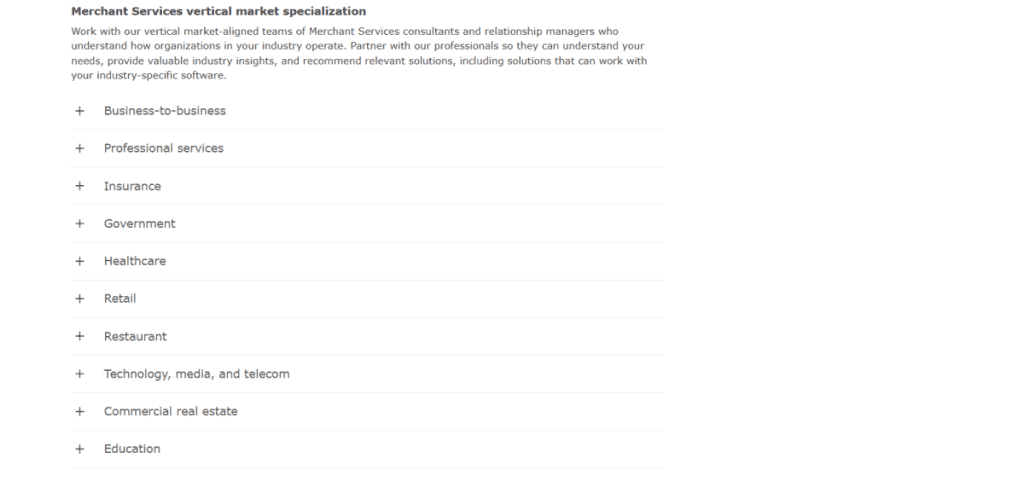
Reliable Customer Service Support: RentPayment offers reliable customer service to help resolve any issues that may arise. The platform provides support through various channels, including phone, email, and live chat, ensuring users can get assistance whenever needed. This level of support helps users resolve problems quickly, improving the overall experience and reducing frustration.

Cons of RentPayment

While RentPayment offers numerous benefits, it’s important to acknowledge some of the potential drawbacks associated with the platform. These cons may affect both tenants and landlords depending on their specific needs and payment preferences.

Transaction Fees for Tenants (Especially Credit Card Payments): One of the main drawbacks of RentPayment is the transaction fees that tenants may face, particularly when using credit cards. Credit card payments typically incur fees ranging from 2.5% to 3% of the transaction value. While ACH transfers or e-checks often have lower or no fees, the cost of using credit cards can add up over time, making it less attractive for tenants who prefer this payment method. This added cost may deter tenants from utilizing certain payment options, leading to potential inconvenience.

Limited International Payment Support: RentPayment currently caters primarily to U.S.-based property managers and tenants, offering limited support for international payments. This can pose a challenge for landlords with properties in multiple countries or tenants who wish to pay from foreign bank accounts. For landlords managing international properties, the lack of global payment options means they may need to look for alternative solutions that better support cross-border transactions.

Possible Delays in Processing Payments During Weekends or Holidays: Another drawback is the possibility of payment processing delays, especially during weekends or holidays. Although RentPayment’s automated systems make transactions more efficient, payments made on weekends may require additional time to appear in landlords’ accounts. This postponement could interfere with landlords’ income and tenants should be careful with payment timing to prevent late fees from processing delays.

Challenges with Integration in Smaller Property Management Systems: For smaller property management companies or individual landlords, RentPayment’s integration with their existing systems may present challenges. Although RentPayment integrates well with larger property management platforms, landlords managing fewer properties might find that the system is not as easy to incorporate into their existing workflows. The platform’s more robust features may seem excessive for smaller operations, and the cost of implementing RentPayment could outweigh the benefits for landlords with only a handful of tenants.

RentPayment Review

Competitor Comparison

When evaluating RentPayment against its competitors, several platforms stand out in the rent payment space, including Zelle, Cozy, and AppFolio. Each of these platforms offers unique advantages and disadvantages, depending on the needs of landlords and tenants.

Zelle: Zelle is a popular peer-to-peer payment service that allows users to send money directly between bank accounts. Its primary advantage is that transactions are typically free and almost instantaneous. However, Zelle lacks the more robust property management features that RentPayment offers, such as automated rent collection, tenant tracking, and integration with property management software. Additionally, Zelle does not provide any formal tracking system for rent payments, making it less suitable for landlords managing multiple properties or seeking detailed records.

Cozy: Cozy is another well-known platform designed specifically for landlords and tenants. Like RentPayment, Cozy offers ACH payments, but it does not charge tenants a fee for using ACH transfers, making it a more cost-effective option for tenants. Cozy also provides tools for managing rental applications and tenant screening. However, it falls short in terms of payment flexibility, as it doesn’t allow credit card payments, which RentPayment does. RentPayment’s ability to process payments through multiple channels, including credit cards and debit cards, gives it an edge for tenants who prefer those methods.

AppFolio: AppFolio is a thorough property management platform designed for big property management companies. It contains a broader variety of functions, including accounting tools, maintenance management, and marketing capabilities, as well as rent collection. Nevertheless, AppFolio’s cost tends to be higher and may not be suitable for smaller landlords overseeing fewer properties. In comparison, RentPayment offers a less rigid and cost-effective option for landlords of any scale, particularly those who do not need all the services provided by AppFolio.

Advantages and Disadvantages of Using RentPayment Over Others: RentPayment’s biggest advantage over competitors like Zelle and Cozy is its flexibility in payment options and its ability to integrate with larger property management systems. While Zelle offers free, quick payments, it lacks the necessary features for effective property management. Cozy offers free ACH payments, but RentPayment stands out by offering credit card payment options, which can be beneficial for tenants seeking additional payment flexibility. Compared to AppFolio, RentPayment offers a simpler, more affordable solution for smaller landlords.

Differentiating Factors: Ease of Use, Features, and Pricing: RentPayment is known for its ease of use, offering a user-friendly platform that works well for both tenants and landlords. The platform’s variety of payment options, including credit card and ACH, and its strong integration with property management software make it a flexible solution for landlords of varying sizes. Pricing-wise, RentPayment’s fees are competitive, particularly in comparison to platforms like AppFolio, which is more expensive due to its additional features.

Final Verdict

RentPayment provides landlords and tenants with a dependable, versatile, and easy-to-use platform. It is most suitable for landlords who oversee various properties or tenants who want easy payment methods such as credit cards and ACH transfers. Overall, it comes highly recommended for streamlining rent payments, offering strong features and competitive pricing.

FAQs

Can I pay my rent using a credit card on RentPayment?

Yes, RentPayment allows tenants to use credit cards for rent payments, but a service fee may apply, depending on the card type used.

Is RentPayment secure for handling sensitive financial information?

Yes, RentPayment uses industry-standard encryption and is PCI compliant, ensuring that all transactions are secure and data is protected.

Are there any fees associated with paying rent through RentPayment?

Yes, while ACH payments often have lower fees or may be free, using credit or debit cards typically incurs a transaction fee, which varies based on the payment method chosen.