
Author Archives: Linda Mae

Ascentium Capital Review

Ascentium Capital Review

Ascentium Capital, founded in 2011, is a business lender focused on financing solutions for equipment and technology. The firm provides a variety of financial services, such as equipment loans, leases, and working capital loans, designed to address the unique requirements of companies in different sectors. Their offerings include financing for medical devices, technology, office equipment, and specialized vehicles, among other things. Lets read more about Ascentium Capital Review.

In 2020, Regions Bank, a major financial entity in the United States, acquired Ascentium Capital. This purchase has allowed Ascentium Capital to broaden its scope and improve its services by utilizing the assets and connections of Regions Bank.

Ascentium Capital has built a reputation for providing flexible and efficient financing solutions, particularly for small and medium-sized businesses. Their streamlined application process and quick approval times are often highlighted by clients as key advantages. Employee reviews indicate a generally positive work environment, with a Glassdoor rating of 3.7 out of 5 stars, suggesting a satisfactory workplace experience.

Company Background

Ascentium Capital, founded in 2011, has established itself as a prominent player in the equipment financing industry. The company was initiated with a $105 million equity commitment, primarily from Luther King Capital Management and Vulcan Capital, and operated with an initial $500 million lending facility.

In its early years, Ascentium Capital focused on providing flexible financing solutions to small and medium-sized businesses, emphasizing a streamlined application process and quick funding decisions. This approach led to significant growth, and by 2016, the company was ranked as the third-largest equipment finance company in the Monitor Top Private Independents ranking.

A significant milestone took place in 2020 when Regions Bank, part of Regions Financial Corporation, acquired Ascentium Capital. This acquisition allowed Ascentium to broaden its reach and improve its service offerings by utilizing the resources and network of Regions Bank. Consequently, Ascentium Capital persisted in its expansion, reaching $1.25 billion in annual funded volume by the conclusion of 2020 and overseeing $2.6 billion in assets, signifying an 8.3% increase in assets year-over-year.

Throughout its history, Ascentium Capital has maintained a focus on innovation and customer service, continually investing in its financing platform to meet the evolving needs of its clients. The company’s growth trajectory reflects its commitment to providing efficient and flexible financing solutions, solidifying its position as a leader in the equipment financing industry.
Ascentium Capital Review

Products and Services Overview | Ascentium Capital Review

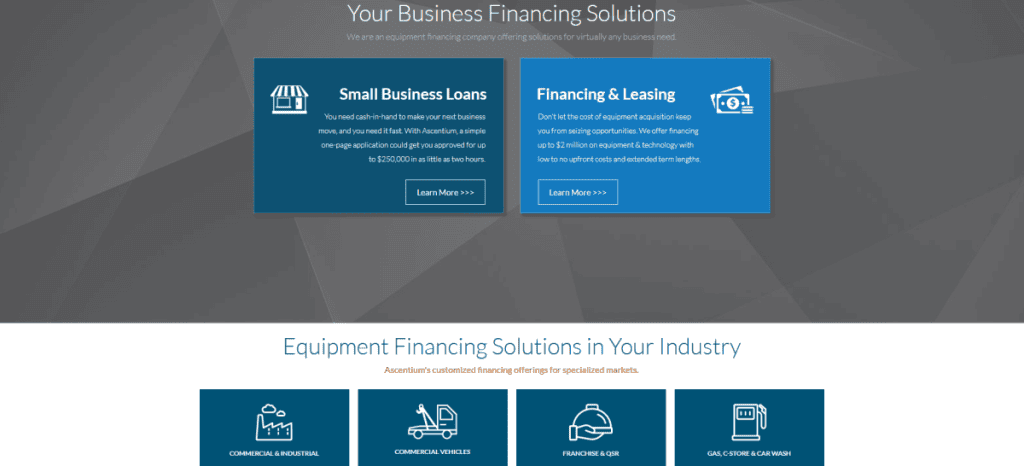
Ascentium Capital offers a comprehensive suite of business financing solutions designed to meet the diverse needs of companies across various industries. Their primary offerings include equipment financing, equipment leasing, and working capital loans.

Equipment Financing: Ascentium Capital provides financing for both new and used equipment, enabling businesses to acquire essential assets without significant upfront costs. They offer financing amounts up to $2 million, with flexible terms extending up to 84 months. This approach allows companies to preserve cash flow while investing in necessary equipment.

Equipment Leasing: For companies that choose to lease instead of buying equipment, Ascentium Capital provides leasing solutions that feature 100% financing, which includes equipment and related soft costs. Leasing options are adaptable, offering choices for $0 down, seasonal payments, skipped payments, or graduated payments, catering to different financial circumstances.

Working Capital Loans: Beyond equipment-related financing, Ascentium Capital provides working capital loans to support broader business needs. These loans can be used for purposes such as inventory purchases, marketing initiatives, or other operational expenses, offering businesses the liquidity required to manage and grow their operations effectively.

A significant aspect of Ascentium Capital’s offerings is their efficient application procedure. Companies can seek funding of up to $250,000 with a straightforward application, frequently obtaining credit determinations in just minutes. For amounts over this limit, up to $2 million, extra documentation might be necessary, yet the process stays efficient to ensure prompt funding.

Ascentium Capital also offers vendor financing programs, partnering with equipment manufacturers, distributors, and resellers to provide their clients with financing options. This collaboration enables vendors to offer flexible payment solutions to their customers, potentially increasing sales and customer satisfaction.

Application Process

Ascentium Capital offers a streamlined application process designed to provide businesses with quick access to financing solutions. The process is straightforward, allowing applicants to secure funds efficiently.

Step-by-Step Breakdown of How to Apply:

Initial Inquiry: Begin by visiting Ascentium Capital’s website to explore their financing options and determine which solution aligns with your business needs.

Application Submission: Complete a simple one-page application form, providing essential business information such as legal business name, address, contact details, and estimated financing amount.

Credit Evaluation: Upon submission, Ascentium Capital conducts a credit evaluation using third-party databases to assess creditworthiness. This includes reviewing the length of time in business, bank and financing references, and business and credit bureau ratings.

Approval Decision: For financing requests up to $250,000, decisions are typically made swiftly, often within minutes. For amounts exceeding this threshold, additional documentation may be required, potentially extending the approval timeframe.

Funding: Once approved, funds are disbursed promptly, enabling businesses to proceed with their planned investments without delay.

Eligibility Criteria:

Time in Business: A minimum of two years in operation is generally required. However, exceptions may be made if the application includes a corporate guarantor with over two years in business and common ownership in a related field or industry.

Credit Score: A FICO score of 650 or higher is typically expected for all personal guarantors.

Financial History: Applicants should have no bankruptcies in the past ten years.

Vendor Approval: The equipment vendor involved must be approved by Ascentium Capital.

Timeframe for Approval:

Ascentium Capital prioritizes efficiency in its approval system. For requests up to $250,000, credit decisions are frequently made in just minutes, allowing for quick access to funds. For larger loan amounts, the approval process could be lengthier because of the requirement for extra documentation and thorough credit assessments.

Interest Rates and Fees

Ascentium Capital offers a range of financing solutions tailored to meet the diverse needs of businesses. Understanding their interest rates, associated fees, and the factors influencing loan terms is essential for businesses considering their services.

Typical Interest Rate Range:

Ascentium Capital does not publicly disclose specific interest rate ranges, as rates are determined based on various factors, including the applicant’s creditworthiness, the amount financed, and prevailing market conditions. Prospective clients are encouraged to contact Ascentium Capital directly to obtain personalized rate information tailored to their unique financial profiles.

Associated Fees and Transparency in Pricing:

While Ascentium Capital does not charge an application fee, they do impose a one-time documentation fee upon approval. This fee covers processing expenses related to credit reports, Uniform Commercial Code (UCC) filings, and other administrative costs. The exact amount of this fee is not specified publicly and may vary depending on the transaction.

Besides the documentation fee, clients need to be mindful of possible charges like late payment penalties, collection costs, and fees for unsuccessful payments. For example, a late fee might be charged if a payment isn’t received by the deadline. Clients should carefully examine their financing agreements to comprehend all possible fees and charges.

Factors Influencing Loan Terms:

Several key factors influence the terms of loans and leases offered by Ascentium Capital:

Creditworthiness: The applicant’s credit history and FICO score play a significant role in determining interest rates and approval amounts. A higher credit score may result in more favorable terms.

Time in Business: Businesses with a longer operational history may be viewed as more stable, potentially leading to better loan terms.

Financial Health: Demonstrated profitability, consistent revenue streams, and positive cash flow can positively impact loan terms.

Collateral: The type and value of the equipment or assets being financed can affect the loan structure and terms.

Market Conditions: Prevailing economic conditions and interest rates in the broader financial market can influence the rates offered.

Prospective clients are encouraged to engage in open discussions with Ascentium Capital representatives to gain a clear understanding of all costs involved and to ensure that the financing terms align with their business objectives.

Customer Experience

Ascentium Capital emphasizes delivering a seamless customer experience through user-friendly digital platforms and accessible support channels.

User-Friendliness of the Website and Application Interface:

The Ascentium Capital website features a streamlined and user-friendly design, making it simple for visitors to find information regarding financing choices. The website offers thorough explanations of services, requirements for eligibility, and application processes, allowing prospective clients to make knowledgeable choices. The process for applying online is simple, enabling companies to seek financing effectively. For funding amounts of up to $250,000, the application process is streamlined, frequently needing little documentation, thereby speeding up the approval time.

Customer Service Channels:

Ascentium Capital offers multiple customer service channels to address client inquiries and support needs:

Phone Support: Clients can reach customer service representatives via a dedicated phone line during business hours.

Email Support: For non-urgent matters, clients can communicate with support staff through designated email addresses, receiving responses within a reasonable timeframe.

Online Account Management: The ‘MyAscentium’ portal allows clients to manage their accounts, make payments, and access important documents online, providing convenience and autonomy in handling their financing arrangements.

Support Availability and Response Times:

Ascentium Capital’s customer support is available during standard business hours, typically from 8:00 AM to 5:00 PM, Monday through Friday. Phone inquiries are generally addressed promptly, with minimal hold times reported. Email responses are typically provided within one to two business days, ensuring timely assistance for client concerns. The online account management portal is accessible 24/7, allowing clients to perform various account-related tasks at their convenience.

In general, Ascentium Capital’s dedication to an easy-to-navigate digital experience, along with available and attentive customer support options, enhances the overall customer experience. Their emphasis on efficiency and customer satisfaction is apparent in their service provision and support system.

Pros and Cons

Ascentium Capital offers a range of financing solutions tailored to meet the diverse needs of businesses. Evaluating the advantages and potential drawbacks of their services is essential for prospective clients.

Pros:

Flexible Financing Options: Ascentium Capital provides various financing solutions, including equipment financing, equipment leasing, and working capital loans, allowing businesses to choose options that best align with their financial strategies.

Fast Approval Process: The company emphasizes efficiency, often delivering credit decisions within minutes for financing requests up to $250,000. This rapid approval process enables businesses to access necessary funds promptly.

User-Friendly Application: The streamlined application process is designed to be straightforward, minimizing the administrative burden on applicants and facilitating a smoother financing experience.

Vendor Financing Programs: Ascentium Capital partners with equipment manufacturers, distributors, and resellers to offer vendor financing programs, enhancing sales opportunities for vendors and providing flexible payment solutions for customers.

Cons:

Potential for Higher Interest Rates: Some clients have reported that interest rates may be higher compared to traditional bank loans, which could increase the overall cost of financing.

Associated Fees: While Ascentium Capital does not charge an application fee, they do impose a one-time documentation fee upon approval. Additionally, clients should be aware of potential charges such as late payment fees, collection fees, and fees for rejected payments.

Credit Requirements: The company typically expects a FICO score of 650 or higher for all personal guarantors, which may limit accessibility for businesses with lower credit scores.

Transparency Concerns: Some customers have expressed concerns regarding the clarity of terms and conditions, emphasizing the importance of thoroughly reviewing all contractual details before proceeding.
Ascentium Capital Review

Customer Reviews and Feedback

Ascentium Capital has garnered a range of customer reviews across various online platforms, reflecting diverse client experiences.

Overview of Online Ratings:

Better Business Bureau: Ascentium Capital possesses an A+ rating from the BBB, signifying a solid dedication to addressing customer grievances and upholding reliability. The company holds an average customer rating of 4.3 out of 5 stars, according to reviews. Moreover, several complaints have been resolved over the past three years, highlighting attentiveness to client issues.

Glassdoor: Employee reviews on Glassdoor provide insight into the company’s internal environment. Ascentium Capital has an overall rating of 3.7 out of 5, based on numerous reviews. Approximately 68% of employees would recommend working at Ascentium Capital to a friend, and 71% have a positive outlook for the business.

Birdeye: On Birdeye, Ascentium Capital has a rating of 3.1 out of 5 stars, based on customer reviews. This platform aggregates customer feedback, highlighting both positive and negative experiences.

Recurring Themes in Customer Testimonials:

Positive Feedback:

Efficient Approval Process: Many customers appreciate the swift approval and funding process, which enables businesses to access necessary capital promptly.

Flexible Financing Options: Clients often commend the variety of financing solutions offered, allowing them to select options that best suit their business needs.

Professional Customer Service: Several testimonials highlight the professionalism and responsiveness of Ascentium Capital’s customer service representatives.

Negative Feedback:

Higher Interest Rates: Some customers express concerns about interest rates being higher than those offered by traditional banks, potentially increasing the overall cost of financing.

Transparency Issues: A few clients have reported a lack of clarity regarding fees and terms, emphasizing the importance of thoroughly reviewing contracts before commitment.

Payment Processing Concerns: There are instances where customers have faced challenges with payment processing, including issues with automatic withdrawals and billing errors.

Industry Comparison

In the competitive landscape of business financing, Ascentium Capital distinguishes itself through its specialized offerings and customer-centric approach. Comparing Ascentium Capital with key competitors such as OnDeck and National Funding highlights its unique position in the industry.

Comparison with Key Competitors:

OnDeck: OnDeck is renowned for its swift approval processes and short-term loan options, catering primarily to small businesses seeking quick access to capital. They offer term loans and lines of credit with a focus on speed and efficiency. However, OnDeck’s loan amounts and terms may be more limited compared to Ascentium Capital, which provides financing up to $2 million with terms extending up to 84 months.

National Funding: National Funding provides an array of funding options, such as equipment financing, working capital loans, and merchant cash advances. They highlight adaptable conditions and serve companies in diverse sectors. Although National Funding offers a wide array of services, Ascentium Capital’s focus on equipment financing and leasing, coupled with its vendor financing initiatives, provides a more customized solution for businesses in need of equipment-related financing options.

Key Differentiators of Ascentium Capital:

Specialization in Equipment Financing: Ascentium Capital focuses on equipment financing and leasing, providing customized solutions that cater to the specific needs of businesses requiring equipment acquisition. This specialization allows for a deeper understanding of industry-specific requirements and more tailored financing options.

Vendor Financing Programs: Ascentium Capital collaborates with equipment makers, distributors, and resellers to provide vendor financing solutions. This partnership allows vendors to offer adaptable payment options to their clients, which could boost sales and enhance customer satisfaction.

Flexible Terms and Higher Financing Amounts: With financing amounts up to $2 million and terms extending up to 84 months, Ascentium Capital offers more substantial and flexible financing options compared to some competitors, accommodating larger projects and longer repayment periods.

Streamlined Application Process: Ascentium Capital emphasizes a user-friendly application process, often providing credit decisions within minutes for financing up to $250,000. This efficiency facilitates quick access to funds, which is crucial for businesses aiming to capitalize on timely opportunities.

Credit Requirements

Ascentium Capital offers a range of financing solutions tailored to meet the diverse needs of businesses. Understanding their credit requirements is essential for prospective clients seeking approval and favorable loan terms.

Minimum Credit Score for Approval:

Ascentium Capital usually mandates a minimum FICO score of 650 for personal guarantors. This benchmark reflects a good credit status, implying that the person has a track record of handling credit wisely. Nonetheless, achieving this minimum does not ensure approval, since the company considers various elements in its credit evaluation process.

How Credit Affects Loan Terms and Options:

An applicant’s credit profile significantly influences the terms and options available for financing:

Interest Rates: Individuals with higher credit scores are often eligible for more competitive interest rates, reducing the overall cost of financing. Conversely, those with lower scores may face higher rates to offset perceived risks.

Loan Amounts: A strong credit history can lead to approval for larger financing amounts, enabling businesses to undertake more substantial projects or acquisitions.

Repayment Terms: Applicants with favorable credit profiles may access more flexible repayment schedules, including longer terms or customized payment plans.

Approval Likelihood: While a minimum score of 650 is a general requirement, higher scores enhance the probability of approval, as they reflect a lower risk to the lender.

It is crucial to recognize that Ascentium Capital employs a comprehensive method for assessing credit. Aside from credit scores, they take into account elements like the duration of business operations, financial health, and industry expertise. This thorough evaluation enables a deeper comprehension of a company’s creditworthiness, possibly accommodating candidates who might fall short of the required credit score yet show strength in different aspects.
Ascentium Capital Review

Security and Compliance

Ascentium Capital places a strong emphasis on security and compliance to protect client information and adhere to financial regulations.

Data Protection Measures:

Ascentium Capital is dedicated to protecting personal information and adheres to applicable data protection regulations in the areas where they operate. They gather personal information essential for efficient service delivery, such as identification details, financial data, and business-related information. The company guarantees that all third parties involved adhere to stringent data protection and confidentiality requirements, handling personal data according to Ascentium’s directives and relevant laws.

Additionally, Ascentium Capital may transfer personal data to locations outside of the client’s home jurisdiction, including countries that may not offer the same level of data protection. In such cases, they take steps to ensure data remains protected by employing standard contractual clauses and other safeguards to comply with data protection regulations.

Adherence to Financial Regulations:

Ascentium Capital is committed to making financial products and services accessible to all clients on a fair and responsible basis, ensuring full compliance with fair lending laws and regulations. They have a Fair and Responsible Lending Policy that outlines their dedication to ethical lending practices. This policy reinforces the company’s commitment to maintaining fair treatment throughout the financing process.

Additionally, Ascentium Capital’s parent company, Regions Bank, supports and enhances its adherence to comprehensive financial regulations and compliance standards. This affiliation underscores the importance Ascentium places on regulatory compliance and strengthens their position as a trustworthy financial partner.

Conclusion

Ascentium Capital offers adaptable and customized financing options with an efficient application procedure, making it an excellent option for small and medium enterprises in need of equipment financing or working capital. Businesses seeking fast approvals and various funding alternatives will gain the most from collaborating with Ascentium Capital for their financing requirements.

FAQs

What industries does Ascentium Capital primarily serve?

Ascentium Capital provides financing solutions across various sectors, including commercial and industrial, commercial vehicles, franchises and quick-service restaurants, gas stations, convenience stores, car washes, healthcare, hospitality, and technology and software.

How quickly can I receive funding from Ascentium Capital?

Ascentium Capital offers a streamlined application process, often providing credit decisions within minutes for financing up to $250,000. Funding can be received promptly after approval, facilitating quick access to necessary capital.

What credit score is required to qualify for financing?

Ascentium Capital typically requires a minimum FICO score of 650 for personal guarantors. However, they consider multiple factors during the credit assessment process, including time in business and financial stability.


Indigo Payments Review

Indigo Payments Review

Indigo Payments, established in 2007 and headquartered in Atlanta, Georgia, is a company that provides payment card processing solutions. The company offers a range of services, including financial transaction management, payment card processing, point-of-sale systems, and related services. Indigo Payments is dedicated to providing simple, affordable payment solutions that support organizations in achieving their growth objectives. Let’s delve deeper into the Indigo Payments Review.

Dependable payment processing is crucial for businesses regardless of their size. Effective payment processes are vital for revenue collection and ensuring prompt and precise transactions between customers and businesses. An effective payment processing system can lower the likelihood of fraud, guarantee data security, and adhere to regulations and industry standards. Businesses can meet the different preferences of customers and build trust by providing a range of payment methods.

In today’s fast-paced and digitally driven business landscape, having an efficient payment processing system is crucial for success and growth. Smooth and streamlined payment systems enhance financial transactions, offer convenience for customers, and provide numerous advantages to businesses. Investing in reliable payment processing is a strategic decision that can drive customer satisfaction, operational efficiency, and long-term business growth.

Company Background | Indigo Payments Review

Indigo Payments is a payment processing company that offers a range of services to businesses seeking efficient and secure transaction solutions.

Brief History and Establishment

Founded in 2007, Indigo Payments is headquartered in Atlanta, Georgia. The company was established by industry professionals aiming to provide simple and affordable payment solutions to help organizations achieve their growth objectives. Over the years, Indigo Payments has expanded its services and client base, maintaining a focus on delivering reliable and efficient payment processing solutions.

Key Leadership and Business Vision

The leadership team at Indigo Payments comprises experienced professionals dedicated to fostering a culture where relationships are valued, and business barriers are removed. The company’s vision emphasizes modern technology coupled with old-fashioned values, ensuring that each transaction is treated as a handshake and every solution delivers real results. This approach reflects a commitment to personalized service and client satisfaction.

Primary Industries Served

It caters to a diverse range of industries, providing tailored payment processing solutions to meet specific business needs. The company’s services are designed to support various sectors, including retail, hospitality, e-commerce, and more. By offering customizable solutions, Indigo Payments enables businesses across different industries to manage their transactions efficiently and securely.

To sum up, Indigo Payments has proven to be a dependable payment processing company since it was founded in 2007. The company, led by a team that prioritizes merging modern technology with traditional principles, remains committed to serving a wide range of industries by providing solutions that support business expansion and efficiency.

Indigo Payments Review

Core Features and Services

Indigo Payments offers a comprehensive suite of services designed to meet the diverse payment processing needs of businesses.

Payment Processing Solutions

Indigo Payments enables businesses to accept various payment methods, including credit and debit cards, ACH transfers, and electronic checks. This flexibility allows merchants to cater to a wide range of customer preferences, enhancing the overall transaction experience.

Point of Sale Systems

The company provides POS systems compatible with popular hardware and software platforms, ensuring seamless integration into existing business operations. This compatibility facilitates efficient transaction processing and inventory management, contributing to smoother business workflows.

E-commerce Solutions

Indigo Payments provides strong e-commerce solutions for online retailers, such as secure payment gateways and shopping cart integrations. These tools help businesses securely and efficiently process online transactions, promoting the expansion of their digital sales channels.

Mobile Payment Options

Recognizing the need for mobility in today’s business environment, Indigo Payments provides mobile payment solutions that allow businesses to accept payments on the go. These solutions are particularly beneficial for businesses operating in dynamic settings, such as trade shows, outdoor markets, or on-site services.

Recurring Billing

Indigo Payments offers recurring billing services, simplifying the setup and management of subscription-based offerings. This feature is advantageous for businesses with membership models or those providing services requiring regular payments, ensuring timely and consistent revenue streams.

PCI Compliance Support

Keeping Indigo Payments safe is of utmost importance. The company offers assistance to aid businesses in attaining and upholding Payment Card Industry Data Security Standard (PCI DSS) compliance. This support involves advising on how to establish vital security precautions for safeguarding sensitive payment details, thus decreasing the likelihood of data breaches and building customer confidence.

Technology and Integrations

Indigo Payments leverages advanced technology to provide seamless integrations and robust support for businesses seeking efficient payment processing solutions.

Third-Party Integrations

Indigo Payments offers compatibility with a wide range of third-party applications, including accounting software, CRM systems, and other essential business tools. This interoperability enables businesses to synchronize payment data with their existing systems, streamlining operations and enhancing overall efficiency. By integrating with popular platforms, It ensures that transaction information is accurately reflected across various business processes, reducing manual data entry and minimizing errors.

API and Developer Support

To accommodate businesses with unique requirements, Indigo Payments provides APIs that allow for customized payment processing solutions. These APIs offer developers the flexibility to tailor payment functionalities to align with specific business needs. Comprehensive developer support, including detailed documentation and technical assistance, facilitates smooth integration and implementation. This support empowers businesses to create bespoke payment experiences that enhance customer satisfaction and operational effectiveness.

Real-Time Reporting and Analytics

The real-time reporting and analytics tools of Indigo Payments can be easily accessed through a user-friendly dashboard. These instruments allow companies to keep track of transactions in real-time, offering instant understanding of sales performance and cash flow. The ability to analyze data enables companies to create thorough reports, aiding in trend identification, financial record management, and decision-making processes. It assists businesses in staying in control of their financial operations by providing instant insight into payment activities, allowing them to quickly address any discrepancies or issues that may arise.

Security Features

Indigo Payments prioritizes security to protect businesses and their customers during transactions. The company employs several key security measures to ensure safe and reliable payment processing.

Data Encryption and Tokenization

To safeguard sensitive information, It utilizes advanced data encryption techniques. Encryption converts plain text data into coded form, making it unreadable to unauthorized parties during transmission. Additionally, the company implements tokenization, which replaces sensitive data with unique identifiers or tokens. These tokens are meaningless if intercepted, reducing the risk of data breaches and ensuring that actual payment information remains secure. By combining encryption and tokenization, Indigo Payments provides a robust defense against unauthorized access to payment data.

Fraud Detection and Prevention

Indigo Payments employs comprehensive fraud detection and prevention strategies to protect businesses from fraudulent activities. The company uses real-time monitoring tools that analyze transaction patterns and identify anomalies indicative of fraud. These tools assess various risk factors, such as transaction amounts, geographic locations, and purchasing behaviors, to detect suspicious activities promptly. By implementing these measures, Indigo Payments helps businesses mitigate potential risks and maintain the integrity of their payment processes.

Chargeback Management

Managing conflicts and avoiding chargebacks are crucial aspects of Indigo Payments’ security measures. The company provides resources and assistance for effectively handling chargebacks, such as in-depth transaction documentation and help with resolving disputes. Indigo Payments helps businesses efficiently resolve issues and reduce financial losses from chargebacks by giving clear documentation and responding quickly to disputes. Being proactive in managing chargebacks also helps maintain a positive relationship with payment networks and keeps customer trust intact.

Customer Support

Indigo Payments is committed to providing comprehensive customer support to ensure businesses can effectively manage their payment processing needs.

Availability and Channels

Indigo Payments offers multiple customer service channels to address client inquiries and issues. Clients can reach support representatives via phone during standard business hours, ensuring direct and immediate assistance. For written communication, email support is available, allowing clients to detail their concerns and receive timely responses. Additionally, Indigo Payments provides live chat support through their website, enabling real-time interaction with support staff for quick resolutions. This multi-channel approach ensures that clients have access to support through their preferred communication method, enhancing the overall customer experience.

Training and Onboarding

To facilitate a smooth transition to their payment processing systems, Indigo Payments offers comprehensive training and onboarding services. During the initial setup, clients receive personalized assistance to integrate Indigo’s solutions with their existing operations. This includes guidance on system configuration, user training, and best practices to maximize the efficiency of the payment processing tools. Beyond the initial setup, Indigo Payments provides ongoing support to address any operational challenges or questions that may arise. This continuous support ensures that clients can adapt to evolving business needs and fully leverage the capabilities of Indigo’s payment solutions.

Indigo Payments Review

Fees and Pricing Structure

Indigo Payments offers a transparent and competitive pricing structure, catering to businesses seeking reliable payment processing solutions.

Transparency of Fees

Indigo Payments employs an interchange-plus pricing model, which is widely regarded for its clarity and fairness. This model separates the interchange fees set by card networks from the processor’s markup, allowing businesses to see exactly what they are paying for each transaction. Notably, Indigo Payments does not charge early termination fees, providing clients with flexibility and confidence in their partnership.

Contracts and Terms

The company provides contracts that are simple and favorable to merchants. Due to the lack of early termination fees, businesses have the flexibility to end services without being financially penalized if their requirements change. Small to medium-sized businesses can benefit from this flexibility with payment processing solutions that can be easily adjusted.

Comparing Costs

When compared to industry standards and competitors, Indigo Payments’ fee structure is competitive. The interchange-plus pricing model is often favored over tiered pricing models for its transparency. Additionally, the elimination of early termination fees sets Indigo Payments apart from many competitors who impose such charges, thereby offering greater flexibility to businesses.

User Experience and Feedback

Indigo Payments is recognized for its user-friendly services and has garnered positive feedback from a diverse clientele.

Ease of Use

The company’s payment processing solutions are designed with simplicity and accessibility in mind. Clients have reported that the systems are intuitive, allowing for quick integration into existing business operations. The straightforward interface facilitates efficient transaction management, reducing the learning curve for new users and enabling businesses to focus on their core activities.

Client Testimonials

Client feedback from a range of industries indicates satisfaction with the services provided by Indigo Payments. Numerous clients value the clear pricing model and the lack of hidden charges, leading to a reliable collaboration. The customer service team is praised often for their quick help and effective problem-solving. Moreover, the adaptability of the payment options is appreciated by customers as it can be customized to suit individual business requirements, ultimately improving operation effectiveness.

Common Complaints

While the majority of feedback is positive, some clients have noted areas for improvement. A few customers have reported challenges with the initial setup process, indicating that more comprehensive onboarding support could be beneficial. Others have mentioned occasional delays in customer service response times during peak periods. Addressing these concerns could further enhance the overall user experience and solidify client satisfaction.

Pros and Cons

Indigo Payments offers a range of services that cater to various business needs. However, like any service provider, it has its strengths and areas where improvements could be made.

Advantages

One of the primary strengths of Indigo Payments is its transparent pricing model. The company employs an interchange-plus pricing structure, which is often favored for its clarity, allowing businesses to understand the exact costs associated with each transaction. Additionally, Indigo Payments does not impose early termination fees, providing clients with flexibility and confidence in their partnership. This approach is particularly beneficial for small to medium-sized enterprises that may require adaptable payment processing solutions.

Another significant benefit is the company’s dedication to customer service. Indigo Payments provides various options for customer service, such as phone, email, and live chat, so that clients can choose how they want to receive assistance. The company offers thorough training and onboarding services, making it easier to switch to their payment processing systems and providing continual support for any operational issues.

Furthermore, Indigo Payments integrates advanced technology with comprehensive integration capabilities to support businesses in managing their payment processes effectively. Through seamless third-party integrations, customizable APIs, and real-time reporting tools, the company delivers solutions that enhance operational efficiency and provide valuable financial insights.

Limitations

Despite its strengths, there are areas where Indigo Payments could improve. Some clients have reported challenges with the initial setup process, indicating that more comprehensive onboarding support could be beneficial. Others have mentioned occasional delays in customer service response times during peak periods. Addressing these concerns could further enhance the overall user experience and solidify client satisfaction.

Additionally, while Indigo Payments offers a range of services, businesses with highly specialized payment processing needs may find that the company’s offerings do not fully meet their requirements. In such cases, seeking a provider with more specialized solutions might be necessary.

Competitor Comparison

In the competitive landscape of payment processing, Indigo Payments distinguishes itself through specific strengths and unique selling points.

Market Position

Indigo Payments competes with well-known rivals like Transaction Capital Risk Services, PrivatBank, Harland Clarke, and SBI Cards and Payment Services. While these companies provide various financial services, Indigo Payments specializes in offering solutions for payment card processing. This focus enables Indigo Payments to effectively serve businesses in need of specialized payment processing services.

Unique Selling Points

Several factors set Indigo Payments apart from its competitors:

Transparent Pricing: Indigo Payments employs an interchange-plus pricing model, providing clear and straightforward fee structures. This transparency enables businesses to understand their transaction costs without hidden charges.

No Early Termination Fees: Unlike some competitors, Indigo Payments does not impose early termination fees. This policy offers clients flexibility and confidence, allowing them to adjust services as their business needs evolve.

Comprehensive Customer Support: The company offers various support options such as phone, email, and live chat to make sure clients get help quickly. Furthermore, Indigo Payments provides extensive training and onboarding assistance to help ease the process of incorporating their payment solutions.

Advanced Technology Integration: Indigo Payments offers seamless integration with various third-party applications, including accounting software and CRM systems. This compatibility enhances operational efficiency for businesses.

Indigo Payments Review

Ideal User Profile

Indigo Payments offers tailored payment processing solutions that cater to a diverse range of businesses.

Best Fit for Businesses

Indigo Payments is especially suitable for SMEs looking for transparent and flexible payment processing services, specifically designed for small to medium-sized businesses. The business offers an interchange-plus pricing model with transparent fee structures, allowing companies to easily grasp their transaction costs without any hidden fees. Moreover, clients have the freedom to modify services as their business needs change, as there are no early termination fees. This flexibility is particularly advantageous for small and medium-sized enterprises in need of adjustable solutions for expanding and evolving operational needs.

Industries Benefited

Indigo Payments serves a variety of industries, delivering value through its specialized services:

Retail: For brick-and-mortar retailers, Indigo Payments provides POS systems compatible with popular hardware and software platforms, ensuring seamless integration into existing operations. This compatibility facilitates efficient transaction processing and inventory management, contributing to smoother business workflows.

E-commerce: Online retailers receive advantages from Indigo Payments’ strong e-commerce solutions, such as safe payment gateways and seamless shopping cart connections. These tools allow companies to securely and efficiently manage online transactions, facilitating the expansion of their digital sales platforms.

Hospitality: Businesses in the hospitality sector, such as restaurants and hotels, can leverage Indigo Payments’ mobile payment solutions that allow for on-the-go payment acceptance. This flexibility enhances customer service by enabling transactions to occur at the customer’s convenience, whether at the table or during check-in/check-out processes.

Professional Services: Service-oriented businesses, including consultants and freelancers, benefit from Indigo Payments’ recurring billing services. This feature simplifies the setup and management of subscription-based offerings, ensuring timely and consistent revenue streams.

Conclusion

Indigo Payments is an attractive choice for small to medium-sized businesses due to its clear pricing, flexible terms, and strong support. Its trustworthy payment processing services are designed for a range of sectors, such as retail, e-commerce, hospitality, and professional services. In general, Indigo Payments is a good choice for companies looking for effective and flexible payment solutions.

FAQs

What types of businesses benefit most from Indigo Payments?

Indigo Payments caters to SMEs across various sectors, including retail, e-commerce, hospitality, and professional services. Its adaptable payment processing solutions and transparent pricing make it particularly advantageous for businesses seeking scalable and straightforward payment systems.

How secure are transactions with Indigo Payments?

Indigo Payments employs advanced security measures, such as data encryption and tokenization, to protect sensitive information. Additionally, the company offers fraud detection tools and chargeback management services, ensuring a secure transaction environment for businesses and their customers.

Is there a long-term contract required with Indigo Payments?

No, Indigo Payments does not require long-term contracts and does not impose early termination fees. This flexibility allows businesses to adjust or discontinue services as their needs evolve without incurring financial penalties.

SphereCommerce Review

SphereCommerce, founded in 2017, is a company that specializes in cloud-based software and payments technology, with a vertical integration approach. It focuses on providing secure and compliant payment solutions customized for challenging markets, particularly in the healthcare industry. Lets read more about SphereCommerce Review.

The primary focus of the company’s mission is to make commercial interactions smooth and safe by incorporating innovative payment technologies into clients’ main business systems. This method seeks to boost operational efficiency and enhance the overall customer experience.

SphereCommerce serves a diverse range of industries, including:

Healthcare: Providing integrated payment solutions that streamline patient billing and revenue cycle management.

Transportation: Offering payment processing services tailored to the unique needs of the transportation sector.

Education: Delivering payment solutions that cater to educational institutions.

Insurance: Facilitating secure payment processing for insurance companies.

Non-Profit Organizations: Supporting fundraising efforts with specialized payment tools.

Through its comprehensive suite of services, SphereCommerce continues to evolve, aiming to meet the dynamic needs of its clients across these specialized vertical markets.

Product and Service Offerings

SphereCommerce offers a comprehensive suite of products and services designed to meet diverse business needs. Their offerings encompass payment processing solutions, integrated software, point-of-sale systems, and robust security features.

Payment Processing Solutions

Credit and Debit Card Processing: SphereCommerce enables businesses to accept all major credit and debit cards, facilitating seamless transactions for customers.

E-Check and ACH Transactions: The company supports electronic check and Automated Clearing House payments, providing alternatives to traditional card payments.

Integrated Software Solutions

Healthcare Payment Integrations: SphereCommerce specializes in integrating payment solutions within healthcare systems, streamlining patient billing and revenue cycle management.

Non-Profit Fundraising Platforms: For non-profit organizations, SphereCommerce offers platforms that simplify donation processing and enhance fundraising efforts.

Point-of-Sale Systems

In-Person and Mobile Payment Options: Their POS systems are designed to accommodate both traditional and mobile payment setups, offering versatility for businesses in different situations.

Virtual Terminals and E-Commerce Solutions: SphereCommerce provides virtual terminals for remote transactions and e-commerce solutions for online businesses, facilitating a broad range of payment acceptance methods.

Security and Compliance Features

PCI Compliance Measures: Adhering to Payment Card Industry Data Security Standards (PCI DSS), SphereCommerce ensures that all transactions are processed securely, protecting sensitive cardholder information.

Data Encryption and Tokenization: The company employs advanced data encryption and tokenization techniques to safeguard transaction data, minimizing the risk of data breaches and fraud.

Through these offerings, SphereCommerce delivers secure and efficient payment processing solutions tailored to the needs of various industries.

SphereCommerce Review

Technology and Integration Capabilities | SphereCommerce Review

SphereCommerce provides strong technology and integration features, guaranteeing smooth integration with different business systems. Their wide range of APIs, assistance for developers, ability to work with current systems, and ability to scale in the cloud all work together to improve efficiency and adaptability.
API Offerings and Developer Support

SphereCommerce provides a suite of Application Programming Interfaces (APIs) designed to facilitate easy integration of payment processing functionalities into diverse applications. These APIs support multiple programming languages, enabling developers to incorporate payment solutions without extensive reconfiguration. Additionally, SphereCommerce offers dedicated developer support, including detailed documentation and responsive assistance, to streamline the integration process and address technical challenges effectively.

Compatibility with Existing Business Systems

Understanding the importance of seamless integration, SphereCommerce ensures that its solutions are compatible with a wide range of existing business systems. This compatibility minimizes disruptions during implementation and allows businesses to maintain their current workflows while enhancing payment processing capabilities. By aligning with various enterprise resource planning (ERP) systems, CRM platforms, and other essential business applications, SphereCommerce facilitates a cohesive operational environment.

Cloud-Based Infrastructure and Scalability

By utilizing a cloud-based infrastructure, SphereCommerce provides flexible solutions that can adjust to the changing demands of companies. This structure enables effective distribution of resources, guaranteeing peak performance in different transaction loads. The cloud-based system also boosts accessibility, allowing businesses to handle payment processing from various locations without sacrificing security or effectiveness. Additionally, the ability to scale in cloud infrastructure helps businesses expand by handling higher transaction volumes and increasing service options when necessary.

Customer Support and Service

SphereCommerce places a strong emphasis on delivering exceptional customer support and service, recognizing its critical role in client satisfaction and retention. Their comprehensive approach encompasses multiple support channels, structured onboarding and training programs, and proactive maintenance and updates.

Availability and Responsiveness of Support Channels

SphereCommerce offers 24/7 customer support to address client inquiries and issues promptly. Clients can reach the support team via phone or email, ensuring accessibility and timely assistance. The company’s commitment to responsive support is evident in its dedication to resolving concerns efficiently, thereby minimizing potential disruptions to client operations.

Client Onboarding and Training Programs

Understanding the importance of a smooth transition, SphereCommerce provides structured onboarding programs tailored to each client’s specific needs. These programs include comprehensive training sessions that cover the functionalities of their payment solutions, ensuring clients are well-equipped to utilize the services effectively. By offering personalized training, SphereCommerce facilitates a deeper understanding of their systems, enabling clients to maximize the benefits of their payment processing solutions.

Ongoing Maintenance and Updates

SphereCommerce ensures optimal performance and security through regular system maintenance and updates. Customers are updated on planned maintenance activities to prepare and reduce any operational disruptions. Furthermore, SphereCommerce takes proactive measures to implement updates that improve system capabilities and combat new security threats, guaranteeing that clients can benefit from the newest features and safeguards.

Pricing and Contract Terms

Understanding SphereCommerce’s pricing and contract terms is essential for businesses considering their payment processing solutions. While specific details may vary based on individual agreements, the following provides a general overview.

Overview of Pricing Models

SphereCommerce typically employs a tiered pricing structure, where transaction fees are determined by the type of card used and the nature of the transaction (e.g., swiped or keyed-in). This model allows businesses to anticipate costs based on their transaction profiles. However, exact rates are not publicly disclosed and are often tailored to the specific needs and volumes of each client.

Contract Length and Termination Policies

Standard contracts with SphereCommerce are generally set for a three-year term, with automatic renewals for successive one-year periods unless terminated by either party. Early termination of the contract may incur a fee, which can be substantial. For instance, some agreements include an early termination fee of $495. Additionally, certain contracts may stipulate liquidated damages calculated by multiplying the remaining months in the contract by the average monthly processing fees. It’s crucial for businesses to thoroughly review contract terms to understand potential obligations and penalties.

Additional Fees and Charges

Beyond transaction fees, businesses should be aware of other potential charges, including:

Monthly Fees: Regular charges for account maintenance or access to specific services.

PCI Compliance Fees: Fees associated with maintaining compliance with Payment Card Industry Data Security Standards, which may be billed monthly or quarterly.

Equipment Leasing Fees: Costs for leasing point-of-sale terminals or other necessary hardware, which can add to the overall expense.

To understand all costs involved, businesses should have in-depth discussions with SphereCommerce representatives due to varying fees and contract terms. This thorough investigation guarantees that the payment processing options meet the financial goals and operational requirements of the business.

SphereCommerce Review

Market Reputation and Customer Feedback

SphereCommerce has established a notable presence in the payment processing industry, with its market reputation shaped by customer feedback and industry recognitions.

Analysis of Customer Reviews and Testimonials

Customer feedback for SphereCommerce presents a mixed picture. Some clients commend the company for its comprehensive payment solutions and responsive customer support. For instance, users have highlighted the ease of integration and the efficiency of SphereCommerce’s systems in streamlining payment processes. However, there are also criticisms, particularly concerning contract terms and fees. Some customers have expressed dissatisfaction with the clarity of pricing structures and the rigidity of contract agreements, noting challenges in understanding fee breakdowns and facing substantial early termination fees.

Industry Recognitions and Awards

SphereCommerce has received industry accolades, reflecting its commitment to innovation and service excellence. Notably, its subsidiary, Qgiv, has been recognized for outstanding customer service and product performance. In 2021, Qgiv received multiple awards in G2’s fundraising software category, including Best Results, Best Support, and Leader, based on verified customer reviews. These recognitions underscore SphereCommerce’s dedication to delivering high-quality solutions in the nonprofit sector.

Common Praises and Criticisms

Clients frequently commend SphereCommerce for its strong security protocols, especially in managing confidential payment details, as well as for the flexibility of its offerings, which can adapt to the expansion and changing requirements of businesses. The company is also praised for its emphasis on integrating payment systems into current business structures, which improves operational efficiency.

Conversely, criticisms primarily revolve around the complexity of contract terms and associated fees. Some customers have reported challenges in navigating the contractual obligations and understanding the full scope of fees, including those related to early termination and compliance. Additionally, there have been concerns about the transparency of pricing models, with clients seeking more straightforward and predictable cost structures.

Employee Experience and Corporate Culture

SphereCommerce’s employee experience and corporate culture have garnered varied feedback, reflecting both strengths and areas for improvement.

Insights from Employee Reviews

Employee reviews of SphereCommerce present a mixed perspective. Some staff members commend the company for its positive environment and supportive leadership. For instance, a sales associate noted, “Great people, nice mindset… Always feel like my input is valid, and taken into consideration.” However, other reviews highlight challenges, particularly concerning management practices and work environment. A senior software engineer expressed concerns about leadership, stating, “Such fragile egos. Little talent overall and shut down those trying to make positive changes.”

Company Culture and Work Environment

Some employees characterize the company’s culture as collaborative and innovative. A technologist remarked, “Wonderful culture.” Fantastic group. Engaging and fascinating tasks. Leadership has a strong concern for both the company and its employees. On the other hand, some workers have voiced concerns about leadership and the overall direction of the organization. A software developer remarked on the frequent turnover and changes in management, saying, “It’s like a revolving door with employees.” The talent that has supported the company for years and contributed to its growth is now nearly nonexistent.

Employee Retention and Satisfaction Rates

Specific data on SphereCommerce’s employee retention and satisfaction rates are not publicly available. However, the mixed reviews suggest variability in employee satisfaction. Positive feedback highlights appreciation for the company’s culture and leadership, while negative reviews point to concerns about management practices and work environment. This dichotomy indicates that while some employees find the company a rewarding place to work, others experience challenges that may impact overall retention and satisfaction.

SphereCommerce Review

Competitive Positioning

SphereCommerce operates in the competitive financial technology sector, offering integrated payment solutions across various industries. Understanding its position relative to key competitors, unique selling propositions, and market share provides insight into its standing in the market.

Comparison with Key Competitors

SphereCommerce faces competition from several established payment processing companies, including:

Global Payments: A leading provider of payment technology services, offering a broad range of solutions to merchants and financial institutions.

Visa: A global payments technology company facilitating electronic funds transfers worldwide.

Total System Services (TSYS): Specializes in payment processing services, particularly for credit card issuers and merchants.

These competitors have significant market presence and extensive service portfolios, challenging SphereCommerce to differentiate itself effectively.

Unique Selling Propositions

SphereCommerce distinguishes itself through several key attributes:

Vertical Integration: By integrating software and payment solutions, SphereCommerce offers a seamless experience tailored to specific industries, notably healthcare and non-profits.

Security Focus: Emphasizing robust security measures, including PCI compliance and data encryption, SphereCommerce prioritizes the protection of sensitive information.

Customizable Solutions: The company provides adaptable payment solutions that can be tailored to meet the unique needs of diverse business models.

These differentiators enable SphereCommerce to cater to niche markets with specialized requirements.

Market Share and Growth Trajectory

Although specific market share information for SphereCommerce is not made available to the public, the company has shown growth by making strategic acquisitions and forming partnerships. For example, the purchase of TrustCommerce broadened its skills in secure payment processing. Furthermore, collaborations with entities such as Qgiv have improved its services within the non-profit industry. The strategic actions indicate a promising path of growth, positioning SphereCommerce to expand its market share in specific industries.

Recent Developments and Future Outlook

SphereCommerce has recently undertaken significant strategic initiatives to refine its focus and enhance its offerings in the financial technology sector.

Recent Product Launches and Updates

In March 2024, Sphere’s subsidiary, TrustCommerce, integrated with PayPal and Venmo, enabling healthcare providers to offer patients additional payment options. This collaboration reflects Sphere’s commitment to enhancing the patient financial experience by incorporating modern, user-friendly payment methods.

Strategic Partnerships and Acquisitions

In October 2023, Sphere entered into an agreement to divest its Commercial Division to NMI, a leading full commerce enablement company. This move allows Sphere to concentrate on delivering integrated payment and software solutions tailored to the healthcare and non-profit sectors. Additionally, in January 2024, Sphere divested Qgiv, its nonprofit fundraising technology platform, to Bloomerang. These strategic decisions underscore Sphere’s dedication to specializing in healthcare financial technology solutions.

Future Plans and Industry Trends

In the future, Sphere plans to enhance its position as a top provider of comprehensive payment solutions in the healthcare industry. By concentrating on improving patient involvement and simplifying payment procedures, Sphere is ready to cater to the changing demands of healthcare providers and patients. The company’s focus on security and compliance matches with industry trends that prioritize protecting data and following regulations.

Conclusion

SphereCommerce specializes in delivering secure, integrated payment solutions, particularly for the healthcare and non-profit industries. Major strengths consist of strong security features and customized integrations. Nevertheless, there are opportunities for enhancement, like streamlining contract terms and fee structures. In general, SphereCommerce is a solid option for specific payment requirements.

Frequently Asked Questions 

What industries does SphereCommerce primarily serve?
SphereCommerce focuses on healthcare, non-profit organizations, education, transportation, and insurance. Their solutions are tailored to meet the unique payment needs of each sector.

How does SphereCommerce ensure the security of transactions?

SphereCommerce employs advanced security measures, including PCI compliance, data encryption, and tokenization, to protect sensitive transaction data and ensure secure payment processing.

What are the contract terms and cancellation policies for SphereCommerce services?

SphereCommerce typically offers multi-year contracts with automatic renewals. Early termination fees may apply, so businesses should review contract terms thoroughly before signing.

Cube POS Review

Cube POS Review

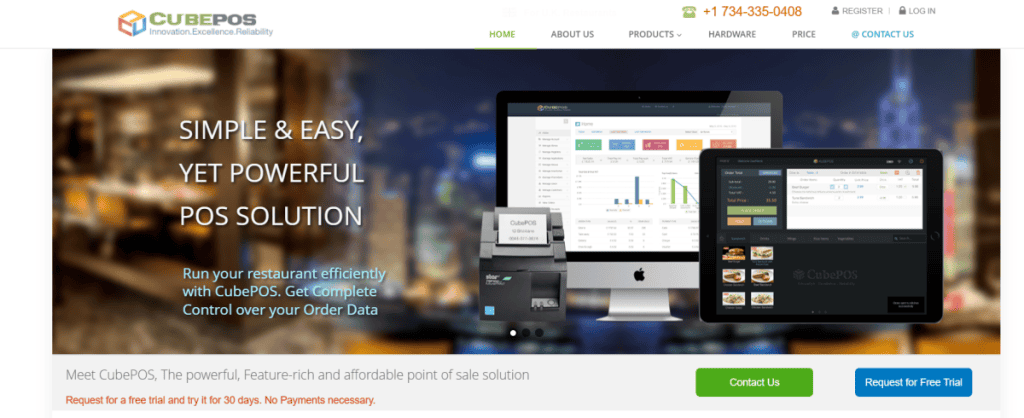
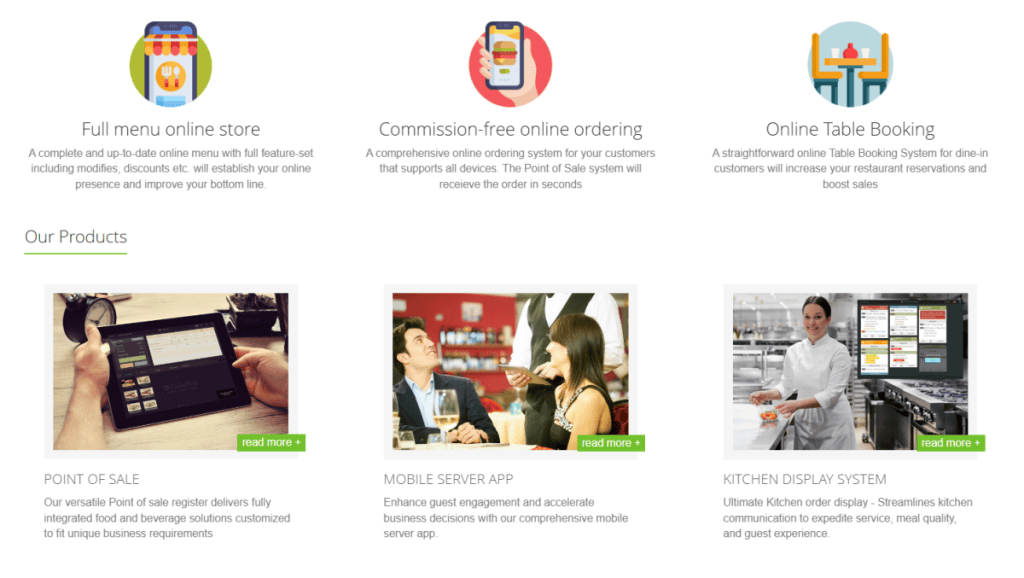
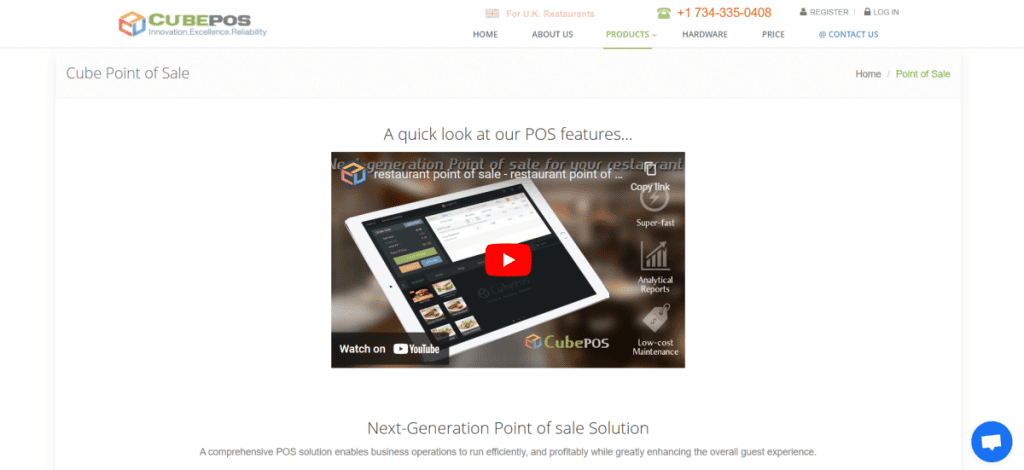
Cube POS is a customizable point-of-sale (POS) solution designed for retail, wholesale, and restaurant businesses. Developed by Cubelogicx, it offers features such as inventory management, customer management, barcode scanning, invoice generation, and data backup and recovery. Lets read more about Cube POS Review.

Efficient POS systems are crucial for businesses in today’s competitive market to streamline operations and improve customer experiences. They make transactions quicker, track inventory more accurately, and provide detailed sales reports to help make informed decisions. POS systems streamline processes, minimizing mistakes and allowing employees to prioritize customer service. Furthermore, they offer multiple payment options to accommodate different customer choices. Installing a strong POS system such as Cube POS can result in enhanced efficiency, better customer happiness, and ultimately, boosted profitability.
Key Features of Cube POS | Cube POS Review

Cube POS is a customizable point-of-sale solution designed to meet the diverse needs of retail stores, wholesale merchants, and restaurants. Its comprehensive features aim to streamline operations and enhance user experience.

User Interface and Usability: Cube POS provides users with a user-friendly interface that makes navigation easier. The system is designed for Windows OS, providing a familiar experience for most users. Its structure allows for easy access to important functions, which decreases training time and prevents mistakes. Special features such as intelligent search for items and integration of item numbers in the menu also improve user-friendliness.

Inventory Management: The platform provides robust inventory tracking capabilities, allowing businesses to monitor stock levels in real-time. Features such as low-stock alerts and supplier management help maintain optimal inventory levels. Bulk inventory updates streamline the process of adding or modifying multiple items simultaneously, improving efficiency.

Sales and Reporting Tools: Cube POS includes an analytics dashboard that presents sales data in a clear and actionable manner. Users can generate reports on sales performance, inventory status, and customer behavior, aiding informed decision-making. The system’s reporting tools are designed to provide insights that drive business growth.

Employee Management: The system allows for the creation of staff roles with specific permissions, ensuring secure access to sensitive information. Time tracking features monitor employee hours, and performance reports assist in evaluating staff productivity. This comprehensive employee management supports effective workforce oversight.

Customer Relationship Management: Cube POS incorporates loyalty programs to offer rewards to frequent customers, promoting customer loyalty. The system gathers customer information, offering understanding of buying behaviors and preferences. These tools empower businesses to customize the customer experience, improving satisfaction and loyalty.

Payment Processing: The platform supports various payment methods, including credit cards and contactless payments, accommodating diverse customer preferences. Integration with popular payment providers ensures secure and efficient transactions, enhancing the checkout experience.

Mobile POS Functionality: Cube POS offers mobile transaction options, enabling businesses to process sales on-the-go. This functionality is particularly beneficial for pop-up shops, events, or any scenario where mobility is essential.

Cube POS Review

Performance and Reliability

Cube POS is designed to deliver consistent performance and reliability, essential for seamless business operations.

System Speed and Downtime: Cube POS users mention that the quick loading times make transaction processing more efficient and reduce customer wait times. The system’s design is structured to efficiently manage large transaction volumes without sacrificing speed. Even though no system is completely invulnerable to occasional problems, It consistently achieves high uptime levels, with only a few reports of system crashes. Furthermore, it includes offline capabilities, enabling businesses to still complete transactions in the event of internet connectivity issues. This guarantees continuous service and avoids possible income loss in case of connectivity interruptions.

Hardware Compatibility: Cube POS is compatible with a range of hardware, including tablets, receipt printers, barcode scanners, and cash drawers. The system supports modern devices, virtually eliminating maintenance issues. For example, the Cube credit card reader connects to popular wireless cash drawers and receipt printers, providing a full point-of-sale solution. Setting up and configuring hardware with Cube POS is straightforward, with user-friendly interfaces and clear instructions guiding users through the process. This ease of setup reduces the time and effort required to get the system operational, allowing businesses to focus on their core activities.

Security and Compliance

In today’s digital landscape, ensuring the security and compliance of POS systems is paramount for businesses handling sensitive customer data. Cube POS addresses these concerns through robust data protection measures and stringent adherence to industry standards.

Data Protection: Cube POS utilizes sophisticated encryption methods to protect transaction information while being processed and stored. This encryption guarantees that confidential data stays out of reach of unauthorized individuals, reducing the chances of data leaks. Furthermore, the system also carries out routine data backups, safeguarding important business data and enabling quick recovery in the event of data loss or system failures.

Compliance with the Payment Card Industry Data Security Standard (PCI-DSS) is a critical aspect of Cube POS’s security framework. By adhering to PCI-DSS guidelines, It ensures that cardholder data is processed, stored, and transmitted securely, reducing the likelihood of fraud and enhancing customer trust. This compliance reflects Cube POS’s commitment to maintaining high security standards in line with industry best practices.

User Permissions and Role Management: Cube POS includes an extensive system for managing user permissions and roles to enhance protection of sensitive data. Administrators have the ability to designate particular roles to employees, each having specific access levels designed to match their duties. This access control system based on roles prevents unauthorized users from accessing sensitive information, thus decreasing the risk of internal data breaches.

The system’s intuitive interface allows for easy configuration of user roles and permissions, enabling businesses to customize access controls to align with their operational needs. Regular audits and monitoring of user activities within Cube POS provide additional layers of security, ensuring that any unauthorized access attempts are promptly identified and addressed.

Pricing and Subscription Plans

Cube POS offers a customizable point-of-sale solution tailored to various business needs. Understanding its pricing structure is essential for businesses considering its implementation.

Overview of Pricing Tiers: Cube POS functions using a pricing model based on quotes, customizing expenses to meet the unique needs of individual businesses. This method guarantees that customers are only charged for features and services that meet their operational requirements. Although specific numbers are not made public, experts in the industry estimate that Cube POS pricing typically begins between $100 and $500. It is recommended that businesses contact Cube POS directly for a personalized price quote.

Regarding additional costs, Cube POS’s pricing model is designed to be transparent, minimizing hidden fees. However, businesses should inquire about potential extra charges for features like advanced reporting tools, integrations with third-party applications, or specialized hardware requirements. Understanding these aspects upfront can help in budgeting and ensuring that the chosen package aligns with the business’s financial expectations.

Value for Money: Assessing the worth of Cube POS requires determining if its features are worth the cost. The system provides a full range of features such as inventory management, CRM, sales reporting, and employee management. These characteristics aim to make operations more efficient, which could result in saving costs and generating higher revenue in the long run.

When compared to competitors, Cube POS’s pricing is competitive, especially considering its customizable nature. For instance, some POS systems like Square offer free basic plans but charge higher transaction fees, while others like Clover provide fixed pricing tiers that may include features unnecessary for certain businesses. Cube POS’s tailored approach allows businesses to select and pay for only the features they need, potentially offering better value for money.

Customer Support and Training

Effective customer support and comprehensive training are crucial for businesses implementing a new POS system.It addresses these needs through a range of support channels and structured onboarding processes.

Availability and Response Times: Cube POS offers multiple customer support options to assist users:

Email Support: Users can reach out via email for detailed inquiries or issues that may require in-depth assistance.

Chat Support: For immediate concerns, a chat feature is available, providing real-time interaction with support representatives.

The support team’s quality and helpfulness are typically highly praised. Customers have mentioned quick replies and successful resolutions to their inquiries. The support team is well-informed about the system’s features, which allows them to effectively handle various issues.

Training and Onboarding: Cube POS provides a structured onboarding process to ensure new users can effectively utilize the system:

User Manuals: Comprehensive manuals are available, detailing system features and step-by-step instructions for various operations.

Tutorials: Interactive tutorials guide users through common tasks, enhancing their familiarity with the system.

Live Training Sessions: For a more personalized experience, live training sessions can be arranged, allowing users to receive hands-on guidance and ask specific questions.

This variety of resources accommodates various learning styles, guaranteeing that all users can become proficient with Cube POS. The onboarding procedure is crafted to be comprehensive yet effective, reducing downtime when switching to the new system.

Cube POS Review

User Reviews and Feedback

User reviews provide valuable insights into the effectiveness and user experience of Cube POS. Analyzing feedback from various sources reveals both strengths and areas for improvement.

Positive Feedback: Numerous customers praise Cube POS for its user-friendly interface and simplicity. The system’s layout makes it easy to navigate, making it easier for new users to get the hang of it. Inventory management and sales reporting features are often praised for their effectiveness and trustworthiness. Customers value Cube POS for its ability to be customized, enabling businesses to personalize the system according to their individual requirements. Furthermore, the customer service team is commended for being both quick to respond and supportive, enhancing the overall satisfaction of customers.

Areas for Improvement: Despite the positive feedback, some users have identified areas where Cube POS could enhance its offerings. A common concern is the limited integration capabilities with certain third-party applications, which can hinder seamless operations for businesses relying on specific software tools. Additionally, while the system is generally stable, a few users have reported occasional glitches or slowdowns during peak usage times. Another point of feedback pertains to the pricing structure; some users feel that the cost may be prohibitive for smaller businesses, especially when considering additional fees for advanced features.

To address these worries, Cube POS has taken proactive steps to listen to user feedback. According to reports, the development team is currently focused on enhancing integration options to support a wider variety of third-party applications. Work is being done to improve system efficiency and maintain stability when there is a high volume of traffic. Cube POS provides flexible pricing options, where businesses can choose features based on their financial and operational requirements.

Pros and Cons of Cube POS

Evaluating the advantages and disadvantages of Cube POS provides a comprehensive understanding of its suitability for various business needs.

Pros

Customizable Interface: Cube POS offers a user-friendly interface that can be tailored to specific business requirements, enhancing operational efficiency.

Comprehensive Inventory Management: The system provides robust inventory tracking, including real-time stock levels and low-stock alerts, aiding in effective inventory control.

Detailed Reporting and Analytics: Cube POS offers a analytics dashboard which provides useful sales data, aiding in making informed decisions.

Employee Management Tools: The platform includes functionalities for staff role assignments, time tracking, and performance evaluations, supporting effective workforce management.

Customer Relationship Management: Integration with loyalty programs and access to customer data insights enable personalized customer experiences, fostering loyalty.

Multiple Payment Processing Options: Cube POS supports various payment methods, including credit cards and contactless payments, accommodating diverse customer preferences.

Mobile POS Functionality: The system’s mobile capabilities allow for transactions on the go, beneficial for businesses operating in dynamic environments like pop-up shops.

Cons

Limited Integration Capabilities: Some users have noted challenges in integrating Cube POS with certain third-party applications, which may hinder seamless operations for businesses relying on specific software tools.

Occasional Performance Issues: Despite being mostly steady, there have been occasional reports of glitches or slowdowns during times of high usage, which could impact transaction effectiveness.

Pricing Structure: The cost of Cube POS may be prohibitive for smaller businesses, especially when considering additional fees for advanced features.

Hardware Compatibility: Although Cube POS supports a range of hardware, some users have experienced difficulties during the setup and configuration process, which can delay implementation.

Who Should Use Cube POS?

Cube POS is a versatile point-of-sale system designed to cater to a wide range of business types and sizes. Its customizable features and user-friendly interface make it suitable for various industries seeking efficient transaction processing and management solutions.

Ideal Business Types and Sizes

Retail Stores: Small to medium-sized retail businesses can benefit from Cube POS’s inventory management and sales reporting capabilities, which streamline operations and enhance customer service.

Restaurants and Cafés: Food service businesses can improve order accuracy and service speed by using features such as table management, order tracking, and integration with kitchen display systems.

Wholesale Businesses: Wholesalers can manage large inventories and track customer orders effectively, ensuring smooth supply chain operations.

Service-Based Businesses: Salons, spas, and repair shops can use appointment scheduling and customer management features to enhance client satisfaction and operational efficiency.

Scenarios Where Cube POS Would Be Most Beneficial

Multi-Location Management: Businesses operating multiple locations can benefit from Cube POS’s centralized management system, allowing for consistent operations and reporting across all sites.

Mobile Sales Environments: Pop-up shops, market stalls, and event vendors can leverage Cube POS’s mobile functionality to process transactions on the go, providing flexibility and convenience.

Customer Loyalty Programs: Businesses wanting to develop or improve loyalty programs can make use of Cube POS’s customer relationship management tools to monitor customer purchases and incentivize return business.

Detailed Reporting Needs: Companies requiring in-depth sales analysis and reporting can take advantage of Cube POS’s comprehensive analytics tools to make data-driven decisions and improve overall business performance.

Cube POS Review

Final Verdict

Cube POS is a dependable point-of-sale system that can be tailored to different types of businesses, with a focus on retail stores, restaurants, and service-based businesses. Highly suggested for small to medium-sized businesses seeking to enhance efficiency by streamlining operations, thanks to its strong features and user-friendly interface.

FAQs

Does Cube POS work offline?

Yes, Cube POS offers offline functionality, allowing businesses to process transactions without an active internet connection. During offline periods, the system securely stores transaction data locally. Once connectivity is restored, it automatically syncs the stored data to ensure accurate records and seamless operations.

What kind of businesses can benefit the most from Cube POS?

Cube POS is versatile and caters to various industries, including retail stores, restaurants, cafés, and service-based businesses like salons and spas. It is particularly beneficial for small to medium-sized enterprises seeking an efficient, user-friendly point-of-sale solution to streamline operations and enhance customer service.

How secure is Cube POS for handling sensitive payment information?

Cube POS prioritizes security by implementing advanced encryption protocols to protect sensitive payment data during transactions. Additionally, it adheres to industry standards such as the PCI-DSS, ensuring compliance and safeguarding customer information against potential breaches.

ShopKeep Review

ShopKeep Review

ShopKeep, which has been rebranded as ShopKeep by Lightspeed, is a cloud-based POS system that aims to simplify business processes for small to medium-sized businesses. Founded in 2008, ShopKeep now caters to more than 23,000 businesses in the US and Canada, such as retail stores, cafes, eateries, and pubs. Lets read more about ShopKeep Review.

The platform provides a wide range of features designed specifically for small and medium-sized enterprises. These involve controlling inventory, monitoring employees, analyzing sales, and managing customer relationships. ShopKeep allows businesses to efficiently handle transactions, monitor sales, and manage inventory in real-time through an intuitive iPad interface.

In the year 2020, Lightspeed, a top provider of cloud-based commerce solutions, purchased ShopKeep. This purchase has enabled ShopKeep to merge more smoothly with the Lightspeed ecosystem, providing users with improved features and support.

Key Features of ShopKeep | ShopKeep Review

ShopKeep is a comprehensive point-of-sale system designed to streamline various aspects of business operations. Its key features include inventory management, employee management, sales reporting and analytics, customer relationship management, mobile POS capabilities, and e-commerce integration.

Inventory Management: ShopKeep offers robust inventory tracking capabilities, allowing businesses to monitor stock levels in real-time. The system provides low-stock alerts, ensuring timely reordering to prevent stockouts. Additionally, it facilitates vendor management by organizing supplier information and purchase orders, streamlining the restocking process.

Employee Management: The platform includes time tracking features, enabling employees to clock in and out directly through the system. User permissions can be customized to control access to sensitive information and functions. Performance reporting features offer insights into individual employee sales and activities, aiding in staff management and development.

Sales Reporting and Analytics: ShopKeep offers different sales reports like daily summaries, sales per item, and sales per employee. The customizable analytics tools enable businesses to customize reports based on their specific requirements. This adaptability helps to recognize patterns and make well-informed choices.

Customer Relationship Management: The CRM features support loyalty program integration, helping businesses reward repeat customers. Email marketing tools enable targeted campaigns based on customer insights gathered from purchase histories and preferences, enhancing customer engagement and retention.

Mobile POS Capabilities: ShopKeep’s mobile POS system works smoothly on tablets and smartphones, enabling transactions beyond the usual checkout counter. This flexibility is especially beneficial for businesses in changing environments, like food trucks or temporary retail stores, enabling quick and efficient transactions.

E-commerce Integration: The system offers options for online store synchronization, connecting physical and digital sales channels. This integration ensures consistent inventory levels across platforms and provides a unified view of sales data, supporting a cohesive omnichannel strategy.

ShopKeep Review

User Experience and Interface

ShopKeep’s user experience is designed to be intuitive and accessible, catering to both beginners and experienced users. The interface features a clean, uncluttered layout that simplifies navigation and enhances usability. The main dashboard provides quick access to essential functions such as sales processing, inventory management, and reporting tools, allowing users to perform tasks efficiently.

ShopKeep provides beginners with an easy setup process through guided tutorials and support resources, making the onboarding experience seamless. Experienced users will find value in the system’s intricacy, allowing them to handle complicated tasks without added complexity.

The layout of the navigation is well-structured, featuring easily identifiable menus and icons that reduce the need for extensive learning. Users can switch between different sections, like sales, inventory, and employee management, with ease and without any confusion. The adaptive design makes sure that the interface adjusts effectively to different devices like tablets and smartphones, while keeping a consistent look on all platforms.

ShopKeep also offers a degree of dashboard customizability, allowing users to tailor the interface to their specific business needs. Users can rearrange widgets, prioritize frequently used features, and adjust settings to align with their workflow preferences. This flexibility enhances productivity by enabling users to create a personalized workspace that suits their operational requirements.

Setup and Installation

Setting up ShopKeep is designed to be straightforward, allowing businesses to get their point-of-sale system operational with minimal effort. The initial setup process involves creating an account, configuring business settings, and installing the ShopKeep app on compatible devices. Users are guided through each step, ensuring that essential components such as tax rates, inventory items, and employee profiles are properly configured.

ShopKeep is mainly a POS system designed for use on iPads, which must have iOS 9.3.5 or later. The system can work with a variety of hardware devices, such as receipt printers, cash drawers, barcode scanners, and credit card readers. ShopKeep provides hardware starter kits with necessary items such as a cash drawer, receipt printer, iPad enclosure, and credit card reader. These kits are customized for various types of businesses, making sure users have the right tools for their particular needs. Furthermore, ShopKeep offers a variety of individual hardware products that businesses can choose from to tailor their setup to suit their specific requirements.

To assist users during the installation process, ShopKeep provides comprehensive support resources. The support website includes detailed guides for setting up software and hardware components, as well as troubleshooting common issues. Furthermore, ShopKeep’s customer support team is available through phone, email, and live chat, offering assistance to resolve any setup-related challenges efficiently.

Overall, ShopKeep’s setup and installation process are user-friendly, but like any technology integration, there may be minor challenges. These could include connecting hardware components or syncing data correctly. However, the wealth of resources and responsive support provided by ShopKeep helps mitigate these issues, ensuring a smooth installation experience for most users.

Pricing and Subscription Plans

ShopKeep, now integrated into Lightspeed’s suite of services, offers a range of subscription plans designed to cater to various business needs. The pricing structure is tiered, providing options that align with the scale and requirements of different enterprises.

Overview of Pricing Structure and Inclusions

ShopKeep’s subscription plans are structured to offer increasing levels of functionality:

Basic Plan: This entry-level option includes essential POS features such as contactless payments, unlimited transactions, advanced reporting, unlimited inventory management, support for an unlimited number of employees, and 24/7 customer support. It also provides an eCommerce website and online ordering capabilities. The Basic Plan is priced at $49 per month when billed annually or $69 per month when billed monthly.

Essential Plan: Adding to the Basic Plan, the Essential Plan includes enhancements such as a mobile reporting app, integration with QuickBooks accounting software, MailChimp for email marketing, and support for gift cards. This plan can be purchased for $79 per month with an annual billing option, or $99 per month with a monthly billing option.

Advanced Plan: The most comprehensive offering, the Advanced Plan, includes all features from the Essential Plan and adds unlimited registers, priority customer support, a customer loyalty program, online business listings management, multi-location management tools, and a free hardware bundle. This plan is priced at $179 per month when billed annually or $199 per month when billed monthly.

Comparison of Different Plans

The Basic Plan is suitable for small businesses seeking fundamental POS functionalities without the need for advanced integrations. The Essential Plan caters to growing businesses that require additional tools for accounting, marketing, and customer engagement. The Advanced Plan is designed for larger enterprises with multiple locations, offering comprehensive features to manage complex operations effectively.

Value for Money and Hidden Fees

ShopKeep’s pricing is competitive within the POS market, especially considering the breadth of features included in each plan. The absence of long-term contracts provides flexibility for businesses to adjust their subscription as needed. While the subscription fees are transparent, it’s important for businesses to be aware of potential additional costs, such as payment processing fees, hardware purchases, and any third-party integrations that may incur extra charges. ShopKeep emphasizes transparent pricing, but users should review the terms carefully to ensure all costs align with their budget and operational needs.

ShopKeep Review

Customer Support and Service

ShopKeep, now operating under Lightspeed, offers a comprehensive customer support system designed to assist users through various channels. Support is available via phone, email, and live chat, ensuring that businesses can access help through their preferred method. Phone support is available Monday to Friday from 8 AM to 11 PM ET, while chat support is accessible 24/7, providing continuous assistance for urgent issues.

The quality and response time of ShopKeep’s support have been commended by many users. The support team is known for its promptness and professionalism, often resolving issues efficiently. The availability of 24/7 chat support is particularly beneficial for businesses operating outside standard hours or in different time zones, ensuring that help is always at hand.

Customer feedback on ShopKeep’s customer service is mostly favorable. Numerous clients value the quick and supportive nature of the customer service team. Nevertheless, certain users have experienced difficulties, especially after switching to Lightspeed. Concerns about delayed response times and challenges in solving particular issues have been observed. For example, certain users have shared their frustrations about customer service, pointing out ongoing problems with processing and inventory control.

Security Features

ShopKeep, now integrated into Lightspeed’s suite of services, places a strong emphasis on security to protect sensitive business and customer information. The platform employs robust data encryption and adheres to stringent security compliance standards to ensure the confidentiality and integrity of data.

Data Encryption and Security Compliance: ShopKeep utilizes advanced encryption protocols to safeguard data during transmission and storage. This approach ensures that sensitive information, such as payment details and personal data, remains protected from unauthorized access. Additionally, ShopKeep complies with industry-standard security measures, including Payment Card Industry Data Security Standard (PCI DSS) requirements, to maintain a secure environment for processing transactions.

Protection Against Fraud and Data Breaches: In order to reduce the chances of fraud and data breaches, ShopKeep enforces multiple protective measures. The system utilizes point-to-point encryption (P2PE) to encrypt card data as it is entered, decreasing the risk of interception during transmission. Moreover, ShopKeep consistently enhances its system with the newest security features and protocols to safeguard businesses from emerging threats.

Ensuring Transaction Security: ShopKeep ensures transaction security through the integration of EMV (Europay, MasterCard, and Visa) technology, which adds an additional layer of protection against counterfeit card fraud. The platform also supports contactless payment options, such as Apple Pay, which utilize tokenization to secure transaction data. By offering these secure payment methods, ShopKeep provides businesses and their customers with confidence in the safety of their transactions.

Hardware Options and Compatibility

ShopKeep, now part of Lightspeed’s range of services, provides various hardware options intended to enhance its POS software. Businesses must understand the hardware available to them and how well it works with third-party devices in order to maximize their operations.

Overview of ShopKeep’s Proprietary Hardware: ShopKeep provides proprietary hardware solutions tailored to various business needs. These include:

iPad Stands: Designed to securely hold iPads, these stands facilitate seamless transactions and enhance the checkout experience.

Receipt Printers: High-speed thermal printers ensure quick and reliable receipt printing, essential for customer satisfaction.

Cash Drawers: Durable and secure cash drawers integrate smoothly with the POS system, ensuring efficient cash management.

Barcode Scanners: Efficient scanning devices streamline the checkout process, reducing errors and improving speed.

These hardware components are engineered to work seamlessly with ShopKeep’s software, providing a cohesive and reliable POS solution.

Compatibility with Third-Party Devices: In addition to proprietary hardware, ShopKeep is compatible with various third-party devices, offering flexibility for businesses with existing equipment. Supported third-party hardware includes:

Printers: Models from brands like Epson and Star Micronics are compatible, allowing businesses to choose printers that meet their specific requirements.

Cash Drawers: Standard cash drawers that connect via printer-driven interfaces can be integrated into the system.

Barcode Scanners: Bluetooth-enabled scanners from reputable manufacturers are supported, facilitating wireless operations.

This compatibility enables businesses to leverage existing hardware investments, reducing the need for additional expenditures.

Recommendations for Different Types of Businesses: Selecting the appropriate hardware setup depends on the nature and scale of the business:

Retail Stores: A comprehensive setup including an iPad stand, receipt printer, cash drawer, and barcode scanner is recommended to handle high transaction volumes efficiently.

Quick-Service Restaurants: Implementing a robust receipt printer and cash drawer, along with a kitchen printer for order processing, enhances operational efficiency.

Mobile Businesses: Utilizing portable hardware such as a Bluetooth-enabled barcode scanner and a mobile receipt printer allows for flexible and on-the-go transactions.

By aligning hardware choices with specific operational needs, businesses can optimize their POS systems for enhanced performance and customer satisfaction.

ShopKeep Review

Pros and Cons

ShopKeep, now integrated into Lightspeed’s suite of services, offers a range of features designed to streamline business operations. However, like any system, it has its strengths and areas that could benefit from improvement.

Pros

User-Friendly Interface: ShopKeep’s intuitive design ensures that both new and experienced users can navigate the system with ease, reducing the learning curve and facilitating quick adoption.

Comprehensive Inventory Management: The platform offers strong tools for monitoring inventory levels, creating alerts for low stock, and handling vendor details, especially useful for retail companies.

Employee Management Features: ShopKeep includes functionalities for time tracking, user permissions, and performance reporting, aiding in efficient staff management and operational oversight.

24/7 Customer Support: The availability of round-the-clock support via phone, email, and live chat ensures that businesses can receive assistance whenever needed, minimizing downtime.

Mobile POS Capabilities: The system’s compatibility with mobile devices allows for flexible transaction processing, which is advantageous for businesses operating in dynamic environments like food trucks or pop-up shops.

Cons

Limited Advanced Features: Some users have noted that ShopKeep may lack certain advanced functionalities found in other POS systems, which could be a limitation for businesses with complex needs.

Pricing Transparency: While ShopKeep offers various subscription plans, some users have expressed concerns about the clarity of pricing structures and additional fees, making it harder to forecast total costs.

Integration Limitations: The system’s integration options, while functional, may not be as extensive as some businesses require, especially for those needing specialized software or tools.

Conclusion

ShopKeep provides a strong, easy-to-use POS system with useful features tailored to small to medium-sized businesses, specifically in the retail and hospitality industries. Its user-friendly interface, extensive inventory features, and robust support make it perfect for expanding businesses. In general, ShopKeep is a reliable option for individuals looking for effectiveness and adaptability.

FAQs

How does ShopKeep handle offline transactions?

ShopKeep allows businesses to continue processing sales even when the internet connection is lost. Transactions are securely stored offline and automatically synced with the system once the internet is restored, ensuring no sales data is lost.

Can I integrate ShopKeep with my existing accounting software?

Yes, ShopKeep can integrate with popular accounting software like QuickBooks. This integration simplifies financial management by automatically syncing sales data, reducing manual data entry and streamlining accounting processes.

What types of businesses are best suited for ShopKeep?

ShopKeep is ideal for small to medium-sized businesses, including retail stores, restaurants, and cafes, where inventory management, employee tracking, and mobile transactions are crucial.

Switch Commerce Review

Switch Commerce Review

Switch Commerce, founded in 2003 and based in Irving, Texas, is a payment processing solution that is well-known for its expertise in ATM processing. Operating in multiple areas such as the U.S., U.S. Virgin Islands, Puerto Rico, and some parts of the Asia-Pacific region, the company is designed to cater to the demands of different sectors, specifically those with large transaction amounts and cash requirements. Switch Commerce has established itself as a versatile choice for small businesses and larger organizations in industries such as retail, convenience stores, gas stations, restaurants, and dispensaries, offering robust ATM and cash management solutions. Let’s delve deeper into the Switch Commerce Review.

Switch Commerce’s core services include a suite of ATM management features designed to streamline cash handling and improve business efficiencies. The company offers proprietary Terminal Management Systems (TMS), which enable businesses to monitor their ATM networks, manage settlements, and receive real-time alerts on terminal status, a crucial feature for ensuring seamless operations. Additionally, Switch Commerce’s Vault Cash Program allows businesses to keep their working capital in other investments, while the company handles ATM cash stocking. Another notable feature, Dynamic Currency Conversion (DCC), allows businesses in high-tourism areas to earn additional revenue by enabling foreign currency transactions directly at ATMs, appealing to both the tourism sector and international clientele.

The value proposition for businesses lies in Switch Commerce’s strong focus on reliability and customization. With a reported 99.999% system uptime, businesses can rely on uninterrupted access to ATMs and processing services. The company’s solutions cater to diverse needs across industries and provide added revenue opportunities, positioning Switch Commerce as a strong contender for businesses looking for dedicated ATM services rather than broader payment processing. This targeted approach helps distinguish Switch Commerce in a competitive market focused on cash-based and ATM-centric operations.

Company Background

Switch Commerce, founded in 2003, is headquartered in Irving, Texas, and has established itself as a prominent player in ATM processing and cash management solutions. Initially focused on ATM processing, the company quickly expanded its service capabilities to address various needs within the ATM industry, including advanced terminal management, cash vault services, and currency conversion options. This growth has allowed Switch Commerce to carve a niche in ATM and financial services, particularly within the United States, the U.S. Virgin Islands, Puerto Rico, and parts of the Asia-Pacific region.

From the beginning, Switch Commerce has focused on prioritizing customers by creating a transaction processing platform that is reliable and responsive to their needs. One of the key service expansions is the implementation of the Vault Cash Program, which allows businesses to release working capital by having Switch Commerce handle cash for ATM restocking. This action has caused Switch Commerce to be highly favored by businesses wanting to uphold liquidity and still use on-site ATMs. Another significant development is the implementation of DCC feature on ATMs in popular tourist locations, enabling foreign cardholders to conduct transactions in their own currencies, benefiting

Today, Switch Commerce serves a diverse customer base, from retail outlets and convenience stores to gas stations and restaurants, supporting both small and large businesses. By consistently focusing on specialized ATM services and reliable operational support, the company has maintained steady growth and remains a go-to provider for businesses that prioritize cash handling efficiency and innovative ATM solutions. Its robust, globally distributed network and customer-oriented approach have positioned it as a respected name in the industry.

Switch Commerce Review

Key Services and Solutions Offered

Switch Commerce offers a robust set of services focused on ATM processing, cash management, and mobile solutions tailored to diverse business needs. Specializing in financial transactions, its services are widely used by retail outlets, convenience stores, gas stations, and high-volume cash businesses, making it a versatile choice in the transaction processing industry.

Payment Processing Solutions: Although primarily an ATM processor, it also facilitates key payment methods such as credit and debit cards. This setup supports traditional transaction types and integrates easily with businesses that process credit cards alongside ATMs. In high-tourist areas, Switch Commerce’s DCC option allows ATMs to accept foreign currencies, a significant advantage for businesses looking to capture international transactions, especially in airports and tourist hotspots.

ATMs and Cash Management: Switch Commerce’s primary service revolves around ATM services, providing TMS to help businesses oversee ATM status, handle cash flow, and troubleshoot from a distance. TMS offers real-time reporting to assist users in staying efficient and settling disputes by accessing transaction histories. Switch Commerce’s Vault Cash Program assists cash-heavy businesses by offering cash-loading and reconciliation services, enabling them to increase available working capital. Automated reversal functionalities also decrease the necessity for manual processing of undispensed transactions, simplifying operations.

Mobile Payment Solutions: The mobile transaction capabilities of Switch Commerce extend to both retail and remote environments, making it suitable for businesses on the go. Its Mobile Terminal Management System (MTMS) enables easy ATM management from mobile devices, alerting businesses to low funds and allowing real-time adjustments to ATM status.

Point of Sale Solutions: Switch Commerce’s POS solutions focus on compatibility and seamless integration, providing businesses with adaptable software that supports various retail operations. These POS systems are designed to integrate smoothly with existing transaction processes, enabling efficient management of sales, cash flow, and customer transactions. This versatility in Switch Commerce’s offerings helps businesses of all sizes and types achieve streamlined operations and optimized financial transactions.

Platform Features and Technology

It offers a feature-rich platform focused on usability, security, and scalability, designed to meet the transaction needs of businesses of various sizes and industries. The dashboard and interface of Switch Commerce emphasize ease of use and accessibility, allowing business operators to navigate intuitively through the platform. The dashboard supports real-time transaction insights, enabling users to monitor activity and access detailed reporting. This setup is particularly useful for businesses requiring clear, immediate data for transaction tracking and decision-making.

Switch Commerce follows strict industry regulations, such as PCI-DSS compliance, to ensure the security and compliance of user data during transactions. The system utilizes high-level security measures like data encryption and multi-factor authentication to prevent fraud and unauthorized entry, lowering the dangers related to confidential financial data. It ensures a secure environment by performing regular audits and updating security protocols, meeting regulatory requirements to uphold vital security standards and maintain customer trust.

Customization and scalability are core strengths of Switch Commerce, allowing the platform to adapt to various business sizes and operational needs. Its flexible architecture supports small and medium-sized enterprises as well as larger operations, providing tailored solutions to accommodate different transaction volumes and security requirements. Integration with various business types, from retail to specialized high-cash industries, is seamless, making Switch Commerce an adaptable solution. This level of customization and scalability enables businesses to adjust their usage of Switch Commerce as they grow, ensuring that their transaction management capabilities evolve alongside their operational needs.

Customer Support and Service Quality

Switch Commerce’s customer support and service quality are designed to provide dependable assistance to businesses, prioritizing accessibility, responsiveness, and dedicated resources. The company offers 24/7 support via phone and email, ensuring round-the-clock access to assistance for transaction processing, ATM management, and technical issues. Level 1 support is available at all times, with Level 2 support offered during business hours for more specialized needs, providing a flexible structure that suits businesses of all sizes and transaction volumes.

Customer experiences with Switch Commerce’s support generally reflect positively on the quality of service, emphasizing knowledgeable representatives and quick responses to issues, particularly for real-time troubleshooting and compliance inquiries. The company’s dedicated team aids clients with operational and technical challenges, often assisting Independent Sales Organizations (ISOs) and other ATM providers in managing their portfolios. To ease onboarding, it provides training resources, familiarizing clients with the platform’s interface, reporting tools, and compliance requirements, which helps businesses leverage the system efficiently from the start.

Switch Commerce provides dedicated account managers to offer personalized support to businesses in need of extra guidance. These managers serve as the primary contacts for clients, helping them with integrating services, setting up technical configurations, and understanding compliance requirements. This approach is advantageous for clients with intricate operational needs or regulatory demands, offering personalized advice and strategic assistance.

By combining 24/7 access, personalized account management, and extensive onboarding, Switch Commerce effectively supports businesses in maintaining smooth transaction processes and compliant operations, making it a reliable choice for companies that prioritize consistent and accessible service.

Pricing Structure and Contracts

Switch Commerce offers a flexible pricing structure, though detailed pricing information, including transaction fees, setup costs, and other charges, is not openly disclosed on its website. While the company’s previous rates for services like iPayHere were publicly listed, recent updates have removed most of the pricing details, making it challenging to gauge costs precisely without a direct consultation. However, available reports suggest a competitive transaction rate structure, including a swipe rate around 2.99% and fixed monthly fees, which aligns with industry norms for similar services.

Regarding contract terms, Switch Commerce does not publish specific details about contract lengths or early termination fees, which can sometimes be important for prospective clients to understand fully before committing. While minimum contract lengths and potential cancellation policies remain unconfirmed, it’s common in the industry for providers like Switch Commerce to operate with multi-year agreements that may carry penalties if terminated early. Therefore, businesses considering Switch Commerce are encouraged to review any contract terms thoroughly to avoid unforeseen commitments.

Switch Commerce is highly regarded for its value for money, as it provides specialized ATM management services along with currency conversion and automated transaction reversals, which can lead to increased operational efficiency and revenue possibilities. Customers have noted that despite the need for extra research due to the absence of clear public pricing, the specialized services for ATMs, along with excellent customer service, often result in a positive ROI when compared to regular ATM service providers. In general, despite some unclear pricing details, Switch Commerce’s wide range of solutions provides significant value for cash-heavy businesses looking for specialized ATM solutions.

Switch Commerce Review

Pros and Cons of Using Switch Commerce

Switch Commerce has several notable pros and cons, making it suitable for specific business needs while leaving room for improvement in other areas.

Pros: Switch Commerce offers unique strengths, particularly in its specialized services for ATM management. With a high uptime rate (99.999%) and advanced TMS, businesses can monitor, control, and troubleshoot their ATMs remotely, which is invaluable for companies with multiple locations or high cash flow needs. Additionally, Switch Commerce’s Vault Cash Program enables businesses to free up working capital by managing ATM cash stocking, a major advantage for companies that want to focus their resources elsewhere. The platform’s DCC feature also supports international transactions at ATMs, catering to high-tourism areas and allowing businesses to earn from currency exchange fees.

Cons: Switch Commerce’s pricing transparency is limited, as specific transaction fees, setup costs, and contract terms are not readily available. This lack of openness can make it challenging for businesses to fully assess costs and make informed decisions. Additionally, while Switch Commerce is known for its ATM-centric offerings, it does not currently support broader payment processing or POS services, which may limit its appeal for businesses seeking an all-in-one solution. The absence of publicized contract terms, like cancellation fees or minimum contract lengths, can also be a drawback, as it introduces potential uncertainty for customers regarding long-term commitments and exit options.

Areas for Potential Improvement: Increased clarity in pricing and contract terms would greatly improve Switch Commerce’s attractiveness by enabling businesses to assess its cost-effectiveness more effectively. Adding comprehensive payment processing services, such as credit card or POS systems, could enhance Switch Commerce’s versatility for businesses requiring various financial transaction solutions beyond ATM management. Focusing on these areas may enhance Switch Commerce’s positioning as a preferred solution for various business types and transaction requirements.

Customer Reviews and Reputation

Switch Commerce generally receives favorable reviews from users, reflecting positive experiences across its ATM processing and customer service. Users often praise the platform for its reliability and ease of use, highlighting how its tools for ATM management streamline operations. Many customers report satisfaction with Switch Commerce’s user-friendly interface and responsiveness, especially for businesses managing multiple ATMs. Additionally, several reviews commend the company’s competitive rates and the efficient support from its customer service team, noting that assistance is both prompt and effective.

In terms of industry reputation, Switch Commerce is recognized for its specialized ATM processing services and is generally well-regarded among ISOs and small to medium businesses. While it does not yet hold any prominent awards, the platform’s 99.999% uptime and reliability are consistently noted as industry strengths. These features, along with programs like DCC and Vault Cash, have positioned Switch Commerce as a reliable solution, particularly for businesses in high-cash flow sectors such as retail and hospitality.
Indicators of customer satisfaction show a combination of positive and average feedback. Although Switch Commerce does not have accreditation from the Better Business Bureau, it has few complaints, indicating a mostly happy customer group. Switch Commerce has a high rating of approximately 4 out of 5 on Trustburn, with customers often mentioning dependable service and supportive customer assistance. Overall, the platform has become a reliable ATM processor for various business needs due to its strong performance in customer service, reliability, and functionality.

Competitor Comparison

Switch Commerce’s main competitors include large payment processors and ATM service providers like NCR, Fiserv, Heartland Payment Systems, and Global Payments. Each of these companies offers a range of financial technology solutions, though their focus areas and service scopes vary. NCR and Fiserv, for example, are well-established in both digital banking and retail technology, providing integrated solutions that go beyond ATM management to include broader transaction processing, POS services, and financial data management tools. These companies are industry giants with extensive networks and advanced technology for end-to-end payment and banking needs.

Switch Commerce is notable for its expertise in managing ATMs and providing solutions for handling cash. Switch Commerce differentiates itself from bigger competitors by specializing in ATM processing, cash-loading services, and high-cash-flow tools, attracting businesses that value ATM performance and cash flow optimization. Businesses can efficiently handle cash reserves and make money from foreign currency exchanges with unique services like the Vault Cash Program and Dynamic Currency Conversion for ATMs. Switch Commerce is especially attractive for businesses in high ATM usage or tourist-centric locations due to its customized services, which can generate additional income through DCC.

Additionally, Switch Commerce’s 99.999% uptime and advanced TMS provide clients with reliability and detailed control over their ATMs, a benefit that isn’t typically emphasized by larger multi-service providers. This level of uptime and focus on specialized ATM management can be a decisive factor for companies that rely heavily on ATM availability and require a streamlined, dedicated solution without the added complexity of broad-scale financial products.

Switch Commerce Review

Conclusion

Switch Commerce is the perfect solution for businesses that have a large requirement for ATMs, especially in industries with high amounts of cash flow such as retail, convenience stores, and areas frequented by tourists. Best suited for small to medium-sized businesses prioritizing specialized cash solutions over broad payment processing, with a focus on ATM management, cash handling, and reliable uptime.

FAQs

What types of businesses benefit most from Switch Commerce?

Switch Commerce is particularly advantageous for high-cash-flow businesses like retail stores, convenience stores, and gas stations, as well as tourist-heavy locations where DCC can enhance revenue through foreign exchange fees.

How secure is Switch Commerce’s payment processing?

Switch Commerce prioritizes security with PCI-DSS compliance and advanced data encryption protocols, ensuring high standards of transaction security and fraud prevention, making it a secure option for sensitive payment data handling.

What is the cancellation policy for Switch Commerce’s contracts?

Specifics on contract length and cancellation fees are typically disclosed during the consultation, and businesses are encouraged to confirm these terms directly with Switch Commerce representatives to avoid unexpected commitments.

Nationwide Payment Solutions Review

Nationwide Payment Solutions Review

Nationwide Payment Solutions (NPS) is a U.S.-based payment processing company that provides a range of services designed to meet diverse business needs, from small businesses to larger enterprises. Founded in 2002, NPS has developed a reputation for offering flexible and secure payment solutions, including credit card processing, electronic check acceptance, and e-commerce options. By focusing on simplifying transactions, NPS helps businesses streamline payment operations and enhance customer experiences. Let’s delve deeper into the Nationwide Payment Solutions Review.

In today’s digital world, businesses must prioritize efficient payment processing in order to reach a wider customer base and facilitate smooth transactions. Nationwide Payment Solutions meets this need by offering a range of products such as POS systems, mobile payment options, and customized e-commerce solutions. Their offerings cater specifically to retail, hospitality, and service sectors by supporting a range of payment methods and seamlessly integrating with common POS equipment and software. Moreover, NPS places a strong emphasis on security through PCI-compliant measures and fraud protection, building trust with both businesses and customers.

Key Features and Services of Nationwide Payment Solutions

Nationwide Payment Solutions provides a full range of payment services customized for different business requirements. Their Merchant Account Services simplify the process of setting up accounts for businesses to be able to accept various forms of payments such as credit, debit, and mobile payments. Nationwide Payment Solutions provides specialized assistance for a seamless setup process, offering advice on integrating payment solutions for optimal efficiency. Furthermore, NPS serves industries with specific needs, such as retail, food trucks, and high-risk sectors, offering customized configurations to meet their requirements.

Point-of-Sale (POS) Solutions are a core offering of NPS, designed to support diverse industries such as retail, hospitality, and even high-risk sectors like cannabis. NPS’s POS systems integrate seamlessly with popular hardware and software, providing businesses with real-time inventory tracking, customer management, and reporting tools. These systems allow for contactless payments through NFC, ensuring businesses stay current with consumer preferences and safety standards.

For businesses needing secure online transactions, E-commerce Payment Solutions from Nationwide Payment Solutions include payment gateways that integrate with various shopping cart platforms. These solutions prioritize secure processing with PCI-compliant encryption, protecting sensitive customer data. NPS also offers tools like electronic invoicing and recurring billing, essential for subscription-based businesses. Their wide range of payment integrations allows for flexible, future-proof solutions tailored to business-specific needs.

Overall, Nationwide Payment Solutions emphasizes flexibility, security, and customer-centric solutions, making it a versatile choice for businesses across industries. Whether a small startup or an established enterprise, NPS’s comprehensive approach to payment solutions empowers businesses to optimize their transaction processes effectively.

Nationwide Payment Solutions Review

Specialized Payment Solutions Offered by Nationwide Payment Solutions | Nationwide Payment Solutions Review

Nationwide Payment Solutions provides a range of specialized payment solutions designed to cater to diverse business needs.

Mobile Payment Solutions: Nationwide Payment Solutions allows businesses to receive payments while on the move, providing mobile payment processing features that work with both Android and iOS devices. This flexibility enables merchants to conduct transactions at any location and time, improving customer convenience and increasing sales prospects.

Recurring Billing and Invoicing: For businesses operating on a subscription model, NPS offers robust recurring billing options and invoicing tools. These features automate the billing process, ensuring timely payments and reducing administrative workload, which is particularly beneficial for service-based industries.

ACH and eCheck Processing: Nationwide Payment Solutions facilitates ACH (Automated Clearing House) and eCheck transactions, providing a cost-effective alternative to traditional card payments. This method is advantageous for both businesses and customers, offering secure and efficient processing, especially for recurring payments or large transactions.

Pricing and Fee Structure of Nationwide Payment Solutions

Nationwide Payment Solutions offers a pricing structure that combines flexibility and clarity, tailored to the needs of different business types. The company provides multiple pricing models, including tiered, flat-rate, and interchange-plus pricing options. Setup fees generally range from $125, and monthly fees start at around $10, covering basic support. There is also a PCI compliance fee of $99 annually, an important requirement for businesses to maintain data security standards. Additionally, transaction fees differ by transaction type, with in-person rates typically at 2.5% plus $0.10 and online rates slightly higher at around 2.9% plus $0.30, providing transparent cost options across different payment methods.

Nationwide Payment Solutions provides interchange-plus pricing for businesses seeking customized pricing, especially advantageous for merchants with high transaction volume. The business is charged the direct interchange fees from card networks like Visa and MasterCard, along with a slight markup, by this model. This method could result in cost reductions, particularly for companies with high levels of debit card transactions, taking advantage of the decreased interchange rates mandated by regulations such as the Durbin Amendment.

NPS emphasizes transparency in its fee structure, clearly detailing charges upfront to prevent surprises. This is further reinforced by the absence of hidden fees, a notable point given common complaints in the payment processing industry. However, it’s essential for customers to understand terms around early termination fees and potential charges for PCI non-compliance, as these can vary based on contract terms.

Overall, NPS’s pricing model combines flexibility and transparency, offering multiple options to meet business needs, from simple flat rates to more complex cost-saving models. The comprehensive approach allows businesses to align their payment processing fees with their operational needs, making it a versatile choice in the payment solutions market.

Security and Compliance of Nationwide Payment Solutions

Nationwide Payment Solutions emphasizes strong security and compliance protocols to safeguard transactions and customer data. As a PCI-DSS-compliant provider, NPS adheres to the strict standards established by the Payment Card Industry Data Security Standard (PCI-DSS) to protect cardholder information. This compliance is essential for minimizing the risk of data breaches and is a requirement for all organizations handling credit card transactions. By meeting these PCI-DSS standards, NPS ensures that their infrastructure and processes are regularly reviewed to maintain robust security.

NPS utilizes sophisticated security methods such as encryption and tokenization. During transactions, encryption jumbles cardholder information to restrict access to authorized parties, while tokenization substitutes sensitive data with non-sensitive tokens. This two-tiered method restricts the availability of important payment details, safeguarding it against unauthorized entry and decreasing its effectiveness if obtained by others. Furthermore, Nationwide Payment Solutions employs point-to-point encryption (P2PE) to protect data from the point of sale to the payment processor, increasing transaction security.

In terms of compliance with broader industry regulations, NPS stays aligned with evolving standards and updates, such as those in PCI DSS 4.0, which introduce new measures for data protection, fraud prevention, and compliance audits. This commitment to continuous improvement reflects NPS’s proactive stance on adapting to regulatory changes and emerging security challenges.

Nationwide Payment Solutions is also focused on customer data privacy. Their policies outline clear steps for managing customer information responsibly, ensuring that sensitive data remains confidential. These measures not only comply with data protection laws but also enhance customer trust by demonstrating NPS’s dedication to secure and compliant payment solutions. This comprehensive security approach positions NPS as a reliable partner for businesses needing secure, compliant, and privacy-conscious payment solutions.

Customer Support and Service of Nationwide Payment Solutions

Nationwide Payment Solutions offers comprehensive customer support, providing businesses with accessible help through multiple channels, including phone, email, and live chat. This variety allows customers to select the communication method that best suits their preferences, making support accessible and efficient. The company’s live chat option, in particular, provides quick assistance, ideal for urgent queries or technical troubleshooting, while email support is helpful for non-urgent issues that may require more detailed responses.

At NPS, emphasis on responsiveness and efficiency underscores the quality of support. Customers are happy with the company’s prompt responses and efficient solutions, which help maintain reliable service. In the payment processing sector, timely problem-solving is essential to avoid interruptions to business operations. NPS makes sure that every client is provided with their own account manager who will be their main point of contact for continuous support, customized recommendations, and thorough guidance as required.

In addition to direct support, NPS offers a range of self-service resources, including a knowledge base and FAQs, which help clients find answers to common questions independently. These resources cover essential topics, allowing users to troubleshoot minor issues or learn more about NPS’s features and services at their own pace, adding flexibility to the support experience.

For new clients, NPS provides training and onboarding support, ensuring they become comfortable with the systems and processes. This onboarding assistance is designed to familiarize clients with their tools, from POS systems to online payment gateways, ensuring a smooth start and equipping them with the skills needed to maximize NPS’s services.

Nationwide Payment Solutions Review

Ease of Use and Integration with Nationwide Payment Solutions

Nationwide Payment Solutions is recognized for offering a straightforward setup and installation process, ensuring that new clients experience minimal disruption. NPS’s onboarding process is thorough, designed to guide businesses step-by-step from account creation to functional integration. They provide dedicated support to help clients choose the right tools and configure them to suit specific needs, making the setup smoother for various business types, from retail to high-volume enterprises.

The user interface of NPS’s platform is intuitive, offering a centralized dashboard that enables easy access to essential tools and reporting features. The dashboard provides real-time transaction data, reporting functionalities, and custom analytics, helping businesses track their performance efficiently. These features are designed to make it simple for users to monitor transactions, identify trends, and manage key metrics with minimal technical expertise, enhancing the usability for users across experience levels.

When it comes to software integration, NPS enables smooth integration with common accounting, ERP, and CRM systems, enabling businesses to align their payment data with current operational tools. The open API structure of the platform enables developers to build custom integrations, which can be particularly beneficial for businesses requiring specific functionalities or customized workflows. This flexibility also applies to external connections, allowing companies to easily integrate NPS’s payment options into their websites, POS systems, and mobile apps.

Customer Reviews and Reputation of Nationwide Payment Solutions

NPS has garnered mixed feedback from customers regarding its services. Many clients appreciate the company’s customized payment solutions, competitive rates, and accessible customer support, describing it as a reliable option for businesses of various sizes. Users often highlight the transparency in pricing and the helpful support for navigating complex setups and compliance, which can be valuable for businesses with unique needs. Additionally, the company has earned an “A+” rating from the Better Business Bureau (BBB), indicating overall good business practices and limited complaints compared to competitors.

However, some users have reported challenges with NPS’s contract and fee structure, particularly concerning termination and cancellation fees. Although the company emphasizes no hidden fees, certain customers express dissatisfaction over contract terms they found restrictive or unclear, especially when closing accounts after long-term usage. Common complaints include unexpected charges during the termination process and occasional delays in resolving service issues. These concerns suggest that while the service quality is high, clarity in contract communication and cancellation processes could improve customer satisfaction.

NPS excels in its robust customer service team, versatile solutions, and reliable industry ratings, making it ideal for companies looking for customized payment processing with easy access to assistance. Suggestions for improvement, as per feedback, involve enhancing contract transparency and streamlining the account closure procedure to minimize discontent for loyal customers. Like all payment processors, it is recommended for potential clients to carefully examine contract terms in order to fully comprehend the various fees and policies in place before making a decision.

Comparison with Competitors

NPS operates in a competitive landscape alongside major players like Square, Stripe, PayPal, and Helcim. Each competitor has carved out a niche: Square is known for its accessibility and comprehensive tools for small businesses, particularly in retail; Stripe excels in e-commerce and subscription services; PayPal offers global reach and ease of use for small transactions; while Helcim is popular for high-volume businesses with transparent pricing.

Competitive Advantages: NPS is known for its tailored customer service and various pricing options, such as interchange-plus and flat-rate pricing, that cater to businesses in search of personalized payment solutions. NPS offers comprehensive hands-on assistance from dedicated account managers, unlike certain rivals, which can be advantageous for businesses entering payment processing or needing customized solutions for specialized fields such as high-risk industries. NPS is compatible with different POS systems and includes VPOS features, allowing it to be used for both online and in-person purchases.

Limitations Compared to Alternatives: However, some limitations exist when compared to alternatives. Unlike Square or Stripe, which offer highly accessible onboarding with minimal fees and instant online setups, NPS requires a more traditional setup process, which might be less suitable for rapidly scaling startups. Additionally, while Stripe and PayPal are known for their extensive international reach, NPS primarily focuses on the U.S. market. Some users also mention that NPS’s contract terms and fees can be more complex and should be reviewed carefully, especially when compared to the simplified pricing models of competitors like Square and PayPal.

Nationwide Payment Solutions Review

Pros and Cons

Pros of Nationwide Payment Solutions

Flexible Pricing Options: NPS offers interchange-plus and flat-rate pricing models, making it adaptable for different business sizes and transaction volumes. This flexibility helps clients align costs with their specific business needs.

Personalized Customer Support: Unlike some competitors, NPS provides dedicated account managers, ensuring hands-on assistance and guidance, especially valuable for complex or high-risk industries.

Comprehensive Integration: NPS supports integration with numerous POS systems, virtual POS (VPOS), and various software solutions, making it versatile for businesses with both in-store and online operations.

Cons of Nationwide Payment Solutions

Complex Fee Structure: Some customers report unclear or complex fees, particularly related to contract terms and cancellation fees. This can make NPS less straightforward than options like Square or PayPal.

Limited International Reach: While effective in the U.S., Nationwide Payment Solutions lacks the global presence and extensive international support that competitors like Stripe and PayPal offer, which could limit businesses handling international transactions.

Slower Setup: The traditional setup and onboarding process may feel slower compared to instant options provided by Square or PayPal, which can be a drawback for startups looking for a rapid solution.

Conclusion

Nationwide Payment Solutions provides customizable pricing, excellent customer service, and adaptable integrations, making it a beneficial option for businesses in need of personalized solutions. Although its fee system may be intricate and its coverage confined to the U.S., NPS is most appropriate for small to medium-sized companies, particularly in retail and service sectors. NPS offers a strong solution for companies that want tailored support and thorough integration.

FAQs for Nationwide Payment Solutions

What types of businesses can use Nationwide Payment Solutions?

NPS serves various industries, including retail, restaurants, high-risk sectors, and service-based businesses. Its flexible, industry-specific solutions cater to both small businesses and larger enterprises.

How does Nationwide Payment Solutions handle chargebacks?

NPS provides chargeback management tools to help businesses monitor and address disputed transactions efficiently, reducing revenue loss and improving customer trust.

Is there a minimum transaction volume requirement to use their services?

NPS typically works with businesses of all sizes, and while specific volume requirements may vary, the company is accommodating toward both low and high transaction volumes.

Petroleum Card Services Review

Petroleum Card Services Review

Petroleum Card Services focuses on providing customized payment processing solutions for independent gas stations, convenience stores, auto repair shops, and other related petroleum businesses. Established in 1999 and currently a member of the Paysafe network, Petroleum Card Services uses more than twenty years of expertise to offer tailored payment solutions for the specific needs of the petroleum sector. Let’s delve deeper into the Petroleum Card Services Review.

PCS’s main advantage lies in its dedication to addressing the unique operational and financial needs of gas stations and convenience stores. These companies frequently have specific requirements for transactions and security because they heavily rely on large transaction numbers and require fast, secure processing at gas stations. Petroleum Card Services provides various options such as pump-integrated payment systems, fleet card assistance, and measures to prevent fraud, enabling businesses in this industry to effectively and efficiently handle financial transactions.

Specialized payment solutions like those Petroleum Card Services offers are essential in the petroleum industry. For example, the need for rapid and reliable payment processing at fuel pumps ensures minimal downtime, which is critical to customer satisfaction and operational success. Additionally, features such as fleet card acceptance and EBT (Electronic Benefits Transfer) integration help businesses meet the varied payment needs of their customers, providing a comprehensive service model that supports long-term customer loyalty and competitive advantage.

PCS’s industry-specific expertise and focus on delivering reliable, specialized tools make it a trusted partner for businesses in the petroleum sector. By catering to these unique needs, PCS helps gas stations and convenience stores streamline payment processing, enhance customer satisfaction, and stay competitive in a challenging market.

Product and Service Offerings of Petroleum Card Services 

Petroleum Card Services provides a suite of payment processing solutions tailored specifically for the needs of gas stations, convenience stores, and other businesses in the petroleum sector. These solutions are designed to streamline payments, improve customer service, and boost operational efficiency.

The core offerings of PCS include pay-at-the-pump systems, which allow customers to quickly and securely process payments without needing to enter the store. This service integrates seamlessly with major fleet cards like Wright Express and Fuelman, providing flexibility for businesses serving both individual consumers and fleet operators. Petroleum Card Services also supports Datawire Secure Transport, a high-speed, secure IP solution that enhances transaction processing speed and reduces telecom costs, making it ideal for high-traffic fuel stations.

PCS also provides various POS systems designed specifically for the petroleum sector, including Verifone and Gilbarco models, known for their dependability and suitability for fuel and convenience store businesses. These platforms are capable of processing various payment methods such as EMV chip, magnetic stripe, and contactless choices like Apple Pay. Additionally, they offer strong assistance for managing inventory and ensuring compliance, which are essential for convenience store operations.

Beyond POS systems, PCS provides specialized payment terminals and card readers, enabling gas stations to facilitate quick in-store purchases. These terminals include options for countertop, wireless, and long-range models, giving businesses the flexibility to meet a variety of transaction needs. Additional offerings include fleet card integration, loyalty programs, and digital signage, allowing petroleum businesses to promote services and streamline checkout experiences effectively.

Petroleum Card Services Review

Key Features and Benefits of Petroleum Card Services (PCS) | Petroleum Card Services Review

Petroleum Card Services provides gas stations and convenience stores with specialized payment processing features that cater to the unique demands of the petroleum industry. Their suite of offerings is designed to enhance transaction efficiency, security, and integration compatibility, enabling businesses to handle fuel-specific requirements with ease.

Fuel-Specific Features

Petroleum Card Services specializes in supporting fleet cards like Wright Express, Voyager, and Fuelman, which are essential for businesses serving corporate and commercial fleets. These fleet cards allow drivers to fuel up without needing cash and offer businesses the ability to track fuel expenses accurately. PCS’s solutions integrate seamlessly with pay-at-the-pump systems and are compatible with major POS terminals designed for fuel stations. This setup is ideal for providing a swift and consistent experience for customers and managing large-scale fleet fueling operations efficiently.

Security Features

Security is a top priority for PCS, given the high volume of transactions and susceptibility to fraud in the petroleum sector. PCS’s payment systems employ advanced encryption and tokenization to secure transaction data, ensuring that sensitive customer information remains protected against unauthorized access. Additionally, PCS solutions comply with PCI DSS standards, which mandate stringent data security measures. This compliance helps fuel station operators mitigate risks associated with fraud, particularly those related to skimming devices that target fuel dispensers.

Integration Capabilities

PCS is created with versatile integration possibilities, allowing it to work with different POS systems and accounting software frequently utilized in the petroleum sector. This ability enables companies to connect transaction data with their overall financial systems, making reporting and reconciliation more efficient. Additionally, PCS’s payment platforms also are compatible with Datawire Secure Transport, an IP-based system that improves transaction speed and decreases dependence on costly and slower traditional telecom services.

By focusing on these industry-specific features, PCS provides petroleum businesses with a comprehensive, secure, and efficient payment solution tailored to their operational needs. This robust combination of fuel-focused functionality, security protocols, and integration versatility makes PCS a trusted choice for businesses aiming to optimize payment processing in the fuel sector.

Ease of Use of Petroleum Card Services 

Petroleum Card Services is structured to ensure a smooth experience from setup to daily usage, designed specifically for gas stations and convenience stores. The onboarding process is streamlined, allowing new users to get started with minimal hassle. Petroleum Card Services provides dedicated assistance during setup, with support available for configuring hardware and software integration, ensuring each component aligns well with existing business operations. This support extends beyond initial setup, as PCS aims to provide ongoing assistance to address any technical needs that arise.

The Petroleum Card Services user interface is designed with usability in mind, enabling business owners and employees to easily handle transactions. Its ability to work with popular POS systems guarantees that staff can efficiently handle day-to-day tasks, such as overseeing fuel transactions and accepting fleet card payments. The purpose of the design is to shorten training time, which is perfect for companies that have regular turnover in staff. This convenience allows businesses to efficiently handle intricate petroleum transactions, ultimately enhancing customer satisfaction.

PCS further supports its users by offering a robust set of resources. These include user guides, FAQs, and dedicated customer support teams available via phone and email. Petroleum Card Services provides various points of contact depending on the specific support required—whether it’s technical assistance, PCI compliance inquiries, or general customer service. These resources, combined with PCS’s commitment to comprehensive support, allow business owners to confidently address any operational challenges and focus on delivering seamless service to their customers.

Pricing and Fees for Petroleum Card Services 

Petroleum Card Services provides specialized pricing structures to support businesses in the petroleum sector. PCS typically uses a tiered pricing model, where different rates apply based on the transaction type. This setup can offer competitive wholesale rates, though it’s essential for merchants to review contract details carefully, as some PCS packages include fixed costs, setup fees, and certain additional charges.

The standard charges consist of a $25 initialization fee, a yearly membership fee of $75, and a monthly minimum fee of $25. Furthermore, PCS also imposes a yearly PCI compliance fee, typically averaging at $109, to address data security regulations. Transaction fees can vary between 1% and 4.99 cents per transaction, based on the card type and how the transaction is processed (swiped or keyed-in). Although the rates are intended to offer value, it’s important to be aware that some customers have reported differences between the rates advertised and the actual terms of the contract. For instance, the rates shown in ads can imply a fixed price per transaction, yet the actual contract might include graduated or fluctuating charges.

Comparing PCS to other industry competitors, their pricing can seem higher, particularly if equipment leasing is involved. PCS offers leases for POS equipment through a third-party provider with non-cancelable, long-term commitments. This leasing structure can lead to higher overall costs than purchasing equipment upfront, so many customers recommend considering direct purchase options when available.

In terms of transparency, Petroleum Card Services has generally favorable feedback, but merchants are advised to carefully review agreements to avoid any surprises related to hidden costs or additional charges. This includes early termination fees, which can apply if a contract is ended before its term is completed. To ensure cost-effectiveness, it’s beneficial for businesses to compare PCS’s offerings with those from other providers and negotiate terms whenever possible.

Petroleum Card Services Review

Customer Support and Service Quality of PCS

Petroleum Card Services places a strong emphasis on delivering exceptional customer support, recognizing its critical role in the petroleum industry’s fast-paced environment. They offer multiple support channels to ensure assistance is readily accessible:

Phone Support: PCS provides 24/7 customer service through a dedicated toll-free number: 866-427-7297. This around-the-clock availability ensures that help is always at hand for any urgent issues.

Email Support: For non-urgent inquiries, customers can reach out via email to various departments:

General Customer Service: [email protected]

Technical Support: [email protected]

PCI Compliance: [email protected]

Partner Support: [email protected]

Sales: [email protected]

These dedicated email addresses facilitate direct communication with the relevant departments, ensuring queries are addressed efficiently.

Petroleum Card Services is committed to prompt responsiveness and effective problem resolution. They have a track record of maintaining high customer satisfaction, with consistent ratings of 98% or higher over the past three years. This commitment is reflected in their approach to handling technical and general inquiries, providing resources such as user guides and FAQs to assist clients.

By offering comprehensive support resources and maintaining a strong focus on customer satisfaction, PCS demonstrates its dedication to assisting businesses in the petroleum sector effectively.

Reliability and Performance of PCS

PCS has built a reputation for reliability and high performance, which is essential for businesses in the fast-paced petroleum sector. Petroleum Card Services is known for maintaining a strong system uptime, a critical factor for gas stations and convenience stores that handle continuous transactions. Their robust infrastructure supports quick, seamless payment processing, which allows for rapid transactions and minimal downtime, an asset particularly appreciated by users who rely on uninterrupted services.

In terms of transaction processing speed, PCS’s systems are designed to accommodate high transaction volumes. By leveraging networks like Datawire Secure Transport, PCS enables fast, secure payment transfers, even during peak business hours. This system improves speed compared to traditional dial-up processing by using direct IP routing, which not only cuts down transaction times but also reduces telecom costs for businesses.

User feedback shows that PCS offers reliable service with little interruption. Customers in the oil and gas sector, where delays in transactions can cause major disruptions, frequently point out PCS’s reliable service quality. The customer support team’s availability boosts reliability, ensuring prompt resolution of any arising issues. PCS addresses technical issues and downtime by actively monitoring and having a responsive support network to quickly resolve potential disruptions.

By maintaining high uptime and offering robust support, PCS proves to be a dependable choice for businesses that require reliable and efficient payment processing in the petroleum industry. This reliability ensures that businesses can focus on serving their customers without worrying about technical interruptions or transaction delays.

Reliability and Performance of PCS

Petroleum Card Services is widely recognized for its commitment to reliable and efficient payment processing, essential for the high-transaction environments of gas stations and convenience stores. Known for maintaining impressive system uptime, PCS helps ensure that businesses experience minimal interruptions in service. This strong uptime is a critical advantage, as any disruptions in payment processing can lead to customer frustration and lost revenue. PCS’s infrastructure is built to support continuous transaction activity, which is particularly valued in the fast-paced petroleum sector.

PCS utilizes networks such as Datawire Secure Transport to improve transaction processing speed by directing payments through an IP-based system, resulting in fast and secure transactions. This configuration is much quicker than conventional dial-up connections, decreasing the time needed for payments to be authorized and finalized. Businesses with high transaction volumes can benefit from this efficiency by serving more customers quickly and without delays. Additionally, PCS’s payment systems work well with various key POS systems in the petroleum sector, improving transaction speed and flexibility.

User feedback on PCS’s reliability and performance generally highlights the system’s consistent uptime and smooth transaction handling. Customers appreciate the reduced downtime, which minimizes the risk of lost sales or long lines at the pump. Additionally, PCS’s proactive approach to technical support and handling downtime helps ensure that businesses can access support quickly if issues do arise. PCS provides multiple support channels, including 24/7 phone support and dedicated email contacts for various issues, ensuring that customers can reach the right team promptly.

Pros and Cons of Using Petroleum Card Services 

Petroleum Card Services offers a range of benefits tailored to the unique needs of gas stations and convenience stores, though there are some potential downsides that businesses should consider. Here’s a closer look at the advantages and limitations of using PCS.

Pros

Industry Specialization: PCS is specifically designed for businesses in the petroleum sector, meaning their solutions are optimized for gas stations and convenience stores. This specialization helps PCS offer targeted services, such as fleet card acceptance and pay-at-the-pump solutions, which aren’t commonly available with general payment processors.

Reliability: PCS is known for its high system uptime and efficient transaction processing, ensuring that businesses can operate smoothly with minimal interruptions. This reliability is crucial in the high-traffic environment of gas stations, where service downtime can quickly lead to customer frustration.

Strong Security Features: For the safeguarding of sensitive transaction data, PCS provides compliance with PCI DSS standards and strong encryption measures. Given the high number of transactions and risk of fraud at fuel stations, these security measures are especially crucial.

Comprehensive Support: PCS provides 24/7 customer support through phone and email, which is a valuable resource for handling urgent issues. The company’s dedicated support for technical and general queries further strengthens their service quality, allowing businesses to address any operational challenges quickly.

Cons

Fees and Costs: One of the common critiques of PCS is their pricing structure. In addition to transaction fees, PCS charges a monthly minimum fee, an annual PCI compliance fee, and other potential costs. Some users have noted that these fees can make PCS’s services more expensive compared to general payment processors.

Long-Term Equipment Leases: PCS offers equipment leasing options through third-party providers, which may require long-term, non-cancelable contracts. This can be a disadvantage for businesses that might prefer to buy equipment outright or avoid long-term financial commitments.

Contract Length and Early Termination Fees: While PCS advertises competitive terms, users should carefully review contract details, as early termination fees may apply if businesses wish to cancel their service before the end of the contract term. This could pose a limitation for businesses seeking more flexible options.

Petroleum Card Services Review

Comparing Petroleum Card Services to Competitors

Petroleum Card Services is a prominent provider in the petroleum payment processing industry, and its specialized offerings make it a strong competitor among other fuel card and payment solutions. When comparing PCS to competitors like WEX, Voyager, and Comdata, several differentiators and unique features set PCS apart.

Key Competitors and Comparison

Competitors like WEX, Voyager, and Comdata offer comprehensive fuel card programs primarily designed for large fleets and trucking companies. WEX, for instance, is known for its extensive closed-loop network, providing cash withdrawals and advanced spending controls, while Comdata emphasizes analytics and payroll options for fleet management. Voyager, widely accepted across numerous fuel stations, keeps its costs low by omitting transaction and setup fees but offers fewer rewards and rebates than other providers. Each of these providers is optimized for broader fleet and logistics needs but may lack the industry-specific customization that PCS offers.

Unique Selling Points of PCS

PCS is unique in its dedication to gas stations and convenience stores, designing payment solutions specifically for these types of businesses. In contrast to typical fleet card services, PCS combines pay-at-the-pump options, POS integration, and fleet card assistance specifically tailored for fuel stations’ individual configurations. PCS’s expertise enables them to assist with intricate requirements such as managing fleet card transactions, adhering to PCI DSS regulations, and conducting real-time transactions securely via networks. Additionally, PCS offers specialized 24/7 customer service dedicated to specific industry concerns, like equipment problems at gas stations, that other general providers may not have.

Another advantage of Petroleum Card Services is its dedication to improving operational efficiency and security for smaller, independent gas stations that don’t benefit from the larger, fleet-oriented network models. This focus on independent stations gives PCS an edge with features like Datawire Secure Transport for faster transactions and flexible integration with popular petroleum industry POS systems.

In summary, while larger providers like WEX and Comdata may offer extensive fleet management tools, Petroleum Card Services is uniquely tailored to support the petroleum industry’s specialized requirements, making it an excellent choice for gas stations and convenience stores seeking a dedicated payment processing partner. This focus on industry-specific features, along with a responsive support team, positions PCS as a strong, specialized option in the competitive petroleum payments space.

Conclusion 

In summary, Petroleum Card Services provides customized payment options for gas stations and convenience stores, standing out with industry-specific characteristics, dependability, and customer assistance. PCS is the perfect payment processing partner for independent fuel stations in the petroleum industry, offering customized POS integration, strong security measures, and round-the-clock support.

Squarespace Review

Squarespace Review

Squarespace is a top website builder famous for its focus on design, providing a platform where users can easily create visually attractive, professional websites. First introduced in 2003, Squarespace became widely known for its top-notch templates and easy-to-use interface, allowing individuals without coding experience to create and oversee their own websites. The efficient method has placed Squarespace as a top option for individuals who prioritize beauty and simplicity, which has led to its popularity among small businesses, creative professionals, and personal brands. Let’s delve deeper into the Squarespace Review.

One of the main advantages of the platform is its design, which includes a wide range of modern templates that adjust automatically to various screen sizes, providing a smooth viewing experience on all devices. Squarespace’s templates are well-known for their polished, professional appearance, attracting users who focus on visuals like photographers, artists, and designers. These customers take advantage of Squarespace’s visual customization choices to showcase their brand’s individual style while ensuring consistency and simplicity throughout their pages.

In terms of audience, Squarespace targets those who value simplicity and quality in design and functionality over extensive customization options, which sets it apart from platforms like WordPress. Its intuitive drag-and-drop interface makes it suitable for entrepreneurs, bloggers, and freelancers who need to create a stylish online presence quickly without diving deep into technical details. Additionally, Squarespace’s comprehensive customer support and integrated tools for blogging, e-commerce, and marketing appeal to small businesses and individuals who prefer an all-in-one solution for managing their website.

Overall, it is well-suited for users seeking an elegant, manageable, and design-oriented platform, particularly those in creative and personal branding spheres, as well as small businesses needing a solid, straightforward online presence without extensive technical complexity​.

Ease of Use of Squarespace | Squarespace Review

Squarespace is known for its streamlined interface, which makes it accessible for users at all experience levels. Its editor offers a clean, visually focused design that prioritizes ease of use and efficiency. The platform uses a drag-and-drop interface, allowing users to add or rearrange content with ease, even if they have no coding knowledge. This simplicity extends to Squarespace’s dashboard, which provides intuitive access to the main site-building features, including options for creating pages, managing settings, and viewing analytics. Users can quickly adapt to navigating the platform thanks to its thoughtful design and user-friendly structure.

One of Squarespace’s highlights is its extensive collection of over 140 professionally designed templates. These templates cater to a variety of industries and aesthetic preferences, from minimalist layouts for portfolios to more dynamic e-commerce and blog-focused designs. Each template is fully customizable, giving users control over fonts, colors, and layout adjustments. Squarespace also allows custom CSS for those seeking further personalization, making it flexible enough to suit different branding needs while maintaining ease of access.

Squarespace provides new users with an easy onboarding process that is suitable for the majority due to its manageable learning curve. Users are able to test out the platform’s features and create a sample site during a 14-day free trial period before making a decision. Moreover, there are plenty of available resources such as tutorials, customer support, and a useful guide for every part of website development. Nevertheless, a few users might discover that mastering the Fluid Engine editor can be challenging because of its grid-based layout, necessitating distinct styling modifications for desktop and mobile displays. Nevertheless, Squarespace’s general layout is user-friendly for beginners and also meets the needs of users seeking more advanced design options.

Squarespace Review

Design and Templates of Squarespace

Squarespace is well-regarded for its high-quality, visually appealing templates, which make it a favorite among users who prioritize design aesthetics. With a collection of over 140 templates, Squarespace covers a range of industries, including fashion, food, fitness, and online stores, allowing users to select a style that aligns with their brand. Though fewer in number compared to competitors like Wix, Squarespace’s templates are meticulously designed to maintain a sleek, modern look, which appeals to users seeking a high-end appearance for their websites.

Squarespace’s customization features provide both flexibility and user-friendly interface. Individuals have the ability to modify fonts, colors, and spacing. Additionally, advanced users can utilize custom CSS to enhance styling options. Despite Squarespace not offering as many design customization options as Webflow, it manages to strike a good balance, ensuring accessibility for most users without overwhelming them with an abundance of choices. Certain users might encounter restrictions because of the platform’s organized design and reliance on templates, which restrict elements to a grid. This can maintain uniformity and a professional appearance but could limit those seeking extremely distinct designs.

All Squarespace templates are fully mobile-responsive, automatically adapting to various screen sizes, which is essential given the growing number of mobile users. This mobile-first design philosophy ensures that content looks sharp on any device without needing separate design adjustments for desktop and mobile versions.

In terms of design aesthetics, it generally outshines other platforms with its focus on simplicity and elegance. While platforms like Wix and Weebly offer more templates, Squarespace’s designs are often considered more refined and professional. Users who prioritize design quality over template quantity typically find Squarespace’s offerings to be a strong choice for building a beautiful, responsive website.

Content Management and Blogging Tools in Squarespace

Squarespace offers a strong content management system suitable for basic and advanced blogging purposes. Managing pages and posts on Squarespace is made easy with a well-structured, drag-and-drop editor. Users have the ability to generate and personalize various forms of content blocks, allowing for quick insertion of text, images, or embedded media. Users can also include additional pages in the main site structure or produce blog posts that seamlessly blend into the blog layout, ultimately streamlining content creation.

In terms of blogging capabilities, it offers a full range of tools. The platform supports rich text editing, so users can format posts and add elements such as images, quotes, and links. Additionally, content can be organized using categories and tags, enhancing navigation and improving user experience. Scheduling functionality allows bloggers to set posts for future publication, supporting content planning and consistent posting.

The media library in Squarespace is easy to navigate, storing uploaded images, videos, and files in one location for quick access. With built-in integration to Unsplash, users can easily add high-quality images without needing to leave the platform, a feature especially useful for visual bloggers. Moreover, Squarespace optimizes images for different devices, ensuring content loads efficiently across desktop and mobile views.

SEO tools are embedded directly within the blog management settings, providing users with control over key SEO aspects like custom URLs, metadata, and alt text for images. The SEO panel even allows for custom social media previews, so users can control how posts appear when shared. For more advanced optimization, Squarespace supports integration with Google Search Console, which helps track keyword performance and site indexing.

E-commerce Capabilities in Squarespace

The e-commerce features of Squarespace cater well to small and medium-sized online stores, providing a variety of tools to improve online sales. The website offers two primary e-commerce packages: Basic Commerce and Advanced Commerce, which cost $27 and $49 monthly (when paid on a yearly basis). Both strategies provide necessary e-commerce features such as stock control, client profiles, domain checkout, and connections with payment gateways like Stripe and PayPal. In contrast to the Business plan, these e-commerce plans do not include Squarespace’s 3% transaction fees, which makes them a more affordable option for sellers with larger sales volumes.

Managing products, orders, and inventory is simple with Squarespace’s intuitive dashboard. Store owners can add product variations, organize items by categories, and track stock levels. Additionally, both Basic and Advanced Commerce plans allow users to sell physical and digital products, subscriptions, and even dropshipped items through integrations like Printful. The Advanced plan goes a step further with abandoned cart recovery, a crucial feature for capturing potentially lost sales, and the ability to offer product subscriptions for recurring revenue.

For payment processing, it integrates seamlessly with Stripe and PayPal, supporting major credit cards, Apple Pay, and Afterpay, which allows customers to make purchases in installments. This flexibility enables a smooth checkout experience directly on your domain, enhancing customer trust and convenience.

Squarespace also offers multiple shipping and tax options. On the Advanced Commerce plan, users can enable carrier-calculated shipping rates, allowing customers to see real-time shipping costs based on their location. Built-in tax calculators are also available to help simplify compliance, especially helpful for managing local and international tax rates.

Despite these strengths, it does have limitations in e-commerce scalability. For instance, compared to platforms like Shopify and BigCommerce, which offer extensive third-party integrations and POS options, Squarespace’s e-commerce tools are more limited. Larger businesses with complex needs may find the platform less adaptable for high-volume or highly customized operations, but it remains a robust, easy-to-use option for most small to mid-sized businesses looking to establish a professional online presence.

Squarespace Review

Marketing and SEO Features in Squarespace

Squarespace offers a full range of marketing and SEO tools, making it a great option for users seeking to increase their online presence. The platform comes with integrated SEO tools that allow users to optimize their websites easily from the dashboard. Important SEO features consist of the ability to customize meta titles, descriptions, and URL slugs for every page, leading to enhanced search engine indexing. Adding alt text to images can enhance accessibility and image search visibility, while sitemaps and clean URLs are automatically created to boost search rankings.

For email marketing, Squarespace offers its Email Campaigns tool, which allows users to send branded emails that match the design of their website. Users can manage contact lists, build campaigns using customizable templates, and track performance with integrated analytics that measure open rates, clicks, and conversions. This seamless integration within the platform is convenient for those who want a consistent brand experience without relying on third-party email tools.

Social media integration is another highlight, with Squarespace supporting connections to major platforms like Instagram, Facebook, Twitter, Pinterest, and LinkedIn. Users can set up direct product links on social platforms, enabling customers to shop directly through social media. Additionally, the Unfold app offers users templates and creative tools for designing social media content, enhancing brand cohesion across channels.

When it comes to SEO effectiveness, Squarespace competes well with other website builders. While it may lack some advanced SEO plugins available in WordPress, it provides all essential tools for most businesses. For users seeking a straightforward, integrated solution to manage SEO, email, and social media in one place, Squarespace is a practical option that simplifies digital marketing efforts.

Integrations and Extensions in Squarespace

Squarespace offers a range of integrations and extensions, improving functionality for users with different requirements. Users can connect their Squarespace site with popular tools including Stripe, PayPal, and Google Analytics through integrations in essential categories like payment processing, analytics, and social media. These links guarantee seamless payment processing and offer valuable information on site performance, crucial for e-commerce and marketing-centered companies. Squarespace also provides integrated connections with platforms such as Instagram and Facebook, allowing for direct content sharing from the website, making social media management and engagement easier.

The Squarespace Extensions Marketplace further expands the platform’s capabilities by offering specialized third-party tools. Users can find extensions for various purposes, such as shipping (e.g., ShipStation and Easyship), dropshipping, and print-on-demand (e.g., Printful). These extensions help businesses automate tasks like inventory tracking, shipping, and order fulfillment. For instance, tools like ShipBob offer seamless fulfillment management, while print-on-demand options allow for easy product customization and order automation, making it convenient for users to diversify their offerings.

Despite its wide range of options, it has some limitations in its integrations, particularly when compared to platforms like Shopify. The selection of extensions and direct integrations is more limited, and for certain functionalities, users may need to rely on Zapier or custom code to link with unsupported tools. Additionally, some users find that the platform’s developer options lack flexibility, especially for complex business needs that require more advanced or niche integrations. Overall, while Squarespace’s marketplace covers the essentials, it may require workarounds or additional services to achieve the same level of extensibility found in other platforms.

Performance and Reliability of Squarespace

Squarespace has built a reputation for its consistent performance and dependability, offering users a secure platform that effectively manages traffic. Squarespace typically has fast page loading speeds because it utilizes a global content delivery network to quickly deliver site content from multiple locations around the world. This system helps in the seamless display of web pages, although sites with dense media or unique coding could have slower loading speeds. Improving image sizes, minimizing heavy elements, and utilizing Squarespace’s built-in lazy loading feature can aid in preserving speed.

The platform’s reliability is underscored by its impressive uptime, typically exceeding 99.9%, which minimizes downtime and ensures sites remain accessible to visitors. Squarespace’s infrastructure is designed to handle traffic surges, making it suitable even for sites that experience sudden spikes, such as during events or promotions. Historical data from user reviews and monitoring tools show consistent uptime, though, like any platform, occasional minor outages may occur.

In terms of security, it incorporates strong protective measures. All Squarespace sites are secured by default with SSL certificates, which safeguard data transfers between users and sites.

Customer Support and Resources in Squarespace

Squarespace offers reliable customer support and various resources to assist users at every stage of their website-building journey. The primary support channels include live chat and email, available through the Squarespace Help Center. Live chat is open Monday to Friday from 4 a.m. to 8 p.m. ET, allowing users to get real-time assistance from a support representative. For after-hours queries, Squarespace provides 24/7 email support, with responses typically within a day, making it an efficient option for users worldwide. However, unlike some other platforms, it does not offer phone support, which may be a drawback for users who prefer direct voice assistance.

The Squarespace community also enjoys various resources in addition to direct support. The Help Center offers a vast array of articles, videos, and FAQs on various subjects such as website design, customization, and e-commerce management. Moreover, it also offers webinars and tutorials for users who want a deeper insight into particular tools or features. The Squarespace Community Forum is a useful platform where users can connect, ask questions, and share best practices. It is often moderated by Squarespace staff who provide insights and support.

User experiences with Squarespace support are generally positive, with live chat responses usually quick and helpful, especially during working hours. Email responses are prompt and tend to be informative, though the lack of phone support may limit accessibility for users with more urgent or complex queries. Overall, it provides a solid support structure, bolstered by extensive documentation and community resources that empower users to resolve issues and optimize their websites independently.

Squarespace Review

Pricing and Value for Money of Squarespace

It offers four main pricing plans: Personal, Business, Basic Commerce, and Advanced Commerce, each catering to different user needs. The Personal plan is the most affordable at $16 per month (when billed annually), suited for personal websites or simple portfolios. It includes unlimited storage, bandwidth, and access to Squarespace’s high-quality templates but lacks advanced e-commerce capabilities and removes the ability to accept payments.

The Business plan, priced at $23 monthly, caters to small businesses and offers enhanced features like professional email, custom CSS and JavaScript, and basic e-commerce capabilities. Nevertheless, this scheme includes a 3% transaction charge for each sale, which can add up fast for businesses conducting frequent online transactions. This plan includes advanced analytics and marketing tools, making it a great option for businesses looking to have a professional online presence without fully investing in an e-commerce plan.

For more dedicated e-commerce needs, the Basic Commerce plan, priced at $27 per month, removes transaction fees and adds features like customer accounts, point-of-sale integration, and better inventory management tools, making it ideal for growing online stores. The Advanced Commerce plan, at $49 per month, includes all the previous features along with advanced e-commerce options like abandoned cart recovery, subscription selling, and automatic discounts. This plan is tailored for established online businesses looking to maximize sales and customer retention.

Squarespace offers a mix of design-oriented features and useful tools at competitive rates, unlike Wix or Shopify. Although Shopify may provide a broader range of e-commerce features, it is distinguished by its high-quality design and inclusive all-in-one strategy, which is especially beneficial for users who value aesthetics and functionality equally. In general, Squarespace’s pricing matches its features well, providing great value in all price levels, particularly for users interested in design and user-friendly experience.

FAQs

How customizable is a Squarespace website after publishing?

It allows extensive customization even after a site is published. Users can edit layout, content, design elements, and integrate CSS for more personalized styling. However, structural changes are limited within the constraints of the chosen template, ensuring design consistency across devices.

Can you migrate a site from another platform to Squarespace easily?

Yes, Squarespace supports content migration from several platforms, including WordPress and Blogger. However, some design elements may require manual adjustment due to template limitations.

What payment options are supported in Squarespace’s e-commerce?

Squarespace’s e-commerce integrates with Stripe, PayPal, Square, and Apple Pay, offering flexible payment solutions for online stores.